We may earn money or products from the companies mentioned in this post. This means if you click on the link and purchase the item, I will receive a small commission at no extra cost to you ... you're just helping re-supply our family's travel fund.

Driving across the U.S. feels straightforward until state-specific laws unexpectedly complicate a trip. Many travelers assume that rules for weapon handling, prescriptions, documentation, or speed thresholds are mostly uniform, yet several states impose severe penalties for mistakes that seem minor elsewhere. These strict interpretations can turn a routine stop into a stressful legal situation. The list below highlights eight states where visitors most commonly face unintentional felony exposure, not to help anyone evade rules, but to help travelers understand why caution, preparation, and awareness matter on long road journeys.
1. Texas
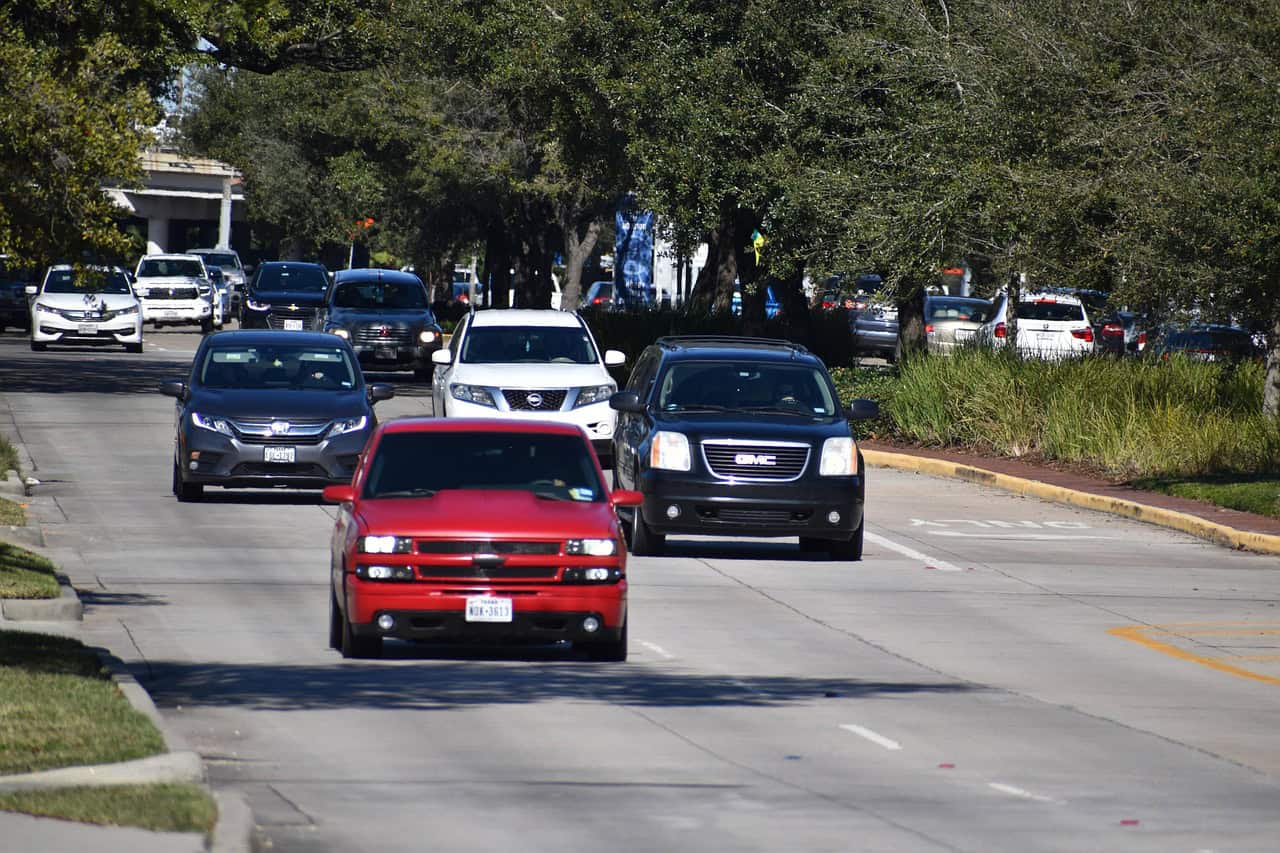
Texas is known for taking vehicular violations seriously, especially when they overlap with safety or public-risk concerns. Travelers carrying firearms often underestimate how strictly storage rules are enforced; almost 1 in 5 gun-related traffic arrests here stem from improper transport rather than malicious intent. Even mislabeled prescription pills can complicate a stop, since officers verify drug identity on the spot. Speeding more than 25 mph over the limit, combined with dangerous maneuvering, can escalate into reckless driving with heavier penalties. These laws catch drivers off guard, largely because similar conduct in neighboring states typically results in warnings or civil fines.
2. New York

New York’s dense population and high traffic volume have pushed legislators toward firm public-safety measures that surprise many visitors. Items that are perfectly legal elsewhere like certain knives or unregistered accessories may be classified as prohibited the moment they cross state lines. Roughly 14,000 weapon-possession cases each year involve travelers unaware of these distinctions. Prescription bottles without labels also trigger scrutiny, as officers need clear proof of legitimacy. Meanwhile, speeding through work zones, where limits can drop by 20 mph without long notice can draw criminal charges if workers are present. The state’s strict interpretations often stem from past highway safety data rather than targeting tourists.
3. California

California’s layered laws reflect its size, environmental priorities, and long stretches of high-speed interstate roads. Travelers unfamiliar with the state’s firearm-transport rules often misstore equipment, contributing to over 3,500 improper-carry citations annually. Cannabis regulations also create confusion; possession above 28.5 grams remains illegal despite broad legalization. Unsecured loads like gear falling from roof racks can trigger penalties if debris causes risk or property damage. Even driving 30 mph over the posted limit can qualify as reckless in certain corridors, especially where accident rates exceed state averages. These rules are designed to reduce highway incidents, but many visitors find the details unexpectedly complex.
4. Florida

Florida’s combination of urban highways and tourist-heavy traffic leads to enforcement that prioritizes public safety. Fleeing or failing to stop promptly even from misunderstanding can escalate quickly, contributing to nearly 7,800 “failure to comply” cases each year. Reckless driving becomes criminal when it causes serious bodily harm, with speeds above 30 mph over the limit often flagged as dangerous. The state also pays close attention to how medications are stored; unlabeled or loose pills complicate verification and appear suspicious during stops. These strict interpretations aim to reduce risk during peak travel months, though visitors often underestimate how rapidly minor issues can intensify.
5. New Jersey
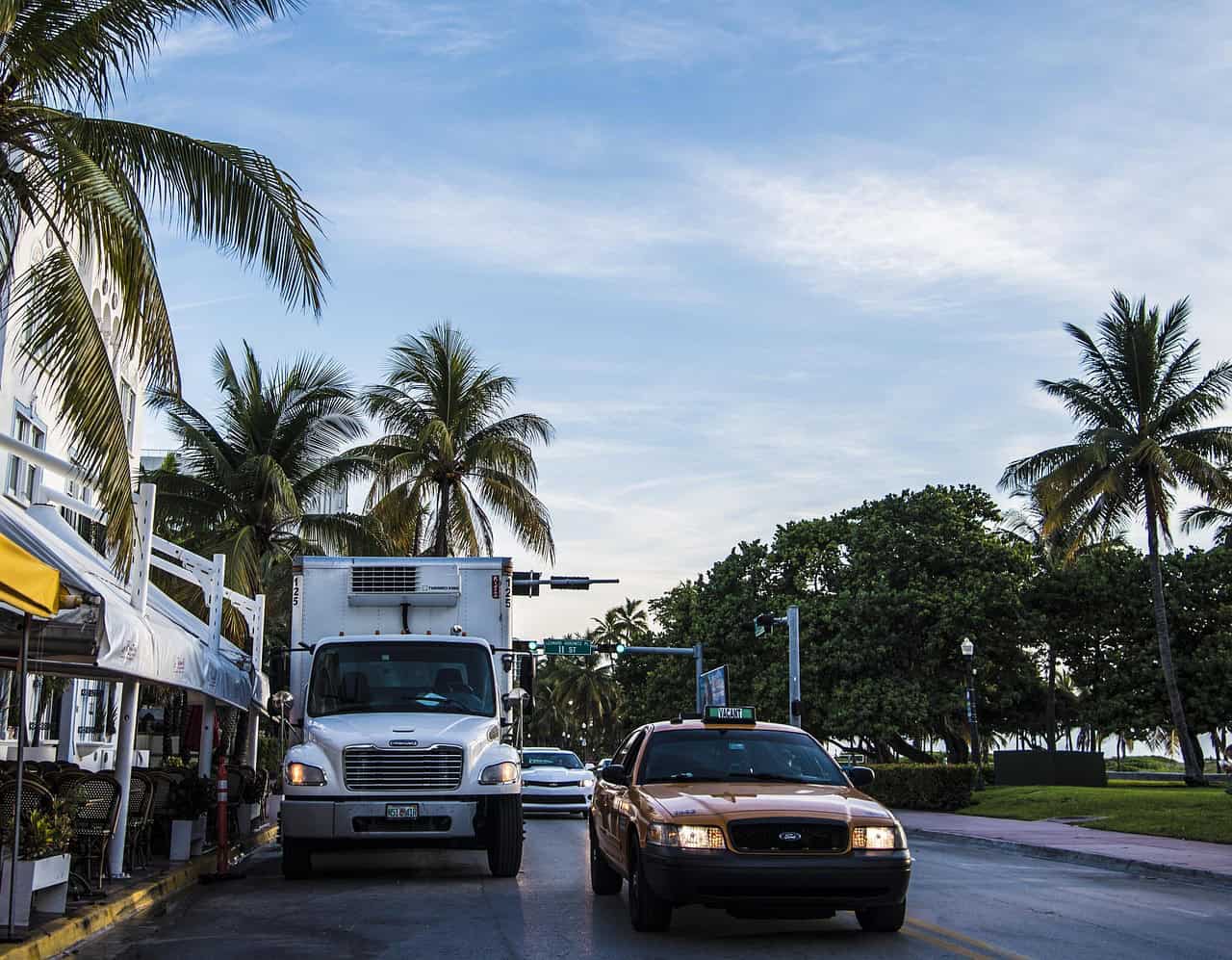
New Jersey has some of the country’s most regulated weapon-transport standards, catching many pass-through drivers off guard. Authorities file over 2,000 firearm-transport violations annually, most involving travelers who believed their out-of-state compliance was sufficient. Hollow-point ammunition legal in many regions remains tightly restricted, surprising those unfamiliar with state laws. Cannabis amounts over six ounces or improperly stored controlled substances are also treated seriously. Speed enforcement is strict as well, especially on the Turnpike where average flow can exceed limits by 10–15 mph, increasing the likelihood of high-risk citations. These rules reflect the state’s dense road network and longstanding focus on commuter safety.
6. Illinois

Illinois enforces detailed storage regulations for both firearms and cannabis, frequently surprising long-distance travelers. About 1 in 6 firearm transport arrests involve out-of-state motorists who assumed federal transport guidelines were enough. Cannabis must be sealed, odor-proof, and inaccessible; possession beyond 30 grams remains illegal. Driving with a suspended license, especially after insurance lapses or administrative errors can shift into criminal territory faster than visitors expect. Speeding 26 mph or more above the limit is categorized as aggravated speeding in many areas, intensifying penalties. These rules aim to reduce accident rates on crowded interstates, though they pose challenges for unfamiliar drivers.
7. Massachusetts
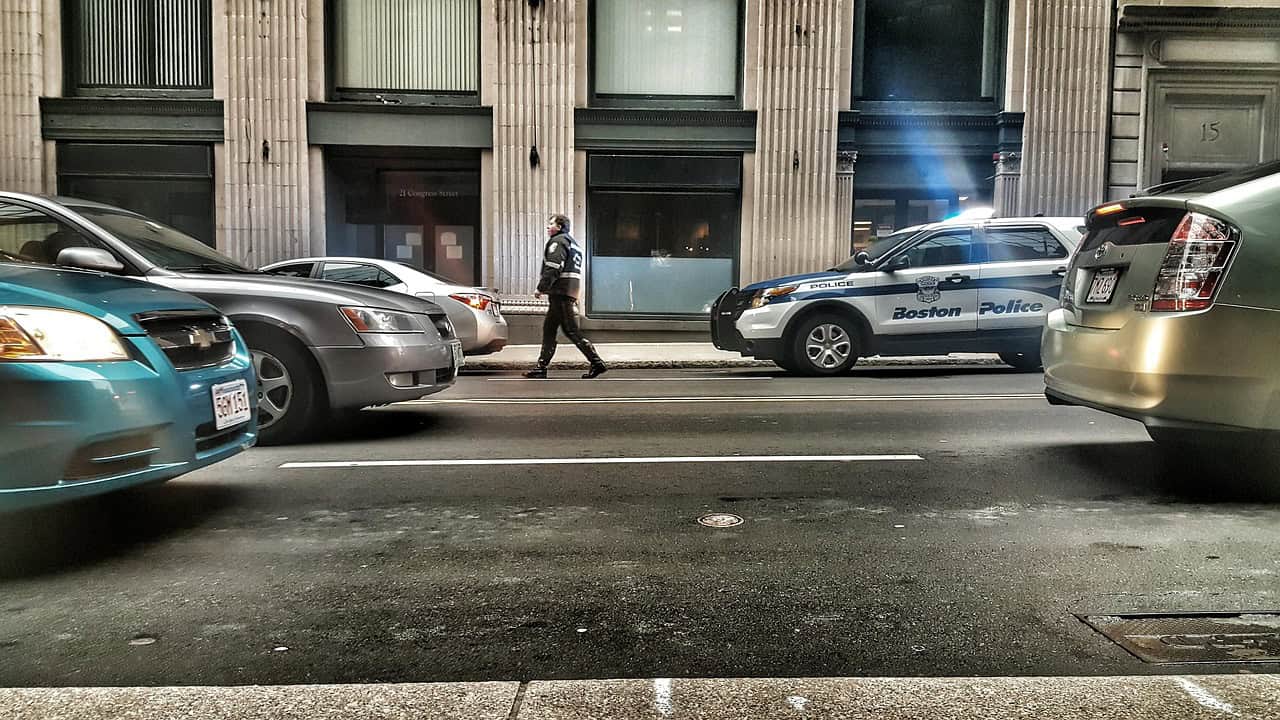
Massachusetts maintains rigid standards for weapon handling and prescription legitimacy, resulting in approximately 3,200 vehicle-based possession cases each year. Stun guns, certain knives, or unlicensed firearms can all trigger charges despite being legal in other states. Even seemingly harmless errors, like transporting medications outside original containers create problems because state law requires clear proof of valid prescriptions. Leaving the scene of an accident becomes a felony when injuries exceed defined thresholds, even if damages appear minor. Speeding by more than 20 mph in sensitive zones can also intensify penalties. These tight rules stem from the state’s long-standing public-safety approach.
8. Georgia

Georgia’s legal framework emphasizes responsibility behind the wheel, which catches some travelers by surprise. Improper firearm storage contributes to roughly 1,400 citations annually, often due to weapons being visible or unsecured during traffic stops. Excessive speeding defined as 24 mph over the posted limit, can escalate to aggressive driving when paired with risky maneuvers. Controlled substances or unlabeled medications also bring scrutiny, especially along heavily patrolled corridors like I-75 and I-85. Causing injury during a violation can transform a simple offense into a more serious charge. These policies reflect efforts to maintain road safety amid increasing interstate travel.