We may earn money or products from the companies mentioned in this post. This means if you click on the link and purchase the item, I will receive a small commission at no extra cost to you ... you're just helping re-supply our family's travel fund.
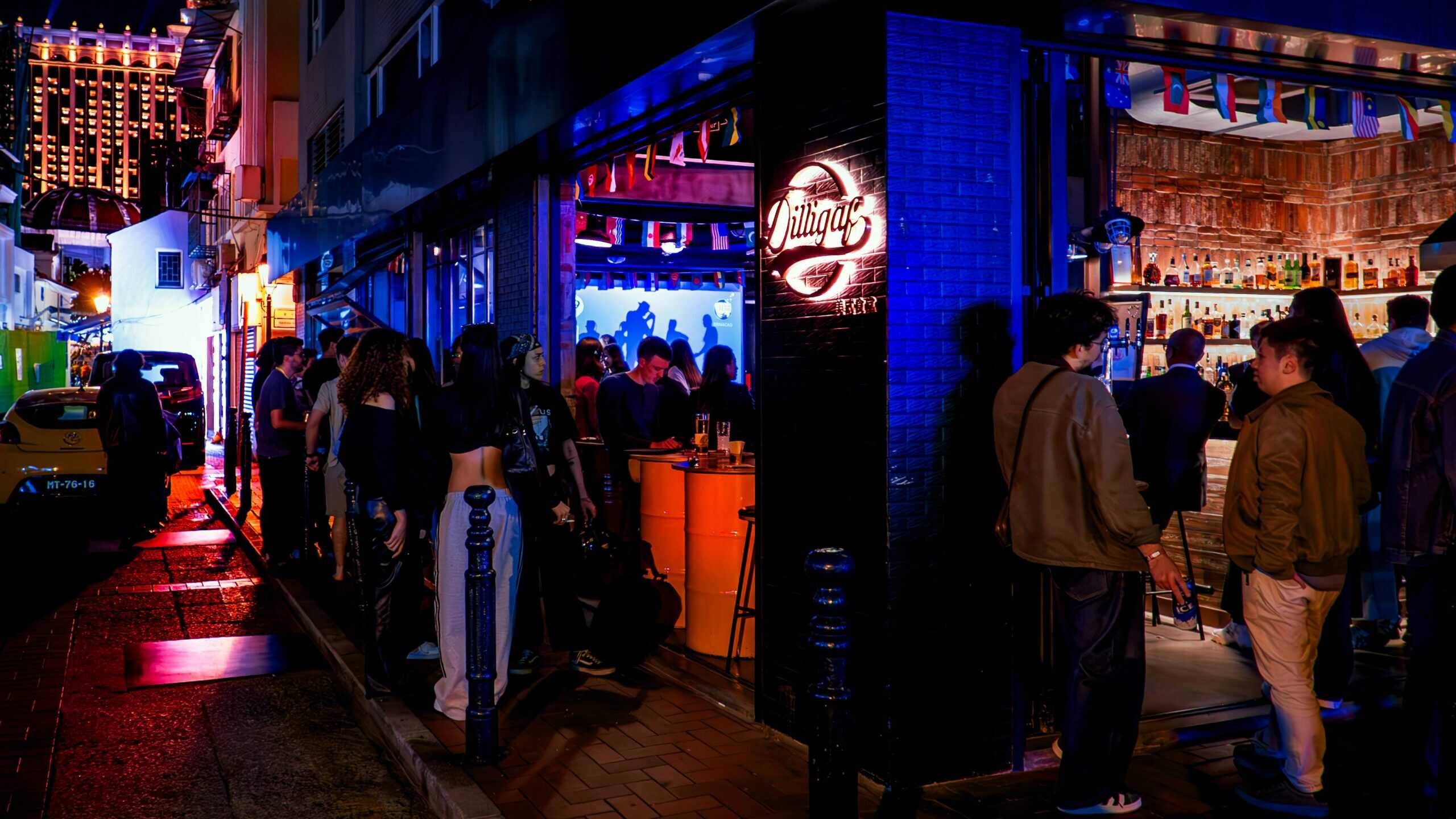
A crowded bar abroad can feel like the perfect travel scene until one detail is wrong: a door that will not open, a stairwell that narrows, or a room so packed that breathing space disappears. Most disasters start small and then accelerate, especially when smoke, heat, or panic pushes everyone toward the same exit. The good news is that a few fast checks at the entrance can reveal a lot about how a venue is run. These habits keep the night fun and keep options open if something shifts.
Scan for Two Clear Exits
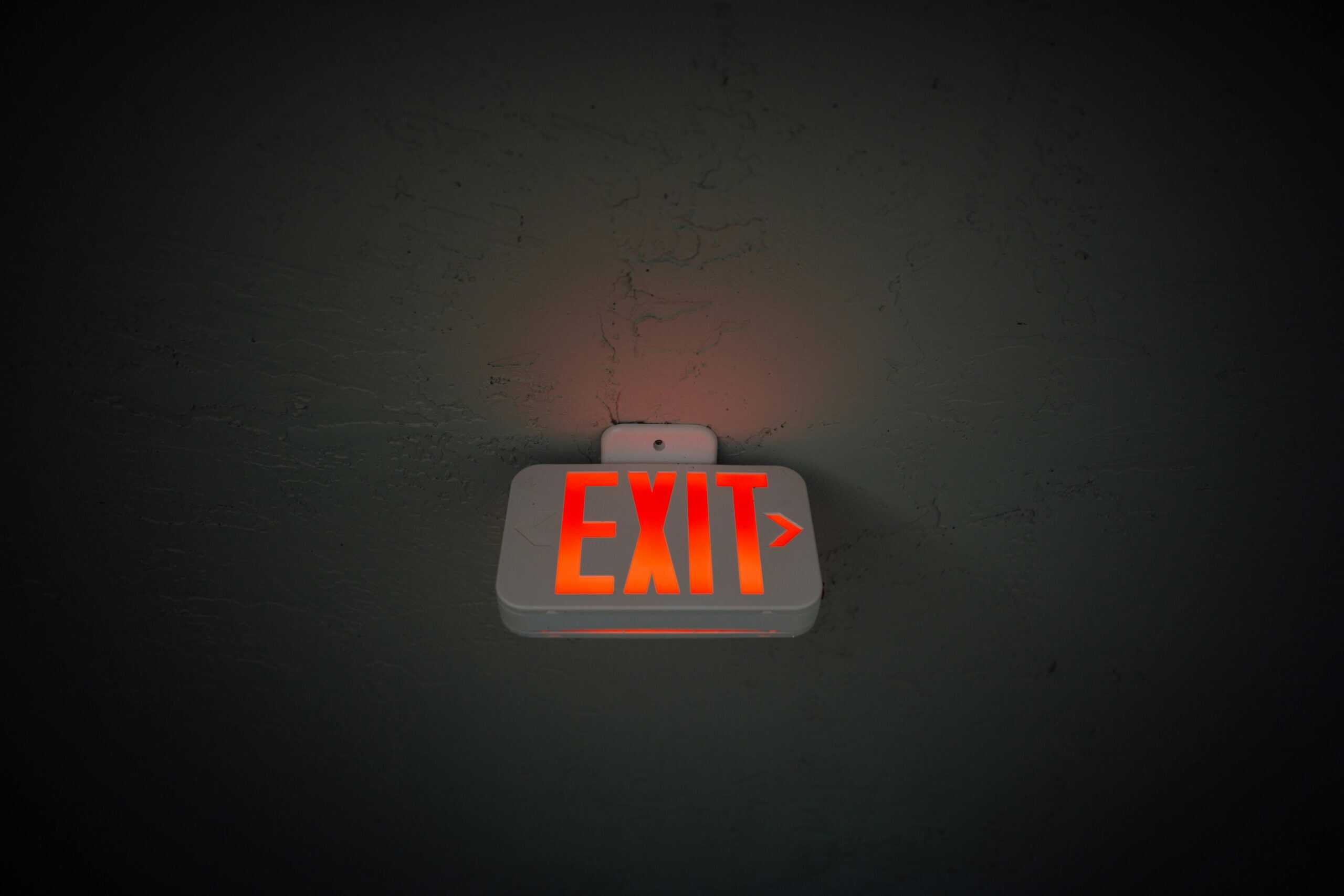
The fastest read on any crowded venue is the exit story. Serious incidents turn deadly when everyone funnels toward one familiar door and discovers too late that it is the only workable route. A quick scan should spot at least two obvious exits, with clear signs and a path that does not require staff permission or a key code. If a marked exit is hidden behind curtains, blocked by decor, or treated like storage, that is a clear signal to leave and choose a room where escape routes stay visible and respected. A quick mental map should include what happens if the main door clogs, so the backup exit needs a clear lane, not a locked patio gate.
Confirm Exit Doors Are Unlocked
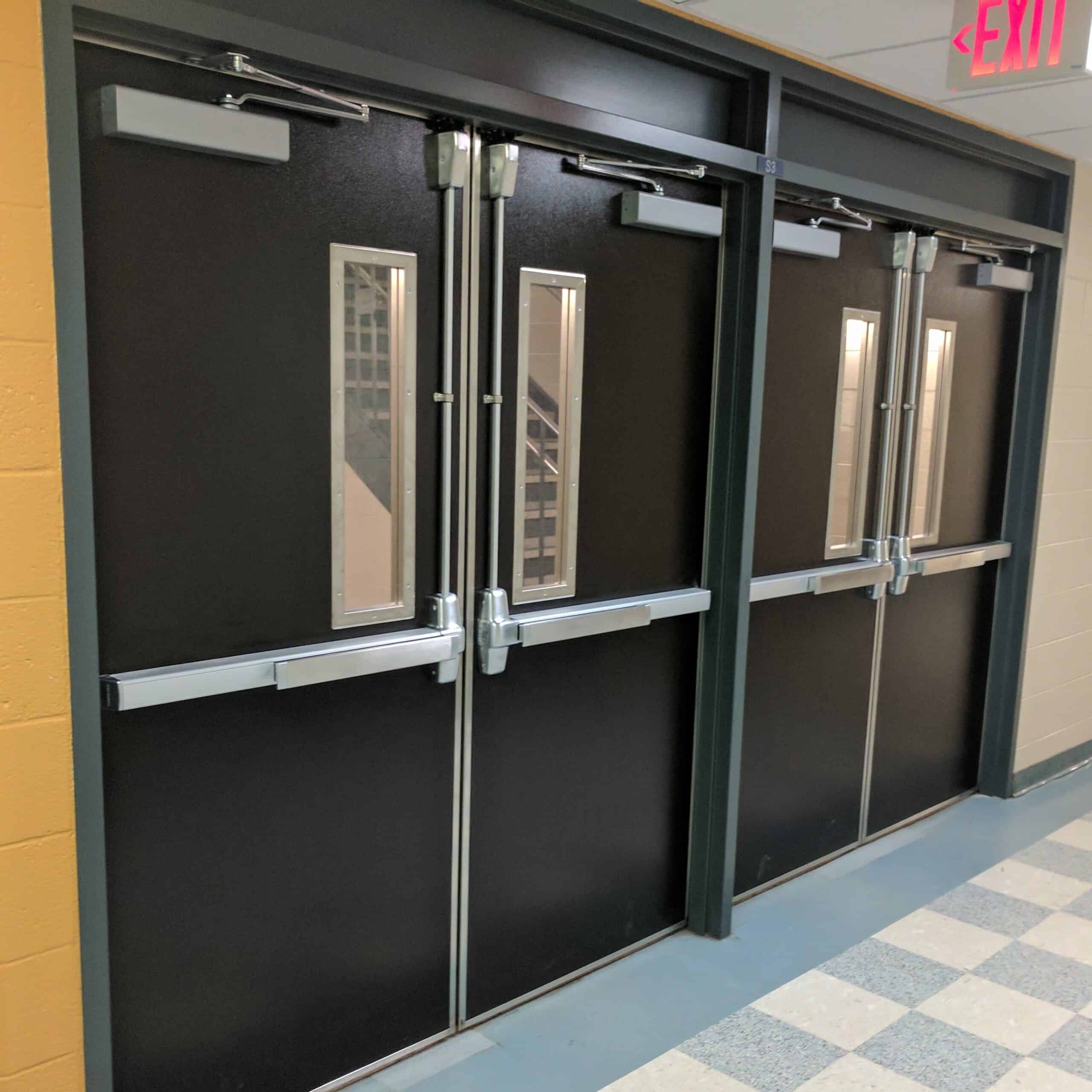
A door that looks like an exit but will not open is worse than no door at all because it attracts a surge. Some venues lock side doors to control entry, prevent walkouts, or protect a VIP zone, then forget an emergency ignores house rules. Door hardware offers clues: push bars, simple latches, and outward swing suggest real egress. Chains, padlocks, or staff-only barricades near exits are a strong reason to walk away before music, smoke, or panic makes the problem irreversible. If a bouncer claims an exit is for staff only, that answer is the warning, because safety exits do not change roles at 2 a.m.
Look Up for Fuel and Flame
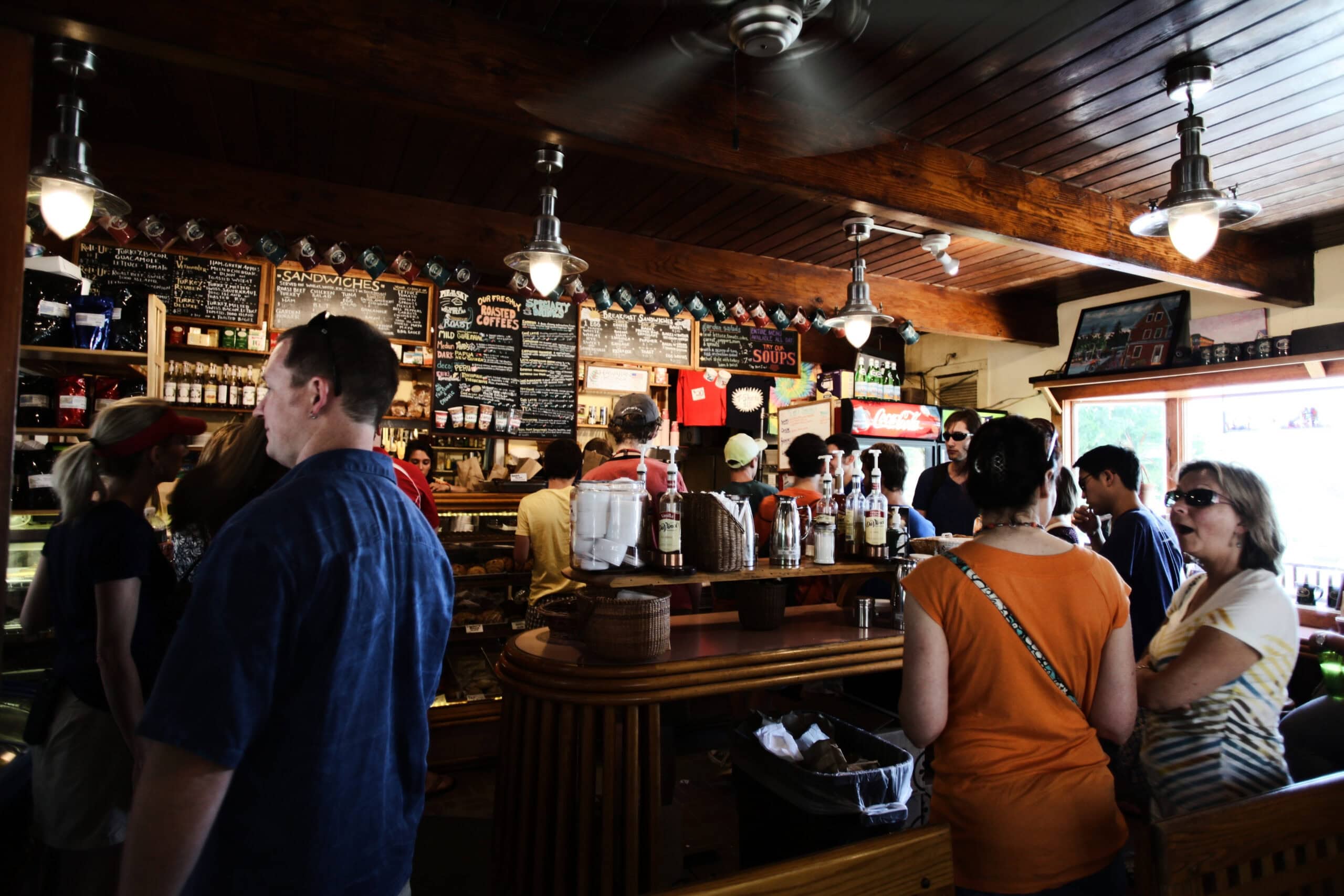
Ceilings tell the truth about fire risk. Low timber, hanging fabric, foam sound panels, and heavy drapes can turn a small spark into a fast ceiling fire, especially in a packed room where heat rises and smoke spreads in seconds. Indoors, flames used for bottle theatrics, sparklers, candles, or hookah setups add ignition sources to a space already full of coats, hair products, and paper decor. If open flame is part of the show, the sensible choice is to keep walking and pick another place. Even without a fire, thick smoke from a small flare can trigger panic, and panic is what turns a crowded dance floor into a stampede.
Spot Sprinklers, Alarms, and Emergency Lights
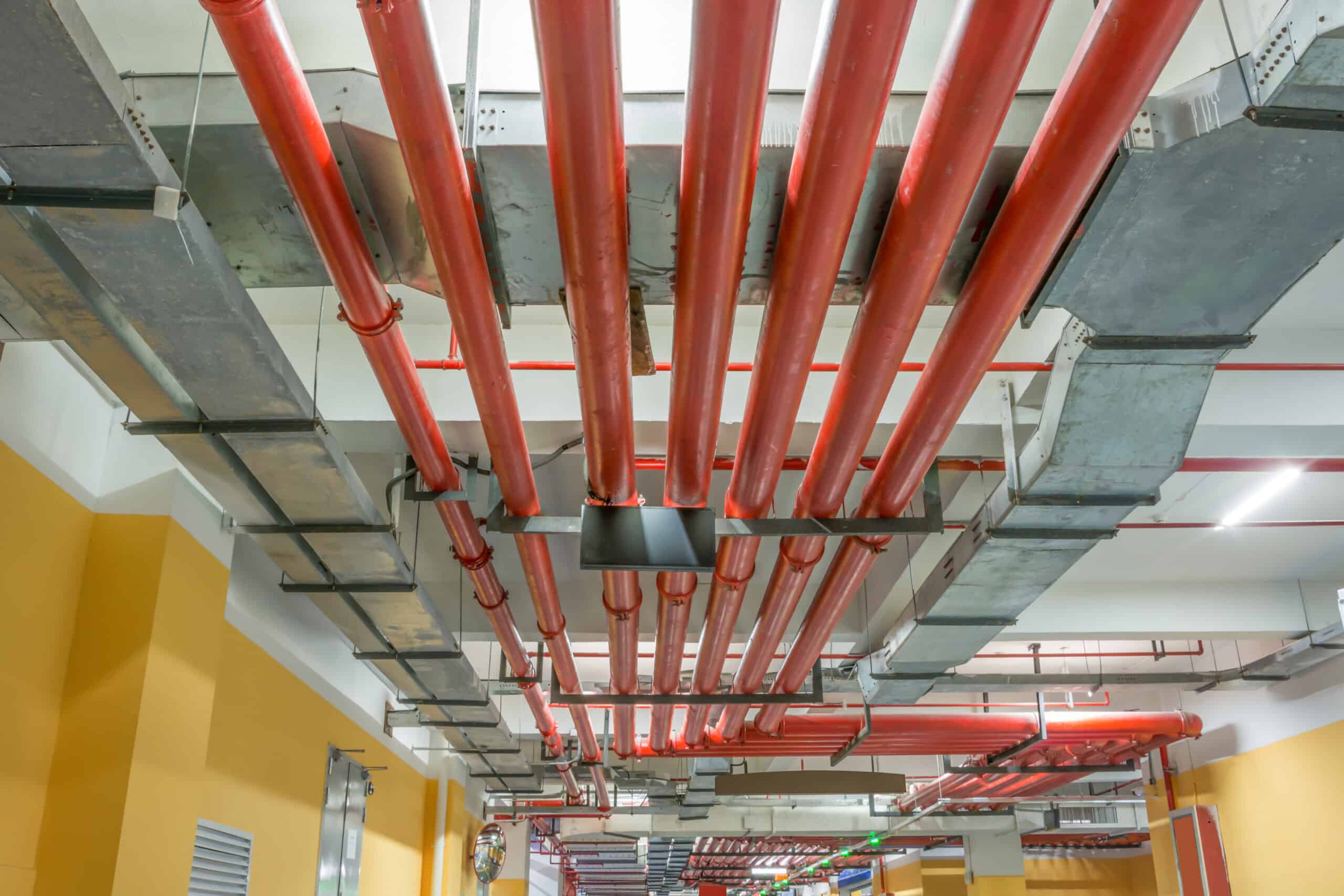
A venue that invests in basic fire protection usually shows it. Sprinkler heads, visible alarms, and bright emergency lighting suggest the room is designed to buy time when something goes wrong. That time matters most when the crowd is dense and movement is slow. Older buildings may not have every modern feature, but they should still have clear alarm devices, lit exit routes, and doors that are not hidden in darkness. A room that feels dim, confusing, and under-equipped is not a good bet when it fills up. It also helps to notice whether staff know where extinguishers are and whether exits stay lit even when the room goes dark for a DJ drop.
Judge Crowd Density at the Door

Crowd danger starts with density, not drama. If the entry area is already shoulder to shoulder, movement inside will likely stall near the bar, bathrooms, and any staircase, which is where trouble compounds. A healthier room has visible walking lanes and staff willing to slow entry when the floor is full. A risky room keeps squeezing people in because a line outside looks like success. If bodies are pressed tight and the air feels hot at the doorway, leaving early is the cleanest decision. A simple clue is the staff tone: calm, firm gatekeeping usually means the venue is managing capacity, not chasing one more sale.
Watch for Surges and Mood Shifts

Most crowd emergencies have early signals. Lines stop moving, shoulders press forward, and small shoves turn into a steady push near the bar, the restroom, or a narrow hallway. The room can look calm while pressure builds. Watching flow is practical: if a section begins surging toward a single focal point, or if staff lose control of the entrance, it is time to drift toward the edges and keep a clean lane to an exit. Leaving at the first warning is safer than trying to outlast a room that is tipping. When the floor stops flowing, drinks spill, tempers rise, and exits clog, so a quiet departure is often the safest move.
Treat Drinks Like a Security Item

A crowded club adds another risk: a drink left unattended can become a problem faster than anyone expects. Simple habits work because they are easy to repeat under loud music and dim lights. Sealed containers are safest when available. Otherwise, keeping a drink in hand, refusing open drinks from strangers, and ordering a new one if a glass leaves sight reduces exposure to tampering. This is also a theft defense because impaired judgment is what turns a lost wallet or phone into a ruined night abroad. In tourist districts, this also reduces exposure to friendly strangers who steer the night toward isolated ATMs or high-pressure venues.
Confirm Prices and Payment Before Ordering
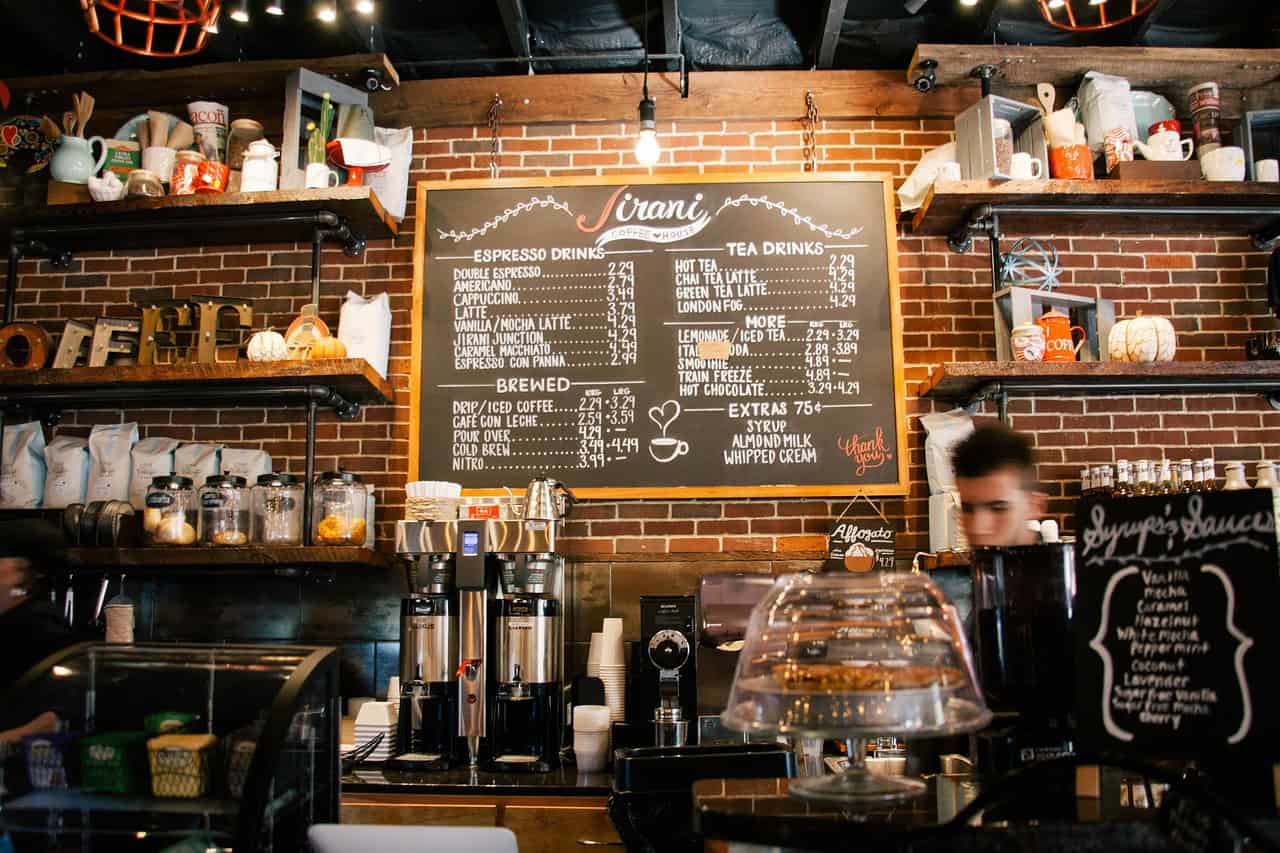
Some tourist-nightlife scams start with a friendly invitation and end with an inflated bill and pressure to pay. A quick price check prevents escalation. Legitimate venues post menus, explain cover charges, and do not mind a simple confirmation before ordering. Risky places avoid clarity, push expensive items, and insist on taking a card out of sight. If staff refuse to state prices, or if the bill feels designed to trap, leaving early is safer than arguing in a crowded room. A posted price list, a normal receipt, and a visible card terminal are small signals that the place is running a real business, not a trap.