We may earn money or products from the companies mentioned in this post. This means if you click on the link and purchase the item, I will receive a small commission at no extra cost to you ... you're just helping re-supply our family's travel fund.

In a world where headlines can feel louder than the day itself, people sometimes look at maps and wonder which places would stay calm if a major global conflict erupted. No country is guaranteed safe, and war rarely respects distance. Still, some nations combine high peacefulness scores, steady institutions, and geographic buffers that tend to lower risk. The countries below are chosen for stability, low domestic violence, and a track record of peaceful governance, using recent Global Peace Index reporting as a baseline.
Iceland
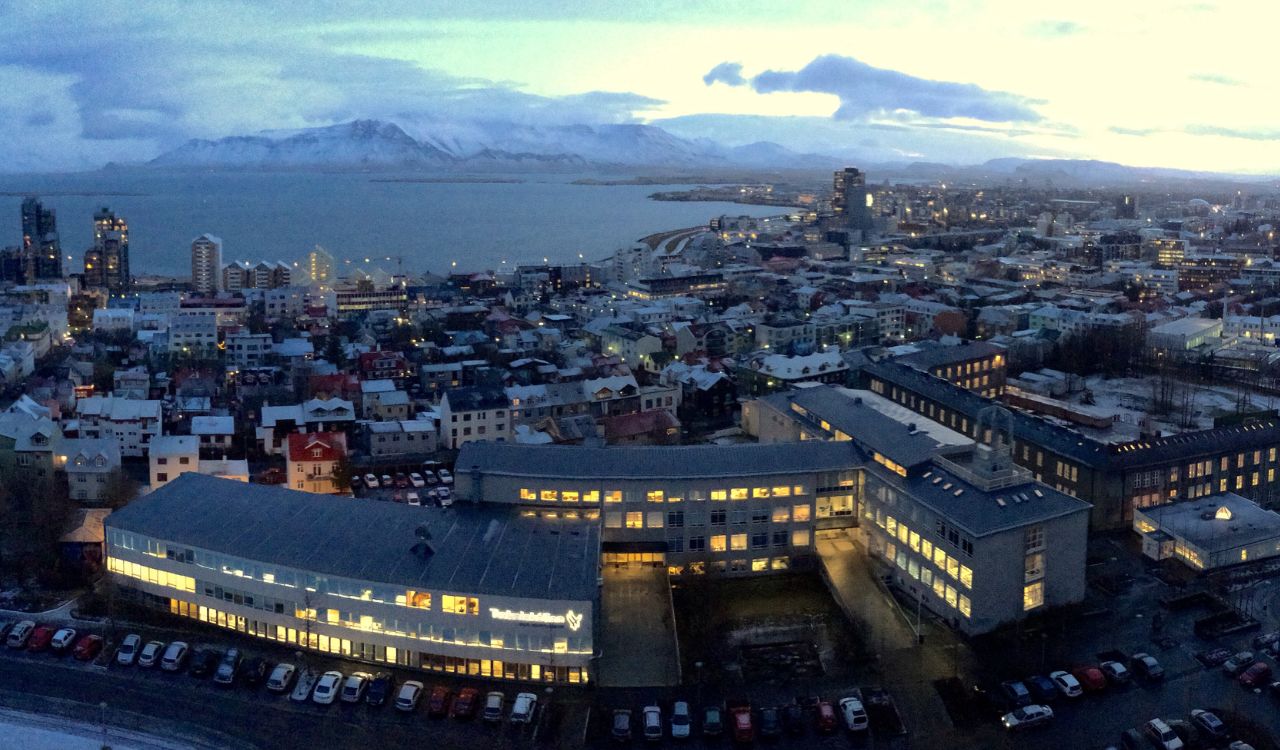
Iceland’s appeal is its quiet consistency: low crime, a small population, and public institutions that tend to stay functional even when the outside world feels unsettled. Global Peace Index reporting has kept it at the top for years, a signal of low domestic violence, low militarization, and a stable civic rhythm. Geography adds a buffer, with no land borders and an island setting in the North Atlantic that reduces spillover pressure, while reliable infrastructure and a strong social safety net help everyday life keep moving when anxiety rises elsewhere. That steadiness is the real safety story. It is not a promise, but it is a pattern, too.
Ireland
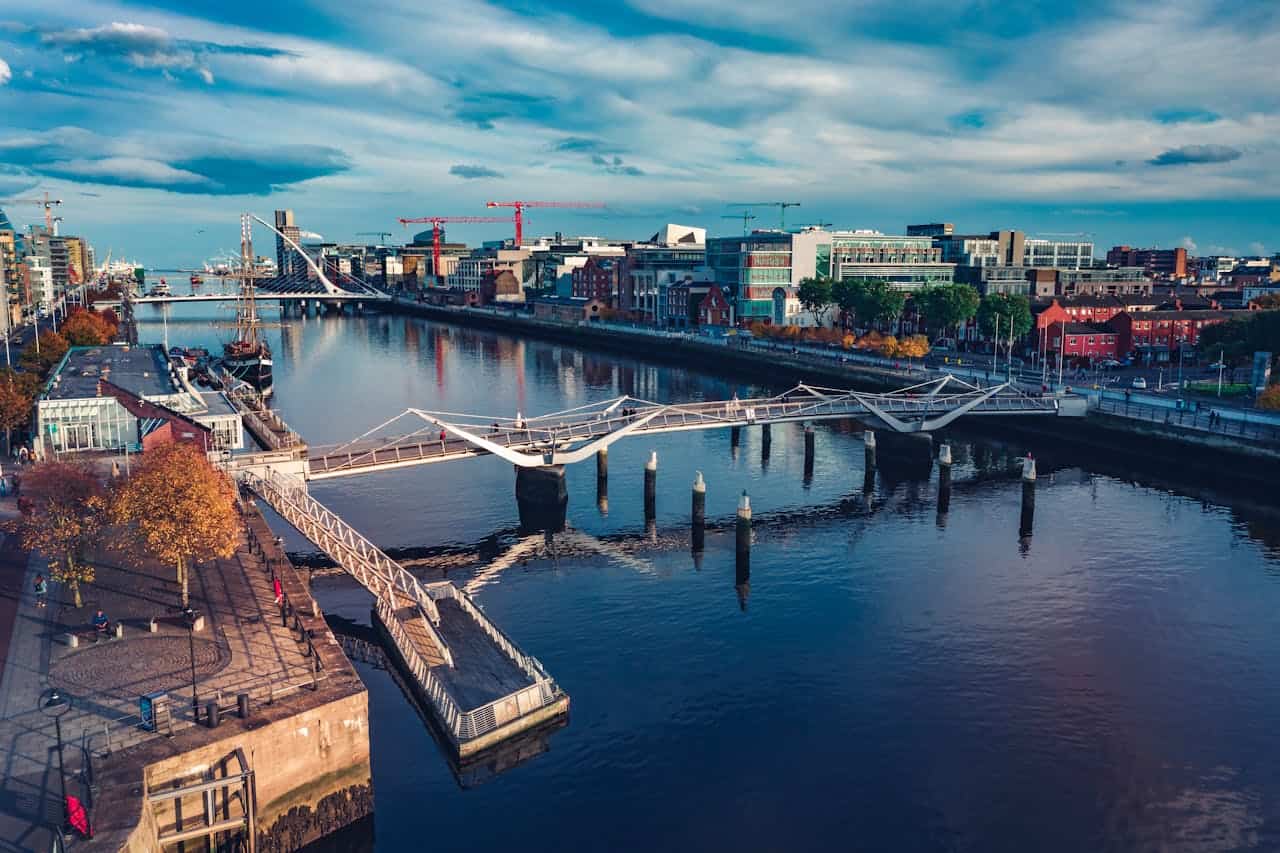
Ireland pairs everyday safety with a long policy of military neutrality, a mix that helps explain why it stays near the top of the Global Peace Index. Life often feels orderly, with strong public services and a culture of civic restraint, steady policing, and island geography adds a practical buffer through the absence of land borders and a smaller military footprint. In a major global conflict, that combination reduces the odds of becoming a front-line staging ground, so disruption is more likely to arrive as economic pressure from abroad, supply strain, price swings, and nervous energy at ports, and airports than as violence on the streets.
New Zealand
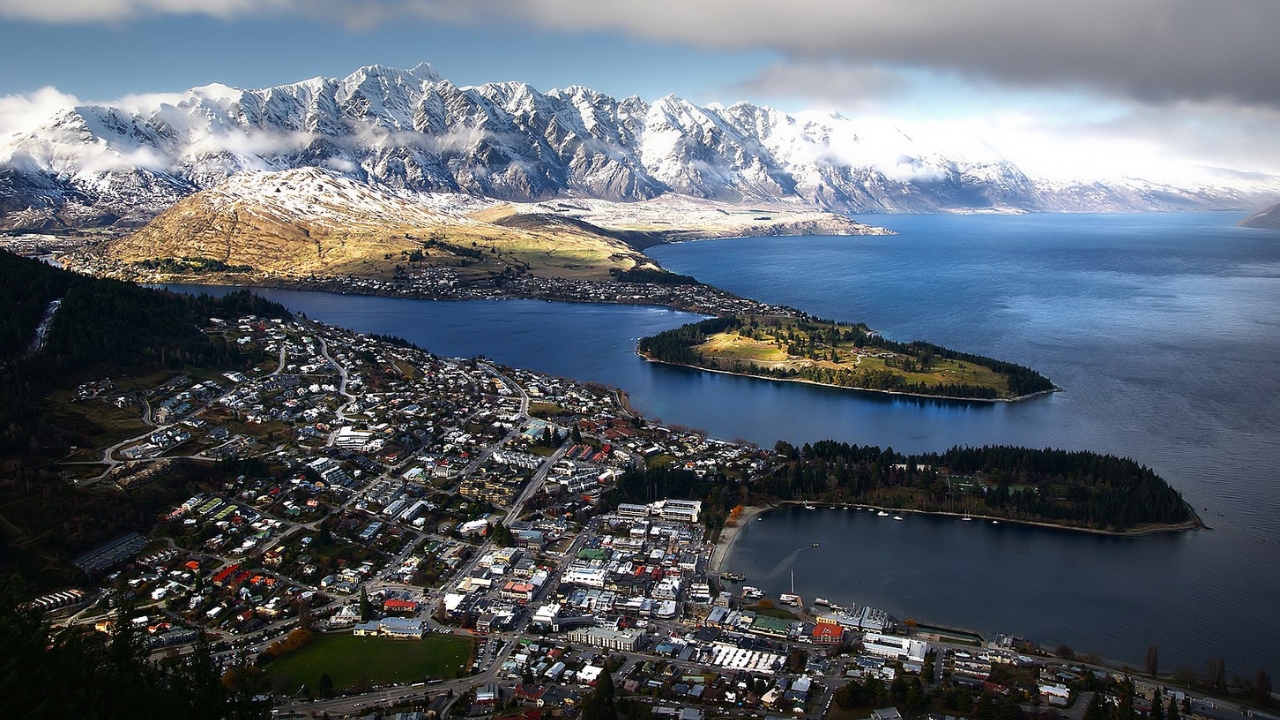
New Zealand’s distance is not a fantasy; it is a real logistical moat, and it sits alongside a reputation for calmer politics, low levels of violence, and institutions that tend to plan for disruption. The Global Peace Index regularly ranks it among the world’s most peaceful countries, reflecting steady governance and low militarization, and its nuclear-free law signals a long-running preference for keeping big-power hardware at arm’s length. In a global crisis, that combination offers time to react in time and manage borders and supplies deliberately, even as global shipping, fuel costs, and information shocks would still arrive on schedule.
Austria
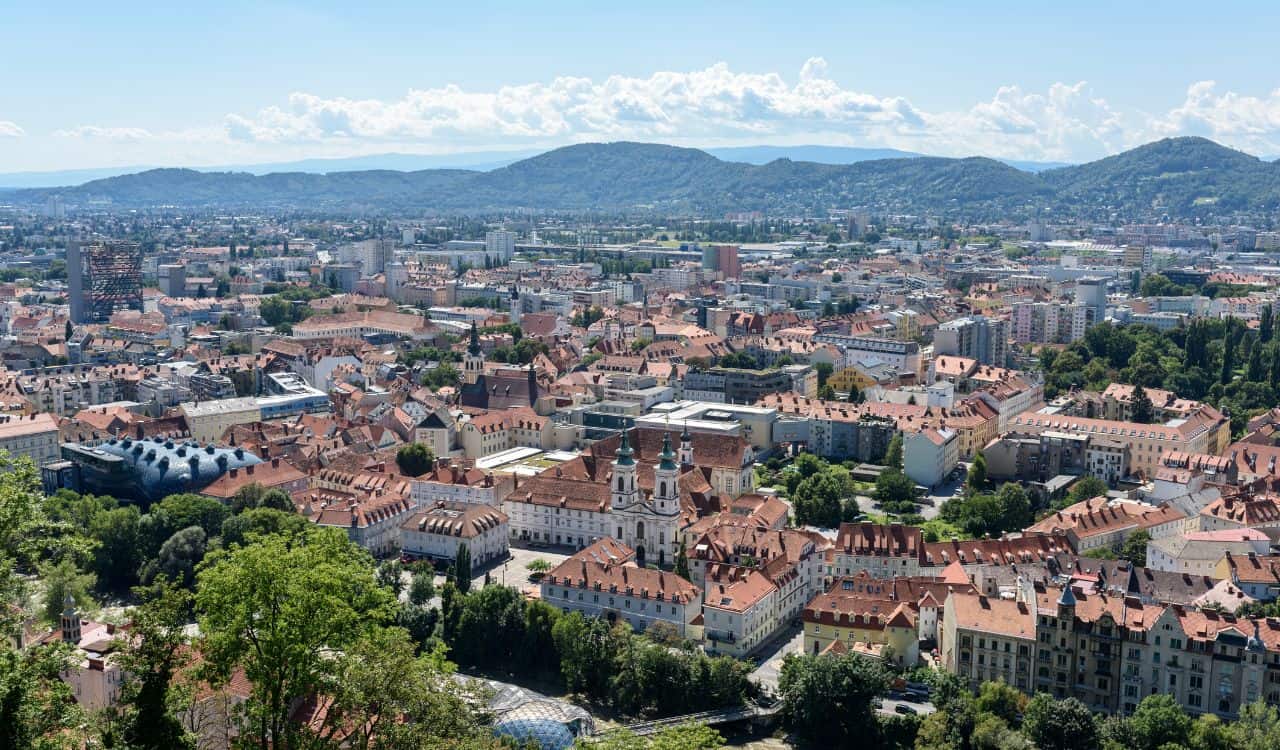
Austria’s safety reputation rests on something unglamorous: a well-run society, and a constitutional commitment to permanent neutrality that has shaped policy since 1955, and Vienna’s diplomatic role reinforces it. It tends to score highly on the Global Peace Index because daily life is stable, violent crime is often low, and public order rarely feels fragile. In a broader conflict, the country’s landlocked location in Central Europe is not the same as isolation, but neutrality and predictable governance can reduce the odds of being treated as a primary arena, while strong infrastructure helps services stay reliable when neighbors feel tense.
Switzerland
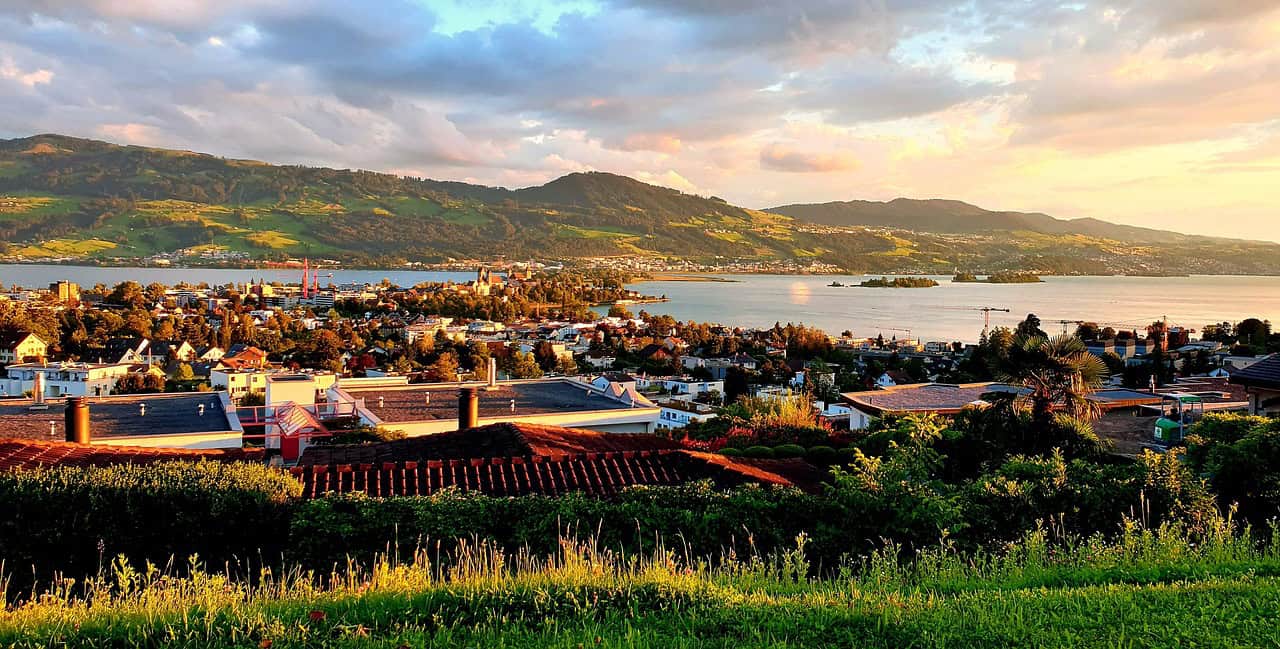
Switzerland is often treated as shorthand for stability, and its long-standing neutrality is not just a vibe; it is a formal posture backed by policy and law. Global Peace Index rankings place it among the world’s most peaceful countries, helped by strong institutions, low crime, and a civic culture that values predictability. Mountains do not guarantee safety, but terrain, decentralization, and a well-prepared public sector plus very mature civil-protection planning can make disruption harder to spread quickly, while neutrality is meant to keep Switzerland out of wars between other states even as the economy remains tightly linked to Europe.
Singapore
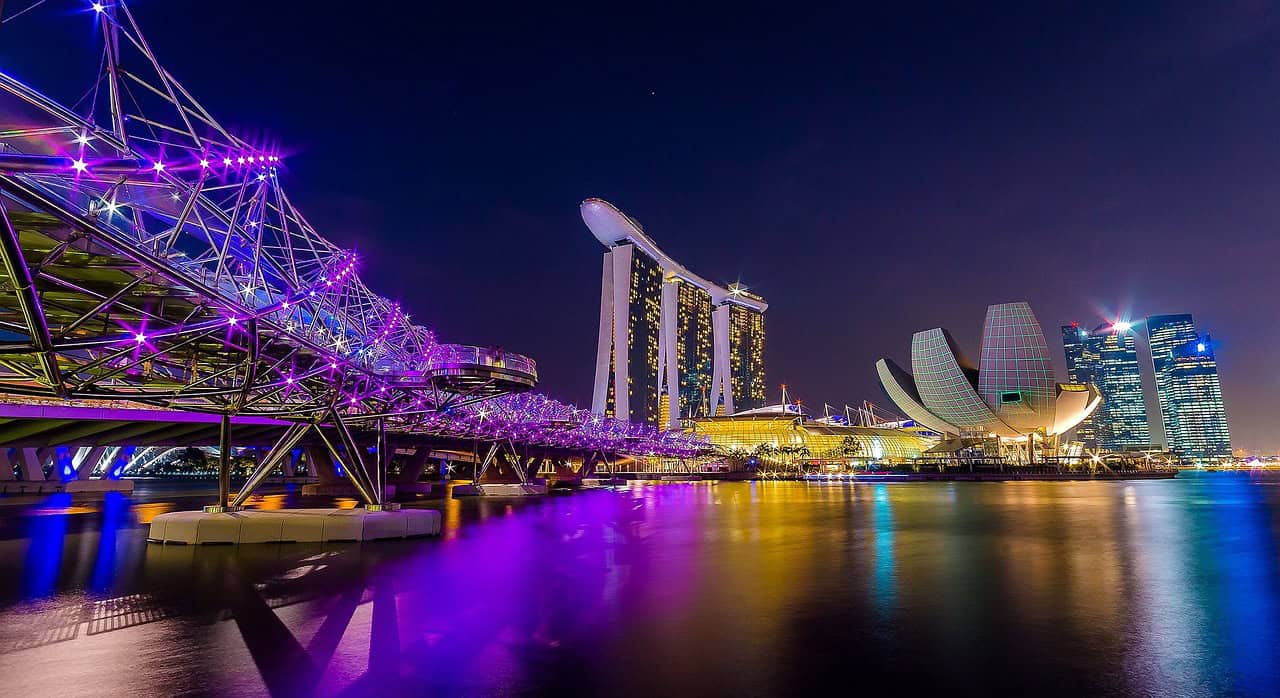
Singapore shows how safety can be engineered: strict public order, low street crime, and a culture of rules that leaves less room for opportunistic chaos in crowded places. It ranks among the top countries on the Global Peace Index, reflecting strong internal stability, predictable governance, and an ability to keep essential services running during stress. In a major global conflict, the tradeoff is obvious: the city-state sits on one of the world’s busy shipping corridors and is a major air and finance hub, so it is exposed to sanctions, supply shocks, and geopolitical tension even if streets remain calm and public systems stay disciplined.
Portugal
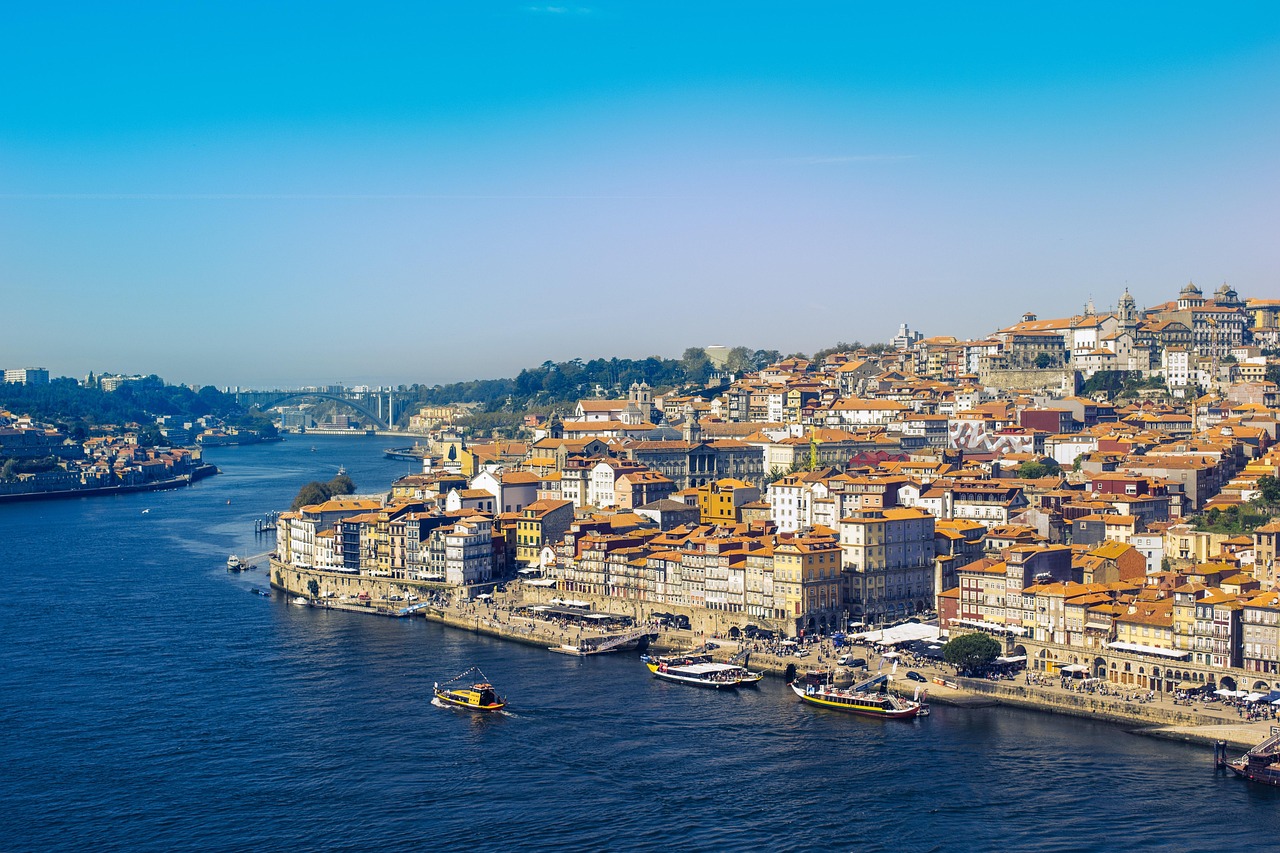
Portugal often feels like the Atlantic edge of Europe in the best way: slower civic temperature, strong community life, and a sense of daily normalcy that holds even during political noise, and a capital that can be lively without feeling volatile. Global Peace Index rankings put it among the top tier, reflecting low levels of internal conflict, low violent crime, and a fairly modest security footprint compared with many peers. In a major global crisis distance from major land borders and an ocean orientation can reduce immediate spillover while ports, food supply, and energy links still tie the country to whatever the wider system is doing.
Slovenia
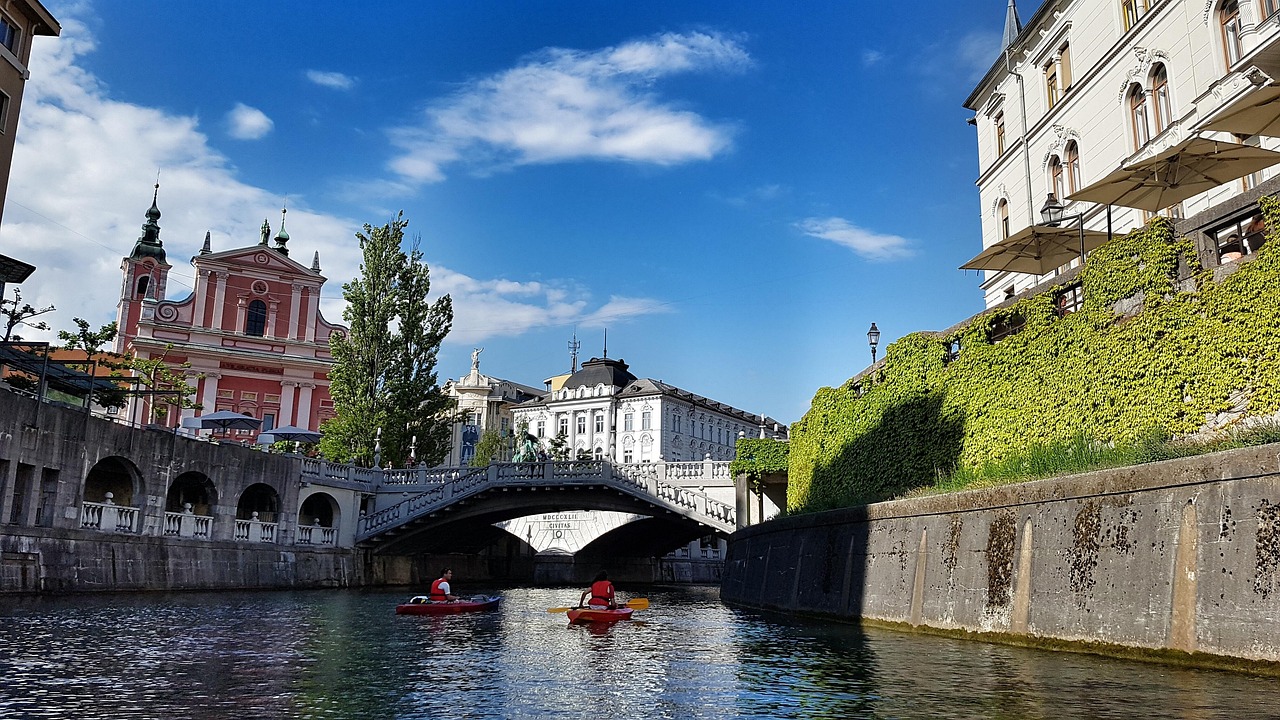
Slovenia is a small country with a big advantage: daily life is quieter, institutions function, and the national mood leans toward outdoor routines and family life rather than hard-edged politics. Its top-ten placement on the Global Peace Index reflects low levels of violent crime and a limited role in external conflict compared with larger powers. In a major global conflict, geography can cut both ways, but Slovenia’s scale makes it easier to manage logistics and maintain basic services during stress, and its location away from major sea lanes can reduce strategic attention, even while EU ties mean economic shocks would still arrive quickly.