We may earn money or products from the companies mentioned in this post. This means if you click on the link and purchase the item, I will receive a small commission at no extra cost to you ... you're just helping re-supply our family's travel fund.

In the last five years, renting a car has quietly become more expensive due to a variety of new fees that catch travelers off guard. Rising operational costs, technological upgrades, and stricter policies have added layers of charges that were uncommon just half a decade ago. From airport surcharges to environmental fees, today’s renters face a more complex landscape, with hidden costs that can total hundreds of dollars if ignored. Being aware of these fees helps travelers budget smarter and avoid surprises at the counter.
1. Airport Concession Fees

Airport concession fees, often ranging from $5 to $15 per day, cover the cost of rental companies operating at terminals. Previously, this cost was rolled into the base rental rate and wasn’t a separate line item. Today, picking up a car at an airport almost guarantees this charge, which can add $50–$150 for a weeklong rental. Some major airports, like LAX or JFK, push fees even higher due to high terminal rents. Renters can save by choosing off-airport locations, but convenience often comes at a significant premium.
2. Enhanced Cleaning Fees

Following post-pandemic hygiene protocols, many companies now charge $10–$30 per rental for enhanced cleaning. This covers deep sanitization of steering wheels, door handles, seats, and high-touch areas. Five years ago, cleaning was standard and included, costing the renter nothing extra. For a weeklong rental, this fee can add $70–$100, depending on the chain. Ignoring it can lead to surprise bills at checkout, as companies justify it as a necessary health measure, even for short-term rentals under 48 hours.
3. Electronic Toll Device Fees

Electronic tolling has grown more common, with companies offering devices that automatically track tolls for convenience. Daily fees range from $3 to $10, plus the actual tolls, whereas five years ago, paying cash or local passes was standard. For a weeklong road trip, total costs can hit $25–$70. These devices often generate delayed charges, billing your card weeks after the rental ends. Drivers unaware of these fees may find their trips unexpectedly expensive, especially in regions like Florida or the Northeast, where toll roads are frequent.
4. Fuel Service Fees

Fuel service fees, typically $7–$12 per gallon, are applied if renters choose pre-paid fuel or fail to refill the tank. Previously, renters simply refueled before returning the vehicle without extra processing fees. Today, pre-purchased fuel plans are marketed as convenience but often cost 30–50% more than local gas stations. For a standard SUV, a 15-gallon tank could cost $105–$180 under this plan, compared to $60–$70 at the pump. Careful planning can avoid this hidden expense entirely.
5. Young Driver Surcharges

Surcharges for drivers under 25 have expanded, now ranging from $15–$35 per day, with some companies charging additional tiers for ages 21–24. Previously, younger renters could sometimes avoid fees via loyalty programs or specific vehicle types. For a weeklong rental, the extra cost can be $105–$245, a significant addition to the base rate. Misrepresenting age or failing to account for this surcharge can result in penalties, making transparency essential for young travelers.
6. GPS and Wi-Fi Rental Fees
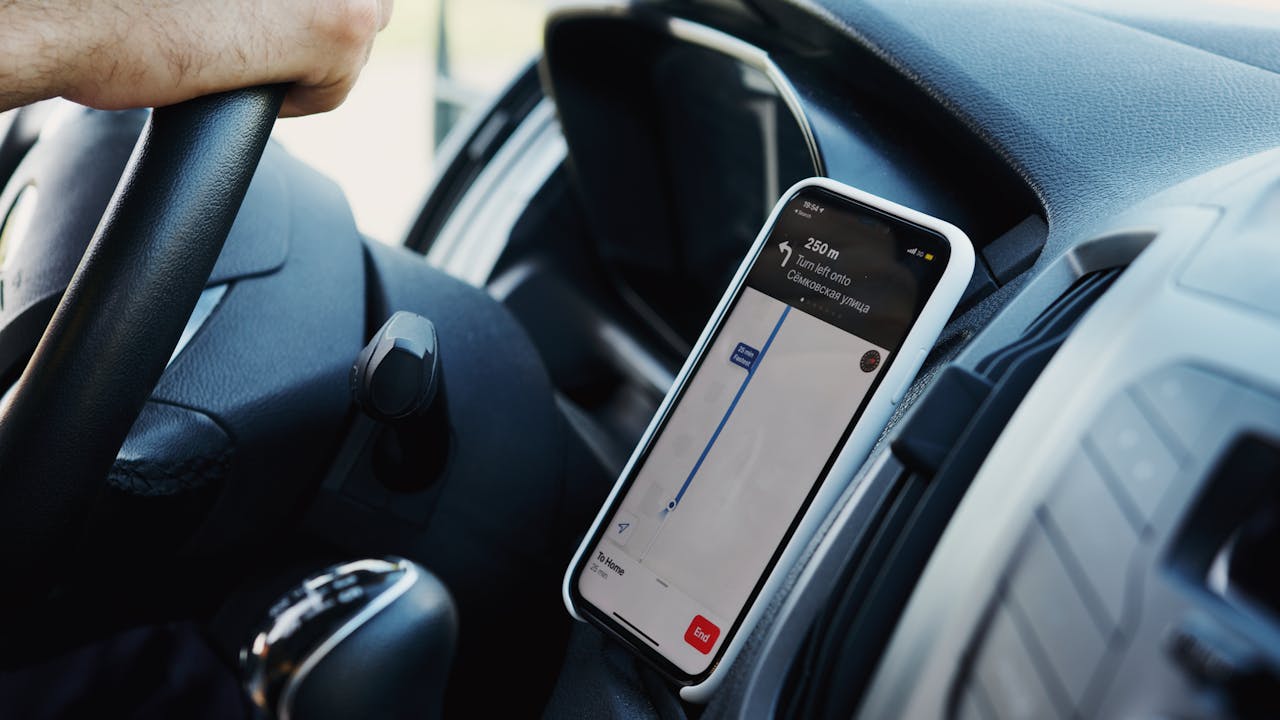
Modern rentals charge $10–$20 per day for GPS units or mobile hotspots, whereas five years ago these were often free or rented cheaply at flat rates. For a weeklong trip, this adds $70–$140, despite smartphones serving the same purpose. Companies present these devices as convenience tools, but savvy travelers can usually bypass the fee entirely. The widespread push to monetize connectivity reflects an industry trend of turning tech essentials into revenue streams, especially in urban and tourist-heavy areas.
7. Environmental or Carbon Offset Fees

Environmental fees, now $1–$5 per day, fund carbon offset initiatives or sustainability programs. Previously nonexistent, these charges are increasingly mandatory in eco-conscious states or on high-end rentals. For a weeklong rental, this could total $7–$35, a small but meaningful addition. Companies promote these fees as part of their green initiatives, subtly increasing rental revenue while appealing to environmentally conscious travelers. Ignoring them or assuming they’re optional can still result in automatic billing.
8. Premium Vehicle Cleaning Damage Fees
Premium cleaning or minor damage fees now range from $50–$200, applied to dirt, sand, or spills. Five years ago, only major damage triggered extra charges. Convertible sand, spilled drinks, or muddy tires can all result in fees today. Inspecting the car carefully before and after rental, documenting any marks, and returning it clean can prevent these charges. For families or outdoor enthusiasts, these fees can add $100–$300 per week, making this one of the most overlooked modern rental costs.