We may earn money or products from the companies mentioned in this post. This means if you click on the link and purchase the item, I will receive a small commission at no extra cost to you ... you're just helping re-supply our family's travel fund.

Travel insurance works until it doesn’t, and the surprise usually surfaces during urgency rather than planning. Many Americans buy a blanket policy expecting medical coverage, evacuation support, or reimbursement after disruption, then discover that exclusions hinge on government advisories, activity categories, or shifting political conditions. Geographic nuance matters. A winter ski trip in the Alps may be covered differently than a desert trek in North Africa. A calm destination can become restricted overnight. What stings is not the rule itself, but how silently that rule waits for the wrong moment.
The Arctic and Greenland

Policies often treat polar regions as expedition travel, which pushes coverage into special underwriting and higher-risk categories. Rescue costs can escalate fast, and evacuation flights may fall outside standard limits because local infrastructure is minimal. Even a minor injury can trigger a logistics puzzle involving ice runways, weather holds, and cooperation across agencies. Travelers expect cold. They do not expect fine print turning a twisted knee into a five-figure bill.
The Himalayas and High,Altitude South Asia

Altitude changes insurance math. Many standard plans exclude rescue or treatment above certain elevations, especially when helicopters are required and village clinics lack advanced care. Nepal trekking seasons lure U.S. hikers who assume a typical medical policy will pay for stabilization or evacuation. Terms can shift near popular routes where sudden storms ground air support. A simple headache becomes more serious when oxygen, transport, and weather windows sit outside ordinary coverage caps.
West Africa
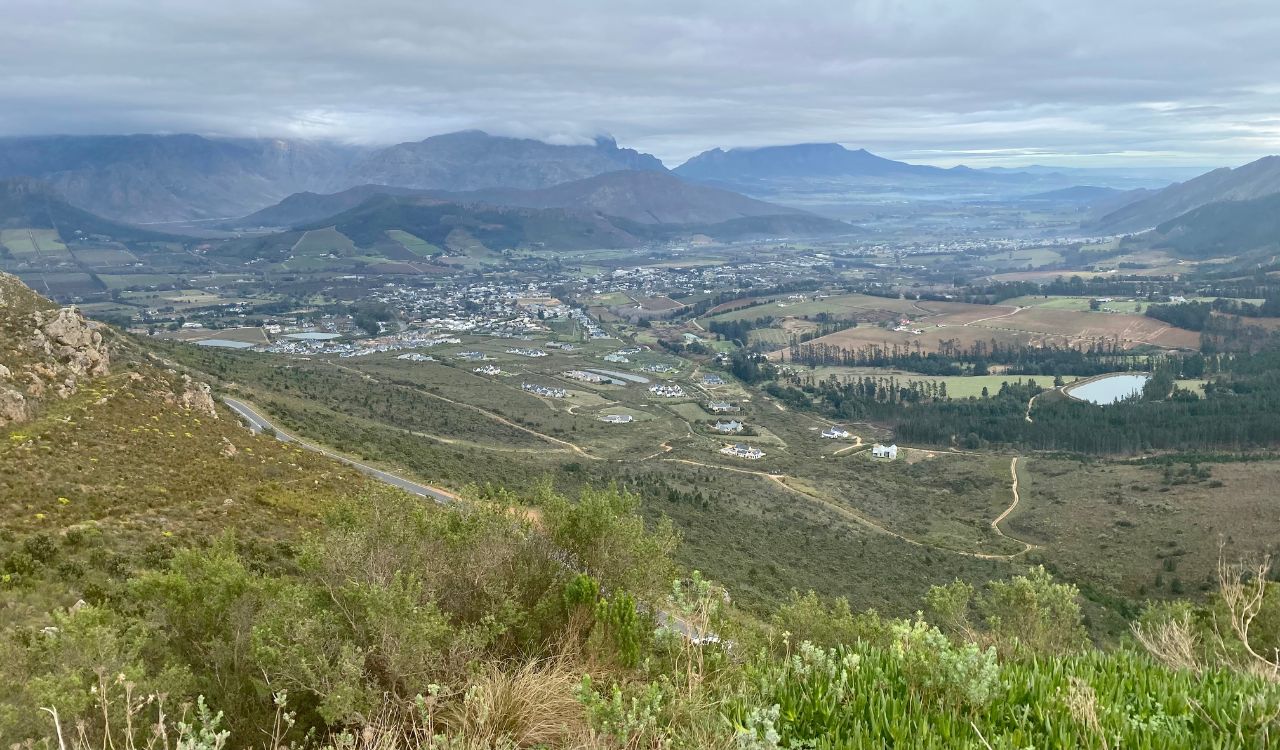
Coverage exclusions in West Africa often connect to government advisories and limited medical capacity. Some plans restrict benefits when a country sits under a Level 3 or Level 4 advisory, even if travel is allowed. Americans arrive for business or family visits and assume emergency care will be reimbursed. The reality depends on whether the insurer classifies the region as higher risk, pushing evacuation or stabilized care into optional add-ons. The gap becomes visible when paperwork matters more than symptoms.
Central America’s Volcano Belt
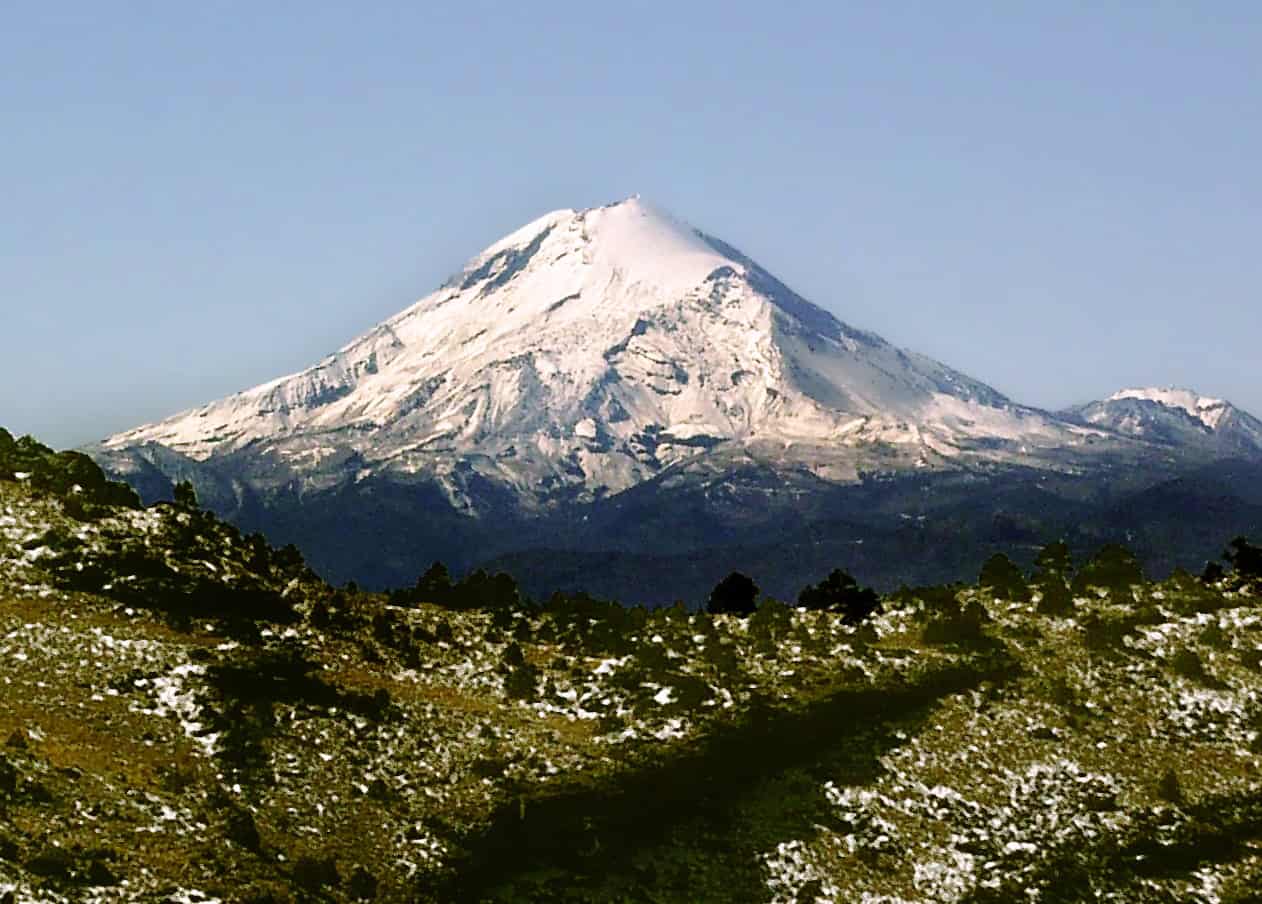
Adventure travel around active volcanoes often falls into hazard exclusions, even when the activity is guided and regulated. A summit attempt in Guatemala or a lava overlook in Costa Rica looks harmless until ash alerts or seismic shifts trigger mandatory evacuations. Standard policies may not cover cancellations tied to geological activity, and medical coverage can narrow if burns, fumes, or debris are treated as adventure risk. The visual thrill obscures a paperwork reality.
North Africa’s Desert Zones

Travel across dunes and remote oases can look like soft adventure, but insurers treat regions without rapid medical access as elevated exposure. Evacuation may require military coordination or cross-border routing. Americans often assume a clinic referral is covered until a policy defines that referral as transport beyond standard reimbursement. The desert does not forgive delays. A sprained ankle in sand can demand a four-wheel extraction followed by a flight, and each stage may sit outside basic benefits.
The Middle East During Advisory Shifts
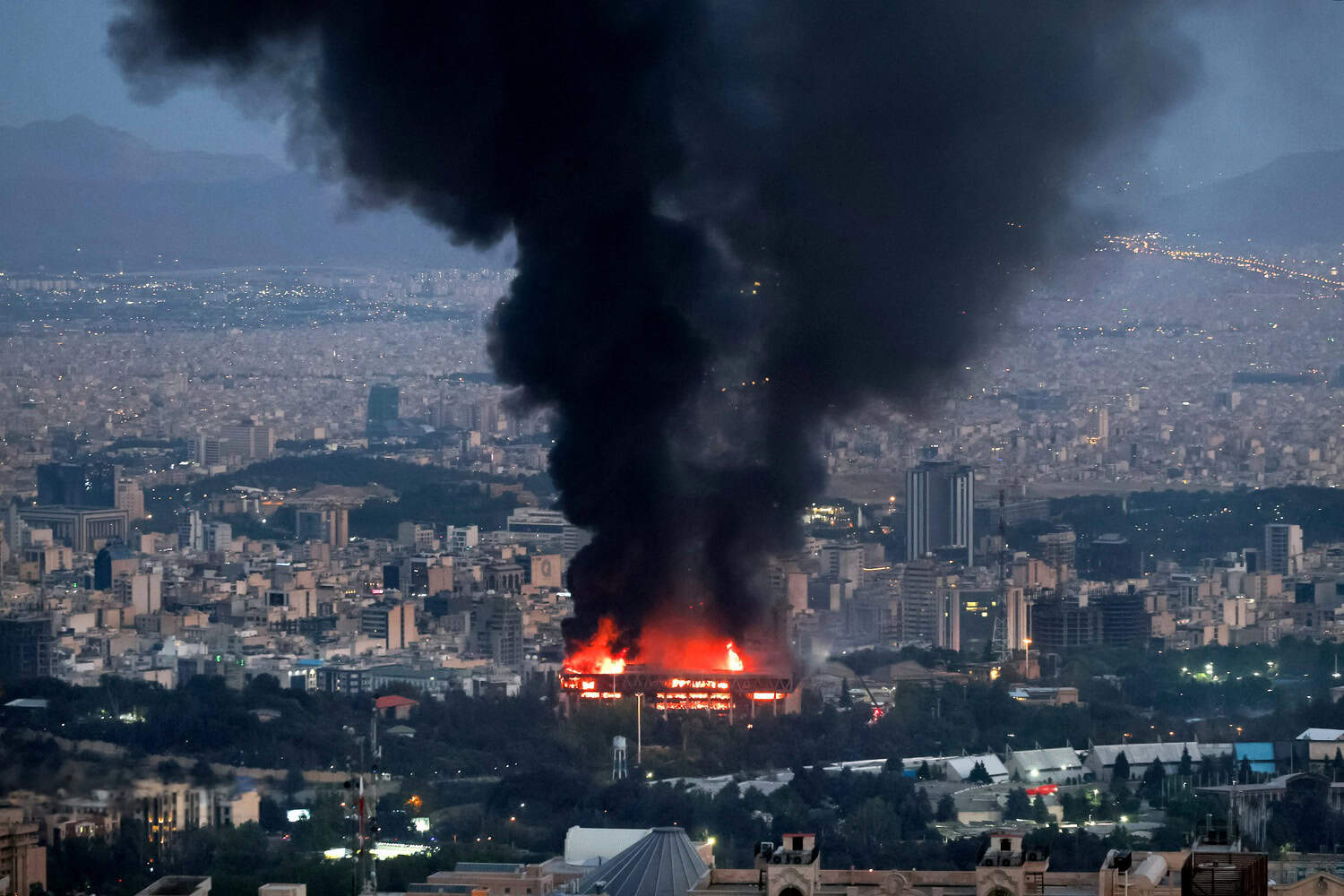
The Middle East contains well-developed cities with excellent hospitals, yet insurance exclusions hinge on geopolitics rather than healthcare capacity. If an advisory level changes mid-stay, certain benefits can narrow, especially for trip interruption or emergency evacuation. A conference attendee may arrive under normal rules and depart under restricted ones. The fine print ties reimbursement to timing, placing bureaucracy ahead of circumstance. That surprise lingers longer than the jet lag.
Caribbean Hurricane Corridors
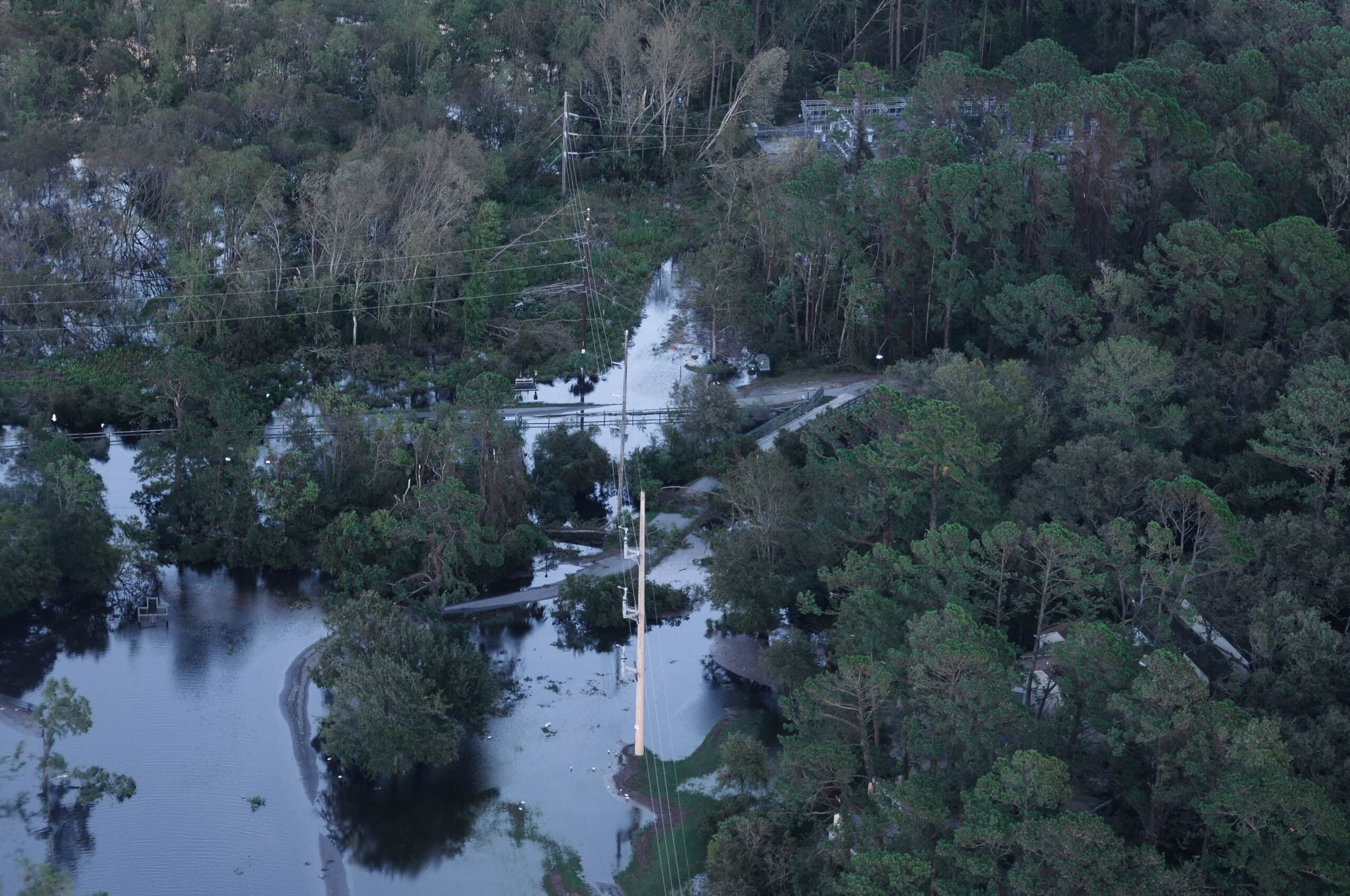
Hurricane season is predictable, yet insurance language can remain rigid. Some plans require the storm to be named before coverage triggers, while others exclude cancellations if the airline still operates, even when conditions are miserable. Medical and evacuation benefits may narrow during declared emergencies. A traveler imagines palm trees and calm water. The insurer imagines wind patterns, advisories, and burdened hospitals. Timing becomes everything, especially in Sept. and Oct.
The Alps During High-Risk Winter Weeks
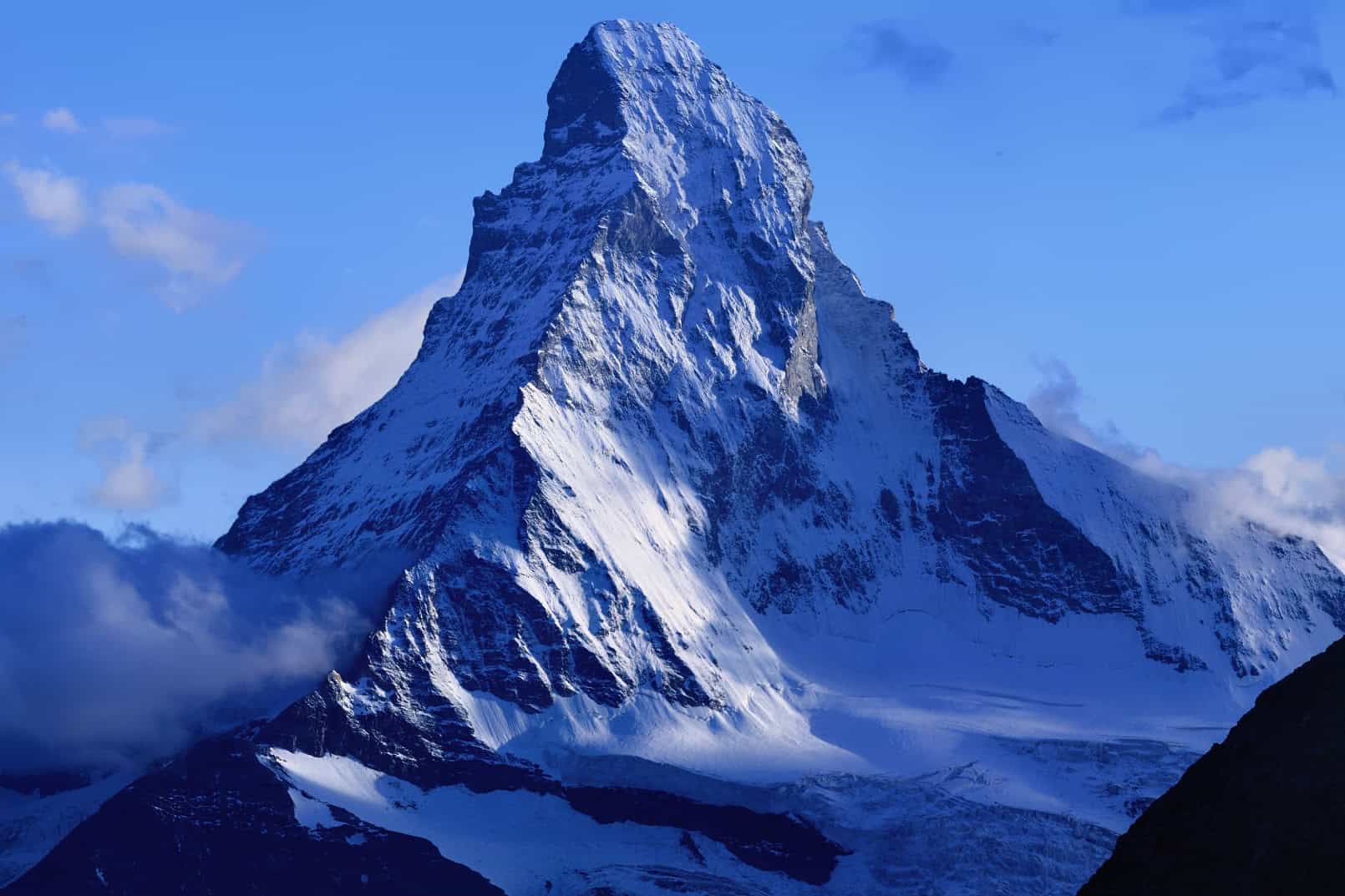
European ski resorts are well organized, yet avalanche risk pushes some claims into excluded categories. Rescue by helicopter or off-piste mishaps may require supplemental adventure coverage. Americans show up with strong legs and assume a helmet and lift ticket guarantee medical support. The paperwork says otherwise. When an accident happens past the resort boundary or after a posted warning, reimbursement depends on add-ons that many travelers never noticed at purchase.