We may earn money or products from the companies mentioned in this post. This means if you click on the link and purchase the item, I will receive a small commission at no extra cost to you ... you're just helping re-supply our family's travel fund.

Last-minute flights can feel like a rescue rope: one click and the plan is back on track. The catch is that urgency makes travelers skim the details that matter, like fare rules, airport swaps, and connection timing. Airlines and third-party sellers know a stressed buyer is less likely to notice a basic-economy trap or a layover that quietly turns into an overnight. A clean last-minute booking is still possible, but it requires a slower read, a few targeted checks, and the discipline to walk away when the deal looks convenient but the fine print looks expensive.
Basic Economy That Blocks Changes

Basic economy is often the cheapest last-minute headline, but it can lock a traveler into the least forgiving ticket on the screen, with no changes, limited refunds, and seat and carry-on rules that charge for what many assume is standard. That matters when a delay forces rebooking, when a meeting shifts by a few hours, or when a family needs seats together and the only remaining assignments cost extra and split the group. The real red flag is a low fare paired with vague wording on bags and changes, because the add-ons, seat fees, boarding restrictions, and rebooking penalties can quietly push the final total above the next cabin up.
Connection Windows That Assume Perfection
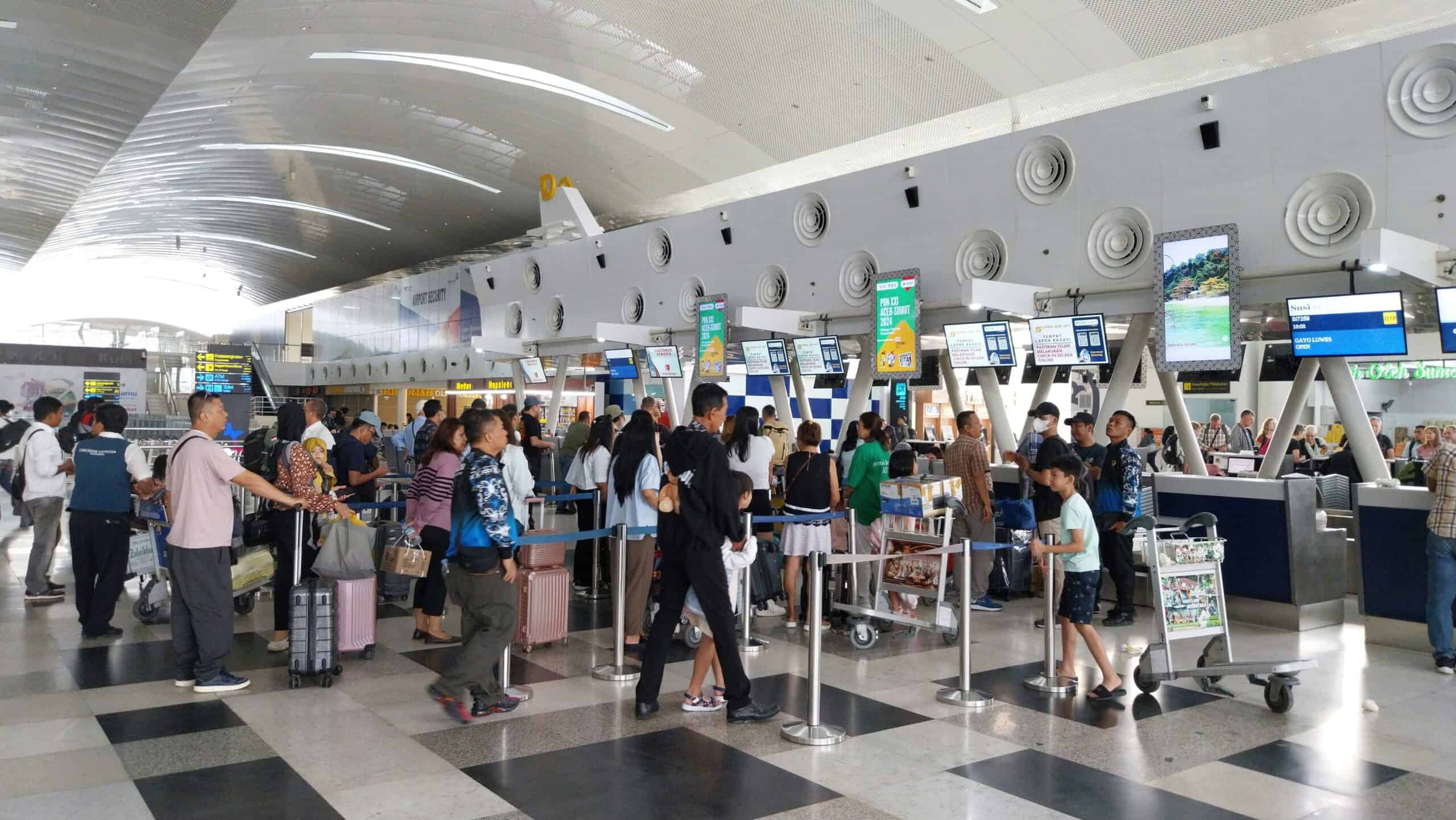
A tight connection looks efficient until one late pushback collapses the plan, and last-minute itineraries love to gamble with 35- to 45-minute windows at sprawling hubs. Those schedules assume on-time arrival, nearby gates, no terminal change, and no secondary screening, even though a train ride, a long walk, a gate swap, a runway hold, or slow deplaning can eat the entire buffer. When the window is unrealistic, the cost is not just a missed flight; it is standby lists, sold-out rebook options, separated companions, baggage that misroutes, missed hotel check-ins, and an unplanned overnight that turns a quick trip into a grind.
Airport Codes That Quietly Switch Cities
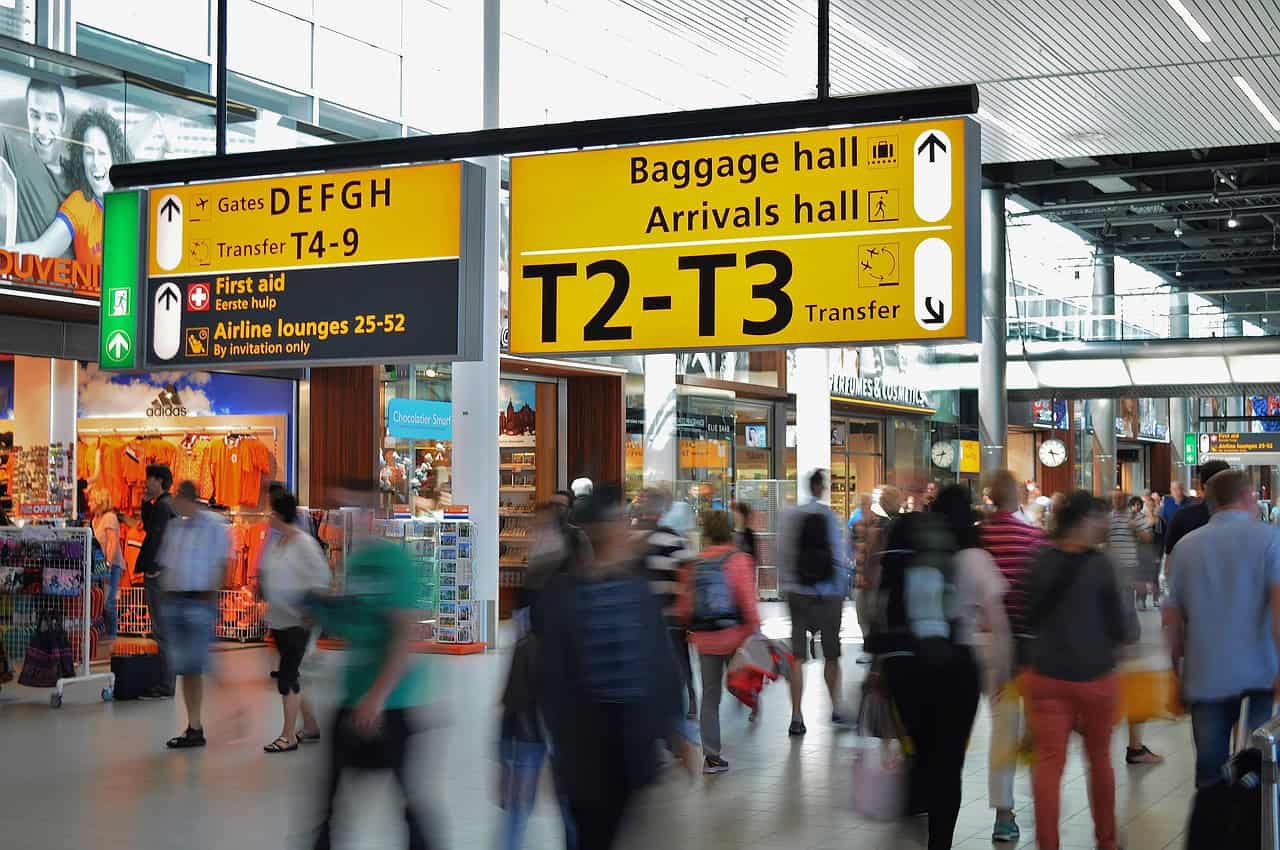
Some deals sell a famous city while routing through an airport far from the center, or through a neighboring metro with a similar name, then hide the difference behind small airport codes. That swap can add hours in traffic, extra tolls, and higher rideshare prices, and it can break onward plans like cruise departures, wedding check-ins, rail reservations, airport shuttles, or rental-car pickup windows. A last-minute booking stays clean when every segment’s airport code is verified, terminals are checked when multiples exist, and the ground transfer is priced in time, cost, and reliability, including night arrivals and limited transit.
Third-Party Sites That Control the Ticket

Third-party sellers can offer attractive pricing, but the trade is control at the exact moment control is most needed, because changes and refunds often funnel through the agency, not the airline. When disruption hits, support can become slow, scripted, or unreachable, and the traveler may be bounced between the airline and the seller while seats disappear in real time and policies are read back like scripts. The red flag is a tiny discount paired with unclear after-sale support, because a last-minute trip has no buffer for hour-long phone holds, broken chat queues, surprise service fees, missed rebook deadlines, or a refund that arrives weeks later.
Separate Tickets Masquerading as One Trip

Some search results stitch together two unrelated tickets to create a low price, making it look like one itinerary while leaving the traveler responsible if the first flight runs late. That can require collecting and rechecking bags, clearing security again, and sometimes even entering a country formally, which is a problem in international transit zones, late-night arrivals, or airports with limited staffing. Without protected connections, one delay can cascade into missed segments and lost money, so any itinerary showing multiple record locators, separate checkouts, or self-transfer language should be treated as a risk decision, not a bargain.
Baggage and Seat Fees Hiding in the Total

Last-minute bookings amplify fee shock because there is less time to compare bundles calmly, and the base fare can look great until carry-ons, checked bags, and seats are priced in. Some fares include only a personal item, then charge steeply for a carry-on, and seat selection can become an expensive necessity for families, tall travelers, or anyone trying to avoid a middle seat before a long day. The red flag is a total that jumps at checkout, so the safest move is to price the exact bag and seat needs for every segment, confirm size and weight limits, and watch for one strict leg that triggers surprise charges at the gate.
Unrealistic Overnight Layovers

Some bargains quietly include a long overnight in a hub city, framed as a connection rather than a stopover, with landing after midnight and departure before dawn. That sounds manageable until food is closed, transit is limited, and a hotel, rideshare, or airport sleep plan becomes the real cost, plus fatigue that raises the odds of missed alarms, poor judgment, and lost items. Overnights are not always bad, but they should be chosen, so any itinerary with a midnight-to-morning gap should be treated like an extra travel day with safe transport, a budget, a warm layer, and a backup plan if delays slide into morning rush.
Payment Pages That Feel Rushed or Odd

A checkout page that pushes urgency, asks for unusual personal details, or routes payment through unfamiliar links deserves suspicion, especially when it promises instant fixes for a delay or cancellation. Modern travel scams mimic airline branding and use fake customer-service numbers, refund promises, and last-minute verification steps to pull payments and one-time codes out of stressed buyers who want the problem gone. A clean booking has consistent URLs, clear fare rules, and normal card payments, so when anything feels off, the safest move is to restart in the airline’s official app or website and verify the itinerary there before paying.