We may earn money or products from the companies mentioned in this post. This means if you click on the link and purchase the item, I will receive a small commission at no extra cost to you ... you're just helping re-supply our family's travel fund.
For many travelers, nightlife offers a glimpse into a city’s personality, but it’s also where scams, safety risks, and tourist exploitation quietly thrive. According to global travel safety surveys, nightlife-related incidents account for nearly 38% of reported tourist disputes abroad, most of them preventable. The key is recognizing warning signs early. While no venue is perfect, certain patterns appear repeatedly in places that overcharge, intimidate, or disregard guest safety. The following red flags are based on common traveler reports, consumer complaints, and tourism board advisories worldwide.
1. No Visible Prices or Menus Anywhere
A venue without clearly displayed prices relies on confusion rather than transparency. Travel consumer groups report that over 62% of nightlife billing disputes begin with missing menus or unclear pricing. Staff may verbally quote prices that change later or avoid answering directly. In tourist-heavy zones, this tactic allows venues to charge different amounts based on accent or nationality. Legitimate bars display menus at entrances, tables, or behind the bar. If prices are hidden or brushed off with phrases like “it’s standard,” the risk of inflated charges rises sharply.
2. Staff Pressuring You to Order Immediately

Aggressive upselling is a consistent warning sign in problematic nightlife venues. According to hospitality audits, commission-based drink pushing increases guest complaints by 47%. Staff may insist on premium bottles, suggest rounds you didn’t request, or rush your decision. This pressure discourages price checks and creates social discomfort that tourists often comply with. Reputable venues allow guests time to settle in and decide comfortably. When ordering feels forced rather than welcomed, the priority is sales, not guest experience or safety.
3. Crowd Is Almost Entirely Tourists
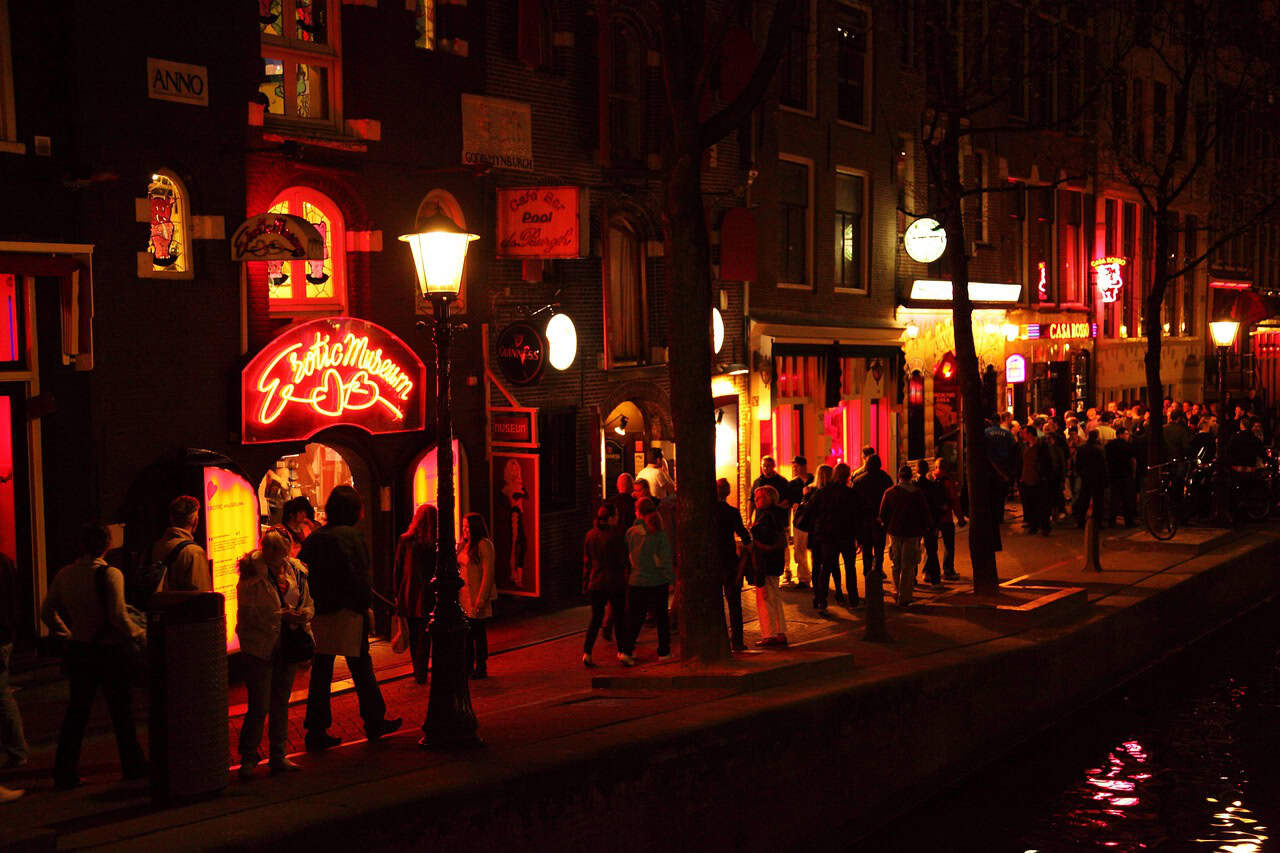
Venues filled almost exclusively with tourists deserve scrutiny. Tourism research shows locals avoid establishments with repeated pricing complaints, leaving up to 85% tourist-only clientele in scam-prone spots. These venues often rely on one-time visitors rather than repeat business. Signs include English-only menus in non-English regions, promoters targeting passersby, and no visible regulars. While tourist-friendly doesn’t mean unsafe, a complete absence of locals often signals inflated prices, diluted drinks, or aggressive billing practices designed for short-term profit.
4. Security Presence Feels Intimidating
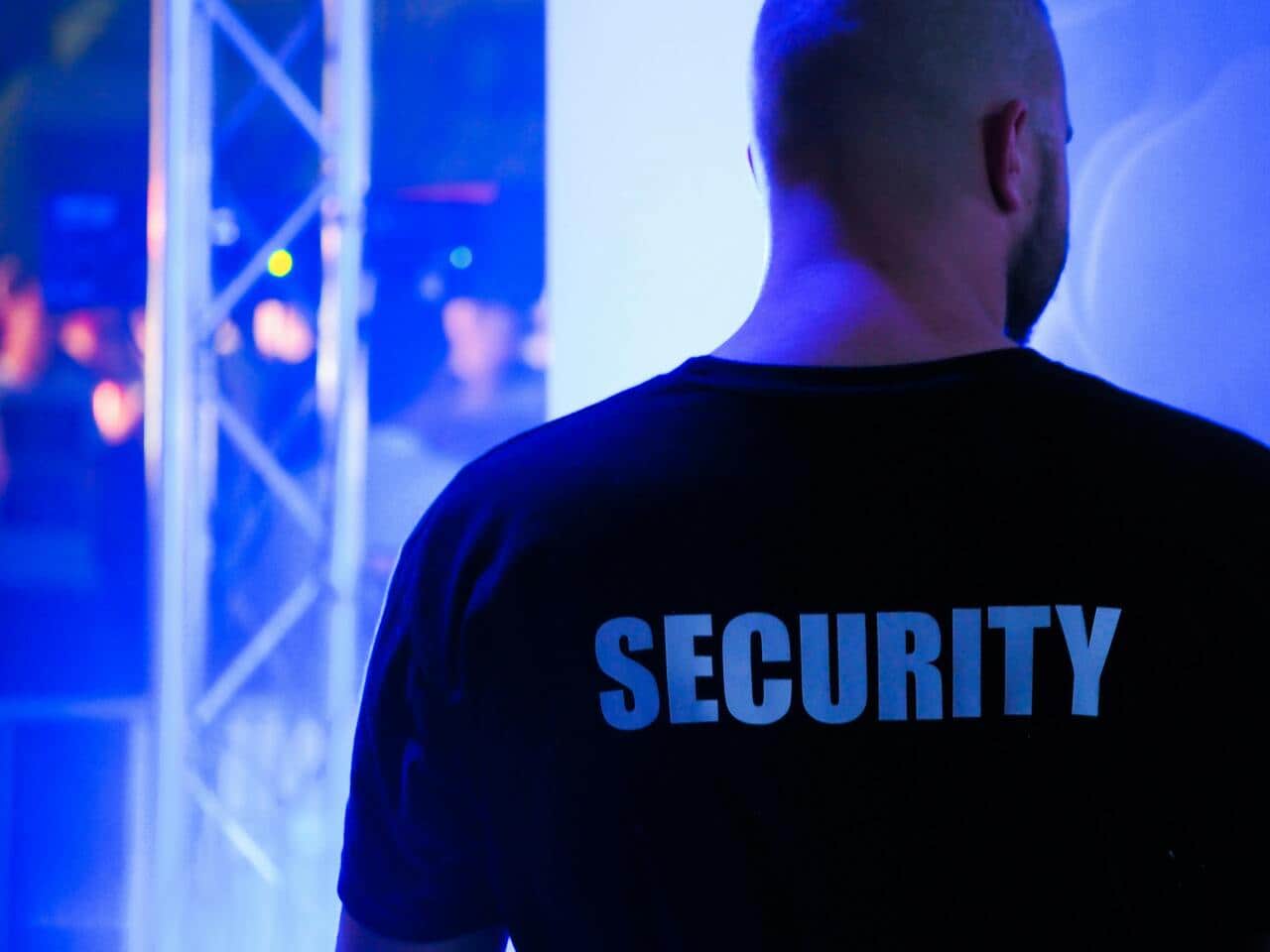
Security staff should quietly ensure safety, not dominate the atmosphere. In nightlife incident reports, over 41% of forced payment cases involve bouncers intervening during billing disputes. Warning signs include guards blocking exits, hovering near tables, or stepping in uninvited. In some venues, security exists to pressure guests rather than protect them. Professional nightlife spaces use security discreetly and respectfully. If guards appear more invested in monitoring you than maintaining order, it’s wise to leave early.
5. Lighting Is Excessively Dark Throughout
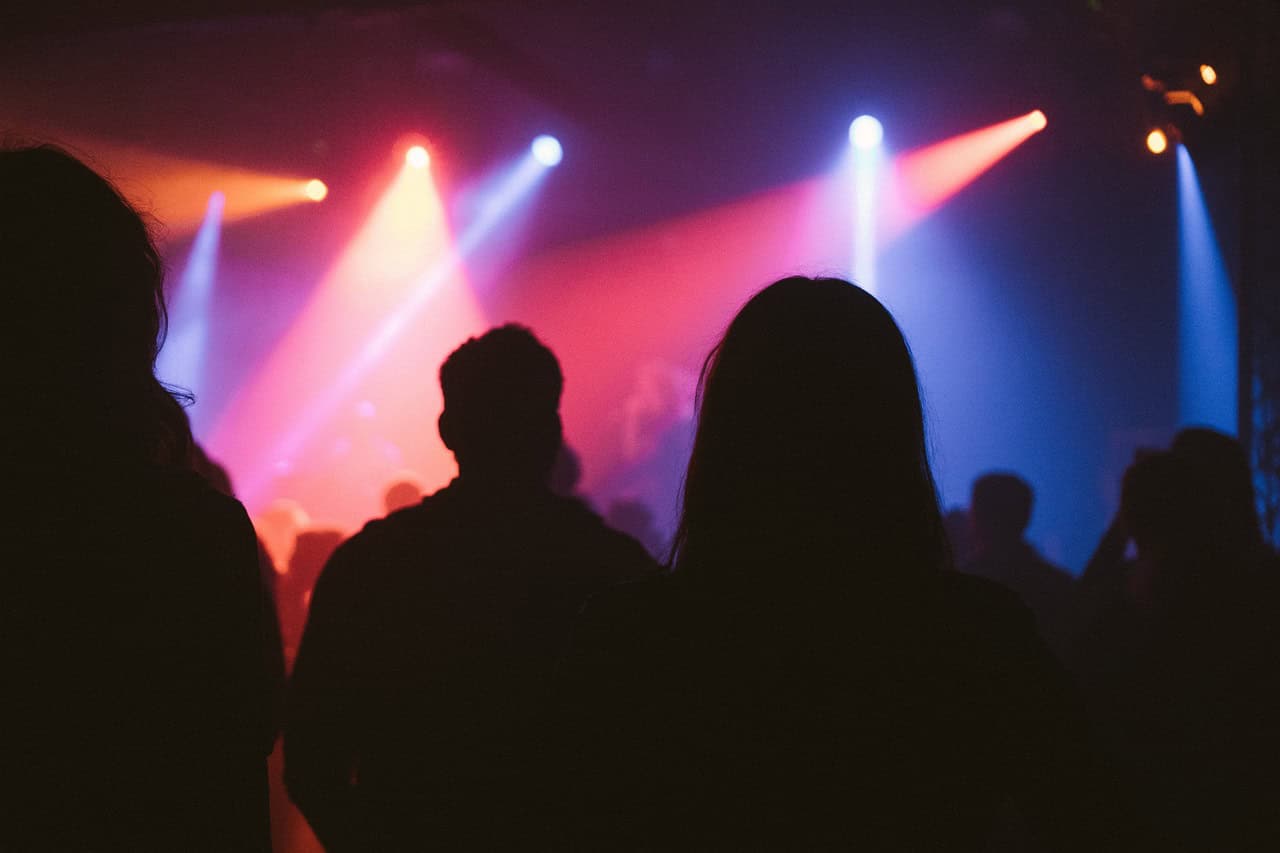
Atmospheric lighting is normal, but extreme darkness serves practical manipulation. Hospitality studies show venues with ultra-low lighting report 33% more billing errors and disputes. Darkness makes it difficult to watch drinks being poured, count cash, or review receipts. It also enables glass switching and unnoticed add-ons. A reputable venue balances mood with visibility, especially around bars and payment areas. If you can’t clearly see what you’re consuming or paying for, the environment favors the venue, not the guest.
6. Music Is So Loud Communication Is Difficult
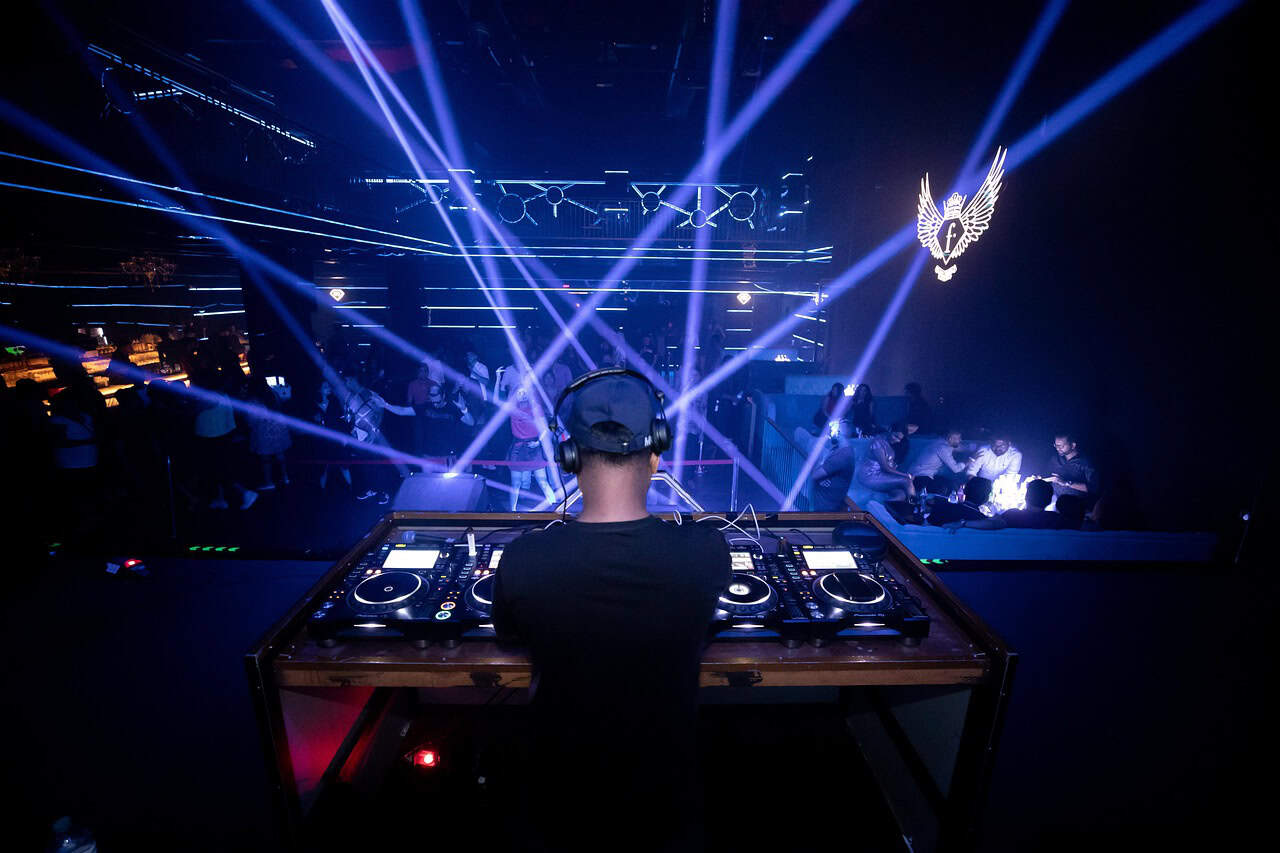
Overwhelming volume isn’t just aesthetic, it’s strategic. Consumer complaint data indicates nearly 29% of nightlife disputes occur in venues where conversation with staff is nearly impossible. Excessive noise discourages questions, prevents clarification of prices, and escalates misunderstandings. While loud music suits clubs, there should still be functional communication at the bar or table. If staff shout orders without confirmation or gesture instead of explaining, misunderstandings and overcharges become far more likely.
7. Payment Rules Change After You Order
A major red flag is learning about “cash-only” policies after drinks arrive. Travel fraud studies link over 54% of nightlife ATM coercion cases to undisclosed payment restrictions. This forces guests into high-fee withdrawals or uncomfortable situations. Legitimate venues clearly communicate accepted payment methods upfront often at entrances or menus. Any venue changing rules mid-visit removes your ability to consent properly. Once payment transparency disappears, control shifts entirely to the establishment.
8. Your Instincts Signal Something Is Off
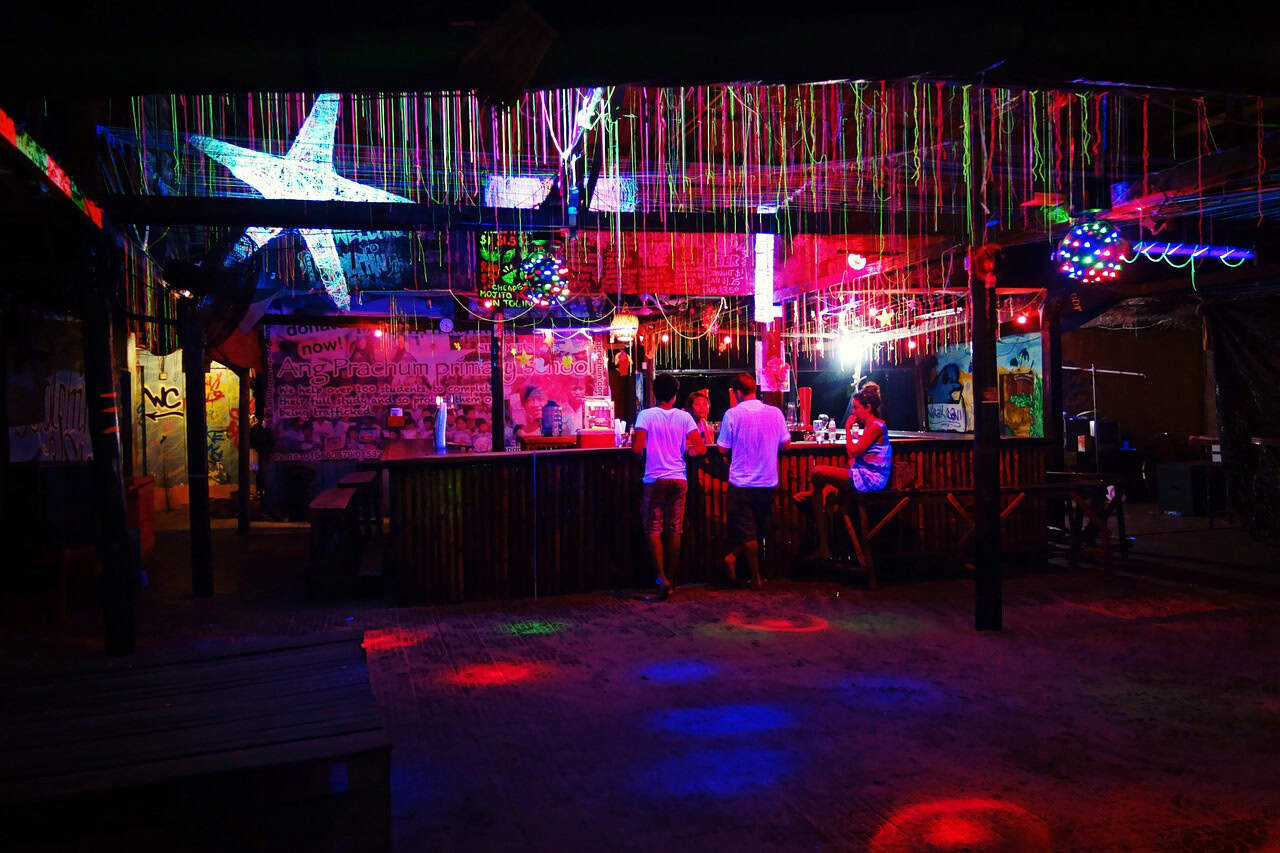
Traveler psychology research shows intuition detects risk up to 6 seconds before conscious reasoning. Ignoring discomfort leads many travelers into avoidable situations. Uneasy feelings may stem from staff behavior, crowd dynamics, or environmental cues. In post-trip surveys, nearly 70% of nightlife-related regrets include the phrase “I felt something was wrong but stayed anyway.” Leaving early costs nothing. Staying despite unease often costs far more financially, emotionally, or physically.