We may earn money or products from the companies mentioned in this post. This means if you click on the link and purchase the item, I will receive a small commission at no extra cost to you ... you're just helping re-supply our family's travel fund.
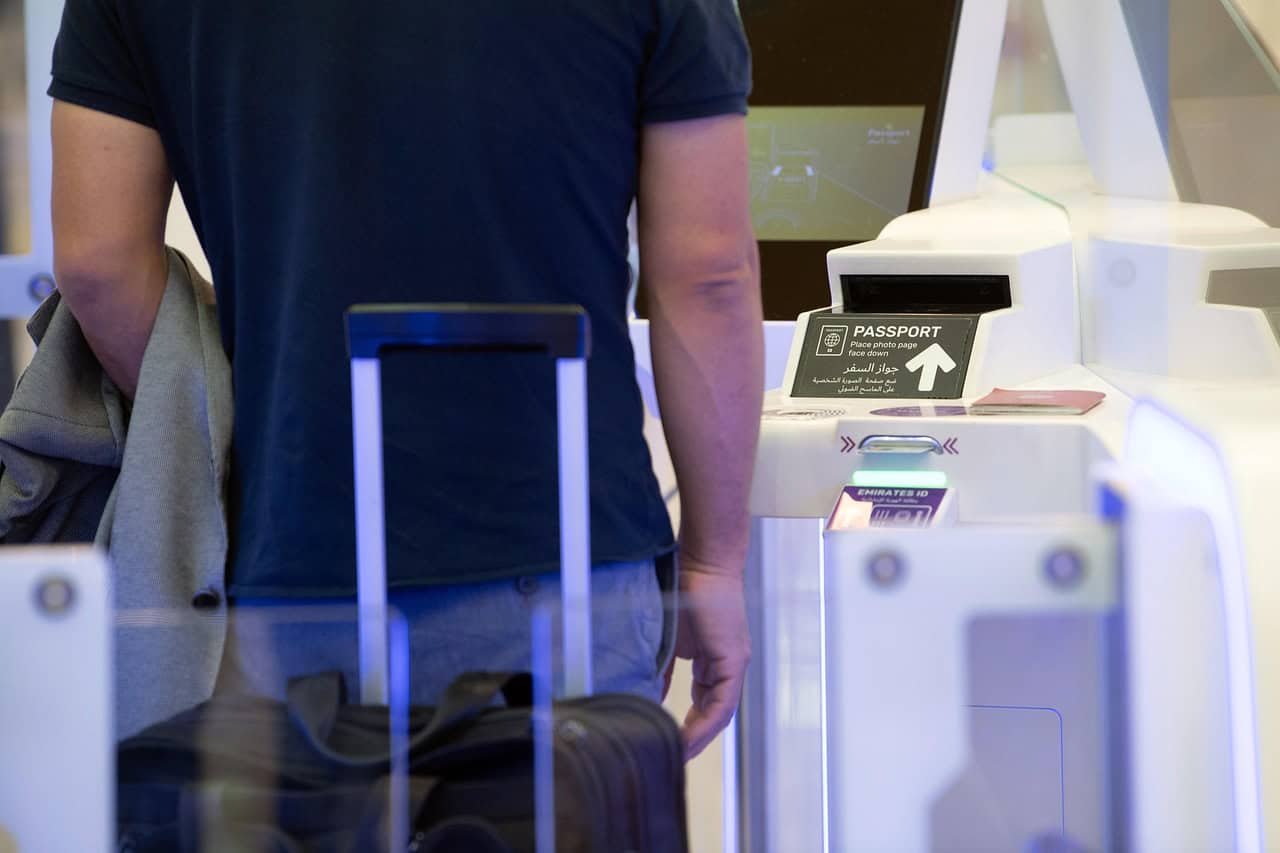
Global Entry is a trusted traveler program designed for expedited re-entry into the U.S., including TSA PreCheck benefits. While convenient, it is a privilege, not a right, and CBP can revoke membership if you no longer meet the “low-risk traveler” criteria. Federal law (8 CFR §235.12) outlines violations and risk factors that can trigger removal. Here are the eight most common reasons Global Entry members lose their privileges.
1. Customs or Agricultural Violations
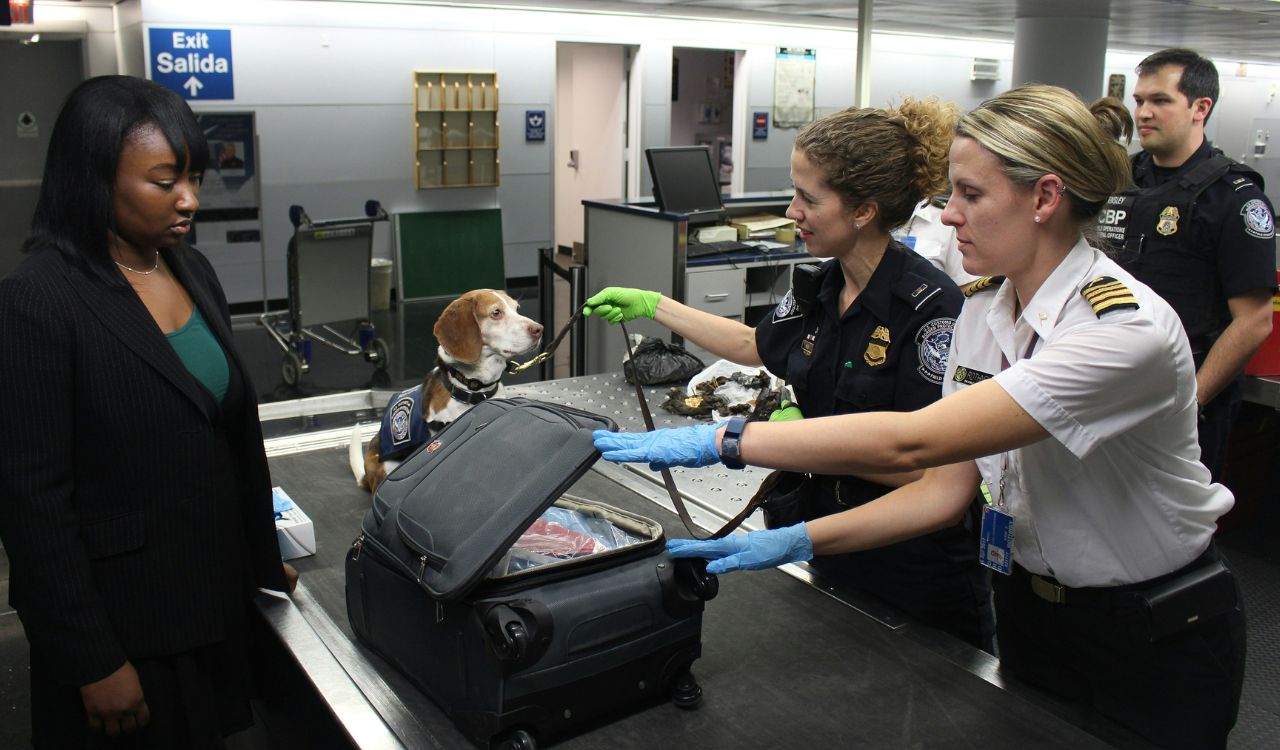
Failing to declare goods properly when entering the U.S. can result in losing Global Entry. This includes merchandise exceeding $10,000, cash over $10,000, or restricted agricultural products. Travelers have lost membership for underreporting merchandise valued at $36,000 or bringing dried foods without declaration. Even one infraction signals non-compliance with CBP standards for low-risk travelers. CBP can revoke your membership immediately if it deems the violation serious.
2. Criminal Charges or Convictions

Any arrest or conviction can trigger a Global Entry review. Misdemeanors like DUI, petty theft, or reckless driving may be enough for CBP to revoke your membership. Federal regulations allow removal if you no longer meet the low-risk traveler requirement. Reports indicate 5–10% of revocations involve minor criminal convictions. Even offenses with fines of $500–$2,500 can have repercussions, showing that seemingly small legal issues can threaten membership.
3. Providing False or Incomplete Information

Submitting false or incomplete details at any stage can result in revocation. This includes misstating travel history, omitting past legal issues, or failing to update personal information like a name change. CBP relies on honesty; misrepresentation is treated seriously. Even a minor error, such as underreporting cash of $1,500 or a travel expense of $3,000, can trigger review. Membership may be revoked if CBP determines the false information undermines your “low-risk” status.
4. Failing to Abide by Program Terms
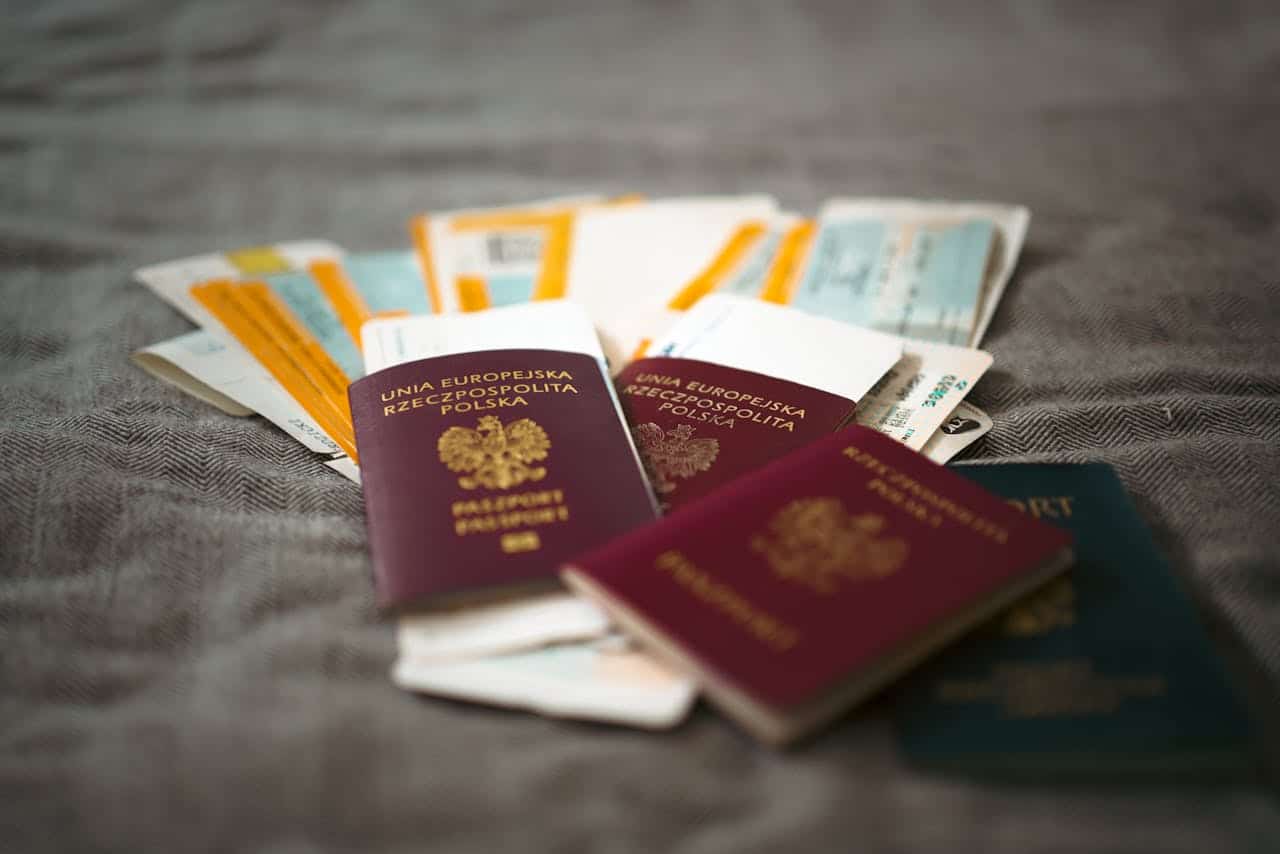
Membership requires keeping travel documents current and following program rules. Letting a passport expire or failing to update a permanent resident card can jeopardize eligibility. Misuse of Global Entry kiosks, such as allowing non-members to use them, also counts. Violations are taken seriously; for example, late renewal fees can reach $100–$150, but failing to renew on time can cost membership entirely. Compliance with all requirements is essential to maintain status.
5. Active Investigations or Risk Factors
Being under a credible law enforcement or security investigation can lead to revocation, even without an arrest. Investigations may involve financial crimes, immigration issues, or other federal or state matters. CBP views these as risk indicators incompatible with low-risk travel. Financial discrepancies as small as $2,000–$5,000 in accounts or transactions under review may prompt scrutiny. Membership may be suspended until the matter is resolved, or revoked entirely.
6. Travel Patterns or Associations

Frequent trips to high-risk countries or associations with flagged individuals or entities can raise CBP concerns. For example, visiting conflict regions multiple times in a year or transferring funds of $10,000+ to high-risk areas can trigger review. While not codified in strict numeric terms, CBP may revoke membership if your profile suggests elevated risk, even if no law is broken. Members have reported sudden revocations based on these assessments.
7. Hostile or Non-Compliant Behavior

Being hostile, uncooperative, or obstructive with CBP officers can result in revocation. Even verbal disputes or refusal to answer questions may be considered non-compliance. CBP treats this seriously because it undermines the program’s trust framework. Monetary examples include failing to pay inspection or penalty fees up to $500, which can compound behavioral violations, signaling to CBP that you are not a reliable traveler.
8. Loss of Low-Risk Designation at CBP’s Discretion

CBP can revoke membership at its discretion if you no longer meet eligibility criteria. This might happen without a specific violation, for example due to database alerts, background updates, or risk re-assessments. Financial triggers, such as unexplained transfers of $5,000–$15,000, or flagged transactions, can contribute to a membership review. Notifications are often vague, but CBP’s authority allows it to terminate membership if your profile no longer aligns with low-risk standards.