We may earn money or products from the companies mentioned in this post. This means if you click on the link and purchase the item, I will receive a small commission at no extra cost to you ... you're just helping re-supply our family's travel fund.

Hotels are designed to feel comforting, polished, and worry-free, but appearances can be deceiving. Behind crisp linens and stylish lobbies, many properties quietly cut corners on safety, maintenance, and preparedness. Budget pressures, aging infrastructure, and weak oversight often create risks that aren’t obvious during booking. From outdated systems to overlooked security gaps, these hidden issues can affect both budget stays and luxury hotels alike. Knowing what to look for and what questions to ask can make the difference between a smooth stay and a dangerous one. Here are eight overlooked reasons your hotel might be far less safe than it appears.
1. Aging Fire Detection and Suppression Systems
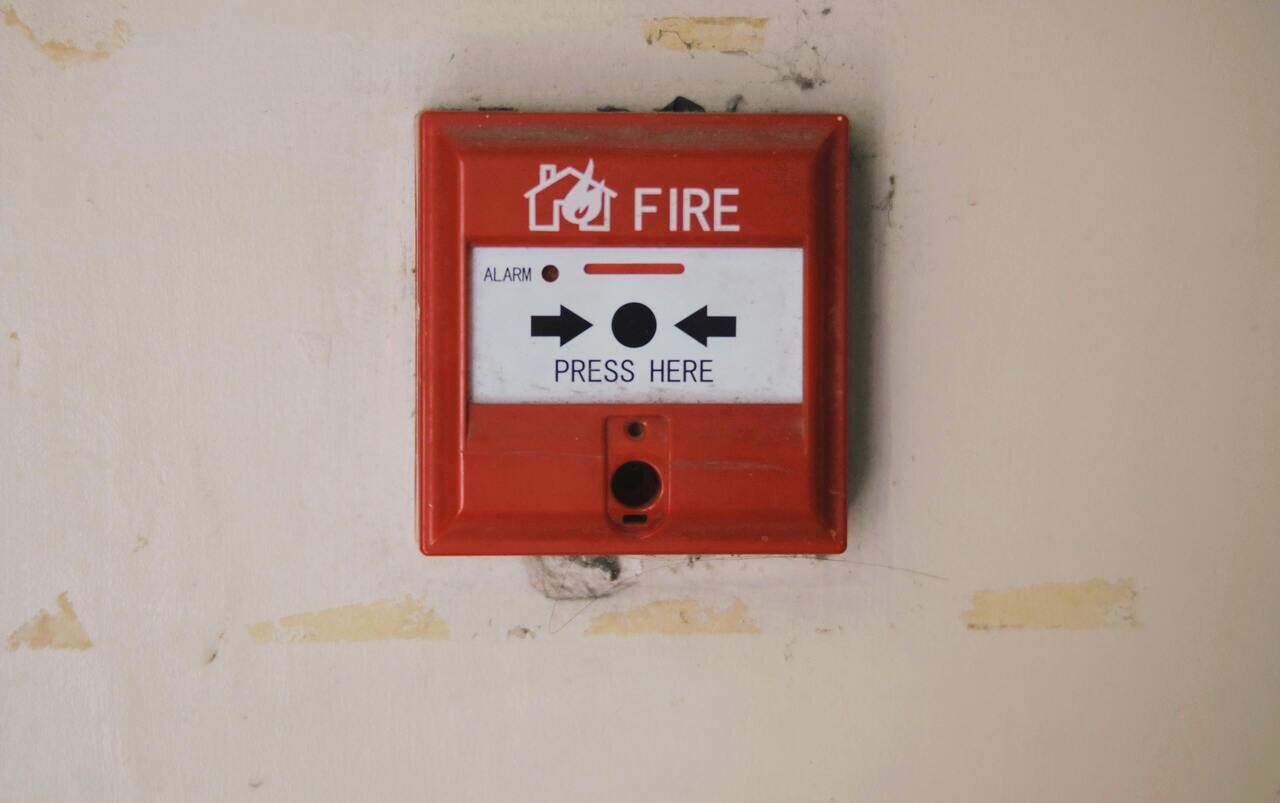
Many hotels operate with fire safety systems installed 20–30 years ago, long before modern regulations became stricter. Studies show nearly 35% of older hotels fail updated fire compliance checks due to outdated alarms, weak sprinkler pressure, or missing emergency lighting. Smoke detectors may exist but aren’t tested regularly, sometimes going 12–18 months without inspection. In high-rise hotels, evacuation times can exceed 15 minutes, making early detection critical. Blocked stairwells, unclear exit signage, or locked fire doors quietly increase risk while remaining invisible to guests until an emergency strikes.
2. Minimal Security Staffing and Training

A hotel can look upscale yet operate with shockingly thin security coverage. Industry surveys suggest 1 security staff member may cover 80–120 rooms, especially during night shifts. Many guards receive less than 10 hours of formal training, focusing more on visibility than emergency response. Some properties rely solely on CCTV, even though footage is often monitored only 30–40% of the time. Weak access control, unattended entrances, and delayed response times raise risks of theft, assault, or unauthorized room entry, problems guests usually discover only after something goes wrong.
3. Outdated Electrical Infrastructure
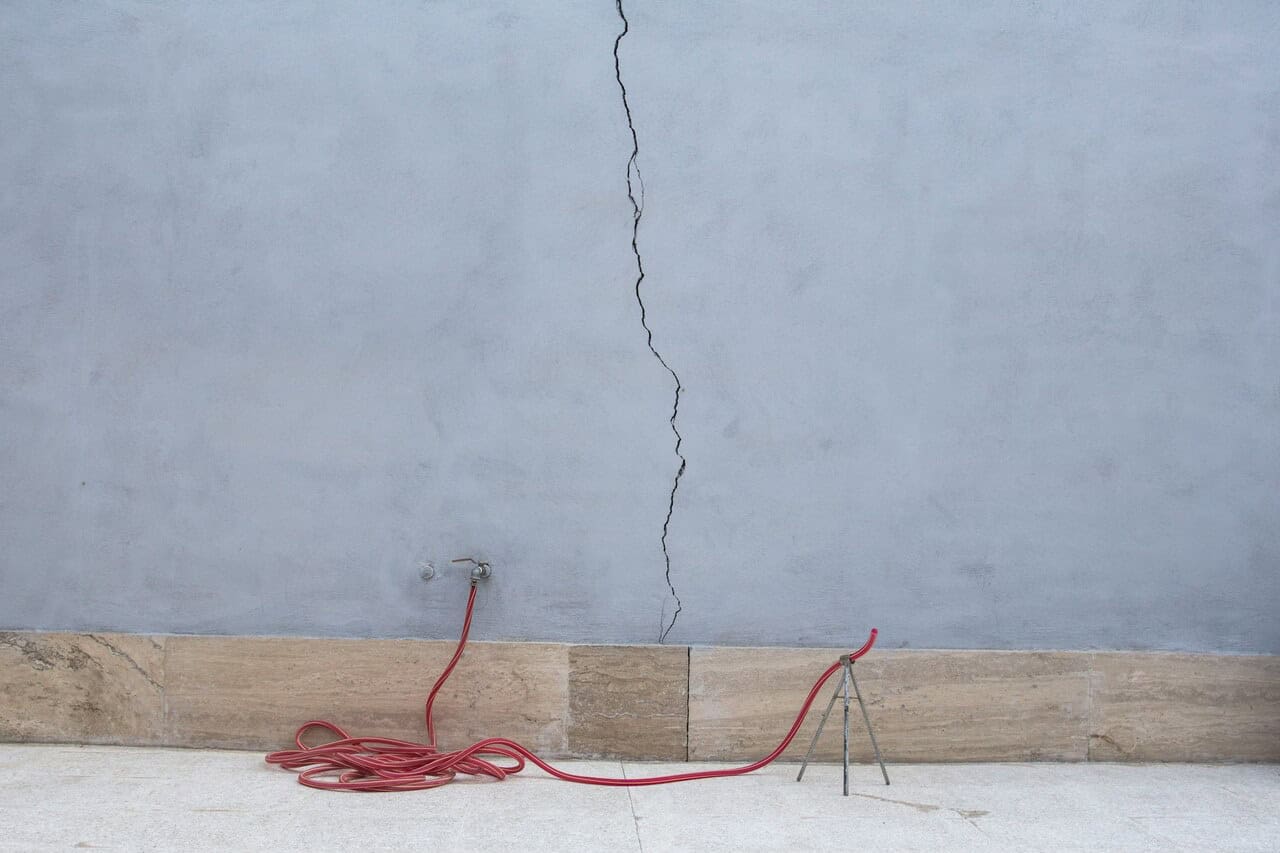
Electrical systems in older hotels are frequently pushed beyond their original capacity. Wiring designed decades ago now supports air conditioners, charging hubs, kettles, and heaters simultaneously. Fire departments estimate 25% of hotel fires originate from electrical faults. Warning signs include flickering lights, warm wall sockets, or circuit breakers tripping multiple times per week. Renovations often update decor while leaving wiring untouched, especially in properties over 25 years old. These hidden systems rarely appear in reviews, yet they pose one of the most serious behind-the-scenes dangers.
4. Weak or Poorly Maintained Room Locks
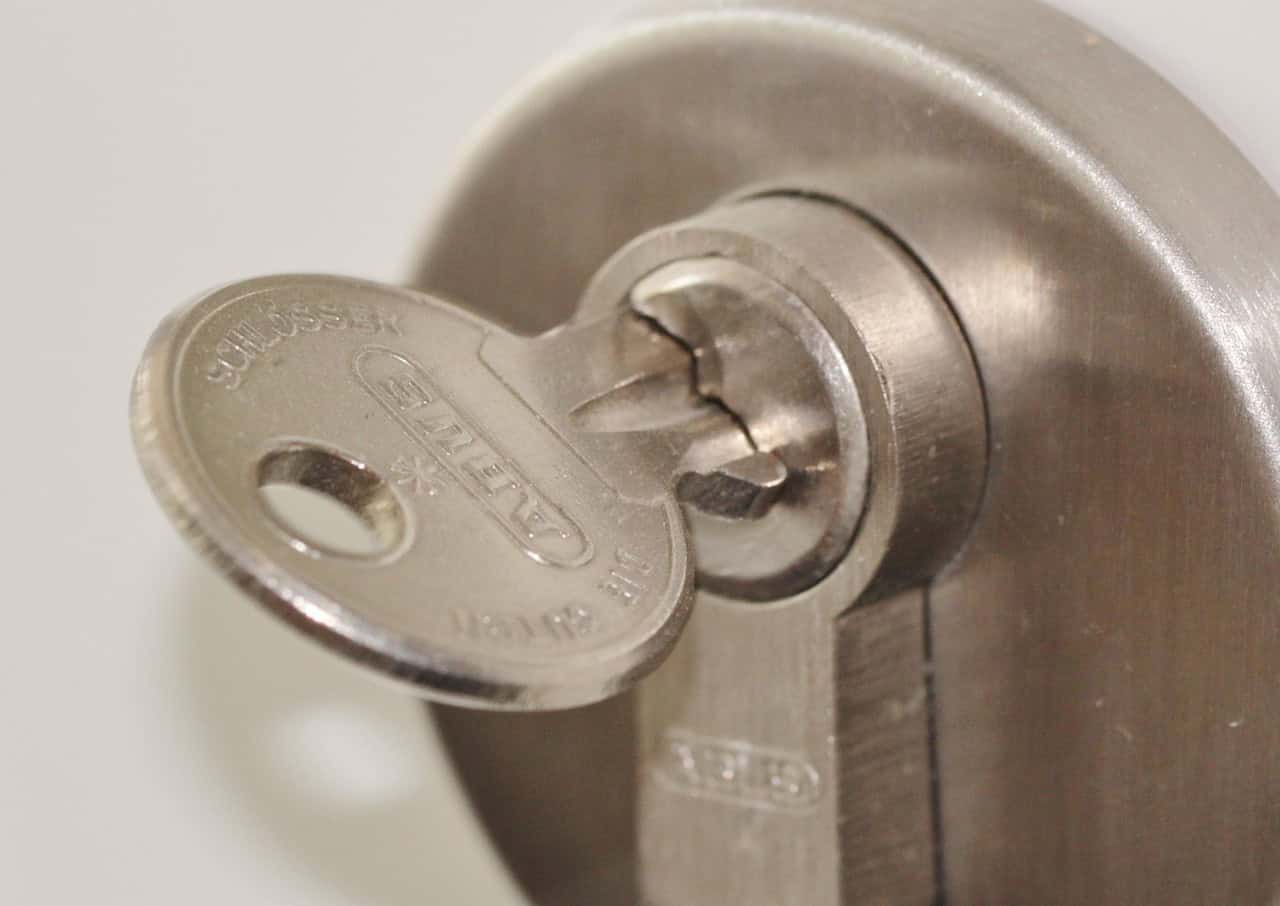
Room security often relies on electronic locks that appear modern but use outdated encryption. Cybersecurity audits reveal some hotel key systems can be compromised in under 10 seconds using cheap cloning devices. Mechanical backups are often worn, with latches loosened by thousands of uses per year. In some hotels, master keys are shared across shifts or reused for years. Reports show unauthorized room entry incidents rise by 18–22% in properties that delay lock maintenance making this one of the most underestimated safety failures.
5. Hidden Water and Air Quality Risks
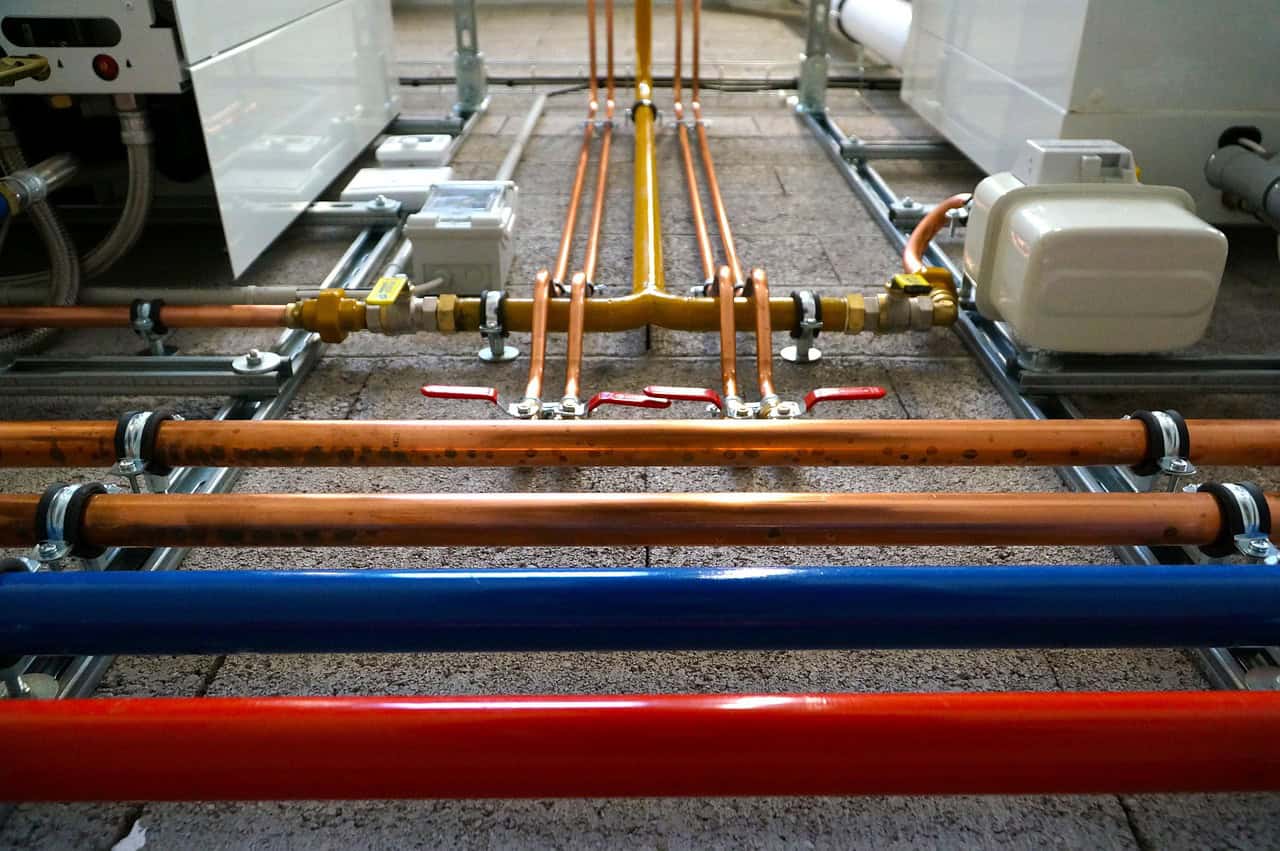
Clean surfaces don’t guarantee safe water or air. Aging plumbing can harbor bacteria like Legionella, responsible for 7–10% of reported hotel-linked illness outbreaks globally. Hot water systems kept below 60°C increase bacterial growth, especially in low-occupancy rooms. HVAC units may go 6–12 months without deep cleaning, circulating mold spores and allergens. These problems remain invisible to guests but can cause respiratory issues, fevers, or infections, particularly for elderly travelers or those with weakened immune systems.
6. Isolated Locations With Slow Emergency Access
Hotels built far from city centers often trade convenience for land cost savings. Emergency response data shows police or ambulance arrival times can increase by 8–15 minutes in isolated zones. Poor street lighting, empty surroundings, and limited public transport after 9–10 PM raise vulnerability, especially for solo travelers. Some resorts rely entirely on private shuttles, which may not operate during emergencies. While these locations feel peaceful, the lack of nearby services can become a serious liability when immediate help is needed.
7. Lack of Staff Emergency Preparedness

Many hotel employees are never properly trained for crises beyond basic service duties. Surveys indicate only 1 in 3 hotels conduct regular emergency drills. Staff turnover rates above 30% annually mean newer employees may not know evacuation routes, medical response steps, or lockdown procedures. First-aid kits may be incomplete, and emergency numbers are often missing from rooms. In real emergencies; fires, medical incidents, or natural disasters, confusion and delayed decisions can escalate harm far faster than the original threat.
8. Misleading Reviews That Hide Safety Complaints

Online reviews often prioritize comfort over safety, and negative reports are easy to bury. Analysis platforms estimate 15–20% of hotel reviews are manipulated, filtered, or incentivized. Complaints about theft, broken locks, or staff behavior are frequently removed or drowned under vague praise. Guests tend to mention safety issues only after serious incidents, and even then, those reviews may disappear within weeks. Relying solely on star ratings can give a false sense of security while genuine warning signs remain hidden in plain sight.