We may earn money or products from the companies mentioned in this post. This means if you click on the link and purchase the item, I will receive a small commission at no extra cost to you ... you're just helping re-supply our family's travel fund.
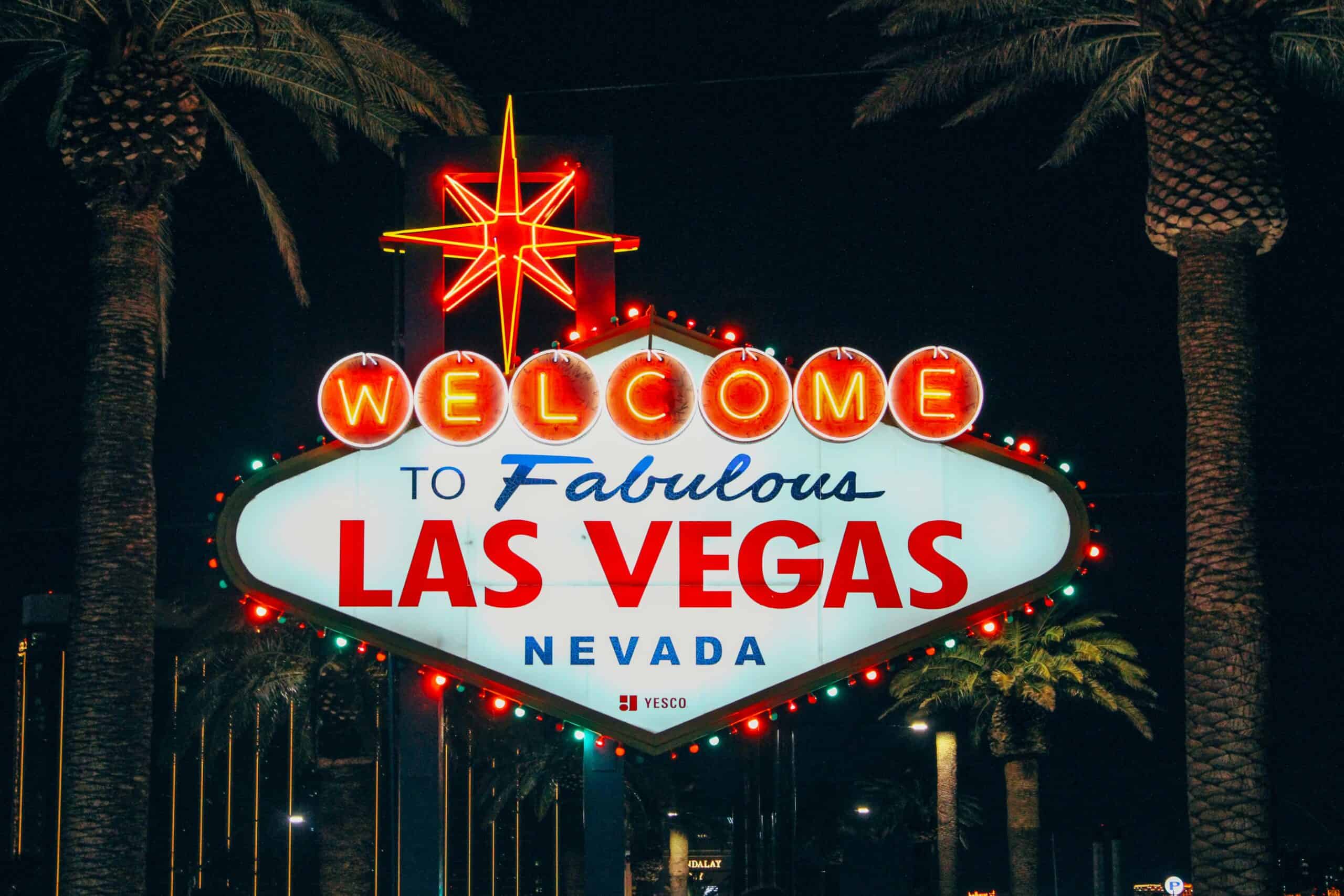
Las Vegas still glitters, but the mood around the Strip has shifted from carefree escape to careful calculation. Tourism officials recorded about 38.5 million visitors in 2025, down 7.5% from 2024, and the softer numbers have sharpened a conversation locals hear daily: the city feels pricier, more managed, and less forgiving of impulse. Some travelers still arrive for shows and big weekends, yet others quietly redirect their time and money to places that feel simpler, calmer, and more predictable.
Sticker Shock Is Replacing Spontaneity
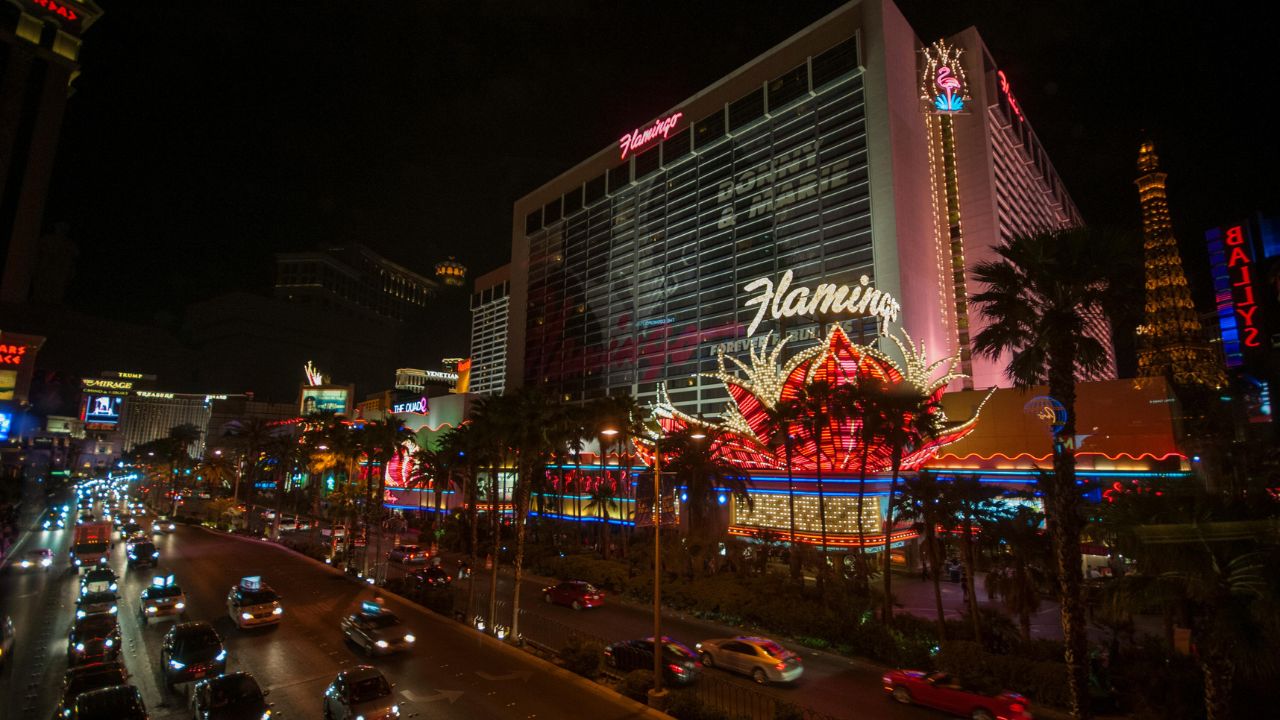
Las Vegas used to sell the feeling of a deal: a flashy room, a cheap late meal, and enough neon to make any budget feel brave. In 2025, visitation fell, and analysts pointed to high prices and fees as a key pressure point, with many travelers watching totals climb on rooms, drinks, and simple conveniences before the first show even starts. When a getaway begins with sticker shock instead of surprise, the city’s magic feels more transactional, and some tourists choose quieter places where fun does not arrive with add-ons, surcharges, and a receipt in hand especially for families and first-timers trying to keep plans flexible.
Add-On Fees Chip Away at Trust
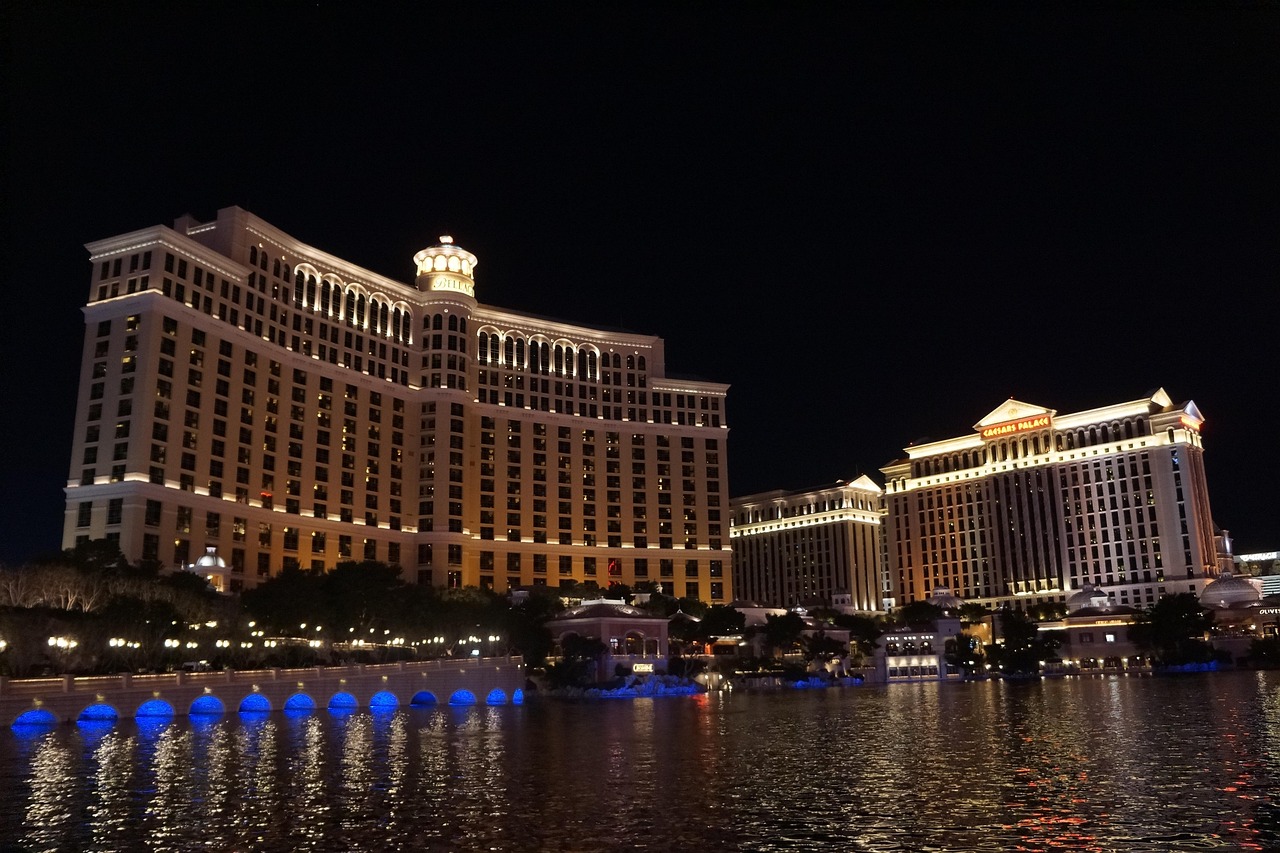
The fees do not always feel outrageous one by one, but the stacking can erode the sense of being welcomed. Resort fees, paid parking, early check-in, key replacement charges, ATM markups, and pool-day add-ons like cabanas and minimum spends can turn a simple weekend into a string of small negotiations with a front desk and a folio. That constant accounting changes the mood, and travelers who once booked on impulse start hesitating, comparing totals against other cities, and deciding the splurge belongs somewhere that feels transparent and kind from arrival to checkout, not itemized even before a single chip hits felt at all.
Getting Around Has Become Its Own Expense
Even travelers who keep hotel costs under control can feel squeezed once the Strip becomes the main transportation system. Self-parking that used to be an easy default is often priced like an attraction, valet can climb higher, and rideshare surges stack on top of traffic that turns short hops into long crawls, with drop-off zones that require extra walking through malls and garages. Heat, distance, and sprawling megaresorts discourage wandering, so a simple dinner off-site can involve multiple paid decisions, and the city starts to feel like a series of toll gates instead of a playground stitched together by easy movement, for many visitors.
The Midweek Buzz Feels Softer
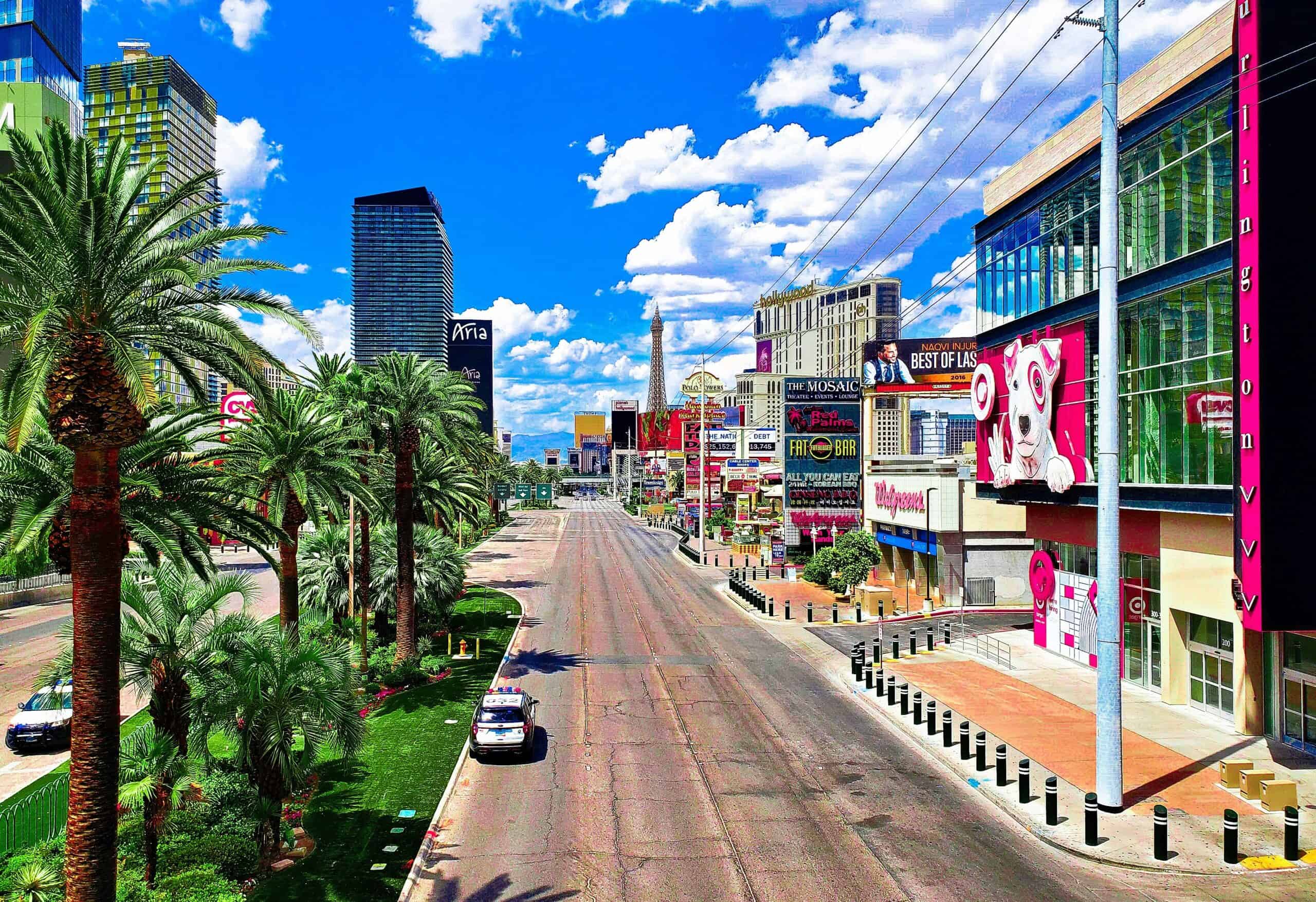
Vegas still spikes on weekends, but the midweek hum has softened in ways repeat travelers notice first. Reuters described a pattern of strong Friday peaks followed by quieter Mondays, with midweek demand fading enough that Strip resorts have leaned into discounts, comps, and add-on perks to keep room blocks moving. When restaurants run thinner shifts, pool decks feel less charged, and shows play to smaller crowds, the city’s famous momentum can feel uneven too, especially outside major convention weeks, and travelers start wondering whether the classic Vegas buzz is now something that must be scheduled around calendar peaks.
Big-Event Pricing Makes Trips Feel Unstable
Alex Vegas/Unsplash
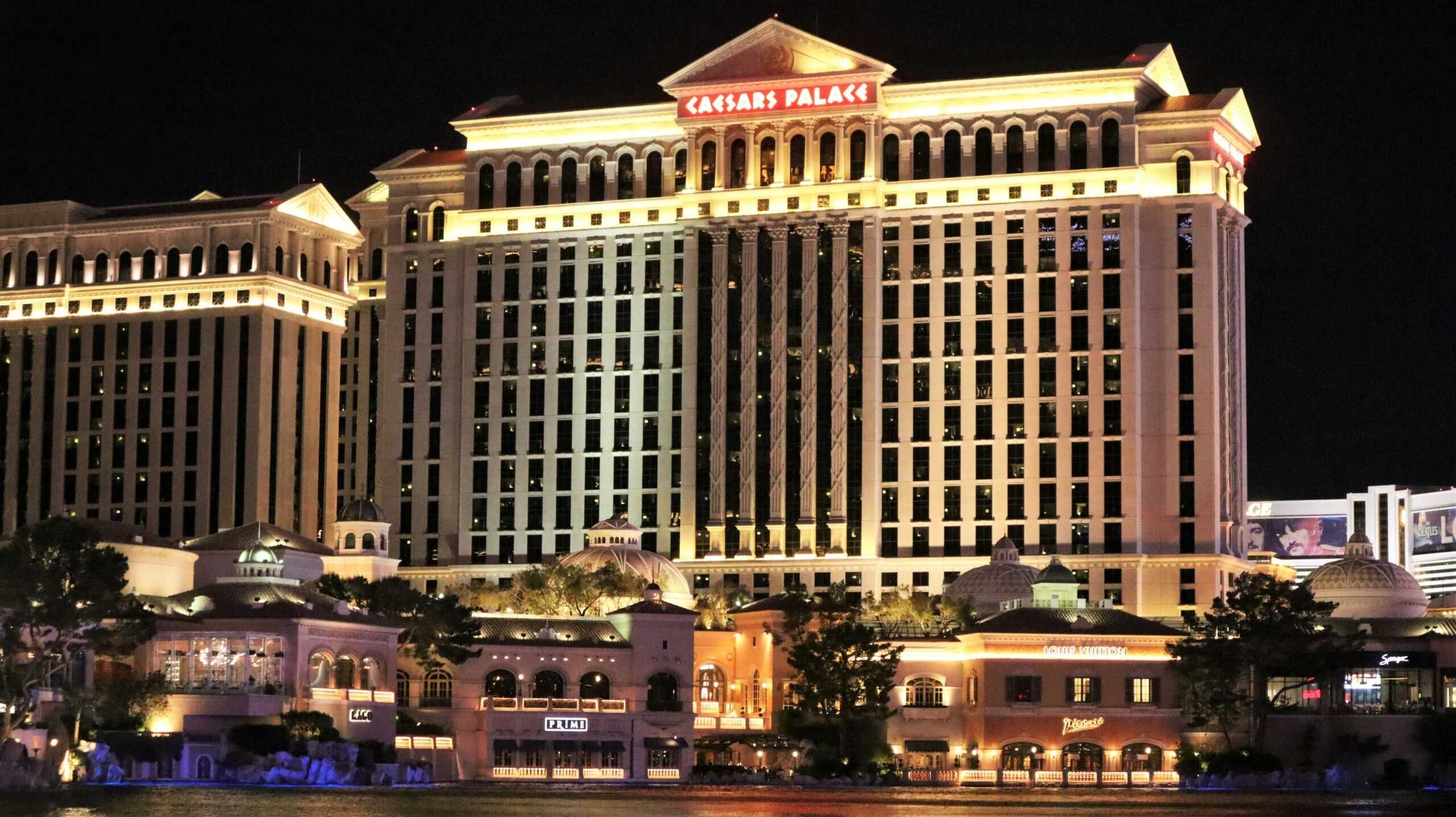
Major events bring sparkle, but they also turn Vegas into a surge-priced maze where the baseline disappears. When a fight weekend, a festival, a headline residency, or a stadium game hits town, rooms jump, resort totals swell, minimums rise at clubs and pools, and dinner reservations start carrying unspoken pressure to spend big or move along, fast. For tourists who once treated Vegas as a flexible escape, that volatility can feel exhausting, and the city’s reputation shifts from affordable spectacle to premium product, with bargains tucked behind promo codes, midweek windows, and an ever-changing set of blackout dates, that few can plan for.
Gambling No Longer Requires a Plane Ticket
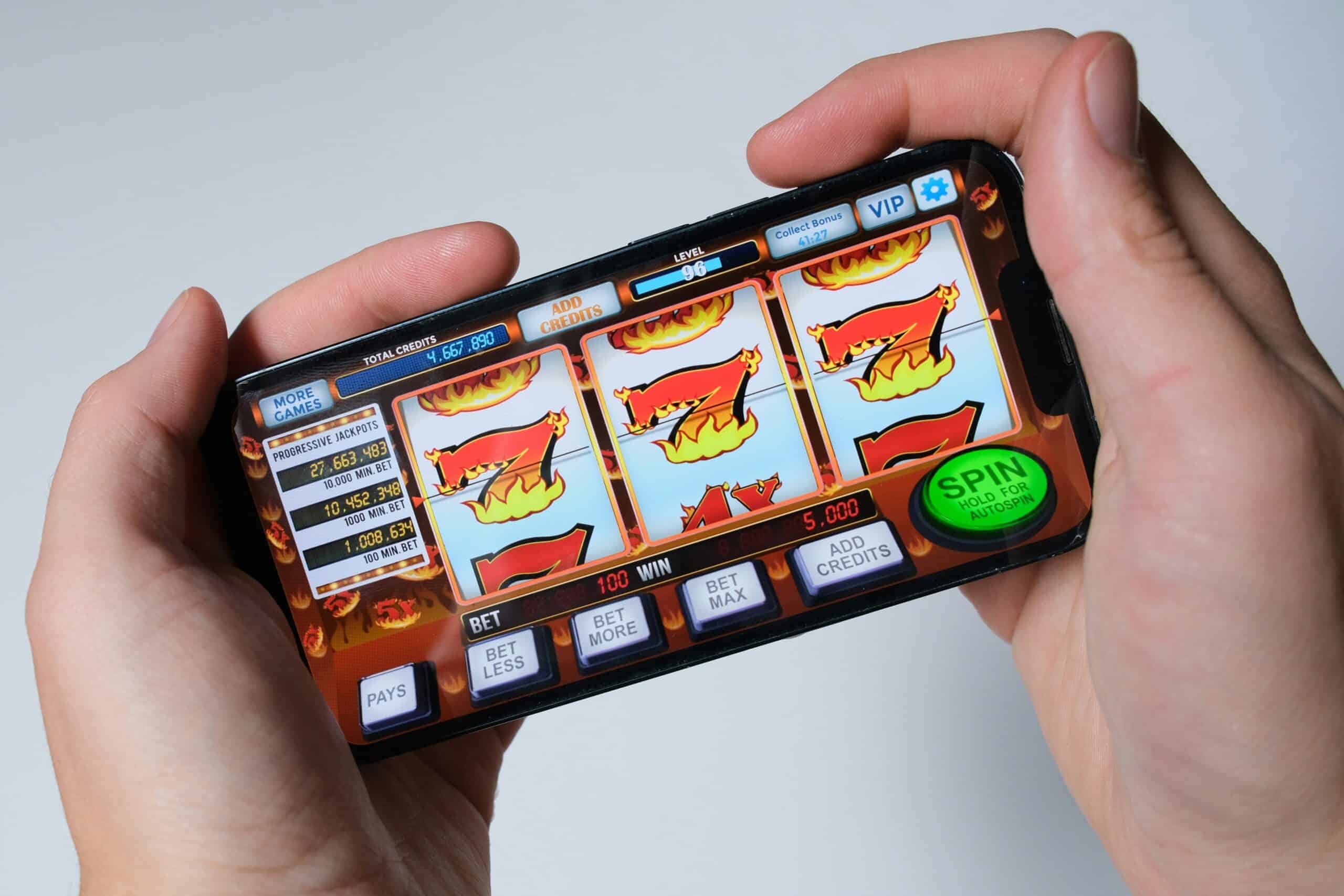
For decades, the casino floor was the reason to book the flight, and the Strip’s glow felt inseparable from the chance to play. Now, sports betting apps and online casino-style options have moved parts of that thrill into pockets and living rooms, shrinking the sense that Vegas is the only stage for a wager. Investopedia noted that online gaming and betting mean some people no longer need to travel to gamble, and when the core motive softens, the destination must work harder to justify its costs with food, shows, and atmosphere, not just a quick spin that can happen anywhere at 11:00 p.m. from a couch, with no fees attached.
Nightlife Is Not the Universal Magnet It Was
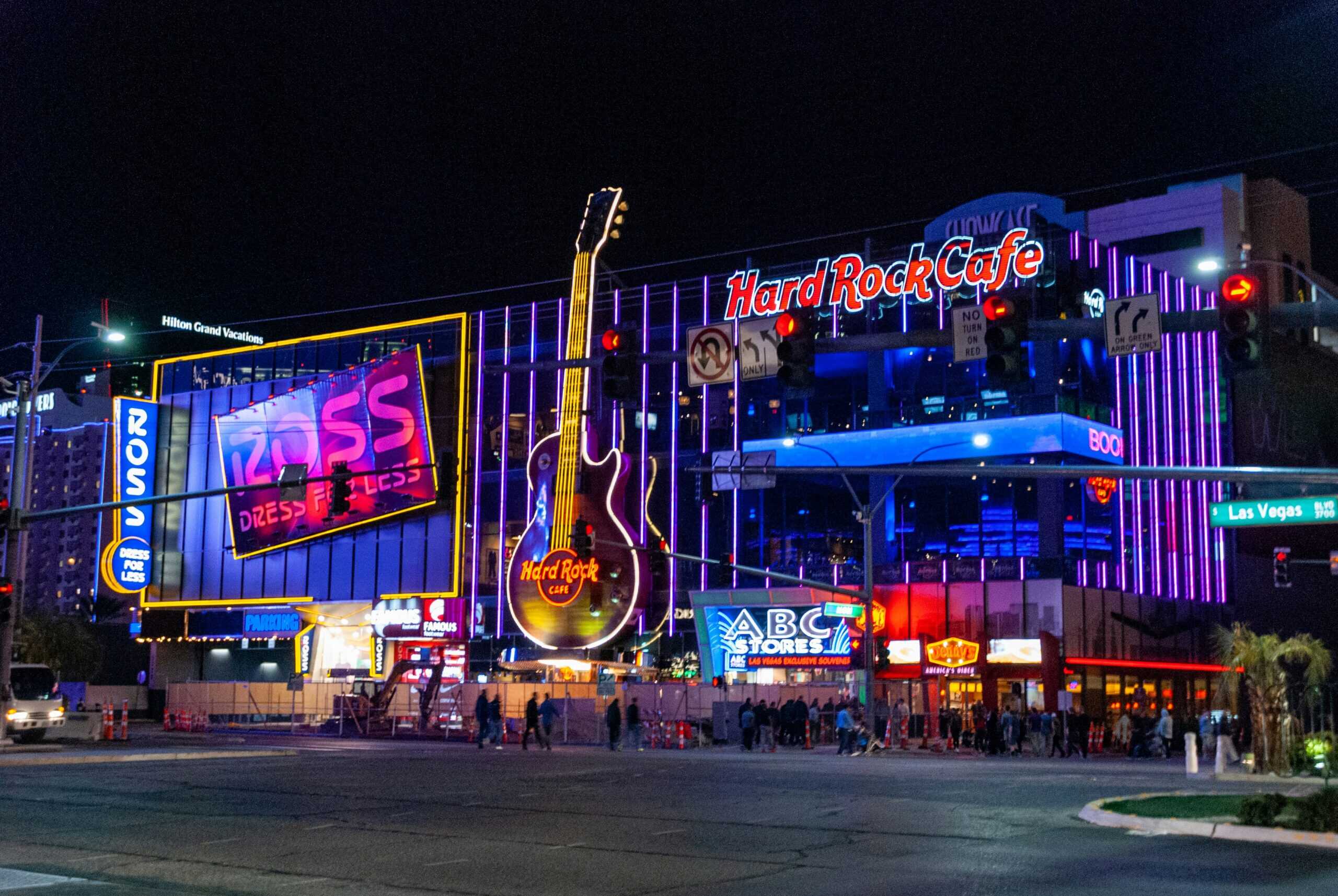
The city’s mythology was built on late nights, boozy bravado, and the idea that every hour could turn into a story. Younger travelers have been shifting habits, with less interest in heavy drinking and more interest in daytime experiences, food, and concerts that feel healthier, cheaper, and easier to share, without a 2:00 a.m. line, for many guests. Investopedia pointed to generational changes, including younger visitors drinking less and choosing different entertainment, and that shift weakens the classic Vegas promise that nightlife alone will carry the trip, especially when clubs add minimums and bottle-service pressure.
International Demand Has Thinned
Las Vegas runs on planes as much as poker, and the Strip feels different when fewer accents fill the lobbies. Through 2025, tourism officials and analysts pointed to softer international demand, with trade disputes and geopolitical tension dampening some inbound travel, especially from key markets that typically pad weekdays. Travel Weekly noted that Las Vegas contended with geopolitical conditions that hurt international tourism, and when that global mix thins out the city loses some of its easy energy, leaving more pressure on domestic travelers to keep rooms, tables, and theaters full even when the calendar is not packed.