We may earn money or products from the companies mentioned in this post. This means if you click on the link and purchase the item, I will receive a small commission at no extra cost to you ... you're just helping re-supply our family's travel fund.
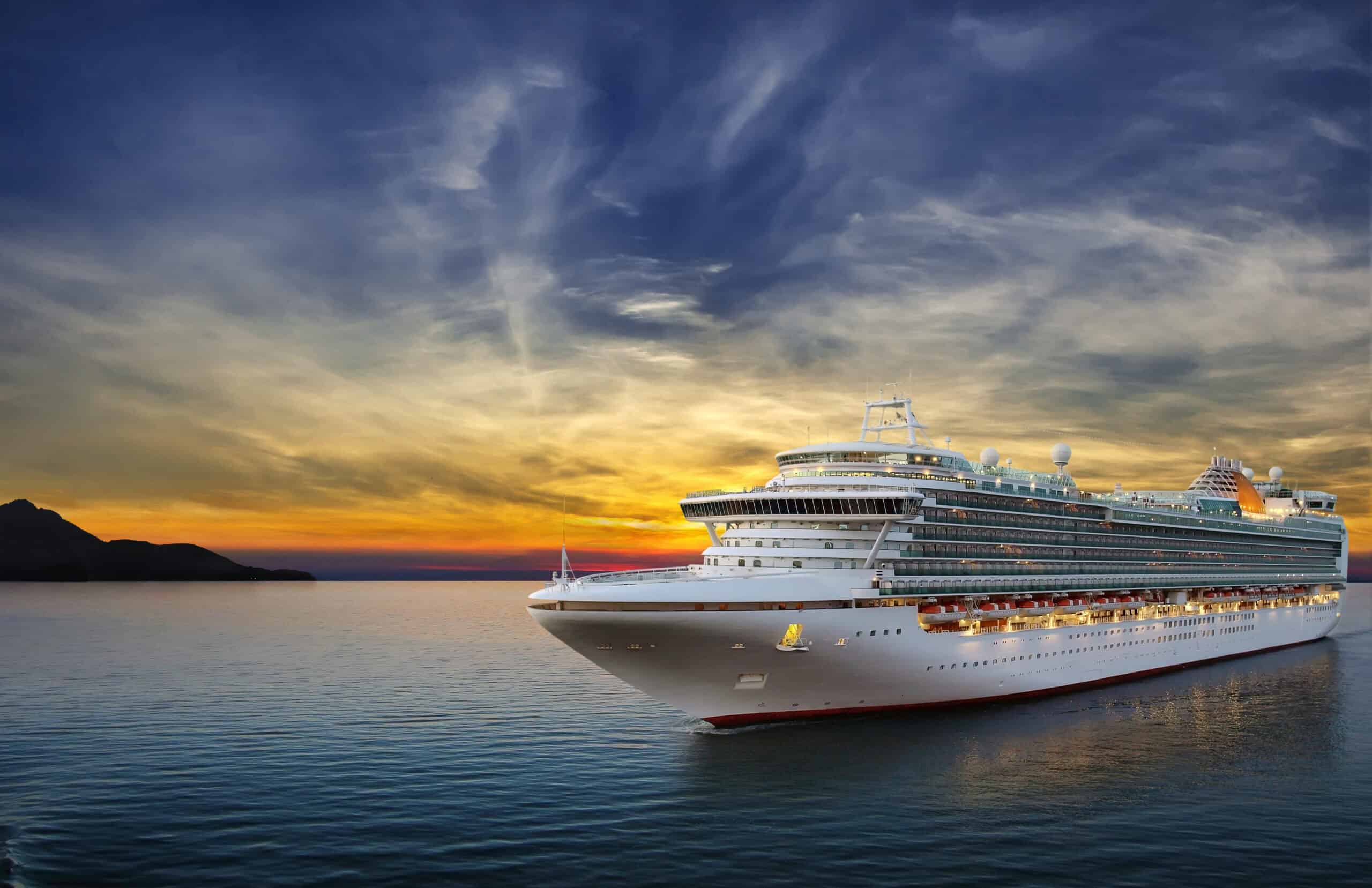
Cruises still promise an easy escape, but many Americans feel the experience has shifted. The headline price often masks a trail of add-ons, and the ship can feel crowded in ways older cruisers do not remember. Some travelers want more control over meals, schedules, and personal space. Others simply do the math and pick land trips that feel calmer, cleaner, and easier to customize. None of this means cruising is finished. It means expectations have changed, and the gaps show faster now.
Sticker Shock After The Deal Price

The low fare can look like a steal, then the real total arrives in layers: port charges, daily service fees, Wi-Fi, drinks, specialty dining, and paid activities that were not obvious on the first screen. That shift from bargain to running tab irritates many Americans, especially when the add-ons appear after booking, show up automatically, and keep stacking once the ship sails. For families, the multipliers are brutal, and even small choices like a soda, a coffee upgrade, a photo package, arcade credits, or one premium dinner can make the week feel like a corridor of toll booths.
Automatic Gratuities Feel Like A Surprise Tax
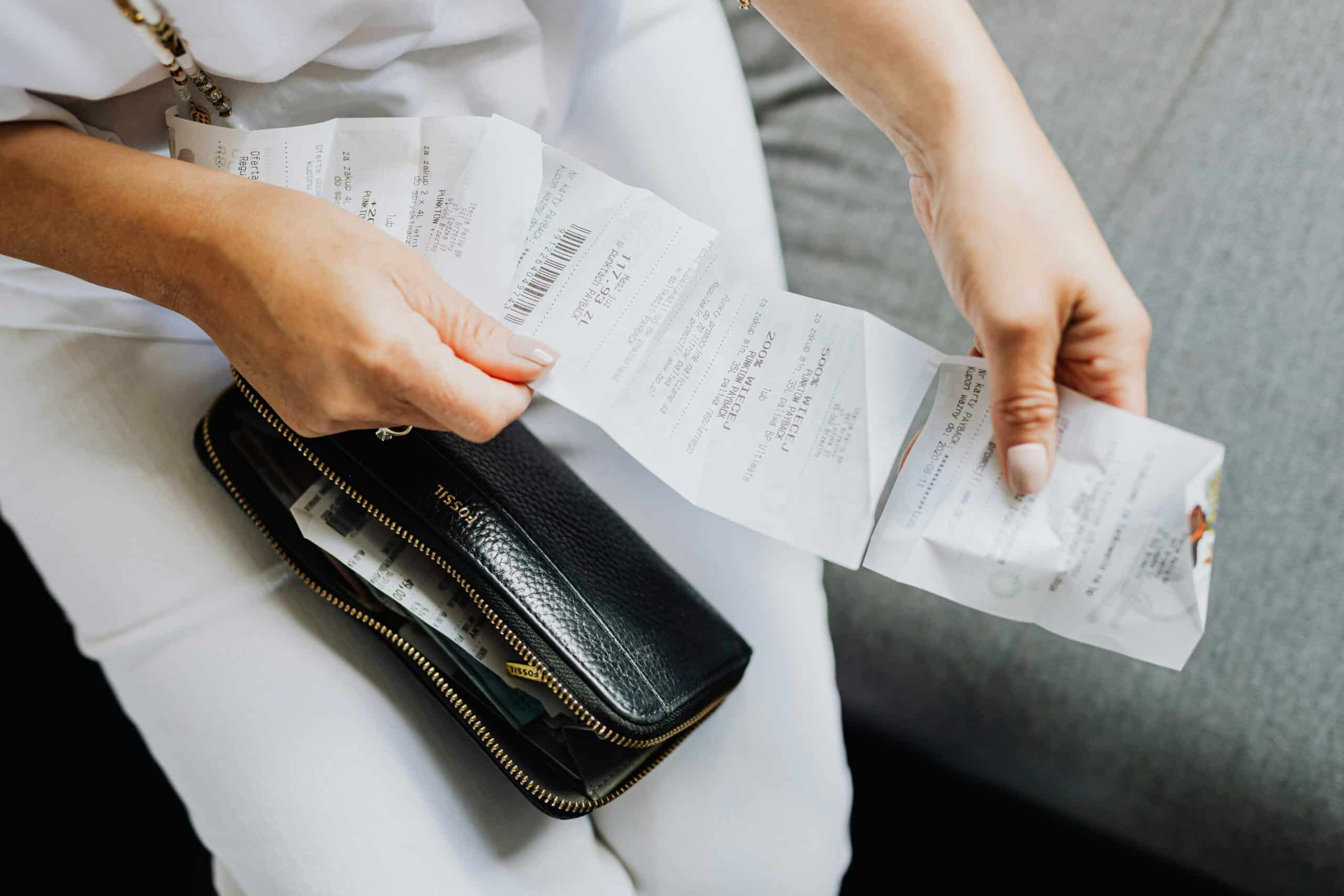
Standardized tipping may help crews count on steady pay, but it can feel abrupt for travelers who assume service is included, dislike fine print, and prefer to tip in their own way. Automatic gratuities are charged per person, per day, and the total jumps fast on longer sailings or when a group books multiple cabins, especially once kids, third guests, and suites are added. Many people are happy to pay staff fairly; they just dislike learning about it late, feeling nudged to tip again in cash, or watching the bill climb while the system stays opaque and hard to change on the spot.
Crowds Replace The Floating Resort Fantasy

Modern ships are bigger, but so are passenger counts, and the scale can flip the vibe from relaxed to constantly negotiated, especially during peak school breaks and holiday sailings. Elevators clog at rush times, pools turn into standing-room zones, and shows require reservations that vanish quickly, while popular dining rooms book out days ahead. Sea days can feel like competing for chairs, quiet corners, and even walking space, so the ocean is right there but the experience still feels busy, loud, and tightly managed, with noise bleeding into places that used to feel restful.
Short Port Stops Make Places Feel Rushed
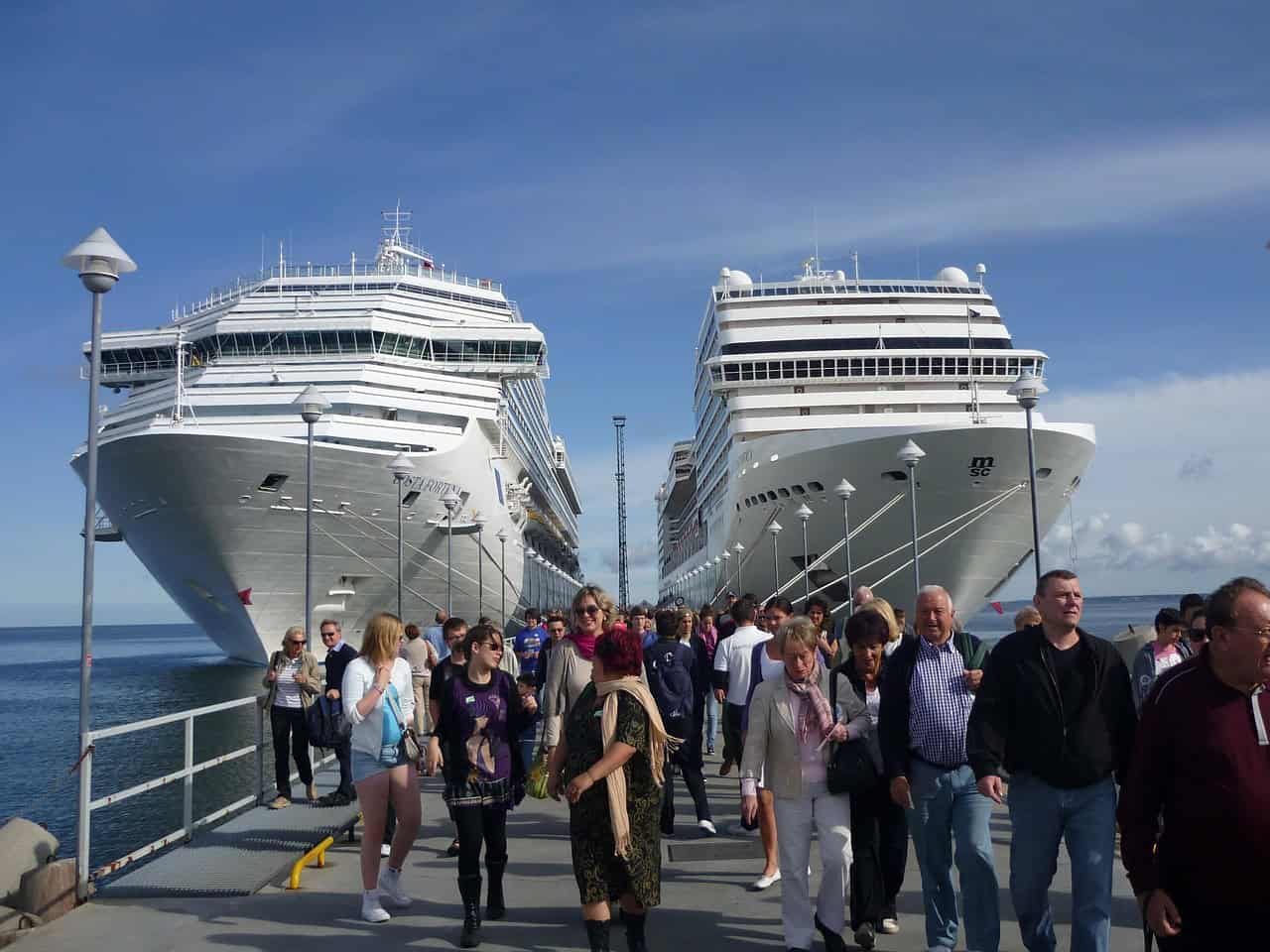
Many itineraries allow only a few hours in port, which turns a destination into a checklist instead of a lived place with time for small surprises and unplanned conversations. A quick shuttle, a crowded viewpoint, and a sprint back to the gangway can leave travelers feeling they barely arrived, especially when traffic, tender lines, or security checks eat the schedule. Real immersion needs time for markets, long lunches, and side streets, and when the ship’s clock dictates every move, the day can feel borrowed, tense, and oddly unsatisfying even if the photos look great.
Excursions Can Feel Overpriced And Overmanaged
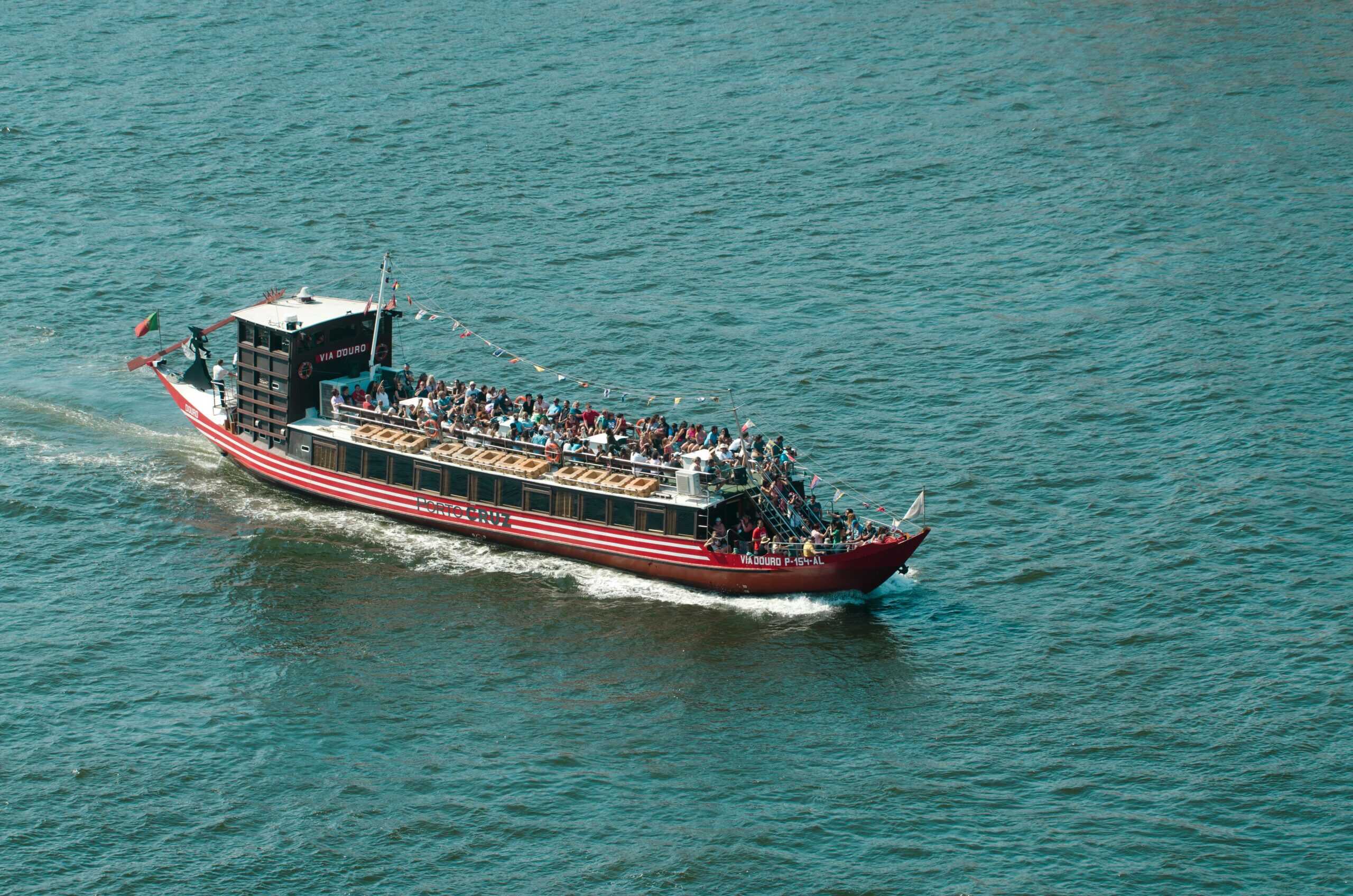
Ship-run excursions are sold as the simplest option, but the price gap versus booking locally can be hard to ignore once the per-person totals are compared. Groups move in waves, buses run on strict timers, and the day becomes instructions and wristbands rather than discovery, even when the scenery is genuinely spectacular. The tradeoff is reliability and a guarantee the ship will not leave without the group, yet many travelers resent paying extra for something that feels less personal, especially when the highlight ends in a funnel through a souvenir shop and a timed return line.
Health Worries Linger In Close Quarters
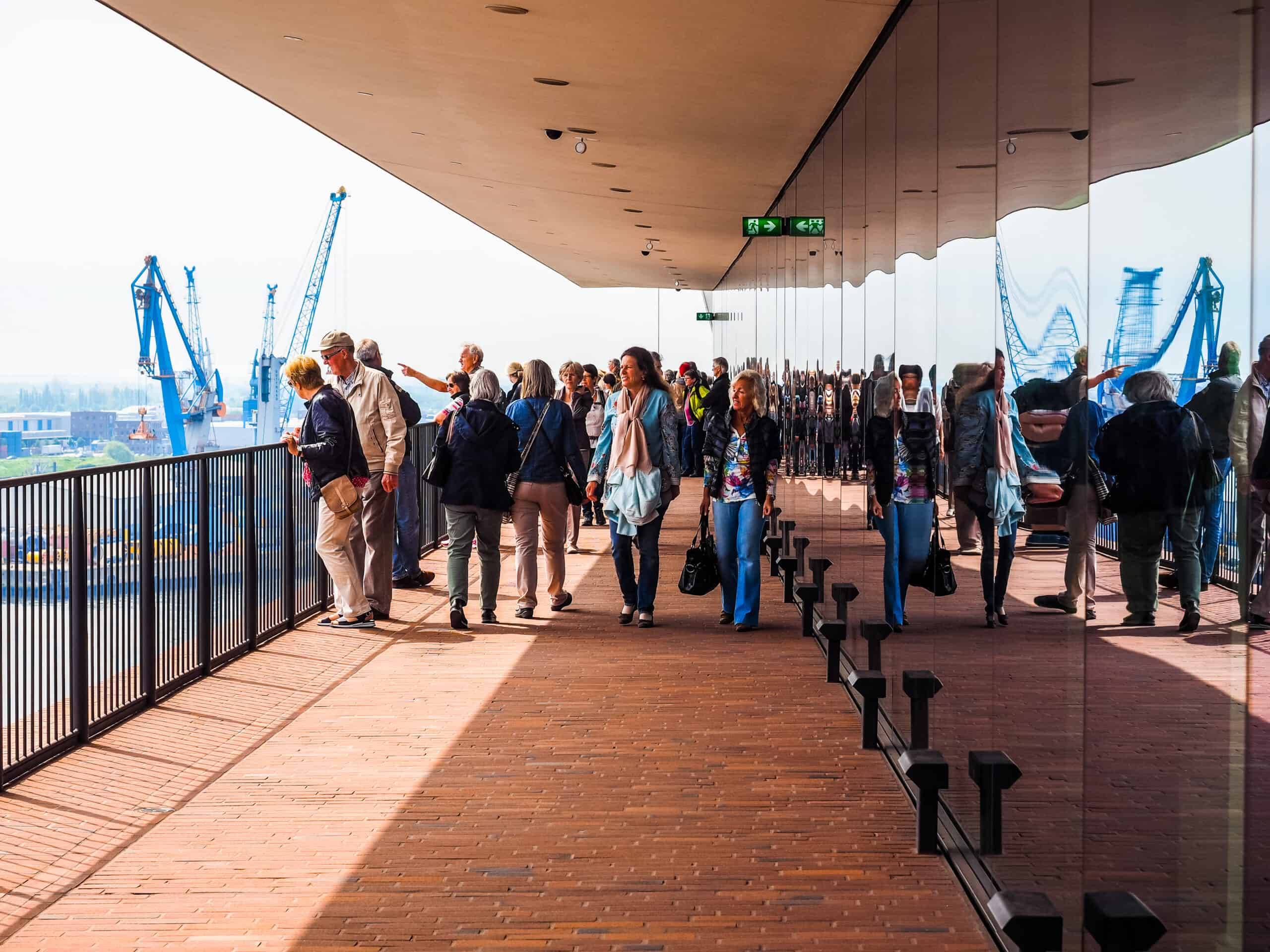
Cruises pack thousands of people into shared dining rooms, narrow corridors, and high-touch surfaces, so illness anxiety stays in the background for cautious travelers, especially during winter and spring waves of colds. Even a minor stomach bug feels bigger at sea, inside a small cabin, away from familiar routines, pharmacies, and the comfort of simply stepping outside for air. Some Americans still picture quarantine notices and outbreak headlines, and that fear of losing precious vacation days to sickness, isolation, and uncertainty makes hotels and road trips feel like the safer bet.
Cabins Feel Tight After Bigger Stays
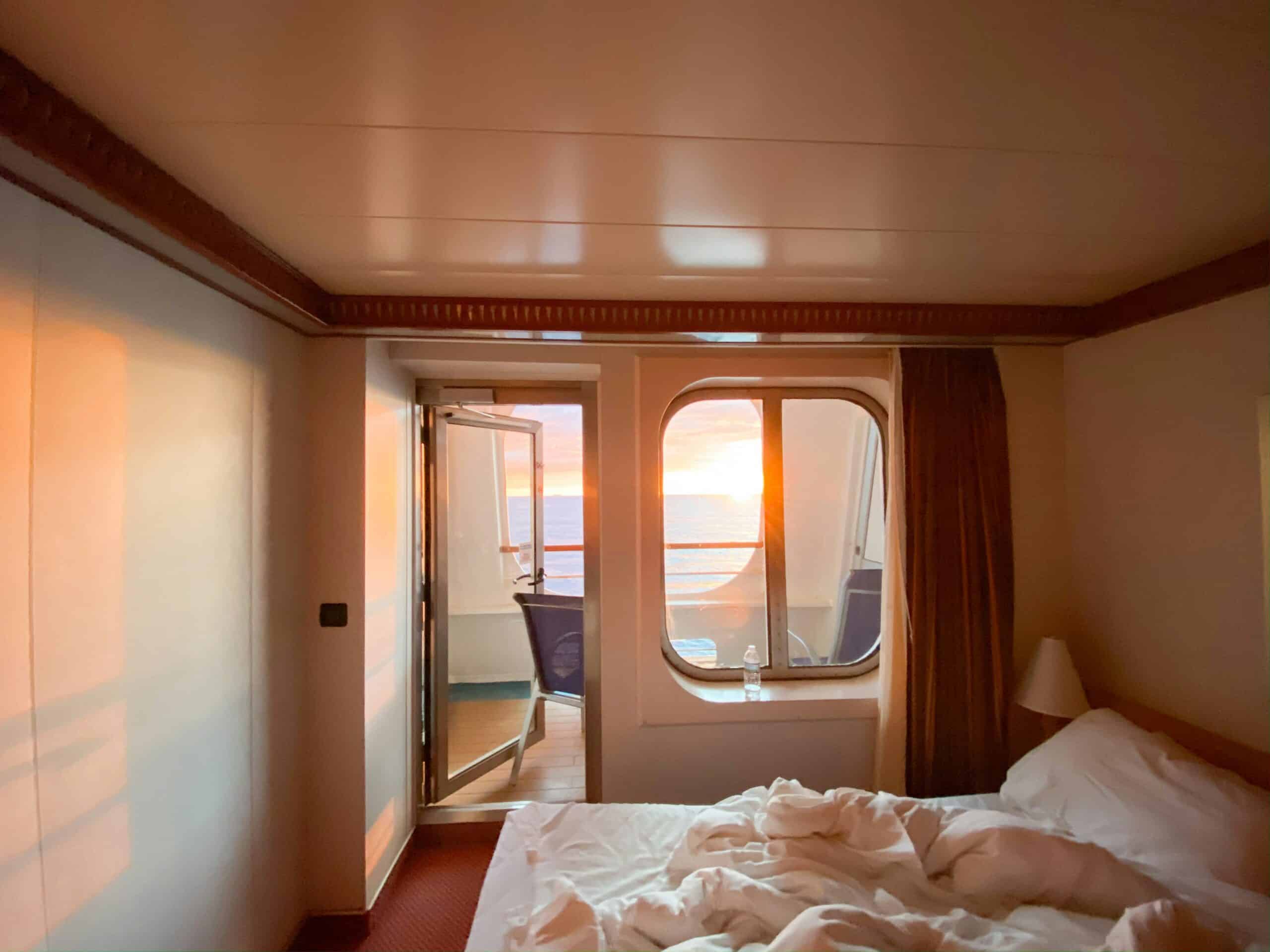
Hotels and vacation rentals have reset comfort standards, and cruise cabins can feel cramped by comparison, even on newer ships with clever storage tricks and glossy design. Closets are small, bathrooms are compact, and inside rooms offer no fresh-air reset when nerves fray, which matters on longer sailings, rough seas, or rainy sea days when everyone is stuck indoors. Families feel it most when sleep schedules, naps, and downtime collide in one tight space, and many decide they would rather pay for a room that lets everyone breathe, spread out, and actually rest between excursions.
Wi-Fi Still Feels Like A Premium Struggle
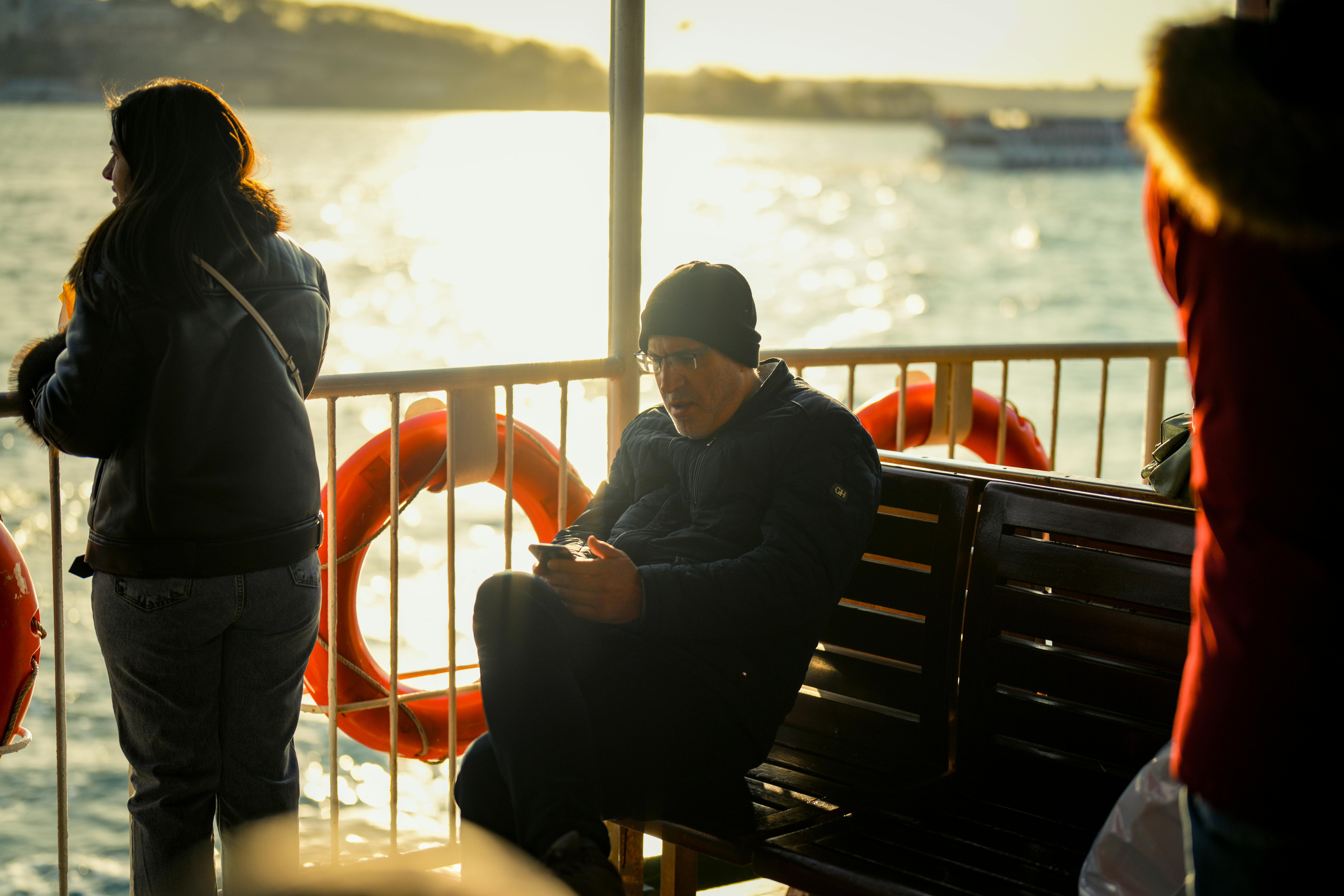
Travel habits have shifted, and many people now expect reliable internet as basic comfort, not a luxury add-on that requires a package decision and a password reset ritual. On ships, Wi-Fi can be expensive, spotty, or slowed by weather and congestion, which turns a simple message into a small daily battle and makes video calls feel risky at the worst times. For anyone who needs to check in with work, manage family logistics, monitor banking, or even just share photos without waiting for port, that unpredictability adds constant friction that undercuts the whole escape for the entire week.