We may earn money or products from the companies mentioned in this post. This means if you click on the link and purchase the item, I will receive a small commission at no extra cost to you ... you're just helping re-supply our family's travel fund.
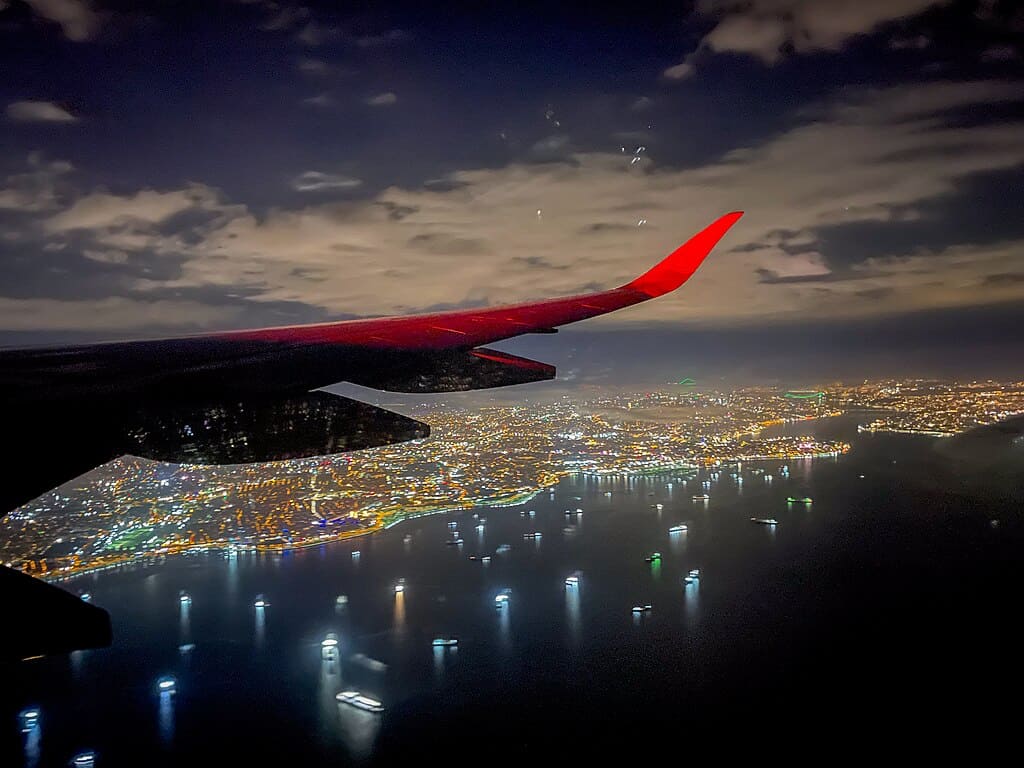
For decades, U.S. travelers treated major global hubs as neutral ground places where a passport stayed in a pocket and immigration rules barely mattered. That assumption is quietly collapsing. Airlines now enforce destination-country visa rules at check‑in, governments have tightened transit definitions, and airport layouts increasingly force passengers through immigration even when they never plan to leave. Miss one technicality and your journey can end before it starts. Below are eight popular layover hubs that have become especially unforgiving. Each section explains why problems occur, what numbers matter, and how seemingly minor details can turn a routine connection into a denied‑boarding nightmare.
1. London Heathrow (LHR), United Kingdom
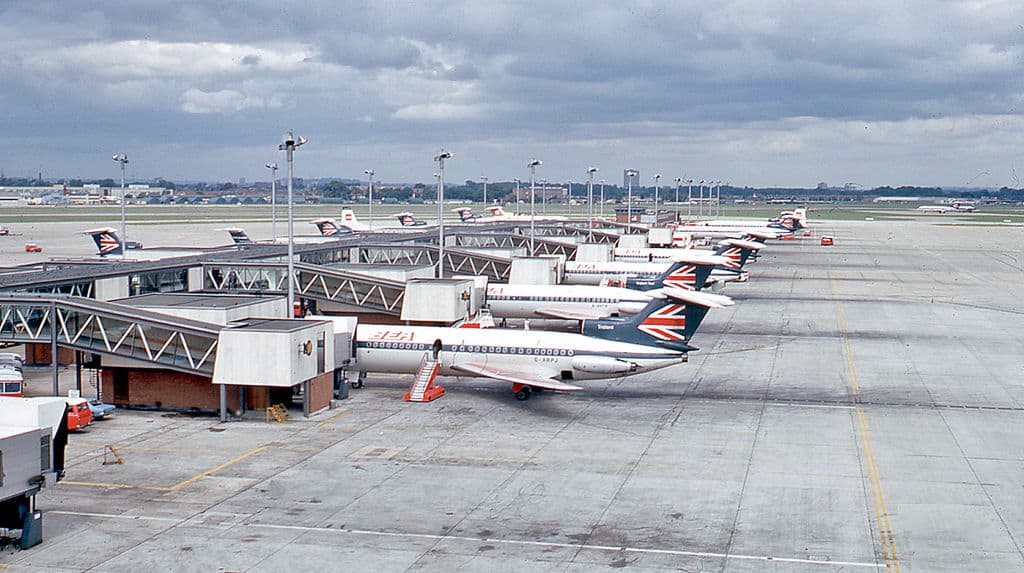
London Heathrow handles roughly 79 million passengers annually, with nearly 35% making international connections. The problem is that Heathrow’s multi‑terminal design forces many transfers through UK border control. U.S. travelers assume their passport grants easy transit, but the UK distinguishes between airside transit, landside transit, and full entry. If a connection requires changing terminals, collecting bags, or overnight stays, a visa requirement can trigger instantly. In 2024, UK Border Force flagged over 18,000 transit denials, many tied to misunderstood layovers. Even short connections under 6 hours can fail if the itinerary exits the sterile zone. Airlines are fined up to $2,500 per passenger for non‑compliance, so staff err on refusal, not flexibility.
2. Paris Charles de Gaulle (CDG), France
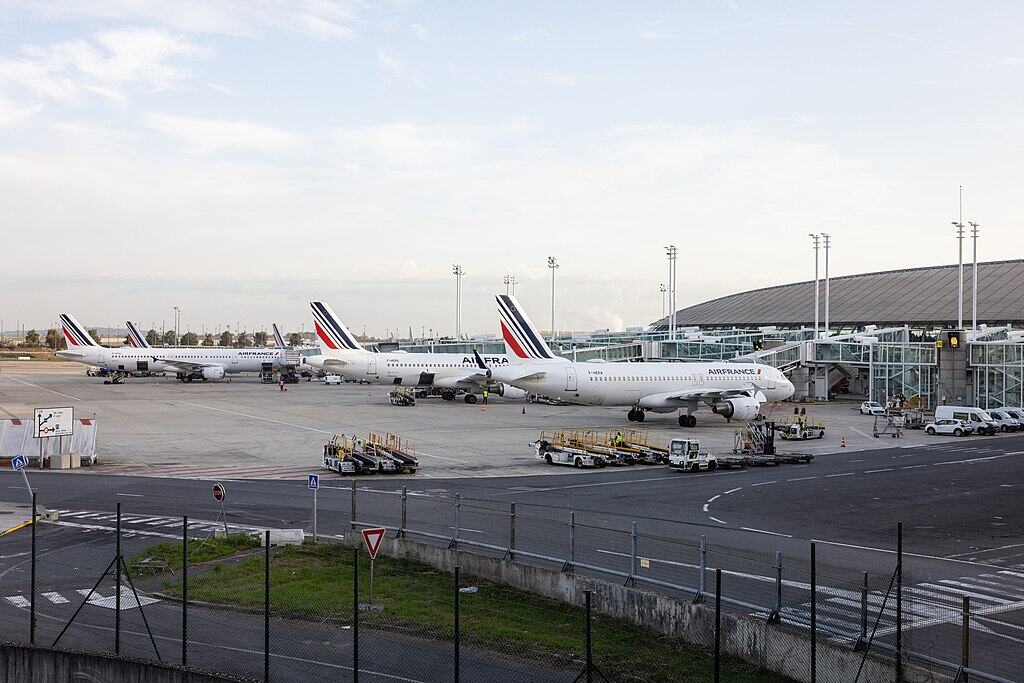
Paris CDG processes about 72 million passengers per year, with one of Europe’s highest rates of Schengen transit complications. The airport’s layout often funnels non‑Schengen arrivals into Schengen corridors, unintentionally requiring immigration clearance. While many U.S. travelers don’t need a visa, those traveling onward on separate tickets or switching terminals face sudden reclassification. French authorities reported a 22% rise in airport transit visa checks between 2023 and 2025. Even a 90‑minute layover can be risky if flights aren’t ticketed together. Missed connections due to document checks average 3–5 hours of delay, and rebooking costs regularly exceed $900, making CDG a costly place for paperwork mistakes.
3. Toronto Pearson (YYZ), Canada
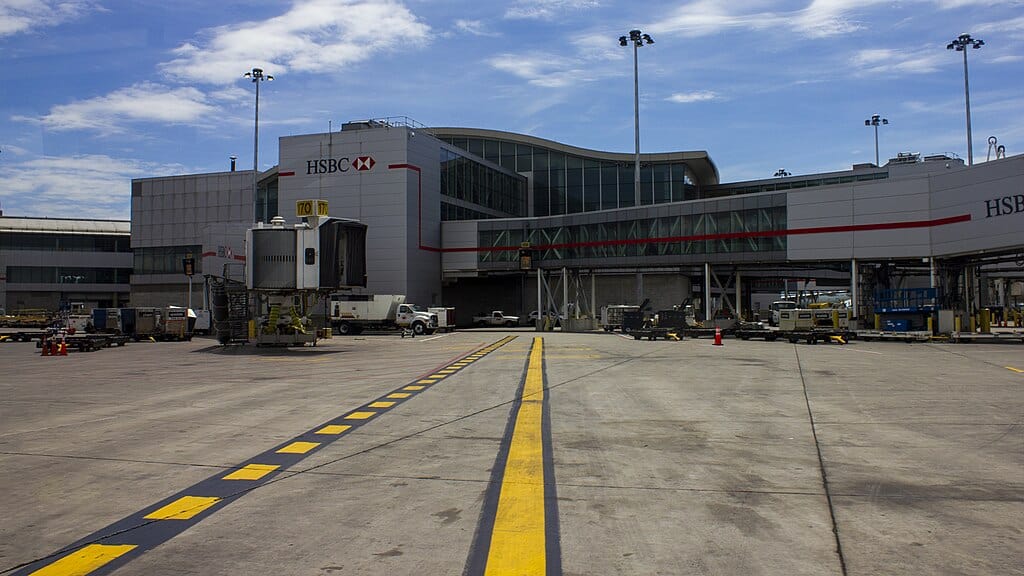
Toronto Pearson sees roughly 50 million passengers annually, and nearly 40% are transiting. Canada’s strict pre‑authorization systems mean even brief connections can require advance clearance. Since expanded enforcement in 2023, airlines have reported that 1 in 12 transit passengers face boarding issues tied to documentation mismatches. Electronic approvals often take 24–72 hours, making last‑minute bookings especially dangerous. Toronto’s customs design also routes many connections through inspection zones, regardless of final destination. In 2024 alone, Canadian authorities recorded over 9,000 denied transits, with U.S.-bound and Asia‑bound travelers most affected. The result is a hub where timing, ticket structure, and paperwork precision matter more than distance flown.
4. Frankfurt Airport (FRA), Germany
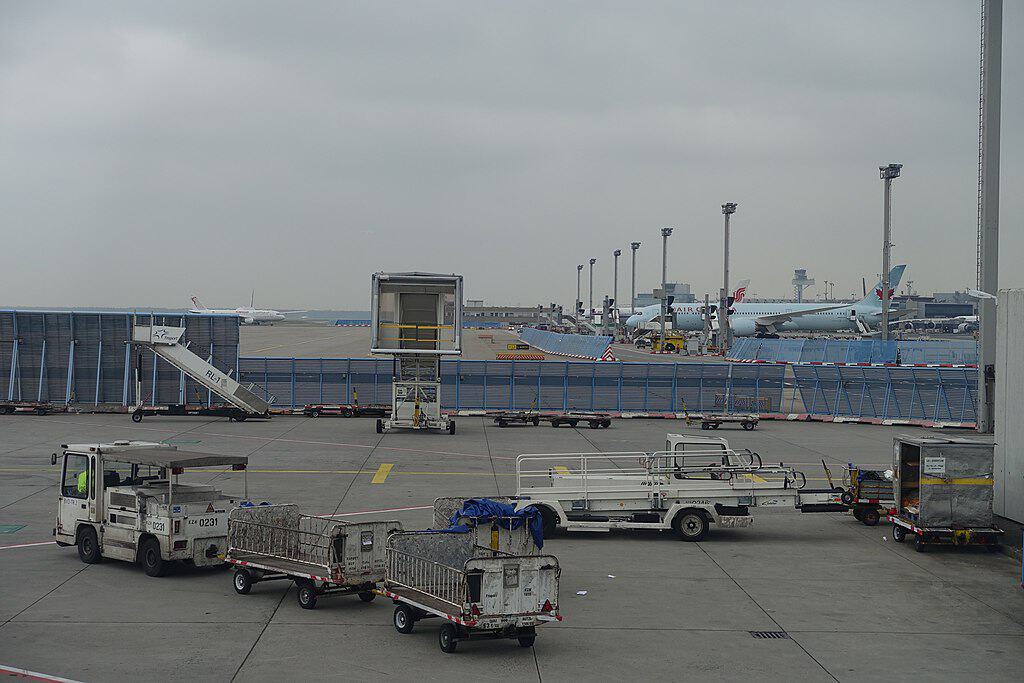
Frankfurt handles approximately 65 million passengers yearly, making it Europe’s busiest transfer hub. Its efficiency masks strict Schengen enforcement. If a traveler must leave the international zone, often due to terminal changes or airline policy, Schengen entry rules apply instantly. German border data shows a 19% increase in transit‑related refusals since 2024, many involving travelers who believed they were staying airside. Average connection times of 75–120 minutes leave little margin for secondary checks. Rebooking after refusal often adds $650–$1,300 in costs. Frankfurt’s reputation for precision cuts both ways: officials follow rules exactly, even when consequences for passengers are severe.
5. Amsterdam Schiphol (AMS), Netherlands
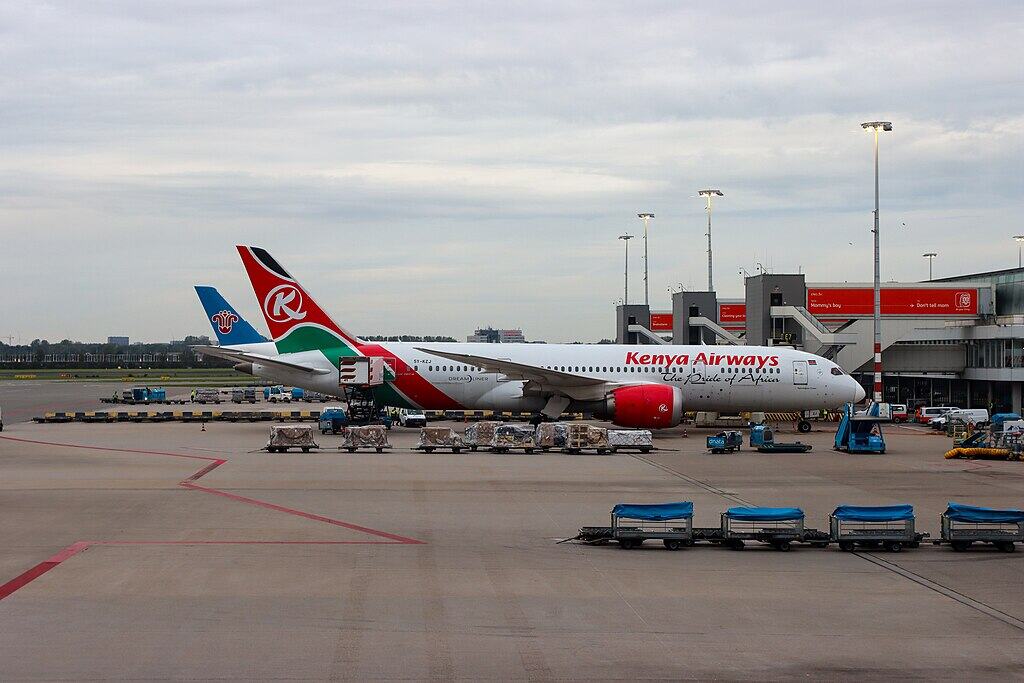
Schiphol serves about 67 million passengers per year, with nearly 45% connecting onward. The challenge lies in inconsistent transit pathways. Some gates allow full airside transfers, while others quietly route passengers through Schengen control. Dutch authorities expanded document screening in 2024, leading to a 17% rise in missed connections linked to visa confusion. Short layovers under 2 hours are particularly risky. Airlines at AMS report spending an average of $1.5 million annually on passenger reaccommodation due to documentation issues. For travelers, the problem isn’t harsh rules; it’s unpredictability, which makes planning connections unusually stressful.
6. Beijing Capital & Daxing (PEK/PKX), China
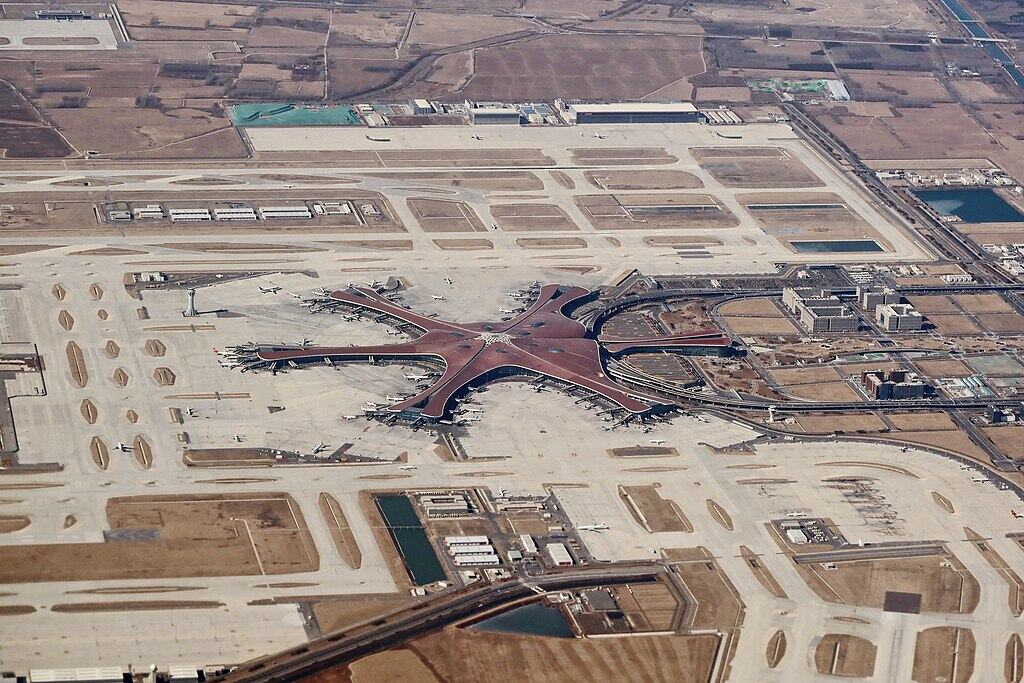
Beijing’s airports collectively move over 100 million passengers annually, with complex transit exemptions layered over strict enforcement. Visa‑free transit options exist, but they depend on route eligibility, ticket continuity, and time limits ranging from 24 to 144 hours. Chinese immigration data shows that over 30% of transit refusals stem from itinerary technicalities rather than intent to enter. A single domestic segment or incorrect airline pairing can void eligibility. Processing errors often cause delays exceeding 4 hours, and denied passengers must reroute immediately. Beijing rewards perfect paperwork but penalizes assumptions, making it unforgiving for casual connectors.
7. Johannesburg OR Tambo (JNB), South Africa
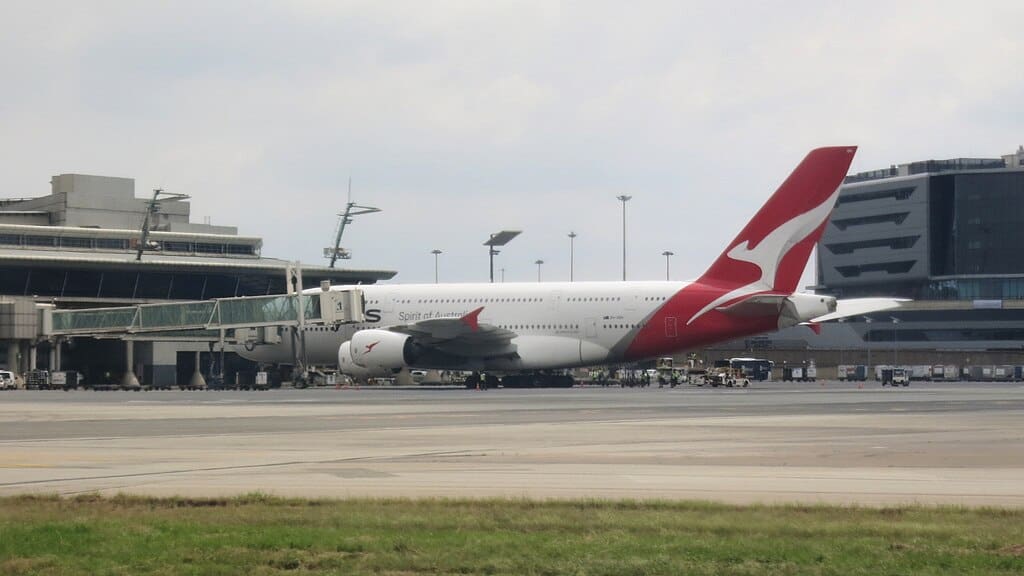
OR Tambo handles around 21 million passengers yearly, acting as Africa’s main intercontinental hub. South Africa tightened transit controls in 2025, introducing more frequent document verification. Since then, airlines report a 28% increase in transit denials tied to missing authorizations. Connections exceeding 8 hours, overnight stays, or terminal exits commonly trigger issues. Rebooking costs average $750–$1,100, and processing times for clearances can exceed 5 business days. JNB’s challenge lies in sudden rule shifts, leaving travelers unaware until check‑in, when airlines strictly enforce updated requirements.
8. Istanbul Airport (IST), Türkiye
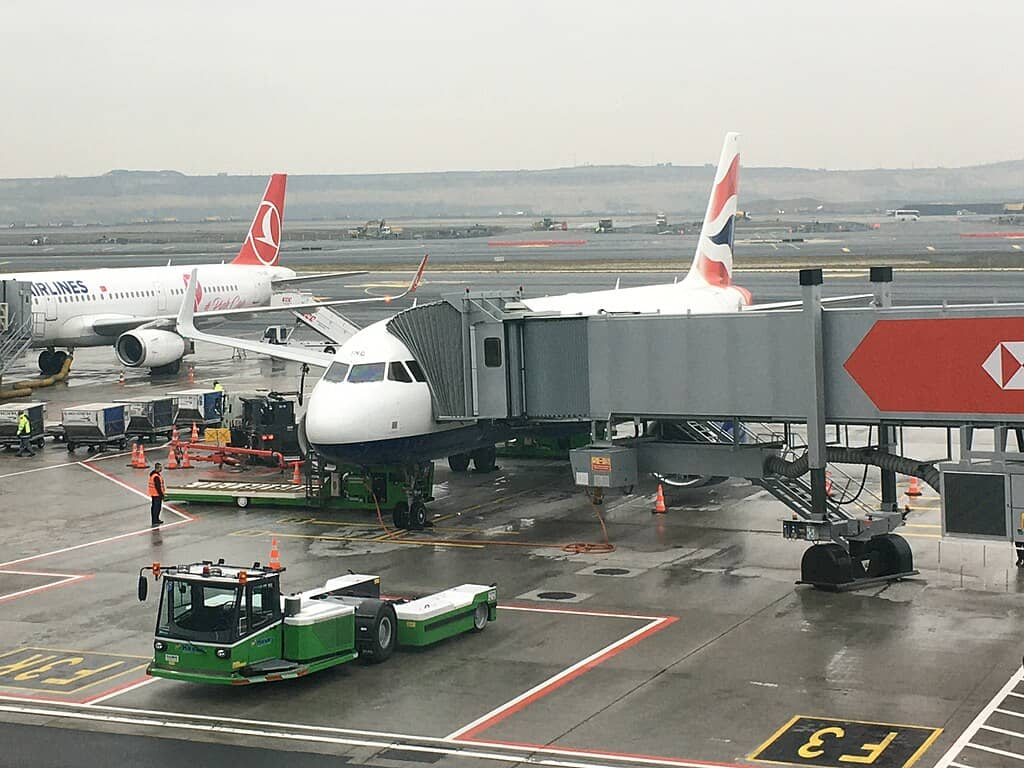
Istanbul Airport now moves over 76 million passengers annually, positioning itself as a global super‑hub. However, its scale complicates transit. While many travelers remain airside, schedule changes or airline swaps can require exiting and re‑entering secure zones. Turkish authorities increased transit document checks by 24% in 2024 amid rising traffic. Missed connections here average 6–10 hours due to congestion. Reissued tickets can cost $500 or more, especially on long‑haul routes. Istanbul isn’t hostile—it’s procedural. Travelers who don’t understand the fine print often pay the price for assuming transit is automatic.