We may earn money or products from the companies mentioned in this post. This means if you click on the link and purchase the item, I will receive a small commission at no extra cost to you ... you're just helping re-supply our family's travel fund.
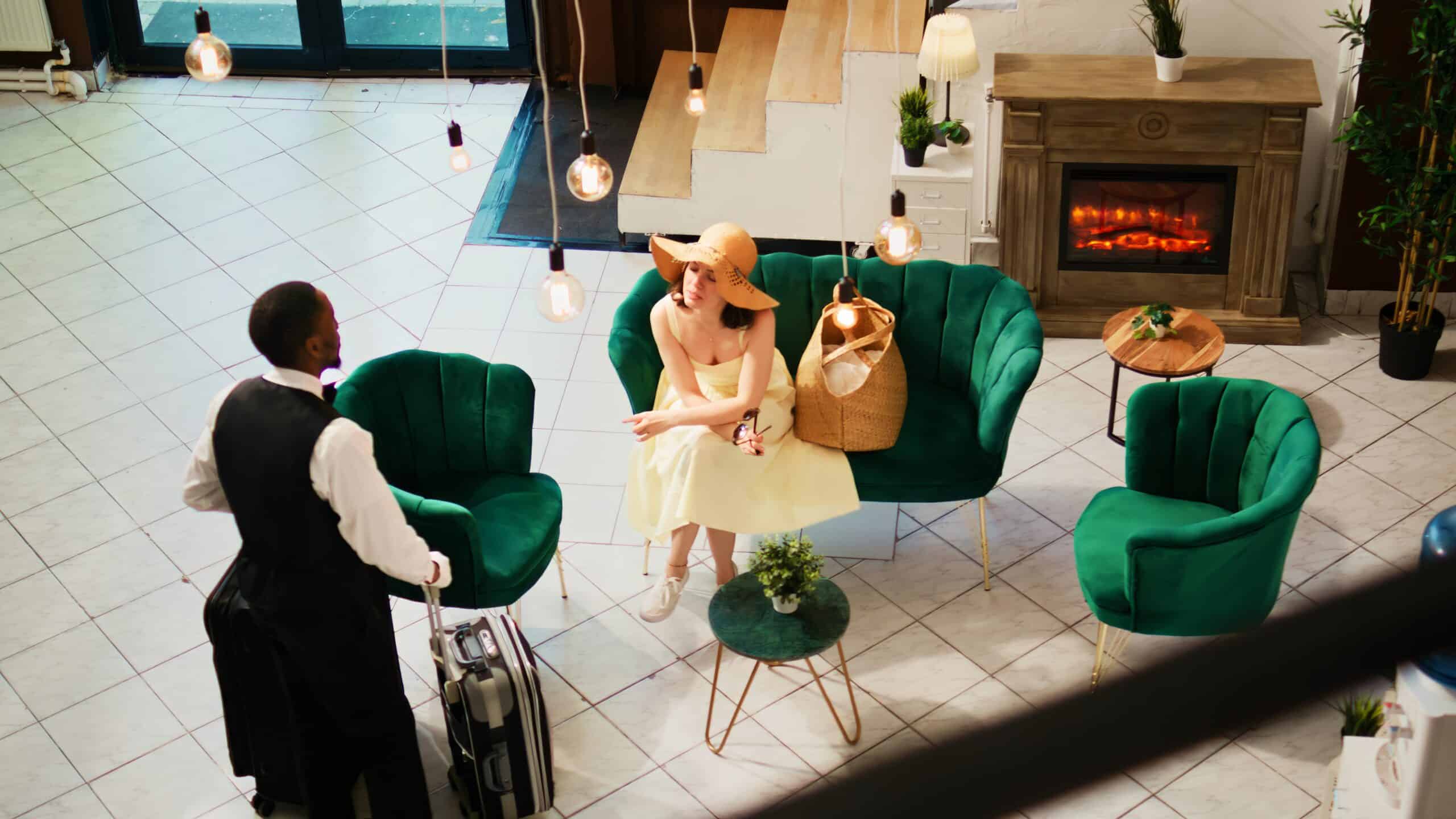
A hotel can look perfect online and still feel uneasy in person, not because a destination is dangerous, but because a property’s design and management invite the wrong kind of attention. Most incidents are not dramatic. They are predictable patterns: lobby grab-and-go theft, parking-lot break-ins, hallway tailgating, and nighttime disruptions that wear down everyone’s sense of ease. The goal is not fear. It is clarity about which setups create friction, and what strong operations do differently. These eight common hotel profiles show where problems concentrate and what signals usually separate comfort from constant hassle.
Party-Corridor Resorts With Outsider Access
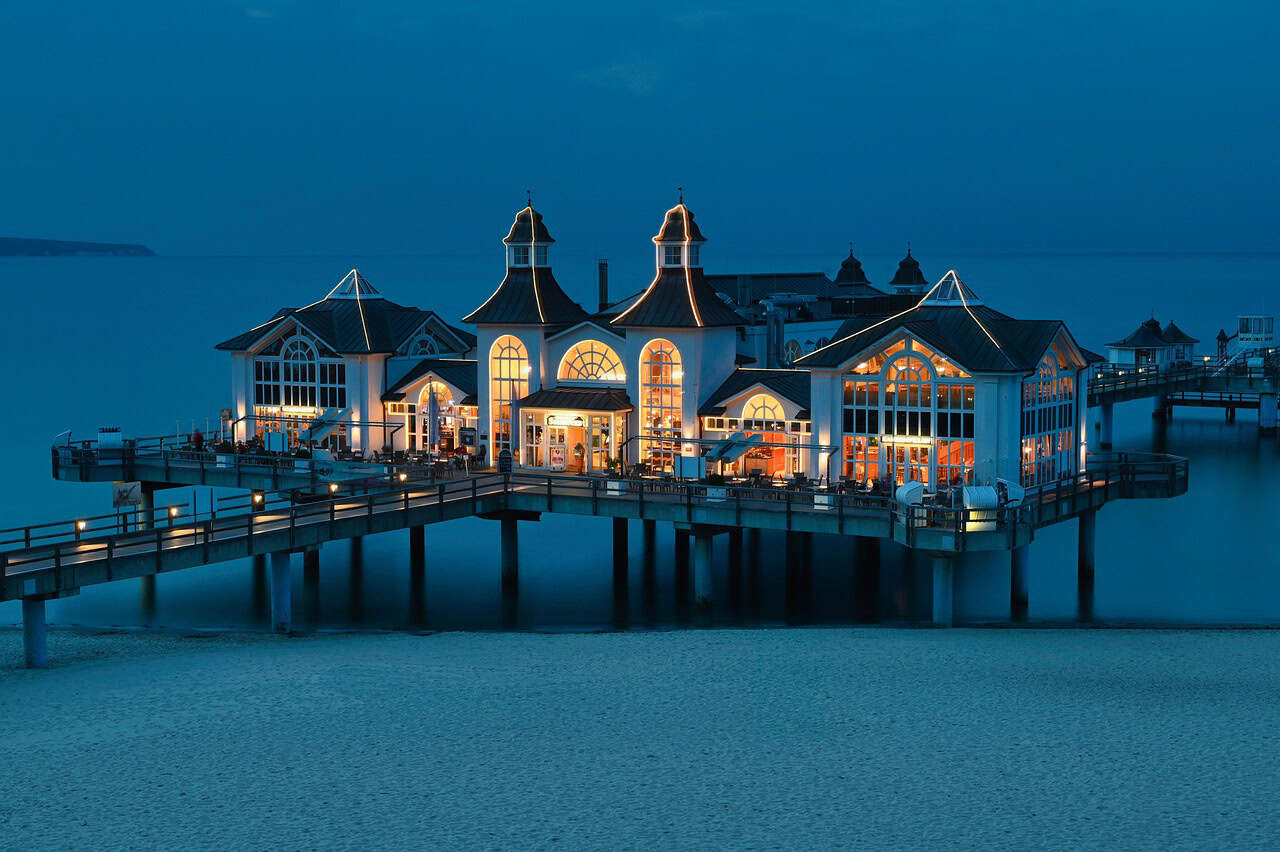
These resorts look carefree, but the open-door vibe can invite trouble when non-guests drift in from nearby bars, beaches, and festivals. Problems cluster around late-night corridors, crowded pool decks, and lobby restrooms where staff attention is split and cameras miss angles, so petty theft, door-rattling, and lost-key drama spike when crowds surge after midnight. The lesson is plain: properties that control entry points, require wristbands or key cards after dark, keep security visible, and post clear quiet-hour rules usually deliver calmer nights than places that treat the lobby like a public plaza.
Airport Hotels With Parking Lots Full Of Luggage
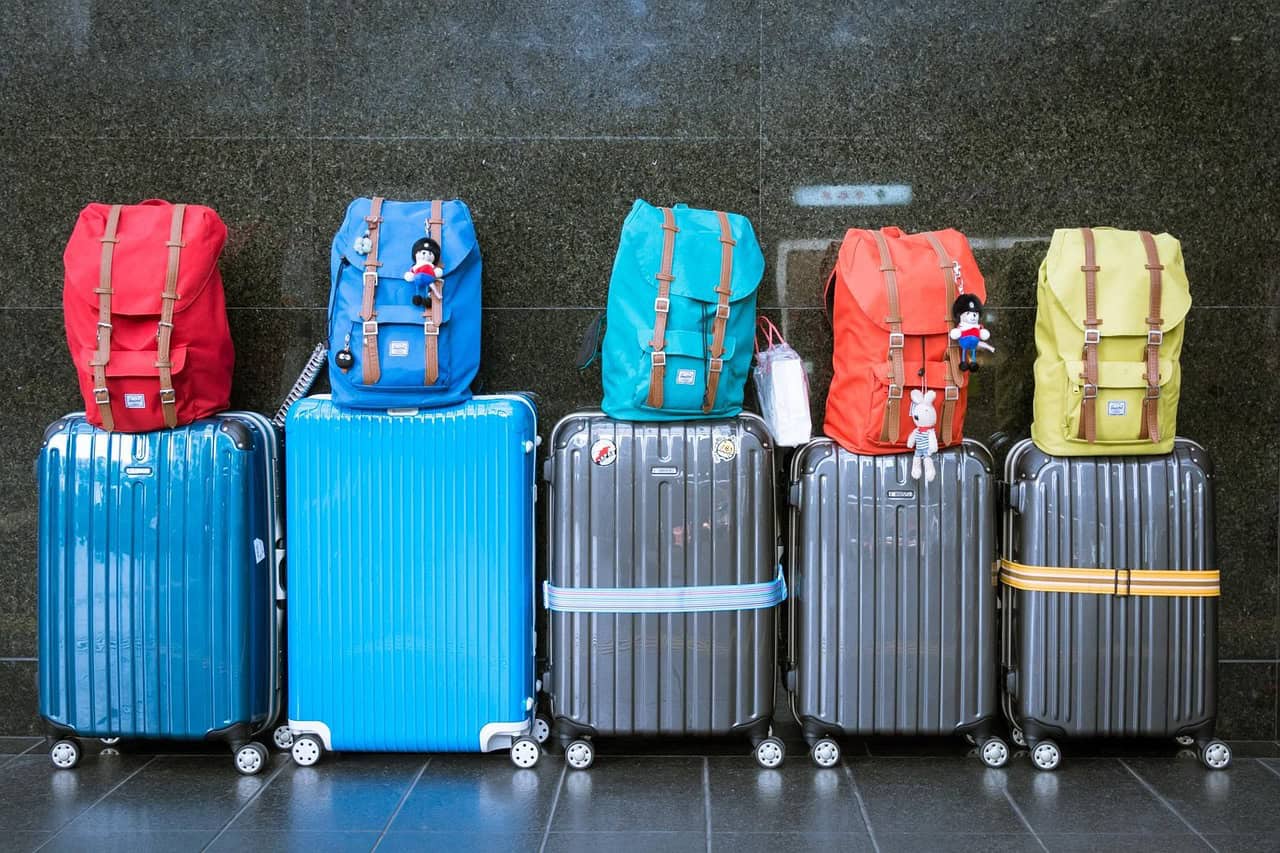
Airport hotels move people fast, which also means cars sit loaded, shuttle traffic stays constant, and parking lots become tempting for opportunistic theft. Incidents show up as smashed windows, missing bags, and stressful disputes over fine-print policies that appear after the fact, especially when a quick overnight stop feels too short to worry about risk or to unload a trunk. The takeaway is to favor bright lighting, visible cameras, gated access, and staff presence overnight, plus interior luggage storage options and staffed shuttles, because a free ride is not comfort when the first night ends with reports and replacement charges.
Downtown Convention Towers With Busy Lobbies

Big convention hotels feel safe because everything is bright and busy, yet that bustle is perfect cover for quick grab-and-go theft. Phones vanish from café tables, backpacks get lifted during check-in lines, and unattended bags get watched by no one while guests juggle badges, kids, room keys, and coffee, then leave chargers and wallets on the nearest chair. The lesson is to treat public areas like transit hubs: the best-run properties control elevator access, keep security visible, and respond fast to reports, and they design seating, storage, and signage so the lobby does not become a soft target.
High-Rise Hotels Where Elevator Tailgating Is Easy
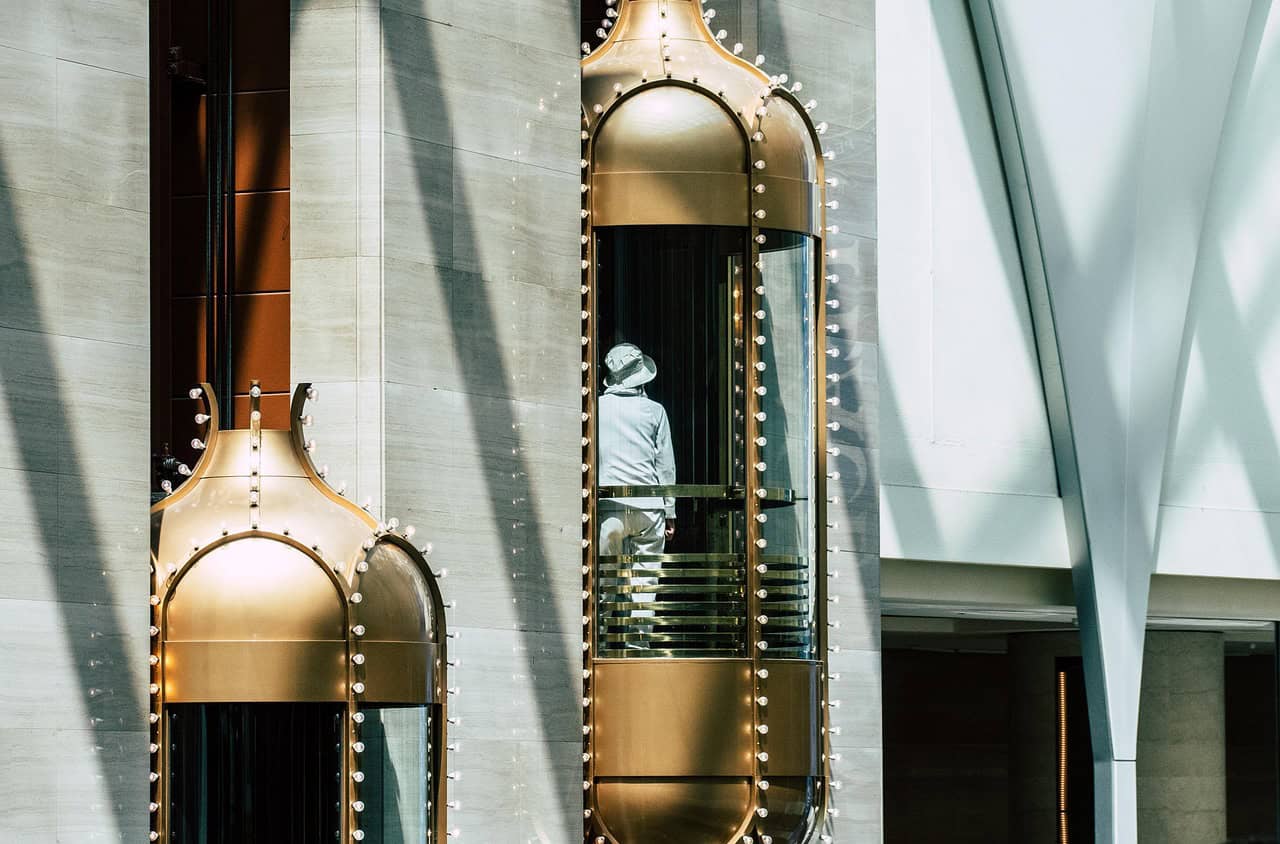
In tall hotels, the weak point is often the hallway, especially when strangers follow guests through secured doors without challenge. Tailgating into elevators or stairwells can bypass systems that look impressive on paper, then turn upper floors into quiet hunting grounds where door-knock scams and wrong-room distractions work too well, particularly during shift changes. What this teaches is to value layered access, not signage: key entry at the front door, key selection for floors, and staff who discourage door-holding at night, because security design only works when building culture enforces it, shift after shift.
Beachfront Hotels With Sliding Doors And Balconies
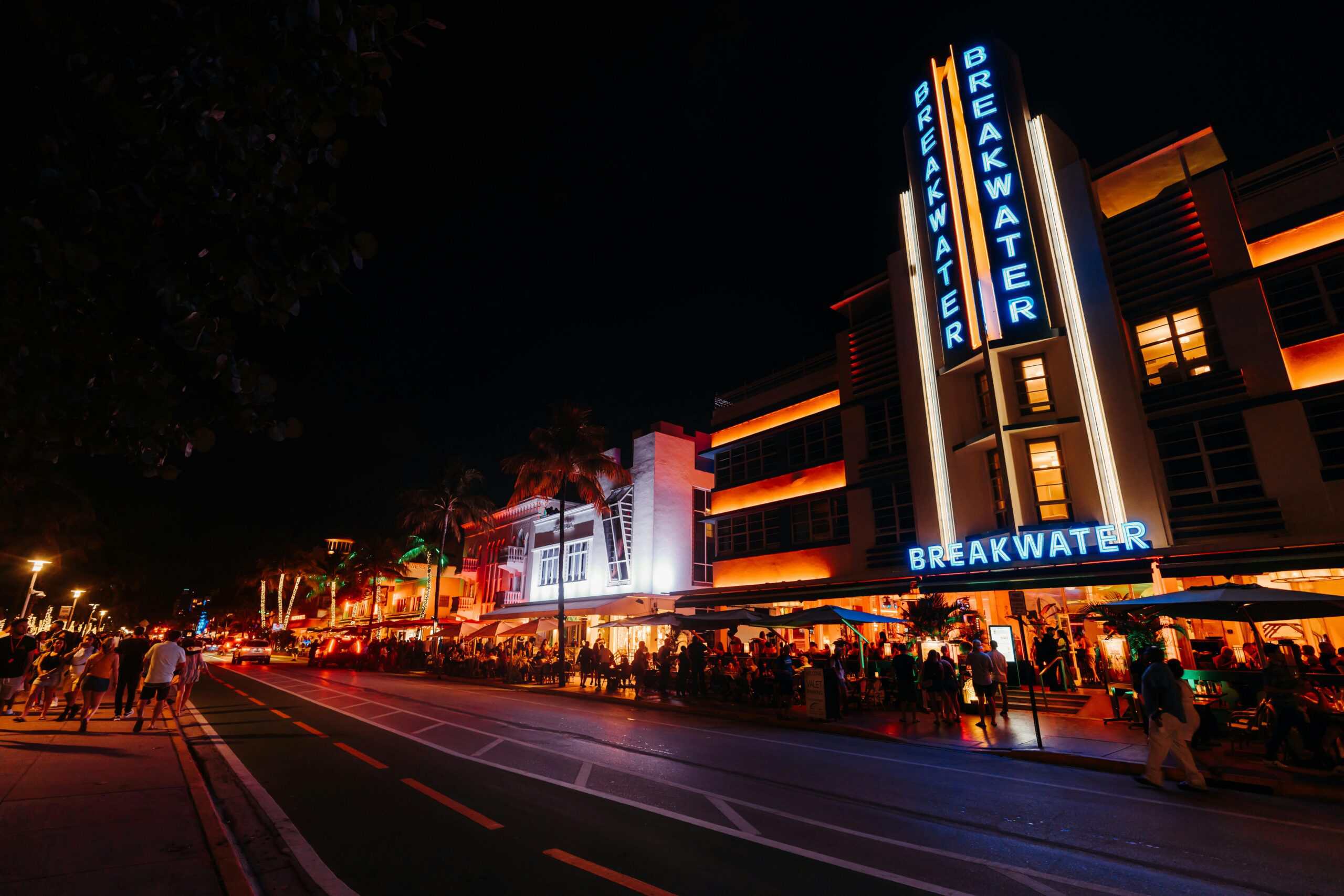
Beach hotels promise ocean air, but sliding doors and connected balconies can become weak points, particularly on lower floors or in older buildings. Theft patterns often involve propped doors for fresh air, unattended patios, and valuables left in plain sight after long sun-soaked days, plus sand-worn locks that do not latch cleanly when wind pushes and salt corrodes hardware. The lesson is to favor properties that maintain hardware, use secure latches, and communicate smart room practices at check-in without panic, because coastal relaxation should not require constant vigilance, midnight calls, or moving rooms to feel settled.
Historic District Hotels With Small Staff And Big Foot Traffic
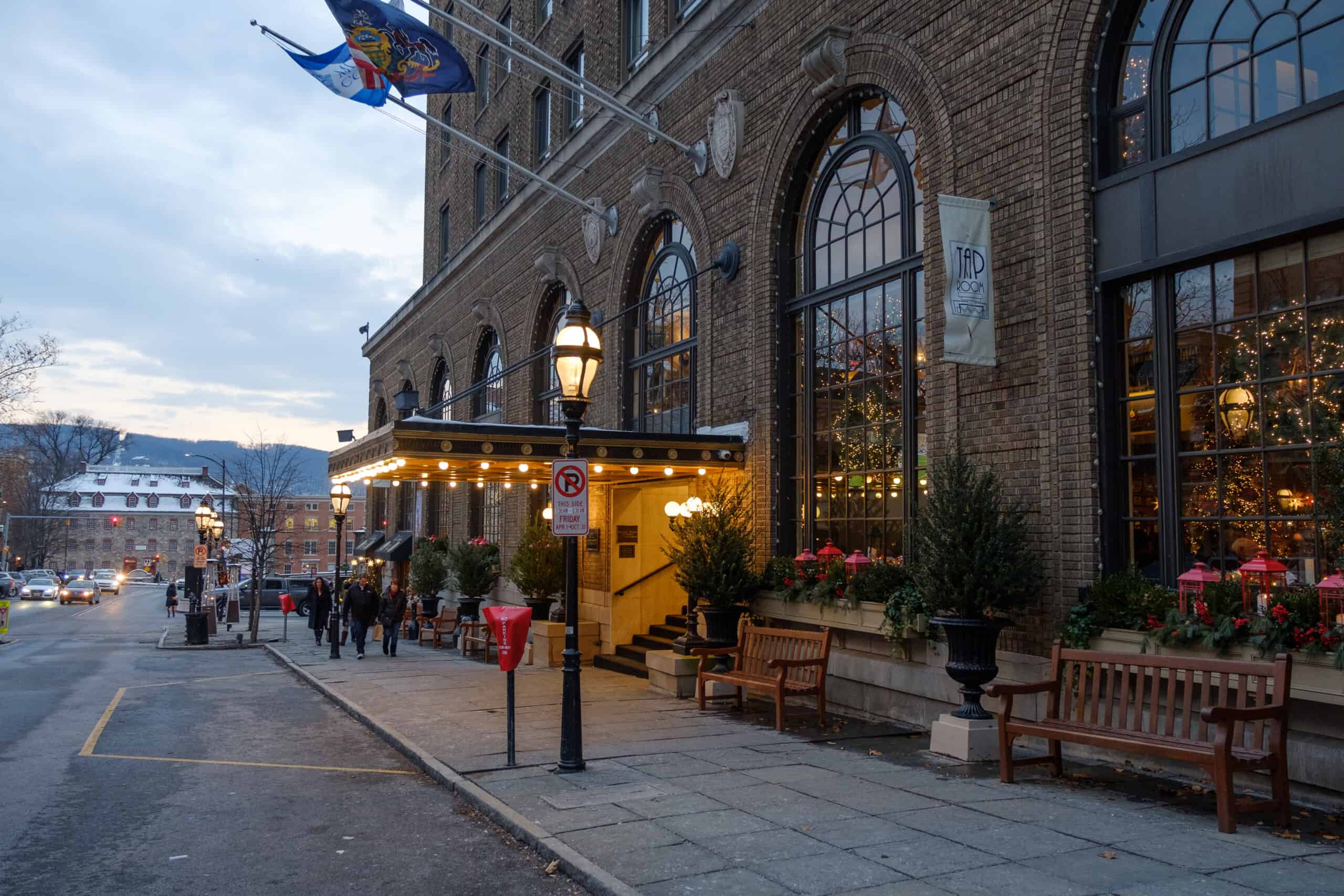
Boutique hotels in historic cores trade space for charm, which can mean thinner staffing, multiple entrances, and heavy foot traffic outside that runs late. Problems are often low-level but persistent: package theft from lobbies, strangers wandering hallways after slipping in behind guests, and nightlife noise that escalates into confrontations in narrow stairwells or courtyards. The lesson is that charm needs structure. Properties that use controlled entry, clear after-hours policies, good lighting, and steady front desk coverage protect the calm, so the stay feels intimate and welcoming instead of exposed.
Casino-Adjacent Hotels That Never Really Sleep
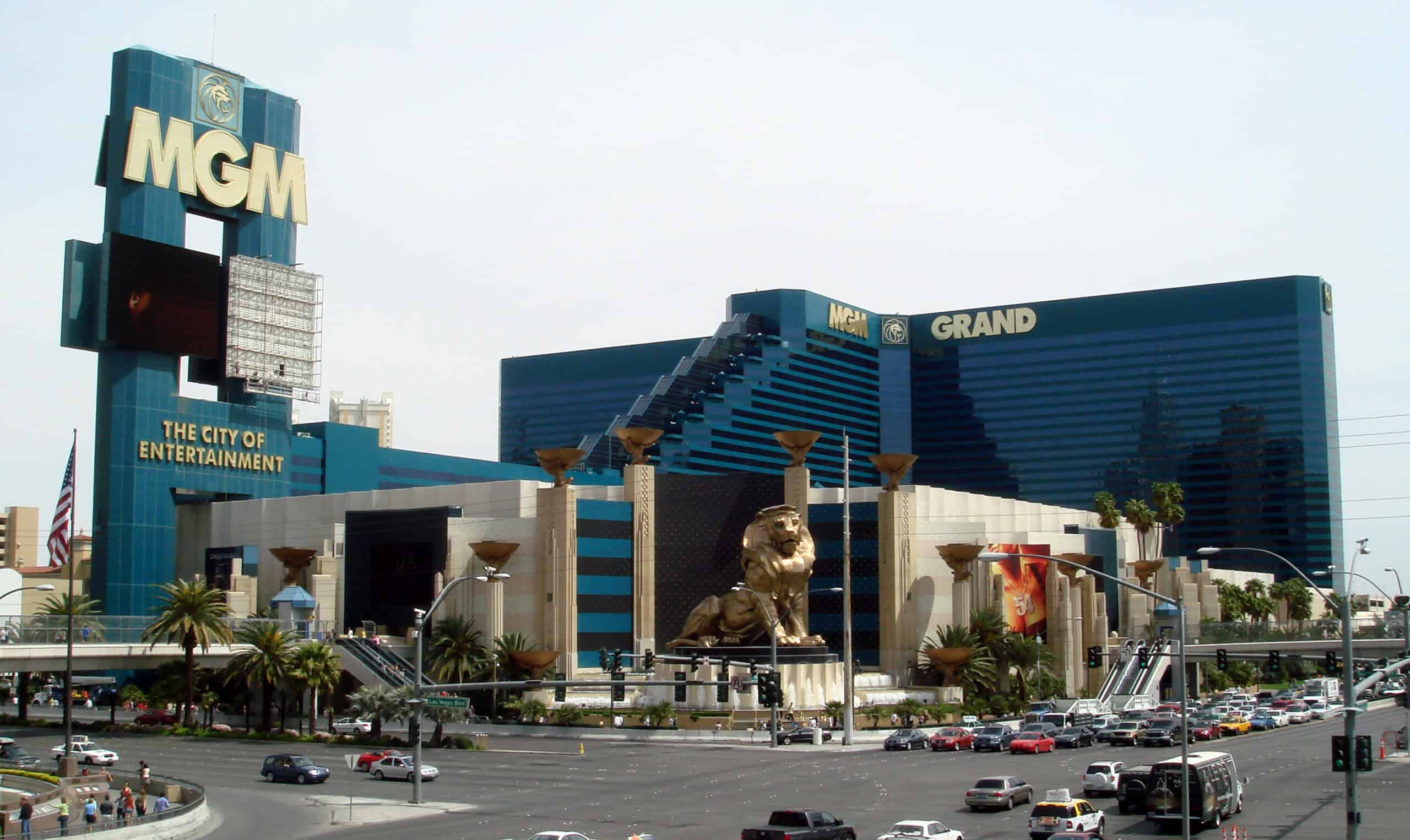
Hotels near casinos and nightlife hubs run all night, and constant motion can blur boundaries between guests, visitors, and people looking for easy targets. Incidents tend to involve pickpocketing in crowds, hallway scams, and disputes fueled by intoxication that pull staff away from monitoring doors and elevators, while noise complaints keep everyone tense and reactive. The takeaway is to prize firm operations: visible security teams, key-controlled floors, clear conduct rules, and quick interventions, because a building that never sleeps still needs order, follow-through, and consistent rules to feel comfortable.
Extended-Stay Properties With Loose Guest Turnover
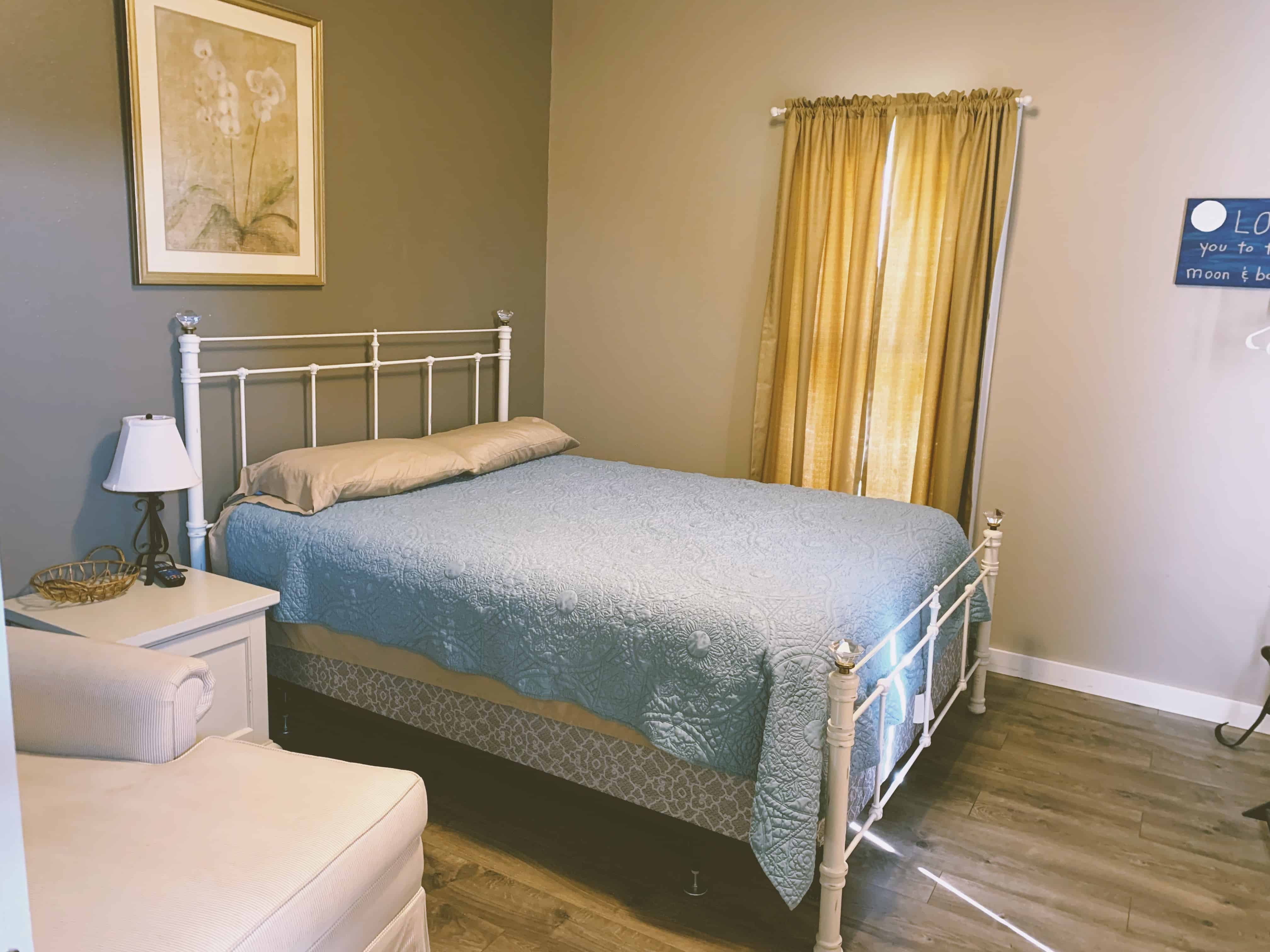
Extended-stay hotels can be convenient, but longer occupancy and looser turnover can mean weaker screening and less consistent oversight of who belongs where. Complaints often center on car break-ins, corridor loitering, and conflicts that feel like apartment drama spilling into a hotel setting, plus maintenance backlogs that leave locks, lights, and cameras unreliable for weeks. The lesson is to look for management signals: staffed lobbies, locked side doors, enforced quiet hours, and fast repairs, because stability is what makes long stays feel safe, predictable, and genuinely restful day to day.