We may earn money or products from the companies mentioned in this post. This means if you click on the link and purchase the item, I will receive a small commission at no extra cost to you ... you're just helping re-supply our family's travel fund.
Some getaways cost more because their names became shorthand for a certain kind of escape. Once that happens, prices rise, reservations harden, and small pleasures come with markups. A smarter trip often keeps the same mood, views, and food, but swaps the headline place for a neighbor with fewer fees and more breathing room. These pairings lean on that simple idea: the magic is real, yet it rarely lives only in the most famous ZIP code. For budget-minded travelers, that shift can also mean better service and quieter streets.
Santorini, Greece vs Naxos, Greece
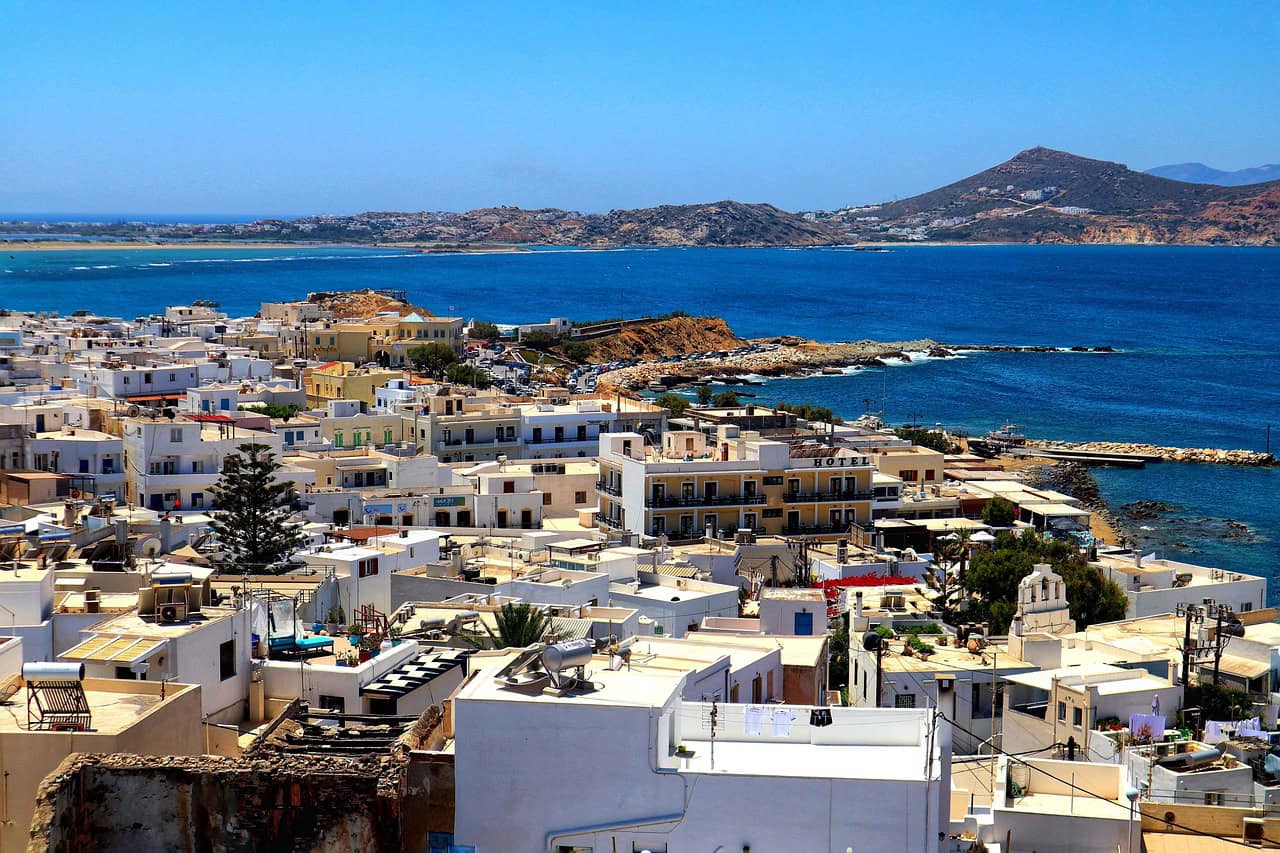
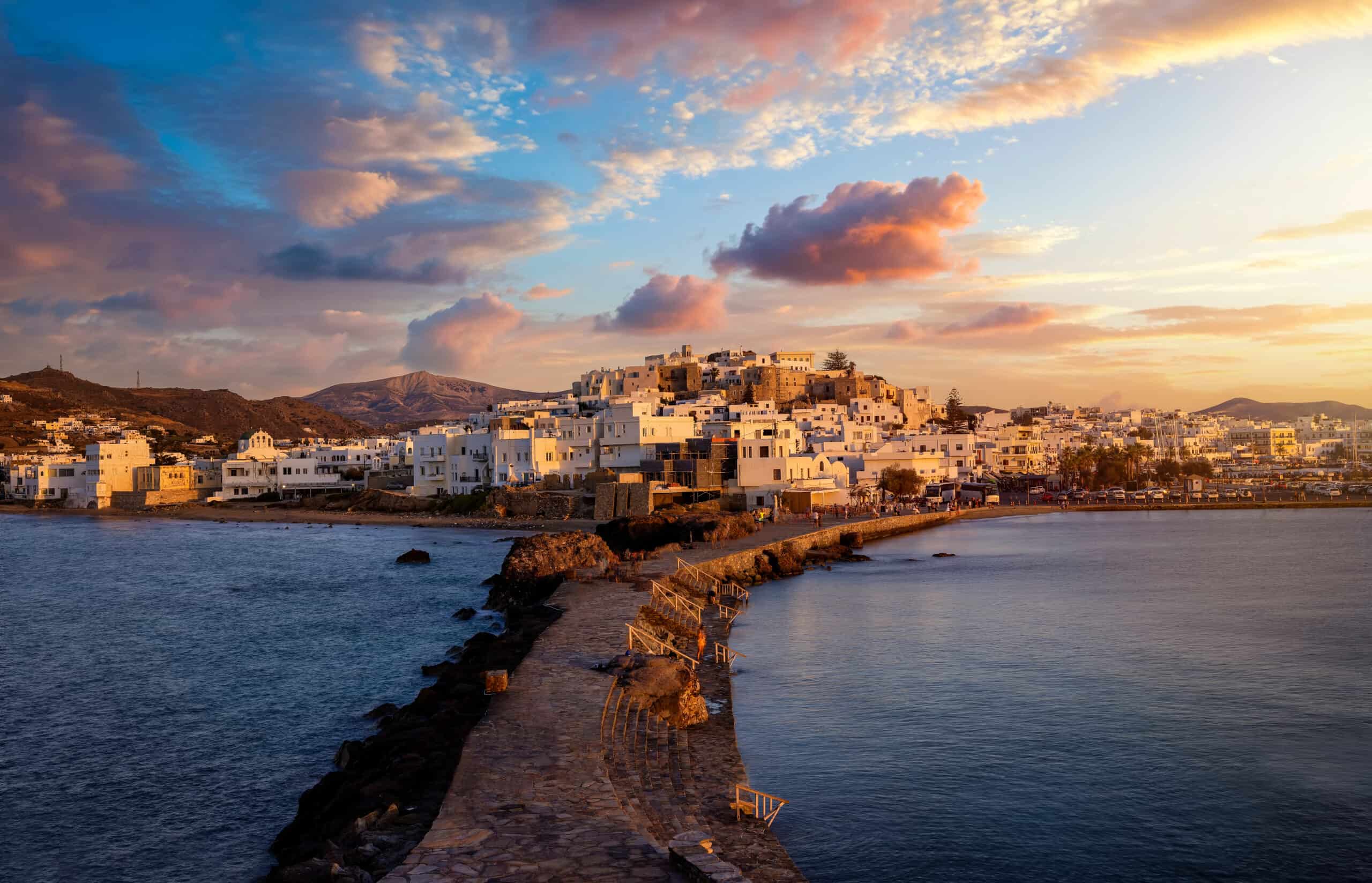
On Santorini, the caldera view has become a price tag, with cliffside rooms, sunset tables, and even short taxi rides absorbing peak-season premiums. That buzz can be fun, yet the same narrow lanes concentrate crowds, cruise-ship waves, and photo quick-stops, and the best angles often come with waits, reservations, and add-on fees. Naxos offers the Cyclades in a looser rhythm, pairing long beaches, mountain villages, and honest tavernas with lodging that usually stretches further, with local buses and plates built on cheese, citrus, and potatoes, plus Paros ferries, calm coves; sunsets land softly, and mornings belong to fishermen, not lines.
Aspen, Colorado vs Steamboat Springs, Colorado
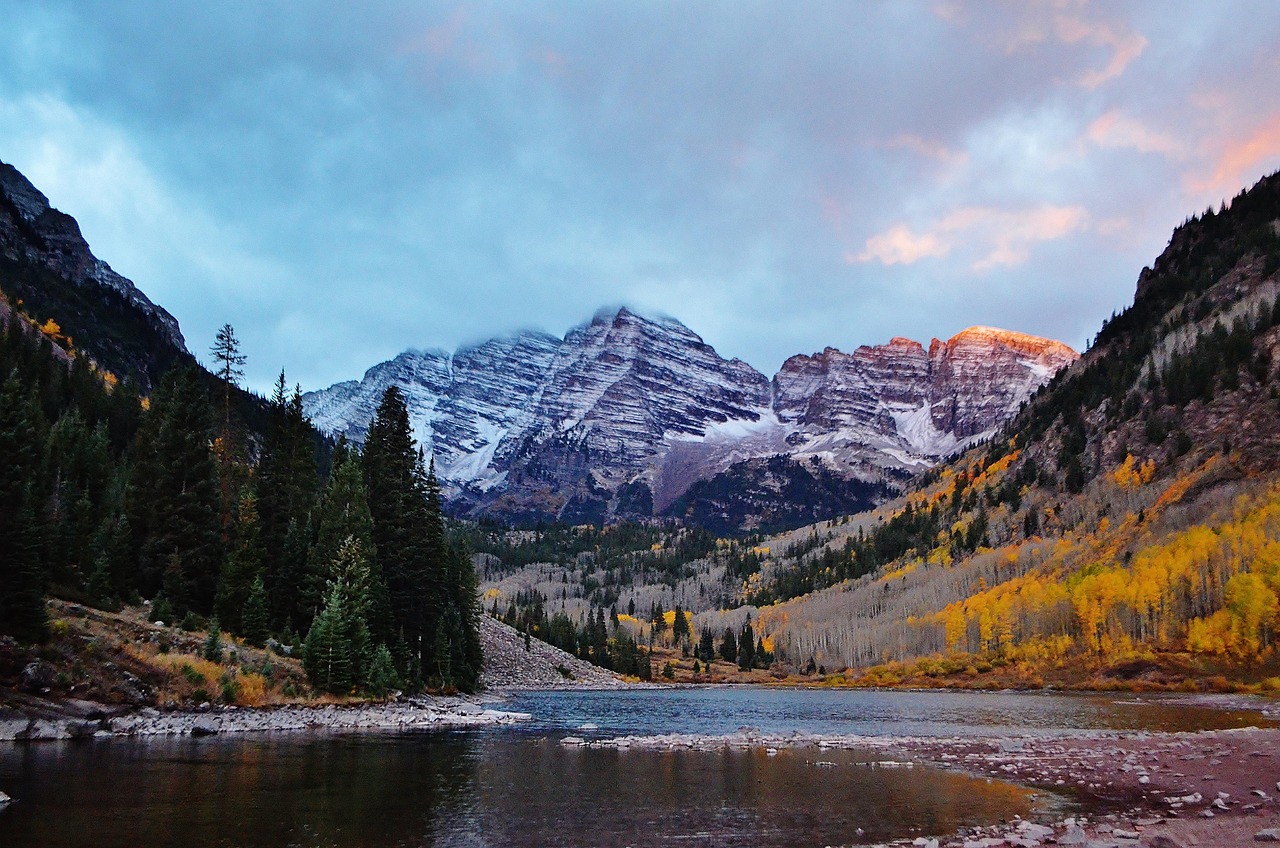
Aspen’s glamour comes with resort pricing that can stack fast: ski-in lodging, valet fees, dining reservations, airport shuttles and lift tickets tend to climb together in winter. The town’s compact core keeps everything close, which also means crowds pile onto a few streets once slopes close, holiday weeks hit, and après lines curl out the door. Steamboat Springs delivers Colorado snow with a more laid-back main street, strong family lodging options, and hot springs nearby, plus a ski culture that feels playful and local, so the trip reads as a mountain vacation, not a status contest, and costs stay steadier for longer, even on big weekends.
The Maldives vs Palawan, Philippines

The Maldives sells a fantasy of isolation, yet the signature overwater villa often comes with premium transfer costs, resort-only dining, and add-on excursions that inflate the final bill. Those polished islands can feel effortless, but the experience is tightly packaged, and small upgrades multiply quickly once the reservation is set. Palawan in the Philippines delivers clear lagoons, limestone cliffs and island-hopping days with a wider range of guesthouses and eateries, so the same turquoise mood arrives with more choice, and fewer surprises at checkout; El Nido and Coron keep boat days long, and street-level meals stay memorable at night.
Bora Bora vs Moorea, French Polynesia
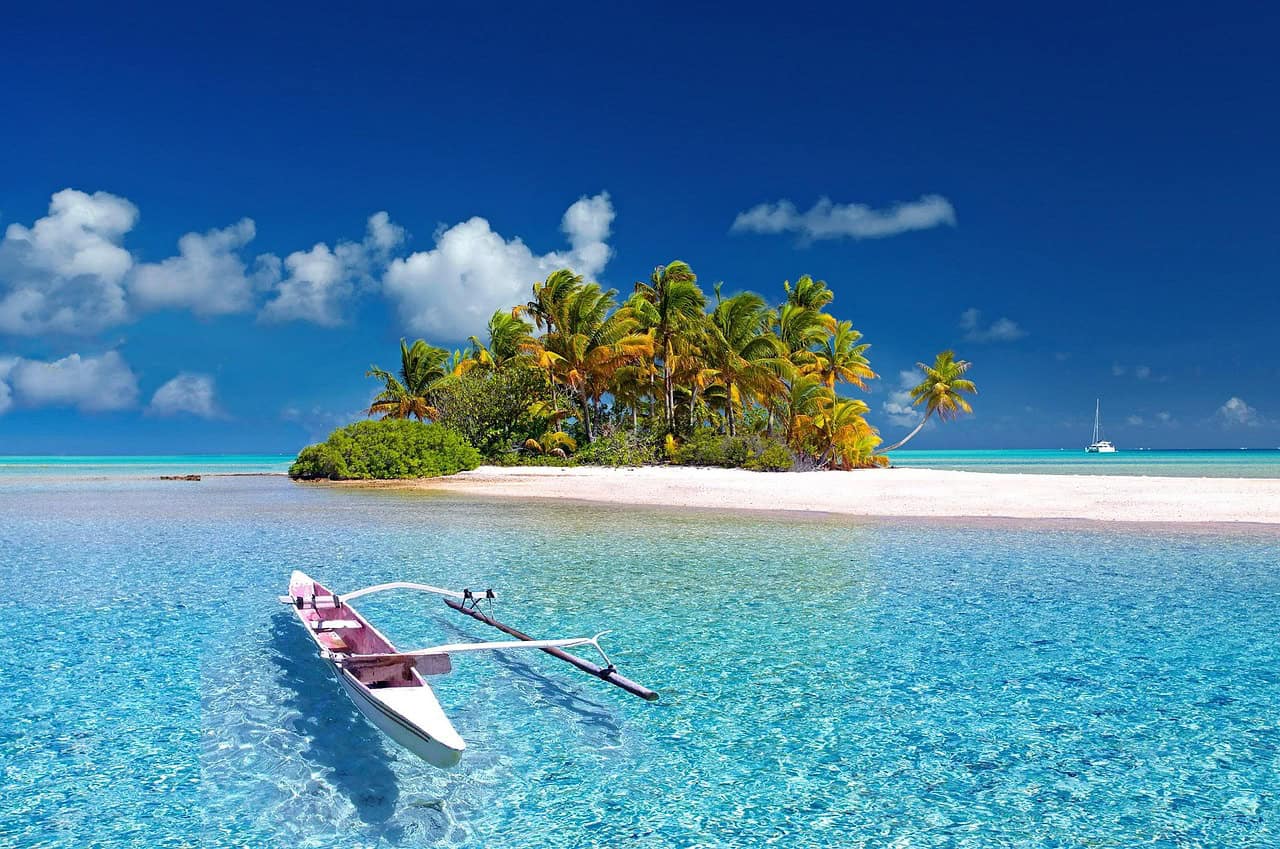
Bora Bora’s lagoon is spectacular, but the island’s limited lodging supply and long-haul logistics often turn a romantic week into a luxury invoice. Once flights, boat transfers, and resort meals are locked in, there is little room to soften the cost without downgrading the experience. Moorea keeps the same South Pacific light with jagged green peaks, calm bays and snorkel spots close to shore, while pensions and small hotels offer more price range, and the island still feels intimate after sunset; a quick ferry from Tahiti makes access simpler, and local markets, bakeries, and roadside roulottes keep meals casual without losing the view too.
Napa Valley, California vs Paso Robles, California
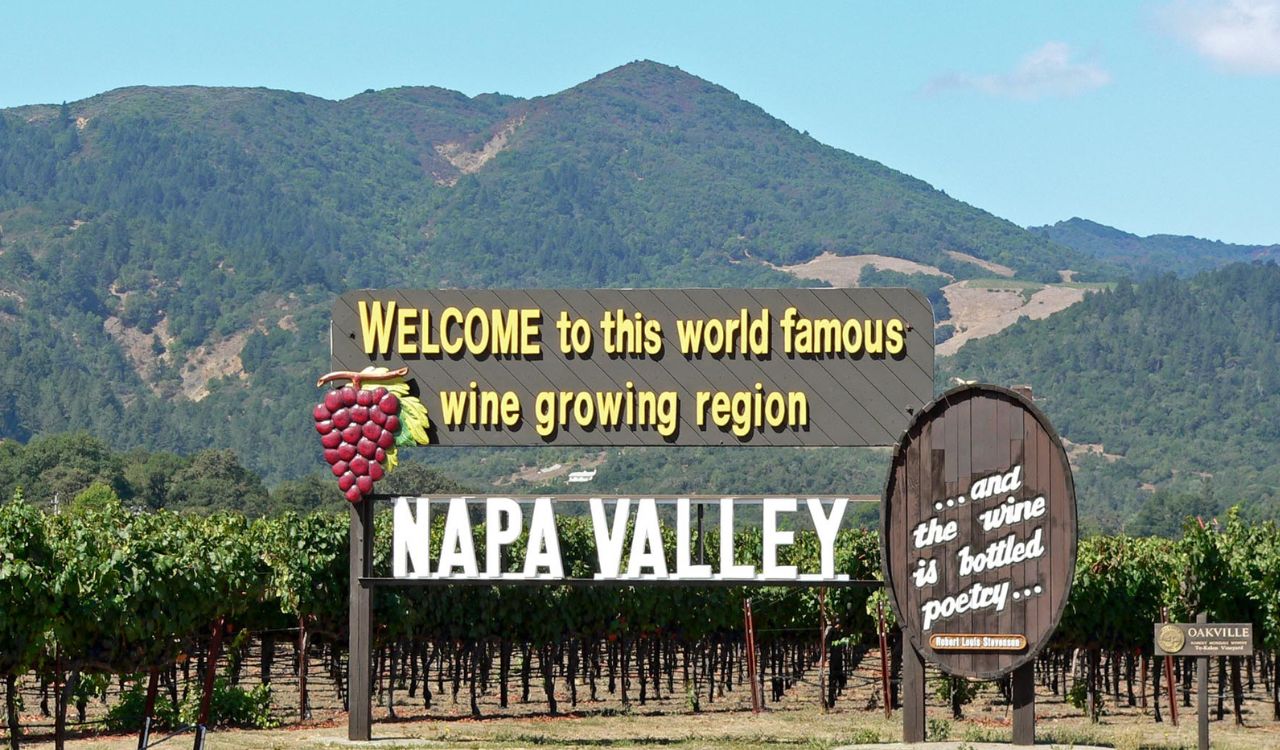
Napa Valley’s fame has turned tastings into ticketed events, with reservation fees, club pitches, and polished patios priced for weekend demand. Between hotel rates, designated-driver services, and the pressure to book every stop, the day can feel curated and expensive before the first sip. Paso Robles keeps California wine country pleasure with rolling hills, approachable tasting rooms, and strong Rhône and Zinfandel producers, plus farm stands and casual restaurants that do not treat a glass like a luxury accessory; nearby Templeton and Atascadero add small-town stays, and many wineries pour without fanfare, so spontaneity survives at dusk.
Venice, Italy vs Chioggia, Italy
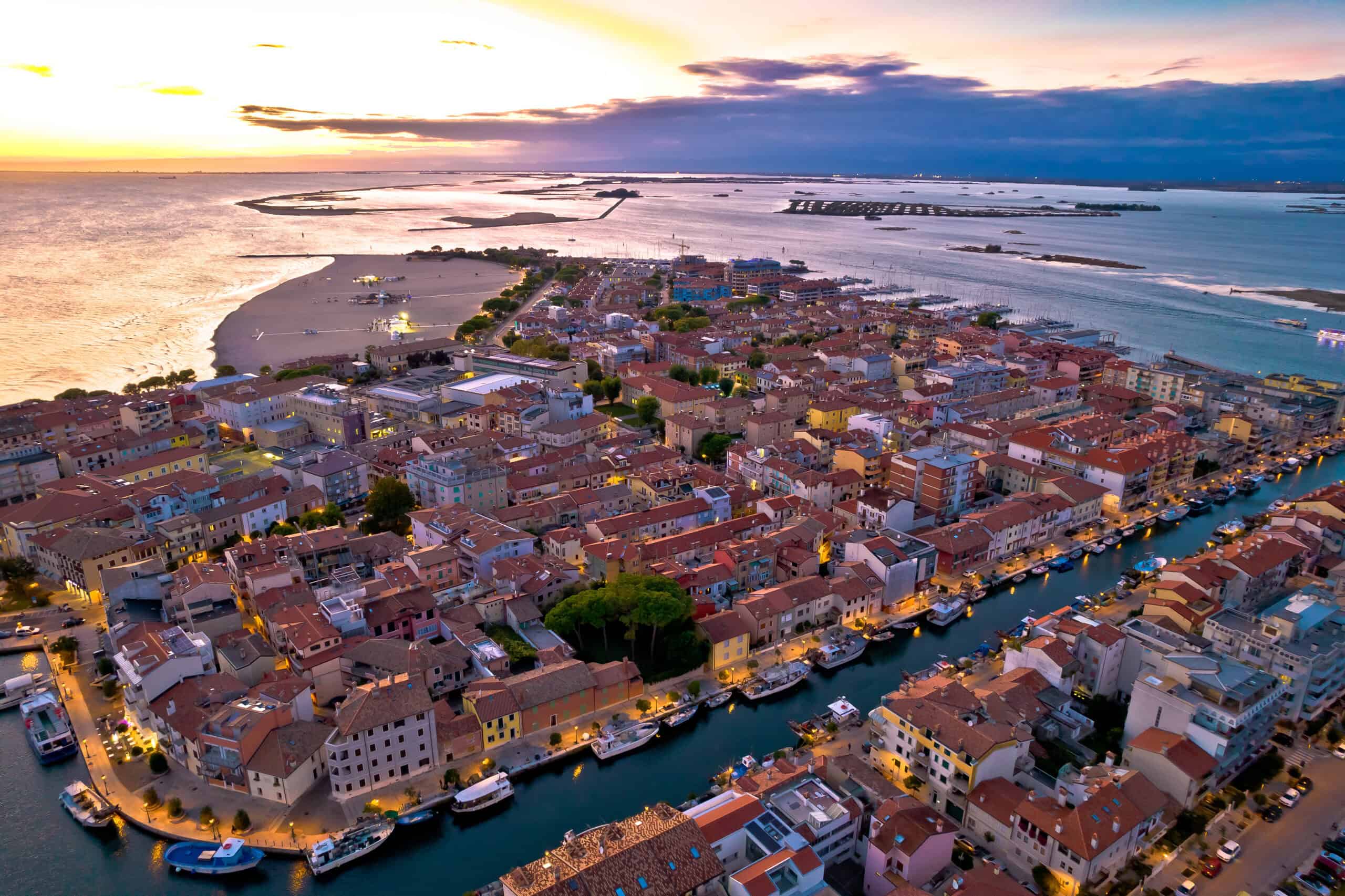
Venice charges for its own fame, and the costs show up everywhere: canal-view rooms, gondola rides, and meals in the busiest squares often carry a tourist premium. With day-trippers arriving in waves, the narrow streets can feel like hallways, and everyday errands become slow scenic detours. Chioggia, a working lagoon town to the south, keeps canals, bridges seafood markets, and evening promenades, but lodging and dinner tend to be calmer and less performative, with locals setting the pace after 6 p.m.; it is close enough for a day trip into Venice by bus or boat, then returns to real neighborhoods and quieter beaches along the Adriatic edge.
Amalfi Coast, Italy vs The Cilento Coast, Italy
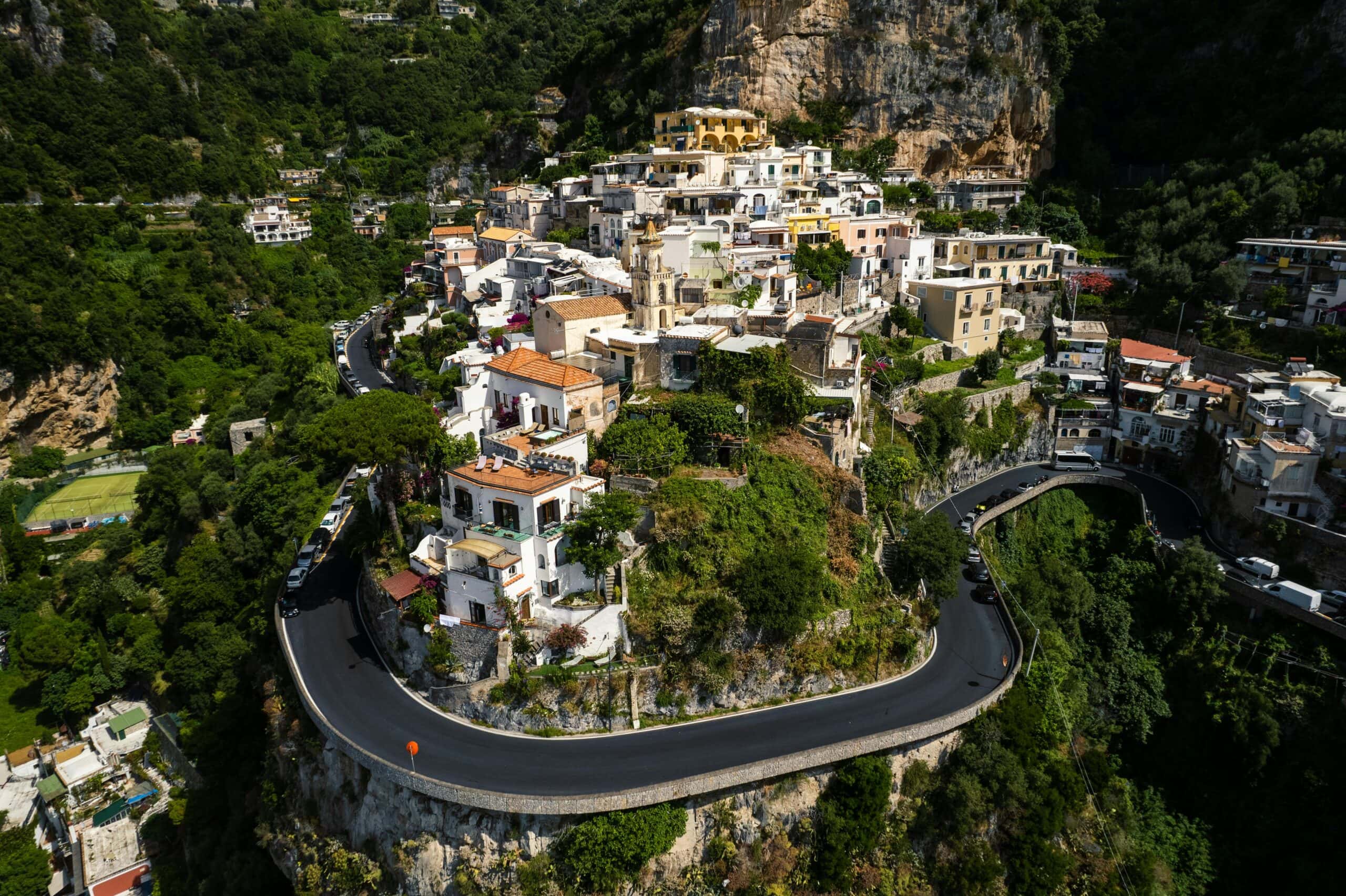
The Amalfi Coast has become a luxury conveyor belt, where cliffside hotels, private drivers, and dinner terraces price themselves for bucket-list demand. In summer, traffic and tour buses can turn short distances into long delays, and the prettiest viewpoints feel rented out by the hour. The Cilento Coast, farther south, offers quieter coves, small fishing towns, and hilltop ruins with the same Tyrrhenian light, while rooms, beach clubs, and seafood plates often come without the Amalfi surcharge and the constant scramble for reservations, and Paestum’s Greek temples and forests add day trips that cost little and feel unhurried in late spring.
Banff, Alberta vs Kananaskis Country, Alberta
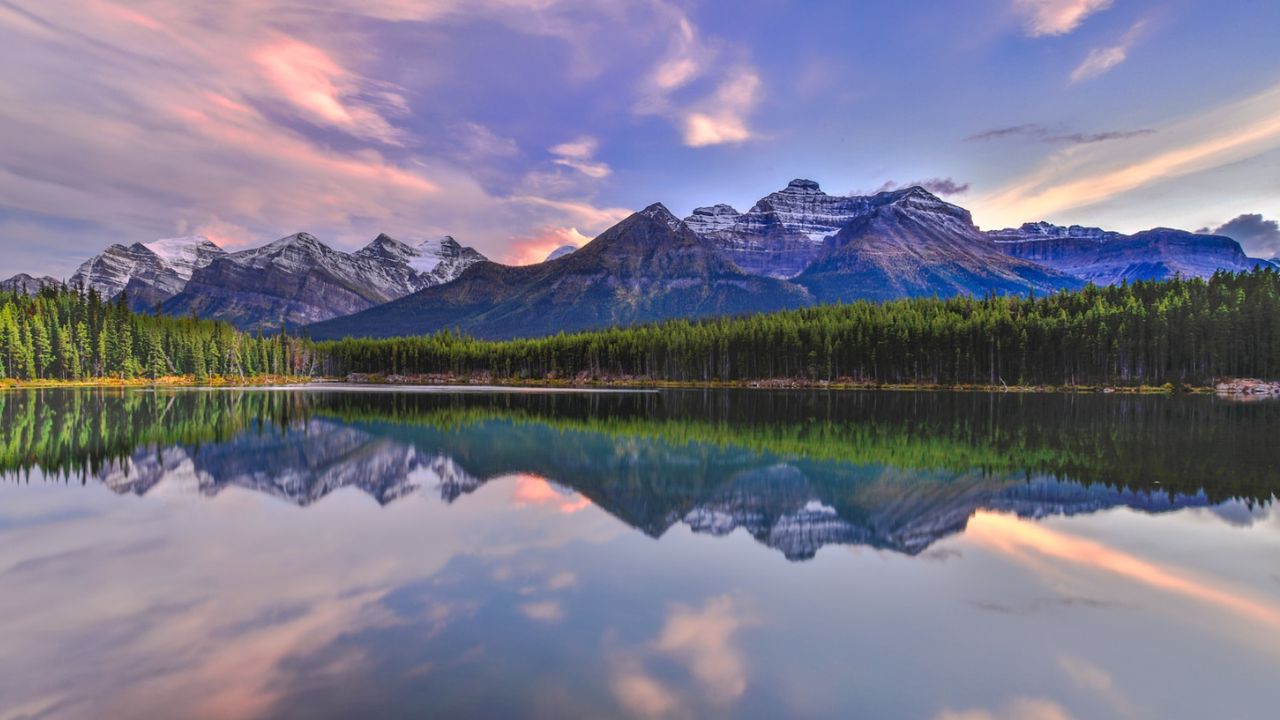
Banff is stunning, but the town’s fame concentrates demand into limited hotels, paid parking, and busy trailheads that push costs up in summer and ski season. Even simple plans can come with timed shuttles, packed viewpoints, and meals priced for an international crowd that arrives ready to spend. Kananaskis Country, closer to Calgary, keeps the same Rocky Mountain drama with quieter lakes, ridge hikes, and wildlife corridors, while lodging, lift options, and day passes often feel less inflated, leaving more room for slow mornings and long drives; trailheads spread out, so crowds thin faster, and a picnic can beat another reservation by noon.