We may earn money or products from the companies mentioned in this post. This means if you click on the link and purchase the item, I will receive a small commission at no extra cost to you ... you're just helping re-supply our family's travel fund.
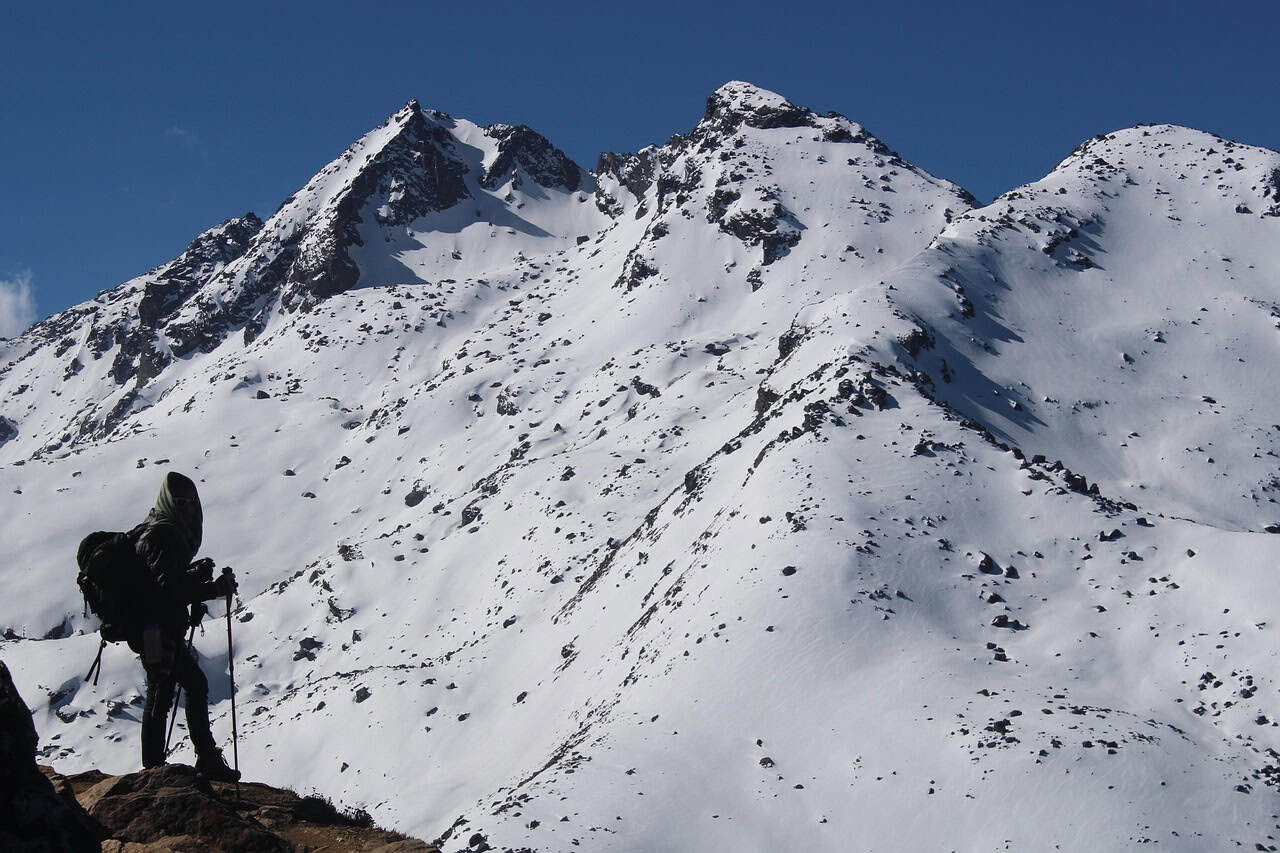
Economic hardship doesn’t always deter travelers. In fact, some of the world’s lowest-income nations continue to draw millions of visitors each year thanks to rare landscapes, deep-rooted traditions, and compelling history. Tourism in these countries often plays a crucial economic role, while travelers benefit from affordability and authenticity that wealthier destinations struggle to offer. From mountain kingdoms to biodiversity hotspots, these places prove that popularity isn’t defined by national wealth but by experience, culture, and connection.
1. Nepal
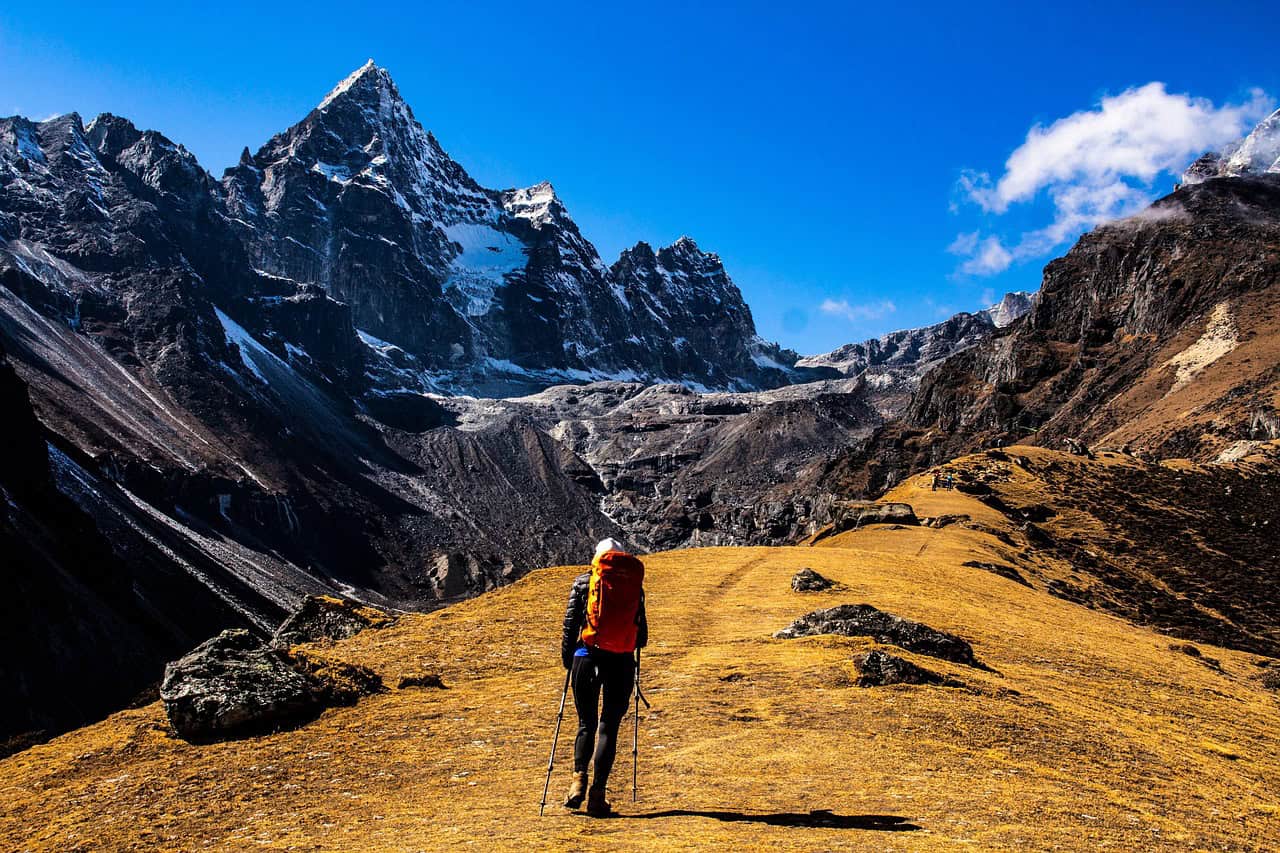
Nepal ranks among Asia’s poorest countries, with a GDP per capita of roughly USD 1,400, yet it remains one of the world’s most iconic adventure destinations. The country welcomes over 1 million international visitors annually, driven largely by trekking and spiritual tourism. Nepal contains 8 of the planet’s 14 highest mountains, including Mount Everest at 8,849 meters. Kathmandu Valley alone hosts 7 UNESCO World Heritage Sites. Travelers typically spend USD 25–35 per day, making Nepal highly accessible while offering dramatic landscapes, ancient temples, and deeply ingrained Himalayan culture.
2. Cambodia
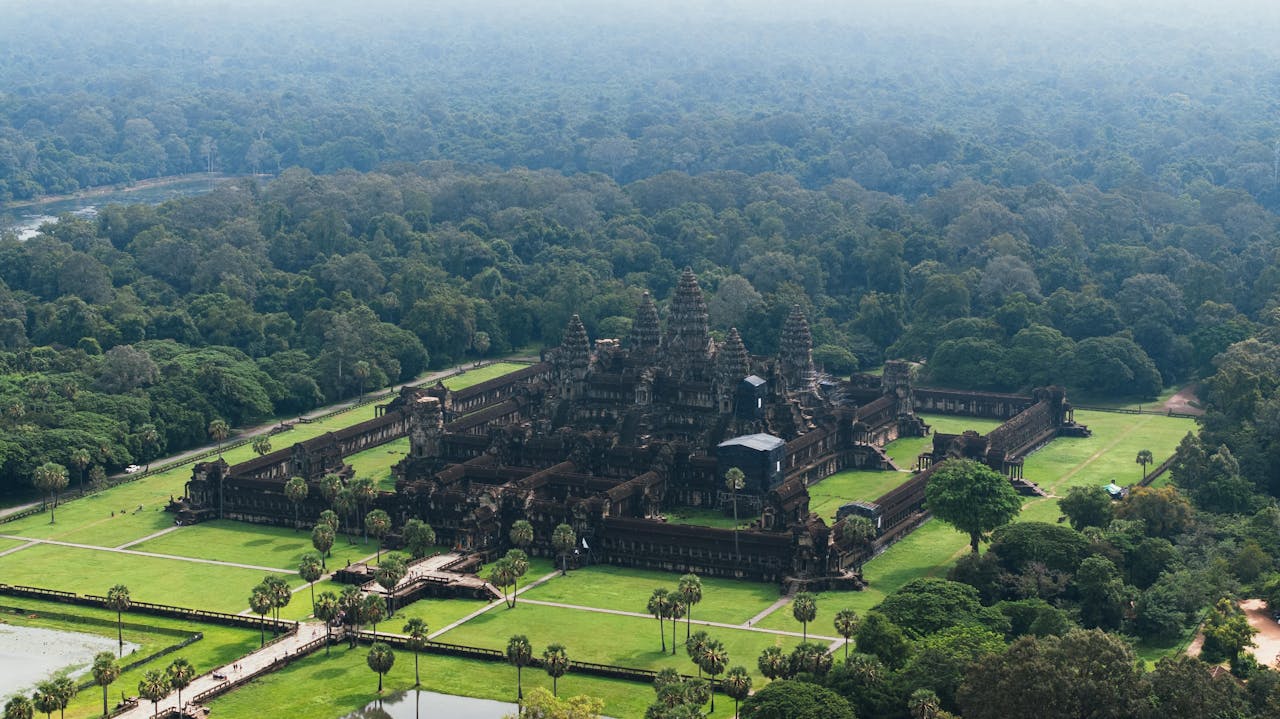
With an average annual income under USD 1,800, Cambodia remains economically vulnerable but attracts more than 4.5 million tourists each year. The main draw is Angkor Wat, the world’s largest religious complex, covering over 400 square kilometers. Beyond temples, travelers explore river towns, jungle ruins, and islands like Koh Rong. Tourism contributes roughly 22% of Cambodia’s GDP, making it essential to the economy. Daily travel costs often range between USD 30–45, which continues to fuel Cambodia’s popularity among backpackers and long-stay travelers.
3. Laos
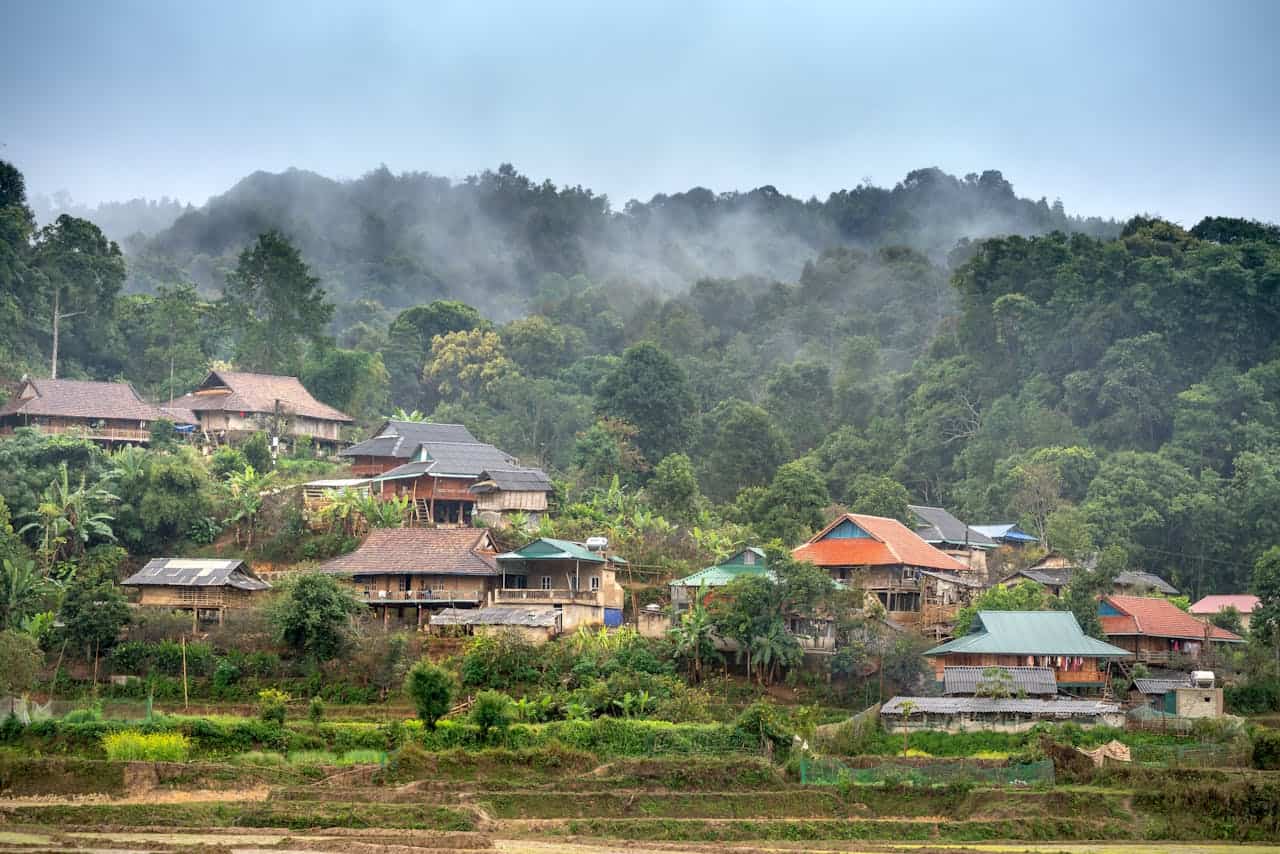
Laos has a GDP per capita of around USD 2,000, yet it quietly draws nearly 3 million visitors annually. Unlike its neighbors, Laos remains lightly developed, appealing to travelers seeking slower, more traditional experiences. Luang Prabang alone contains over 30 protected temples and holds UNESCO status. The Mekong River spans 1,800 kilometers through the country, shaping daily life and travel routes. With average daily expenses between USD 25–40, Laos offers cultural depth, minimal crowds, and a strong sense of preserved heritage.
4. Bolivia
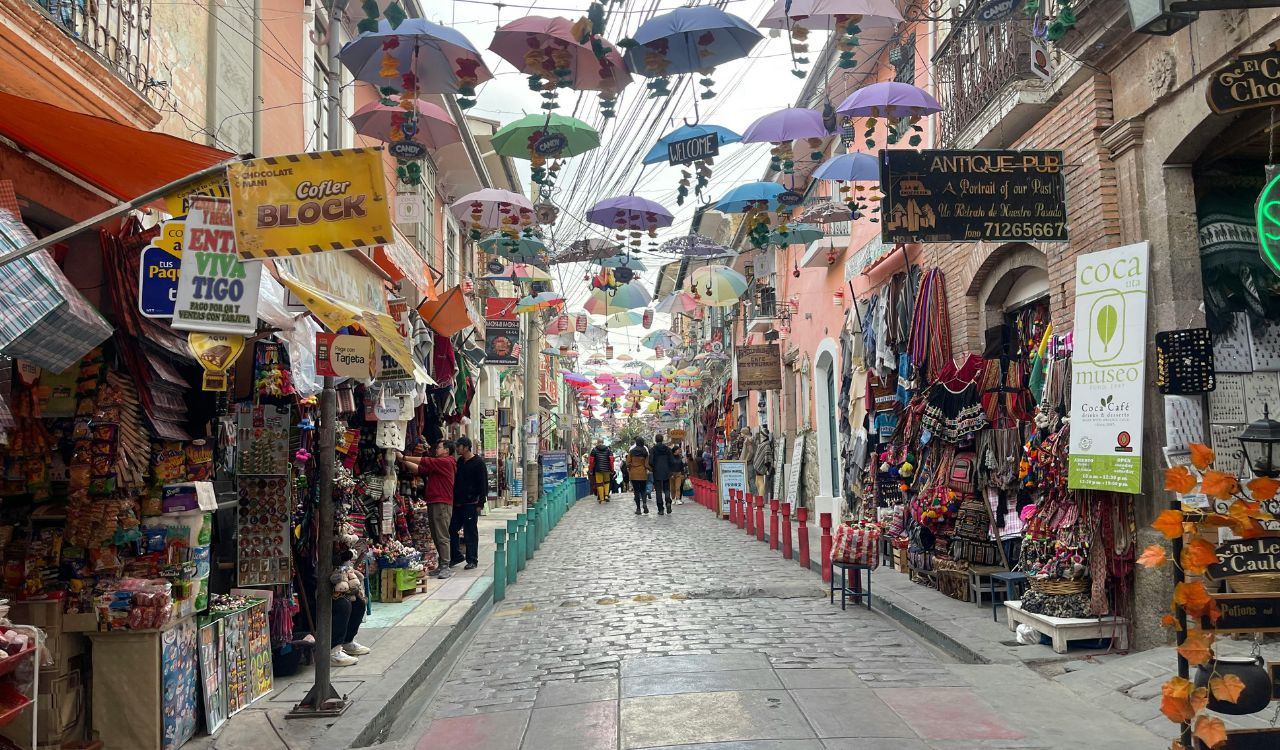
Bolivia is South America’s poorest country, with GDP per capita below USD 3,500, but still receives around 1.2 million tourists annually. Its appeal lies in raw geography and altitude extremes. La Paz sits at 3,650 meters, making it the world’s highest administrative capital. Bolivia’s most famous attraction, the Salar de Uyuni, spans over 10,000 square kilometers, forming the largest salt flat on Earth. Budget travelers often spend USD 30–40 per day, drawn by untouched landscapes and minimal commercial tourism.
5. Ethiopia
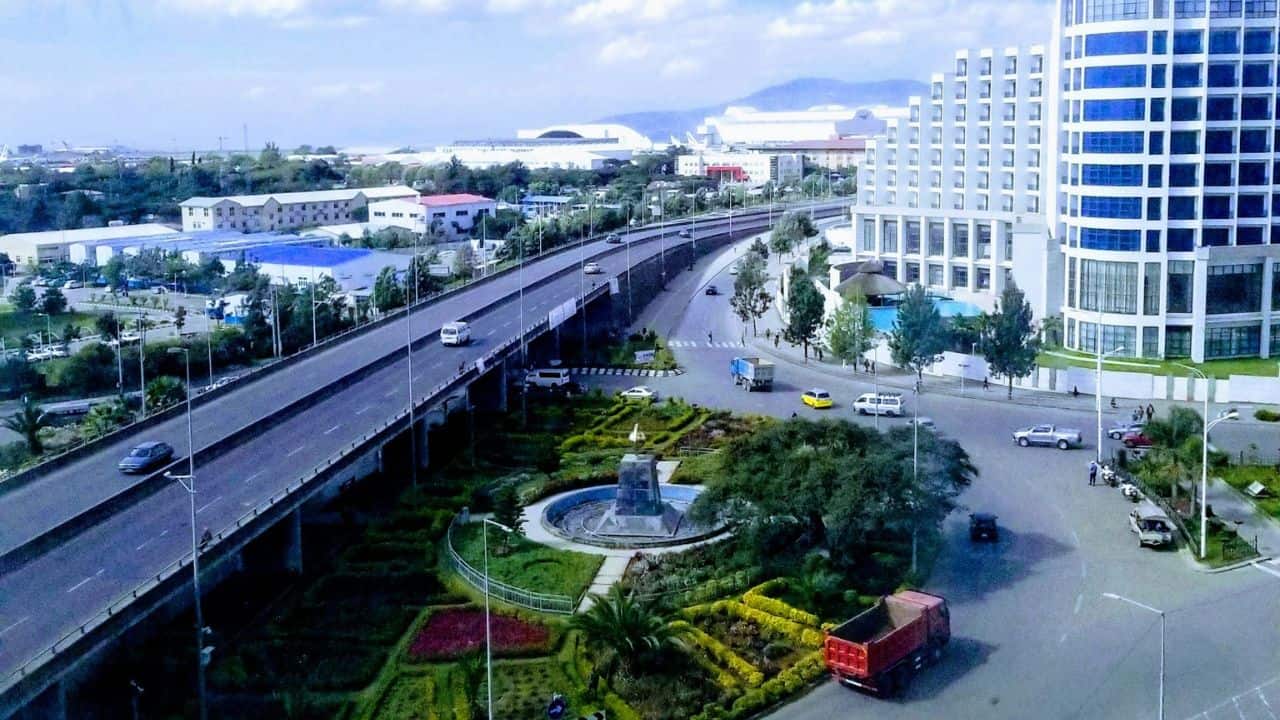
Despite an average income of about USD 1,100 per capita, Ethiopia attracts over 900,000 international visitors each year. It stands apart culturally, with nine UNESCO World Heritage Sites, the most in Africa. Highlights include Lalibela’s rock-hewn churches, carved over 800 years ago, and Axum’s ancient obelisks. Ethiopia follows its own calendar, running 7–8 years behind the Gregorian system. While infrastructure varies, tourism continues to grow as travelers seek deep history, distinctive cuisine, and unfiltered cultural immersion.
6. Madagascar
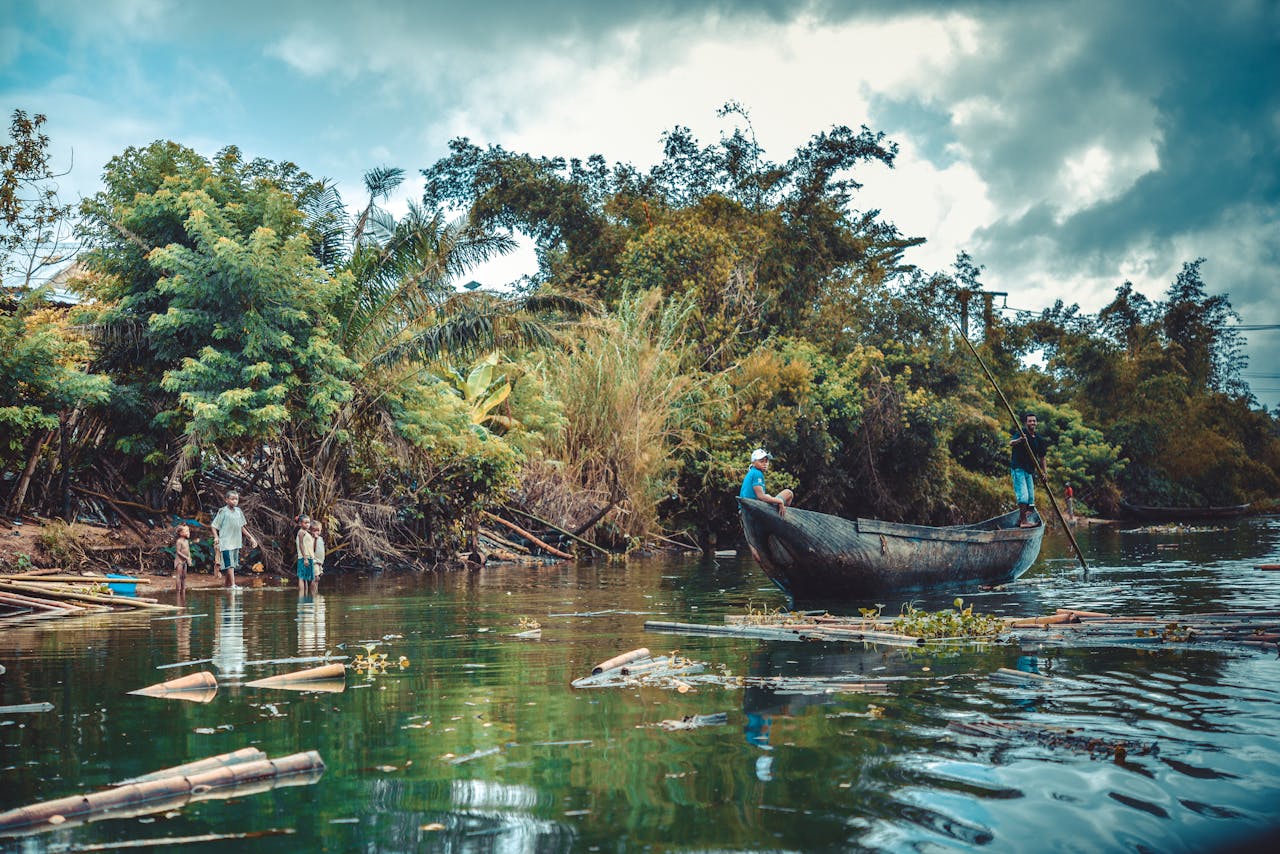
Madagascar’s GDP per capita sits near USD 1,600, yet the island remains globally significant for nature tourism. It attracts 300,000+ visitors annually, primarily for wildlife experiences. Approximately 90% of Madagascar’s plant and animal species are endemic, including over 100 lemur species. The island stretches 1,600 kilometers from north to south, offering rainforests, deserts, and coral reefs. Travel costs are higher due to logistics, but Madagascar’s biological uniqueness keeps it firmly on many travelers’ bucket lists.
7. Tanzania
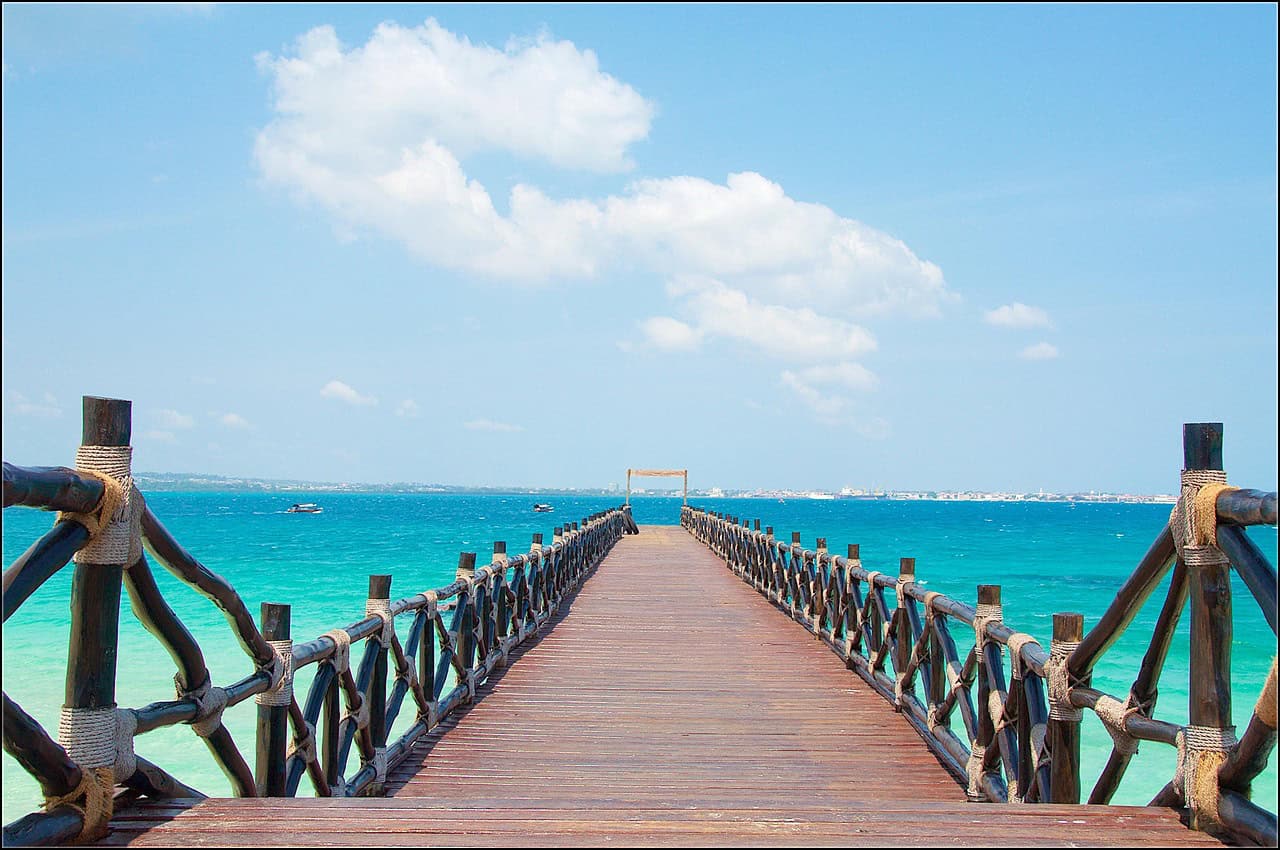
With an income average below USD 1,300, Tanzania relies heavily on tourism, which contributes nearly 17% of national GDP. The country welcomes over 1.5 million tourists per year, drawn to safaris and tropical coastlines. Tanzania hosts roughly 30% of Africa’s total wildlife population, mainly within the Serengeti ecosystem. Mount Kilimanjaro rises to 5,895 meters, making it Africa’s tallest peak. While safari prices vary, group travel options keep Tanzania accessible to a wide range of travelers.
8. Haiti
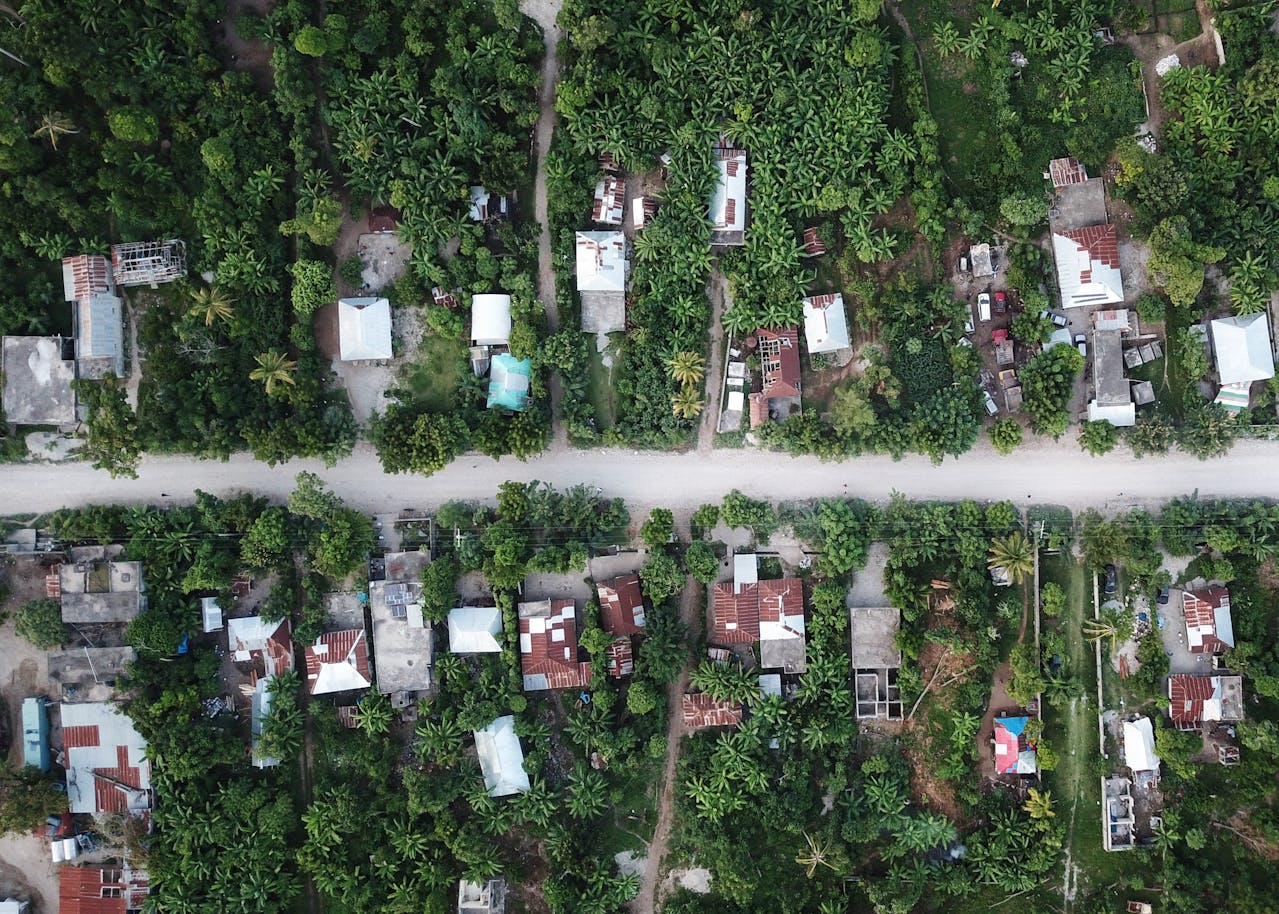
Haiti is the poorest country in the Western Hemisphere, with GDP per capita below USD 900, yet it still receives around 500,000 visitors annually. Tourism centers on culture, history, and coastal scenery rather than mass resorts. The Citadelle Laferrière, built in the early 19th century, is the largest fortress in the Americas. Haiti also boasts over 1,700 kilometers of coastline. Though challenges remain, travelers continue to visit for its powerful history, distinctive art, music, and cultural resilience.