We may earn money or products from the companies mentioned in this post. This means if you click on the link and purchase the item, I will receive a small commission at no extra cost to you ... you're just helping re-supply our family's travel fund.
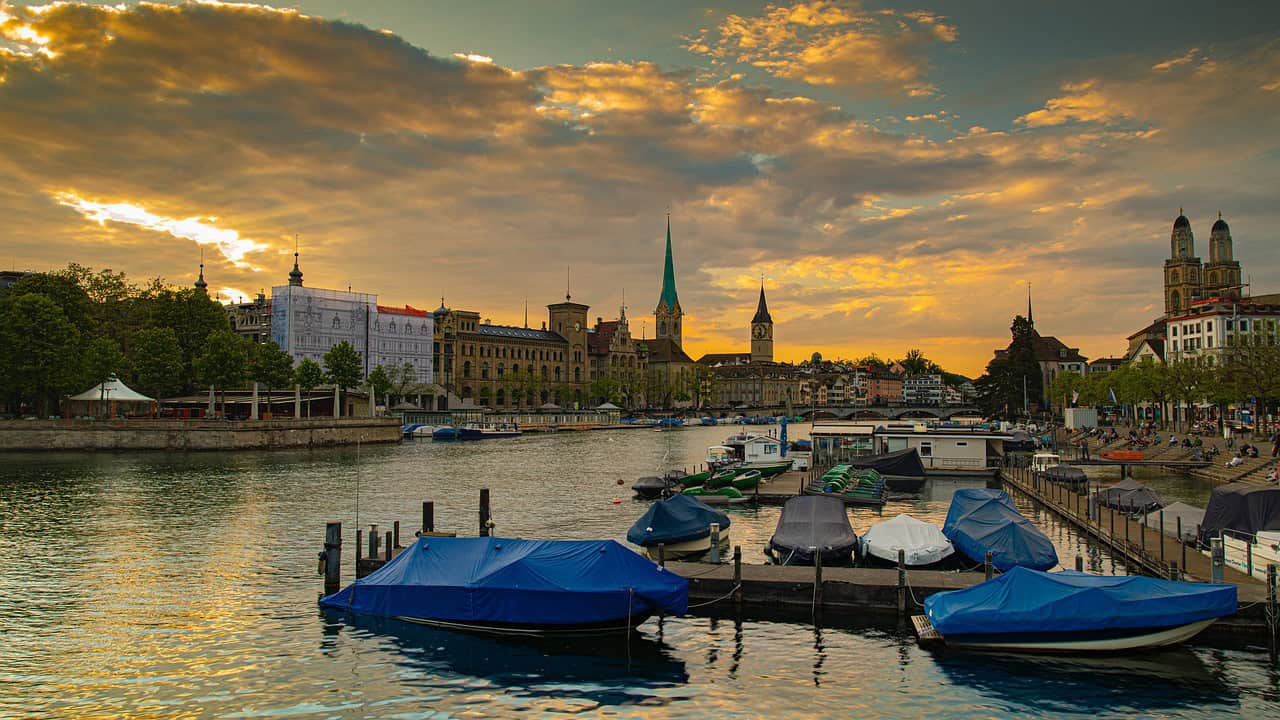
A trip can feel magical until the budget starts dictating every decision. In some European cities, demand has pushed prices so high that simple pleasures, a quiet room, a relaxed meal, an unhurried museum hour, begin to feel rationed. The beauty is still there, but it arrives with crowd control, peak-season markups, and small fees that stack all day. These cities are not bad destinations. They are simply places where value has slipped, and nearby alternatives often deliver the same spark with far less financial friction.
Zurich, Switzerland
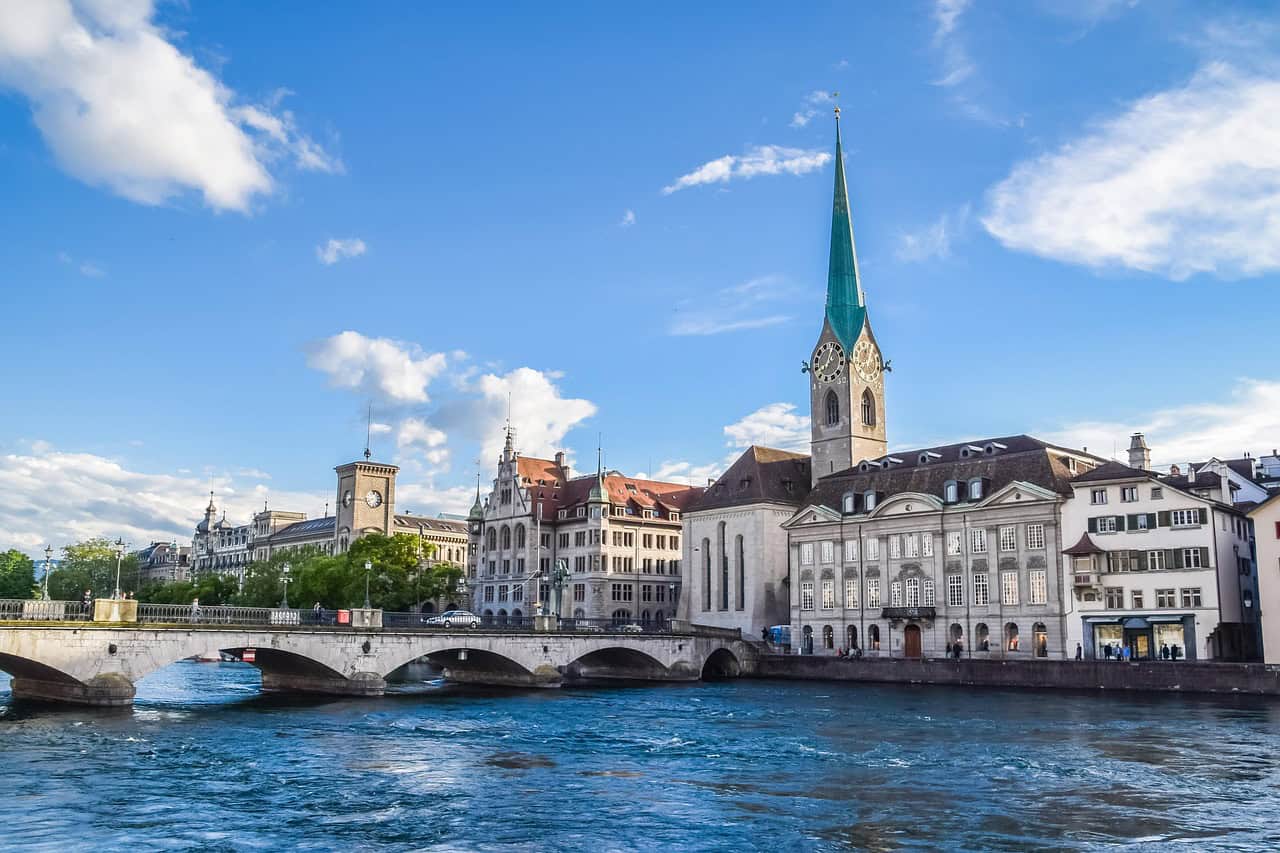
Zurich looks polished from every angle, but the price tag follows close behind, especially for hotels, meals, and simple transit hops across town. Even a modest itinerary can feel like a constant series of small charges, and the Swiss franc rarely offers mercy once dinner and museum tickets pile up. The lake views, old-town lanes, and galleries are real, yet the same alpine charm often lands better in smaller Swiss towns where walks stay free, cafés linger, and budgets do not feel punished for staying overnight. Add in lakefront coffees and a few funicular rides, and the city starts feeling like a luxury habit rather than a weekend.
Geneva, Switzerland
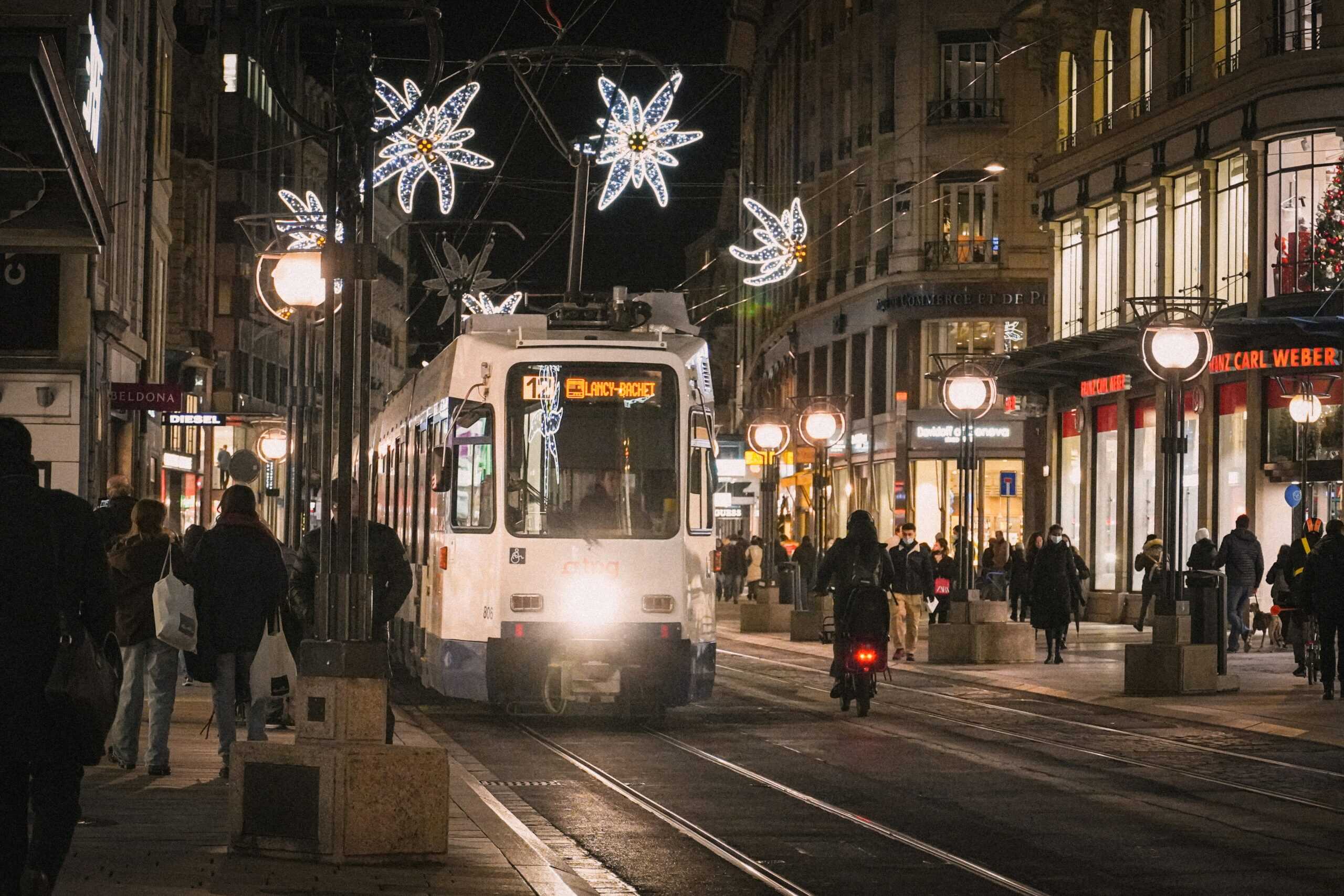
Geneva’s lakeside calm comes wrapped in global-city pricing, where short taxi rides, basic lunches, and midrange rooms can drift into luxury territory fast. The international vibe is interesting, but the city can feel built for conferences more than aimless wandering, with pricey corners that empty out early. Travelers chasing water views, vineyards, and old-town atmosphere often find better value nearby in Lausanne, Montreux, or even Annecy, where evenings stretch longer and money goes toward experiences instead of receipts. Even public transport, while efficient, can feel pricey when every stop is paired with high sticker shock.
Paris, France
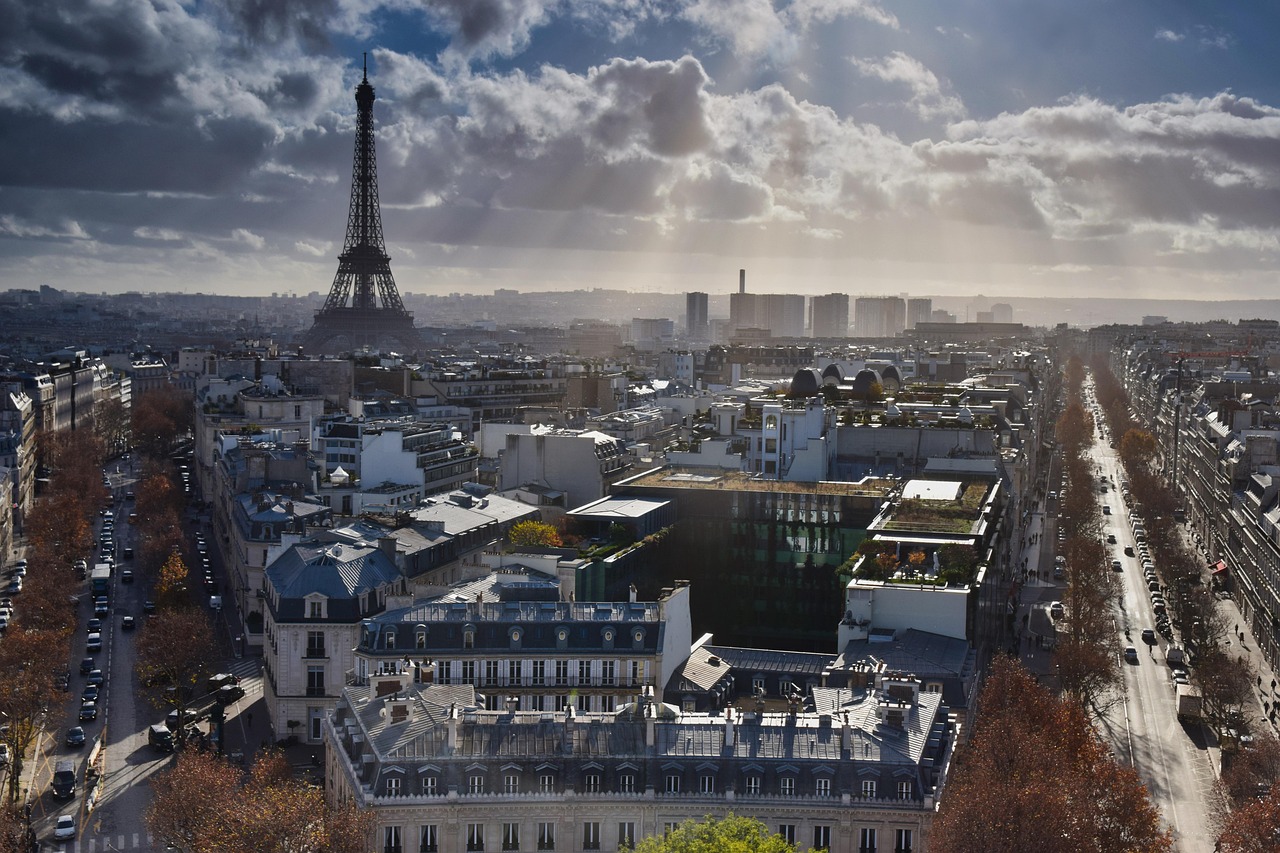
Paris still delivers the postcard, yet costs stack quickly once peak season crowds push rates up and reservations become a daily puzzle. Classic neighborhoods can feel like open-air queues, and a simple café stop can turn into a budget decision when service, seating, and small add-ons add up. The city remains unmatched for museums and streetscapes, but many trips feel smoother by keeping Paris short, then shifting nights to Lyon, Strasbourg, or Lille, where meals linger and hotel prices stop competing with rent. The charm stays, but it shines brighter when the trip is not spent negotiating tables, surcharges, and tight check-in rules.
London, England
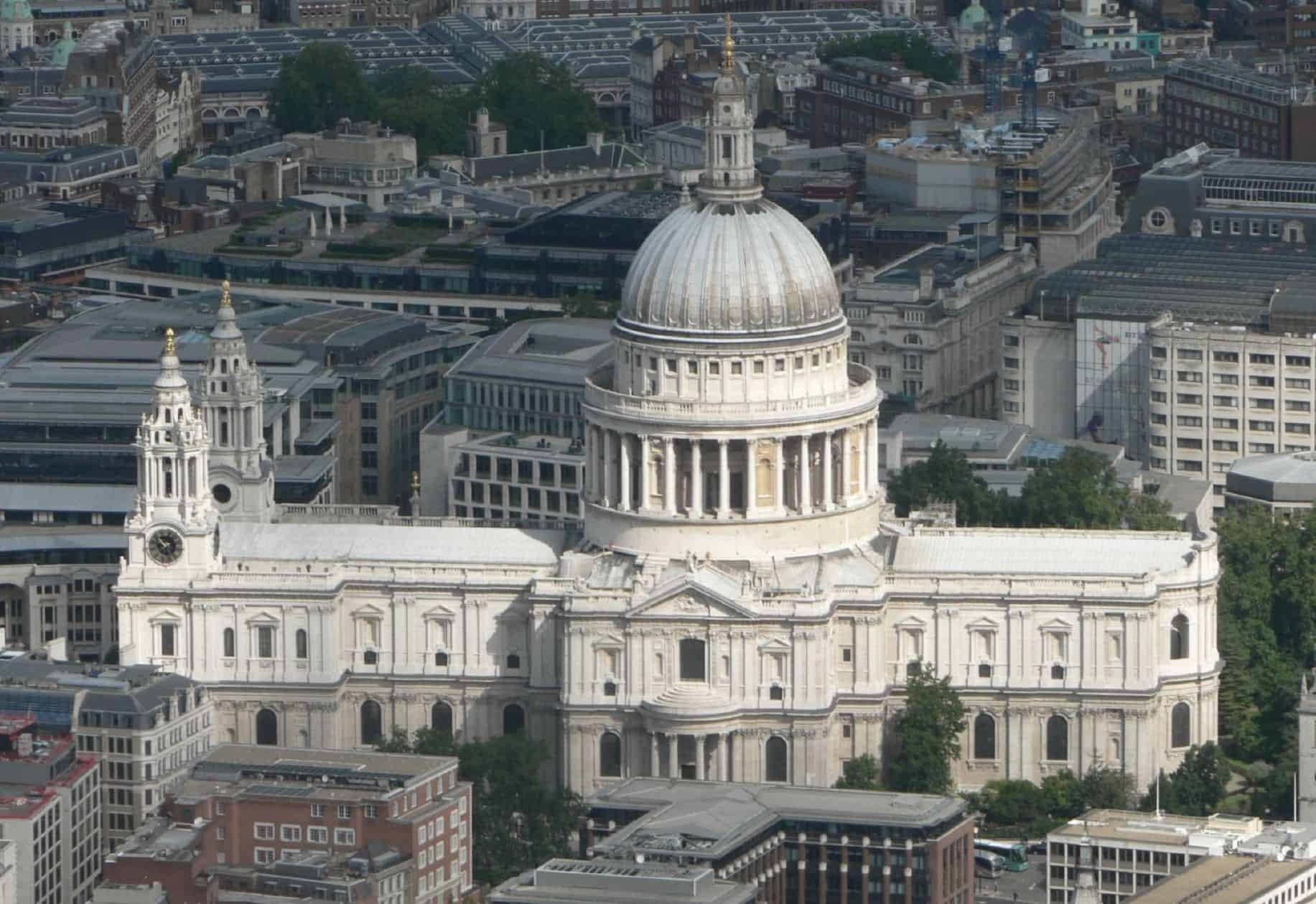
London’s energy is addictive, but it can be relentless on a wallet, with hotel rates, theater tickets, and transit costs rising fast once a stay stretches past a few days. Many visitors end up paying a premium to stand in slow lines, then rushing between paid attractions while meals and drinks quietly inflate the total. London is worth a bite, yet the better rhythm often comes from pairing a brief stop with Bath, York, or Edinburgh, where history feels close, walks do the work, and evenings do not require constant math. The city rewards curiosity, but it charges for it, and free time can vanish inside ticketed schedules.
Copenhagen, Denmark
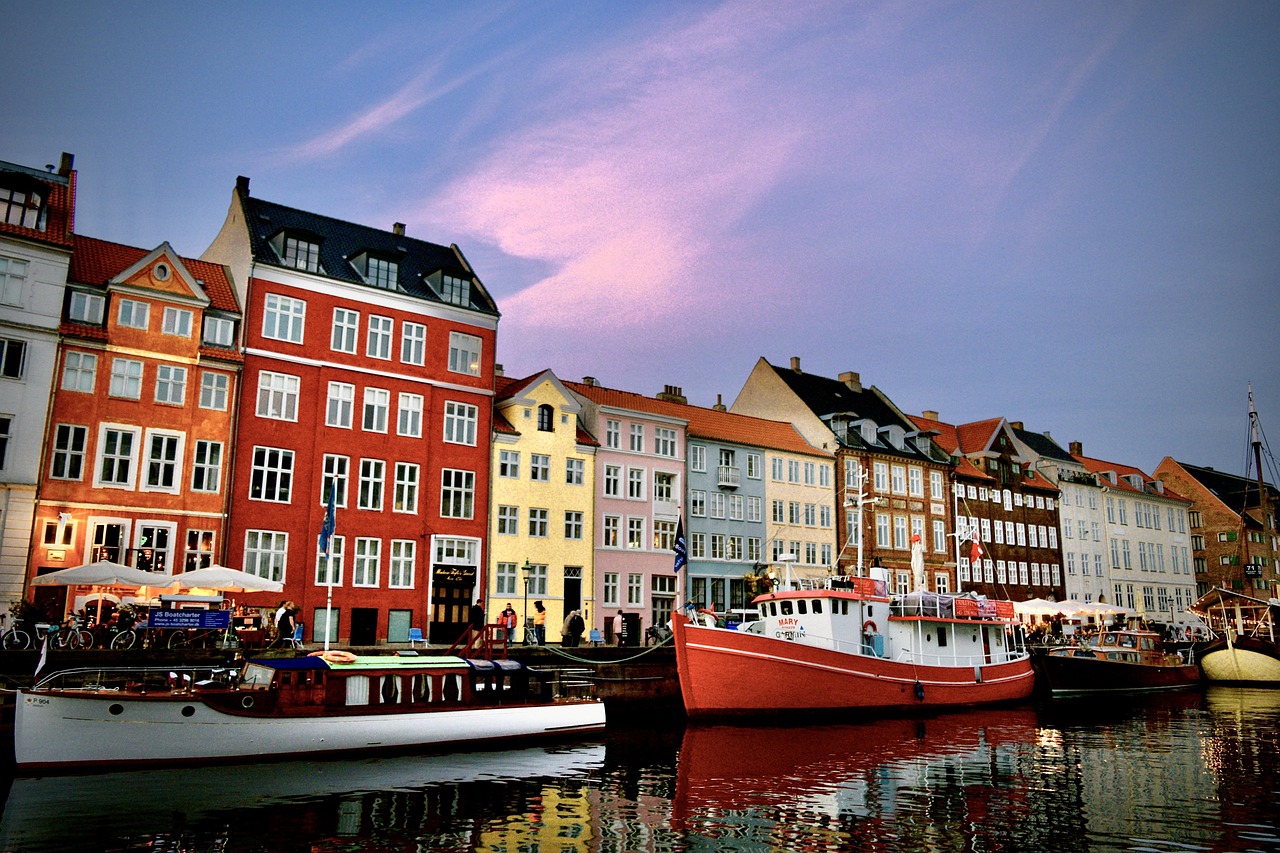
Copenhagen does hygge well, but Denmark’s high prices can make even casual days feel costly, from restaurant bills to simple cocktails and quick snacks. The city is clean, safe, and stylish, yet the budget strain is real once boutique hotels, design shops, and waterfront dining enter the picture. Similar Nordic atmosphere often comes cheaper with a base in Malmö or a swing through Aarhus, where the pace stays gentle and the itinerary can include museums, bakeries, and long walks without a running tally. Even groceries can surprise, which makes longer stays feel like paying a premium just to exist comfortably.
Amsterdam, Netherlands
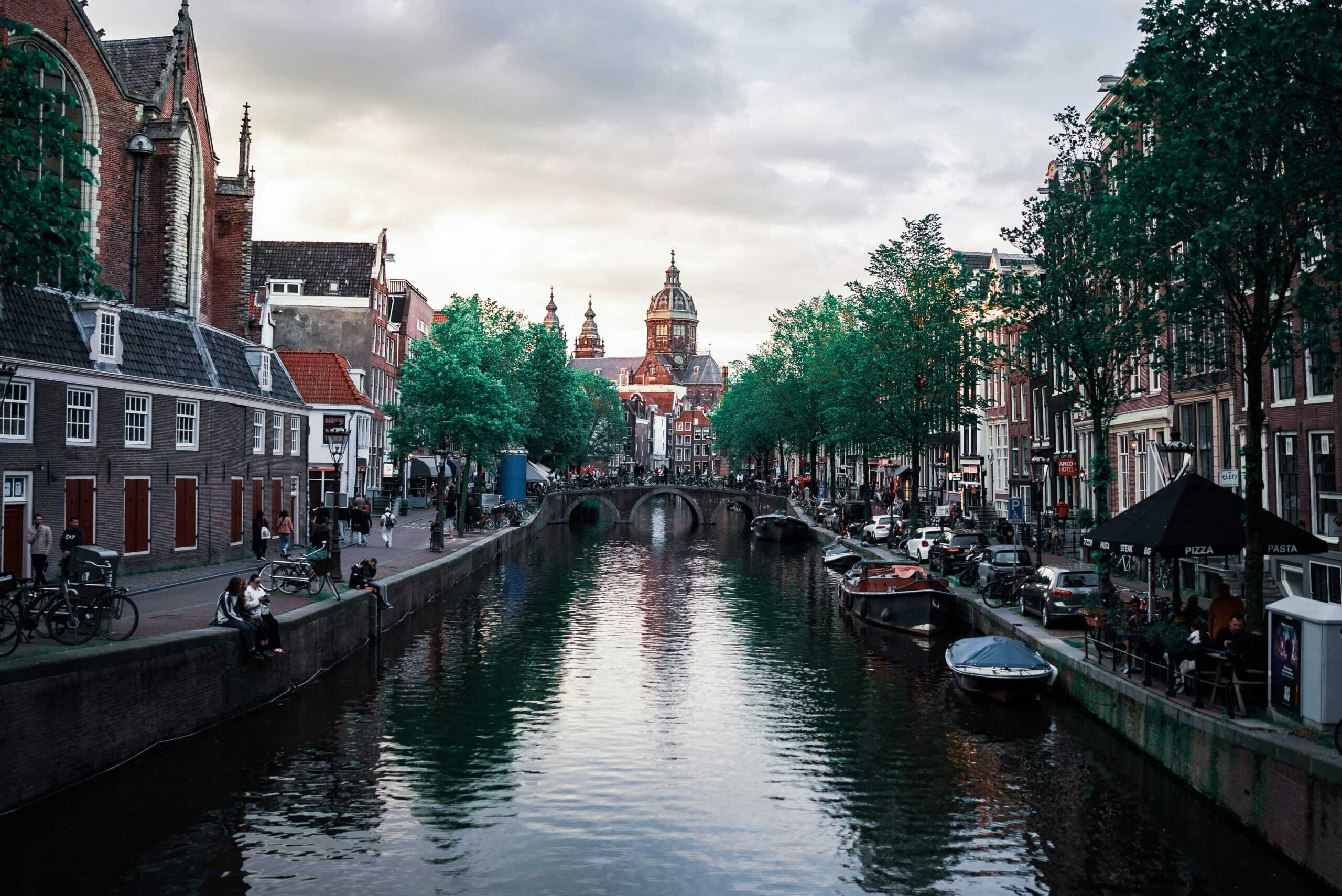
Amsterdam’s canals and museums are timeless, but demand has pushed prices up to the point where spontaneity gets expensive. Central hotels can cost more than expected, and the busiest streets can feel crowded in a way that dulls the city’s softness, especially in warm months. Restaurant seats, museum slots, and even simple bike rentals can carry peak pricing. Value often improves by sleeping in Haarlem, Utrecht, or Leiden, then taking short trains in for museum days, evening canals, and café culture without paying for a postcode. Outside the center, quieter canals and small parks bring back the city’s easy charm.
Reykjavik, Iceland

Reykjavik is the gateway to Iceland’s landscapes, but as a base it can feel like a budget drain, with dining, drinks, and rooms priced for a short, intense stay. The city is friendly and fun, yet the best memories usually come from waterfalls, hot springs, and wide roads outside town, where costs shift toward fuel and views. Many itineraries feel smarter with fewer nights in the capital, then moving to smaller towns where cooking is easier, lodging is steadier, and money goes toward the country’s real spectacle. A few nights go far, but a full week can feel like watching the meter run. Coffee and pastries add up fast.
Venice, Italy
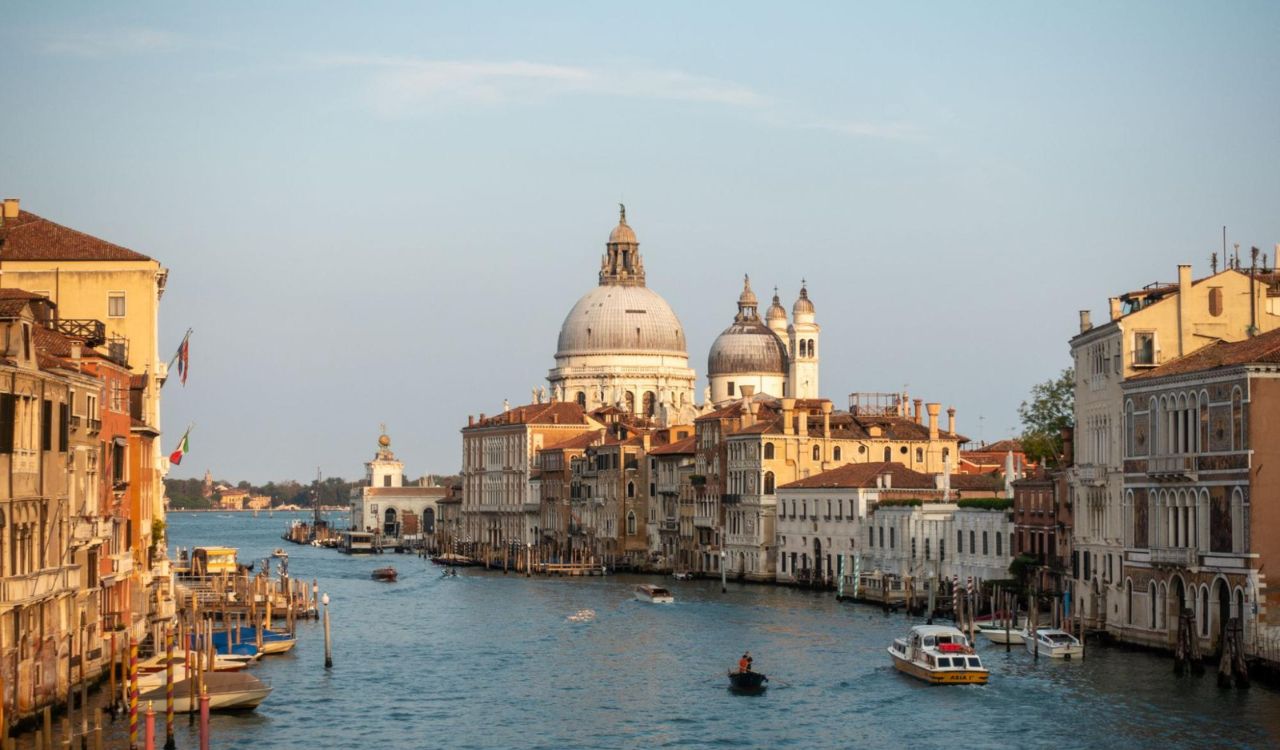
Venice can feel like paying premium prices to share narrow lanes with a moving crowd, where snacks, gondolas, and even basic essentials cost more than they should. High demand and day-tripper management fees add to the sense that the city is constantly monetizing access, even when the experience is rushed and noisy. The beauty is undeniable, but the trip often improves by sleeping elsewhere, then visiting early or late, or swapping in Bologna or Verona, where food is richer, streets are calmer, and the bill feels fair. In shoulder seasons, the same beauty can feel calmer, but prices still tend to stay high for what is delivered.