We may earn money or products from the companies mentioned in this post. This means if you click on the link and purchase the item, I will receive a small commission at no extra cost to you ... you're just helping re-supply our family's travel fund.
Some American cities still carry the landmarks, music, sports loyalties, and neighborhood rituals that made them household names, but recent population counts suggest a quieter story is unfolding. In many places, decline does not arrive as a dramatic collapse. It shows up as fewer residents on long-built blocks, tougher choices about upkeep, and a slower rhythm in districts that once felt crowded every day. Using 2024 population estimates tied to Census reporting, the patterns below trace where momentum has softened, even as local identity remains strong.
Chicago
fachrulrevlindi/123rf
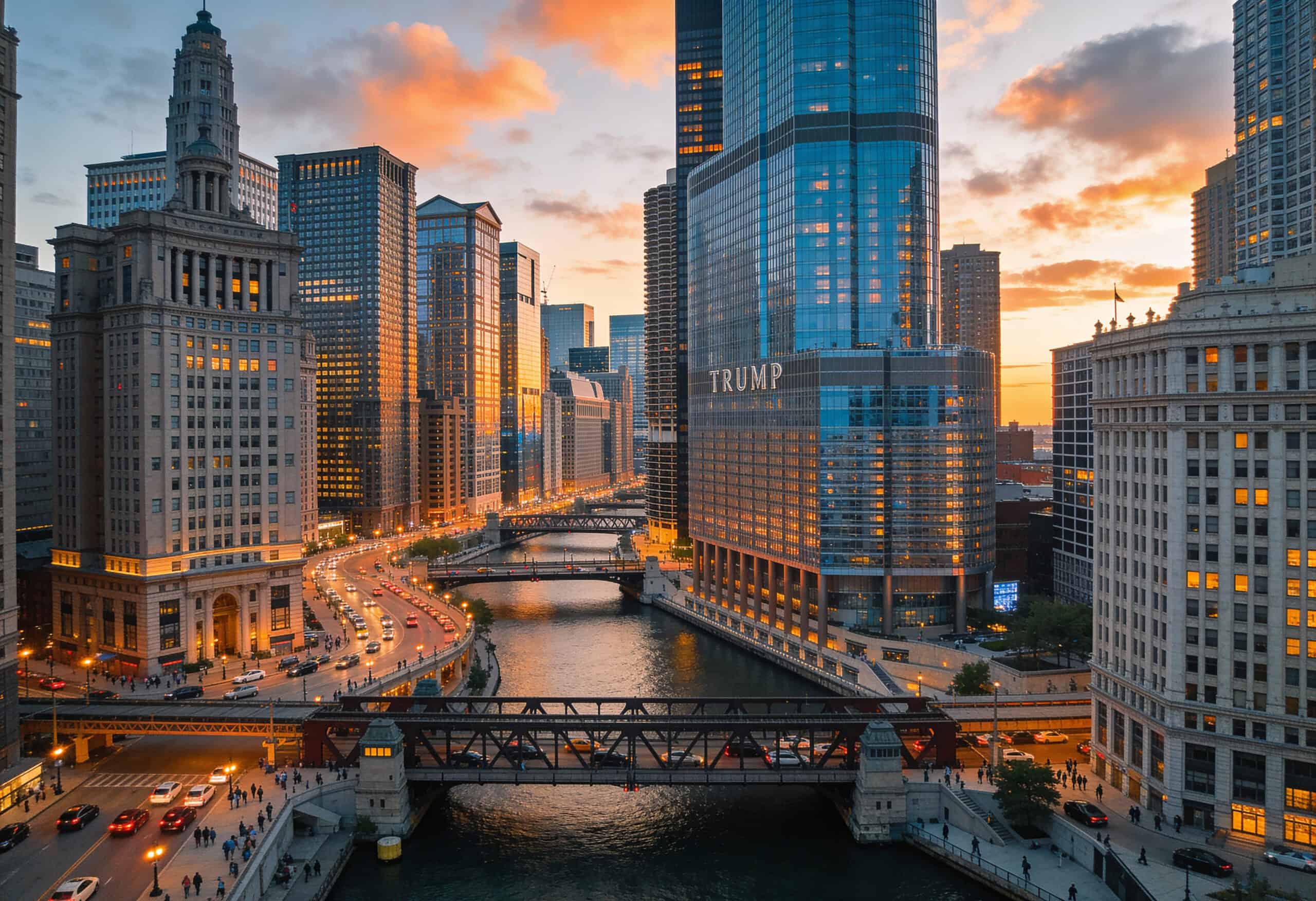
Chicago remains one of the country’s great urban centers, but the recent numbers show a gentle slide rather than fresh expansion, with the city still carrying an enormous footprint of transit lines, schools, and neighborhood business corridors built for heavier daily use. The 2024 estimate places Chicago at 2,721,308 residents, down from 2,746,388 in the 2020 census, a decline of 0.91%, according to the Census-based city rankings. In a place designed to move people at scale, even a modest population dip can ripple through retail leases, school enrollment, and the everyday economics that keep local streets active, staffed, and well maintained.
Philadelphia
erix2005/123rf
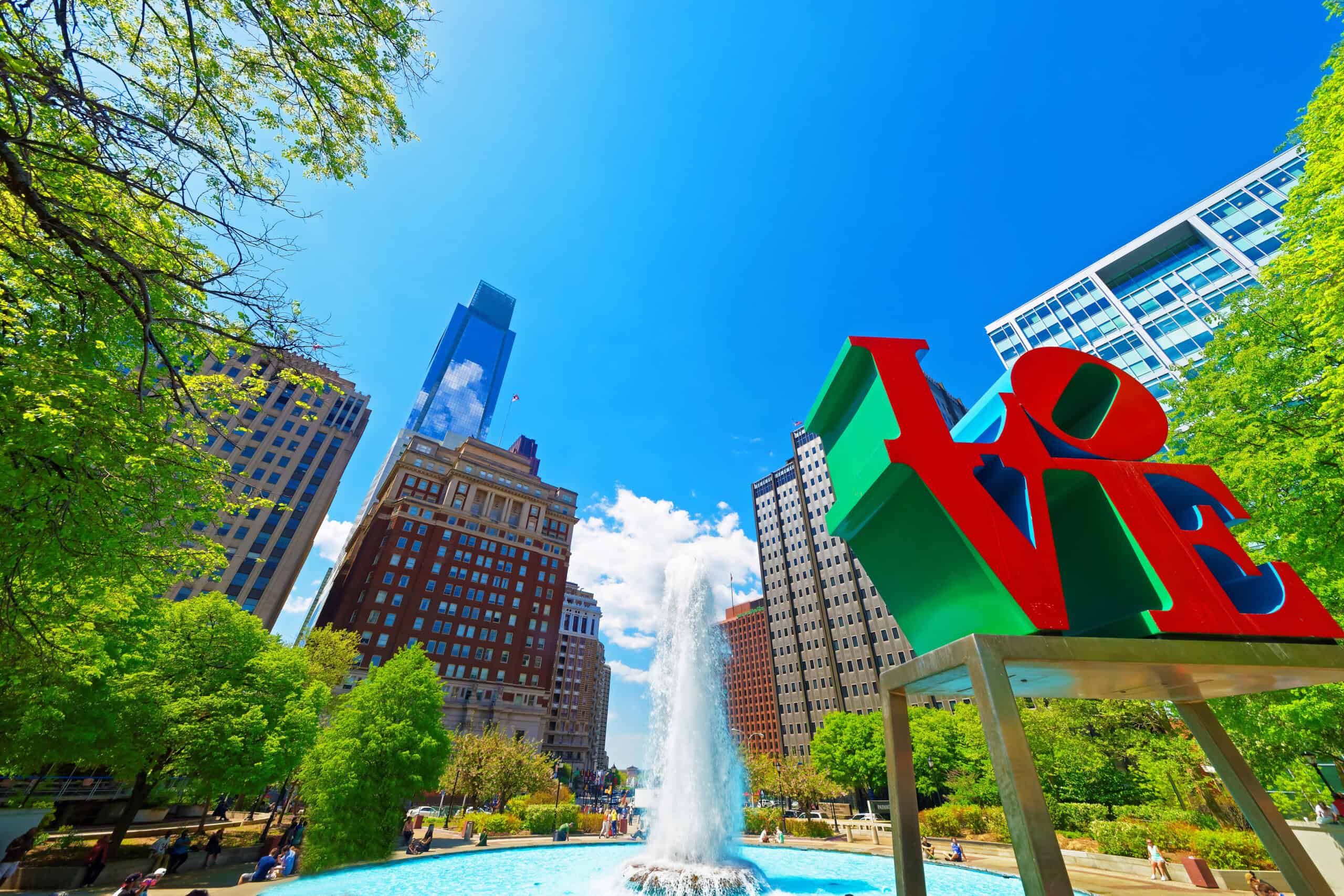
Philadelphia still carries the weight and texture of a major American city, yet its recent population count points to a slower chapter, especially in long-settled neighborhoods where block-by-block stability often depends on steady household turnover and busy local commercial strips. The 2024 estimate lists Philadelphia at 1,573,916 residents, compared with 1,603,797 in 2020, a decline of 1.86% in the Census-based city rankings. That shift does not erase the city pull, but it does make recovery work harder when fewer residents mean softer foot traffic, slower small-business sales, and tougher decisions about where reinvestment reaches first.
San Francisco
San Francisco remains globally recognizable, but its recent population trend has moved in the opposite direction of its long boom years, and even small shifts become visible quickly in a compact city where housing costs and business demand are already under constant pressure. The 2024 estimate shows San Francisco at 827,526 residents, down from 873,965 in the 2020 census, a decline of 5.31% in the Census-based rankings. For a dense, high-cost city, losses at that scale can reshape downtown activity, transit patterns, and the delicate balance between office districts, neighborhood commerce, and everyday street life through more weekday hours.
Portland
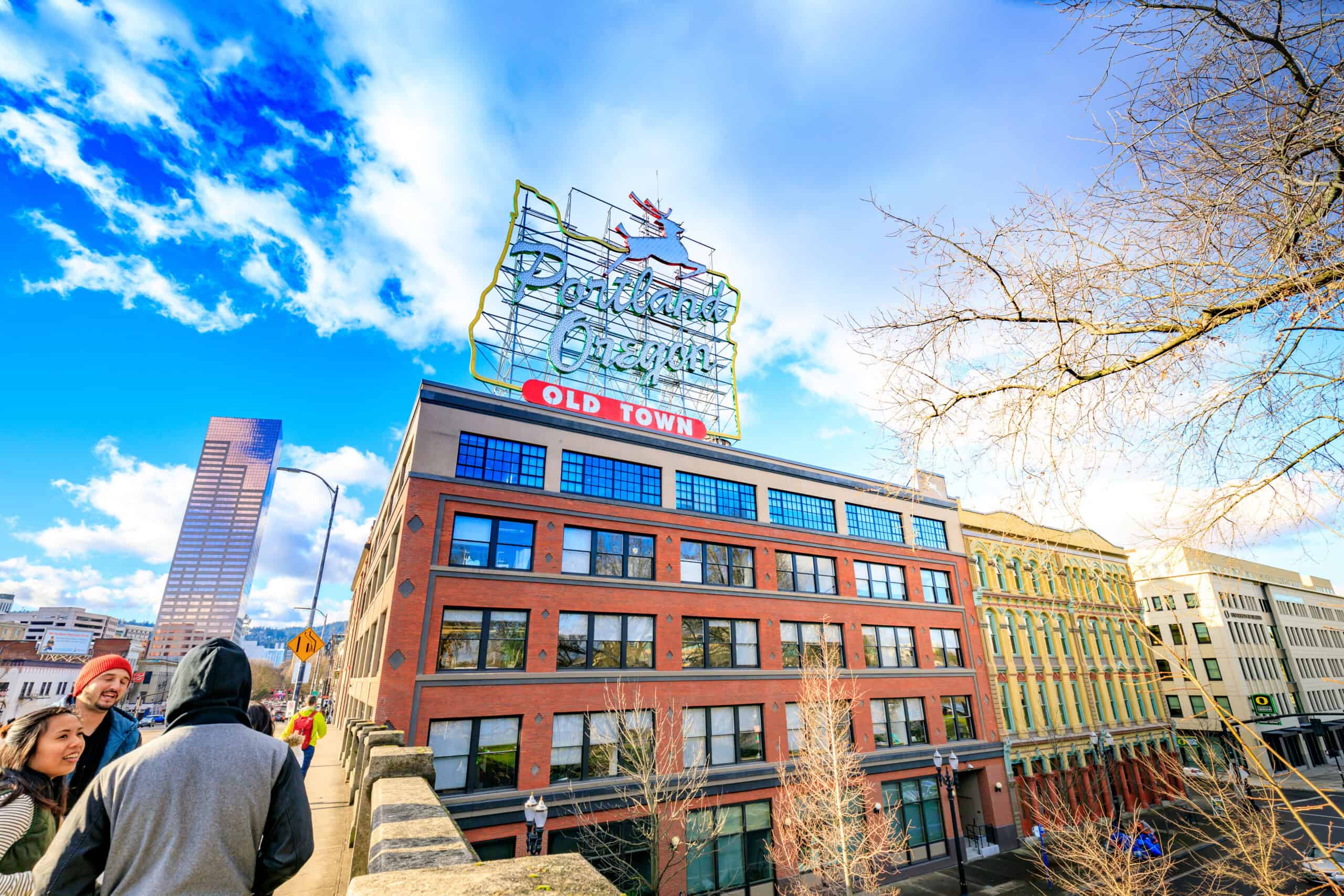
Portland still has deep civic loyalty and a strong creative identity, but the recent population figures point to a city adjusting to weaker momentum, especially after years when national attention often framed it as a magnet for newcomers seeking a different urban rhythm. The 2024 estimate records Portland at 626,576 residents, down from 641,162 in 2020, a decline of 2.27% in the Census-based city rankings. In a place shaped by walkable districts and local businesses, a pullback like that can leave visible gaps in storefront turnover, street vitality, and confidence in the next cycle of investment, especially in streets facing more vacancies.
Memphis
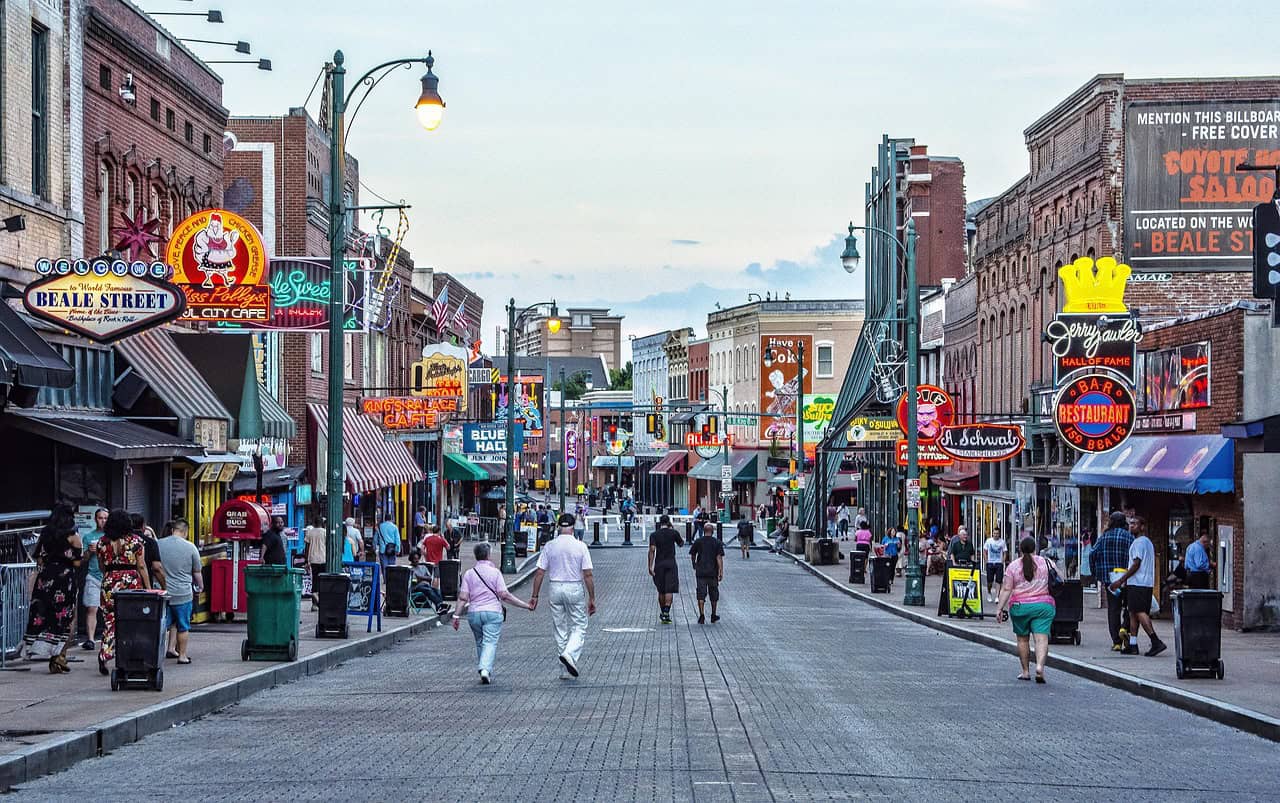
Memphis remains one of the South’s most important river cities, with lasting influence in music, freight, and food, but the recent numbers show a continued population slide instead of the stronger rebound many civic plans have aimed to build. The 2024 estimate lists Memphis at 618,639 residents, compared with 633,104 in 2020, a decline of 2.29% in the Census-based city rankings. When population eases in a city with broad infrastructure needs and large legacy neighborhoods, local leaders often face the same hard math: protect core services, stabilize commercial corridors, and rebuild momentum one block at a time, without promising quick fixes.
Baltimore
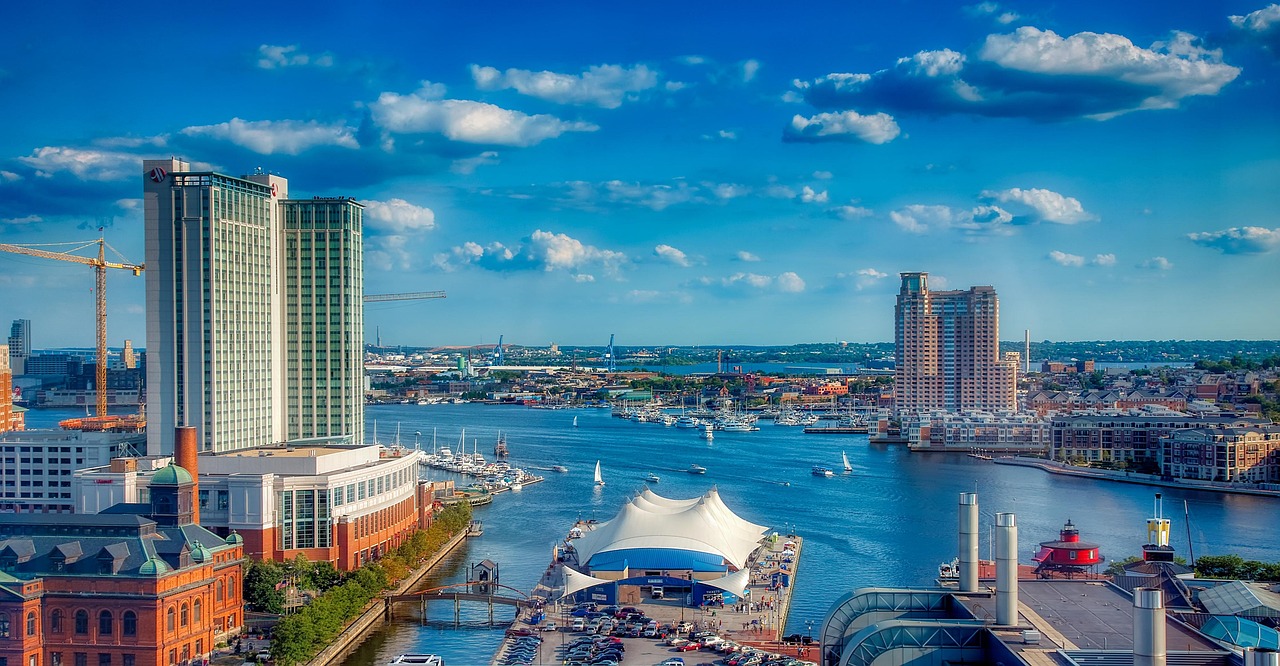
Baltimore still holds a powerful waterfront legacy, and a distinct urban character, yet recent population figures show continuing erosion rather than a clean turnaround, even as many neighborhoods and institutions keep pushing for new investment. The 2024 estimate places Baltimore at 561,488 residents, down from 585,708 in the 2020 census, a decline of 4.13% in the Census-based city rankings. Losses at that level can make long-range planning harder, because fewer residents can mean tighter tax capacity, uneven demand across neighborhoods, and a slower path for commercial corridors that depend on steady local foot traffic in everyday routines.
Cleveland
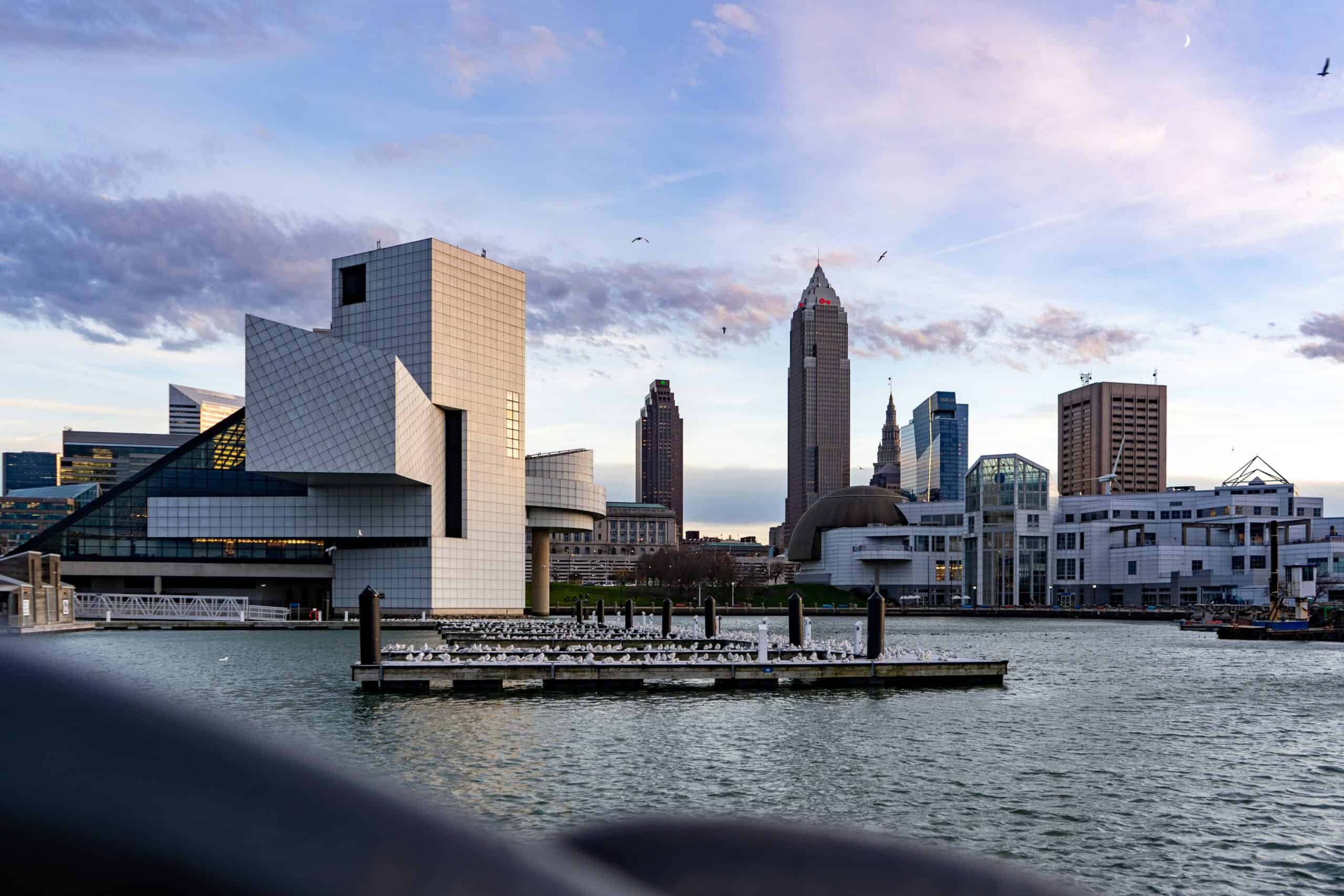
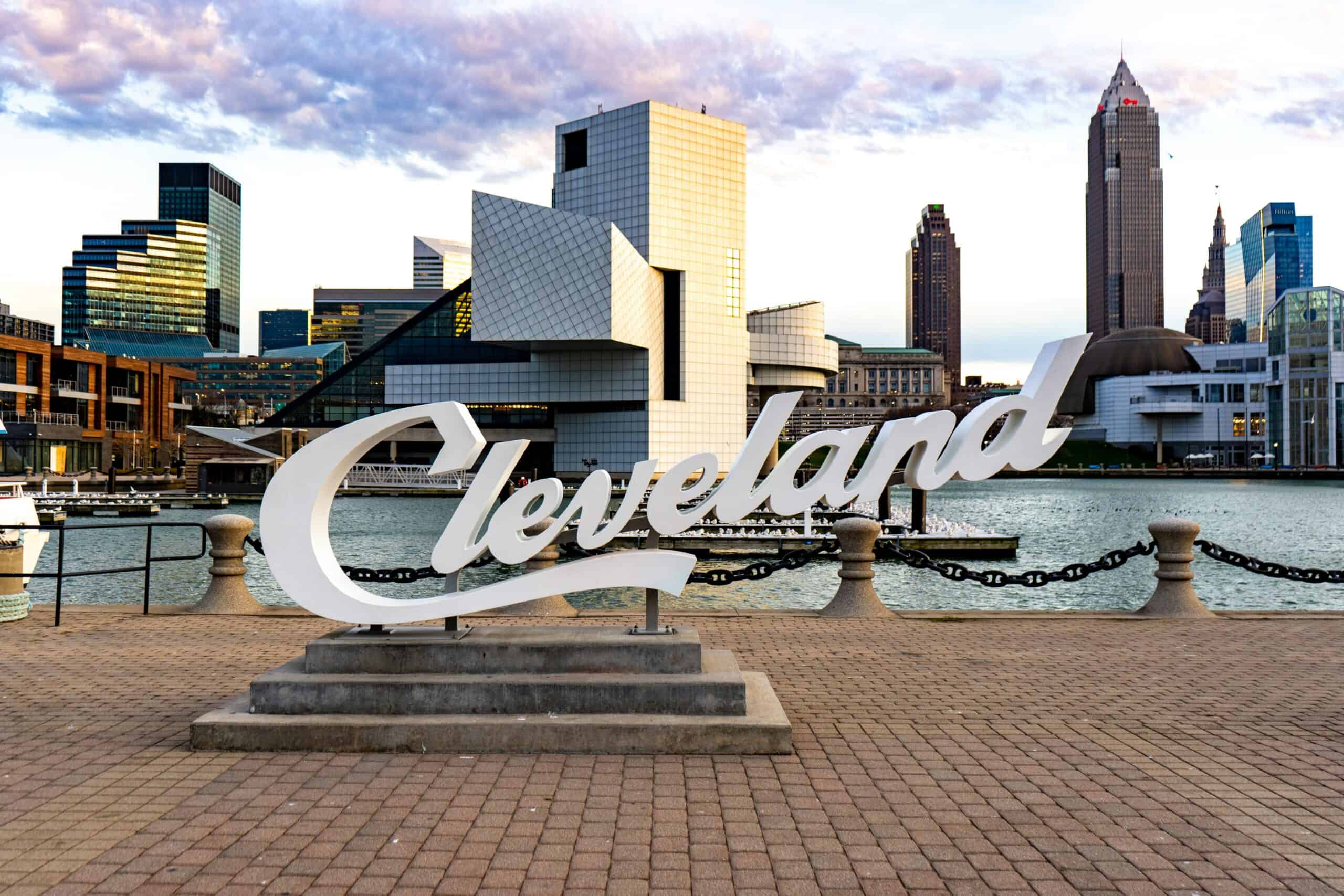
Cleveland has spent years pushing reinvestment and cultural revival but the latest population count shows the city is still shrinking, which keeps many gains feeling more fragile than the headlines surrounding individual projects might suggest. The 2024 estimate lists Cleveland at 365,379 residents, compared with 372,624 in 2020, a decline of 1.94% in the Census-based city rankings. In older cities with wide streets, legacy housing stock, and large service footprints, even small percentage losses can stretch maintenance budgets and make recovery feel uneven from one neighborhood business district to the next, even when progress stays visible.
St. Louis
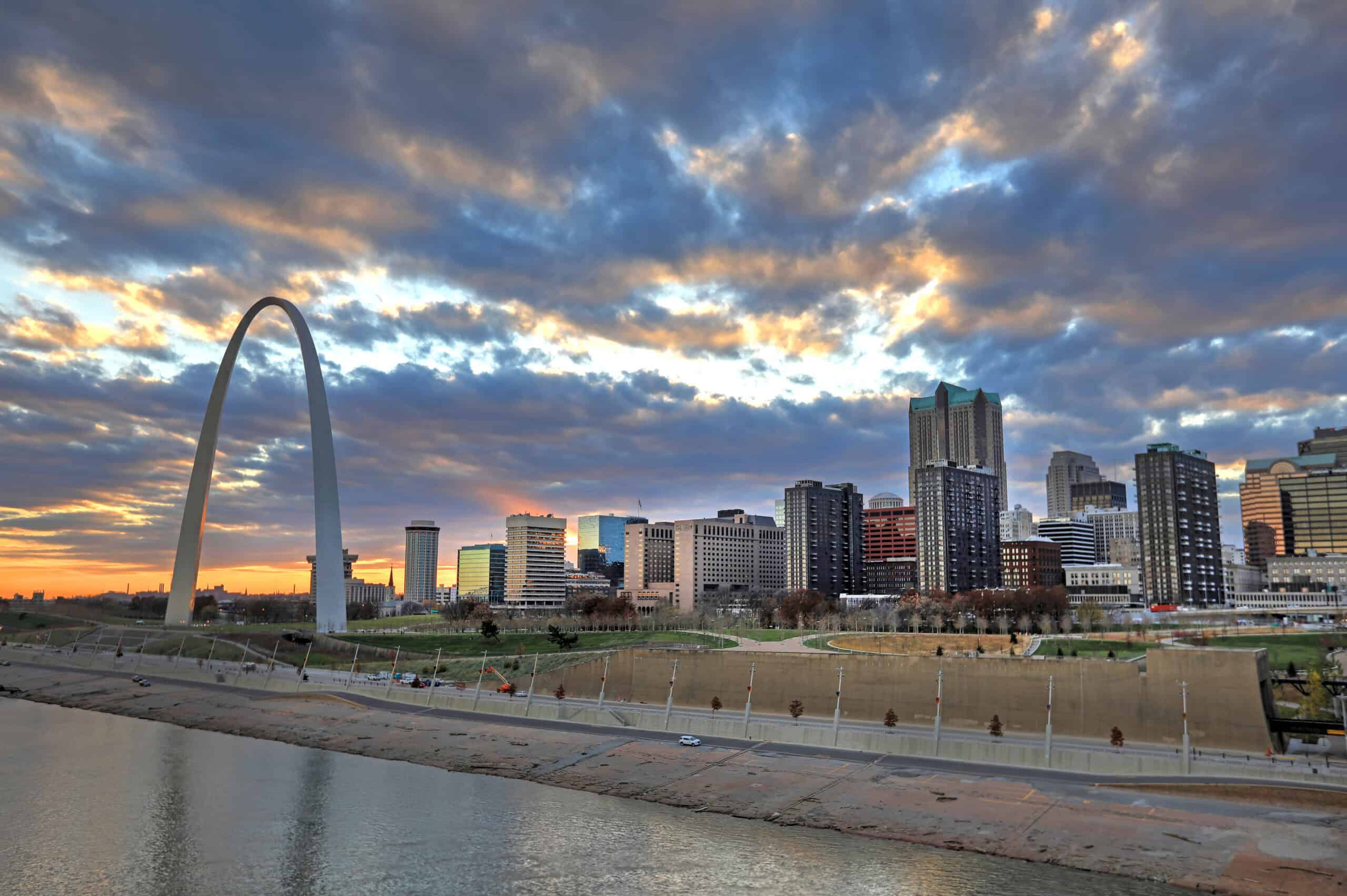
jbyard22/123rf
St. Louis remains one of the Midwest’s defining historic cities, but the recent population drop is among the sharpest declines reported for major places, and that scale makes the city’s current transition especially hard to manage cleanly. The 2024 estimate shows St. Louis at 279,695 residents, down from 301,578 in the 2020 census, a decline of 7.26% in the Census-based city rankings. A change that steep can affect transit demand, school enrollment, and small-business survival at once, leaving local leadership to balance preservation, redevelopment, and basic services while trying to restore confidence in long-term stability across districts.