We may earn money or products from the companies mentioned in this post. This means if you click on the link and purchase the item, I will receive a small commission at no extra cost to you ... you're just helping re-supply our family's travel fund.
Road trips have a way of turning curiosity into a detour. A plain highway exit sign becomes an invitation, and suddenly the day includes a museum no one planned to love. Offbeat roadside collections work because they are specific, proudly niche, and usually built by people who cared more than they should have. That obsession becomes contagious. These stops deliver laughs, odd facts, and surprisingly good stories, often in small buildings with big personality. The best part is how quickly the mood shifts, from miles-and-miles driving to standing still, grinning at something wonderfully unnecessary.
SPAM Museum, Austin, Minnesota
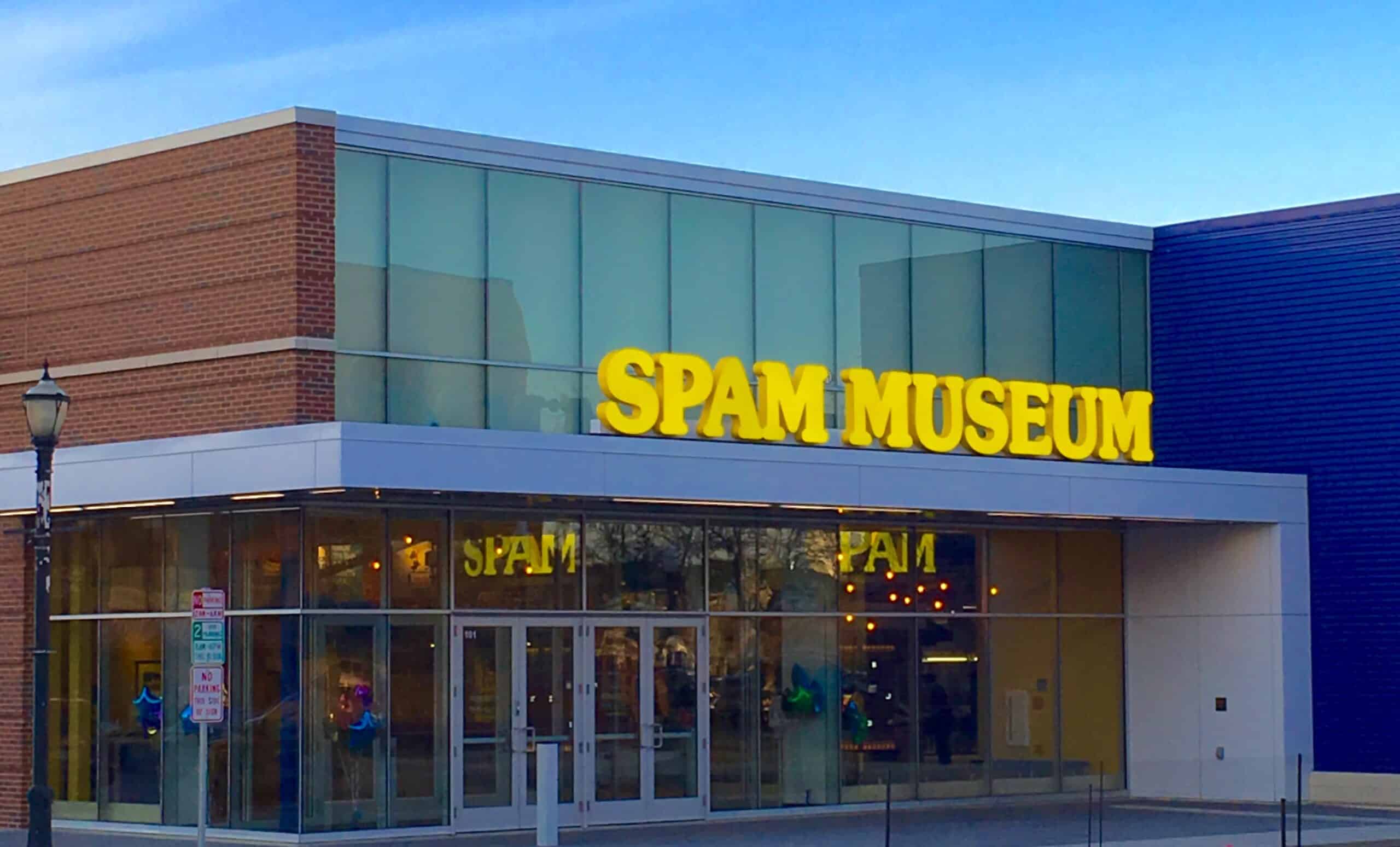
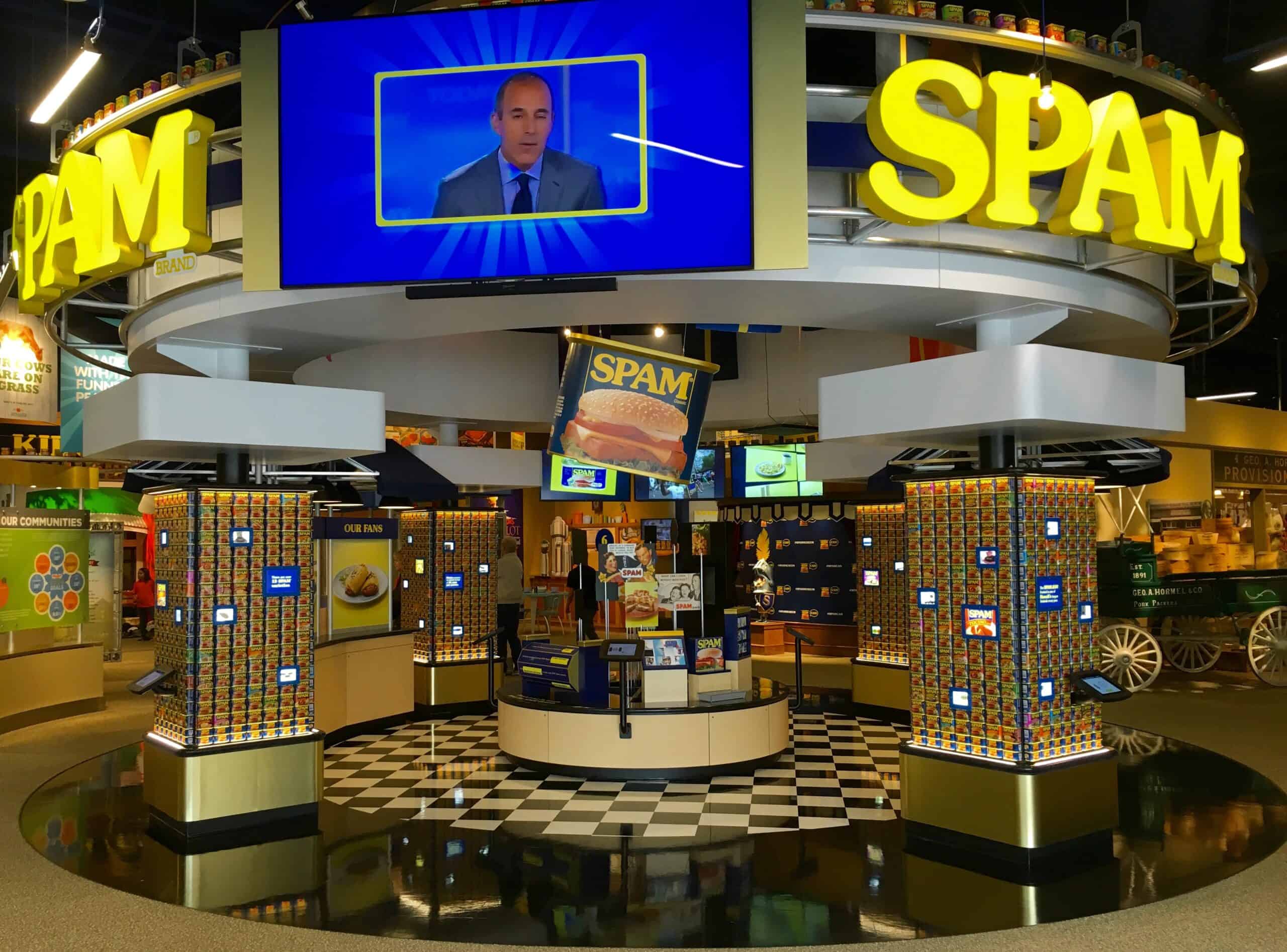
At first glance it sounds like a punchline, then the SPAM Museum pulls people into the real story of how a modest can became wartime fuel, global comfort food, and pure pop-culture shorthand. The galleries are interactive and bright, mixing advertising history, quirky trivia, hands-on stations, and a wall of branded color that makes even a quick visit feel lively, especially on cold travel days. Admission is free, samples are part of the charm, and the downtown setting makes it easy to pair with a short walk and a warm drink, so the detour feels like a cheerful reset after miles of winter-gray interstate and long radio silence.
National Mustard Museum, Middleton, Wisconsin
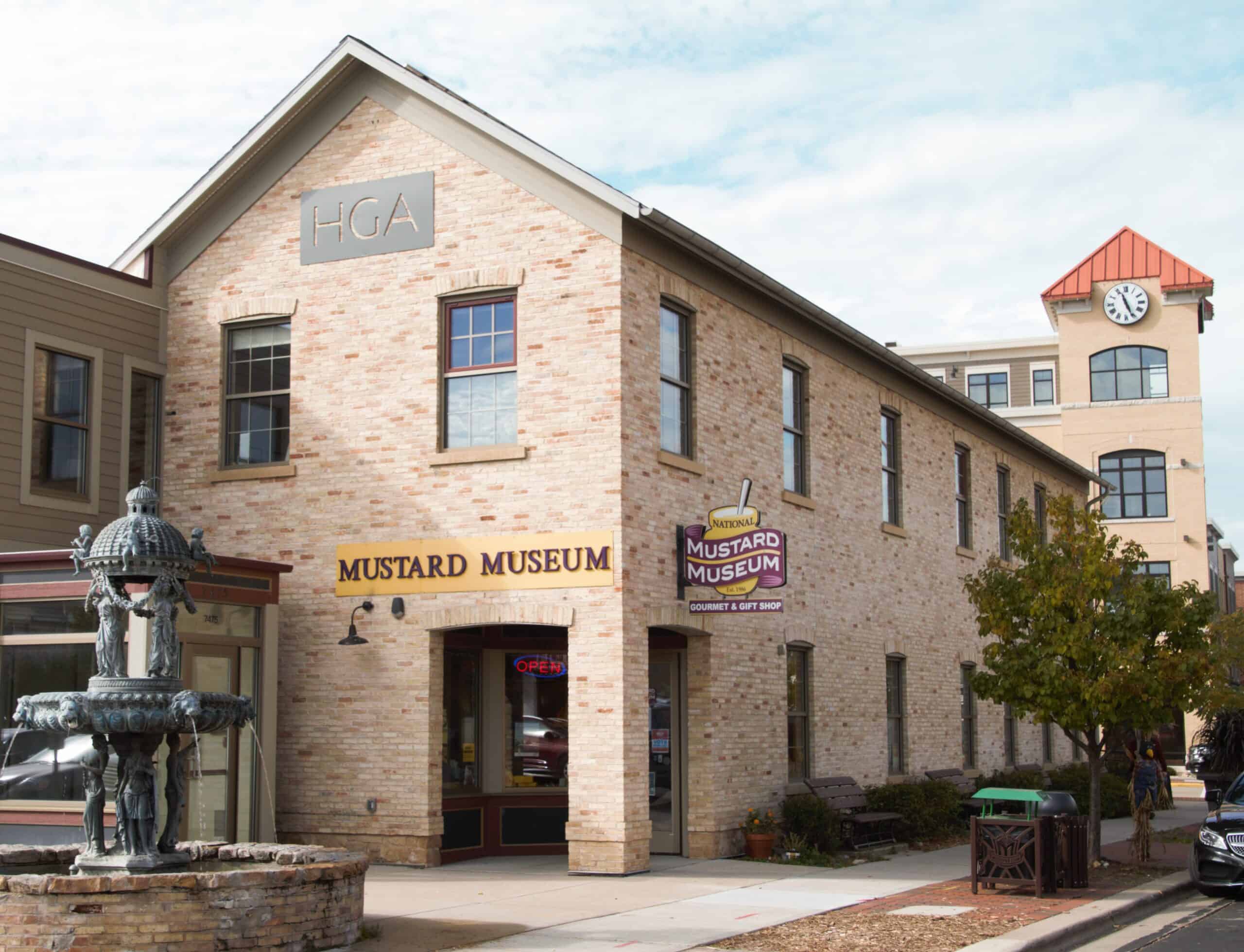
The National Mustard Museum turns a simple condiment into a surprisingly rich road stop, part taste education, part history lesson, part scavenger hunt with labels in every color. Rows of jars and tins trace brands and regions, and exhibits explain how mustard traveled with immigration, industry, and changing American appetites, all inside a friendly downtown space that smells faintly of vinegar and spice. Admission is free and the museum is open daily, which keeps it low-stress, but the visit still ends with the same dilemma: which jar belongs in the cooler tonight, and which one is bold enough to mail home as a slightly ridiculous gift.
International UFO Museum and Research Center, Roswell, New Mexico
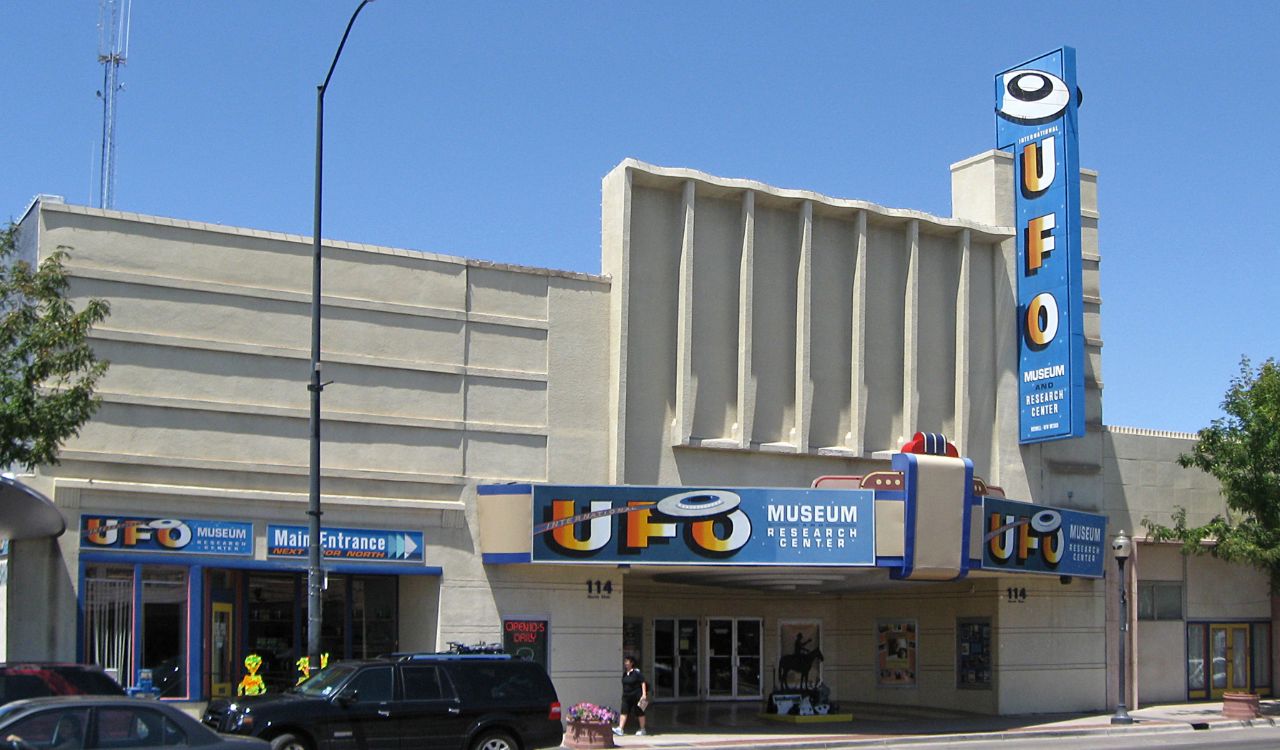
Roswell’s famous 1947 incident gets the full treatment at the International UFO Museum, which leans into documents, timelines, and competing explanations rather than pure spectacle. Exhibits pair local history with the wider mythology of UFO culture, so the experience lands somewhere between courthouse archive and playful roadside lore, complete with a research-minded tone and plenty of newspaper clippings. Admission is modest and the building sits right on Main Street, which makes it easy to drop in between murals and gift shops, argue the details, and walk out with a sharper sense of how mysteries become a town’s calling card.
American Sign Museum, Cincinnati, Ohio
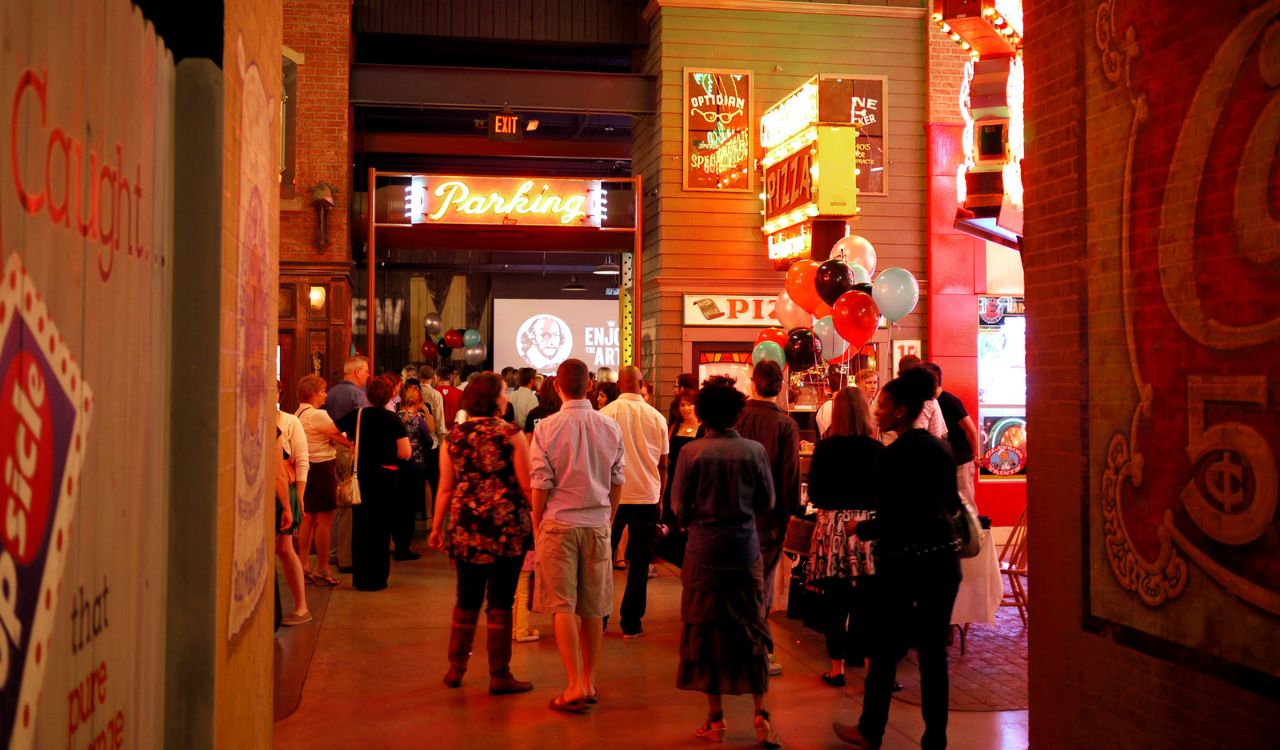
The American Sign Museum is a neon-lit walk through American commerce, where glowing letters and hand-painted storefront signs read like a visual diary of the last century. Displays are staged in streetlike rows, so the collection feels lived-in, like a downtown that never closes, filled with diner arrows, motel promises, and theater marquees humming in color and soft electrical buzz. It works as a perfect mid-drive reset, because the craft is real, the photos are excellent, and the whole place quietly explains why certain fonts still feel like summer nights, late drives, cheap milkshakes, and the promise of a vacancy sign.
Idaho Potato Museum, Blackfoot, Idaho
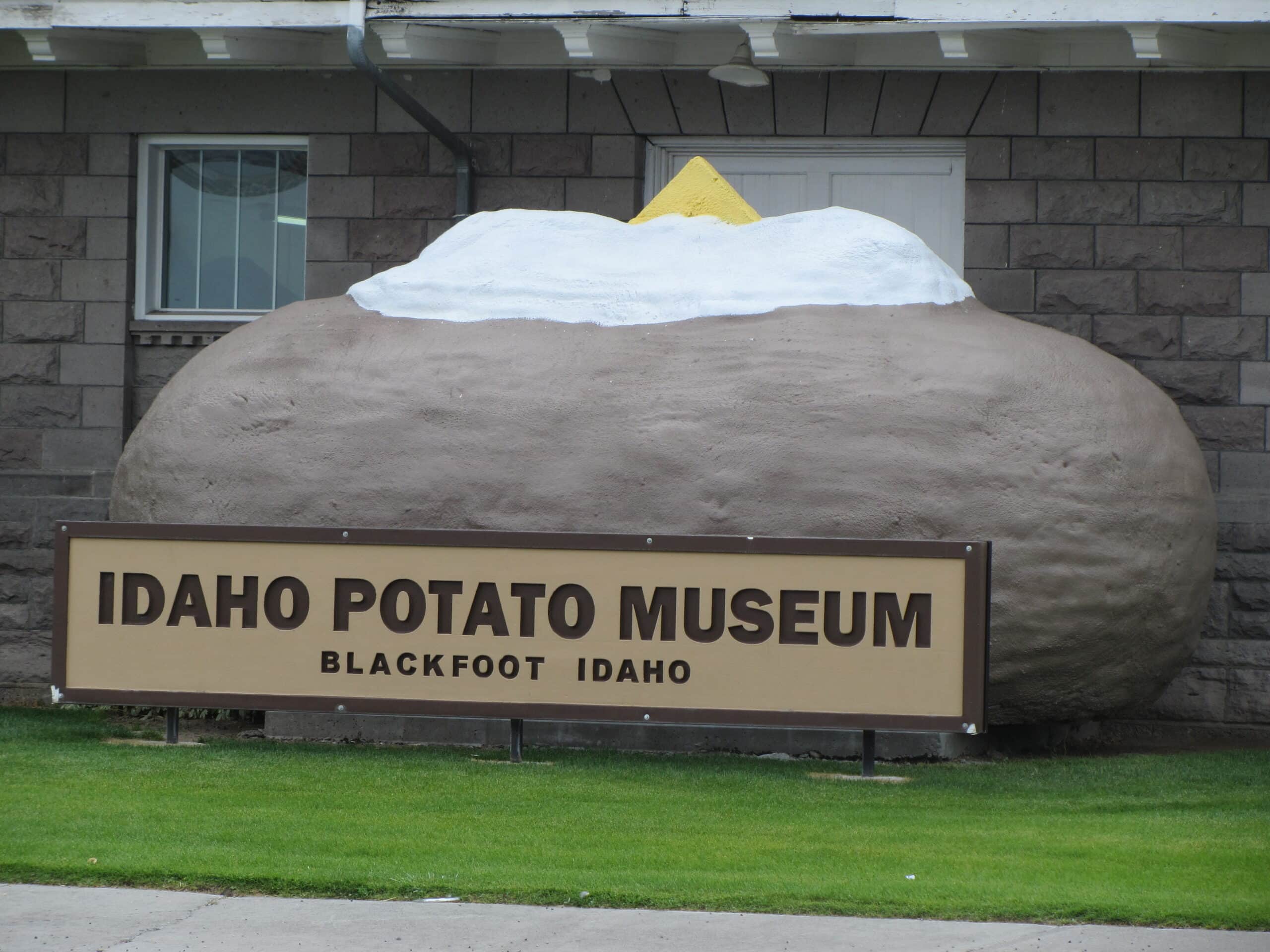
In Blackfoot, the Idaho Potato Museum celebrates the state’s signature crop with the sincerity of a hometown landmark and the charm of an old railroad depot setting. Exhibits cover farming history, varieties, and the scale of the potato economy, turning a familiar food into a story with real weather, real labor, and real communities behind it, plus a few playful nods to roadside kitsch. Hours vary by season, and the gift shop and café lean into the theme without embarrassment, which is exactly why the stop works: it is specific, local, unexpectedly educational, and far more entertaining than the name suggests on the sign outside.
Kansas Barbed Wire Museum, La Crosse, Kansas
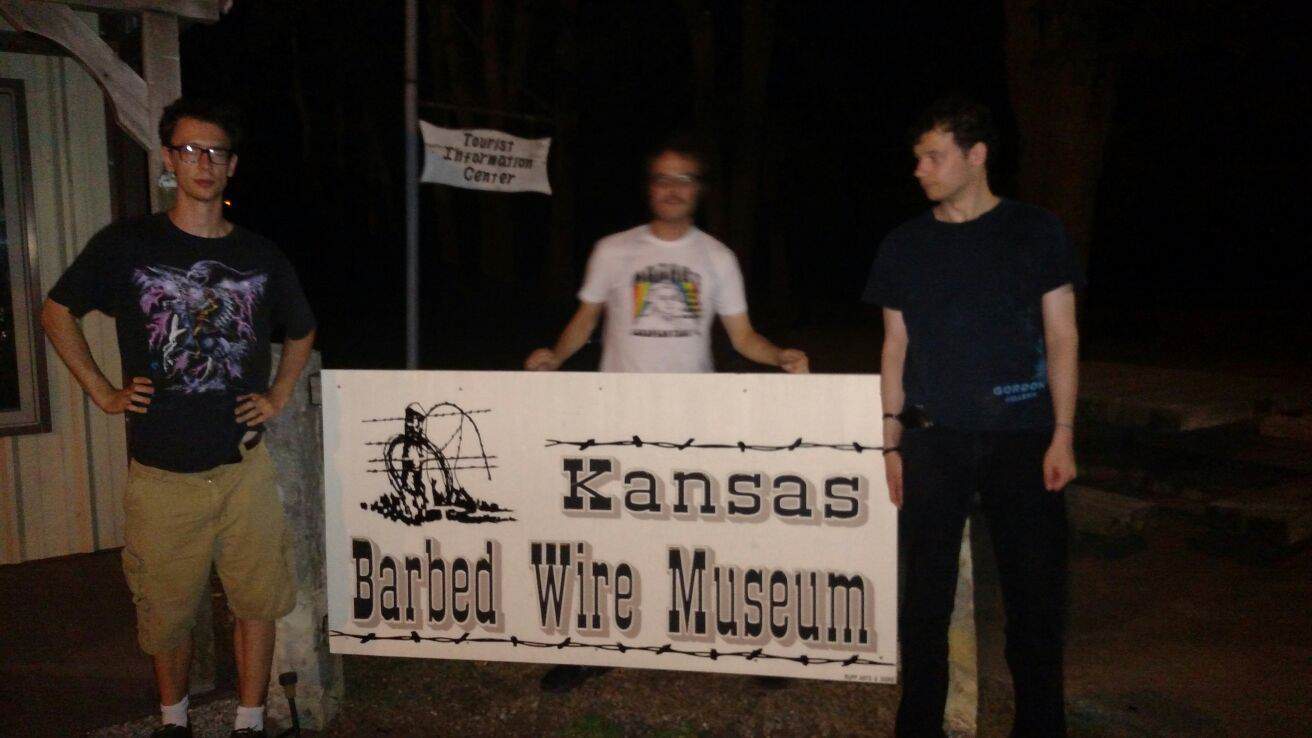
The Kansas Barbed Wire Museum proves that even the plainest roadside detail can have a wild backstory, especially on the Plains where fencing reshaped daily life. Cases show thousands of wire patterns and the antique tools that installed them, turning what looks like scrap metal into a timeline of invention, patents, and prairie pragmatism, complete with names, dates, and tiny variations in barb shape. It is nerdy in the most satisfying way, because the displays connect sharp design to big themes: ownership, labor, conflict, and the tweaks that decided whether cattle stayed put, neighbors fought, or fortunes grew, one fence line at a time.
National Museum of Funeral History, Houston, Texas
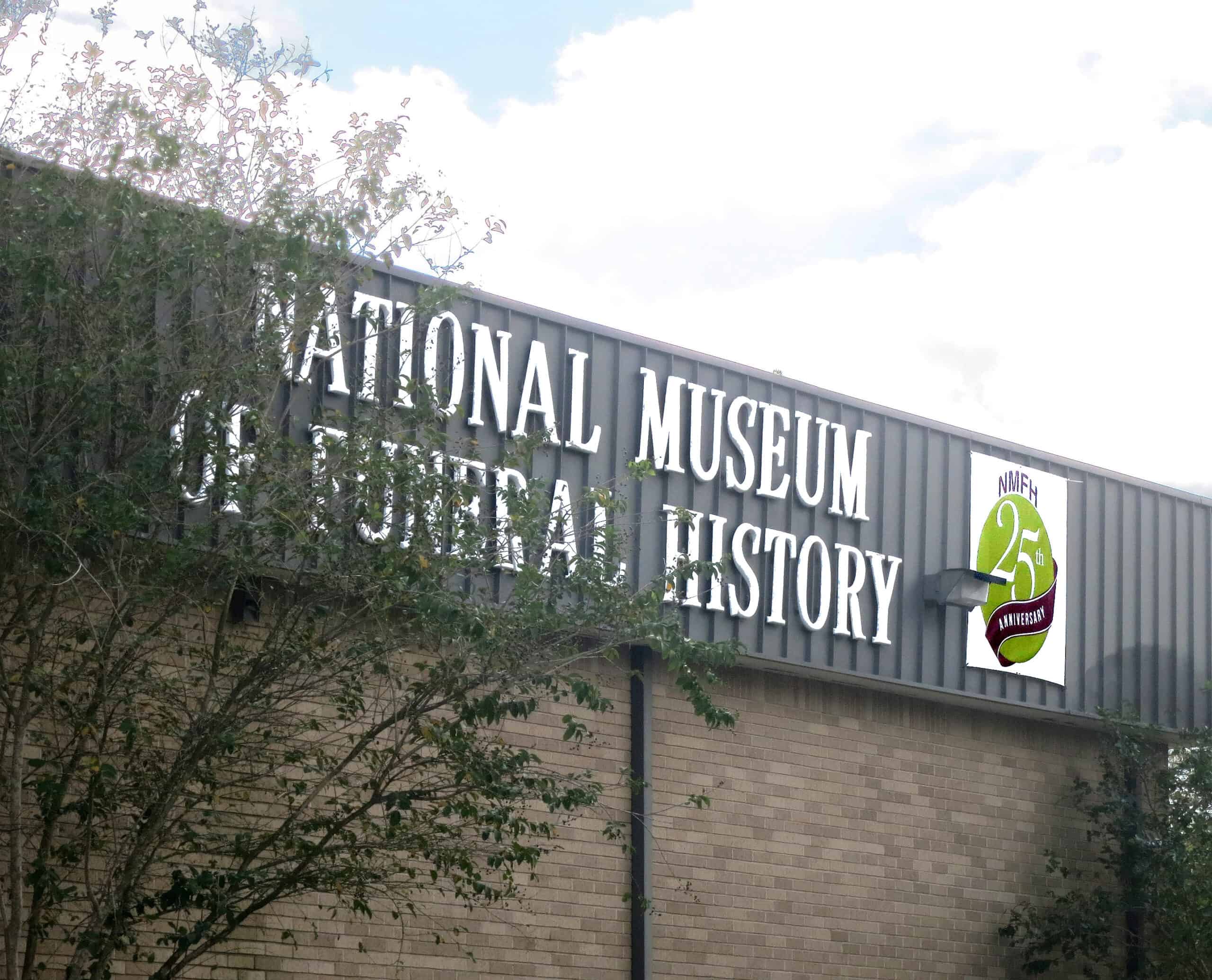
The National Museum of Funeral History is unexpectedly absorbing, not because it chases shock, but because it treats rituals of goodbye as craft, culture, and human need. Exhibits cover historic hearses, famous funerals, and how different communities honor loss, balancing curiosity with real respect, careful context, and a surprising amount of design history in the objects themselves. Located just off I-45, it fits a road trip naturally, offering a cool indoor reset that slows the day down in a good way, and often leaves people thoughtful, a little grateful, and ready to rejoin traffic with a softer edge and steadier pace.
Museum of Jurassic Technology, Culver City, California

The Museum of Jurassic Technology feels like a cabinet of curiosities built by someone who loves footnotes as much as wonder, blending art, science, and playful uncertainty into a single mood. Displays are intentionally eccentric, with labels that sound scholarly and rooms that reward slow attention rather than quick certainty, plus an upstairs tea room that softens the pace and invites lingering, almost like a whispered intermission. The detour lands like a reset button, turning the rest of the drive into a quieter, sharper experience, as if the mind stayed a little more awake more amused, and slightly braver about uncertainty after leaving.