We may earn money or products from the companies mentioned in this post. This means if you click on the link and purchase the item, I will receive a small commission at no extra cost to you ... you're just helping re-supply our family's travel fund.
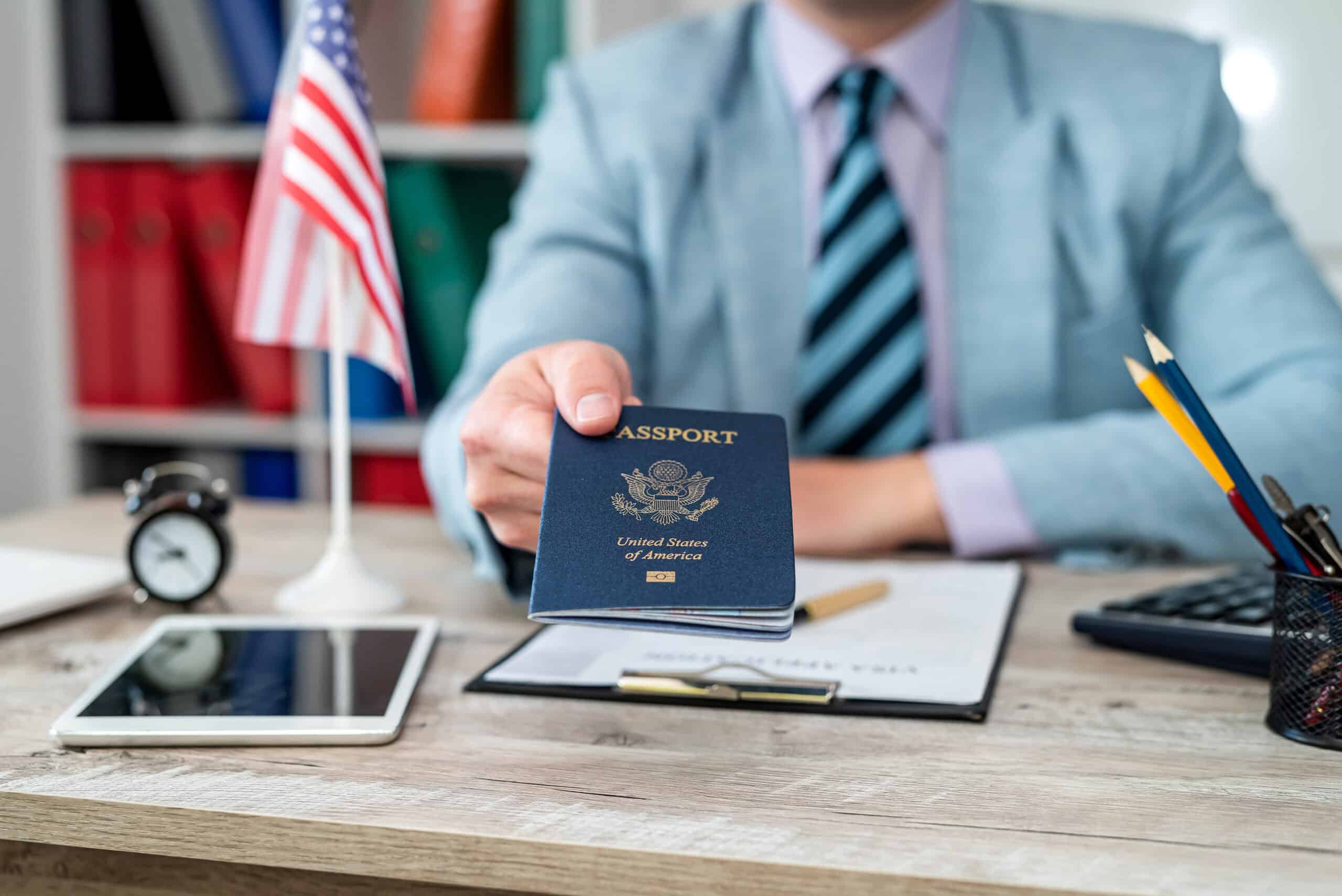
For years, a Europe trip mostly meant grabbing a passport, booking a flight, and showing up at the border with a smile. That picture is changing. Governments are layering in new screening tools, tighter timelines, and digital systems designed to track who arrives, how long they stay, and where they go. By 2026, transatlantic vacations will still be very doable, but they will feel more structured, more documented, and a little less improvisational than before.
1. ETIAS Becomes Part Of The Pre-Trip Checklist

By 2026, the long-delayed ETIAS system is expected to be fully active, turning visa-free entry into “visa-lite” for many Americans. Travelers will need to apply online for a low-cost authorization, share basic biographic details, and wait for approval before boarding a plane or cruise into most of Europe’s Schengen Area. The approval will likely last several years, but last-minute trips may become harder if applications are left until the week of departure.
2. Biometric Borders Under The Entry Exit System

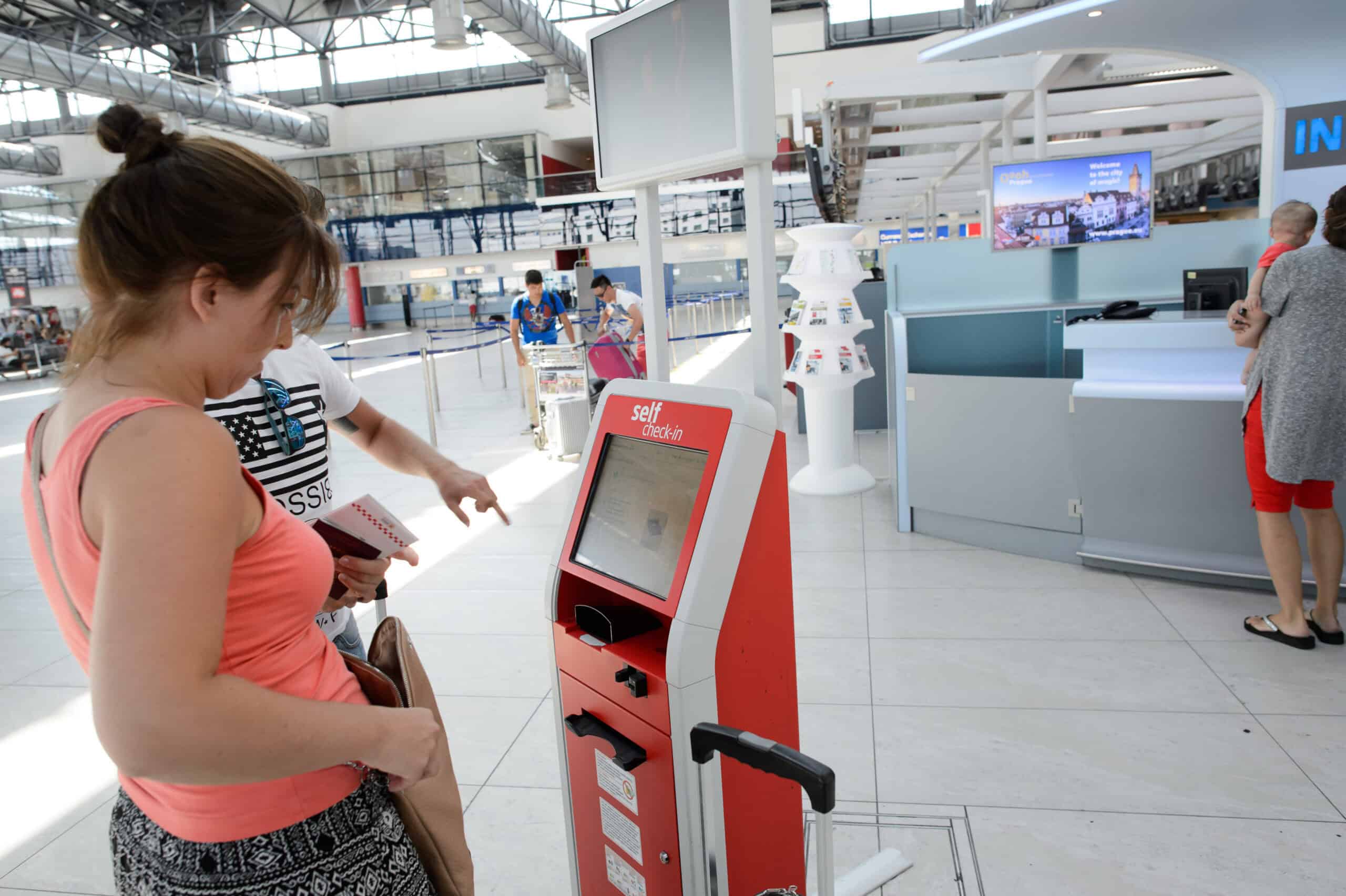
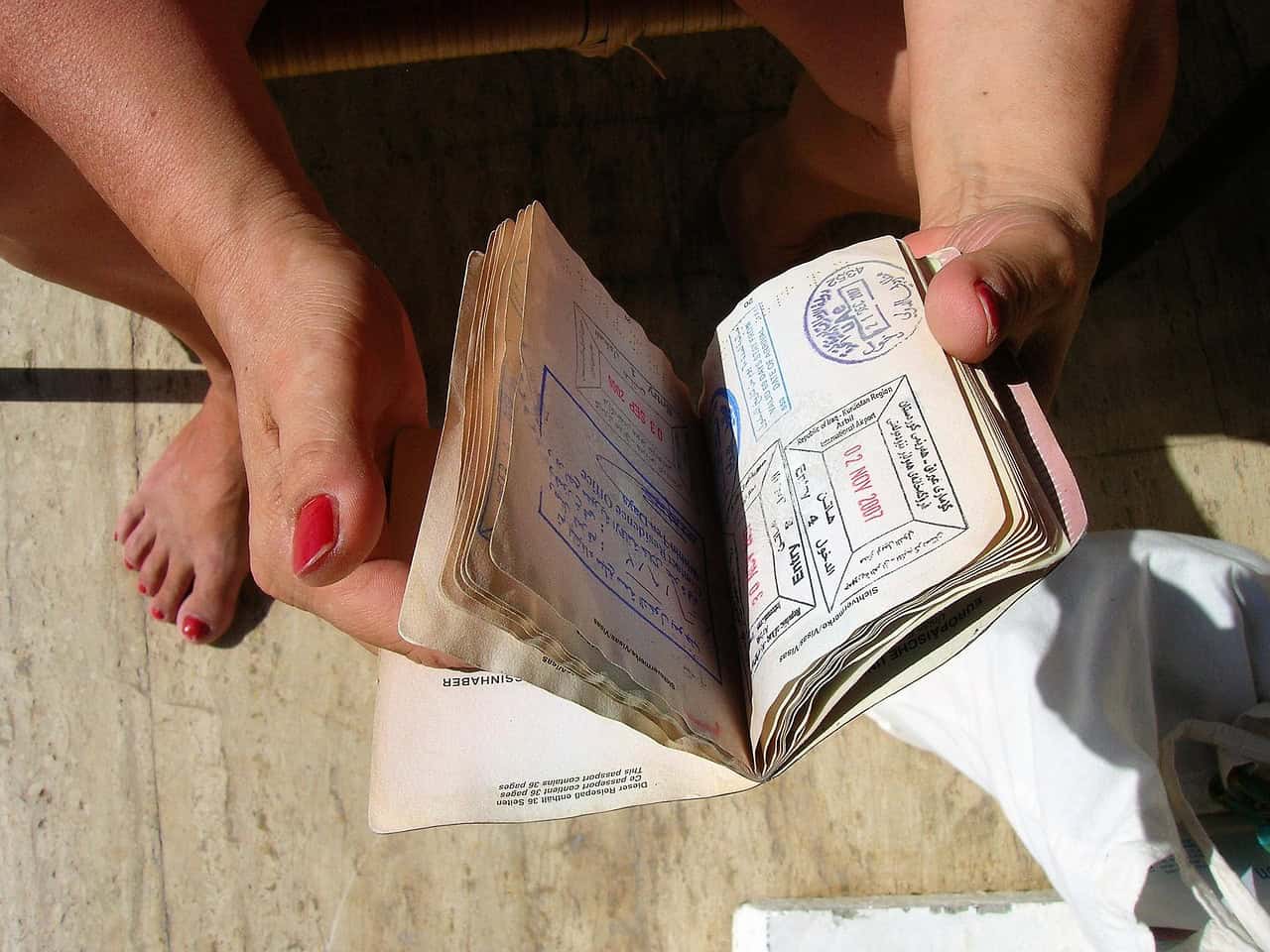
Europe’s new Entry/Exit System will trade old-school passport stamping for biometric records, capturing fingerprints and facial scans at first arrival. That data will track each non-EU visitor’s movements in and out of Schengen, closing loopholes that once came from faint ink and crowded passport pages. The upside is cleaner records; the downside is potential bottlenecks at airports and land crossings while everyone lines up for kiosks and cameras during the early rollout years.
3. The 90 Day Rule Gets Much Stricter Enforcement
The long-standing rule allowing most Americans to stay up to 90 days within any 180-day window in Schengen is not new, but enforcement is about to feel very different. With digital entry and exit logs, systems will know exactly when a visitor arrived and when that 90-day clock runs out. Casual overstay patterns that once slipped through when stamps were messy or missing will now trigger automatic flags, possible fines, or bans from reentry.
4. Passport Validity Rules Leave Less Wiggle Room
Border officers have always expected passports to last well beyond the return flight, but airlines and European states are tightening how they interpret those rules. Many carriers now require at least three months of validity past the planned departure date from Europe, and some follow a six-month guideline to be safe. By 2026, showing up with a passport that is close to expiring will likely mean denied boarding, even if the technical rules still look forgiving on paper.
5. Proof Of Funds And Lodging May Be Checked More Often

As border systems modernize, some countries are signaling a more serious approach to short-term stays. That can mean more frequent questions about onward tickets, confirmed accommodation, or enough money to cover the trip. Officers already have the right to ask; what changes is how often they exercise it when data suggests long or repeated stays without clear purpose. For many visitors, that translates into an expectation to carry documentation instead of relying solely on verbal reassurance.
6. Local Tourist Taxes And Daily Fees Keep Expanding
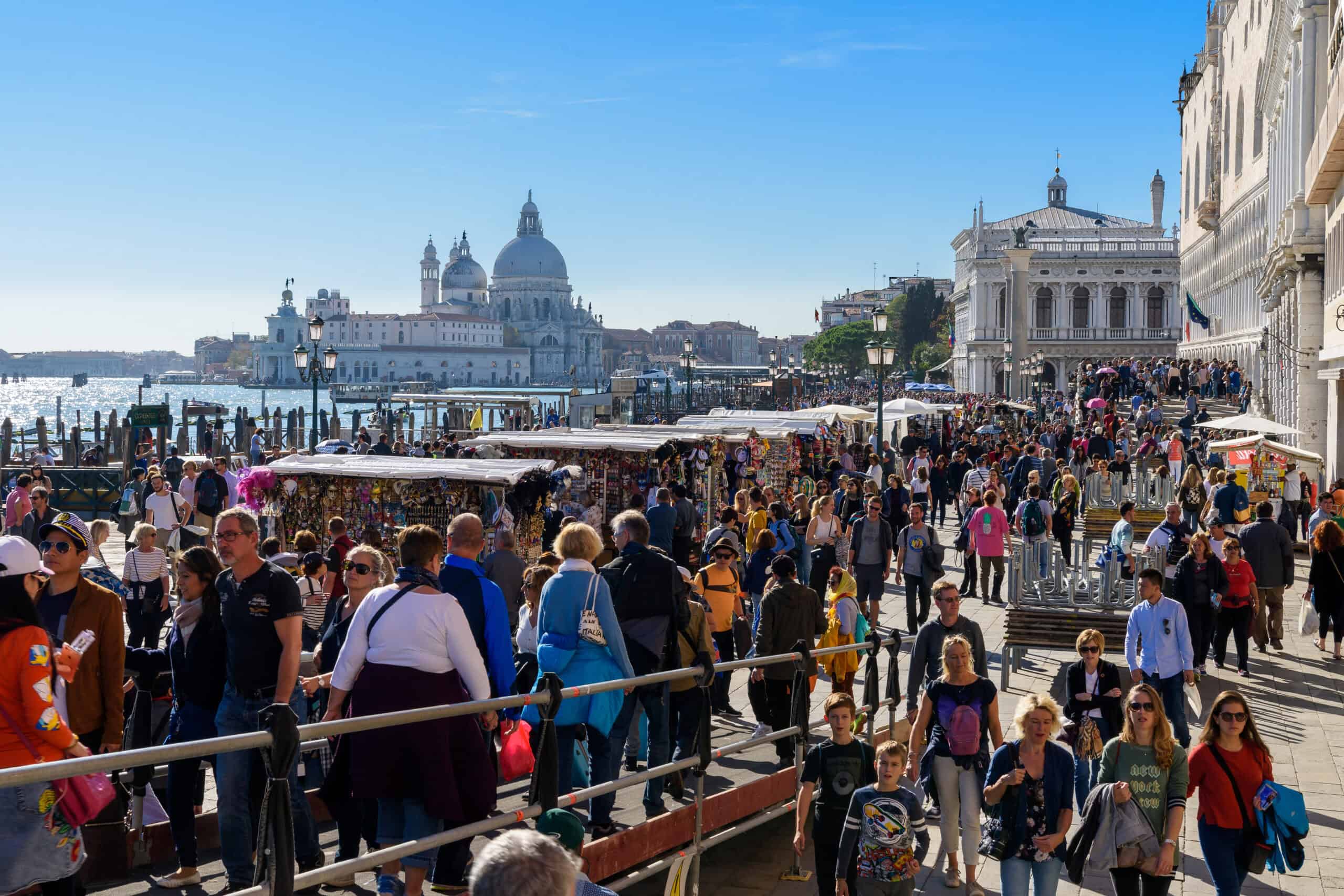
Separate from border laws, city halls across Europe are raising visitor taxes, adding per-night hotel levies, and experimenting with day-tripper fees in crowded destinations. Venice has already piloted a charge for short visits, and other hotspots are watching closely. By 2026, it is likely that more cities will fold small surcharges into hotel bills or digital tickets. The amounts are usually modest, but they shape where crowds move and how far a budget stretches in popular months.
7. Reservations Become Mandatory For More Experiences

The wave of timed entry systems that began with blockbuster museums is spreading to more sites, parks, and even central historic districts. Authorities see reservations as a way to prevent overcrowding and reduce strain on staff and infrastructure. For American travelers, that means fewer chances to just show up at a famous gallery, viewpoint, or island and hope for the best. Smart itineraries increasingly revolve around those reserved slots, with food and wandering built in around them.
8. Data Sharing And Security Screening Grow More Integrated
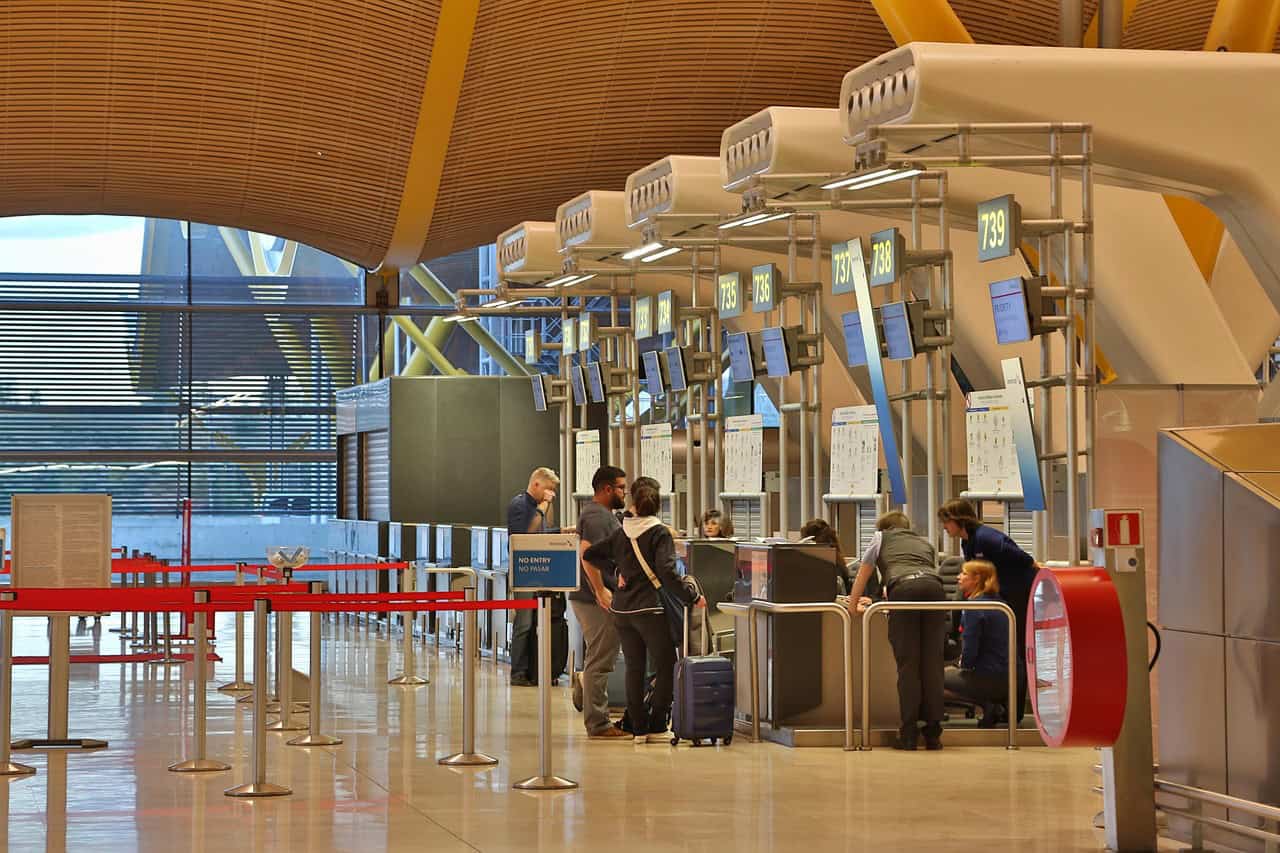
Behind the scenes, Europe is knitting together travel authorization databases, border records, and security watchlists. Airline passenger information feeds into these systems before anyone steps on an aircraft, allowing authorities to clear or flag individuals well ahead of arrival. Most travelers will never see the machinery working, but they may feel its effects in more targeted questioning, new forms at check-in, or occasional requests for extra information that once would have seemed excessive for a simple holiday.