We may earn money or products from the companies mentioned in this post. This means if you click on the link and purchase the item, I will receive a small commission at no extra cost to you ... you're just helping re-supply our family's travel fund.
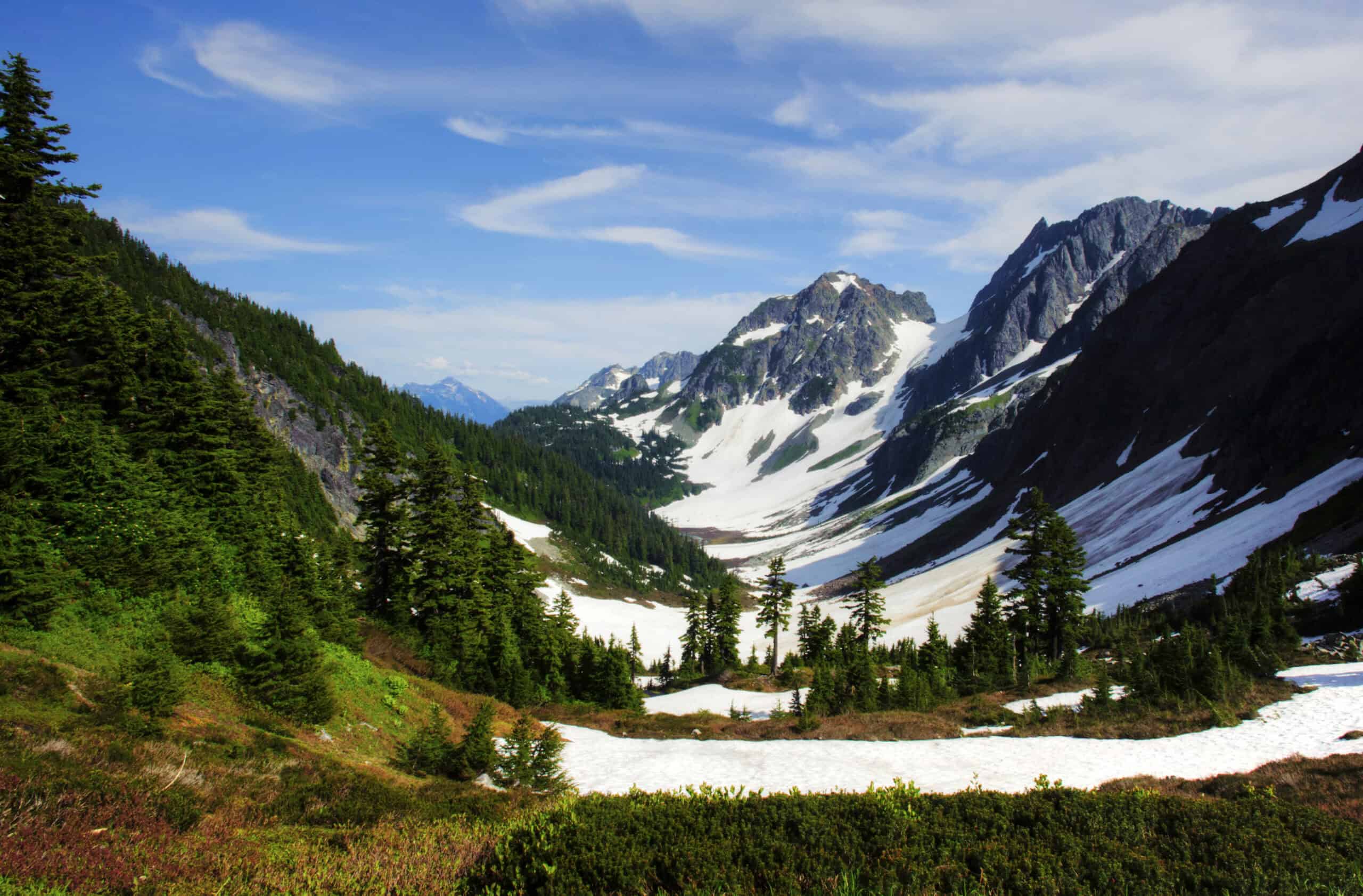
Yellowstone sets a high bar: wild animals, big horizons, and places where silence feels earned. Yet across the country, other parks offer the same mix of beauty and calm, sometimes with fewer people and a different kind of wonder. Some trade geyser basins for glaciers, some swap bison herds for island solitude, and some replace lodge crowds with stars bright enough to read by. These eight parks reward slower days, early mornings, and the simple relief of space. They also leave room for plans to breathe.
North Cascades National Park, Washington
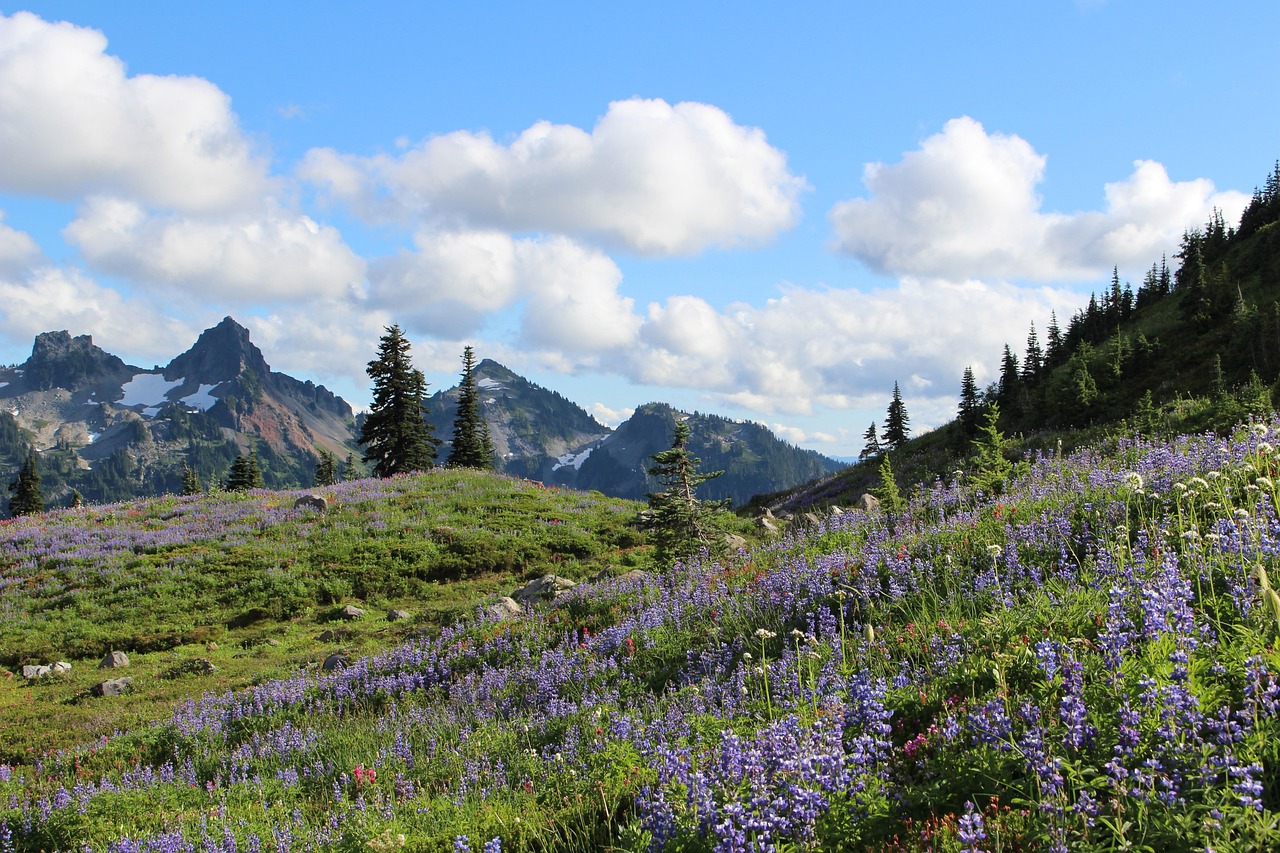
North Cascades feels like Yellowstone’s quiet cousin, trading geysers for jagged granite, turquoise water, and ice-blue crevasses. Crowned by more than 300 glaciers, the park complex stacks scenery fast: cedar valleys, roaring falls, and ridgelines that look freshly cut, even from roadside overlooks along Highway 20. Visitation is famously low for a national park, so calm is easy to find near Diablo and Ross lakes, on Cascade Pass, or on larch-lined trails in early fall, where marmots whistle from talus and the air smells like fir needles.
Isle Royale National Park, Michigan
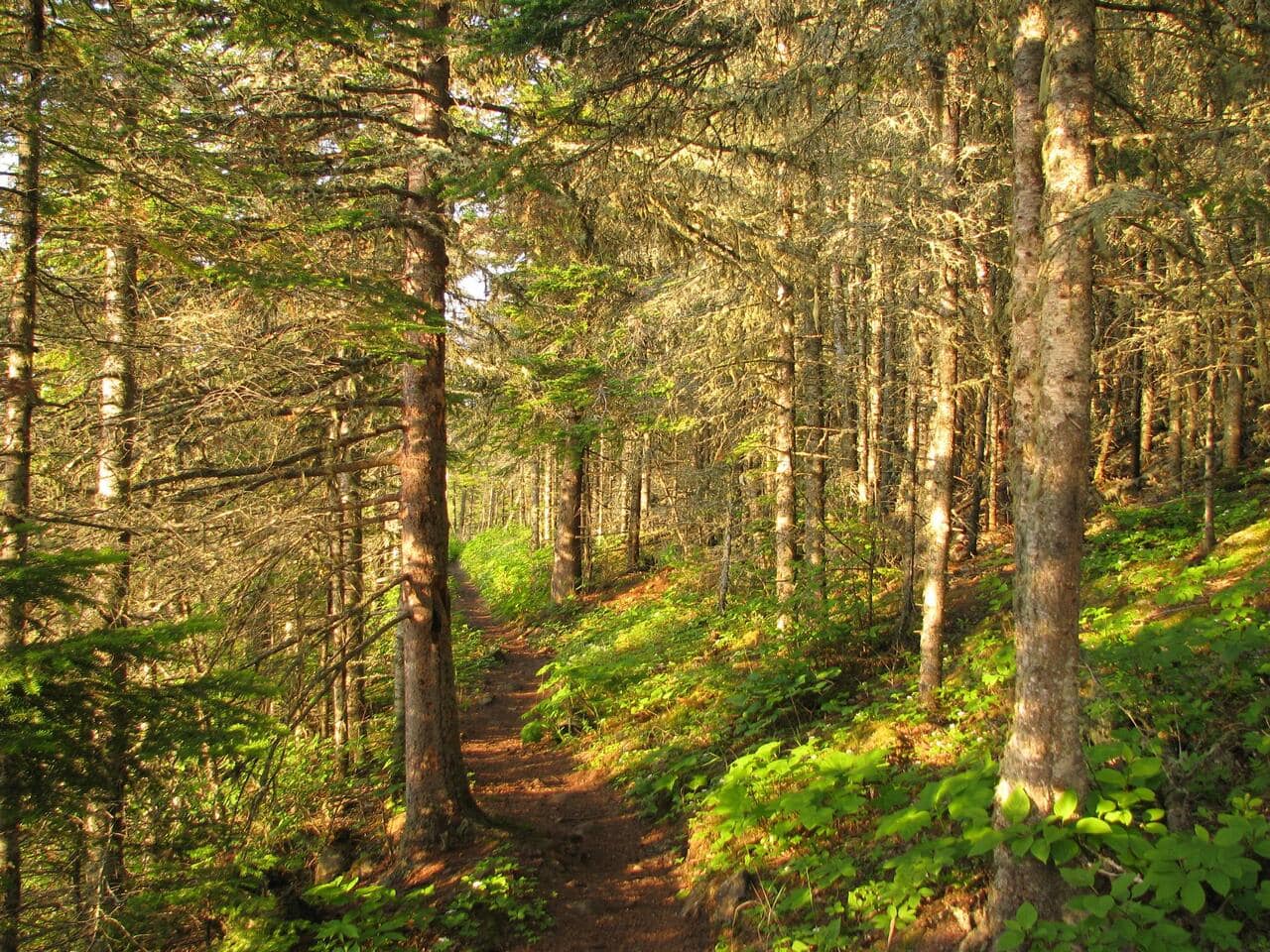
Isle Royale is a wilderness of water and rock in Lake Superior, reachable only by boat or seaplane, which naturally filters the crowd before the first step hits a trail. The reward is steady quiet: spruce shorelines, hidden coves, and long footpaths where wind and waves do most of the talking, broken only by loons, a distant paddle, or the creak of a dock line. NPS visitation records keep Isle Royale among the least visited parks, and with no cars on the island, days settle into hikes and portages, quiet canoe water, and foggy mornings where the horizon disappears and every plan softens.
Great Basin National Park, Nevada
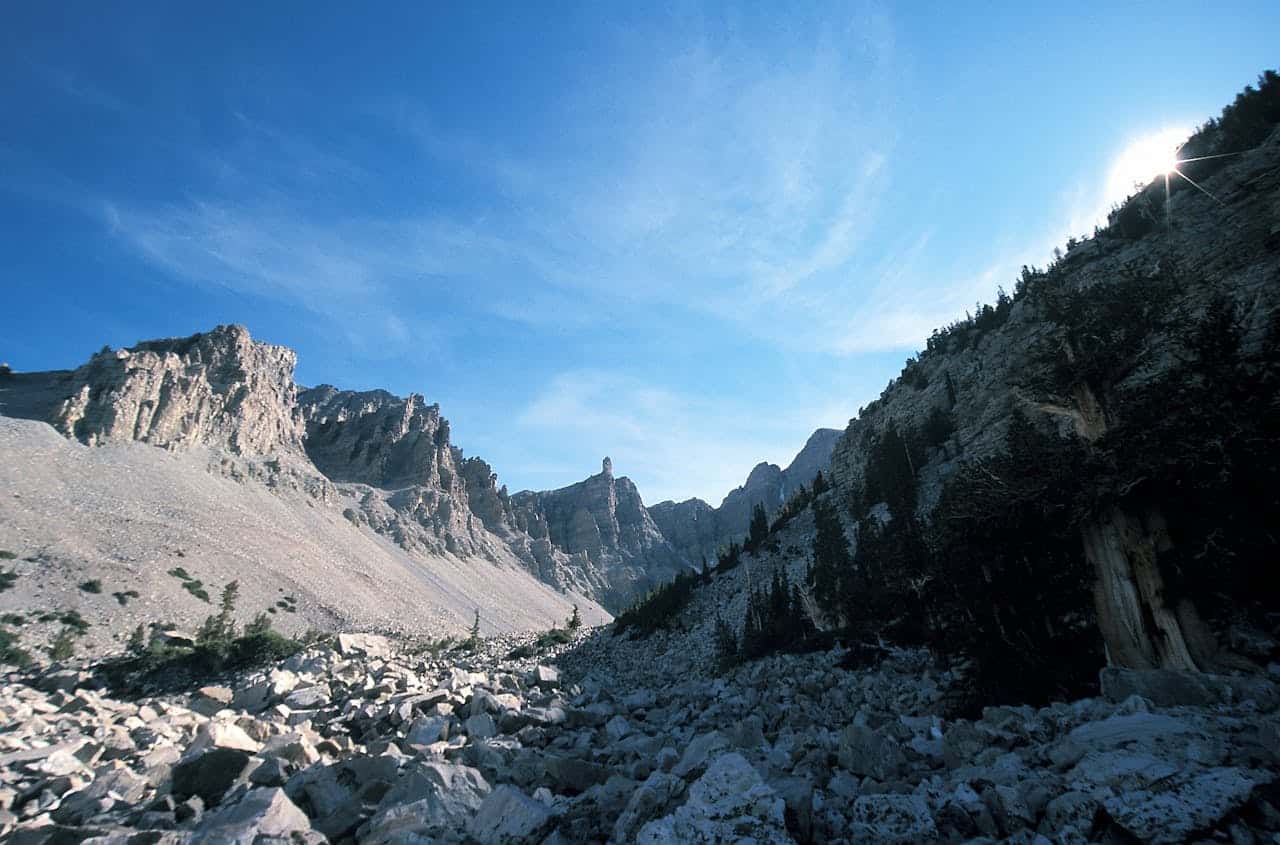
Great Basin rarely needs hype, because solitude is built into the drive, the dry air, and the sudden shock of alpine terrain rising from open desert. Ancient bristlecone pines, high-elevation lakes, and Wheeler Peak views share space with Lehman Caves, and the park’s quiet feels unforced, more like a pause than an attraction. With long distances between services and a small gateway town, crowds stay light, mornings feel crisp and empty on trail, and nights become the main event, dark enough for serious stargazing, plus bristlecones that can reach 4,700 plus years for perspective.
Capitol Reef National Park, Utah
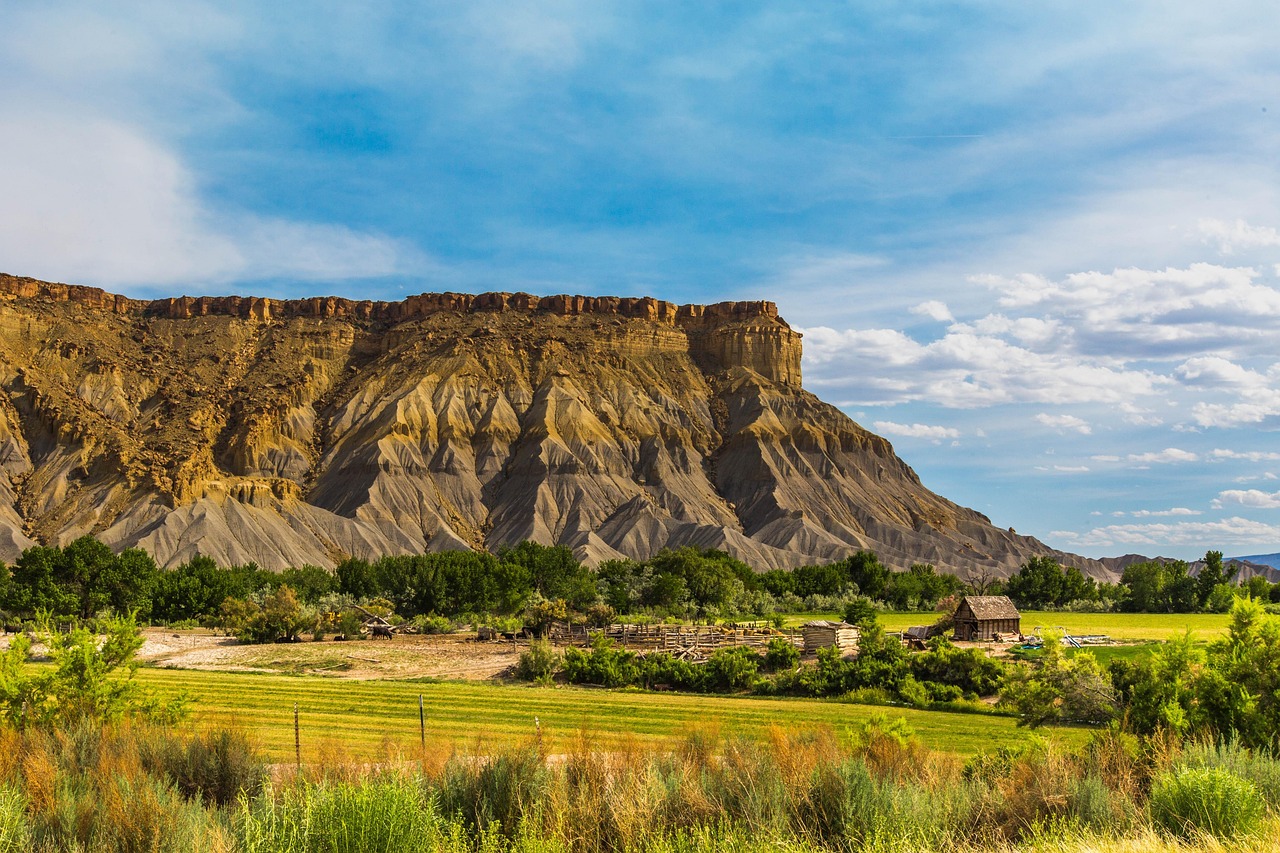
Capitol Reef delivers Utah red-rock drama with fewer shoulder-to-shoulder moments than the state’s headline parks, so the scenery can be absorbed at a slower pace. The Waterpocket Fold, a geologic wrinkle running nearly 100 miles, shapes cliffs, canyons, domes, and slickrock into a landscape that feels both wild and roomy, especially when sun angles carve deep shadows. Quiet settles in quickly on Scenic Drive pullouts, along Capitol Gorge, or on backroads toward Cathedral Valley, and Fruita’s orchards add a gentle human thread without turning the place into a spectacle.
Lassen Volcanic National Park, California
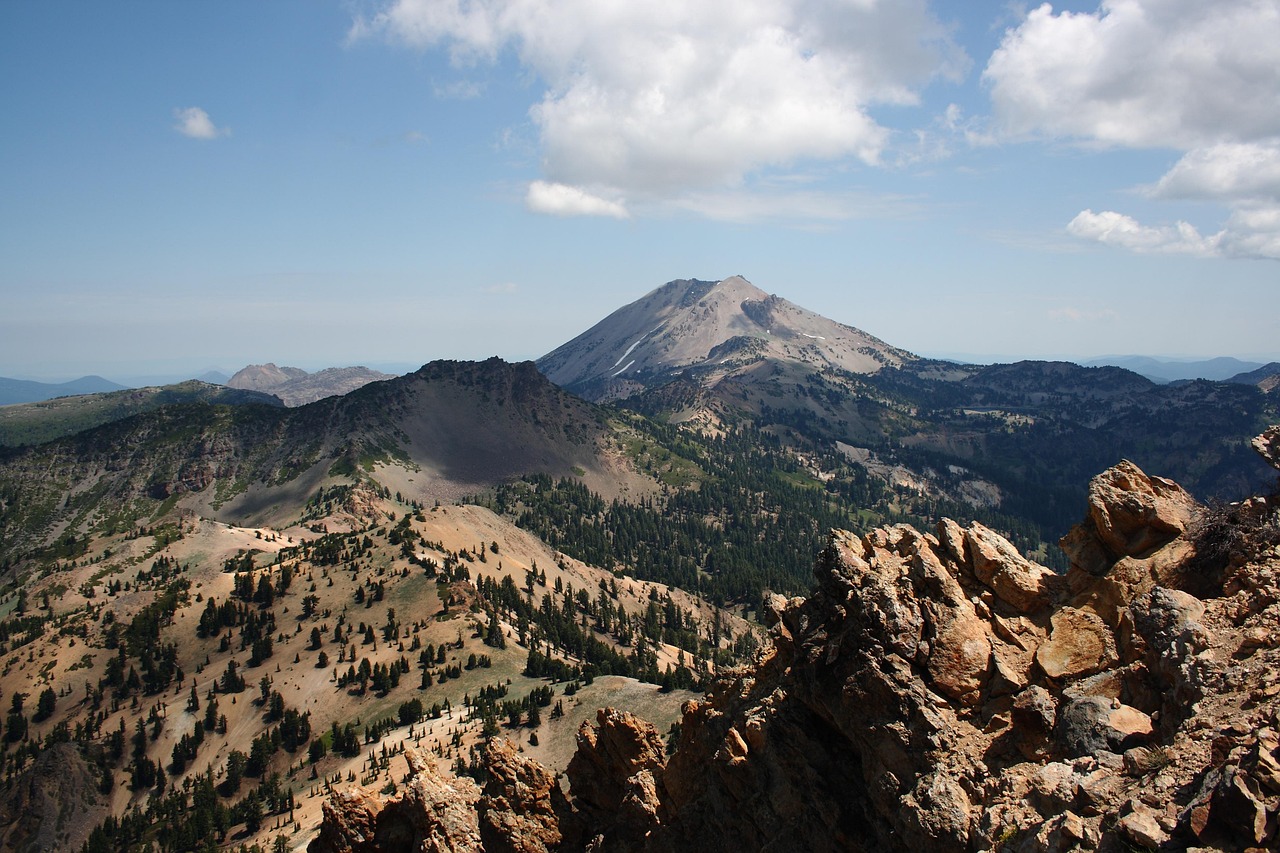
Lassen offers the Yellowstone thrill of heat and steam, but often without the same crowd pressure, which changes the whole mood of a hydrothermal walk. Roaring fumaroles, thumping mud pots, and boiling pools sit close to meadows and clear lakes, so a day can move from sulfur-scented basins to quiet forest in minutes, with volcanic scars visible in the skyline. USGS notes that all four volcano types found worldwide are represented here, and outside midsummer weekends the park’s short drives and mellow trails feel unhurried, leaving room to linger and simply listen to the ground hiss.
Olympic National Park, Washington
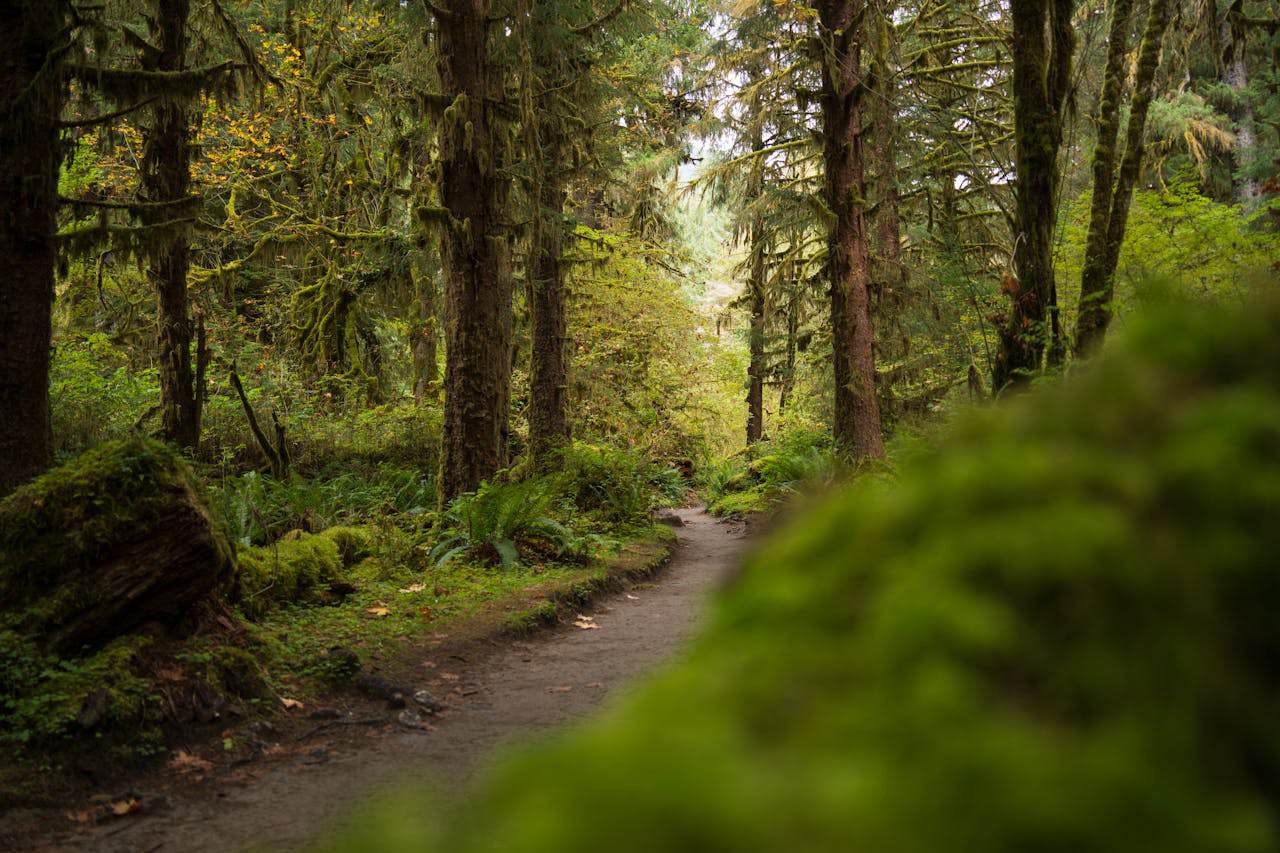
Olympic feels like several parks stitched together: glacier-capped mountains, old-growth temperate rain forests, and over 70 miles of wild coastline, all within a single boundary. Nearly a million acres of protected land spreads visitors across very different ecosystems, so tranquility often comes from choosing one region and staying with it, letting weather and tides set the pace. A mossy forest walk in the Hoh or Quinault can feel like entering a green cathedral, while Hurricane Ridge viewpoints or beach trails like Rialto and Ruby deliver wide horizons, driftwood, and surf hush that rivals Yellowstone’s far valleys.
Grand Teton National Park, Wyoming
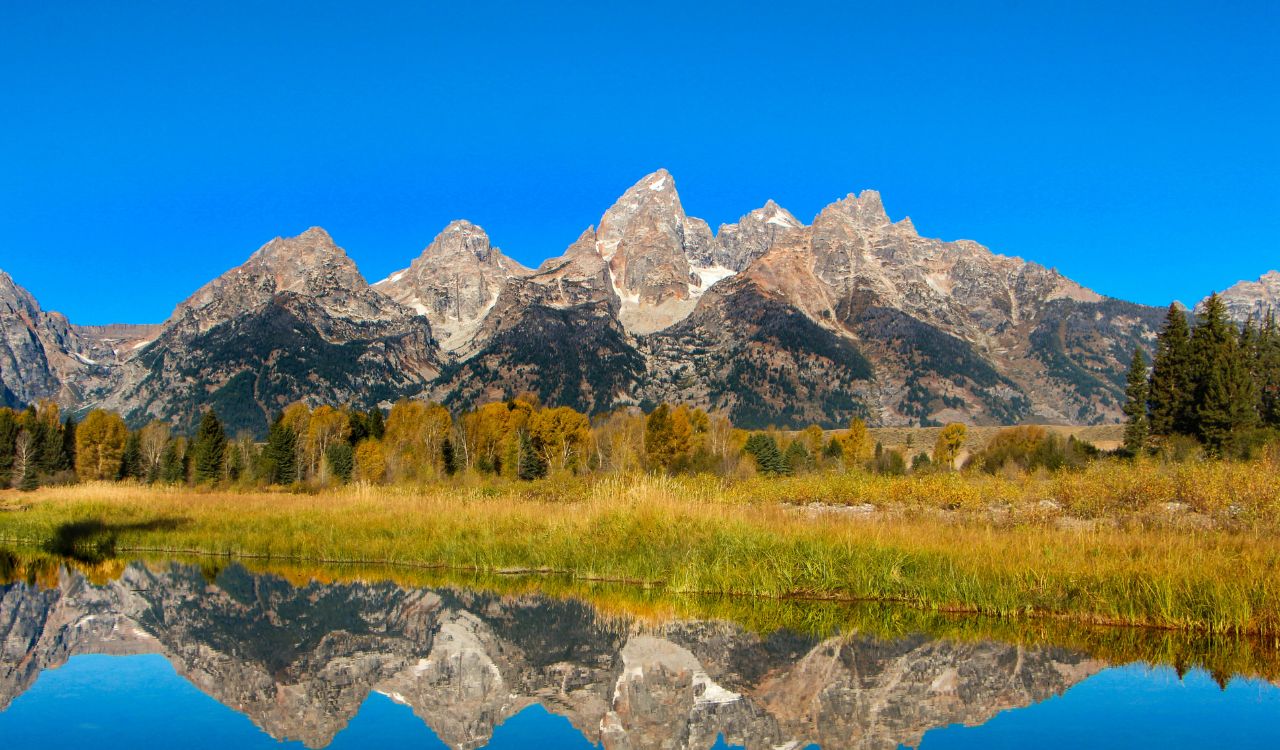
Grand Teton rivals Yellowstone for wildlife and big-sky drama, yet it often feels more open, with long lake shores and sage flats that invite lingering and wide-angle silence. The Teton Range rises abruptly from Jackson Hole, and the contrast between sharp peaks and calm water creates a quiet intensity that holds attention without needing spectacle. Calm is easiest at dawn at Oxbow Bend or Schwabacher Landing, then again on quieter edges like the Snake River corridor, where bison graze, ospreys hunt, and the day begins without urgency.
Wrangell–St. Elias National Park and Preserve, Alaska
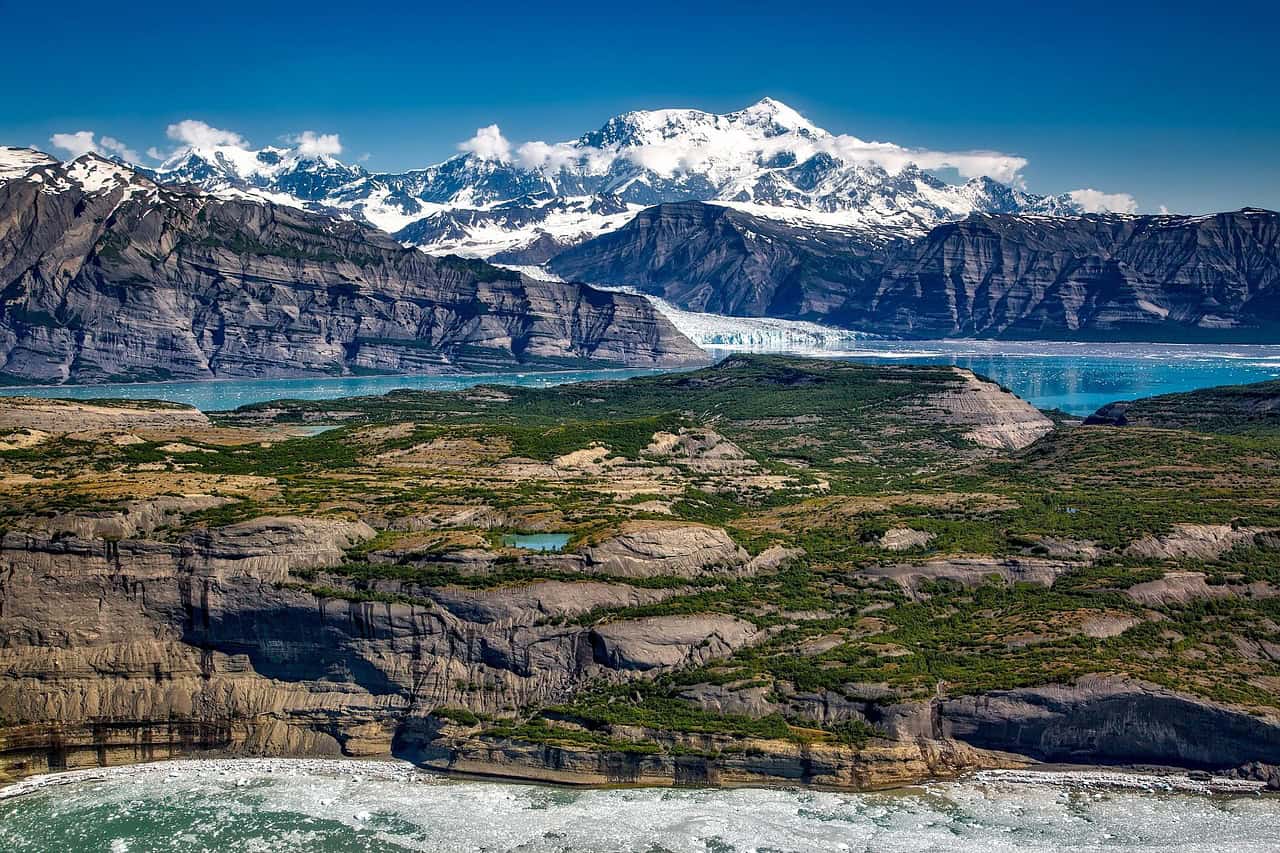
Wrangell–St. Elias is scale in its purest form, with huge mountains, active volcanoes, and the nation’s largest glacial system inside park boundaries. Glaciers cover a major share of the parklands, and the area sits within a UNESCO-recognized complex of glaciers and high peaks, so the landscape reads as raw and immense. With limited roads, visits feel earned: time near Kennecott and Root Glacier, then long pauses beside braided rivers and tundra slopes where weather sets the schedule, distances feel honest, and silence stretches as far as the view.