We may earn money or products from the companies mentioned in this post. This means if you click on the link and purchase the item, I will receive a small commission at no extra cost to you ... you're just helping re-supply our family's travel fund.
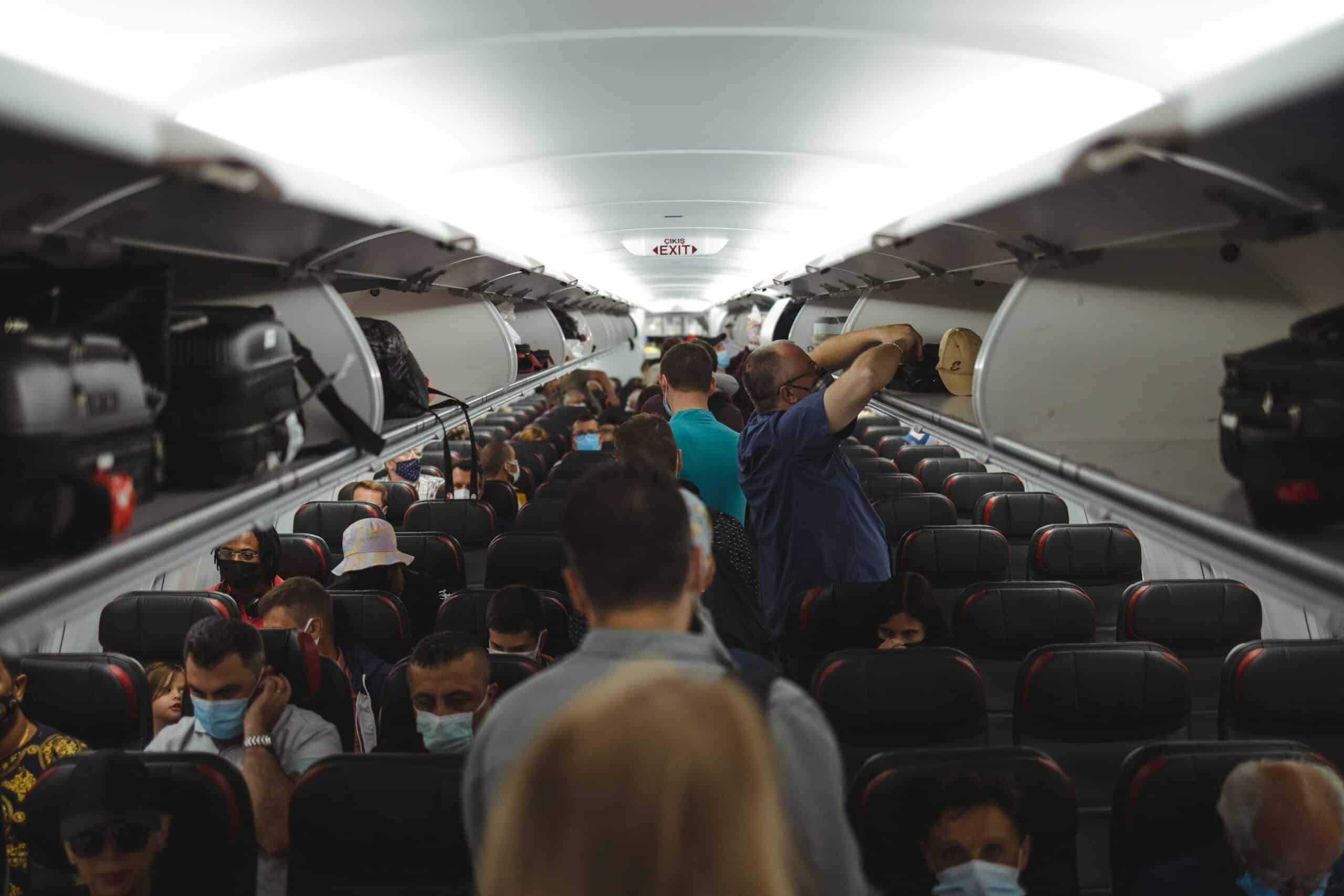
Air travel turns a narrow cabin into a shared living room, where small choices ripple fast. Etiquette coaches often say the goal is simple: protect other passengers’ space, sleep, and sanity, while making life easier for the crew. Most friction comes from moments that feel minor alone, like a backpack in the aisle or a loud clip at six a.m., but add up across a full flight. When habits shift toward awareness, boarding moves smoother, seats feel less cramped, and arrivals carry less stress than the departure gate ever promised.
Don’t Block The Aisle While Settling In
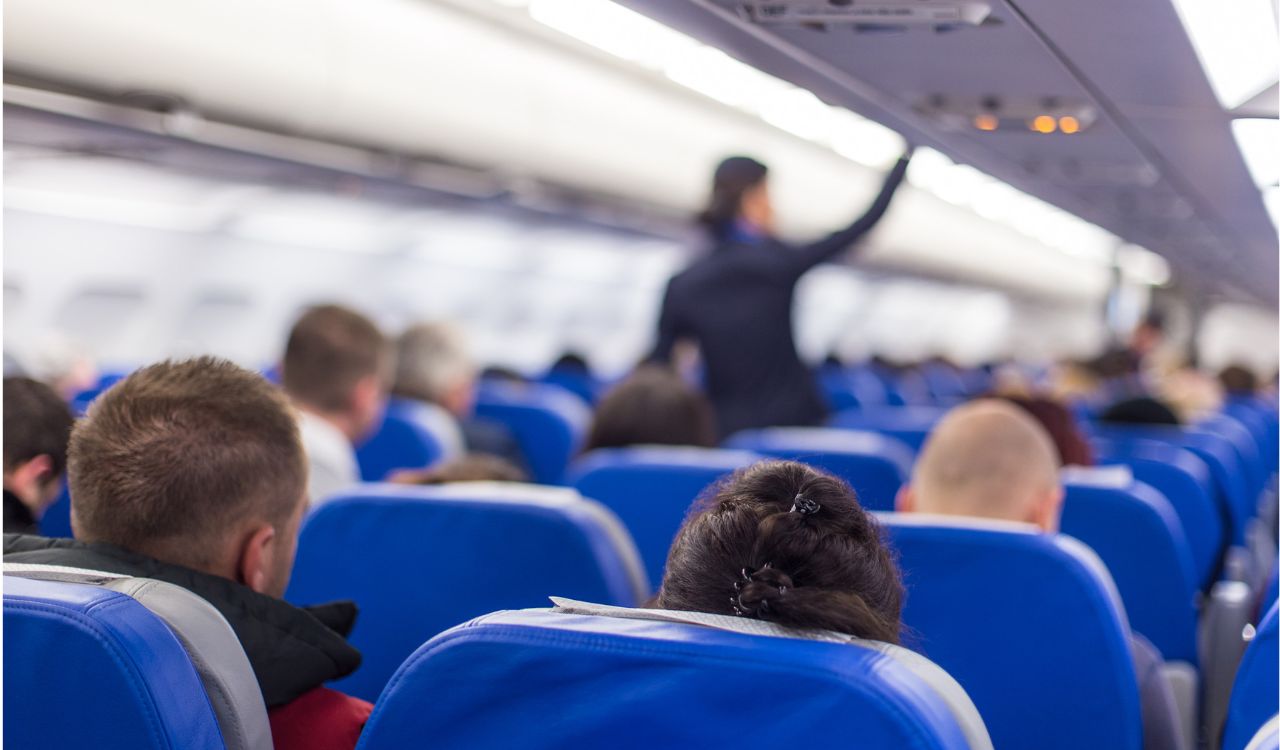
The quickest way to stall boarding is to stop in the aisle and build a mini camp while the line stacks up behind. Etiquette coaches suggest sliding fully into the row first, letting others flow past, placing the bigger bag overhead then tucking jackets and smaller items under the seat so knees and elbows stay clear. If a zipper jams or a seatmate needs to pass, a calm pause and a quick sorry helps, but the full re-pack, snack sorting, and seat-pocket organizing can wait until wheels-up, when the aisle is no longer a traffic lane and bumps are less likely in practice, a habit that keeps boarding polite and lowers the odds of a late door close.
Stop Treating The Overhead Bin Like Personal Storage
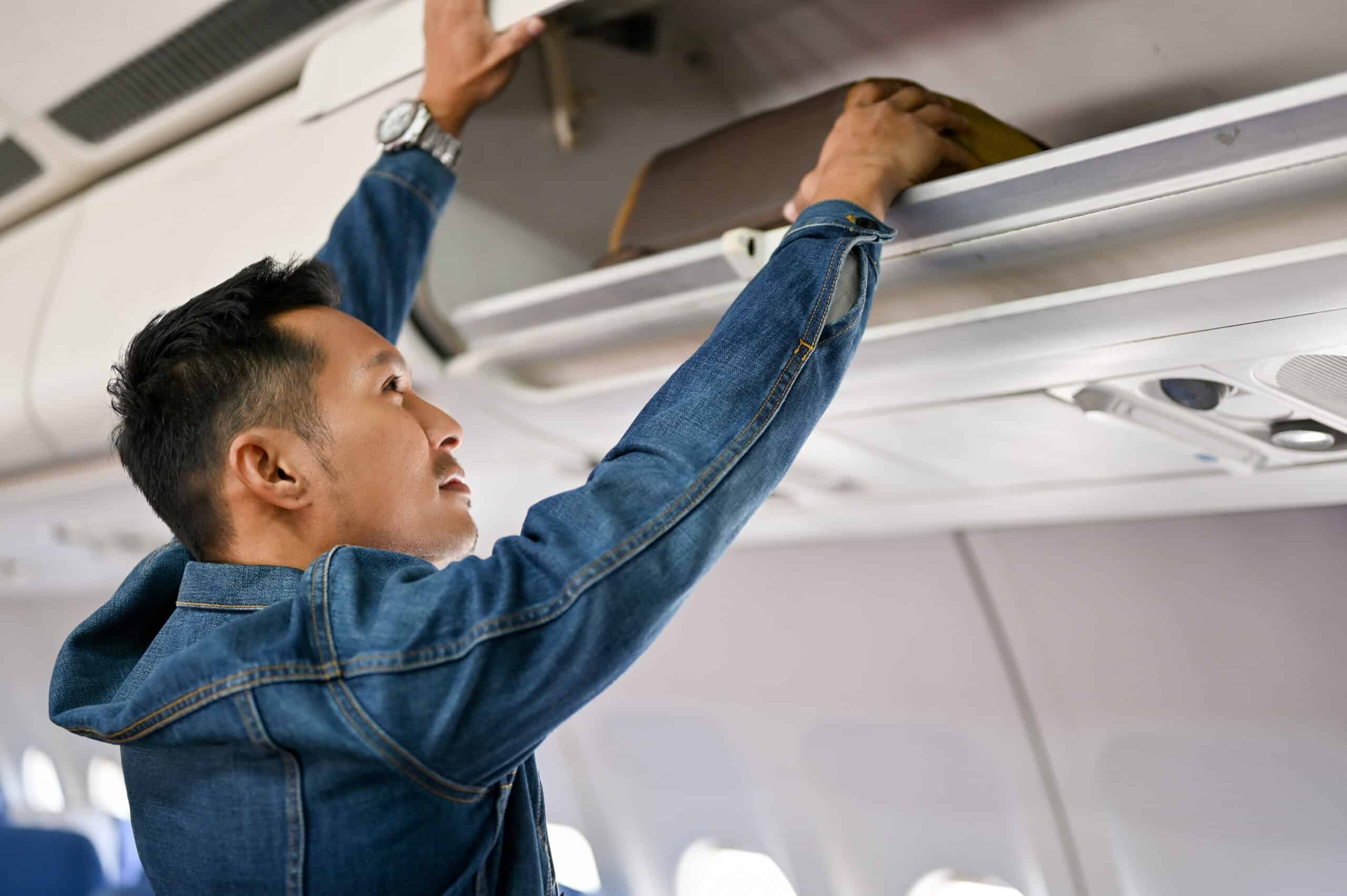
Overhead space is shared, yet flights often start with one traveler spreading coats, shopping bags, and tiny purses across an entire compartment. Etiquette coaches advise placing only the largest carry-on up top, sliding it wheels-first, and keeping a small personal item under the seat so the bin still serves the row, not one person, especially on full flights. When a bin is already full, shifting someone else’s bag without asking creates instant tension, so the politer move is to ask the crew, take the nearest open spot, close the door gently, and keep boarding from turning into a noisy scavenger hunt with gate-check tags at the last minute.
Quit Claiming Both Armrests And Spilling Into Neighbors
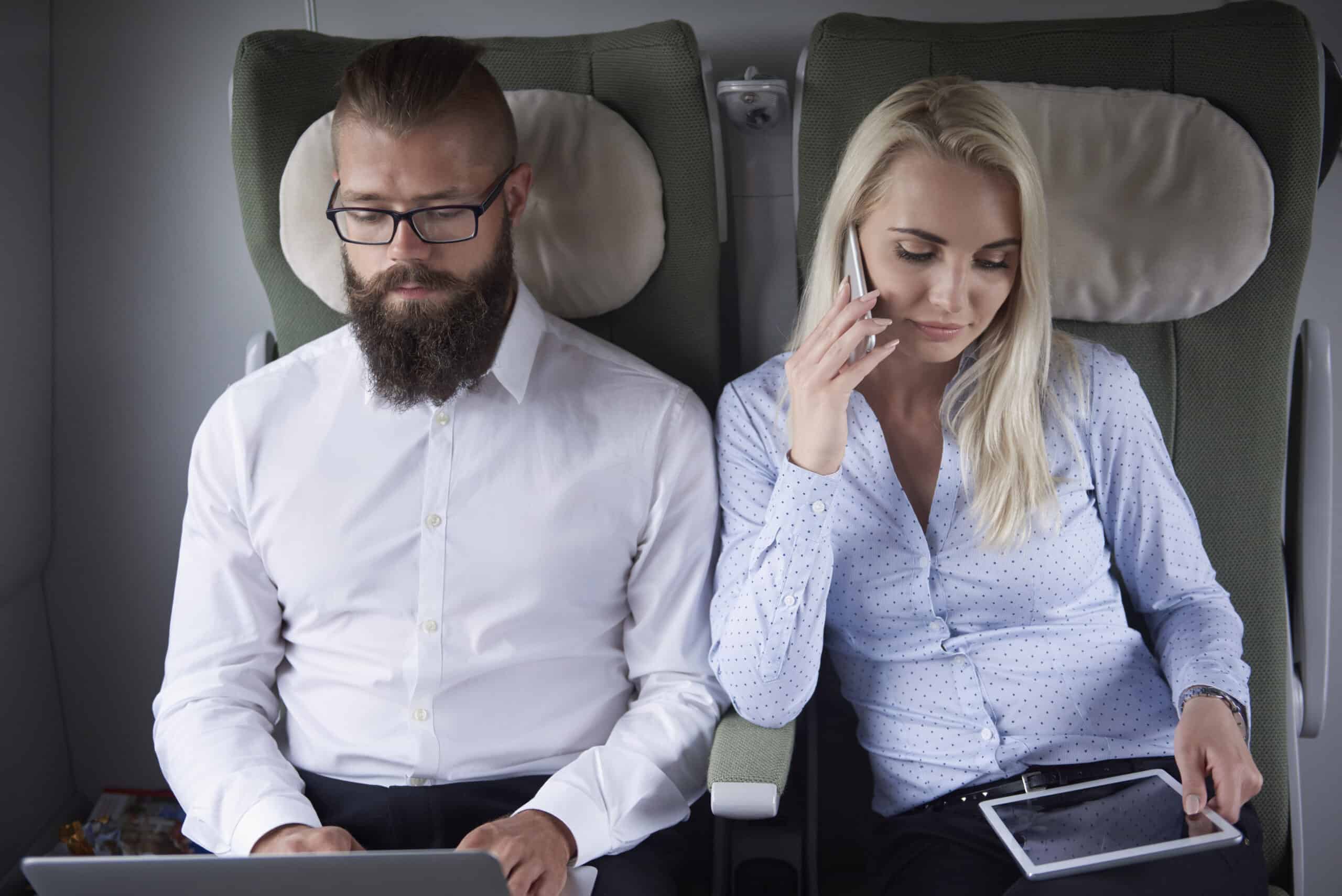
Seat width is fixed, so comfort has to come from boundaries, not expansion into the next person’s space and small spillovers soon feel personal. Etiquette coaches often frame armrests as a fairness issue: the middle seat gets both, aisle and window seats keep one, and elbows stay in during meals, typing, and scrolling, even when turbulence makes bodies drift. Keeping knees aligned, bags out of footwells, and shoulders inside the armrest line matters even more on narrow-body aircraft, because constant contact turns a long flight into a slow irritation that neither passenger can escape, especially on flights over three hours, in tight quarters.
Avoid Reclining Without A Quick Check Behind
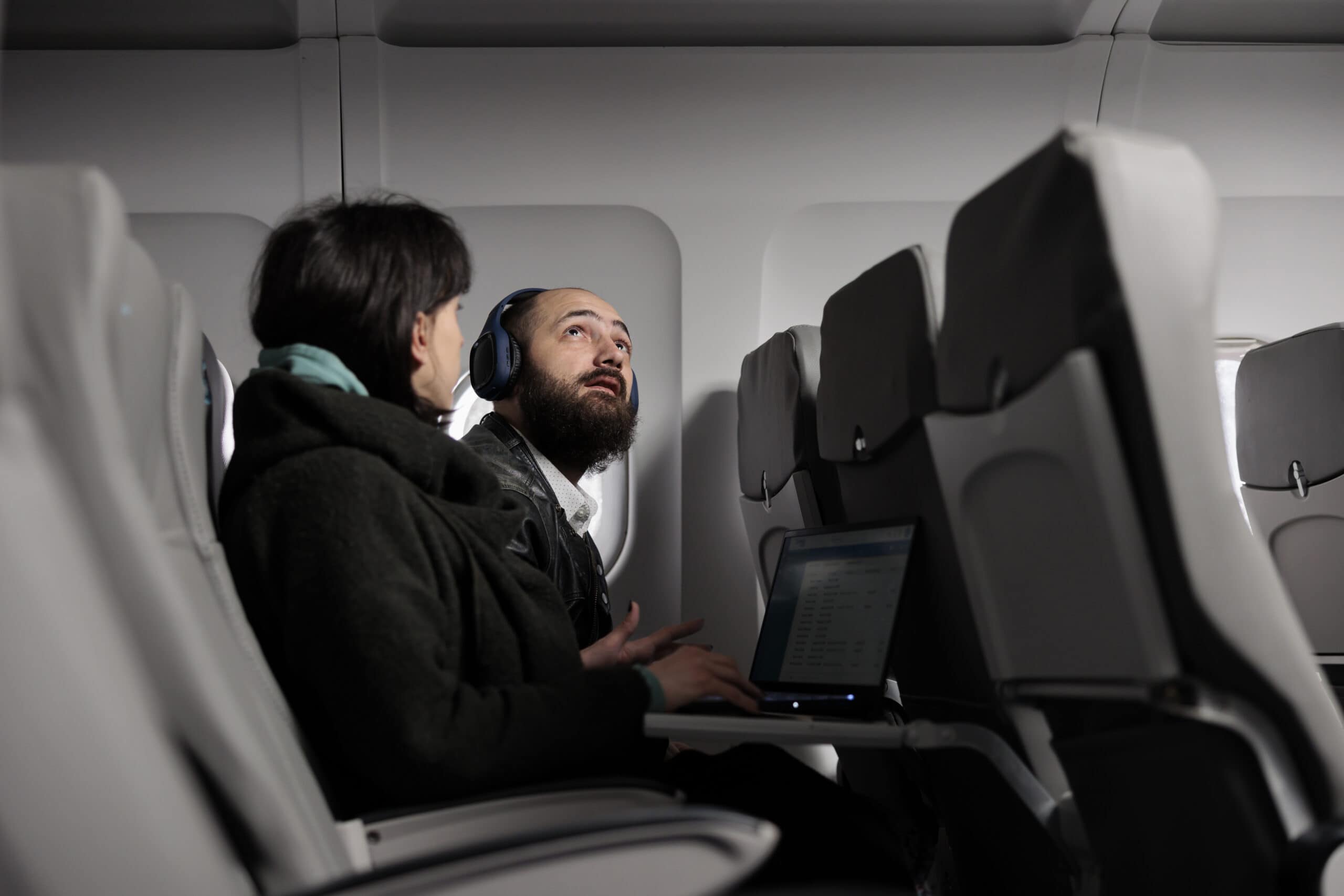
Reclining is allowed, but snapping the seat back turns a normal feature into a jolt for the passenger behind, especially during drink and tray service. Etiquette coaches suggest a brief glance back, a light touch on the seat top, and a slow recline, pausing if a laptop is open, a cup sits near the hinge point, or knees are pressed close, because damage and spills spark conflict fast. On overnight routes, timing matters as much as motion, so many coaches recommend waiting until after the main meal, reclining in small increments, and returning upright for meals, updates, and landing so others are not trapped behind a wall of fabric and plastic.
Stop Playing Audio Out Loud Or Taking Calls On Speaker
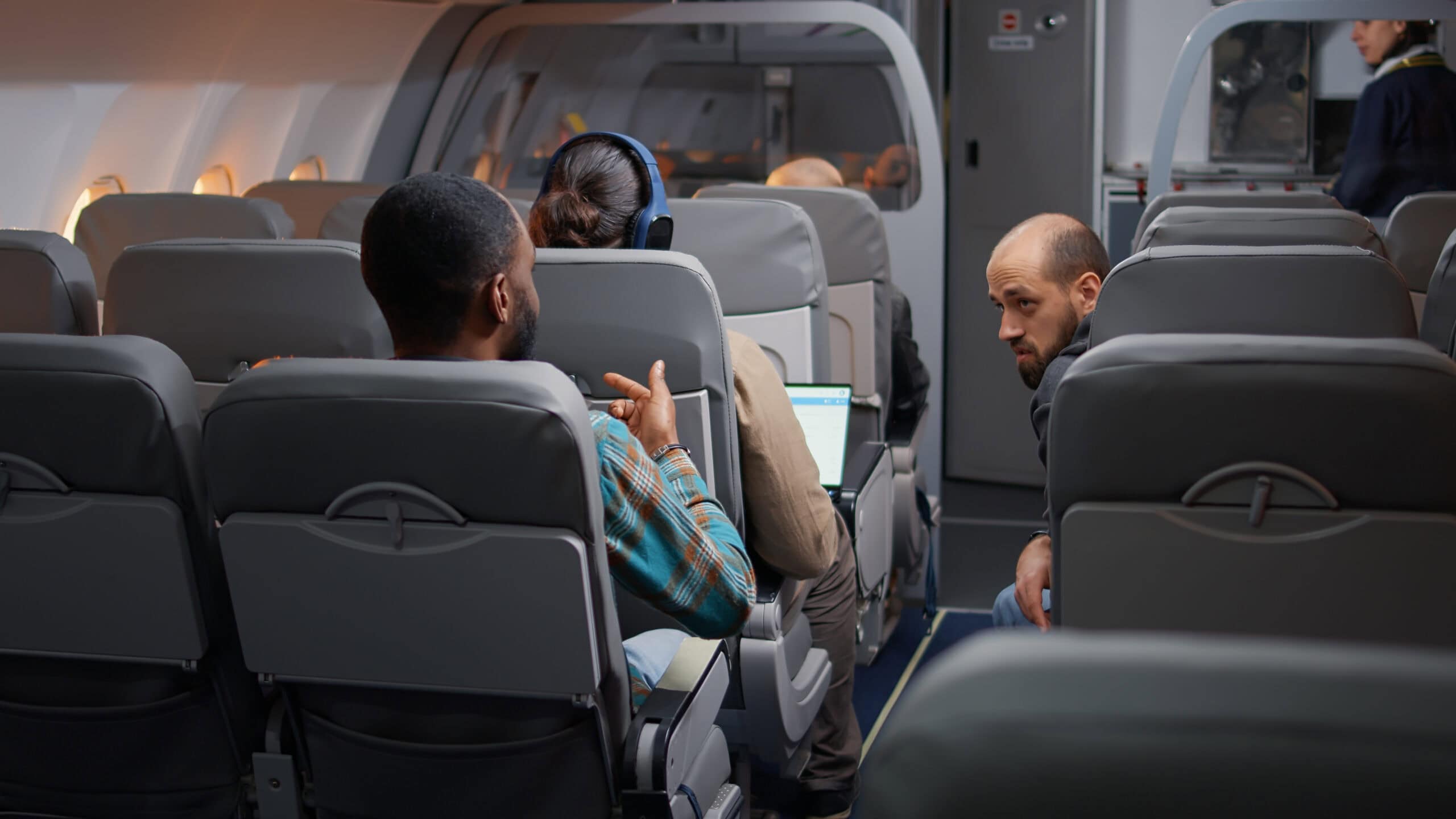
Cabin noise is already high, and adding a video soundtrack or a long call forces nearby rows into a conversation they never agreed to join. Etiquette coaches recommend headphones, closed captions, and short messages instead of calls, plus a softer speaking voice when quick coordination is unavoidable, at the gate, during boarding, or after landing. Speakerphone chats, loud games, and notification chimes are common triggers for conflict, so keeping volume low, using airplane mode, and dimming screens on early flights helps tired passengers rest, keeps children calmer, and lets the crew focus on safety, not policing manners for the whole cabin.
Don’t Go Barefoot Or Do Personal Grooming In The Seat
Long flights can make shoes feel unbearable, but bare feet, strong odors, and clipped nails turn a private routine into shared air and space, and cabin floors are not clean. Etiquette coaches say socks should stay on, shoes should go back on for restroom trips, and any grooming belongs in the lavatory, not on a tray table, armrest, or aisle seat edge, with lotions and nail polish kept sealed. Hand sanitizer after bathroom breaks, a fresh pair of socks, and keeping blankets off the floor are small moves that protect neighbors’ comfort, help crew maintain hygiene standards, and prevent lingering disgust long after landing, for seatmates nearby.
Skip Strong Scents And Messy, Pungent Food
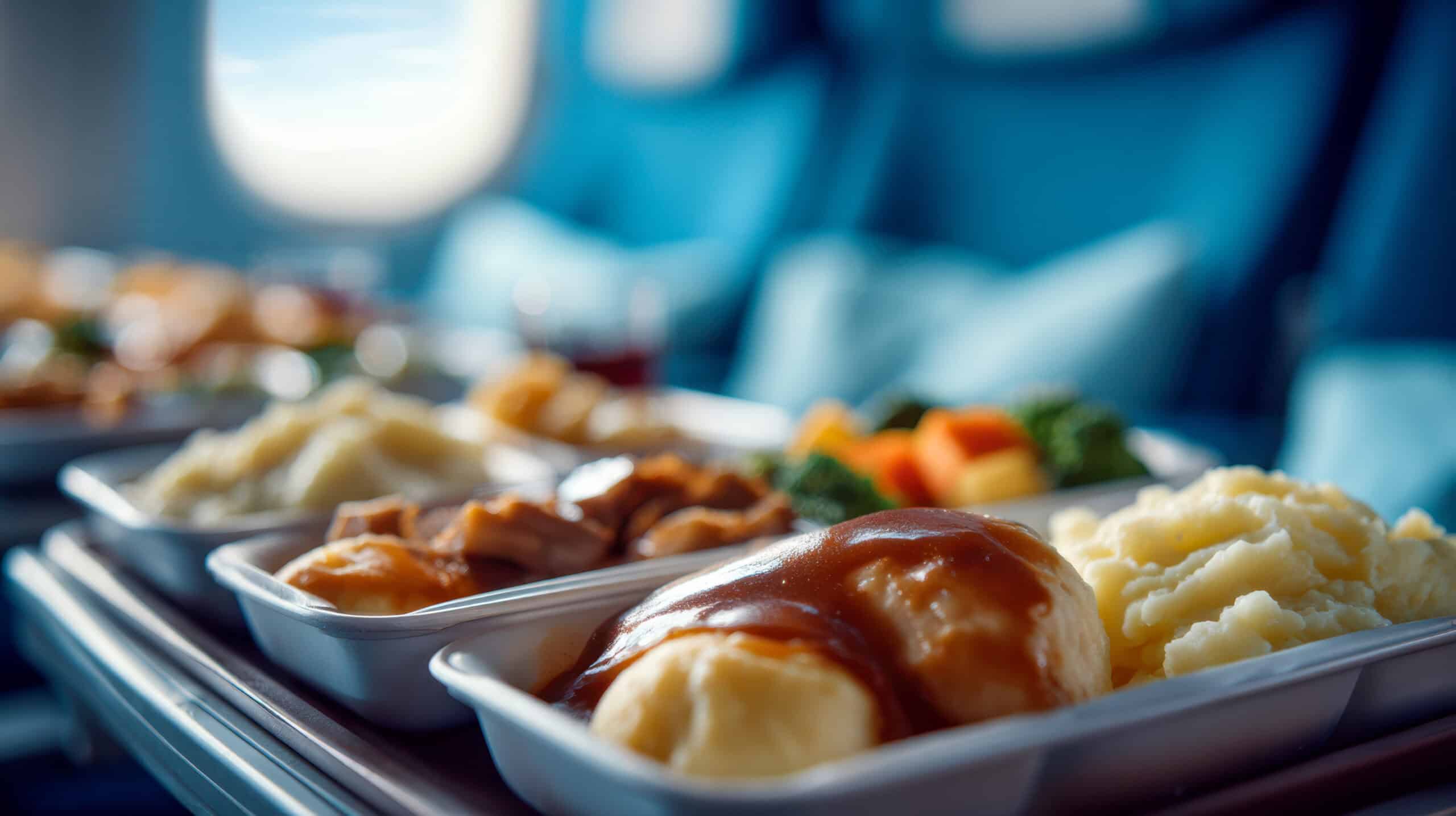
Fragrance and food odors behave differently at 35,000 feet, spreading fast through a pressurized cabin where some passengers live with migraines, nausea, or allergies. Etiquette coaches suggest skipping heavy perfume or cologne, choosing less messy foods, and sealing wrappers and trash quickly so smells and crumbs do not linger in seatback pockets, on tray latches, or in shared cup holders. When a meal has a strong aroma, keeping it contained, wiping hands, and avoiding crumb trails on the armrest and floor matters because seatmates cannot step away for long, and the cabin has to feel livable from takeoff to touchdown, for hours at a stretch.
Stop Rushing The Aisle The Second The Plane Stops
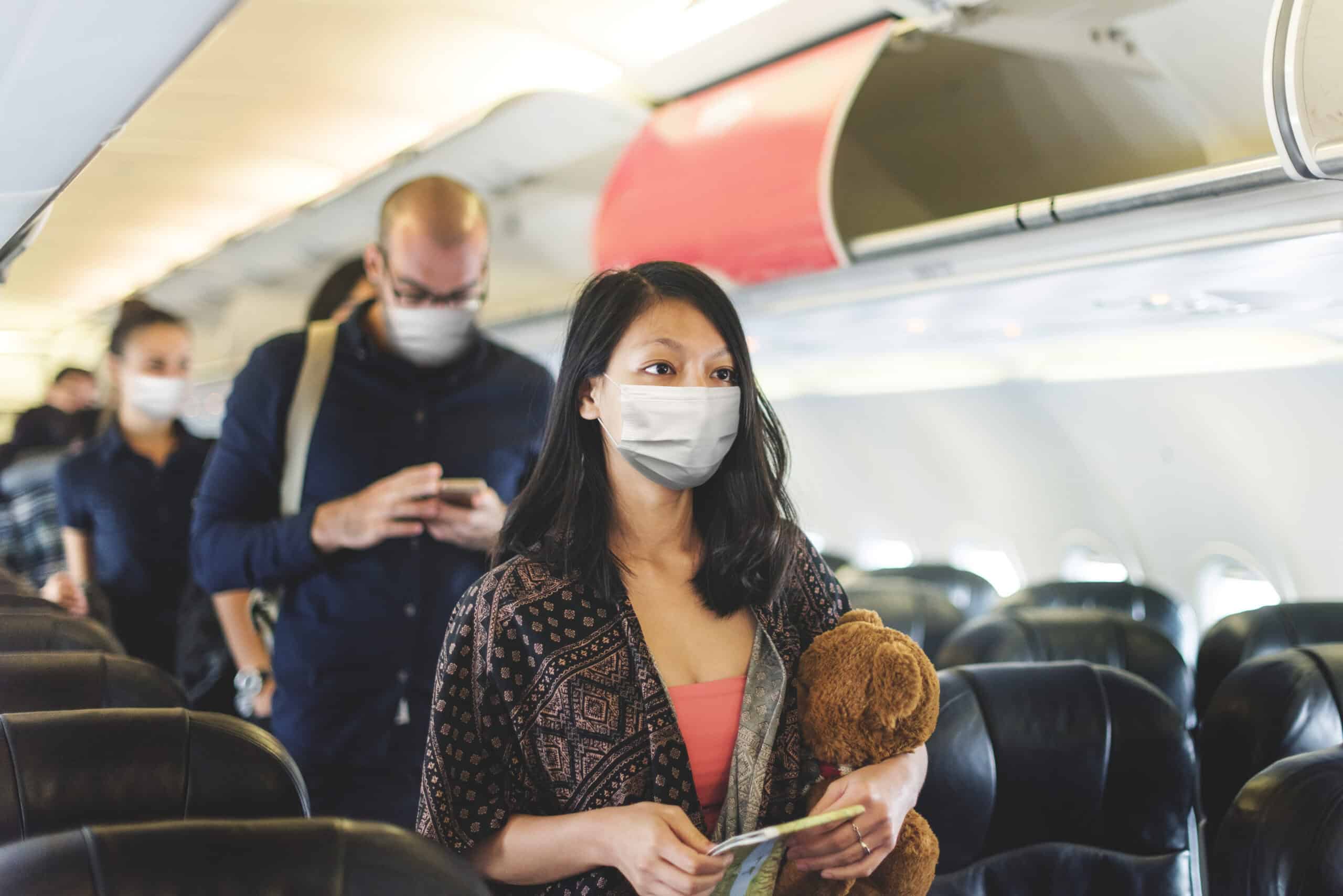
Standing the moment the wheels stop can feel efficient, yet it compresses the aisle, bangs carry-ons into shoulders, and blocks passengers who truly need extra time to gather gear. Etiquette coaches recommend staying seated until the row’s turn arrives, keeping elbows and backpacks out of faces, and letting tight connections, elders, and parents with strollers move first when space opens. Keeping essentials ready helps, but jumping up before the seatbelt sign clears adds risk, so waiting reduces bumps, supports crew control, and keeps the final minutes calm, because an orderly exit is usually faster, once the door is open, than a crowd surge.