We may earn money or products from the companies mentioned in this post. This means if you click on the link and purchase the item, I will receive a small commission at no extra cost to you ... you're just helping re-supply our family's travel fund.
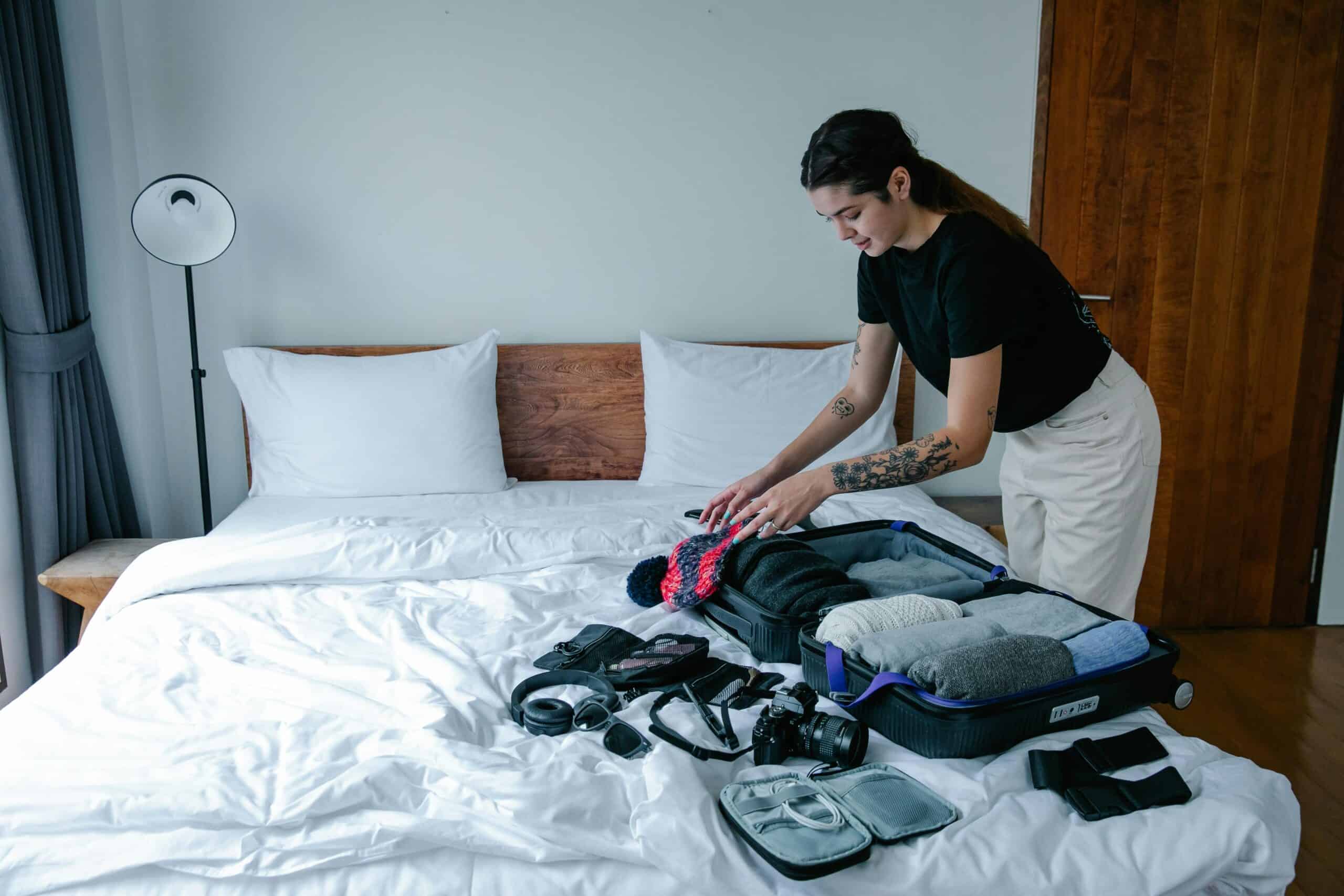
A smooth trip rarely comes from luck. It comes from small tools that keep plans moving when Wi-Fi drops, bags wander, water quality is unclear, or a late arrival turns into a dark stairwell and a closed front desk. In 2026, travel is more app-driven, which means the failure points are easier to predict. The best gadgets are not flashy. They protect power, identity, hydration, sleep, and navigation, so minor setbacks stay minor and the day still belongs to the journey.
Power Bank With USB-C PD
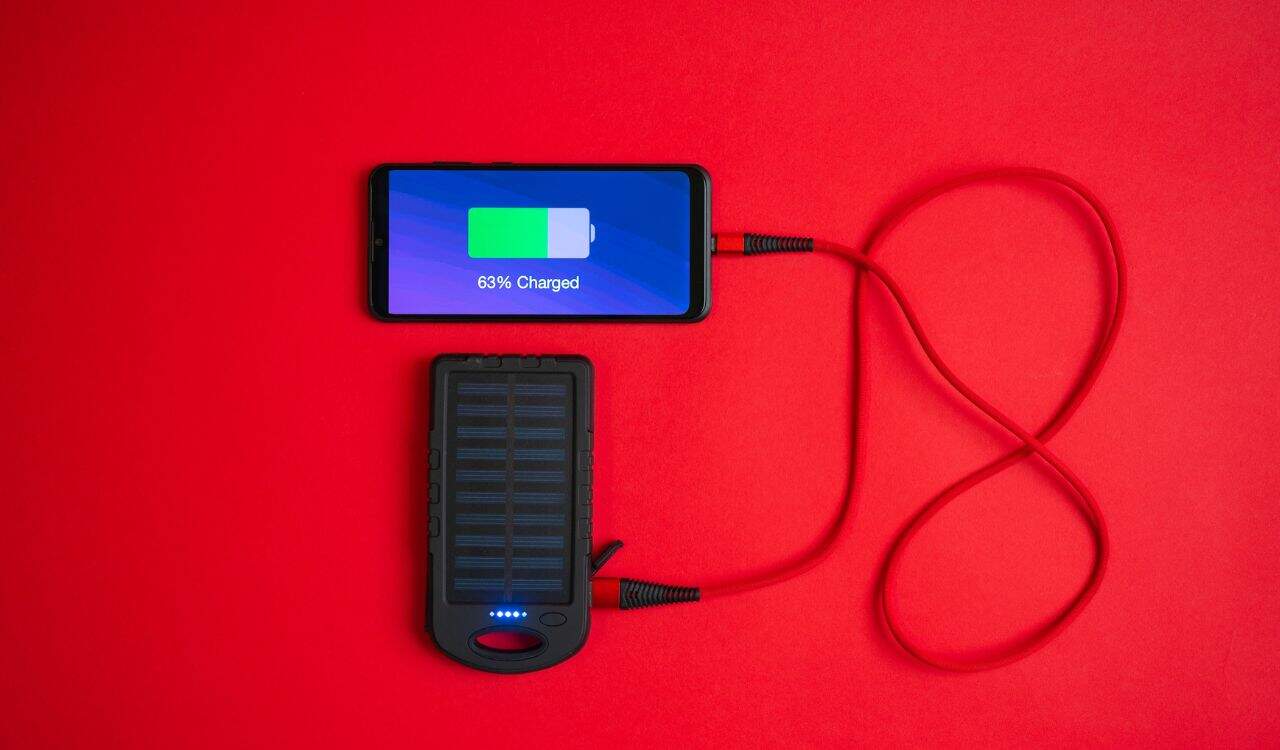
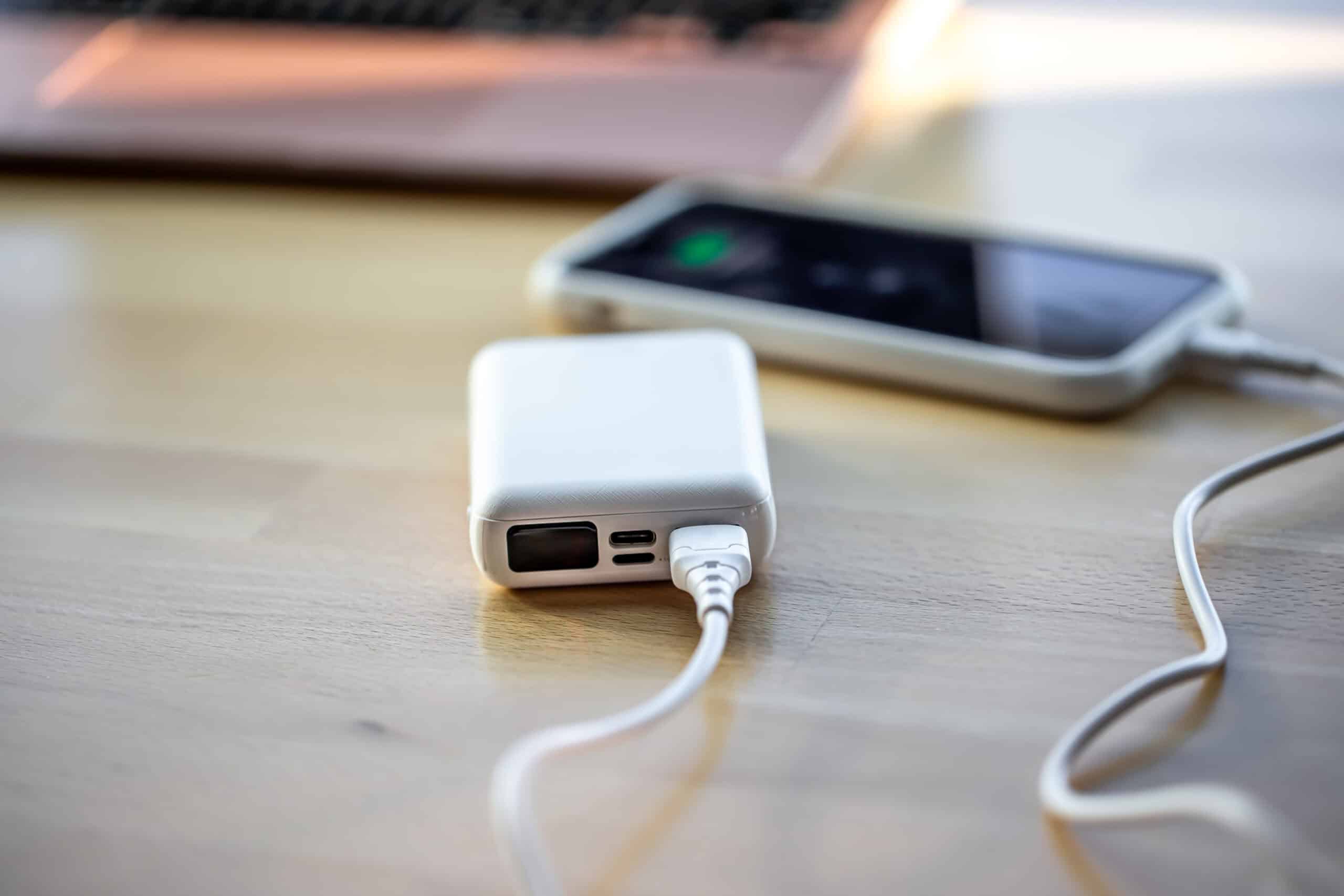
A dead phone turns a small delay into a full logistics problem when boarding passes, taxi apps, hotel codes, and translation tools live on one screen. A 10,000–20,000 mAh power bank with USB-C Power Delivery keeps phones and tablets alive through long layovers, rail days, and reroutes, and fast output matters because it reduces time spent glued to an outlet. The smart pick has a clear battery readout, reliable heat control, and a short USB-C cable that does not fray. A pocketable shape helps on day trips, and clear airline labeling avoids awkward security conversations.
GaN Universal Adapter With Surge Protection
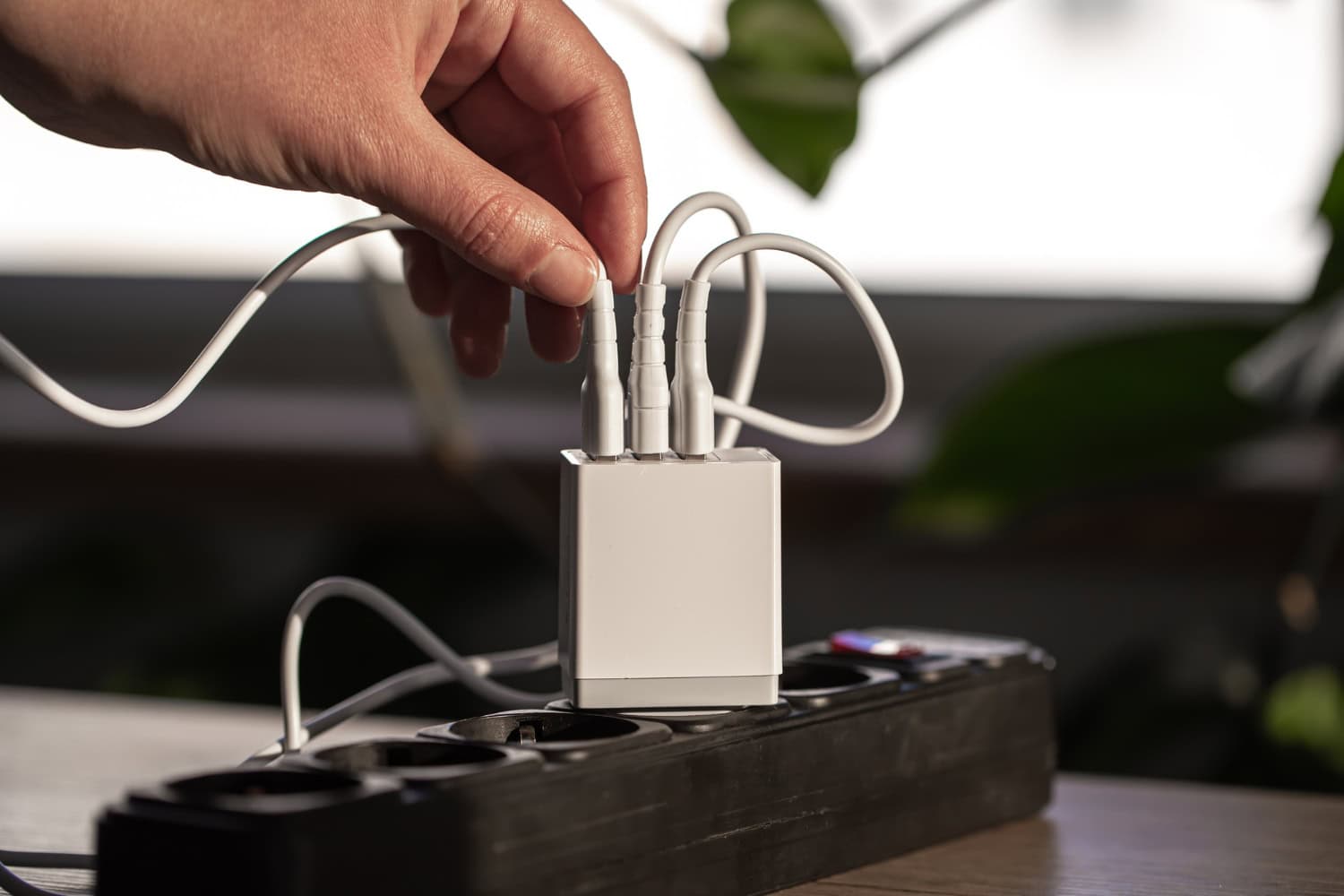
Different plugs are annoying. Bad power is worse, because one spike can take out the devices that hold maps, tickets, and family contacts. A compact GaN universal adapter with surge protection and multiple ports runs essentials from one socket, which matters in older hotels with one outlet hidden behind a bed. The good ones include USB-C PD plus a grounded outlet, so a laptop and phone can charge together without juggling bricks. An indicator light helps confirm power is stable before plugging anything expensive in. A resettable fuse and a snug fit are underrated when sockets are loose.
Multi-Cable And Small USB-C Hub
Cables fail at the worst time, and the correct replacement is rarely sold at an airport gate or remote lodge. A short, durable multi-cable plus a tiny USB-C hub (USB-A, SD, HDMI) keeps photos moving, laptops charging, and documents accessible when plans change. It also helps in rentals and work stays by supporting wired transfers, card imports, and a quick second screen for check-in forms or presentations. The goal is continuity: fewer dead ends when a port is missing, a cable frays, or a device suddenly demands an adapter that nobody nearby stocks.
Bluetooth Luggage Tracker
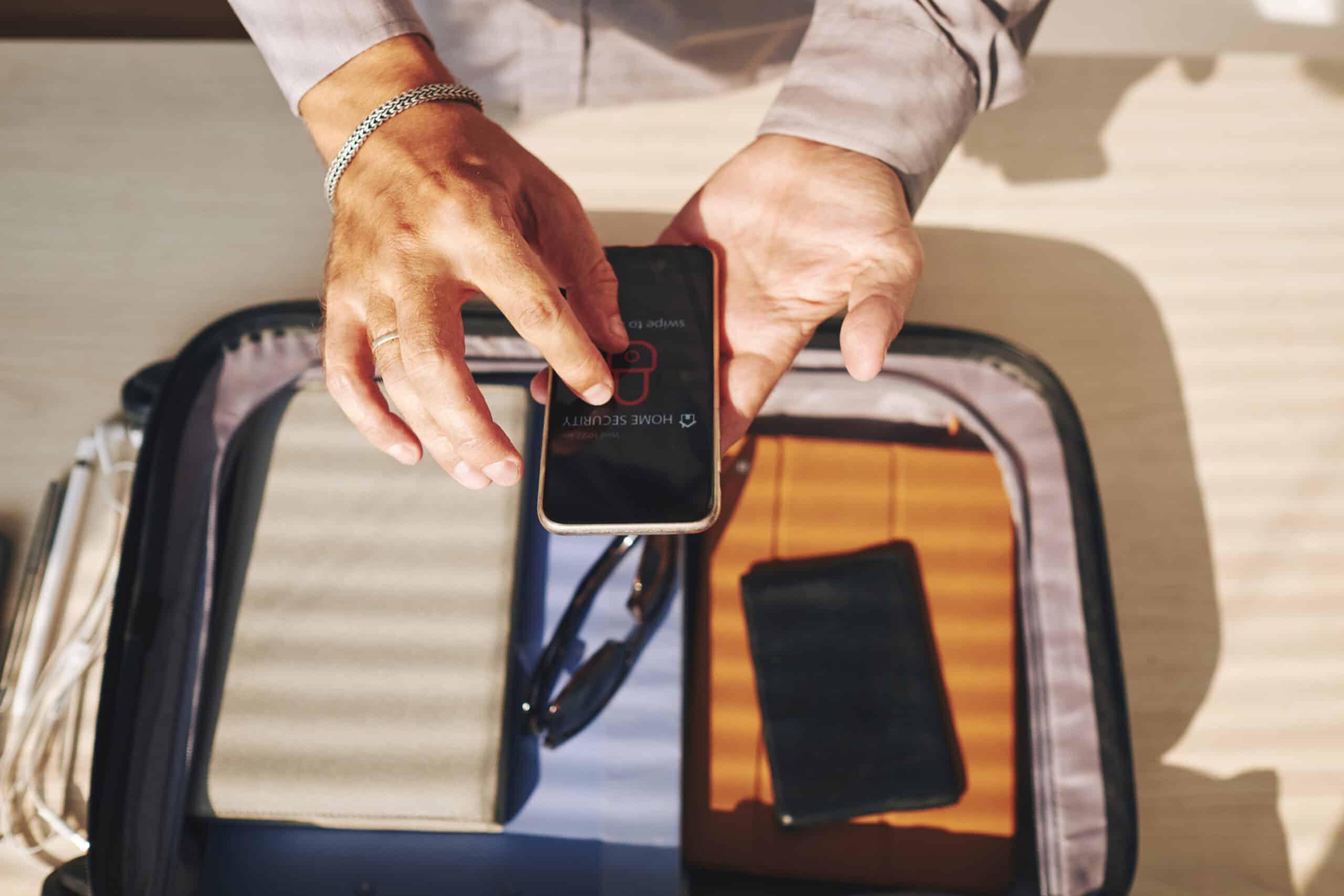
Lost luggage is not only inconvenient. It can strand travelers without medication, winter layers, or work gear for days, and the first hours of a claim are often the most confusing. A small Bluetooth tracker in a suitcase or daypack adds a second source of truth by showing where a bag last pinged and whether it moved, which helps sharpen conversations at the baggage desk. That data can guide practical decisions, like whether to wait, buy essentials, or continue onward while the bag catches up. It also reduces the vague anxiety of not knowing if the suitcase is in the next room or the next city.
Compact Headlamp With Red-Light Mode
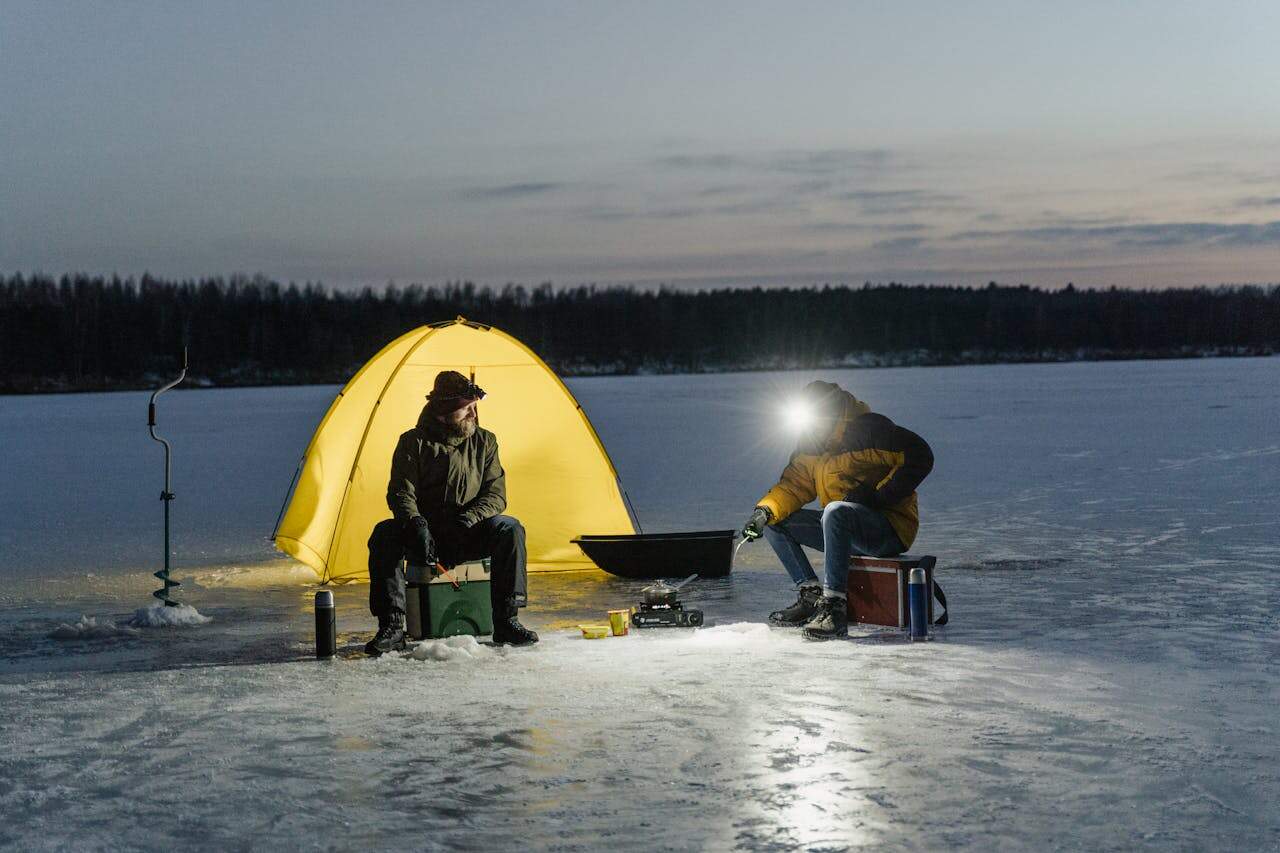
Phone flashlights work until a battery dies, a trail runs late, or a power cut turns a stairwell into a hazard. A compact headlamp keeps hands free for luggage, uneven steps, or a dark campsite, and red-light mode preserves night vision without blasting a roommate awake. It is also quietly perfect for hotel mornings, when one person packs at 5:30 a.m. and the rest of the room wants darkness. Add spare batteries or choose a small rechargeable model, and visibility stops depending on luck. It even helps in rental cars, where a dropped key or lost earring should not become a stress spiral.
Water Filter Bottle Or Purifier Straw

Stomach bugs ruin trips, but dehydration is what turns misery into an emergency, especially in heat or remote areas. A water filter bottle or purifier straw makes safer sips easier when bottled water is scarce, tap quality is uncertain, or a long travel day runs past closed shops. It does not replace local guidance, but it reduces risk on platforms, day hikes, and delayed buses where refills are the only option. Choosing a model with clear maintenance rules keeps it practical rather than fussy. It is most valuable on the days when plans stretch longer than expected and the only water available is the water that is already there.
Pocket First-Aid Kit Built For Friction
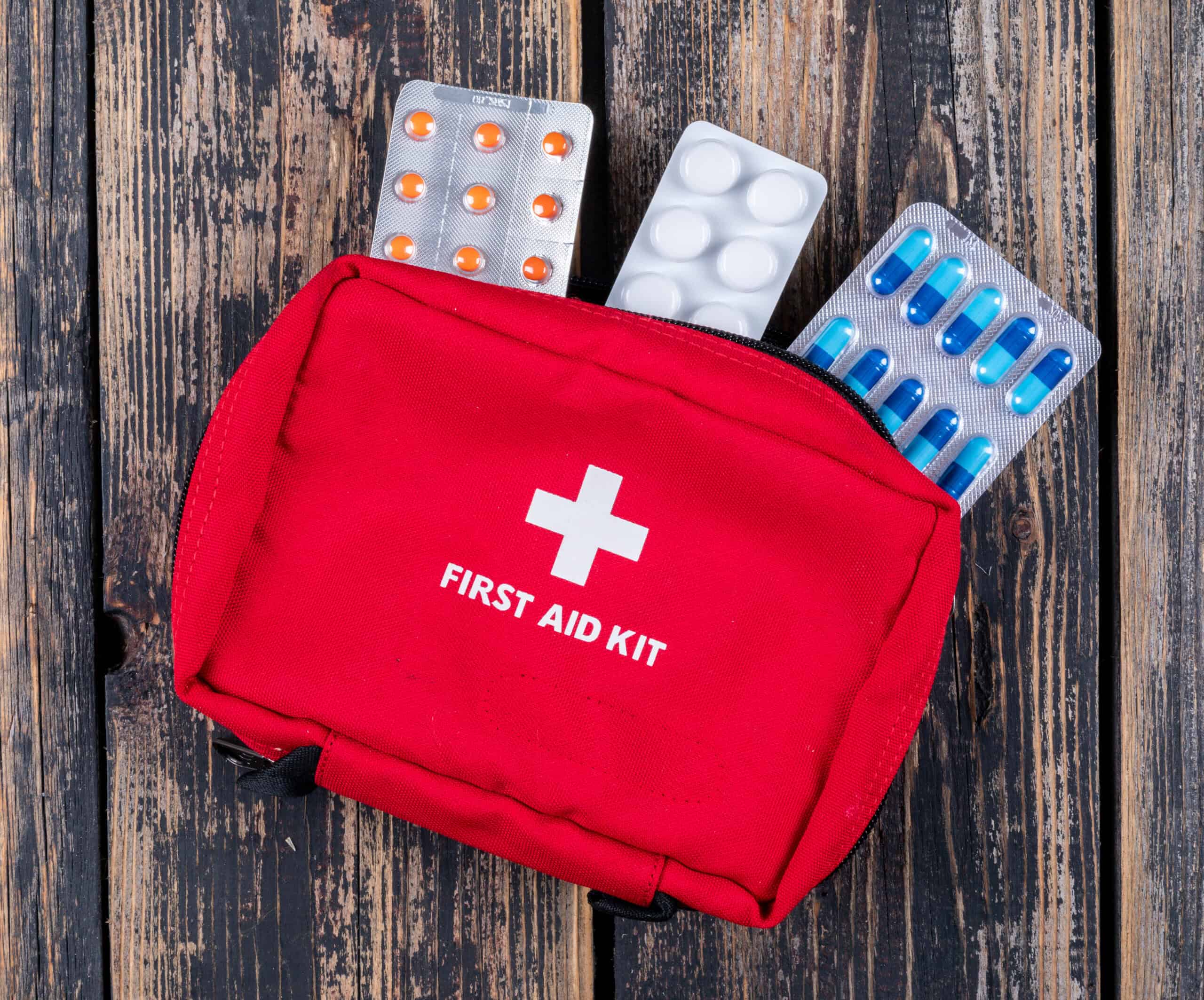
Small injuries become trip-killers when they slow walking, ruin sleep, or force an expensive clinic visit for something minor. A pocket first-aid kit built for friction and cuts (blister dressings, antiseptic wipes, bandages, tape) covers the problems that show up again and again, from new shoes to scraped knuckles on luggage racks. Add basics like pain relief, allergy support, and personal prescriptions, and it becomes a real buffer against lost days. Packed once and topped up after each trip, it turns panic into quick care. The kit earns its space the first time a blister is stopped early.
Waterproof Document Pouch With Offline Backups
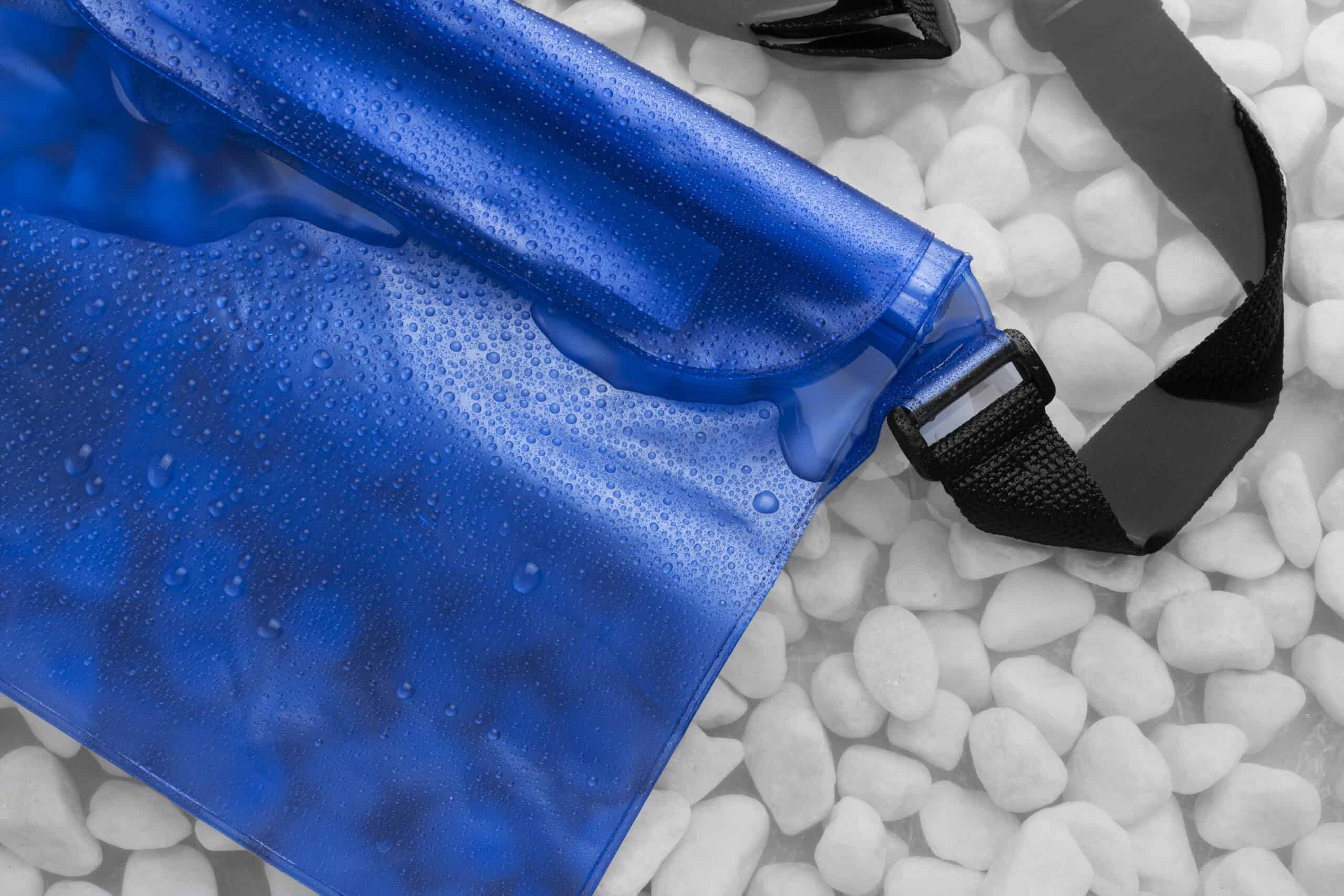
When travel goes sideways, the fastest fix is usually the one that protects identity and access. A slim waterproof document pouch with paper copies of key numbers, a backup card stored separately, and an offline list of reservations keeps passports, cash, and contacts usable after rain, spills, or a frantic bag search. It also helps during phone loss, when digital confirmations vanish and every counter asks for proof. Pair it with a small pen and a printed hotel address, and it becomes a quiet form of power. Redundancy looks boring until the moment it saves hours, fees, and a long night of rebooking.