We may earn money or products from the companies mentioned in this post. This means if you click on the link and purchase the item, I will receive a small commission at no extra cost to you ... you're just helping re-supply our family's travel fund.
Europe’s rollout of new biometric border scanners has created confusion, slow-moving airport lines, and unexpected delays for thousands of American travelers. With fingerprint capture, facial scans, and digital entry recording replacing the traditional passport stamp, even well-prepared visitors have faced surprises. While the system promises efficiency in the future, it is currently experiencing serious growing pains. Understanding what went wrong and what travelers can learn from this early chaos can help U.S. visitors navigate trips more calmly, avoid missed flights, and prepare smarter for Europe’s modernized border experience.
1. Understand the New System Before Traveling
Many American travelers were caught unaware when Europe replaced its simple passport stamp with a biometric process requiring fingerprints, face scans, and digital registration. Initial reports mentioned that nearly 65% to 70% of first-time users arrived unprepared, causing confusion at kiosks and frustration at immigration counters. Since the system records entry and exit automatically for approximately 400 million+ annual visitors, unfamiliarity only worsens delays. U.S. travelers should read airport guidance, airline emails, and official border updates in advance, because knowing each step helps reduce stress and keeps queues moving. Awareness truly becomes the first form of protection.
2. Expect Longer Lines and Build Buffer Time
During early months of rollout, airports across Spain, France, Italy, and major hubs reported wait times stretching from 15 minutes to over 3 hours, particularly when scanners malfunctioned or travelers struggled with instructions. Large airports processing 50,000+ daily passengers faced the biggest strain, while smaller regional airports also slowed dramatically. Travelers who planned short arrivals before tours or hotel check-ins often felt rushed and overwhelmed. The lesson is simple: rather than assuming old processing speeds, U.S. travelers should add generous buffers, avoid tight itineraries, and mentally prepare for delays so that unexpected queues don’t ruin carefully planned trips.
3. First-Time Registration Takes the Longest
The most time-consuming experience typically belongs to travelers completing biometric registration for the first time. This initial process can take 2 to 4 times longer than repeat visits because officers must verify identity carefully, capture clear fingerprints, ensure accurate facial scans, and confirm travel history. Reports show many kiosks handling only 8–12 travelers per hour, meaning lines build quickly when flights land simultaneously. Once enrolled, future entries should be faster, but first visits demand patience. Americans planning multi-country trips should especially remember that the real bottleneck happens at the very first EU entry point, not later stops.
4. Tight Layovers Can Easily Fail

A major lesson from the chaotic rollout is that old connection habits no longer apply. Travelers with 45–60 minute layovers in major European hubs discovered that biometric queues consumed nearly their entire connection window. Some airports even advised a minimum of 90 to 120 minutes for smooth transfers when entering Schengen space for the first time. Families, elderly travelers, and large tour groups faced even slower movement. Since airlines rarely hold flights for immigration delays, Americans risk missed connections and rebooking stress. Choosing longer layovers and avoiding risky short transfers can save money, nerves, and precious vacation time.
5. Technical Glitches Are Still Common
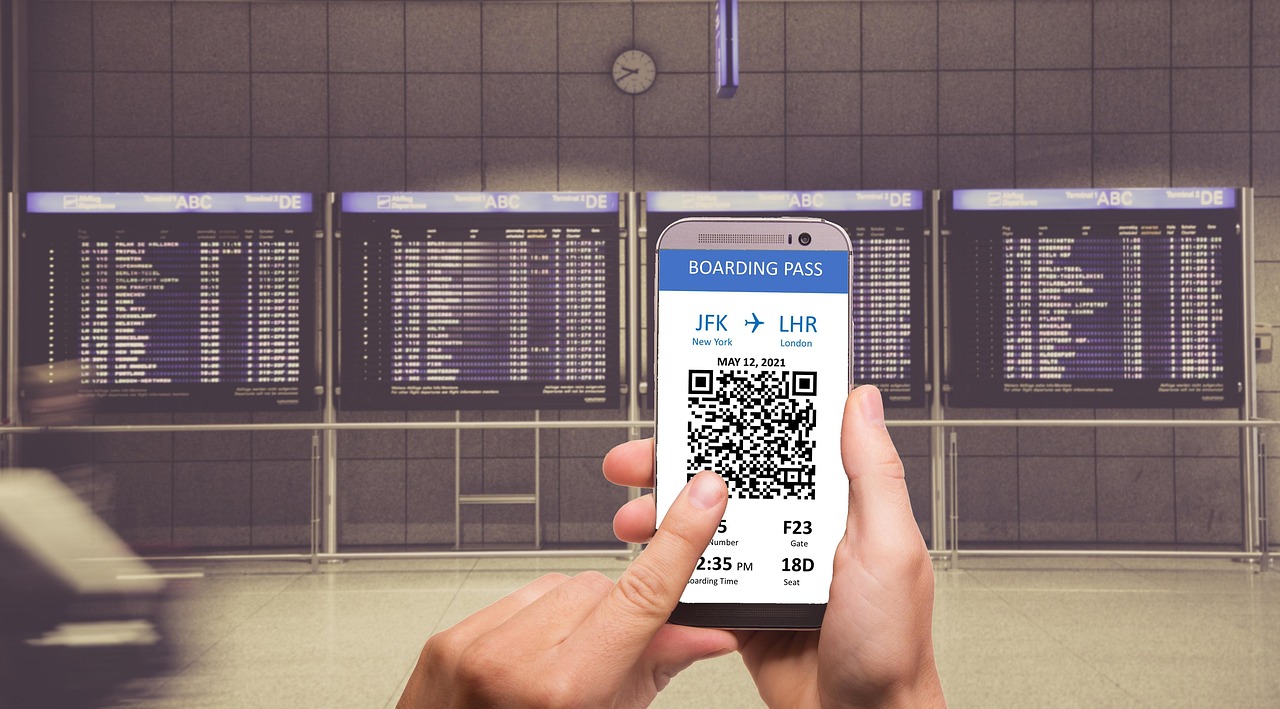
Despite being promoted as a modern solution, the system has repeatedly faced malfunctioning fingerprint pads, frozen cameras, unreadable passports, and entire kiosks going offline without warning. At several airports, more than 30% of machines were occasionally unusable, forcing officers to revert to manual entry processing that significantly slowed border movement. These failures not only extended wait times but also confused passengers unfamiliar with the shifting process. Travelers should expect inconsistencies, remain calm when officers redirect them, and keep patience as part of their travel toolkit, because technology transitions rarely work perfectly in the early phase of deployment.
6. Preparation Can Meaningfully Speed You Up

Travelers who followed instructions carefully moved noticeably faster than those figuring things out at the last second. Simple steps such as removing hats and glasses early, keeping passports open to the identity page, understanding finger placement, and staying attentive to screen directions reduced delays. Many airports observed efficiency improvements of 20% to 30% among travelers who were prepared versus those confused at the kiosk. Families who briefed children ahead of time also avoided unnecessary slowdowns. Learning the process before arrival, even for five minutes, can significantly smooth the experience and help keep increasingly crowded immigration lines flowing.
7. Policy Changes Will Keep Evolving

Europe’s biometric rollout is only one part of a broader transformation in border management. Alongside this system, additional travel authorization requirements like ETIAS are expected to affect over 30 million non-EU travelers annually once fully active. Border rules, documentation steps, and digital checks will continue adjusting as authorities refine security and efficiency strategies. That means Americans cannot rely on outdated travel habits or past experiences. Regularly checking official European Commission updates, airline advisories, and airport announcements ensures U.S. travelers stay ahead of shifting requirements instead of being surprised by new procedures upon arrival.
8. Short-Term Chaos, Long-Term Improvement

Although the current situation feels chaotic, European authorities insist these scanners will eventually shorten queues, enhance security, and automate much of the border process. Once data is stored, future entries should take only seconds rather than minutes, benefiting the tens of millions of repeat travelers who visit Europe annually. However, reaching that smooth phase requires adjustments, technology stabilization, and traveler education. Americans should approach the situation with patience, understanding that the inconvenience experienced today is part of a modernization effort designed to create faster, safer, and more structured border control in the coming years.