We may earn money or products from the companies mentioned in this post. This means if you click on the link and purchase the item, I will receive a small commission at no extra cost to you ... you're just helping re-supply our family's travel fund.
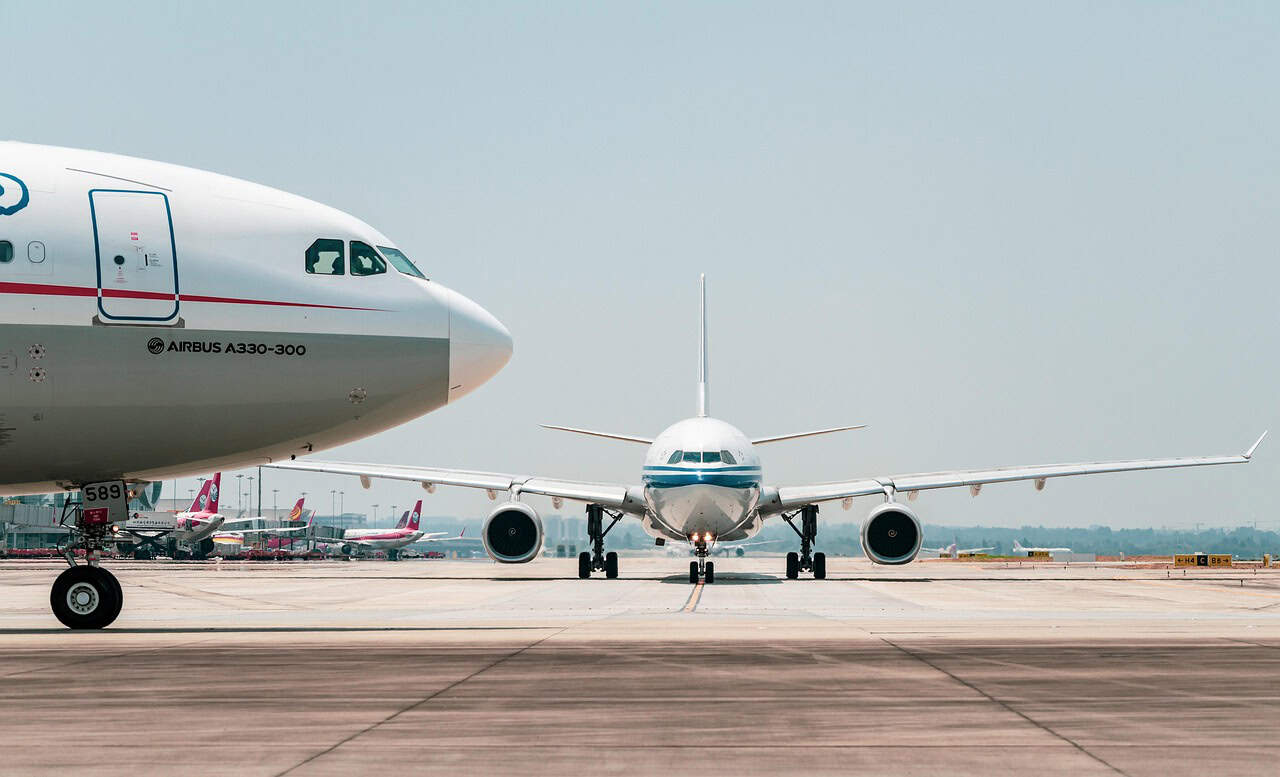
A layover at a mega-airport can feel like a pause, but the clock keeps charging in the background. Big hubs are designed to move crowds, and that design hides small cost traps in plain sight: an easy upgrade that becomes a subscription, a shuttle that is not included, a snack bought at the wrong moment, a bag that quietly triggers a fee. In 2026, with tight connections and packed terminals, the most expensive mistakes tend to happen when travelers are tired, rushed, or overly optimistic about timing.
Buying Lounge Access Without Reading The Fine Print

Paying for a lounge at the door sounds like relief, but some “one-time” passes carry blackout rules, capacity denials, or time limits that make the purchase feel like a gamble. At major hubs, lounges can stop admitting day-pass guests during peak waves, so the fee buys a polite rejection and a walk back to the gate area. The other trap is value math: a pass can cost more than a decent meal, yet still exclude showers, premium drinks, or quiet zones. The cheapest move is knowing whether a credit card already grants access, and whether that access works in the terminal actually being used.
Taking A “Quick” Terminal Transfer That Requires A Paid Shuttle
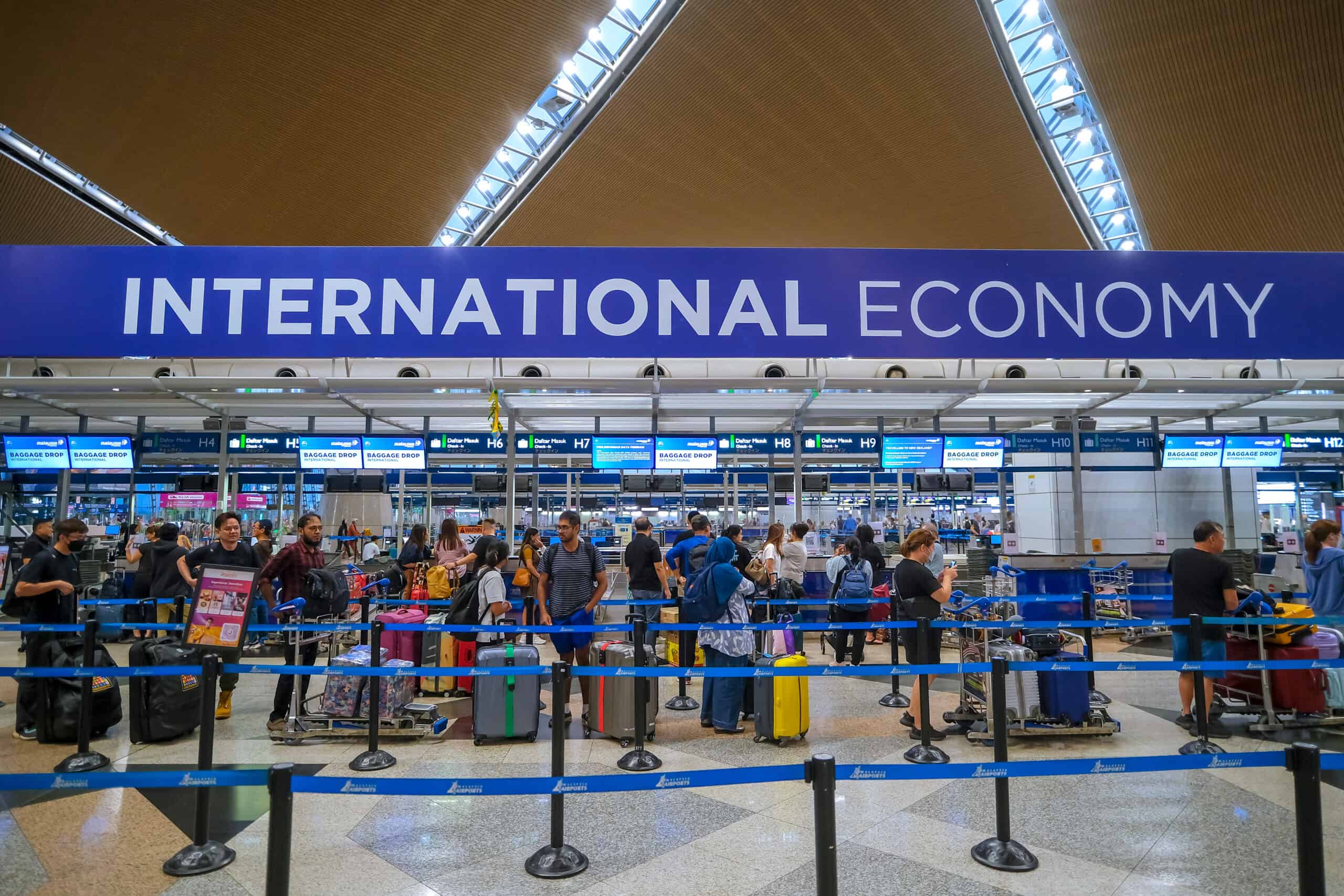
Mega-airports love branding and zones, so a connection can look close on a map while actually requiring a bus, train, or inter-terminal shuttle that is not free in every scenario. Some transfers are outside the secure area, forcing a re-screening and a longer ride that consumes time and triggers pricey grab-and-go purchases along the way. The money leak is indirect: missing a boarding call and rebooking, paying for a same-day standby fee, or buying overpriced rideshare because the planned connection collapses. The smart habit is checking whether the transfer stays airside, how often the shuttle runs, and whether a long walk is actually faster.
Falling For Currency Exchange Kiosks With Bad Rates
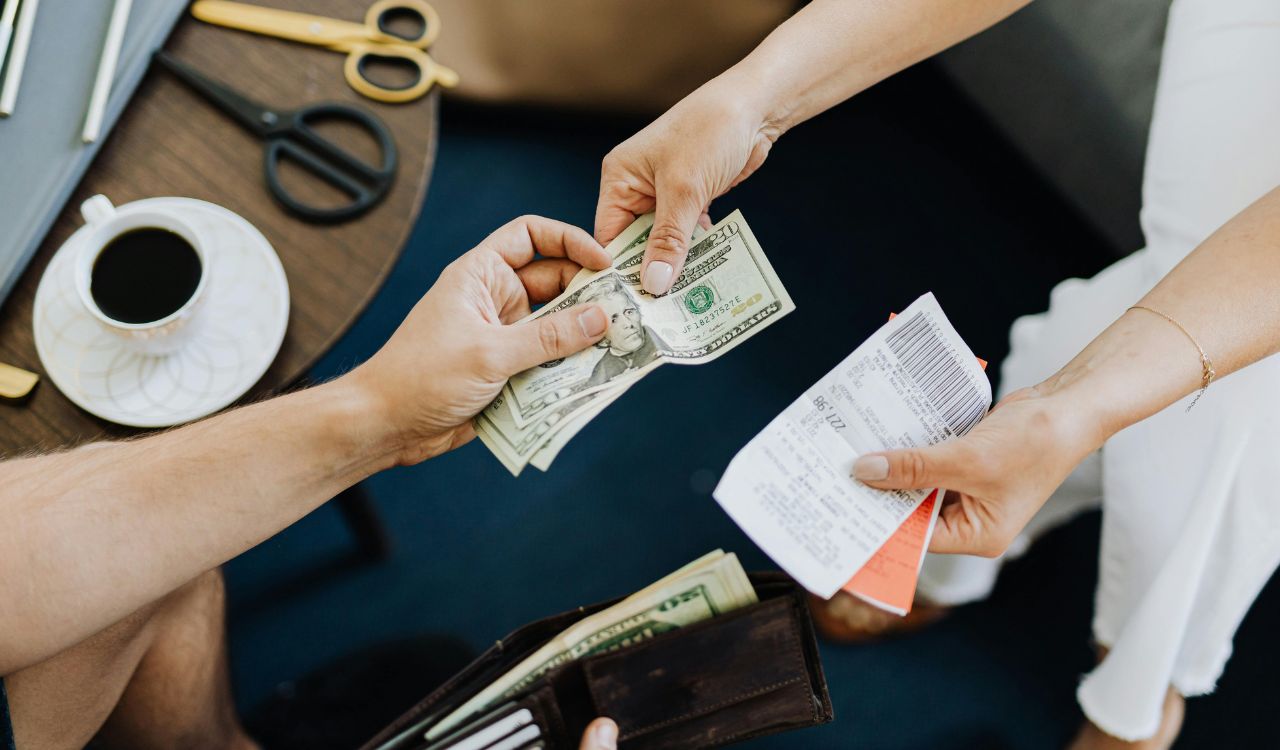
In international terminals, exchange kiosks are placed like lifeboats: right where stress peaks and options feel limited. The rates and fees can be brutal, especially for small conversions done “just in case,” and the trap is that travelers rarely notice until they compare receipts later. In 2026, many U.S. cards work globally and airport ATMs often beat kiosk spreads, but tired travelers still convert cash at the counter out of habit. The best defense is simple: plan a small amount in advance, use an ATM only when needed, and avoid exchanging money inside the terminal unless the rate is clearly displayed and reasonable.
Paying For Airport Wi-Fi That Should Be Free
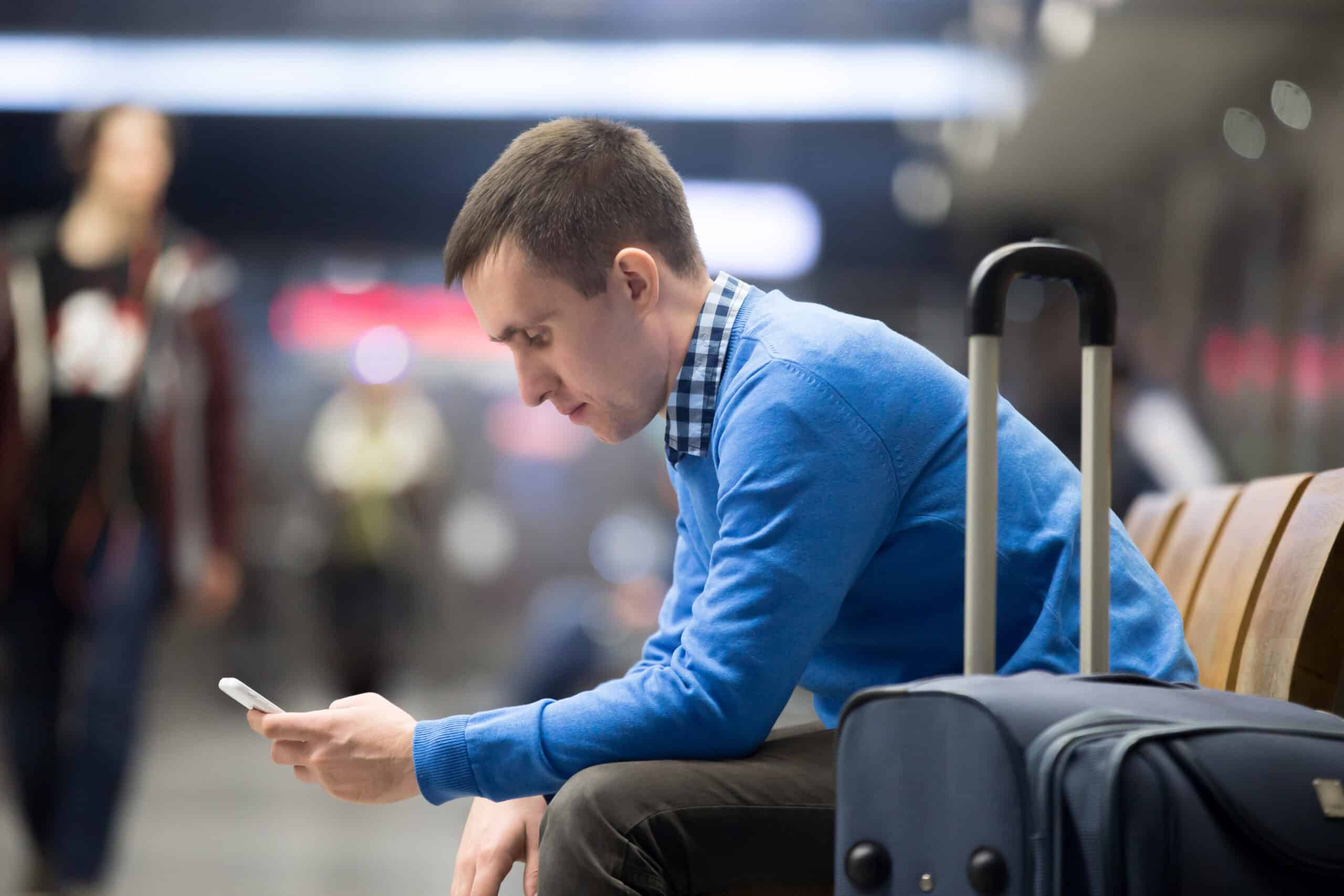
At major hubs, paid Wi-Fi offers can appear as the default, especially after a device auto-connects to an old network name or clicks the wrong pop-up. Travelers who need to upload files or make calls can pay out of urgency, then realize the airport’s standard Wi-Fi was available through a slower or less obvious landing page. The second trap is roaming and data: a phone can slip onto cellular and rack up charges during a layover when Wi-Fi drops or times out. The practical fix is verifying the official network name on airport signage, turning off auto-join for unknown networks, and using airplane mode with Wi-Fi on to prevent accidental roaming.
Buying Food Before A Security Recheck
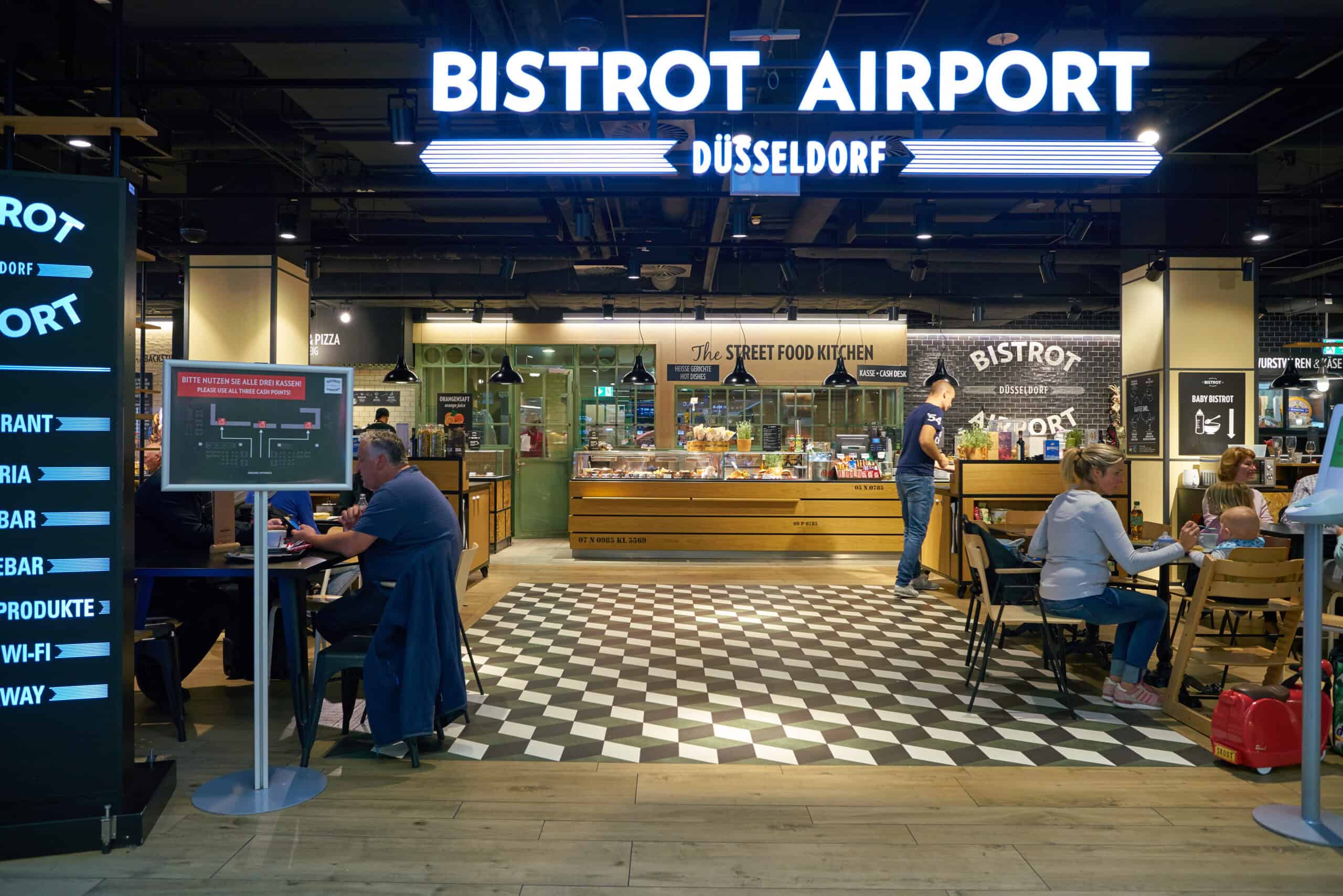
Some mega-airport connections look safe until a terminal change requires exiting and re-entering security, or clearing a second checkpoint for international-to-domestic transfers. The cost trap is buying a full meal and drink, then being forced to toss liquids, abandon food, or rush through it, wasting money and leaving the traveler hungry again on the other side. The same mistake hits duty-free alcohol and oversized water bottles, which cannot always ride through a new screening. The best rhythm is waiting to buy anything substantial until the route is confirmed, the gate is located, and the last checkpoint is behind the traveler.
Overpaying For Bottled Water When Refill Stations Are Nearby

Airports price bottled water like it is scarce, even though most mega-hubs now have refill stations near restrooms and gates. The trap is buying out of panic after security, especially when a long line or a delayed flight creates the feeling of being trapped in one concourse. In 2026, a reusable bottle pays for itself fast, but even without one, many airports allow an empty bottle through security that can be filled once inside. The money leak is small per purchase, but it adds up across families and multi-leg trips, and it often leads to even more spending when snacks are bought to justify the price.
Paying For A Premium Seat At The Wrong Moment
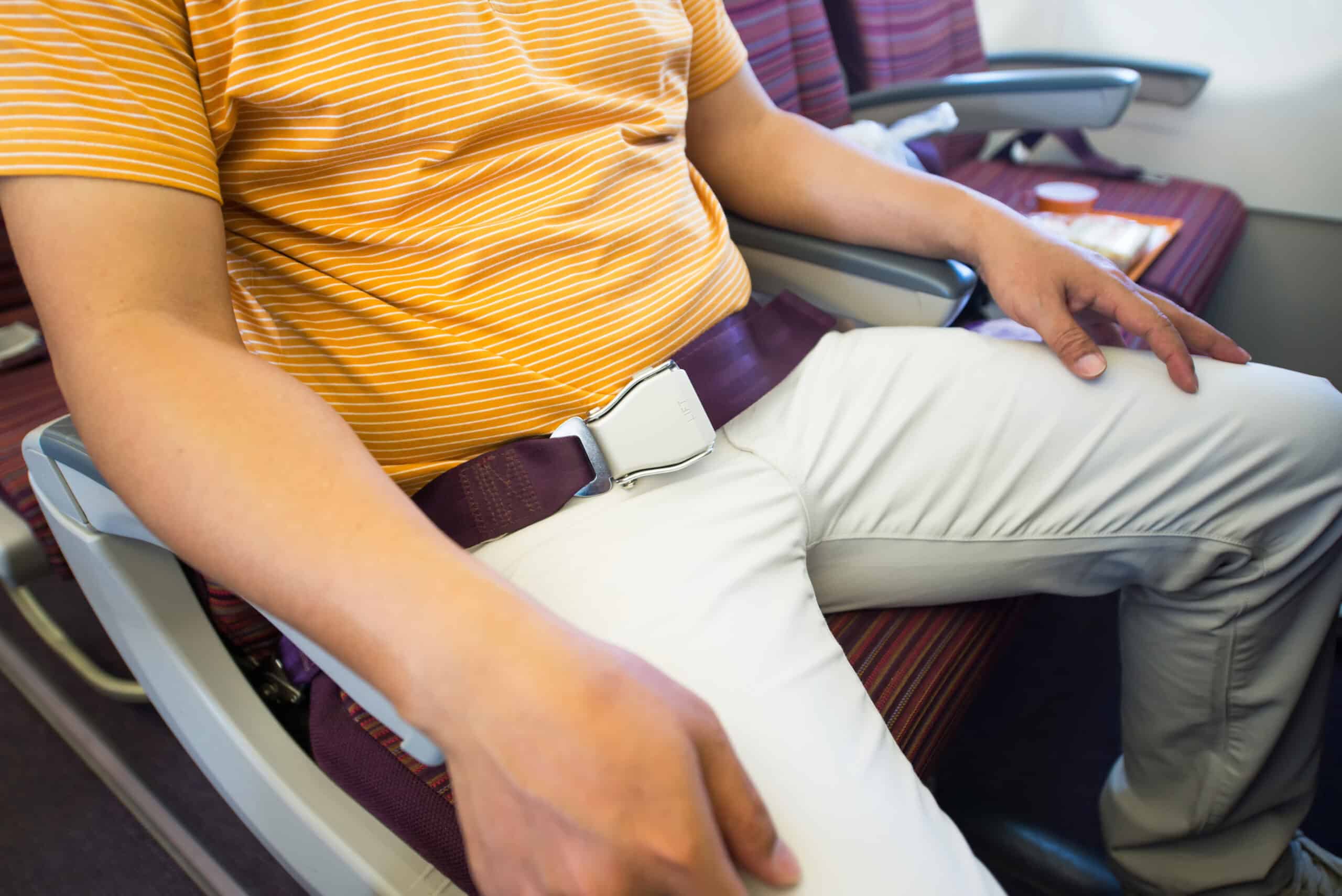
A seat upgrade during a layover can feel like a rescue, yet the timing matters. Some airlines sell paid seat assignments that can be overwritten by aircraft swaps, schedule changes, or reassignments for operational needs, leaving travelers with a charge and a long customer-service chase. The other trap is paying twice: buying a premium seat on the first segment, then discovering the second segment requires a separate purchase, with no bundle discount. The smarter move is confirming the exact flight number and aircraft type first, checking whether the upgrade is refundable, and waiting until the last meaningful moment when the equipment is stable and the boarding group is set.
Losing Money To “Urgent” Rebooking At The Service Desk
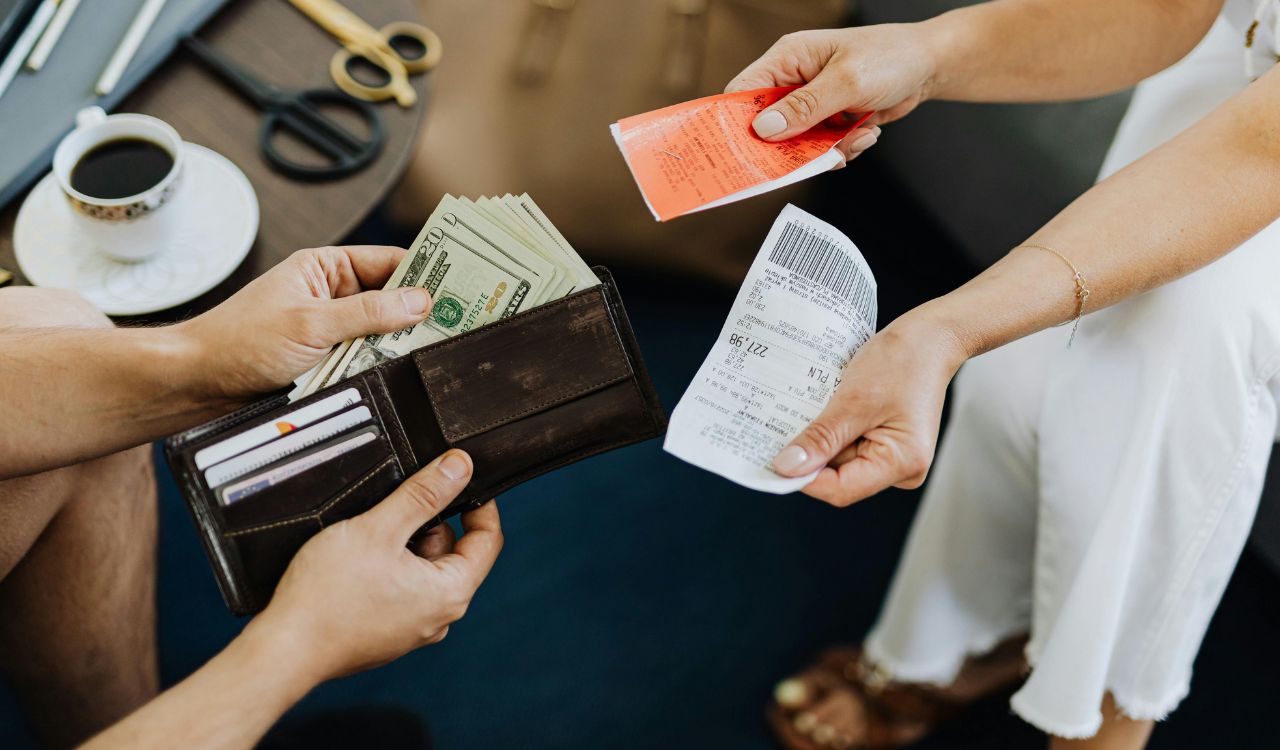
When a gate change, delay, or weather ripple hits a mega-hub, the most expensive mistake is waiting until panic peaks. Travelers who miss a connection often buy a new ticket at walk-up prices, accept a costly same-day change, or pay for a hotel they could have avoided, because they assume options are gone. In reality, alternatives often exist through app rebooking, partner carriers, or a later flight that still arrives the same day, but the window closes quickly when seats start filling. The key is acting early, using the airline app while still in transit, and holding receipts for meals and hotels when disruption qualifies for reimbursement.