We may earn money or products from the companies mentioned in this post. This means if you click on the link and purchase the item, I will receive a small commission at no extra cost to you ... you're just helping re-supply our family's travel fund.
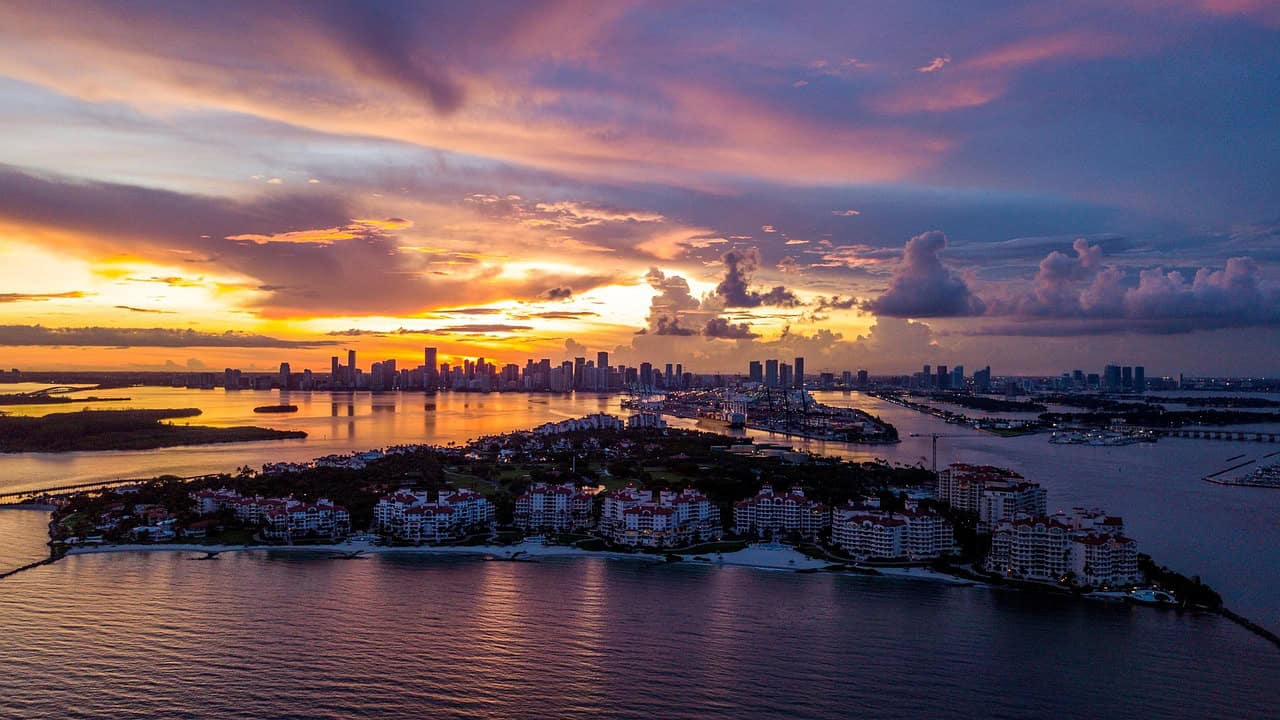
Some shorelines feel inevitable, mapped, marketed, and crowded into predictable seasons. These islands run the other way. Privately owned parcels of sand, scrub, and forest still exist across the United States, guarded by gates, family stewardship, club rules, or conservation covenants. They show up as silhouettes from marinas and bridges, close enough for gossip, far enough for uncertainty. Their stories are not just about wealth, but about boundaries: who belongs, who is invited, and what happens when a place stays quiet on purpose.
Gardiners Island, New York
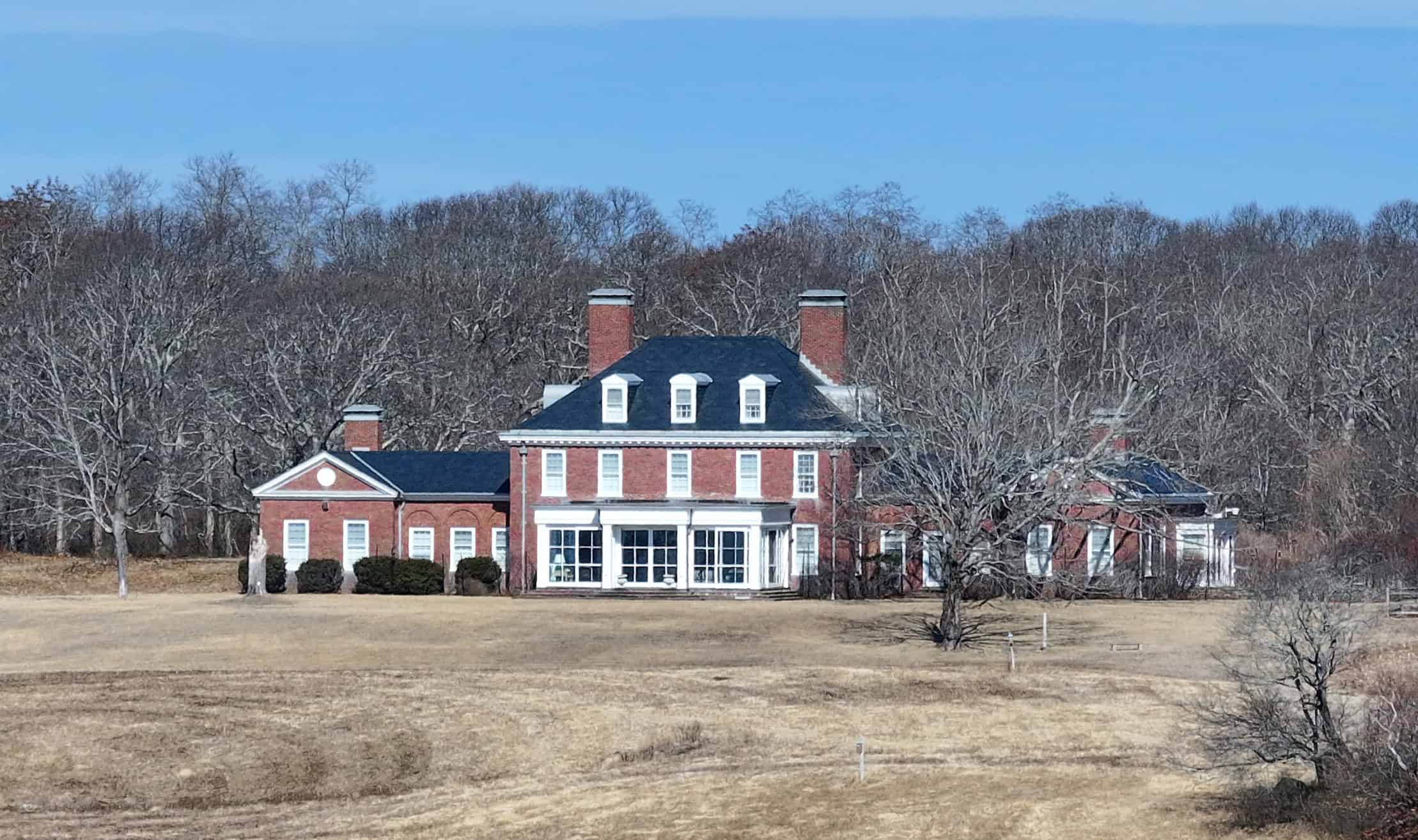
East of Long Island, Gardiners Island sits like a rumor in Gardiners Bay, privately held by the same family line since the 1600s and rarely discussed without a hint of caution. With no public ferry and access treated as permission-only, local coverage of shoreline disputes makes clear that stepping onto its sands without an invite is handled as trespass, not tourism. From the water it reads as dunes, oaks, and long quiet beaches, a landscape that stays unspoiled precisely because the island’s privacy rules are taken seriously and even longtime locals tend to keep a respectful distance in peak season quietly,.
Robins Island, New York
Robins Island is a 435-acre wedge of green in Peconic Bay, privately owned and intentionally kept out of everyday reach despite its proximity to busy summer harbors, while remaining oddly absent from tourist maps. A conservation easement restricts development and preserves most of the interior, so the island remains more habitat than neighborhood, and public access is not part of the bargain. It feels like a held breath between the Hamptons and the North Fork, where boats glide past and the shoreline stays largely untouched, guarded by ownership and paperwork alike even when the bay is packed in mid August.
Naushon Island, Massachusetts
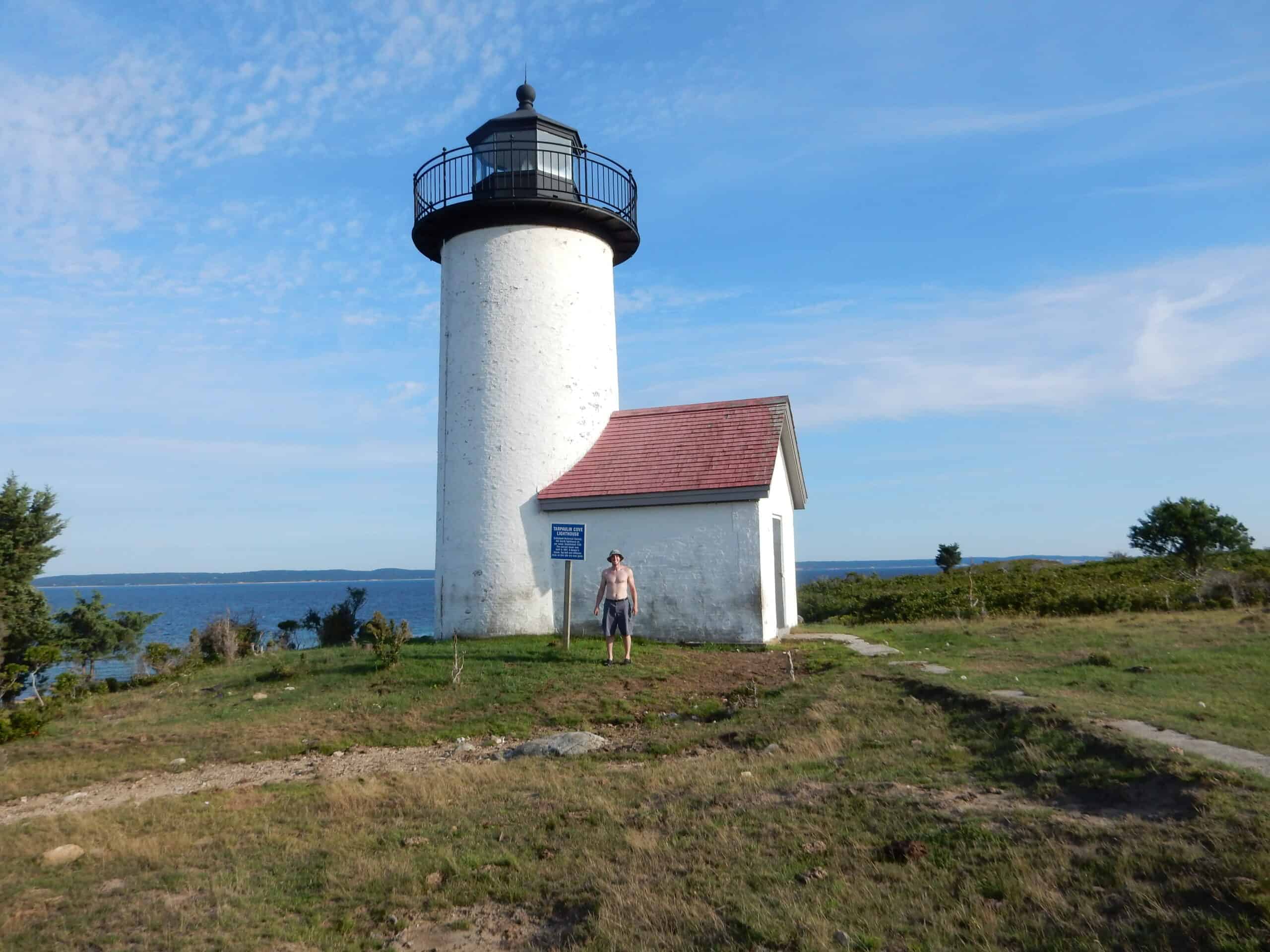
Naushon, the largest of Massachusetts’ Elizabeth Islands, remains Forbes-family property, managed through a trust that favors conservation over crowds and keeps most of the land quiet. The interior is generally closed, with only limited, clearly defined beach areas allowed for public use under posted rules, and exploration beyond the sand is discouraged. That edge-to-core contrast is the whole mood: public sea air at the perimeter, private woods beyond, and a firm line that protects the island’s old paths, grazing land, and hush even when nearby anchorages are crowded with sails and weekend chatter, in July.
Niʻihau, Hawaii
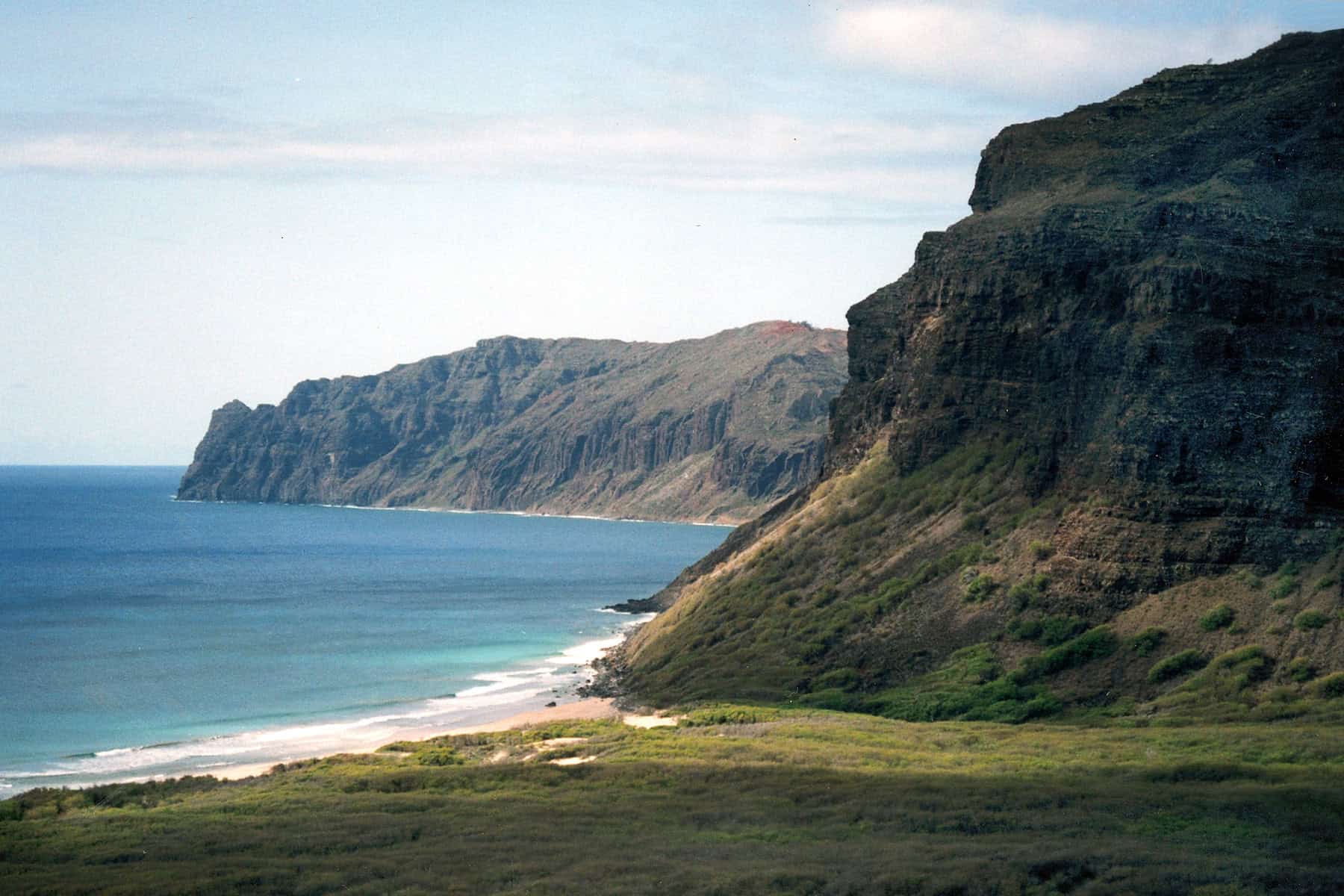
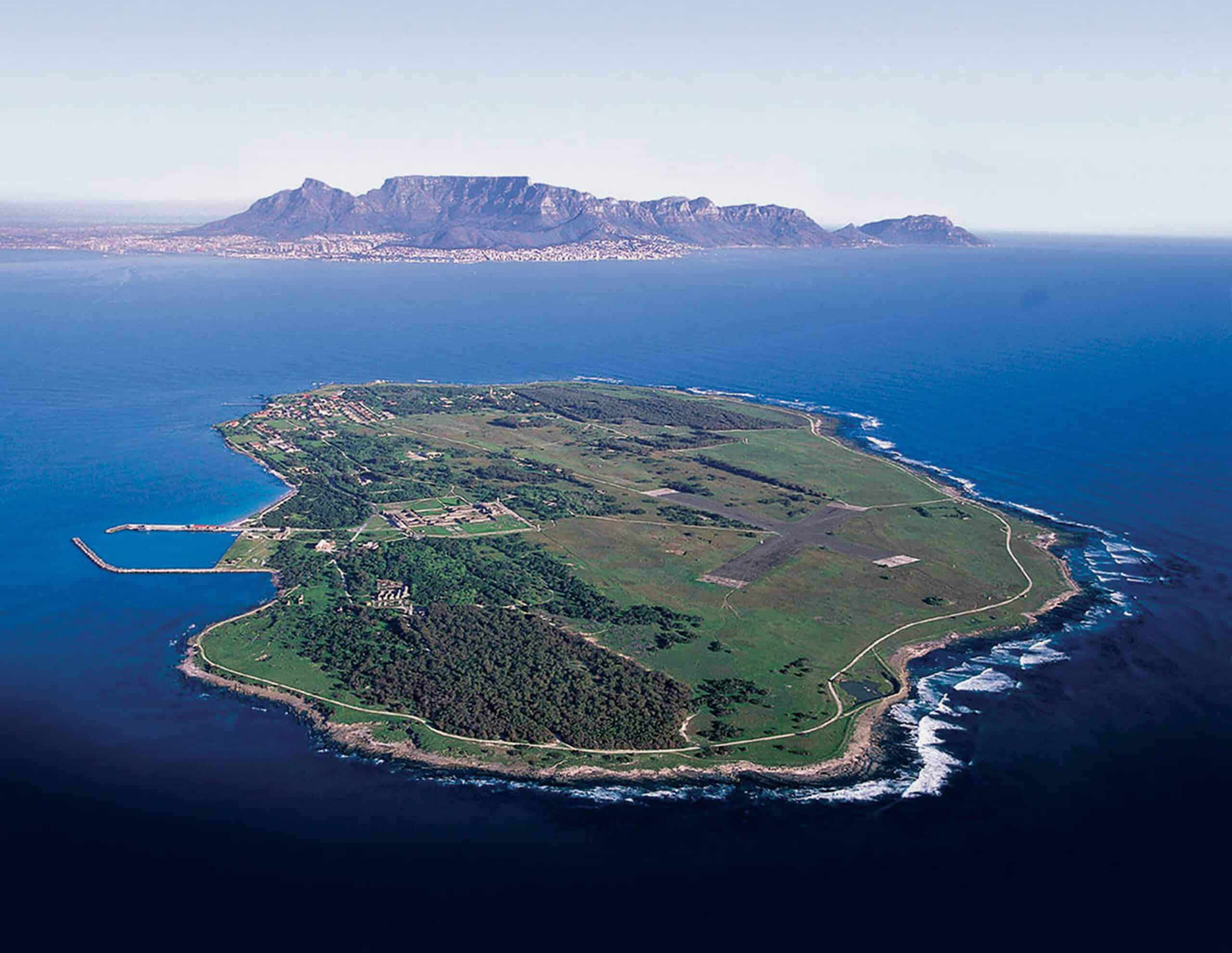
Niʻihau is nicknamed Hawaii’s Forbidden Isle because it is privately owned, tightly managed, and largely closed to outsiders in a way few places in the United States still are. Access is typically limited to residents, invited guests, and certain officials, and recent reporting notes strict rules shaped by the Robinson family’s long stewardship, and the island’s nickname has clung to it for generations. From offshore the island looks sun-bleached and serene, but the defining feature is control: privacy, tradition, and a deliberate decision to keep modern life, media, and traffic at arm’s length by strict rule.
St. Catherines Island, Georgia
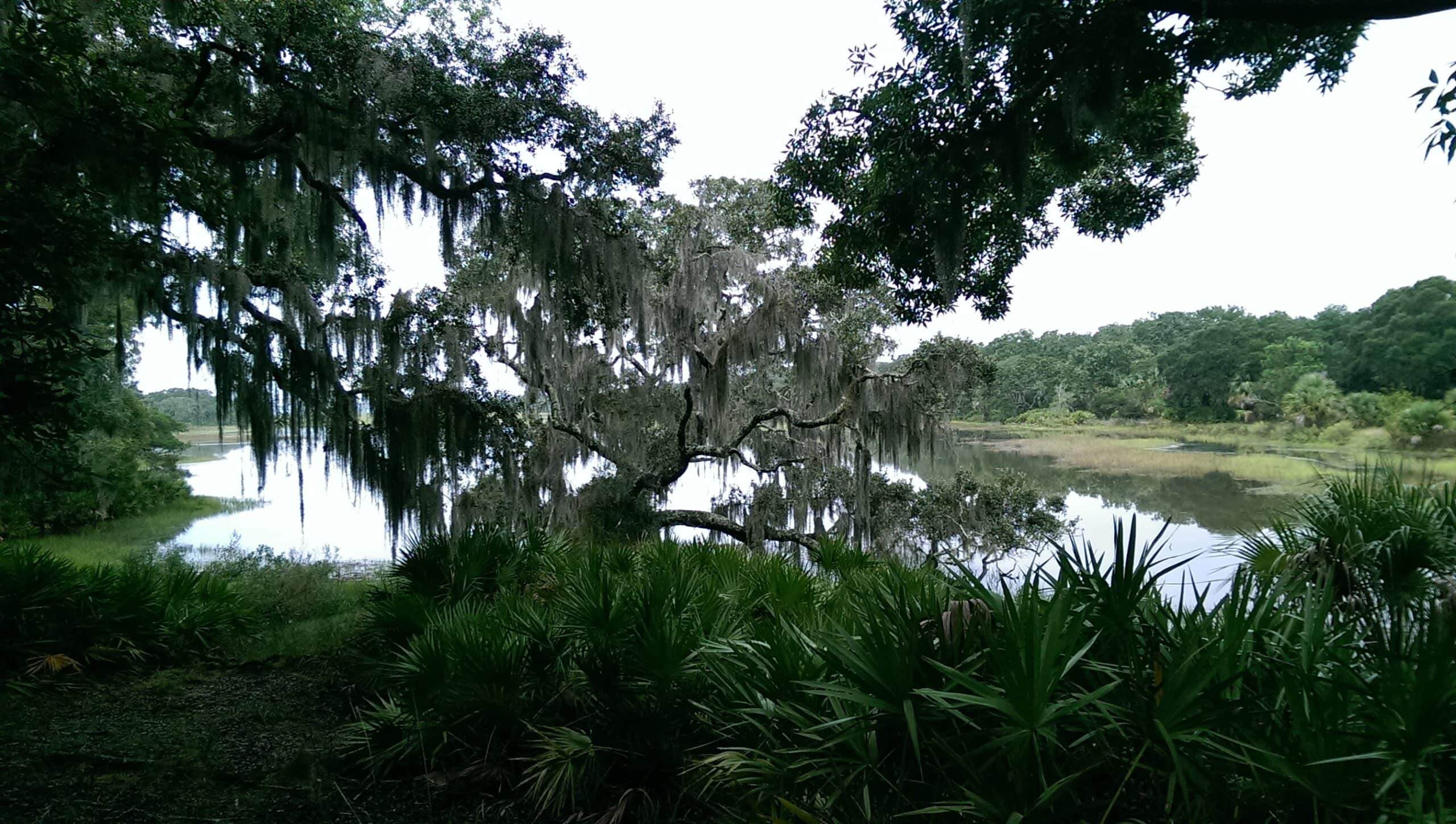
St. Catherines Island is a long, marshy Georgia sea island managed as a private nature preserve and research site, with historic mission ground and sensitive habitat layered together, with conservation work guiding almost every decision. National Park Service listings state it is not open to the public, a policy that helps protect dunes, archaeological resources, and the wildlife corridors that make the island feel primeval. Seen from a passing boat, it is palmetto and tidal creek and wide beach, but on land it remains a closed book, kept that way so the coast can stay closer to its older self in all seasons,.
Gibson Island, Maryland
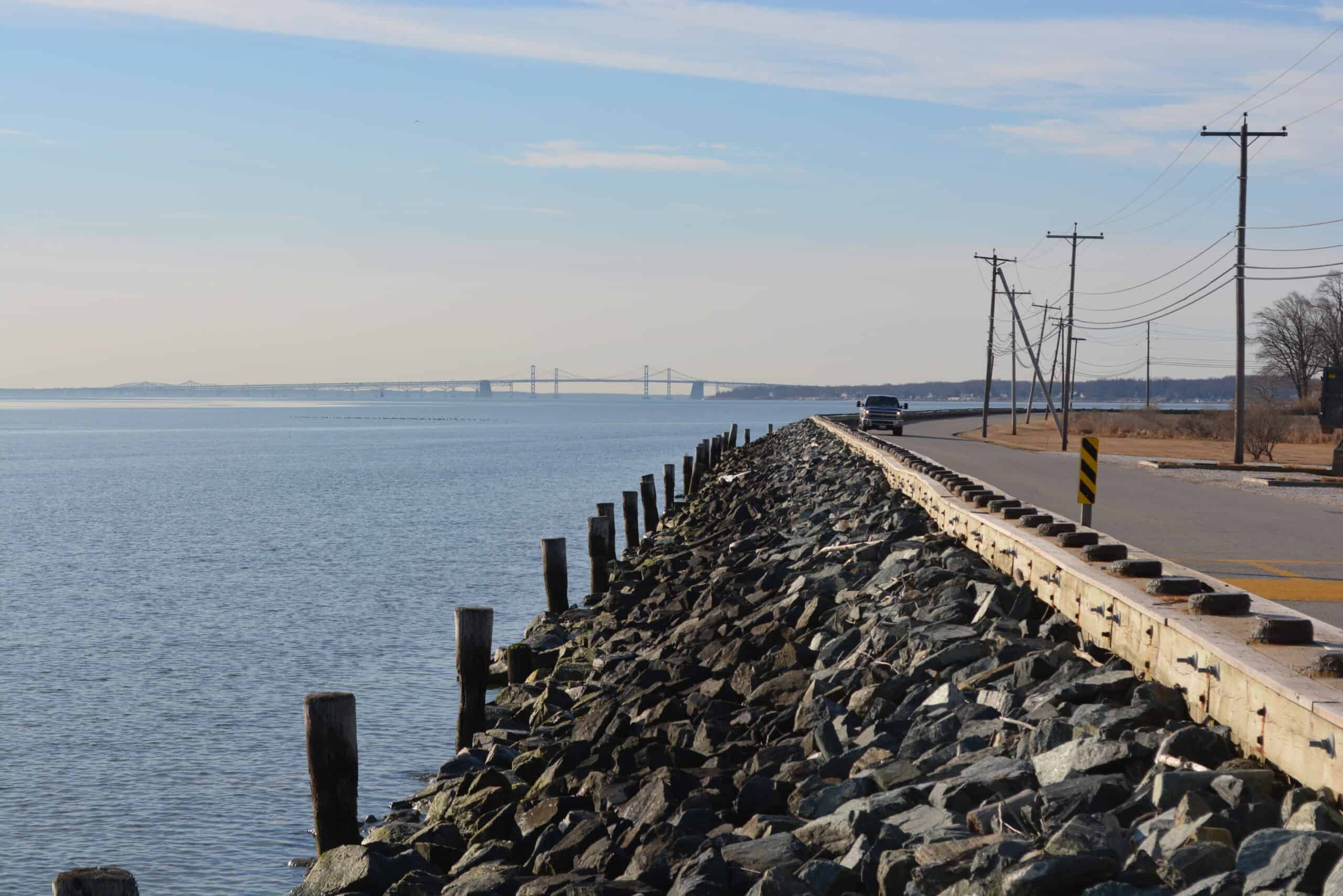
Gibson Island, at the mouth of Maryland’s Magothy River, is a private island community reached by a man-made causeway, with an entrance culture built around screening and discretion. The island is run through a corporation and club structure that limits access to residents and legitimate visitors, reinforcing the feeling of a place designed to be left alone. From the Chesapeake it looks like any other wooded shoreline, yet inside the gate it is its own small world of winding roads and quiet lawns, where privacy is treated as a shared amenity and the gatehouse makes sure arrivals have a reason to be there too.
Fisher Island, Florida
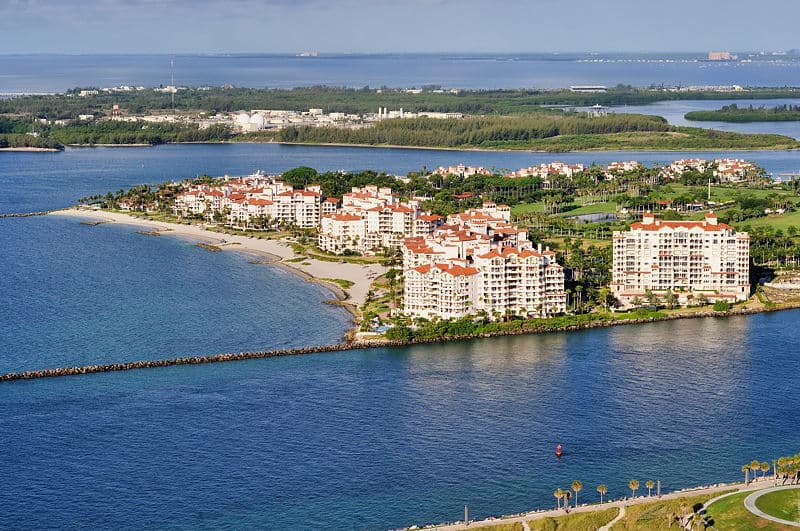
Fisher Island sits off Miami Beach like a locked pocket of calm, a residential enclave with no road connection to the mainland and a reputation built on controlled arrival. Visitor guides describe it as an exclusive community reached by ferry or private transport, which naturally filters out casual drop-ins and keeps the island’s streets mostly resident-only. Behind the skyline views are private clubs, manicured beaches, and a social geography that stays intentionally hard to cross unless a resident, a guest, or approved staff is expected and even errands move through controlled, resident-focused systems now.
Debidue Island, South Carolina
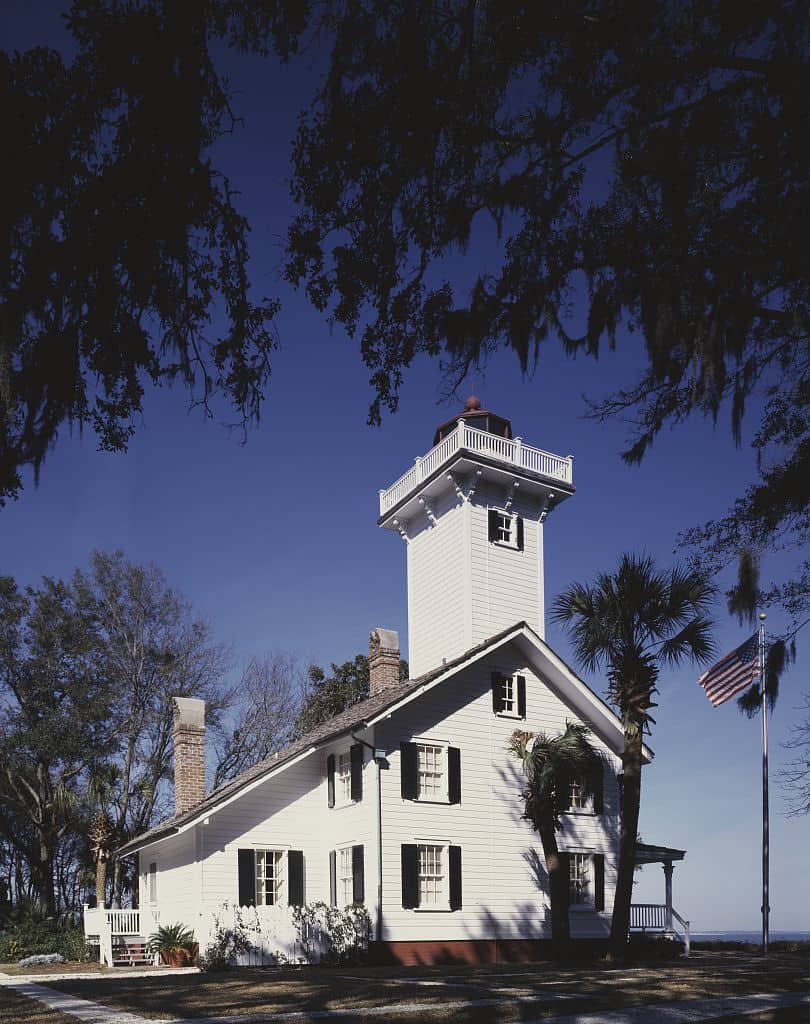
Debidue Island’s best-known community, DeBordieu Colony, is built as a gated barrier-island enclave between Pawleys Island and Georgetown, where roads and amenities are designed for residents first. Court decisions and community gate policies describe entry controlled through a security checkpoint, with public access effectively nonexistent in practice even though the coast looks open from a distance. To outsiders it appears as dunes and houses behind maritime forest, but at ground level it functions like a private neighborhood with a shoreline that is watched, regulated, and quietly defended year-round so.