We may earn money or products from the companies mentioned in this post. This means if you click on the link and purchase the item, I will receive a small commission at no extra cost to you ... you're just helping re-supply our family's travel fund.
Road trips have a way of shrinking the world and widening a life at the same time. A plain exit can turn into a story that gets told for years, especially when the stop carries real history, local character, or a little roadside weirdness. Across the United States, a handful of places have become more than places to refuel. They have become landmarks of motion, memory, and relief, where tired drivers reset, look around, and remember why the road still matters.
Vista House At Crown Point, Oregon
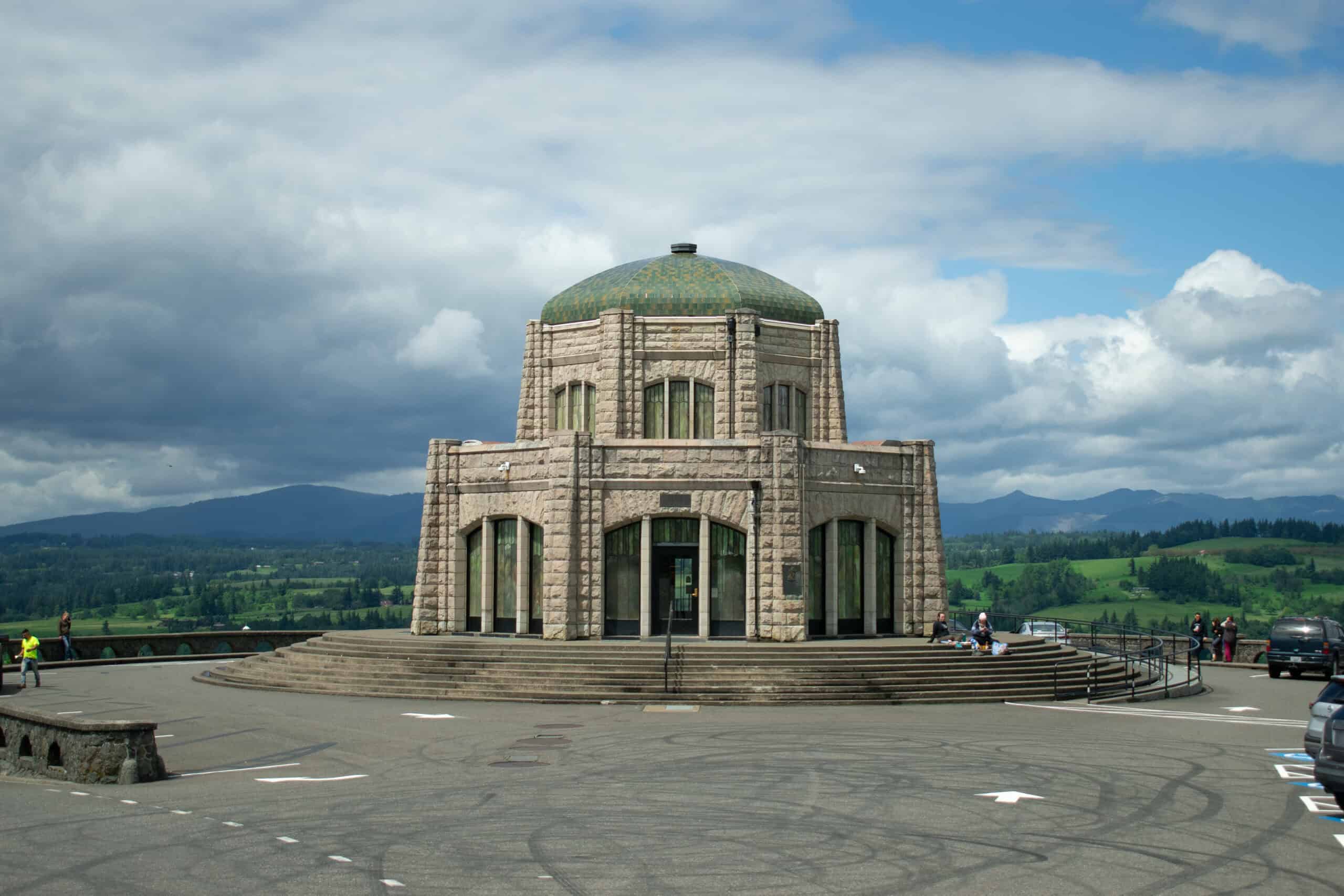
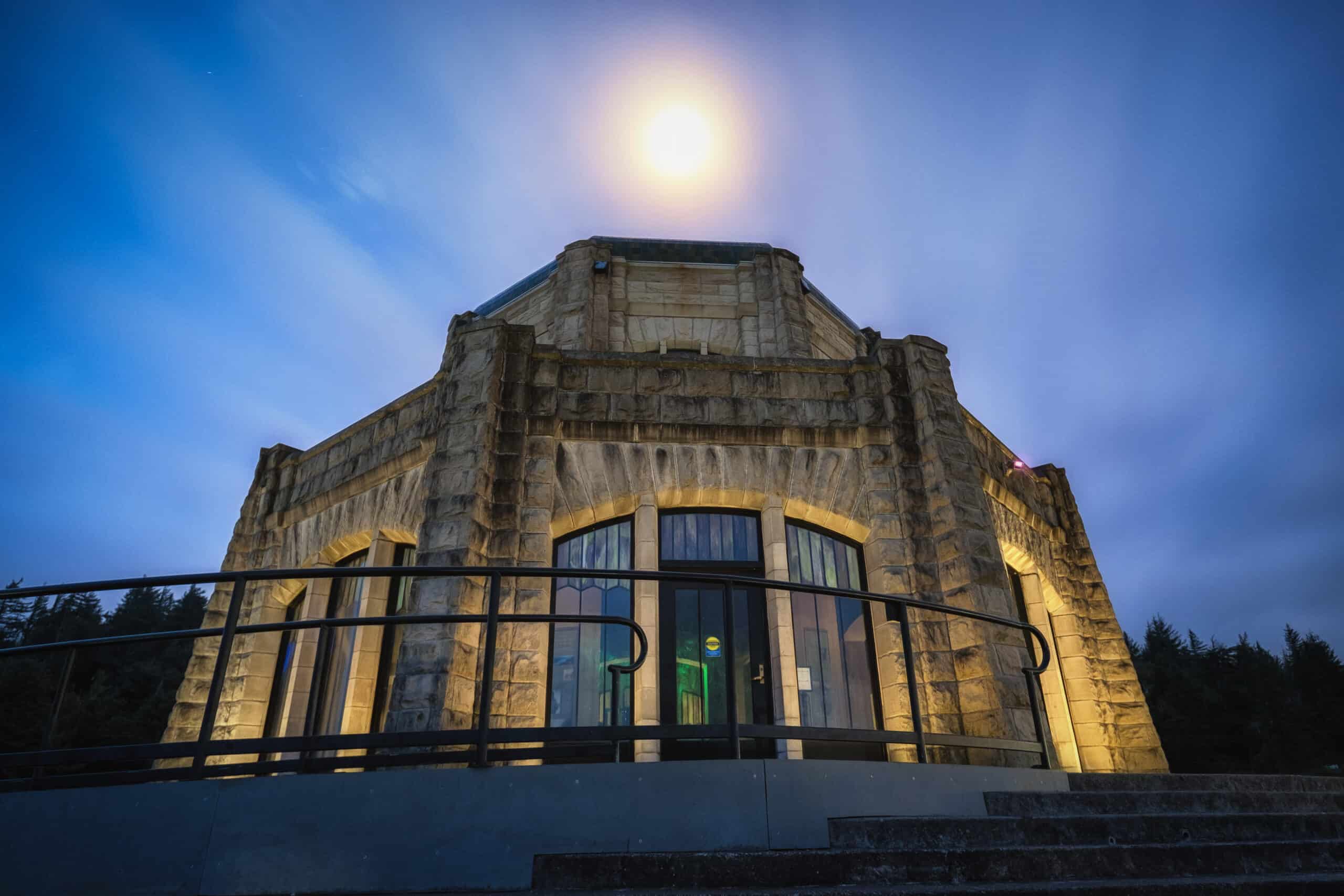
High above the Columbia River Gorge, Vista House at Crown Point feels like the kind of stop that makes a rushed drive slow down on its own. Oregon State Parks notes the rocky promontory at Crown Point rises high above the Columbia and marked the 1916 dedication of the Columbia River Highway, while Travel Oregon adds that Vista House was built between 1916 and 1918 as a comfort station and scenic wayside for motorists. The stop still delivers the same reward, a dramatic overlook, cool river wind, and a quiet reset before the next gorge tunnel or waterfall turnout.
Iowa 80 Truckstop, Walcott, Iowa
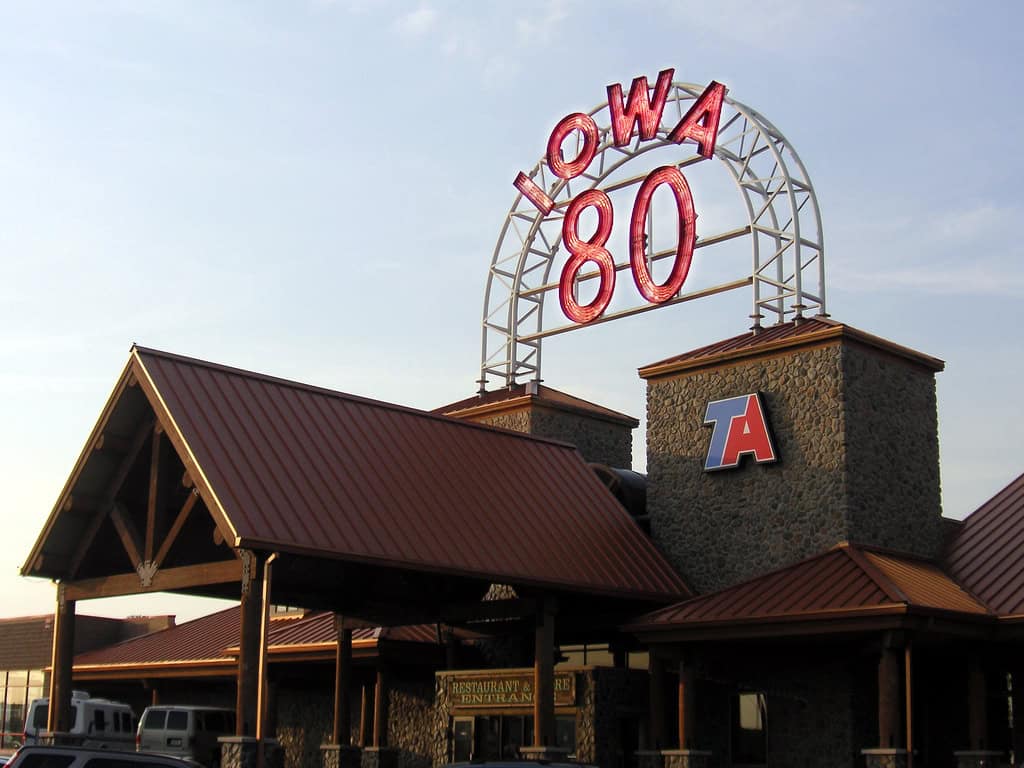
Iowa 80 Truckstop in Walcott is not just a place to top off a tank, it is practically a road town under one roof. The truckstop says it has been operating since 1964 and calls itself the World’s Largest Truckstop, and its own site lists a striking mix of services, including restaurants, showers, a barber shop, a movie theater, a laundry center, an onsite dental office, and the Iowa 80 Trucking Museum. It carries the scale of a destination, but the appeal is still simple, a reliable reset where almost anything a driver forgot, needed, or suddenly craved can be found.
Cadillac Ranch, Texas
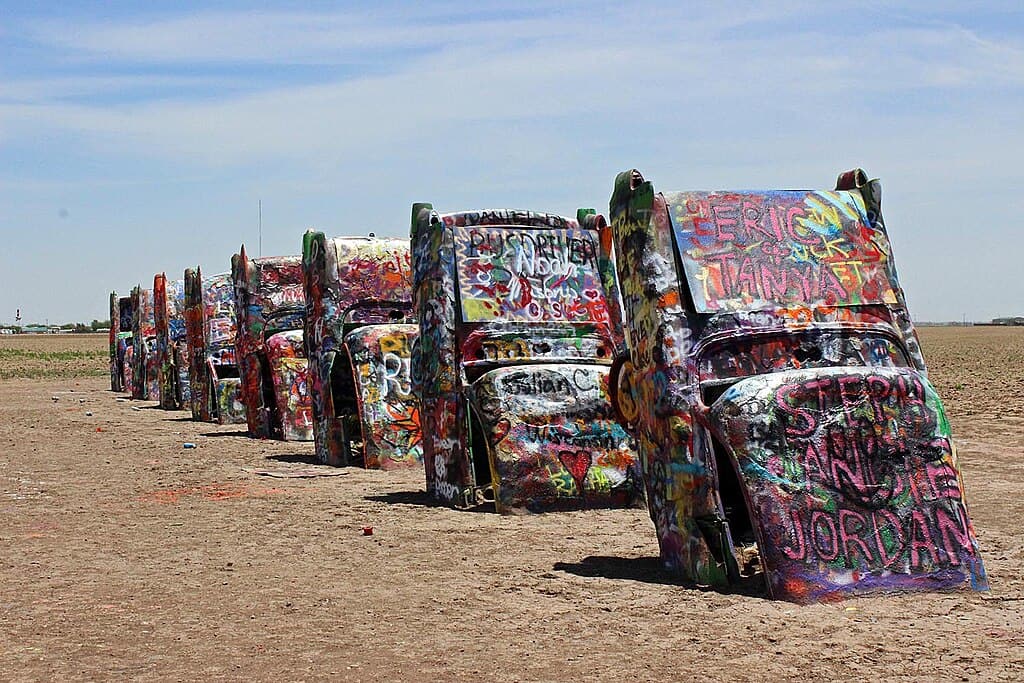
Cadillac Ranch outside Amarillo turns a quick roadside break into a brush with American pop art and Texas road culture at the same time. The Amarillo Museum of Art notes the installation began in 1974 and was created by Ant Farm artists Chip Lord, Hudson Marquez, and Doug Michels, while Route 66 travel records describe the 10 Cadillacs buried nose down near Interstate 40 and the landmark’s longstanding graffiti tradition. It is messy, windy, and constantly changing, which is exactly why travelers keep stopping, walking the field, and leaving a little color behind.
Blue Whale Of Catoosa, Oklahoma
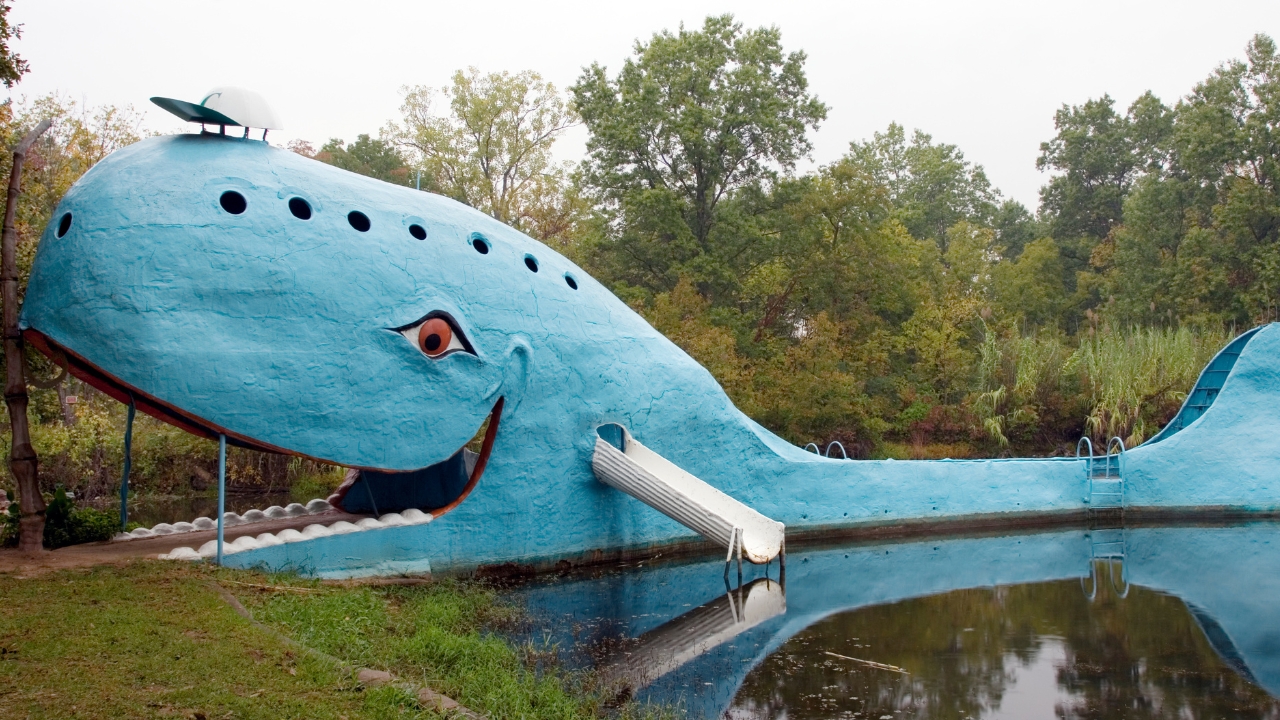
The Blue Whale of Catoosa brings a softer kind of roadside fame, the kind built on charm instead of spectacle or scale. GoUSA records that Hugh Davis built the whale in 1972 as a wedding anniversary gift for his wife, and the City of Catoosa now lists the Route 66 landmark at 2600 US Route 66 with daily visiting hours for guests. The smiling concrete giant still feels personal even after decades of road trip photos, and that mix of homemade affection, lakefront calm, and national nostalgia gives the stop unusual staying power for families, couples, and solo drivers alike.
Four Corners Monument, Navajo Nation
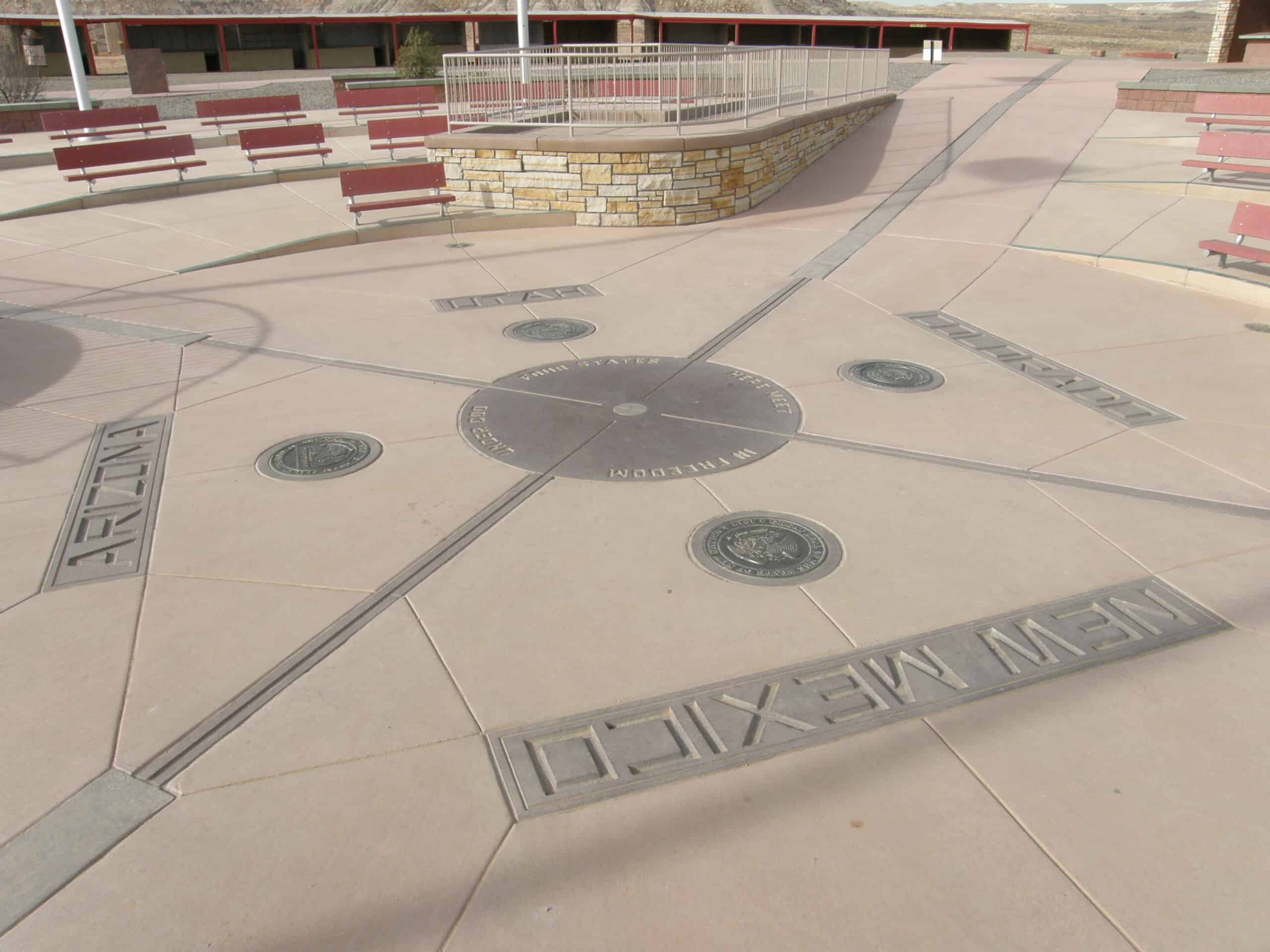
Four Corners Monument is one of the rare road stops where geography itself becomes the attraction and the photo proves a real point. Navajo Nation Parks describes it as the only place in the United States where four states meet at one point, and the site also notes the monument’s granite and brass marker and posted hours, while Discover Navajo highlights artisan vendors, Navajo foods, and year round access. Even with the remoteness, it offers a clear reason to pause, stretch, and stand inside a map while the high desert wind moves through the plaza and the vendors keep the stop grounded in place.
Wall Drug, South Dakota
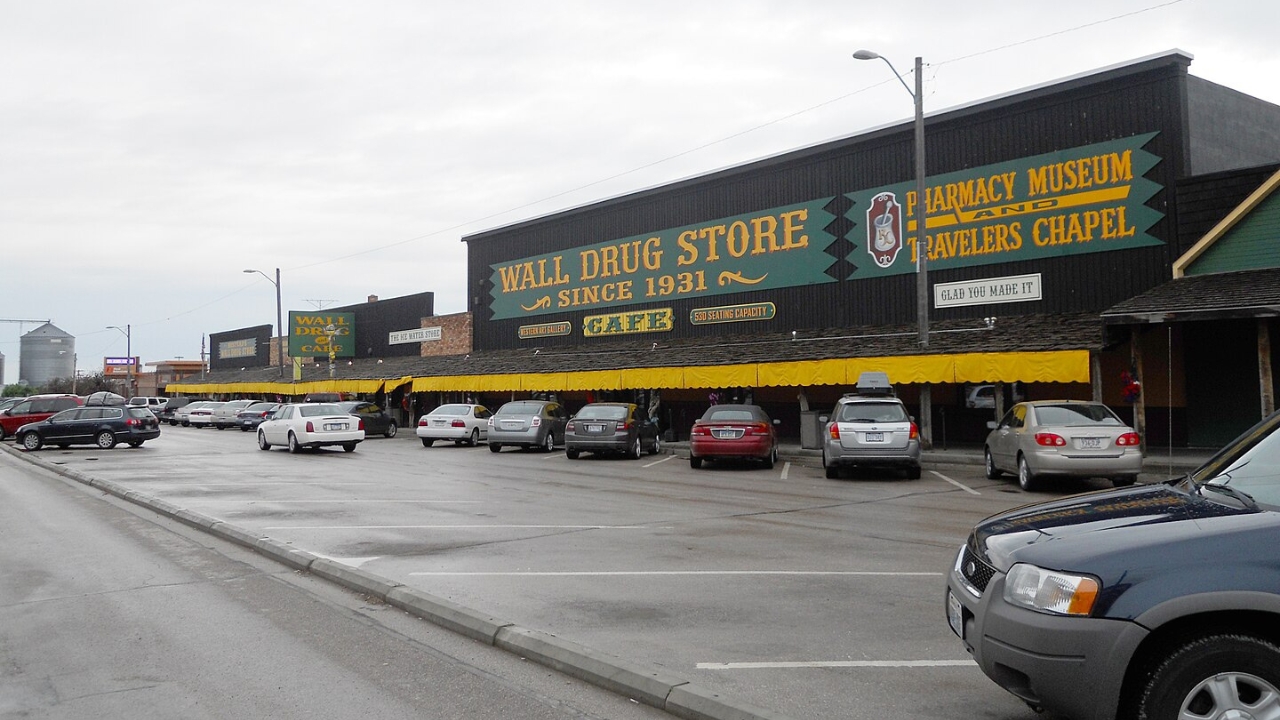
Wall Drug in South Dakota still works because it understands what weary travelers actually need, relief first and story second. Wall Drug’s official site traces its rise from a small 1931 store and credits the famous free ice water idea for turning it into a roadside oasis, and Travel South Dakota now describes a sprawling stop near Badlands National Park with food, shopping, free attractions, and 5 cent coffee. It is big, playful, and unapologetically old school, but the best part is how quickly it turns fatigue into energy and a short stop into a full break.
Meteor Crater, Arizona
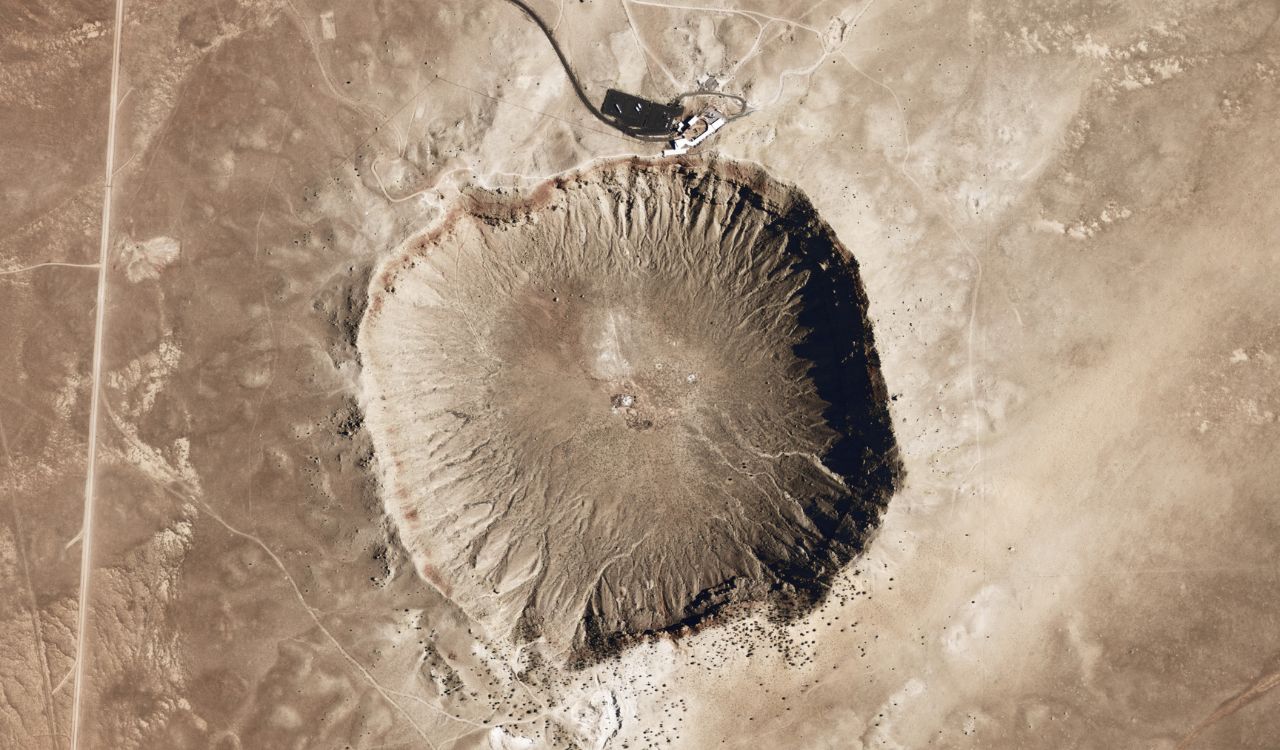
Meteor Crater in northern Arizona feels like a rest stop that accidentally became a science museum, a lookout, and a deep time lesson all at once. The U.S. Geological Survey says the crater formed about 50,000 years ago after an iron-nickel meteorite impact, and the official Meteor Crater site adds that the complex off I-40 and Route 66 includes lookout points, guided tours, a discovery center, and an Apollo 11 capsule exhibit. Few road trip pauses shift perspective so quickly, moving from highway routine to planetary scale in minutes, with the rim and sky doing most of the talking.
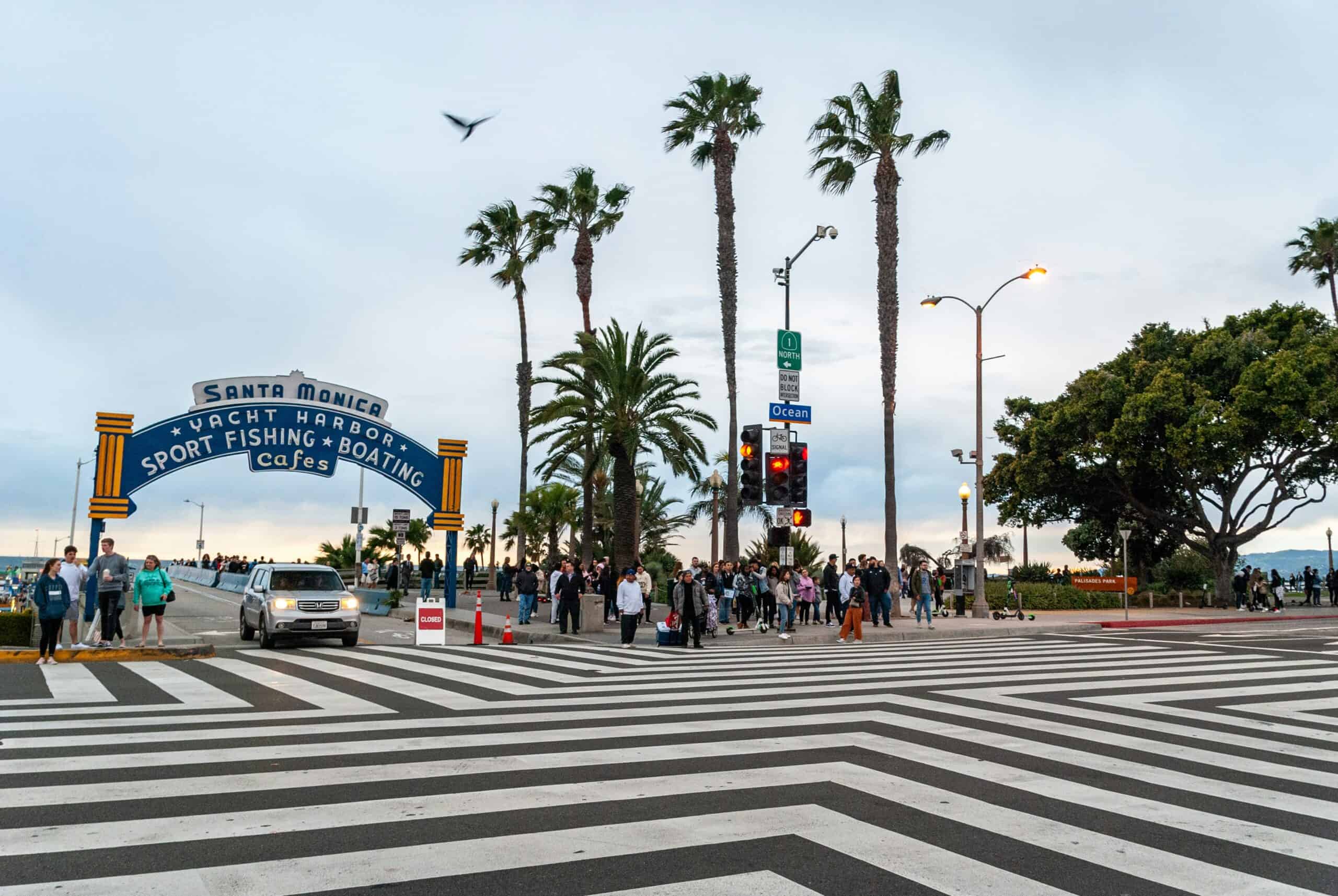
Santa Monica Pier Route 66 End, California
Santa Monica’s Route 66 ending point gives road trippers a finale with salt air, bright noise, and a little ceremony after a long haul west. Santa Monica Travel and Tourism calls the End of the Trail sign on the Pier the symbolic finish of Route 66 and encourages travelers to mark the moment there, and the same page notes a visitor center certificate for completed drives. After days of desert, plains, and long exits, the Pacific light at the pier makes the stop feel less like parking and more like a finish line worth savoring, with music, rides, and ocean air all around.