8 Hotel Rooms to Avoid at Check-In and What to Ask for Instead
We may earn money or products from the companies mentioned in this post. This means if you click on the link and purchase the item, I will receive a small commission at no extra cost to you ... you're just helping re-supply our family's travel fund.
Most bad hotel nights have nothing to do with the bed or the bathroom. They come down to location inside the building. The hotel rooms to avoid are the ones next to noise sources, foot traffic, and machinery, and you can usually dodge them with one polite request at the front desk or a note on your reservation.
Below are eight room locations that cause the most trouble, why each one is a problem, and the exact request that tends to get you something better. None of this requires elite status. It just requires asking before the key is coded.
8 Hotel Rooms to Avoid and the Better Request for Each
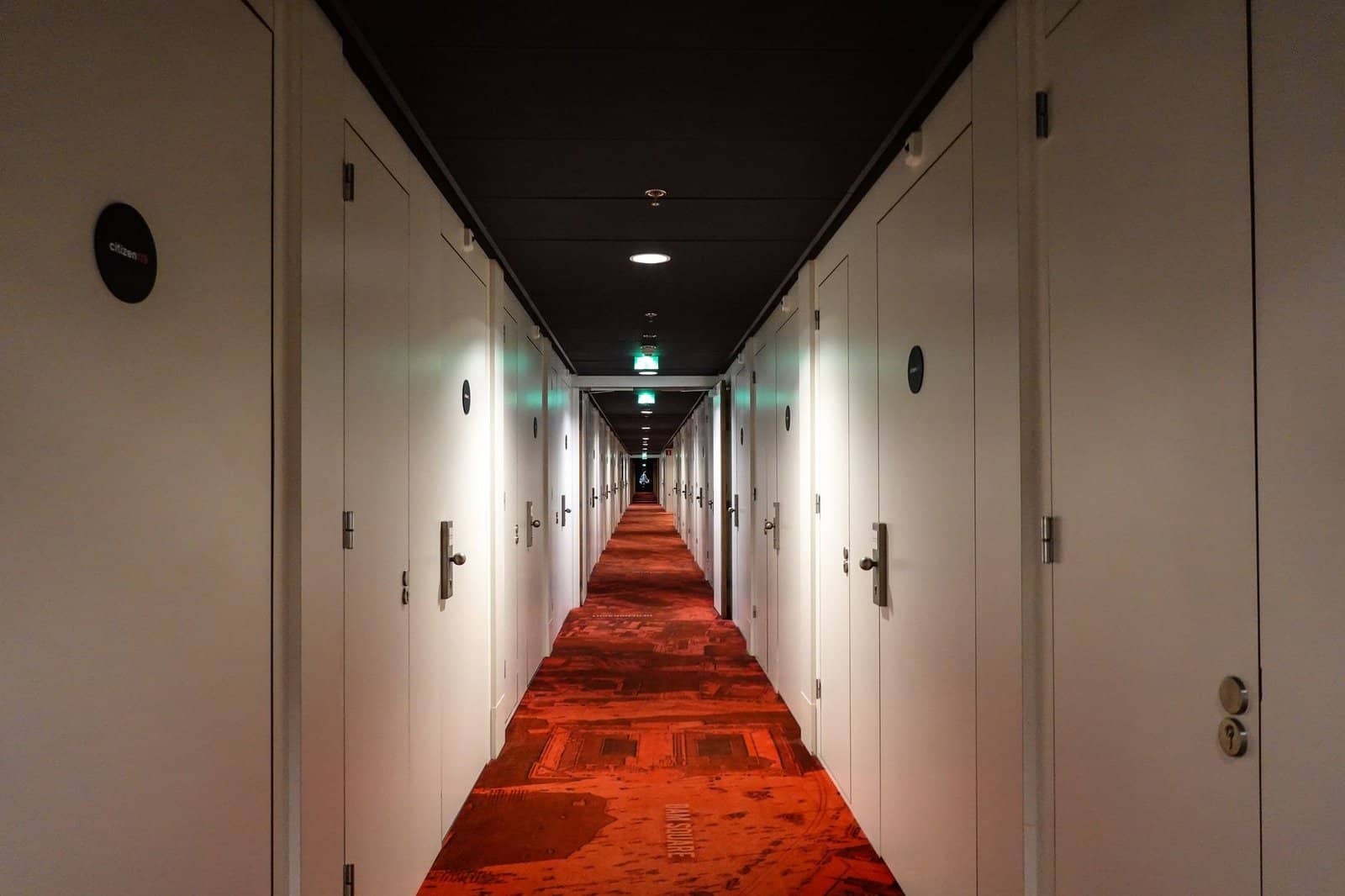
A ground rule first: hotels cannot always honor requests, especially on sold-out nights. Your odds go up if you ask early, ask specifically, and ask kindly. Adding a request to your booking and repeating it at check-in covers both bases.
1. The Room Next to the Elevator
Elevator rooms get the ding of arriving cars, the hum of machinery, and the chatter of guests waiting in the hall. Late-night arrivals and early-morning checkouts mean the noise runs on both ends of your sleep. In older buildings, you may also hear the cables and motors through the wall.
What to ask for instead: “A room away from the elevators, ideally mid-hallway.” Mid-hallway rooms balance a short walk with distance from the main traffic point. If you have mobility needs, ask for a room a few doors from the elevator rather than right beside it.
2. The Room Beside the Ice Machine and Vending Alcove
Ice machines rumble, clatter, and drop ice at random hours. Vending machines hum. Both draw guests at night, often with doors slamming as people walk back to their rooms. The alcove is usually lit all night, and the light can leak under your door.
What to ask for instead: “Not next to the ice machine, please.” It is a short, specific request that front desk staff understand right away. If the hotel map shows the ice room, you can name the room numbers to avoid.
3. The Room Above or Beside the Bar, Restaurant, or Ballroom
Hotel bars and ballrooms are designed for noise. Wedding receptions, conferences, and holiday parties can run late, and bass from a DJ travels through floors. Rooms directly above a restaurant kitchen can also catch early-morning noise and cooking smells from exhaust systems.
What to ask for instead: “A room on a higher floor, away from the event spaces.” Ask whether there are events scheduled that night. During the holiday party season from late November through December, this request matters more than usual, since ballrooms book up almost every weekend.
4. The Room With a Connecting Door
Connecting rooms are great for families traveling together. For everyone else, they are a weak point. The connecting door is thinner than a wall, so voices, TVs, and phone calls from the next room carry right through. Some guests also find the door a privacy concern, even though it locks from both sides.
What to ask for instead: “A room without a connecting door.” If you are traveling with family and need connecting rooms, request them explicitly and early, since hotels have a limited number.
5. The Room Near the Housekeeping or Service Closet
Housekeeping closets are busy from early morning. Carts roll in and out, staff restock linens, and service elevators may sit nearby. You will also hear the clank of carts in the hallway as rooms turn over between checkout and check-in.
What to ask for instead: “Away from the service areas and housekeeping closet.” This is harder to verify, but staff know where their own closets are. Pair it with the elevator request for better results.
6. The Ground-Floor Room Facing the Parking Lot or Street
Ground-floor rooms facing the lot or a busy street pick up headlights, car doors, conversations, and traffic. In some properties, security is also a concern, since windows are at street level. Motels and roadside hotels often put these rooms next to the main entrance.
What to ask for instead: “An upper-floor room facing the back or courtyard.” Upper floors reduce street noise and feel more private. In cities, interior-facing rooms are often much quieter, even if the view is less exciting.
7. The Room Overlooking the Pool on a Busy Weekend
Pool views sound appealing, but in resort areas and family hotels, the pool is a center of noise. Kids splash from opening to closing, music may play during the day, and evening gatherings can run late. Pool pumps and lights can also be noticeable at night.
What to ask for instead: “A room facing away from the pool.” In late fall and winter, many outdoor pools close or quiet down, so this is less of a problem in November. Indoor pools in hotel atriums, however, can carry noise into rooms that open onto the atrium.
8. The Room Directly Under the Roof Equipment or Rooftop Bar
Top-floor rooms are often the quietest in a building. The exception is a room directly below mechanical equipment, like HVAC units, or a rooftop bar. Mechanical units can hum, vibrate, and cycle on and off all night. Rooftop bars bring footsteps, music, and late crowds.
What to ask for instead: “A high floor, but not directly under the rooftop bar or mechanical equipment.” If the hotel has a rooftop venue, ask what floor sits below it. The floor just under the top is often a safer bet.
How to Make the Request So It Actually Works
Hotels assign many rooms the day before arrival or the morning of. A request in your booking notes helps, but it may not be seen by the person assigning rooms. A few steps improve your odds:
- Add the request to your reservation when you book.
- Call or message the hotel one or two days before arrival to confirm.
- Repeat the request at check-in, briefly and politely.
- Ask before the key is coded. Once you are in the room, moving is harder.
Specific requests work better than vague ones. “A quiet room” can mean many things. “High floor, away from the elevator and ice machine” gives staff something concrete.
What to Do If You Land in a Bad Room Anyway
Sometimes the hotel is full and you end up next to the ice machine. Before you unpack, walk the room and listen for a minute. If it is clearly noisy, go back to the desk right away. Hotels are more able to move you early in the evening than after midnight.
If no other room is available, a few fixes help:
- Use earplugs or a white noise app.
- Roll a towel along the bottom of the door to block light and sound.
- Turn on the room’s fan or air unit as background noise.
- Ask whether a room will open up the next day if you are staying multiple nights.
Calm, polite requests tend to get better results than complaints. Staff often have more flexibility than guests realize, especially for multi-night stays.
How Hotel Layout Shapes Your Odds
Every hotel layout is different, but a few patterns hold. In a typical tower hotel, the quietest rooms are often mid-hallway on upper floors, facing away from streets and event spaces. In a motel-style property, rooms at the far ends of the building tend to be quieter, as long as they are not next to stairwells or ice machines.
Resort properties are trickier, since pools, restaurants, and entertainment spread across the grounds. Look at a resort map before you book, and choose a building away from the main activity areas if sleep matters most.
When Booking Apps and Room Types Matter
Some hotels let you choose a room type or even a specific room through their app. If yours does, use it. Pick a room on a higher floor and away from elevators based on the floor plan, if one is available.
Corner rooms can be a good option. They often have more windows and fewer shared walls, though they may be closer to stairwells. Rooms labeled “accessible” have wider doors and specific bathroom features, and hotels need to keep them available for guests who need them, so do not request them unless you do.
Why These Rooms Exist in the First Place
Every hotel has a few weaker rooms. Elevators, ice machines, and service closets have to go somewhere, and the rooms next to them still need to sell. Hotels usually assign those rooms last, often to guests who book through third-party sites, arrive late, or make no requests at all.
That is why a request matters. It moves you up the list for better rooms. Loyalty members and direct bookers often get priority, but a polite, specific ask can help any guest. Arriving earlier in the day also helps, since more rooms are open before most guests check in.
Special Cases Worth Knowing
A few situations call for extra care.
- Sports teams and school groups. Ask if a group block is staying, and request a different floor.
- Construction. Ask whether any part of the hotel is under renovation, and request a room far from the work.
- Late checkout. If you plan to sleep in, ask for a room away from heavy checkout traffic near elevators.
- Airport hotels. Ask for a room facing away from the runway or highway.
These are common during busy travel seasons like Thanksgiving week and the winter holidays, when hotels fill with families, teams, and event guests. Knowing the hotel rooms to avoid gives you a better shot at a full night’s sleep, even when the building is packed.