We may earn money or products from the companies mentioned in this post. This means if you click on the link and purchase the item, I will receive a small commission at no extra cost to you ... you're just helping re-supply our family's travel fund.
As digital travel habits rise and global hotel groups search for faster, leaner operations, self-service kiosks are becoming a defining part of the check-in experience. While most brands are not eliminating front desks entirely, many are shifting toward kiosk-first or kiosk-heavy arrival models by 2026. This article explores eight major hotel chains or groups that, based on their adoption of mobile keys, contactless platforms, and large-scale guest tech programs, are positioned to expand kiosk usage significantly across their portfolios.
1. Hilton
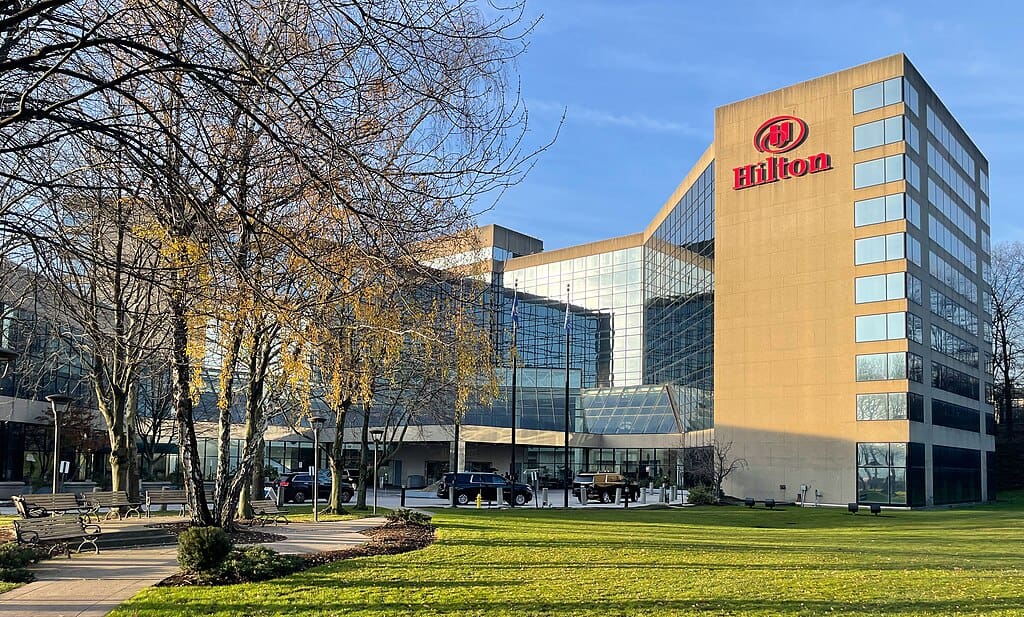
Hilton has expanded Digital Key and app-based arrival tools at a rapid pace, letting guests skip the desk entirely. From January to August 2024, the chain logged roughly 14.3 million Digital Key downloads, with internal surveys showing that about 63% of guests prefer a digital key option. With background-unlock pilots already deployed in nearly 1,000 hotels, Hilton is on track to position kiosks as a primary check-in route across many airport and city properties by 2026 as it continues focusing on speed and guest autonomy.
2. Marriott International
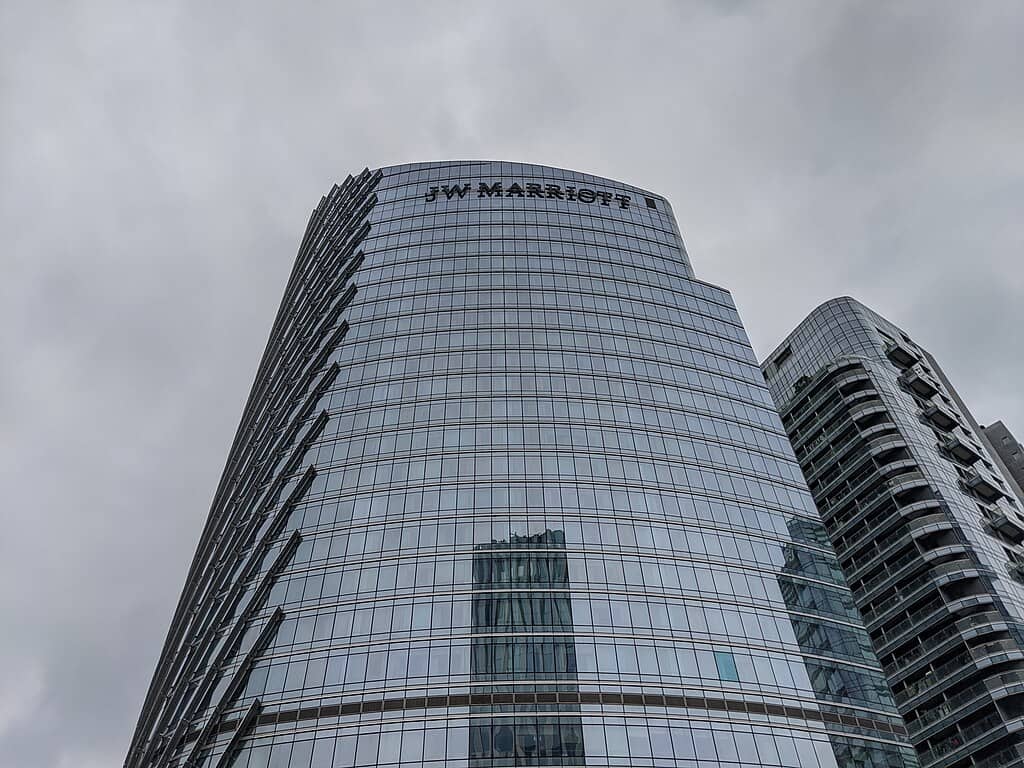
Marriott’s Bonvoy app integrates remote check-in, mobile keys, and lobby kiosks that let travelers pick up pre-coded cards without waiting in line. The brand’s mobile-first philosophy aligns with industry data showing that about 70% of travelers prefer app or kiosk check-in over traditional service. These trends suggest Marriott could make kiosk-first workflows standard in an estimated 25–40% of major urban, conference, and gateway properties by 2026, balancing guest convenience with operational efficiency.
3. Hyatt
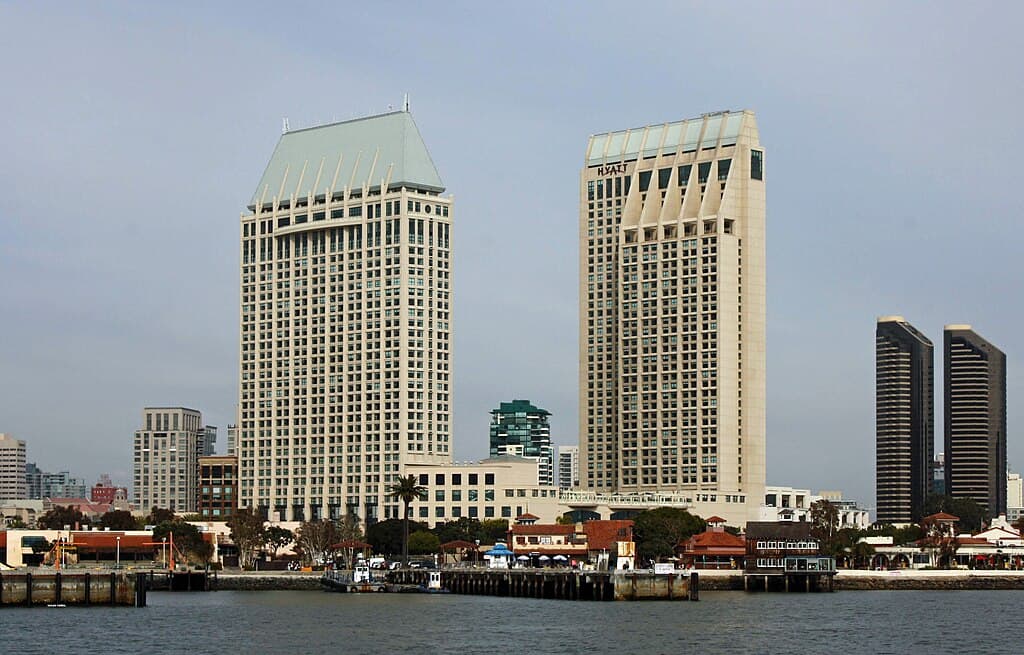
Hyatt’s expanded digital key rollout and early adoption of Apple Wallet access signal its readiness for wider kiosk integration. Initial Wallet pilots began in 2021, and subsequent tech partnerships support more automated arrival flows. Hyatt is expected to focus kiosk expansion within airport, business, and midscale properties where efficiency matters most. By 2026, analysts estimate 20–35% adoption across suitable hotels, pairing faster arrivals with traditional front-desk service for premium, high-touch segments.
4. Accor
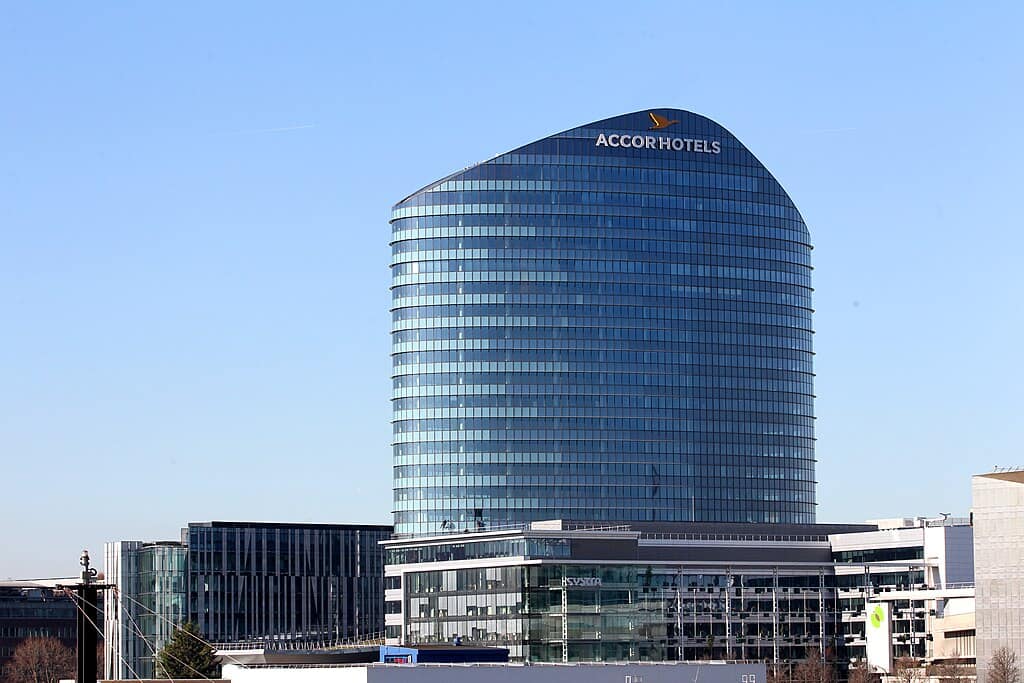
Accor introduced “Accor Key” as part of a larger shift toward seamless digital stays. Since 2021, it has pushed contactless tech across its global portfolio, especially in economy and midscale brands where automation offers clear value. Forecasts point to kiosks appearing in around 30% of economy and midscale hotels and 10–15% of higher-tier properties by 2026. Franchise support, strong regional pilots, and investment in standardized tech infrastructure continue to shape its expanding kiosk strategy.
5. IHG Hotels & Resorts
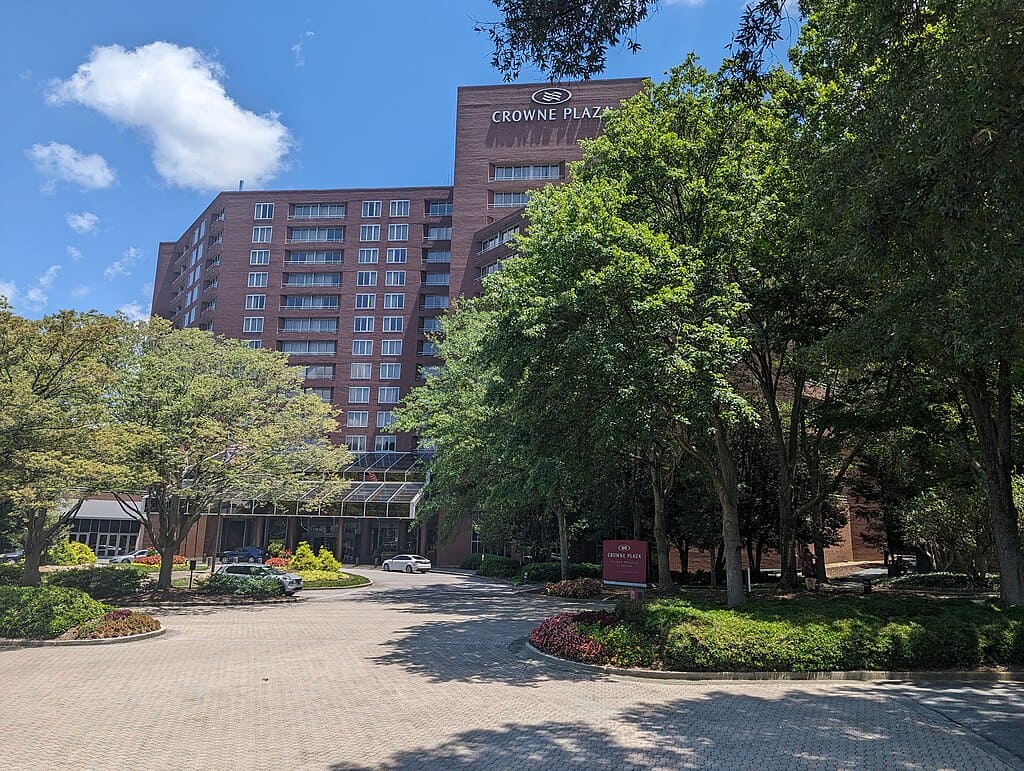
IHG has strengthened its digital check-in and checkout tools, allowing guests to confirm arrival and skip lines at participating hotels. While IHG favors a hybrid approach combining desks and kiosks, franchise adoption and partnership pilots show growing interest in automated arrival flows. Realistic projections indicate that 25–40% of the brand’s global properties may offer kiosk or app-first arrival options by 2026, driven by cost savings, labor challenges, and evolving guest service preferences.
6. Wyndham Hotels & Resorts
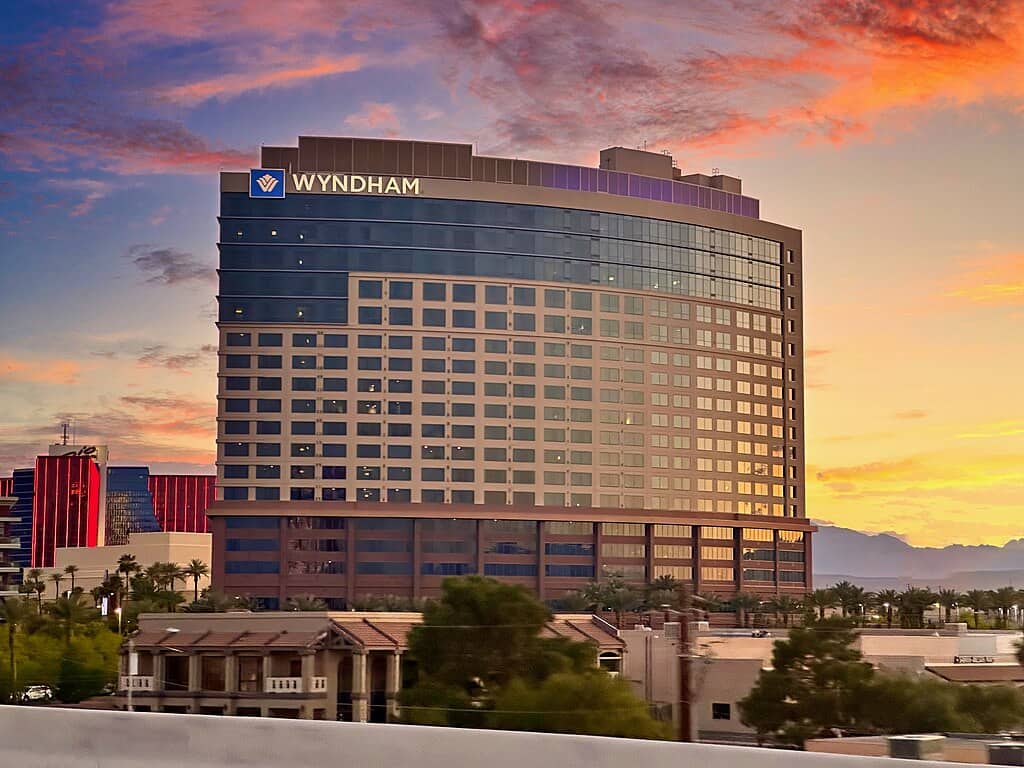
Wyndham implemented mobile check-in across nearly 6,000 North American hotels, demonstrating the feasibility of large-scale digital arrival systems. This reach makes kiosks a natural next step, especially in high-volume, roadside, and airport properties. Given Wyndham’s focus on efficiency, analysts expect 40–60% kiosk availability in eligible hotels by 2026. The brand’s lean operational style and owner interest indicate significant momentum toward kiosk-led arrival processes.
7. Choice Hotels & Franchise Groups
Choice Hotels and other franchise-driven networks often adopt new technology faster because individual owners can experiment with solutions that fit their operations. Industry surveys show about 39% of hotel owners already use digital keys or self-check kiosks. This points to a potential 30–50% kiosk presence across Choice and similar franchise clusters by 2026, especially in markets facing labor shortages or where guest throughput demands are consistently high.
8. Best Western & Independent Operators
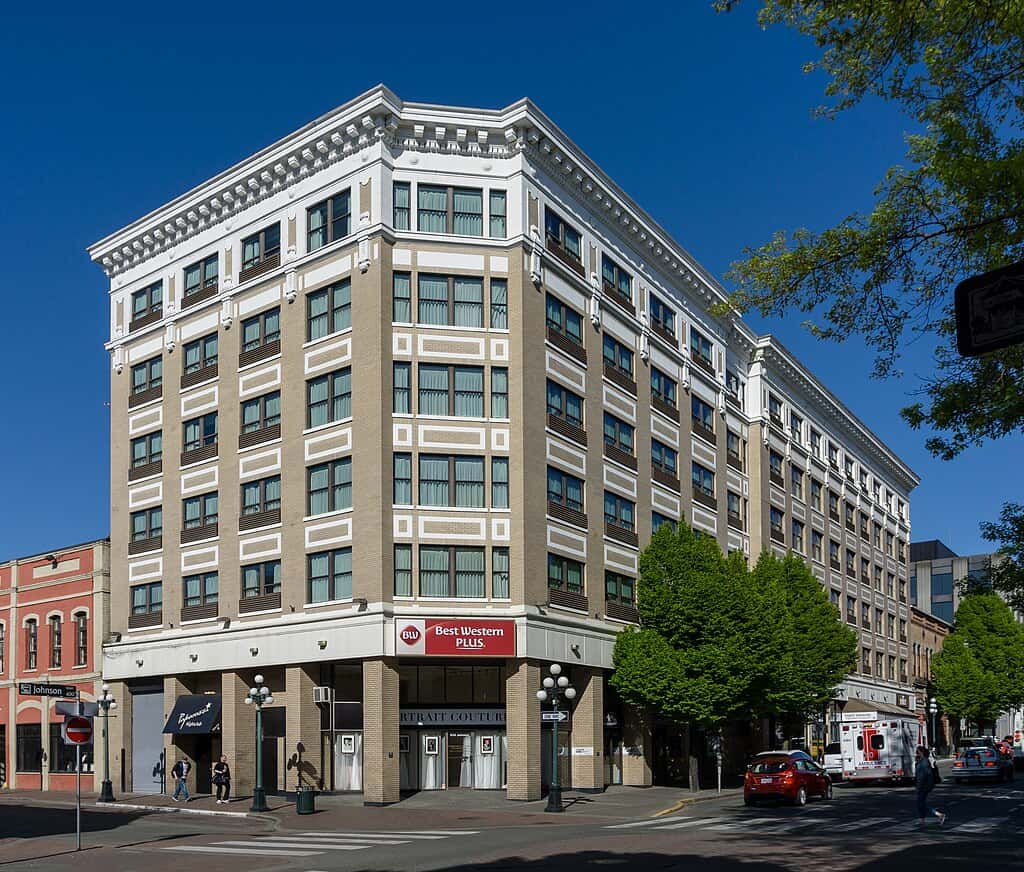
Best Western and many independent hotels frequently lead kiosk adoption in airport zones, busy tourist corridors, and high-traffic city hubs. Examples include Best Western Plus properties in European capitals using kiosks for late-night arrival efficiency. These models highlight how smaller operators benefit from 24/7 automated access. Practical forecasts place kiosk deployments in 25–45% of Best Western and independent urban or airport hotels by 2026, supported by simple installation and measurable cost savings.