We may earn money or products from the companies mentioned in this post. This means if you click on the link and purchase the item, I will receive a small commission at no extra cost to you ... you're just helping re-supply our family's travel fund.
True hospitality isn’t just politeness, it’s the quiet feeling that you belong. In some countries, visitors are absorbed into daily rhythms with surprising ease, from remembered coffee orders to unsolicited help and warm conversations. These destinations consistently rank high for friendliness, social openness, and visitor satisfaction, but more importantly, they make newcomers feel seen rather than processed. Below are eight countries where cultural habits, social values, and everyday behavior blur the line between guest and local, often within days of arrival.
1. Portugal

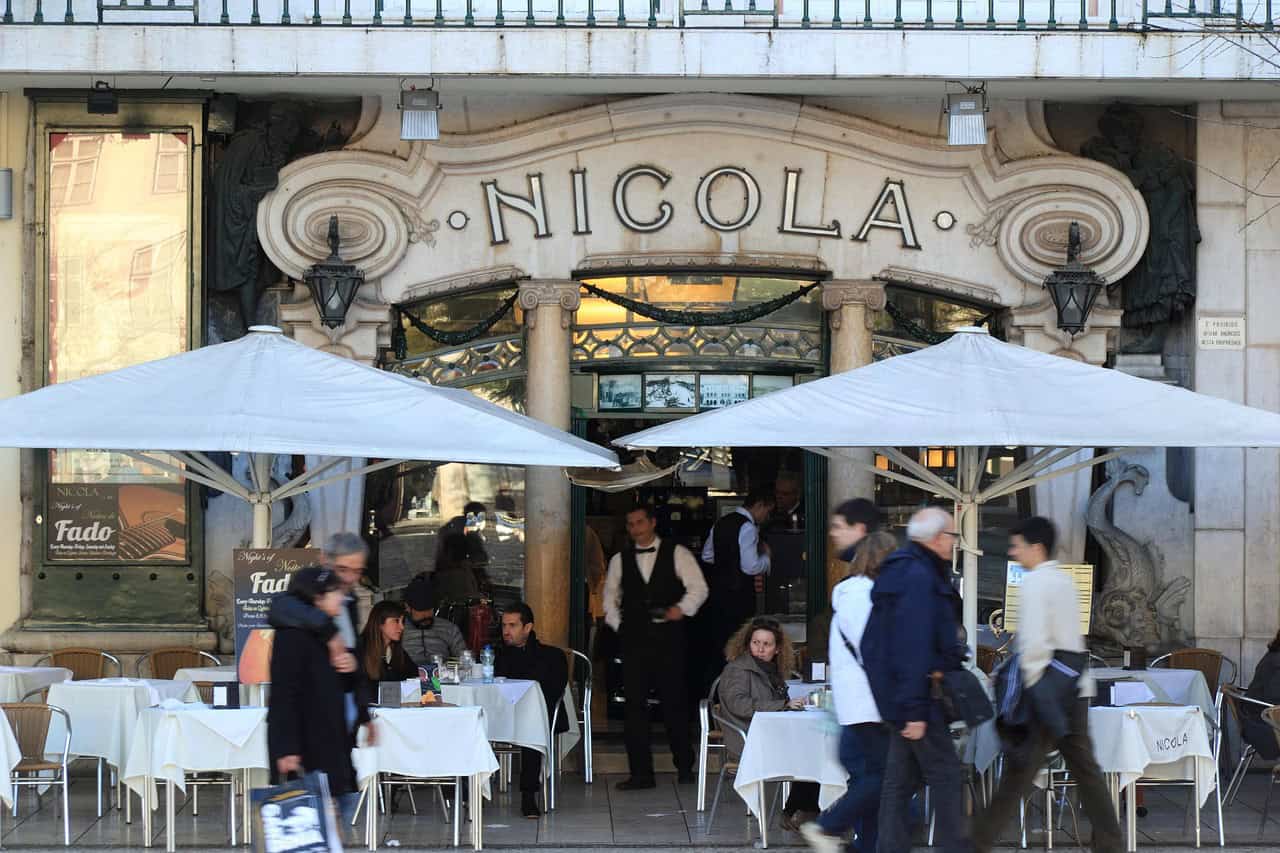
Portugal’s hospitality is rooted in familiarity rather than performance. Over 78% of residents live in mid-sized towns or neighborhoods where social life centers on cafés, bakeries, and local markets. Visitors who return to the same spots are quickly recognized, greeted, and included in casual conversation. English is spoken by roughly 60% of adults, easing communication without isolating you from local culture. Portugal also ranks in the top 10 globally for expat satisfaction, with low social barriers and a slow pace that encourages interaction. The country’s compact size crossable in under 6 hours makes repeated local engagement effortless.
2. Japan
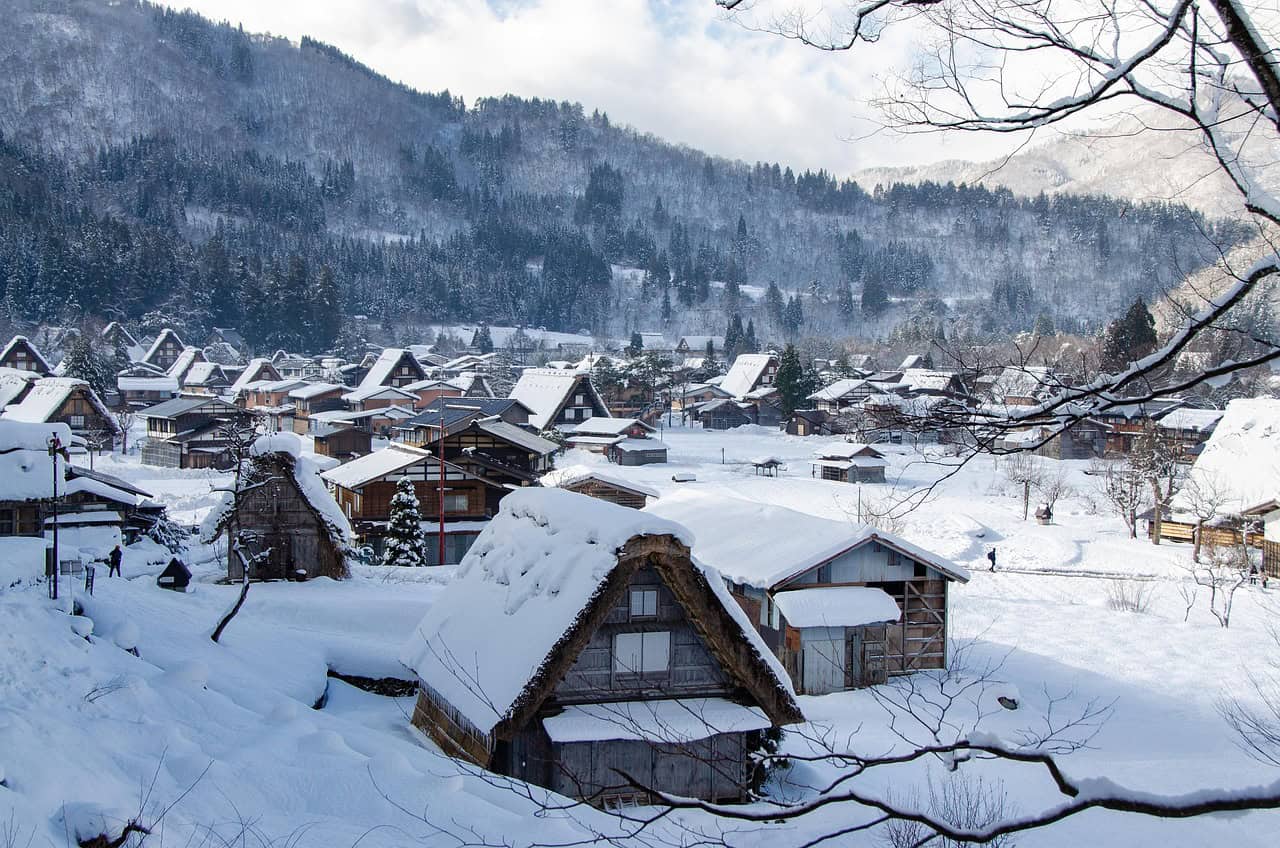
Japan’s hospitality is structured, intentional, and remarkably consistent. The cultural principle of omotenashi emphasizes anticipating needs, which explains why over 90% of lost items are returned to owners. While cities like Tokyo house more than 14 million people, neighborhood life remains intimate and ritualized. Public transport punctuality exceeds 99%, reducing stress for newcomers. Even with only about 30% conversational English fluency nationwide, locals routinely assist through gestures, written notes, or walking visitors to destinations. Regular customers are remembered quickly, turning anonymity into quiet recognition within days.
3. Mexico
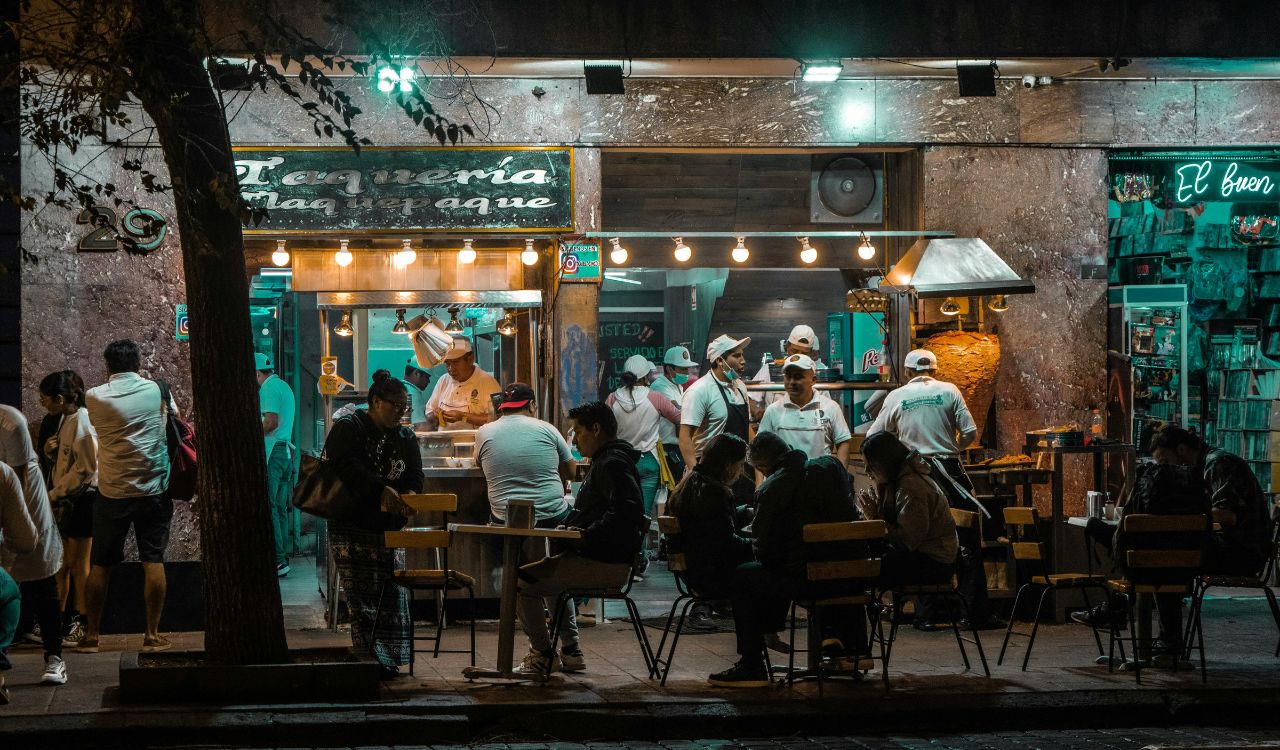
Mexico’s warmth is immediate and emotionally open. Nearly 85% of social interactions involve informal conversation, even between strangers, according to regional sociability studies. Family-centric culture means guests are often treated as extensions of the household, especially outside major resorts. Over 70% of Mexicans live in urban neighborhoods where street food, local shops, and shared routines dominate daily life. Returning to the same vendor or café often earns nicknames and personalized service. Mexico also receives over 40 million international visitors annually, yet retains strong local identity in everyday spaces.
4. Georgia (Country)
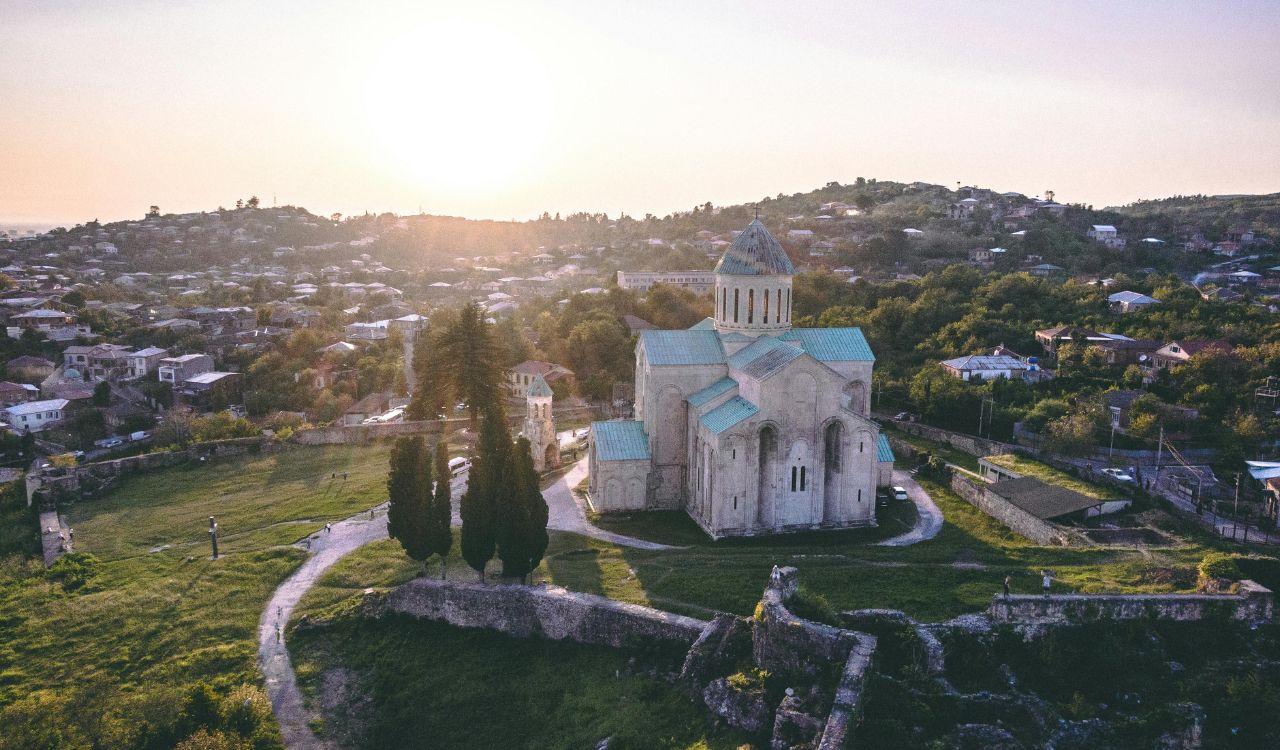
Georgia treats hospitality as a moral duty rather than a courtesy. The concept of the guest as a blessing is deeply ingrained, with over 60% of social gatherings involving shared meals and toasts. The average Georgian household prepares enough food to serve at least twice the number of expected guests. English proficiency sits near 35%, but warmth bridges gaps quickly. With a population under 4 million, repeated encounters are common, especially in Tbilisi and rural regions. Visitors frequently report home invitations within days, a rarity even in traditionally friendly cultures.
5. Thailand
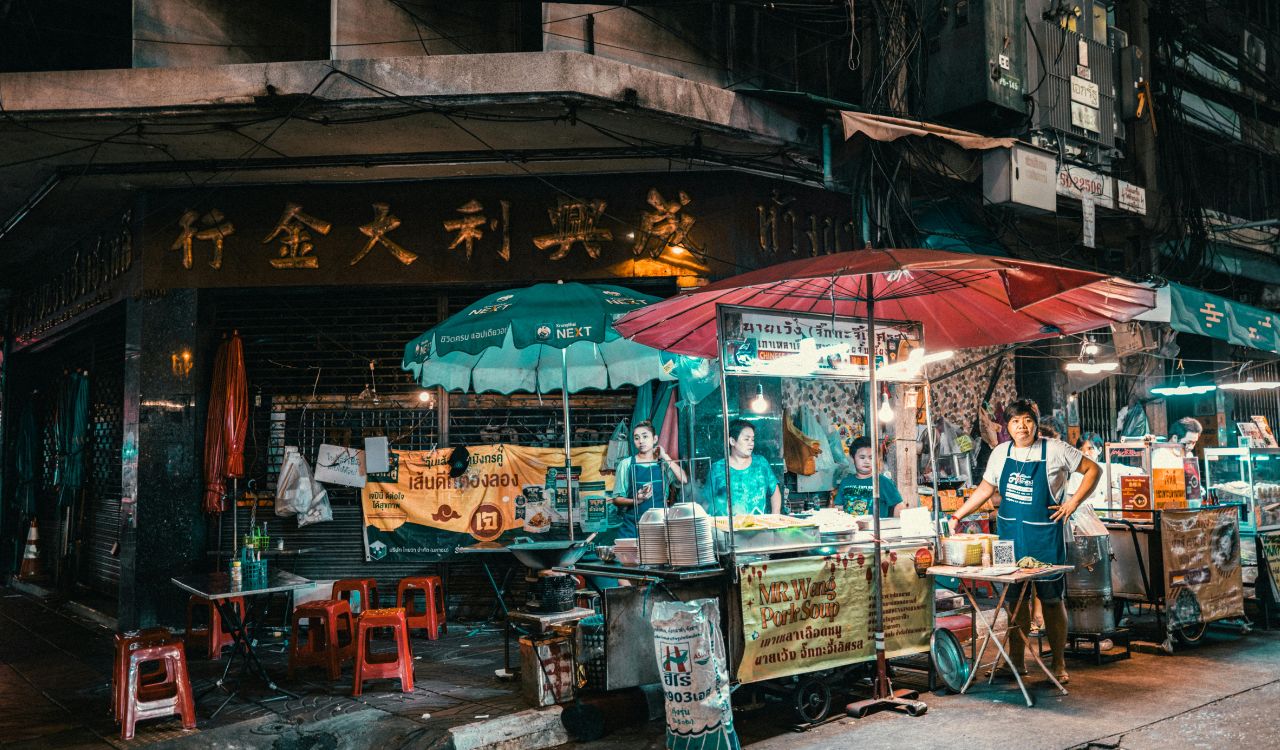
Thailand’s friendliness is calm, consistent, and socially ingrained. Over 90% of interactions follow cultural norms centered on politeness and conflict avoidance, making daily life smooth for newcomers. The country hosts roughly 28 million visitors annually, yet outside tourist cores, locals remain patient and welcoming. English proficiency is moderate at around 40% in urban areas, but nonverbal communication fills gaps easily. Small businesses dominate nearly 70% of the economy, meaning repeat customers are noticed quickly. Familiarity is rewarded with smiles, flexibility, and personal attention rather than formality.
6. Ireland
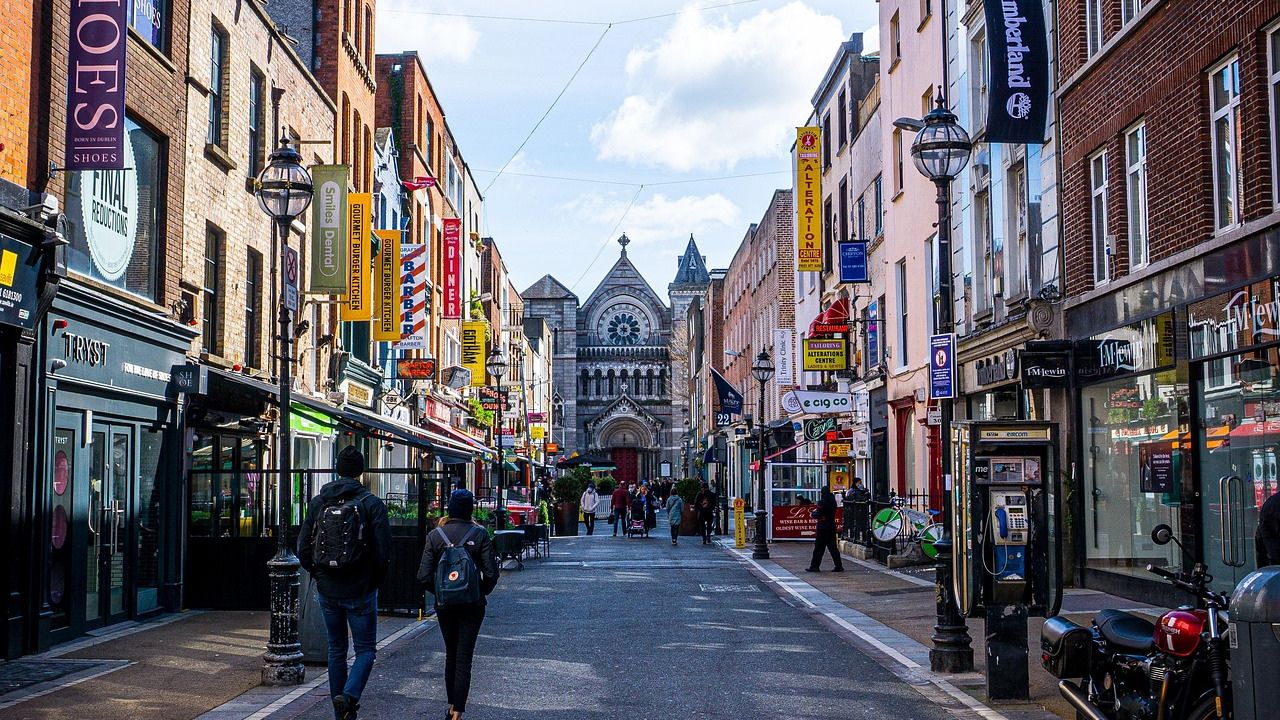
Ireland’s social openness is conversational rather than ceremonial. Studies show over 75% of Irish adults engage in daily informal chats with strangers, particularly in pubs and local shops. English removes barriers instantly, allowing visitors to participate without hesitation. With a population of just over 5 million, community familiarity builds fast, especially outside Dublin. Ireland also ranks among the top countries for perceived friendliness in Europe. Humor, storytelling, and shared complaints create rapid social bonds, making visitors feel included rather than observed within ordinary daily exchanges.
7. Indonesia

Indonesia’s hospitality is subtle, respectful, and deeply communal. More than 87% of Indonesians identify community harmony as a core social value, influencing how guests are treated. In cities and villages alike, visitors are often included in ceremonies, meals, and daily routines without fanfare. English proficiency averages 43% in tourist-adjacent regions, but helpfulness is rarely dependent on language. With over 17,000 islands, local identity is strong, and repeat presence matters. Being remembered is valued more than spending power, creating genuine inclusion over time.
8. Turkey
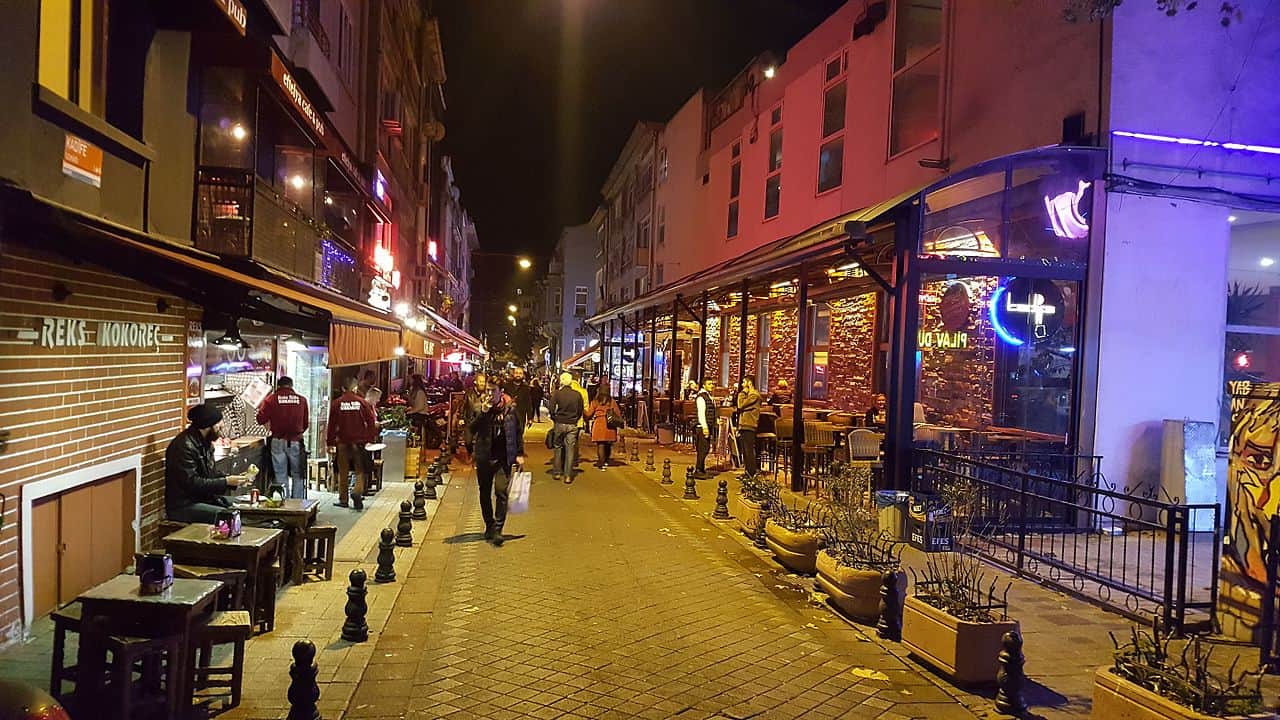
Turkey blends curiosity, generosity, and social confidence. Over 65% of daily social interactions involve unsolicited conversation, often initiated by locals. Tea is offered as a gesture of welcome rather than commerce, especially in markets and neighborhoods. English proficiency sits near 45% in urban areas, easing connection. Turkey receives more than 50 million visitors annually, yet hospitality remains personal rather than transactional. Regulars are remembered quickly, and returning visitors are often treated as familiar faces woven into the cadence of everyday life.