We may earn money or products from the companies mentioned in this post. This means if you click on the link and purchase the item, I will receive a small commission at no extra cost to you ... you're just helping re-supply our family's travel fund.

By 2026, Route 66 is approaching its centennial with more attention, more nostalgia, and more pressure than ever. Independent motels, diners, and gas stations sit on land that developers and national brands would love to fold into hotel clusters and travel plazas. Preservation grants help some owners fix neon and roofs, but every upgrade also makes a sale more tempting. What hangs in the balance is not just quirky signage, but a living record of the American road trip that chains can’t really copy.
Blue Swallow Motel, Tucumcari, New Mexico

The Blue Swallow’s pink stucco, garages beside each room, and glowing neon swallow are Route 66 shorthand for midcentury road travel. Open since 1939 and now family run, it stands in direct contrast to the chain hotels lining nearby I-40.Preservation grants have helped repair hail damage and keep the sign blazing, but long term survival still depends on resisting buyout logic that would flatten its personality into another generic freeway exit stop.
Delgadillo’s Snow Cap, Seligman, Arizona

Delgadillo’s Snow Cap is a 1953 burger stand wrapped in jokes, hand painted signs, and a family story that anchors Seligman’s revival as a Route 66 town.Grants to restore its rotating sign show how seriously preservationists take this one small building. Yet the land under it, on a corridor refreshed for the centennial, has the sort of visibility chain brands chase. The family’s choice to stay independent turns every milkshake and prank into quiet resistance against corporate sameness.
Texaco Gas Station, Shamrock, Texas

The restored Art Deco façade of Shamrock’s 1930s Texaco station still glows at night with green and white neon that once signaled fuel and food for long-distance drivers. It stands across from modern convenience stores that run on scale and simple cost per gallon math, yet locals keep protecting the tower and pumps as if they were civic monuments. Developers have approached the owners more than once, offering to modernize or rebrand it. Each season it stays independent feels like a small rebellion against the idea that heritage has to be profitable to be preserved.
Wigwam Motel, Holbrook, Arizona
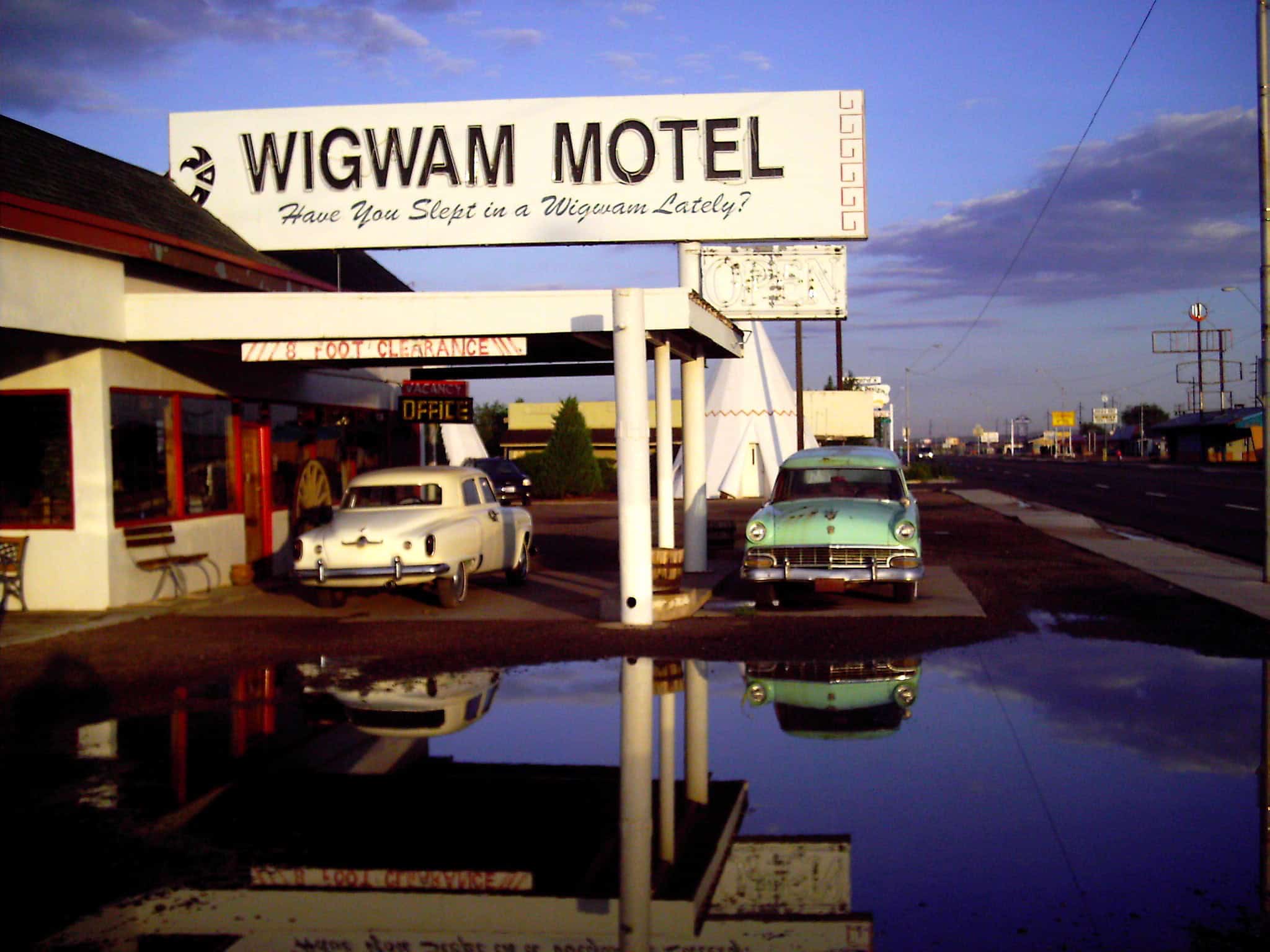
The Wigwam Motel remains one of Route 66’s most photographed stops, with its concrete teepees and vintage cars creating a roadside scene that refuses to be replaced by fast-casual lodging. Rising renovation costs and real estate pressure make a sellout tempting, yet the owners continue restoring units in painstaking phases rather than flipping the land for chain development. Visitors come not for luxury but for the strange sense of time travel the property holds. For now, the Wigwam survives as proof that weird, nostalgic Americana can still outrun corporate formulas.
Cars on the Route, Galena, Kansas
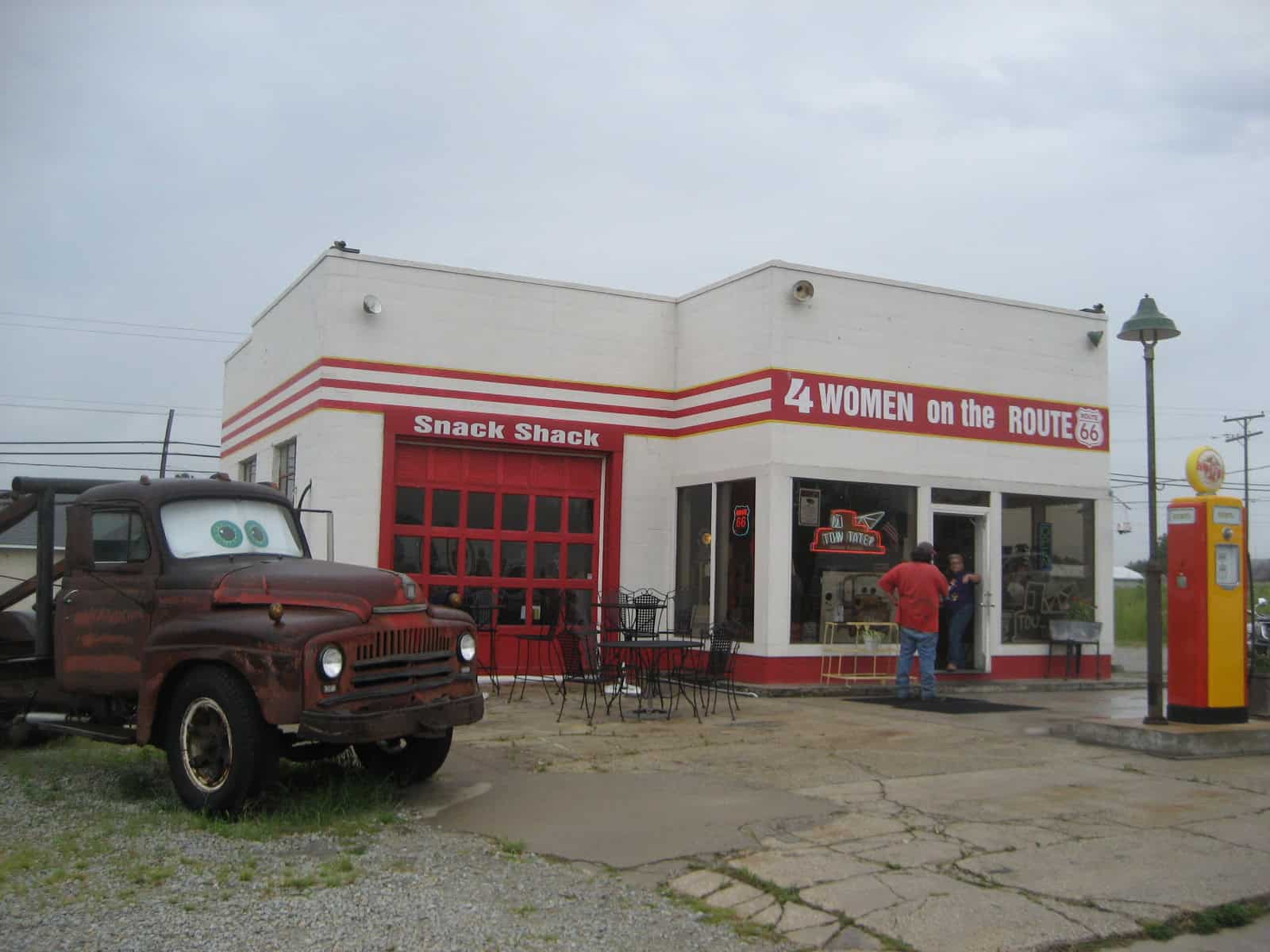
Cars on the Route occupies a restored 1934 Kan-O-Tex gas station, the same site that helped inspire characters in Pixar’s “Cars.”Wikipedia+1 It leans into that pop culture connection with old trucks and photo ops, drawing fans from around the world. Preservation funding for modern HVAC hints at how fragile the business model is; one brutal summer could undo a season. The building’s cinematic appeal makes it prime corporate branding material, yet its charm comes from staying small and a bit improvised.
Docs Just Off 66, Girard, Illinois
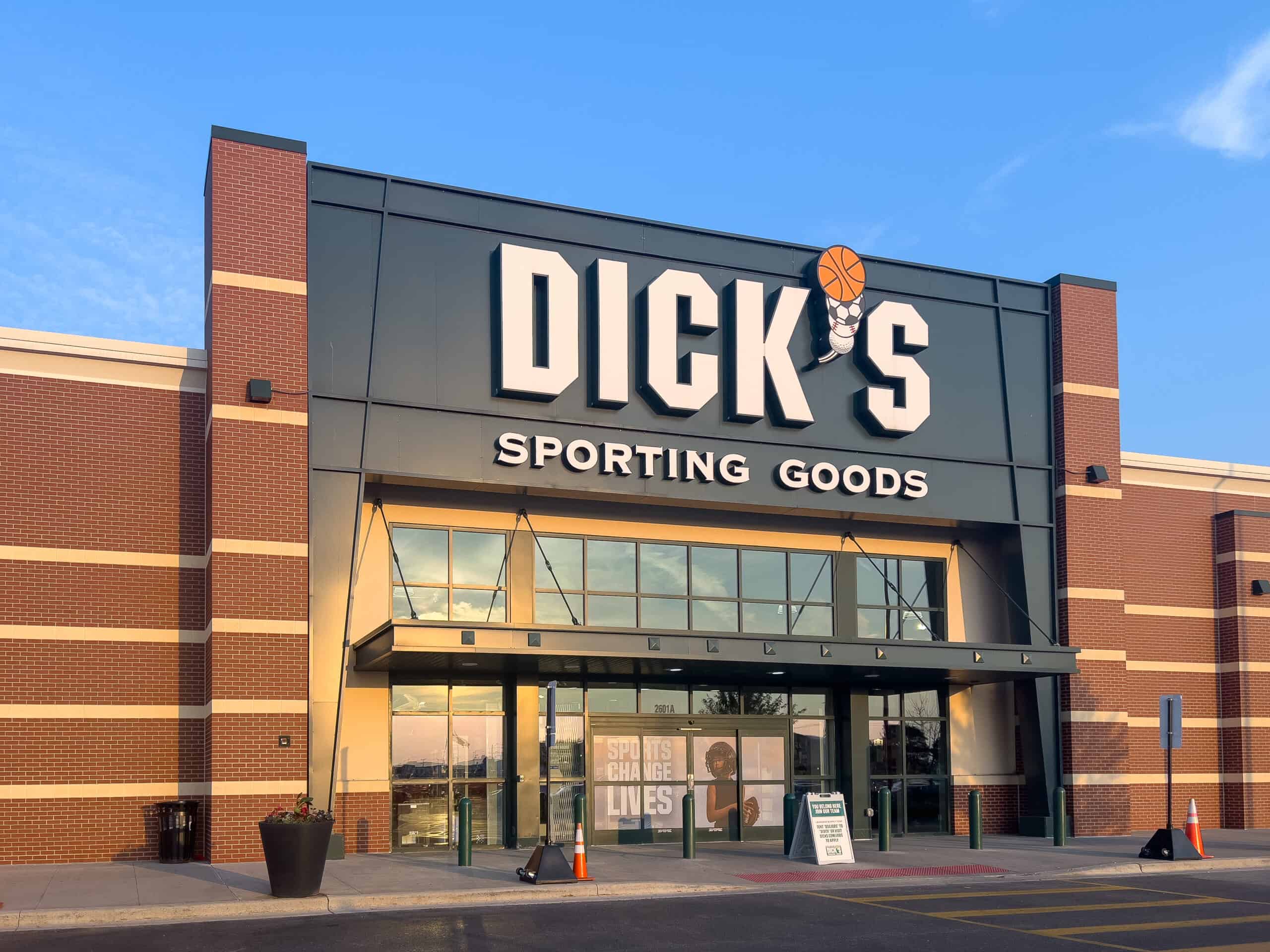
Docs Just Off 66 occupies an 1870s building that once housed Decks Drug Store, complete with an original 1929 soda fountain and a mini museum of pharmacy relics.savingplaces.org+1 A recent grant is paying for new windows and tuckpointing instead of a teardown that would clear space for something standardized. The business straddles several roles at once: diner, history lesson, and community anchor. That mixed identity resists easy franchising, which is precisely what makes it vulnerable and worth fighting for as big brands expand nearby.
The Big Texan Steak Ranch, Amarillo, Texas

The Big Texan Steak Ranch may look larger than life, but it is still a Route 66 original at heart, launched in 1960 along the highway and later moved to I-40 with its towering cowboy sign. Restoration work on that neon giant, backed by preservation funds, signals how much symbolic weight the place carries. Its size and steady traffic would make a tempting acquisition for national steak or roadside chains. Instead, owners are doubling down on its weird, local identity rather than smoothing it into a polished corporate concept.
Amboy And Roy’s Motel & Café, California
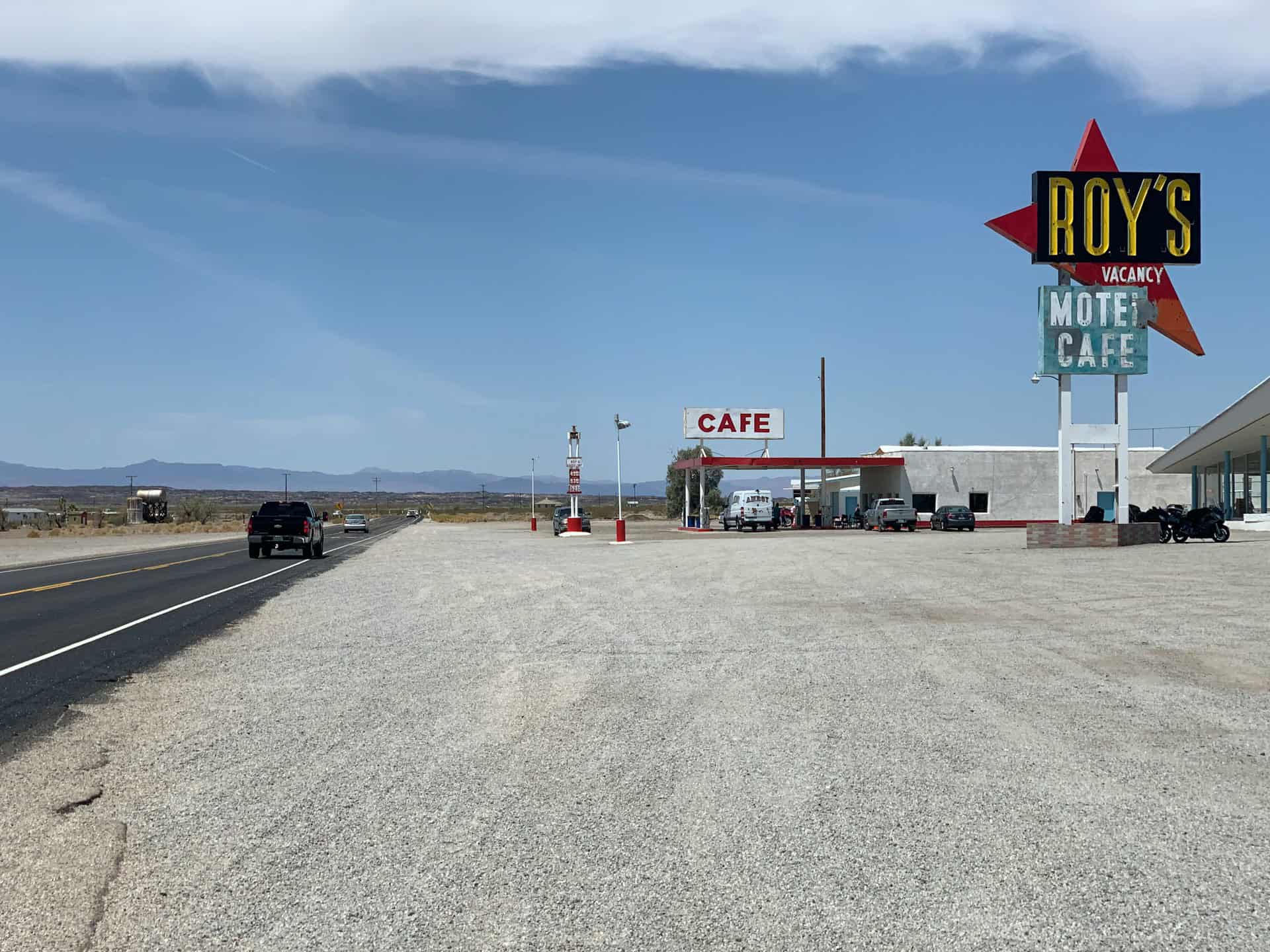
Amboy, a Mojave Desert ghost town with a population of zero, revolves around Roy’s Motel & Café and its 50-foot neon sign.The town’s current stewards inherited both a restoration dream and a financial tightrope, working toward a full revival by Route 66’s centennial. Investors could easily pitch slick glamping pods or a branded fuel plaza here. Instead, the family leans into preservation, seeing Amboy as a living time capsule. Each year it survives intact is a small victory over the idea that every crossroads must maximize profit.