We may earn money or products from the companies mentioned in this post. This means if you click on the link and purchase the item, I will receive a small commission at no extra cost to you ... you're just helping re-supply our family's travel fund.
Perfectly edited travel videos make every destination look effortless. Sunsets glow, cafés are empty, and adventures unfold without friction. What rarely appears on camera are the practical risks that quietly affect thousands of travelers each year. Beyond common warnings about scams, there are overlooked dangers tied to digital habits, fatigue, climate shifts, and local laws. Here are eight underreported travel risks explained with real-world context, useful data, and grounded precautions.
1. Real-Time Location Sharing Can Invite Targeted Theft
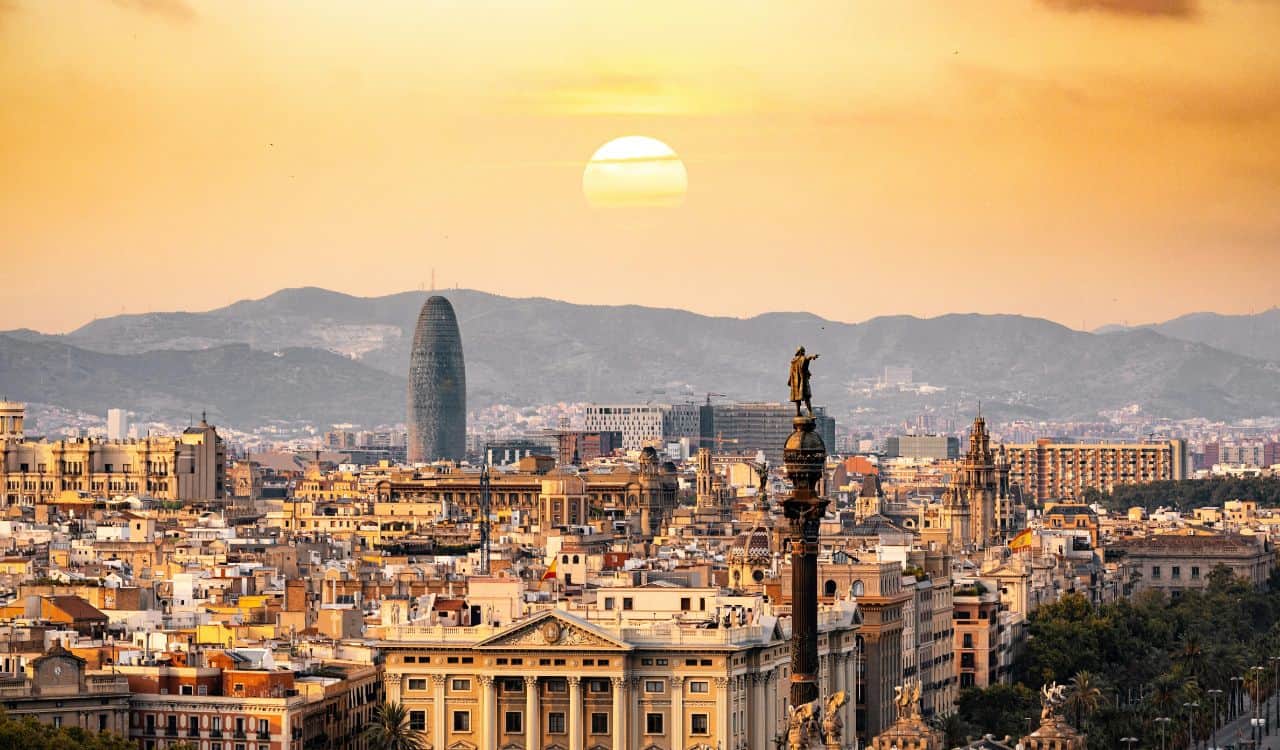
Posting live updates may feel harmless, but broadcasting your exact location can create predictable movement patterns. In high-traffic tourist cities like Barcelona and Rome, petty theft rates spike in crowded districts, with thousands of reported pickpocket cases annually. Criminal groups often monitor hashtags and geotags to identify distracted visitors carrying visible cameras or phones worth $800–$1,500.
Delaying uploads by even 12–24 hours significantly reduces traceability. Turning off automatic tagging and avoiding hotel name mentions in real time limits exposure. Simple digital discretion lowers the odds of becoming a soft target in busy tourist corridors.
2. Short-Term Rentals May Lack Standard Safety Controls

Stylish apartments often look safer than they actually are. Unlike hotels, many short-term rentals in cities such as Bangkok and Mexico City are not uniformly inspected for fire compliance. Some properties lack secondary exits, updated wiring, or functioning smoke detectors. In dense urban zones, emergency response times can range from 8 to 20 minutes depending on traffic.
Before booking, confirm fire alarms, emergency contacts, and secure locks in writing. Choosing listings with 50+ verified reviews and a rating above 4.7 stars statistically reduces unpleasant surprises. Aesthetic appeal should never replace basic structural safety.
3. Viral “Hidden Gems” Can Become Physically Dangerous
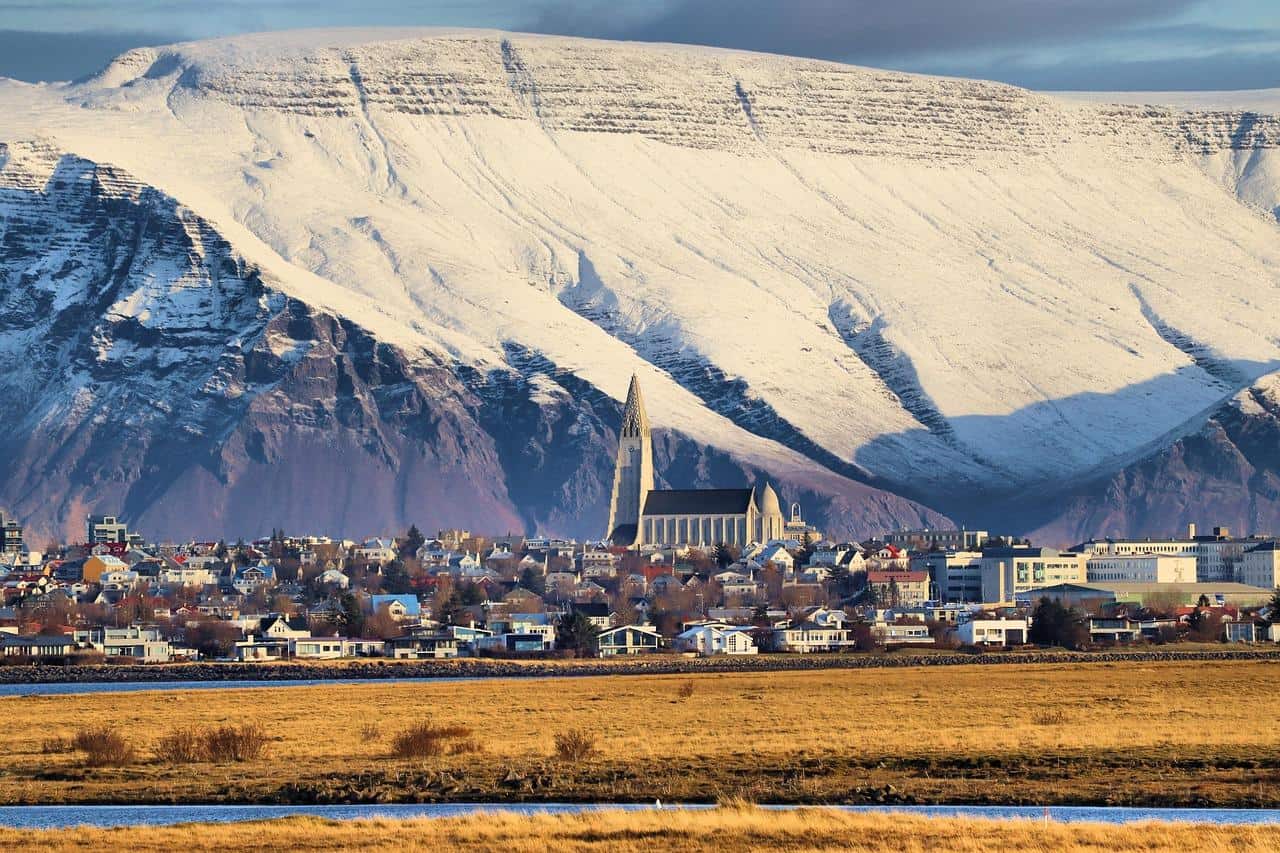
Once a secluded viewpoint goes viral, visitor numbers can surge by 200–300% within months. Areas near Bali and Reykjavik have seen fragile cliffs and narrow trails overwhelmed beyond safe capacity. Limited guardrails and unpredictable weather amplify the risk of slips and falls.
Early arrival, weekday visits, and checking official capacity advisories reduce exposure to crowd-related hazards. What looks serene in a 30-second reel may involve unstable terrain and limited rescue access. Popularity often outpaces infrastructure, leaving travelers vulnerable.
4. Basic Travel Insurance Often Excludes Adventure Activities
Many travelers assume insurance covers everything, yet standard policies frequently exclude high-risk sports. Activities common in Queenstown and Phuket such as bungee jumping or deep-sea diving, may require special riders. Emergency evacuations alone can exceed $25,000 depending on distance and medical urgency.
Reading policy fine print takes 20 minutes but prevents major financial strain. Confirm coverage limits, altitude restrictions, and claim procedures before departure. Influencer footage rarely mentions the paperwork, but preparation determines whether a mishap becomes manageable or devastating.
5. Sudden Climate Changes Can Trigger Health Stress
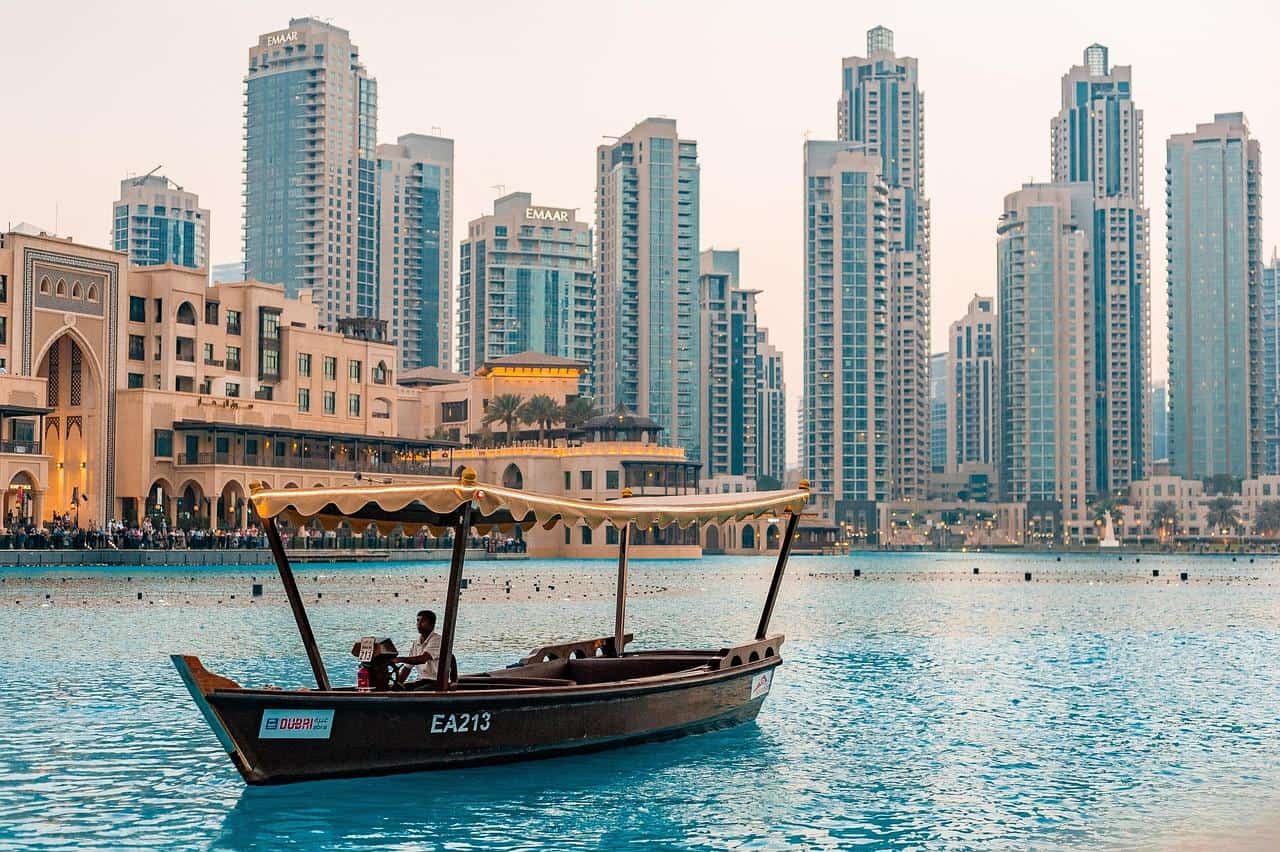
Rapid transitions from cold regions to humid destinations like Singapore or Dubai strain the body’s temperature regulation. Heat exhaustion can develop within hours when humidity exceeds 70% and temperatures pass 35°C. Dehydration symptoms often begin with subtle fatigue, headache, light dizziness before escalating.
Drinking 2.5–3 liters of water daily in hot climates and scheduling indoor breaks every 90 minutes significantly lowers risk. Influencer visuals rarely show recovery time. Acclimatization typically takes 3–5 days, and respecting that adjustment window prevents avoidable medical issues.
6. Transportation Fatigue Increases Accident Probability
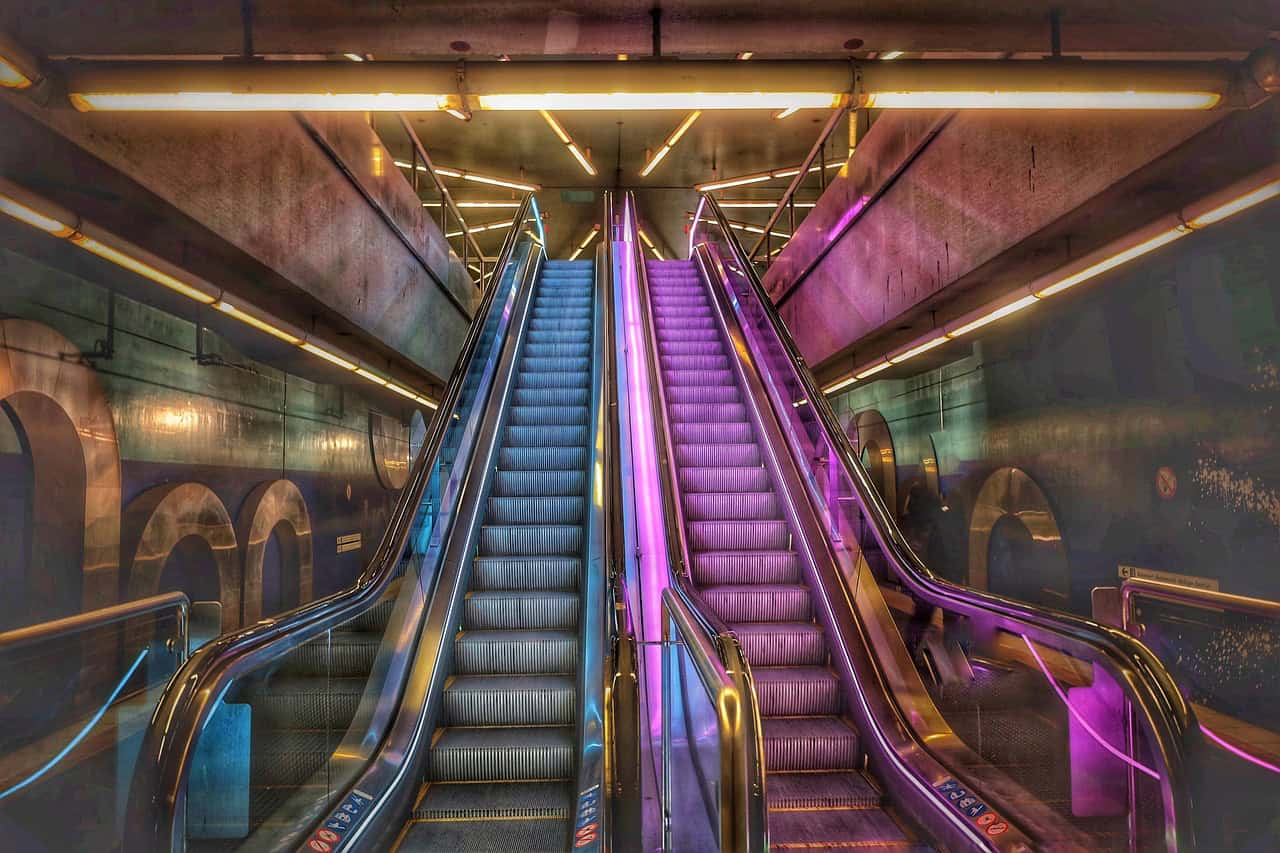
Tight itineraries encourage overnight flights, 5 a.m. tours, and late-night city exploration. In sprawling cities such as Los Angeles and Tokyo, daily transit can exceed 2–3 hours. Sleep deprivation of even 18 hours impairs reaction time similarly to mild alcohol intoxication.
Micro-sleeps lasting 2–5 seconds may occur without warning, especially while driving scooters or crossing complex intersections. Scheduling buffer days and limiting back-to-back long-haul travel reduces cognitive fatigue. Stunning itineraries look seamless online, yet exhaustion quietly increases real-world risk.
7. Public Wi-Fi Networks Expose Sensitive Data
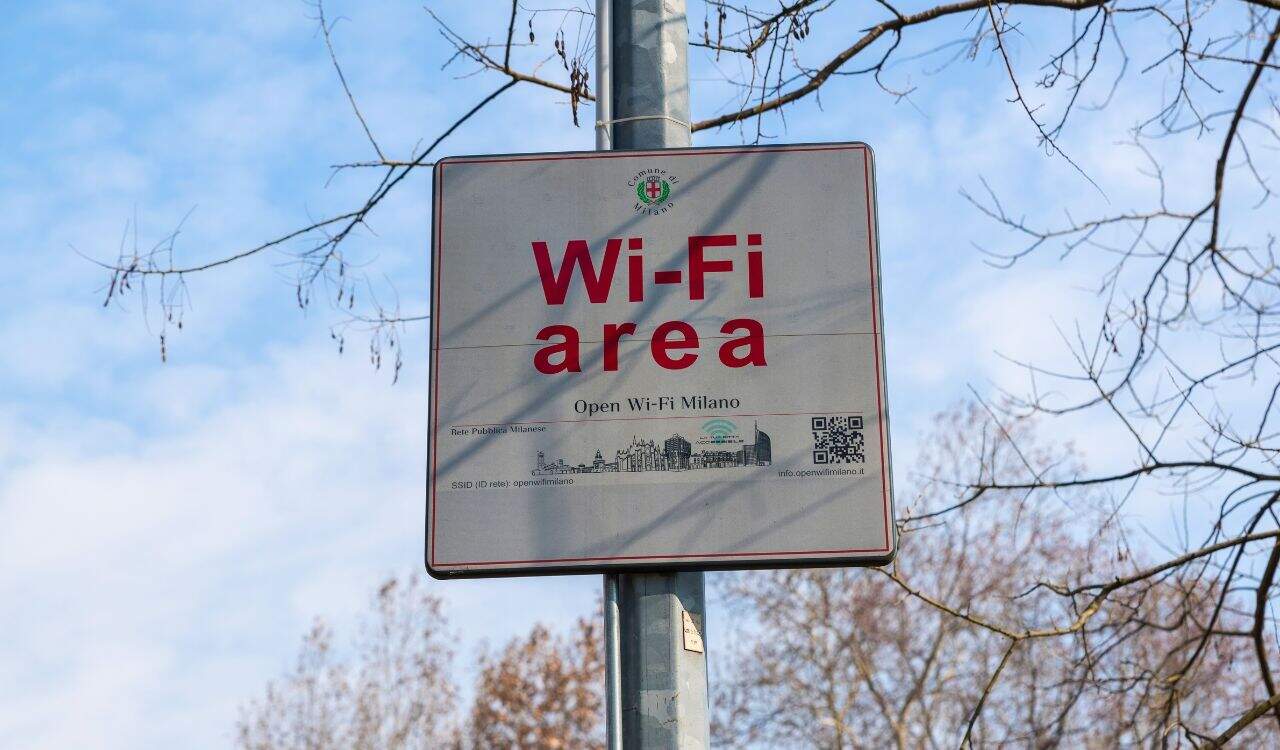
Uploading content from airport lounges or cafés seems routine, but unsecured networks pose measurable threats. Major transit hubs in Istanbul and New York City handle millions of connections monthly, creating opportunities for data interception. Cybersecurity studies estimate that a significant percentage of public hotspots lack encryption safeguards.
Using a reputable VPN, enabling two-factor authentication, and avoiding banking transactions on shared networks greatly reduce vulnerability. A single compromised account can disrupt travel logistics within minutes. Digital safety is as critical as physical awareness.
8. Minor Legal Missteps Can Carry Major Penalties
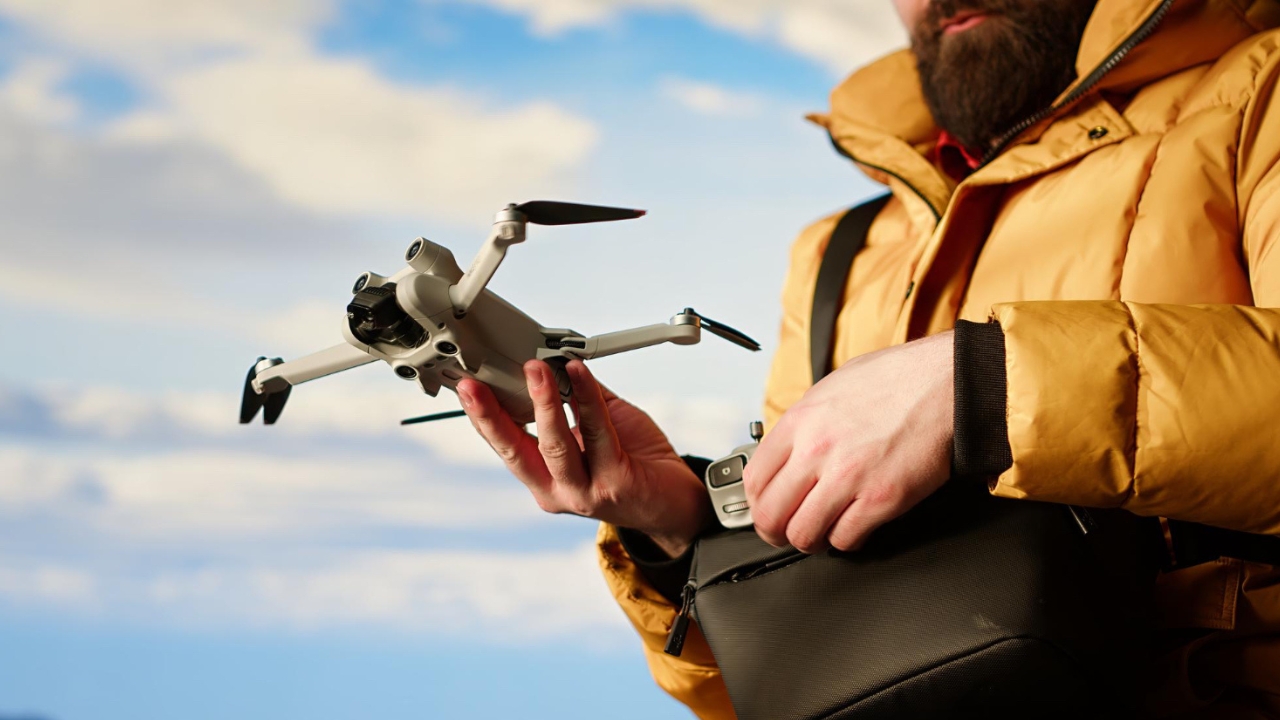
Travelers often underestimate how quickly small actions can escalate legally. Flying drones near heritage areas in Jaipuror photographing restricted buildings in Abu Dhabi may result in fines reaching several thousand dollars or equipment confiscation. Some destinations impose immediate on-the-spot penalties without warning.
Researching local aviation rules, cultural photography norms, and permit requirements before arrival takes under an hour online. Influencer clips rarely include disclaimers. Respecting regulations ensures memories remain positive rather than legally complicated.