We may earn money or products from the companies mentioned in this post. This means if you click on the link and purchase the item, I will receive a small commission at no extra cost to you ... you're just helping re-supply our family's travel fund.
Some famous places do not spoil a vacation because they are meaningless. They spoil it because they absorb time, money, energy, and expectation all at once. Travelers arrive carrying years of cinematic buildup, bucket-list longing, and social-media polish, only to meet queues, markup, noise, and the strange emptiness of a landmark that works better as an idea than an actual hour on the ground. The most frustrating stops are rarely the least important. They are the ones that ask for a detour, a splurge, or a whole afternoon, then hand back less than the surrounding destination could have.
Hollywood Walk Of Fame
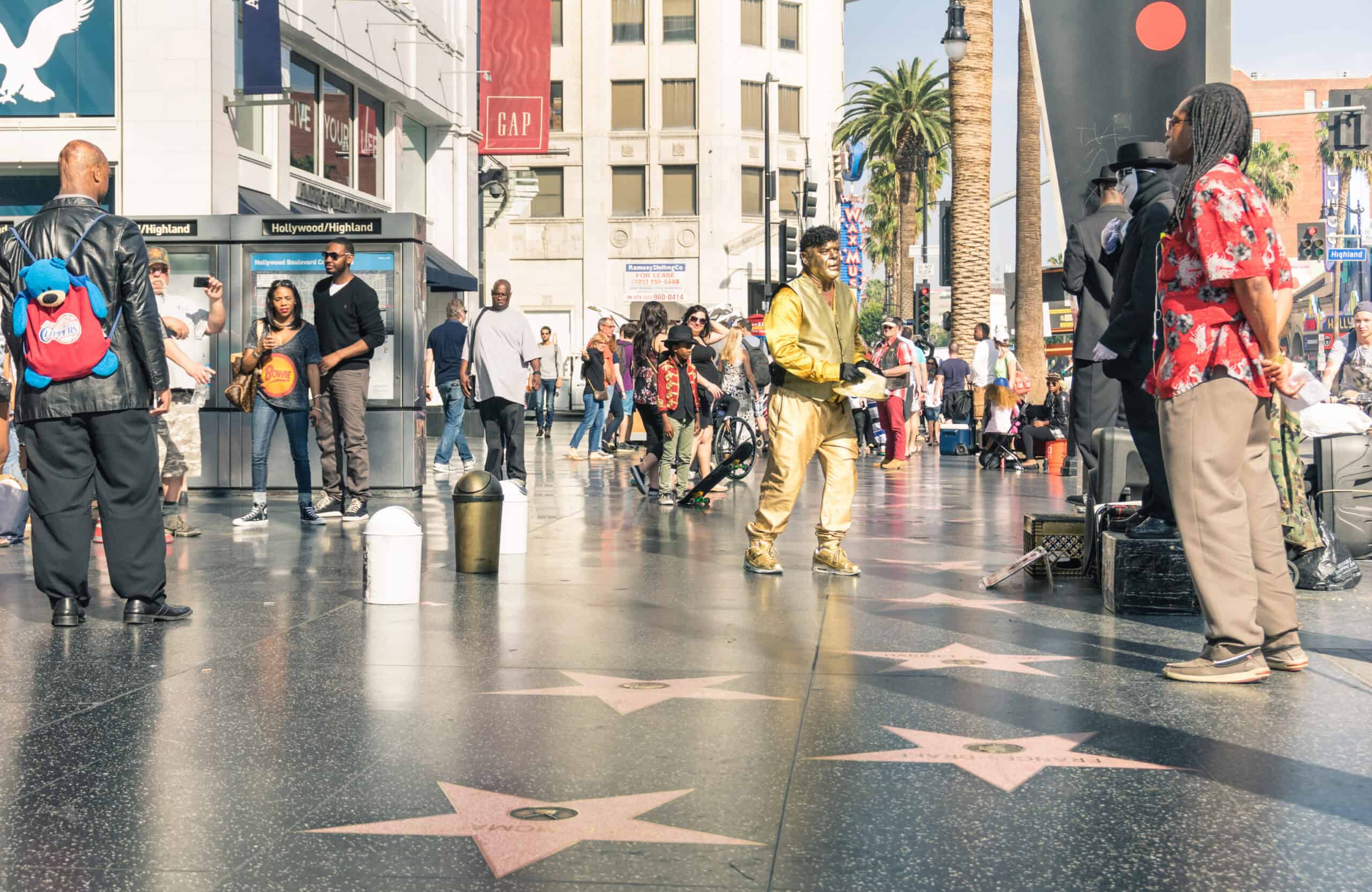
The Hollywood Walk of Fame still sounds glamorous on paper: the official archive of stars on Hollywood and Vine, public ceremonies, and one of Los Angeles’ most recognizable sidewalks. But that promise often runs headfirst into street-level reality, where crowds, costumed hustlers, noise, and a worn commercial strip can make the experience feel far smaller than the myth. That gap between legend and lived atmosphere is why recent traveler-review analysis placed it among the world’s most disappointing tourist stops, even though the name itself remains undeniably magnetic.
Times Square
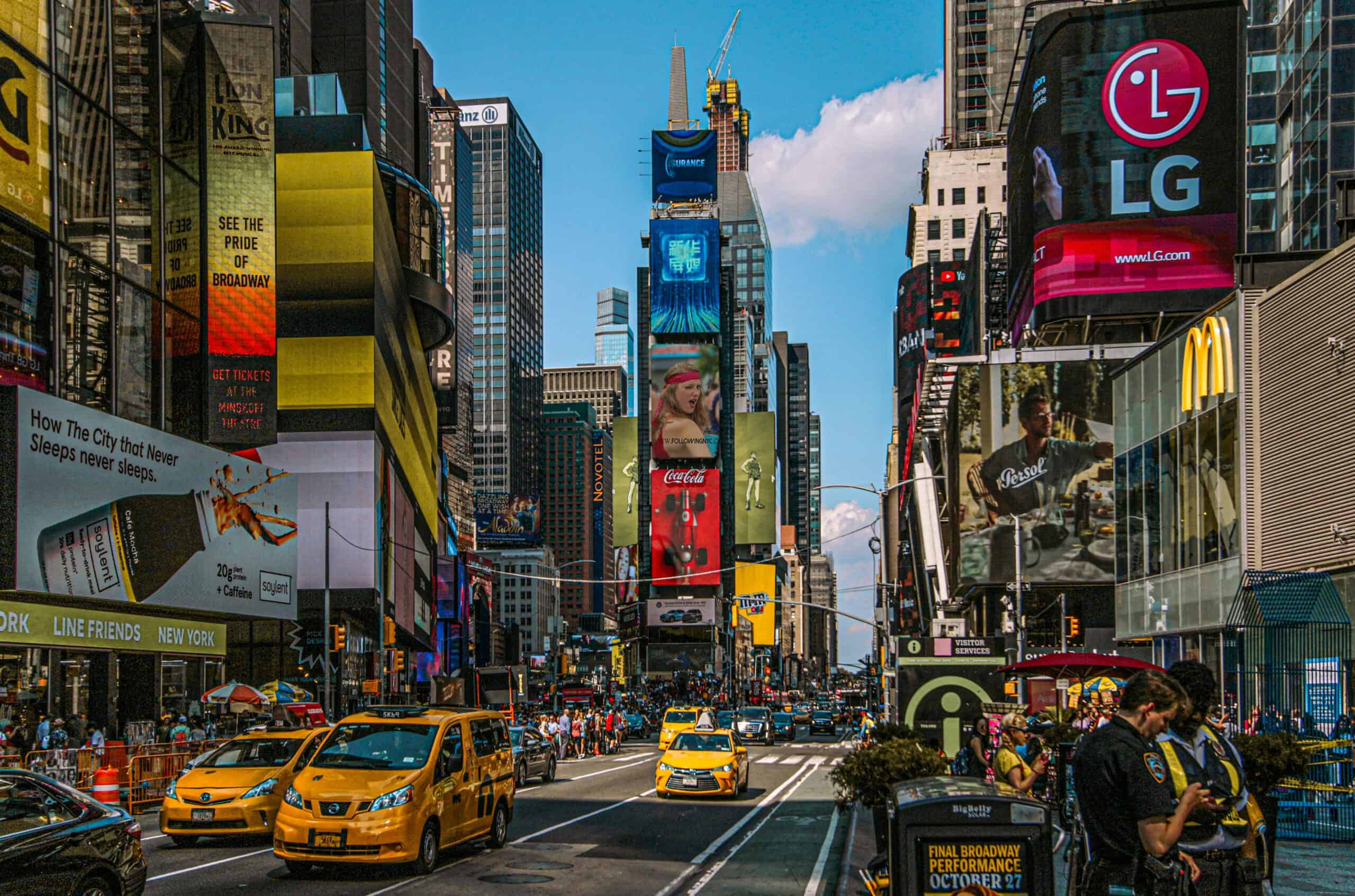
Times Square overwhelms many travelers before it impresses them. The district’s own data says roughly 220,000 pedestrians entered each day in 2024, with the busiest days climbing to about 330,000, and that density can make even a short visit feel more like crowd management than urban wonder. It remains iconic for a reason, but the same scale that makes it world-famous also fuels the feeling that the stop is louder, pricier, and more exhausting than rewarding, which is why it ranked among America’s most frequently flagged tourist traps in 2025 review analysis.
Fisherman’s Wharf
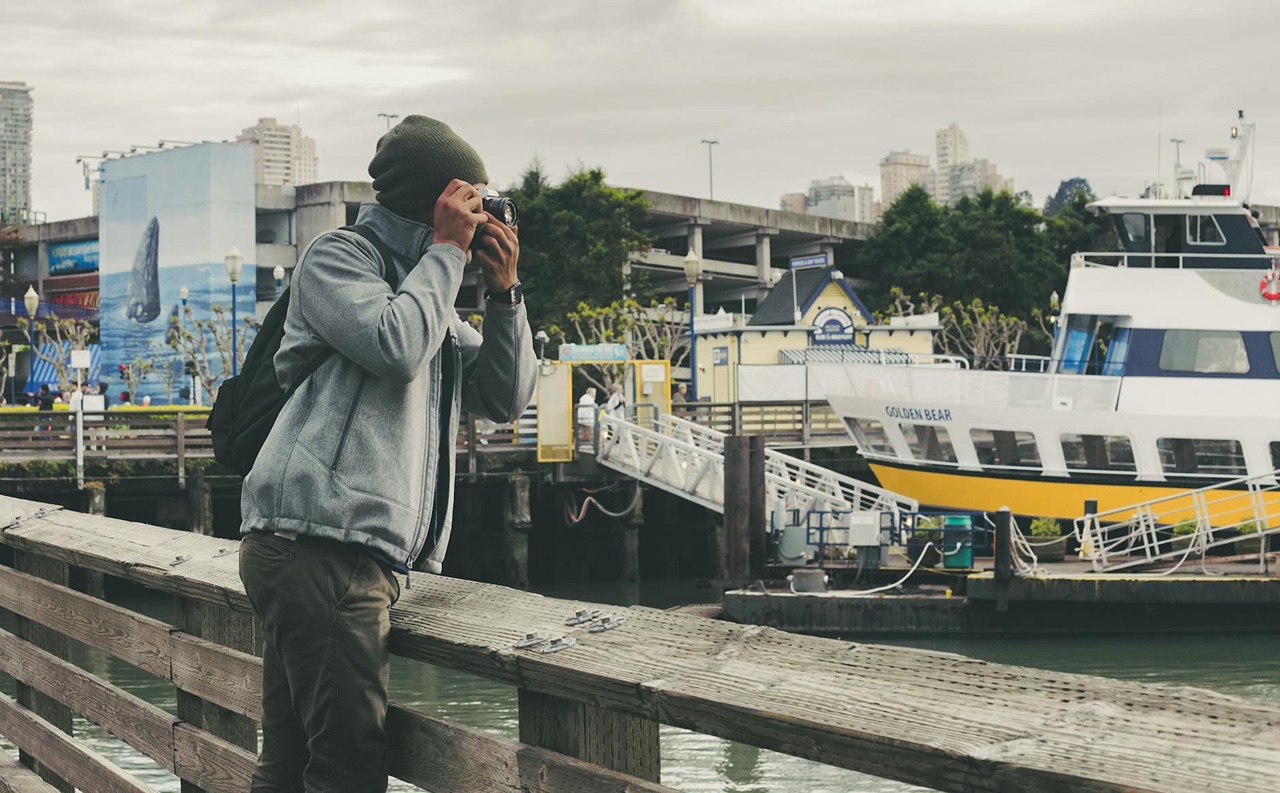
Fisherman’s Wharf has every ingredient of an easy San Francisco day: bay views, seafood, souvenir shops, family attractions, and sea lions nearby. It also tied for the worst tourist trap in the world in Nomad’s 2025 review analysis, which counted 1,000 review mentions of the phrase tourist trap, a sign that many visitors felt the area’s scale of commerce had overtaken its charm. The waterfront is real, and the scenery still lands, but plenty of travelers leave thinking the neighborhood works better as a quick glance than as the emotional center of a trip.
Dole Plantation
Aaron Lee/Unsplash
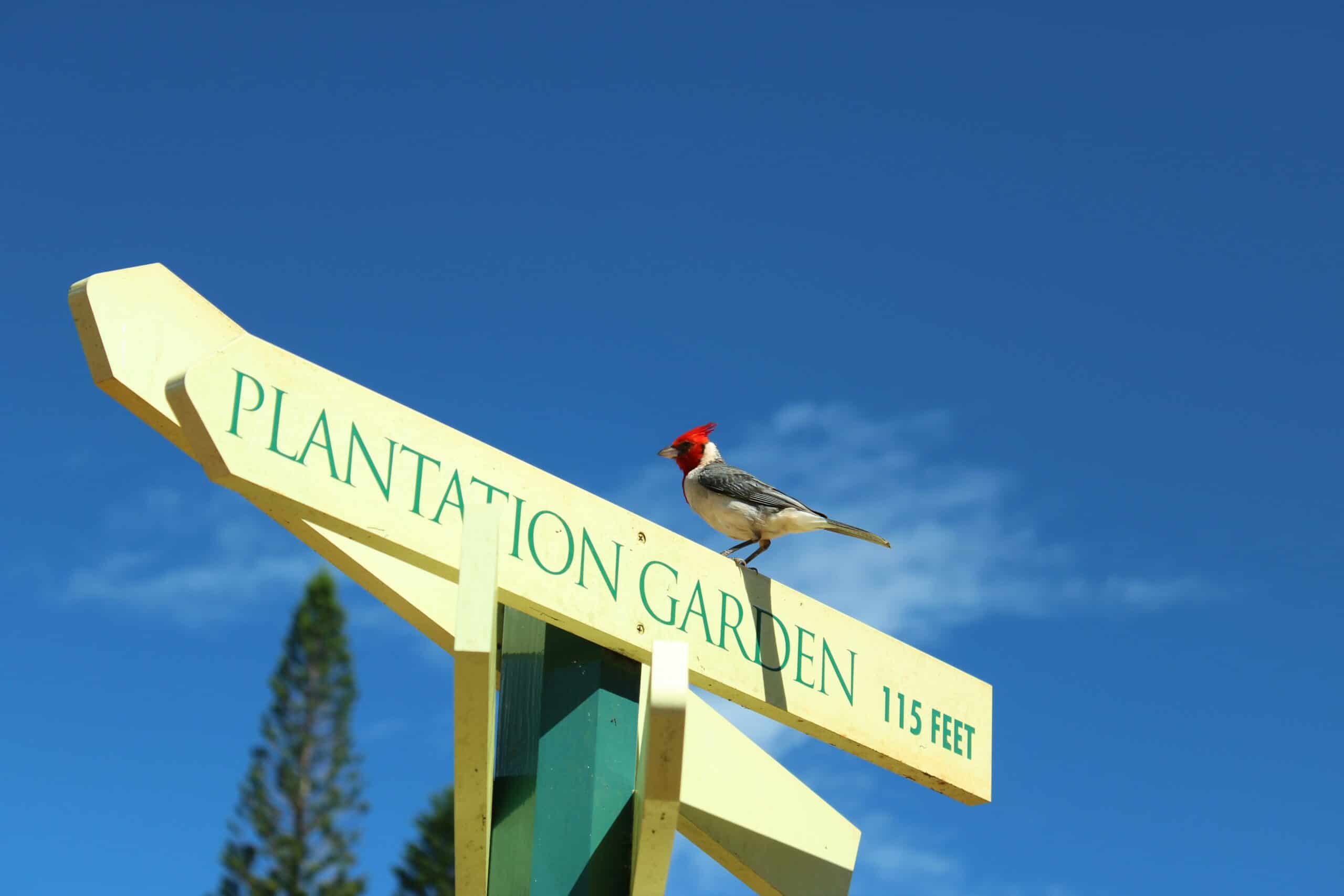
Dole Plantation welcomes more than 1 million visitors a year and remains one of Oahu’s most recognizable stops, which helps explain why so many travelers build it into an island itinerary. The trouble is that the experience often feels more branded than rooted, with long lines, souvenir-heavy energy, and a polished pineapple theme that some visitors find thinner than they expected from Hawaii. In 2025 review analysis, it ranked as the third-worst tourist trap in the United States, a sign that popularity and satisfaction are not always the same thing.
Navy Pier
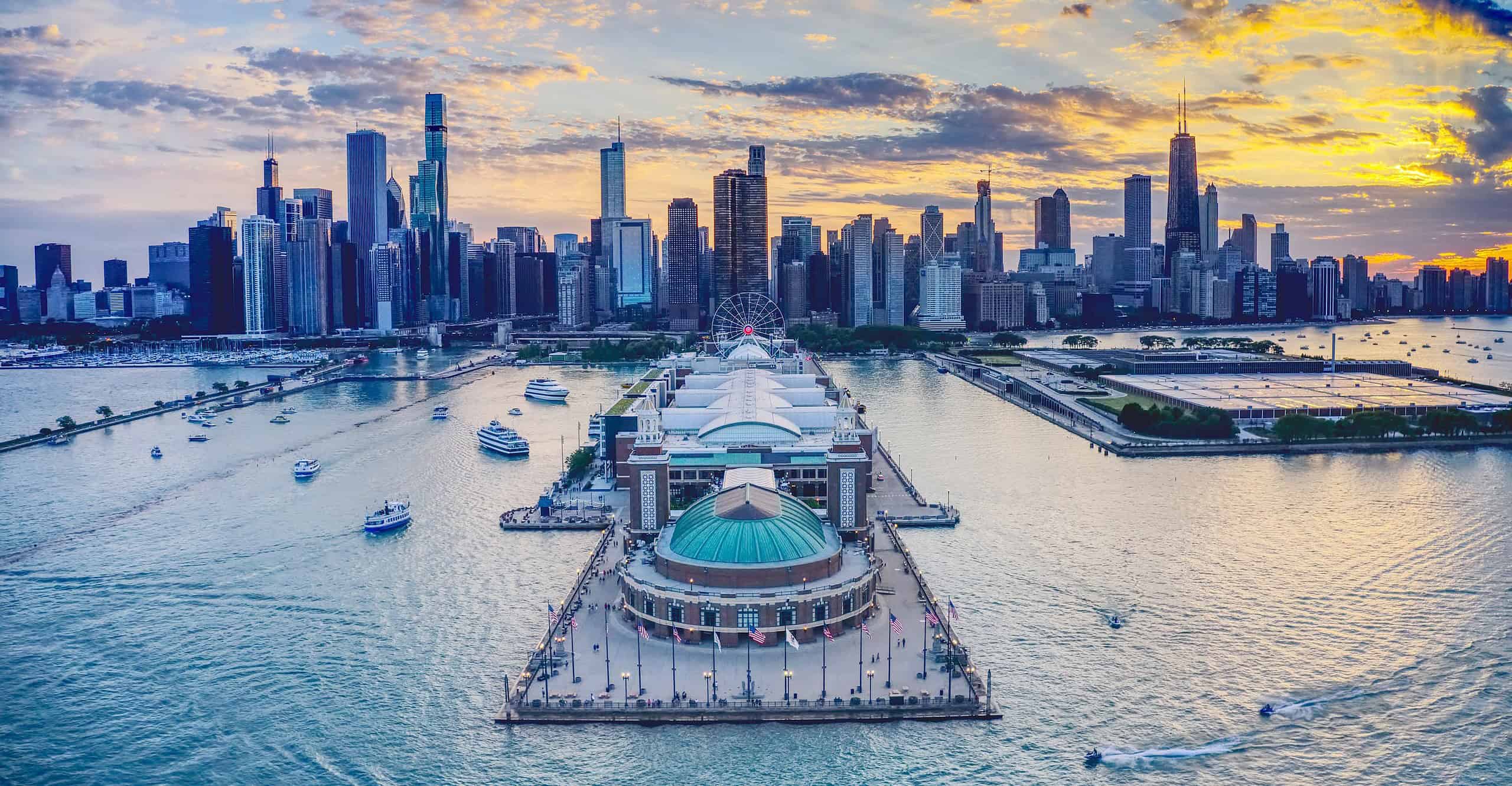
Navy Pier stretches more than six city blocks along Lake Michigan, welcomes nearly 9 million annual guests, and is billed by its own organization as the most visited destination in the Midwest. That scale is part of the problem for travelers who arrive expecting Chicago soul and instead find a heavily managed waterfront built around shops, attractions, queues, and packaged entertainment. The skyline views are still handsome, but recent review analysis placed Navy Pier among the country’s most-cited tourist traps, suggesting that many visitors feel the pier is better as a backdrop than as a destination worth anchoring a day around.
Plymouth Rock
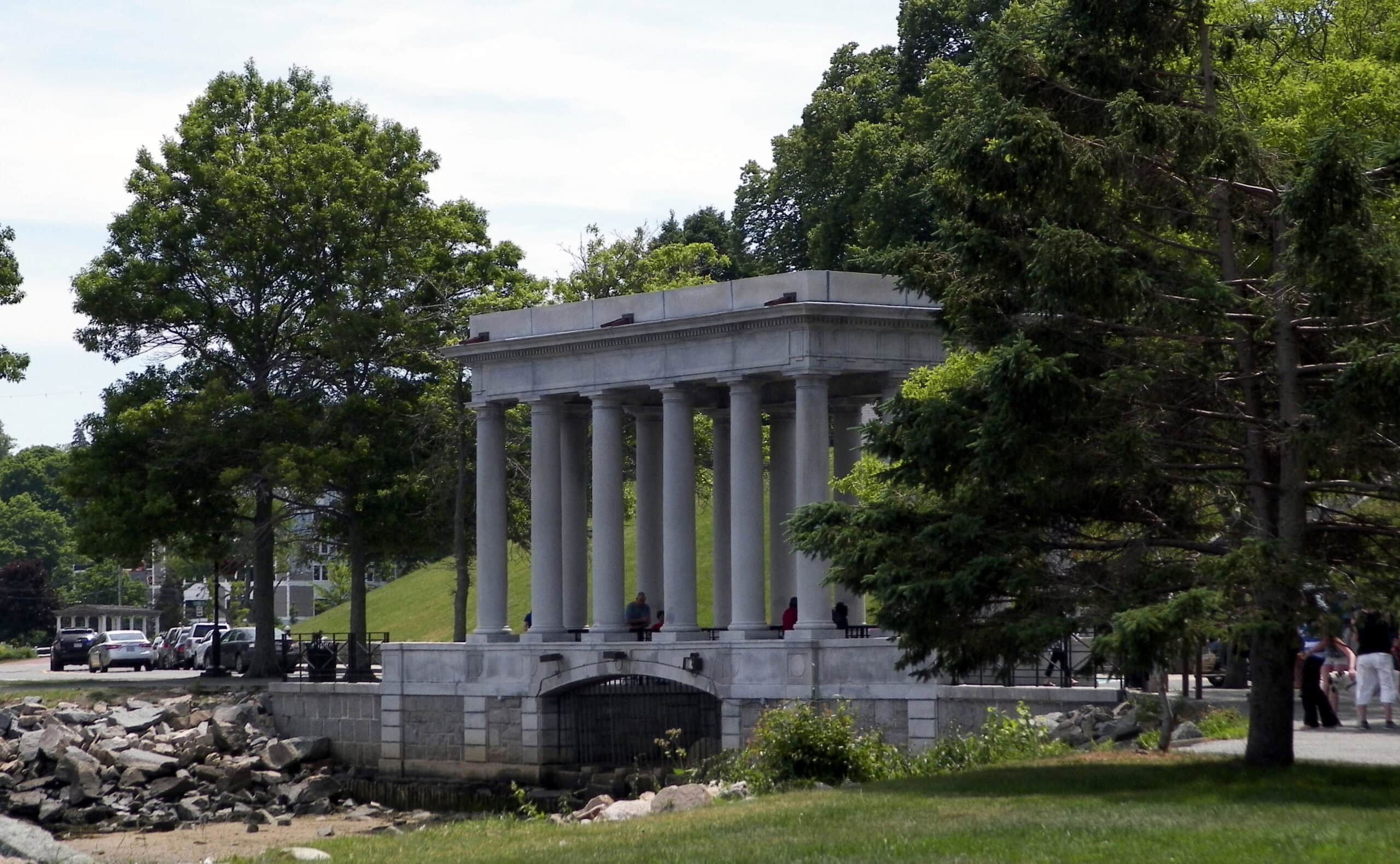
Plymouth Rock carries enormous symbolic weight, which is exactly why the first sight of it can feel so deflating. Massachusetts says Pilgrim Memorial State Park, home to Plymouth Rock, draws more than 1 million visitors a year, yet the rock itself is modest, enclosed, and visually underwhelming to travelers expecting something grander. Even more jarring, Plymouth’s own tourism site notes that no historical evidence confirms it as the Pilgrims’ actual steppingstone, making the experience feel to many visitors less like an encounter with history and more like a lesson in how myth can outgrow the object at its center.
Grand Canyon Skywalk
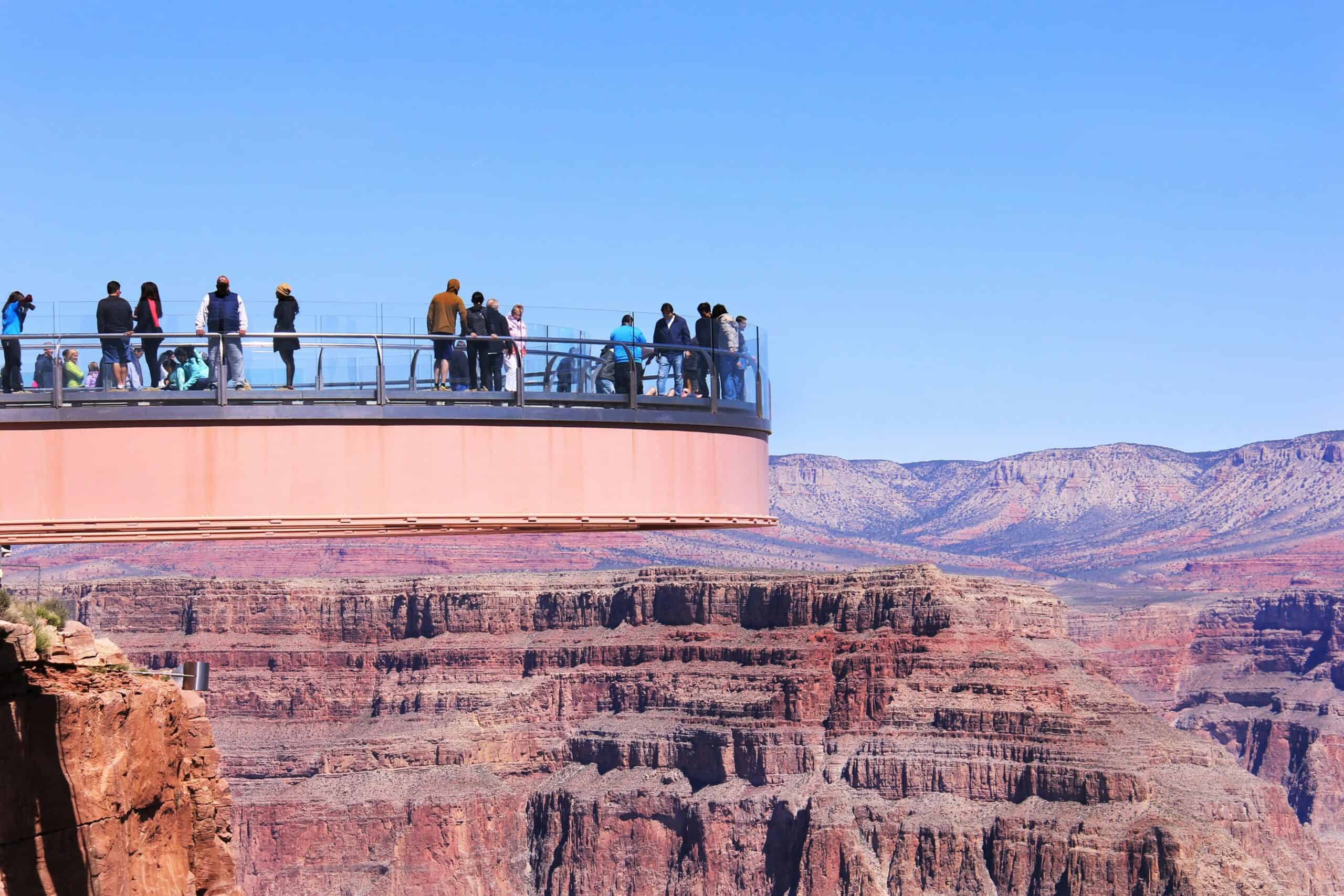
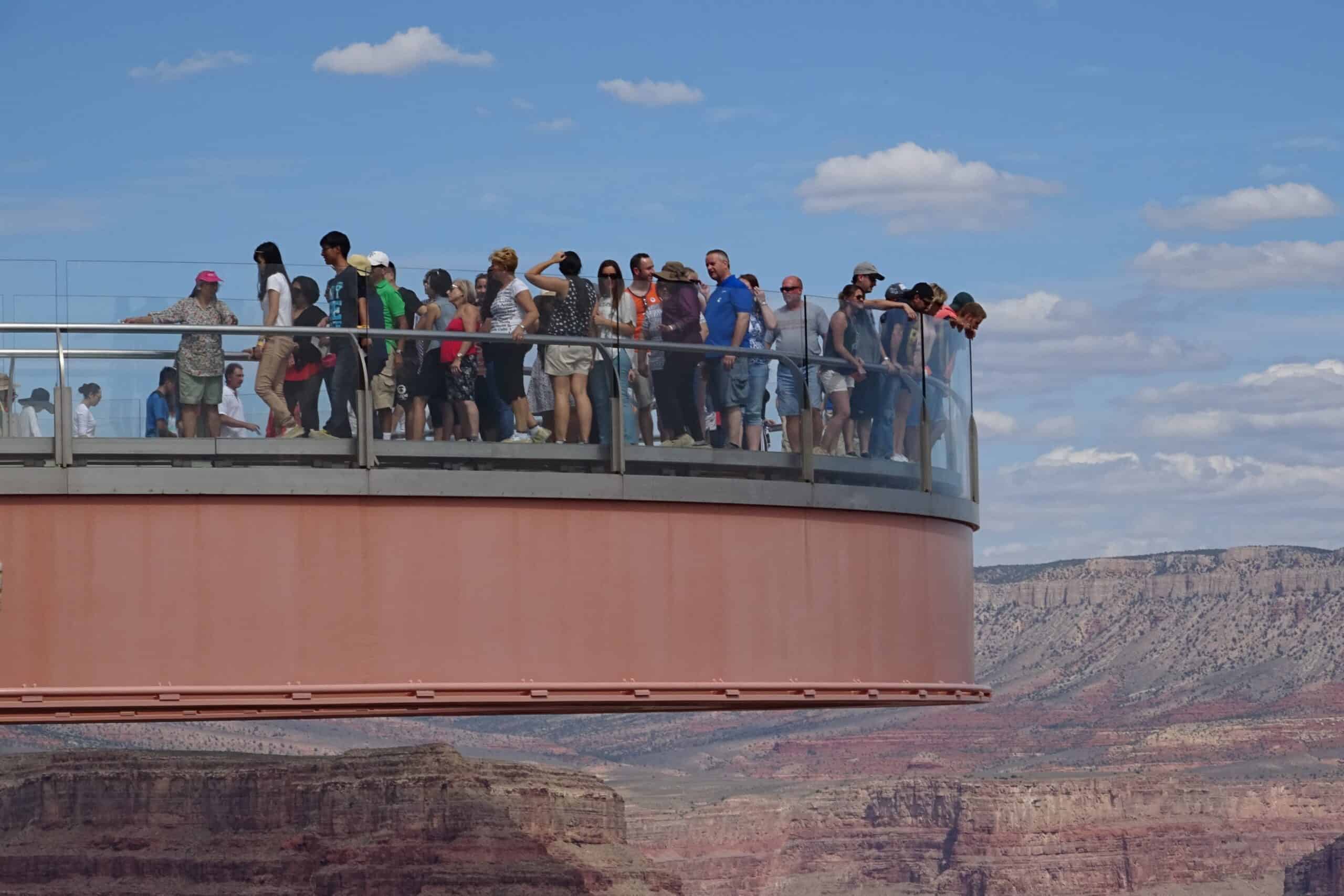
The Grand Canyon Skywalk sells a thrilling image, and the view beyond it is undeniably dramatic. What trips up many travelers is the price structure and the emotional math that follows: Grand Canyon West currently pushes a $99 all-access pass, while 2025 review analysis listed the Skywalk among America’s costliest tourist traps after finding 204 reviews that used the phrase tourist trap. The canyon itself remains extraordinary, but many visitors come away feeling that the transaction wrapped around the experience is so heavy that it competes with the wonder it was meant to frame.
Wall Drug

Wall Drug may be the purest example of a place ruined by its own buildup. The official site says more than 2 million visitors a year stop at the sprawling roadside attraction, drawn by decades of billboards, free ice water lore, Western kitsch, and the promise that something legendary is waiting in the South Dakota plains. Yet Nomad’s 2025 analysis found Wall Drug tied for the worst tourist trap in the world, also with 1,000 tourist-trap mentions in reviews, which makes sense once the anticipation finally resolves into a crowded retail spectacle that feels bigger in memory than in person.