We may earn money or products from the companies mentioned in this post. This means if you click on the link and purchase the item, I will receive a small commission at no extra cost to you ... you're just helping re-supply our family's travel fund.
Travel discomfort isn’t always about language barriers or culture shock. Sometimes it’s subtler, an ongoing feeling of being slightly out of sync with the people around you. In some destinations, unspoken rules, reserved social norms, or tightly defined public behavior can make visitors feel hyper-aware of every interaction. These places are often safe, efficient, and beautiful, yet socially challenging in quiet ways. Below are eight destinations where many travelers report feeling socially awkward throughout their stay, along with the cultural mechanics that quietly shape those experiences.
1. Japan
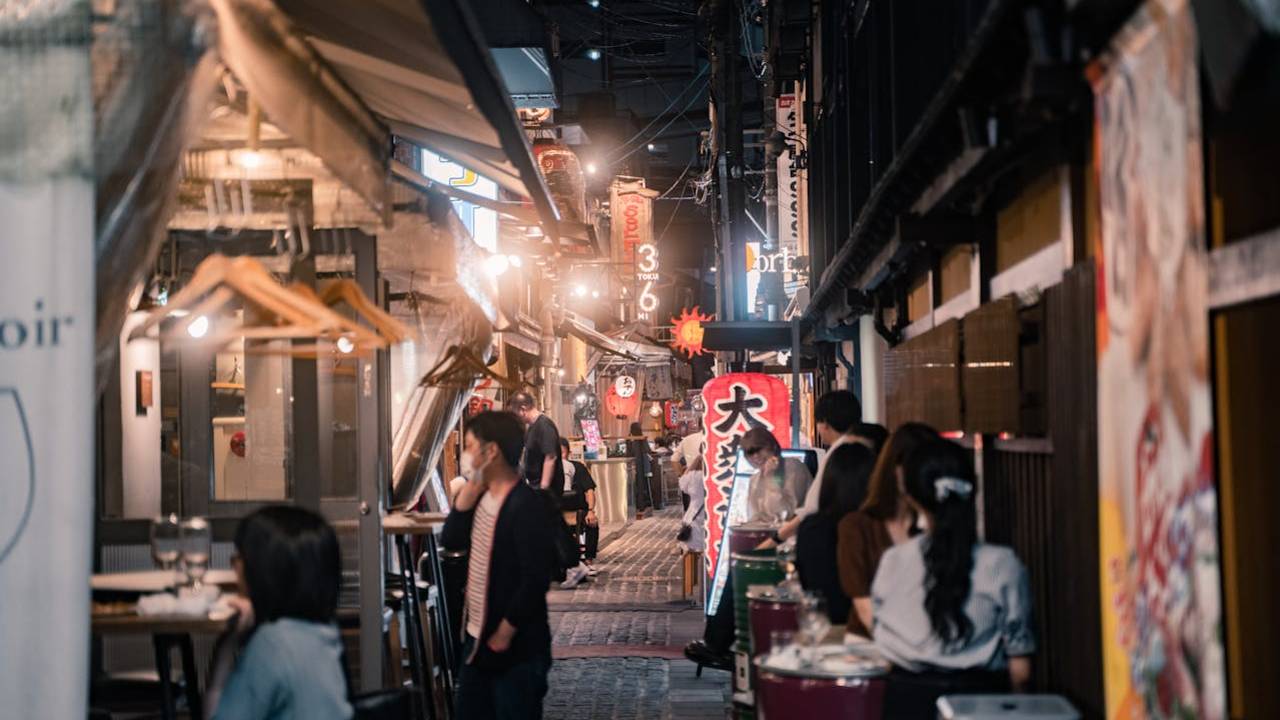
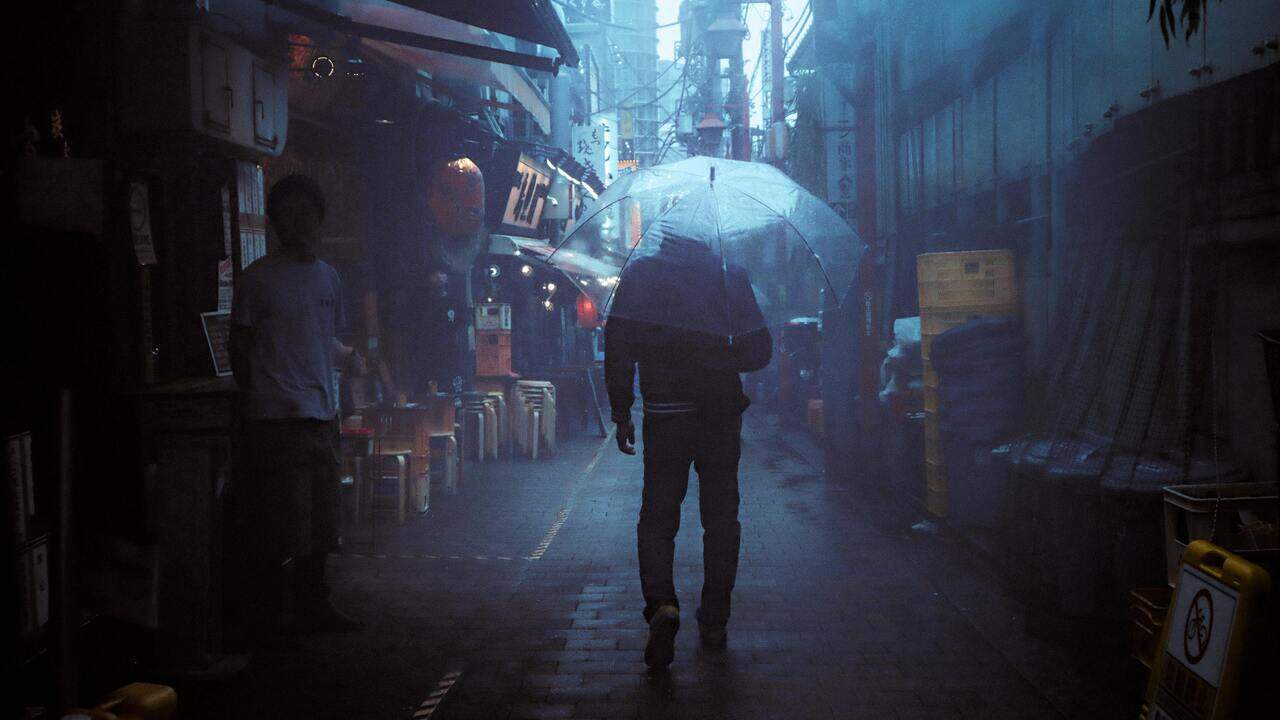
Japan’s social order is precise, layered, and deeply internalized. With over 125 million residents and more than 99% ethnic homogeneity, social harmony is protected through strict behavioral norms. Silence in public transport exceeds 90% compliance, and conversational volume is noticeably restrained. Visitors often feel awkward because politeness does not equal openness, helpfulness is formal, not familiar. Small deviations, like eating while walking or standing incorrectly on escalators, can trigger visible discomfort. Even without confrontation, travelers sense they are being observed, creating a constant self-monitoring loop that quietly drains social confidence over time.
2. Switzerland
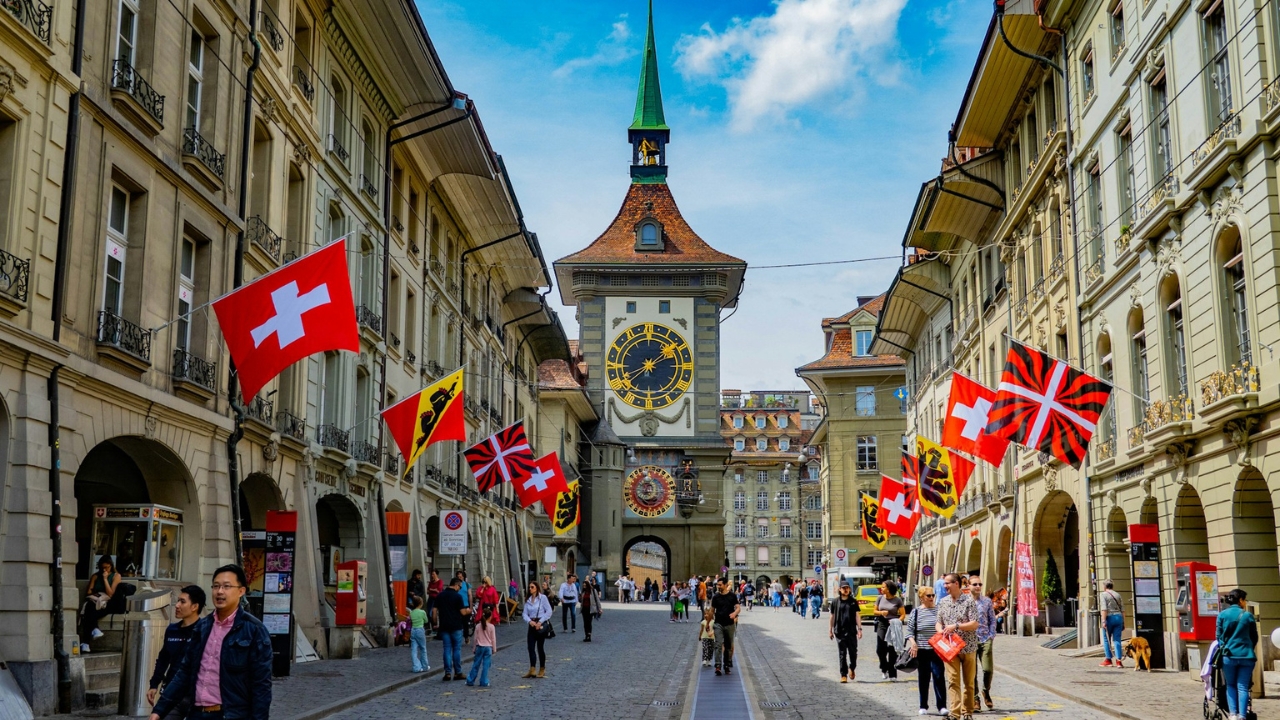
Switzerland ranks among the world’s most orderly nations, with punctuality accuracy exceeding 92% in public transport and a population of just 8.8 million spread across rigidly structured cities. Social interactions prioritize privacy, efficiency, and personal boundaries. Casual conversation with strangers is rare, and friendliness is often misread as emotional distance. Visitors from expressive cultures may feel socially exposed when speaking loudly or behaving spontaneously. Even minor breaches like standing too close or missing subtle etiquette can feel amplified, leaving travelers with a persistent sense of being politely tolerated rather than socially welcomed.
3. Finland
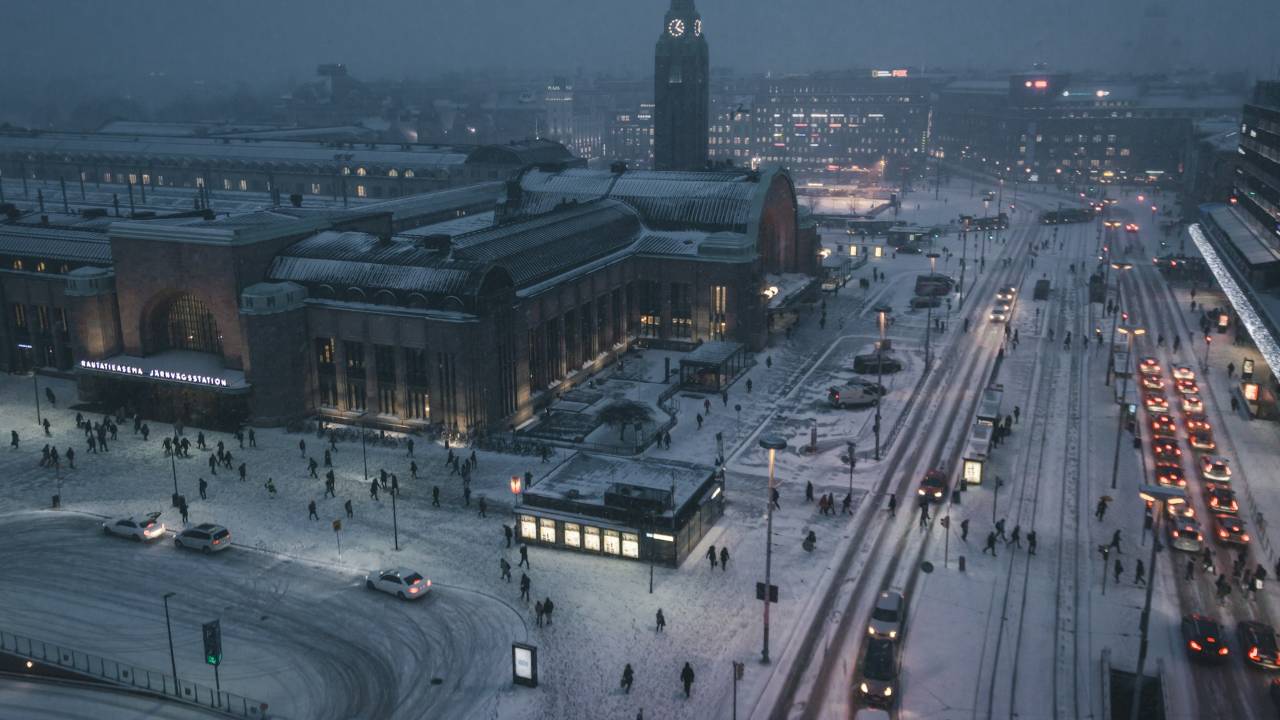
Finland’s culture embraces silence as comfort, not absence. Surveys show Finns tolerate conversational pauses lasting 10–15 seconds, compared to a global average of 4 seconds. With a population of 5.6 million, social circles are small and slow to open. Eye contact is brief, small talk minimal, and emotional restraint respected. Travelers often feel awkward because friendliness is understated and rarely verbalized. Attempts at casual engagement may be met with short responses, not rudeness. The result is a lingering uncertainty, visitors are unsure whether they’re being ignored or simply respecting local social balance.
4. Paris, France
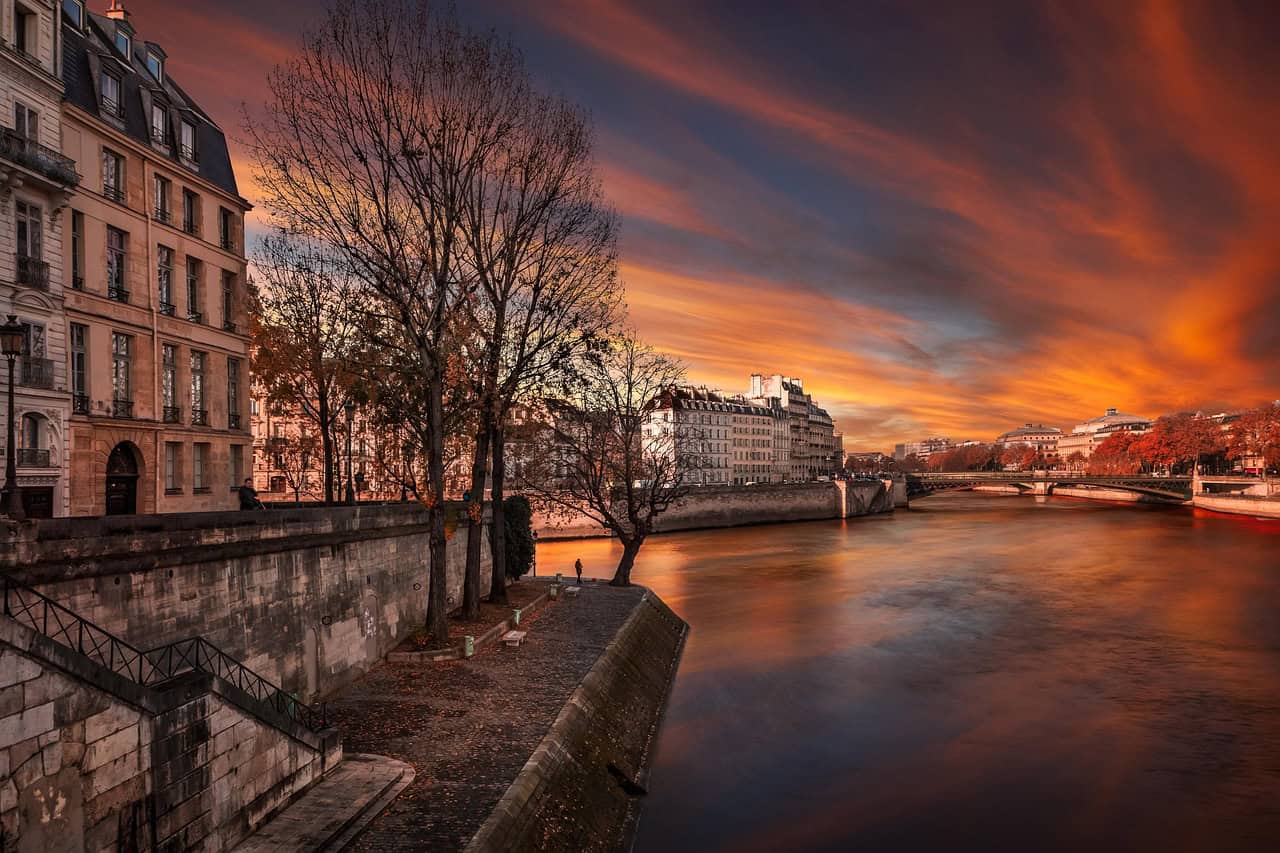
Paris receives over 30 million visitors annually, yet remains socially guarded. Around 40% of Parisians report discomfort switching languages mid-conversation, which can affect tourist interactions. Social rituals like greetings, tone, phrasing carry weight, and skipping them creates subtle friction. Travelers frequently feel awkward ordering food, asking for help, or entering shops incorrectly. While not openly hostile, responses can feel clipped or distant. This creates an ongoing sense of being evaluated, where visitors become hyper-aware of accents, body language, and etiquette, often second-guessing even routine interactions.
5. South Korea
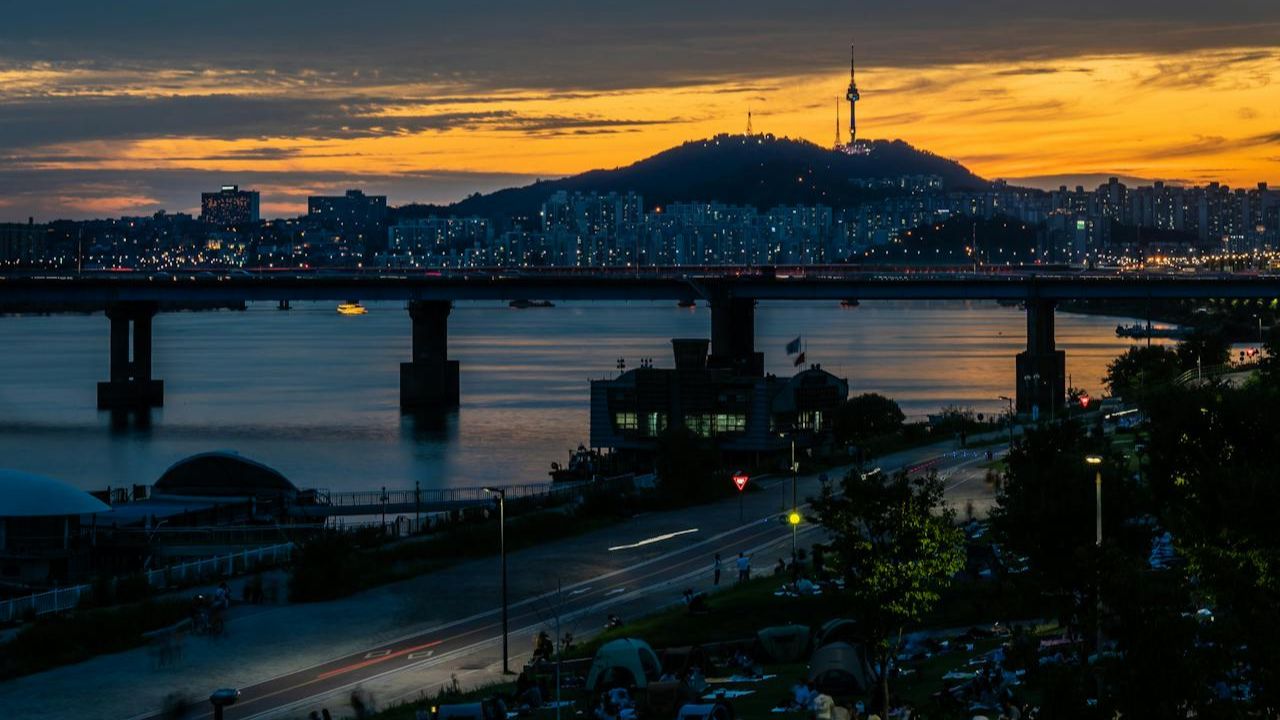
South Korea’s society is highly structured around age, hierarchy, and group belonging. Nearly 72% of meals are shared socially, making solo dining feel visibly out of place. With a population exceeding 51 million, social harmony depends on clearly defined roles. Foreign travelers often feel awkward navigating honorifics, seating rules, and age-based etiquette. While locals are helpful, interactions are efficient rather than emotionally open. Solo travelers, in particular, may feel like observers rather than participants, sensing they exist outside the social framework rather than within it.
6. Germany
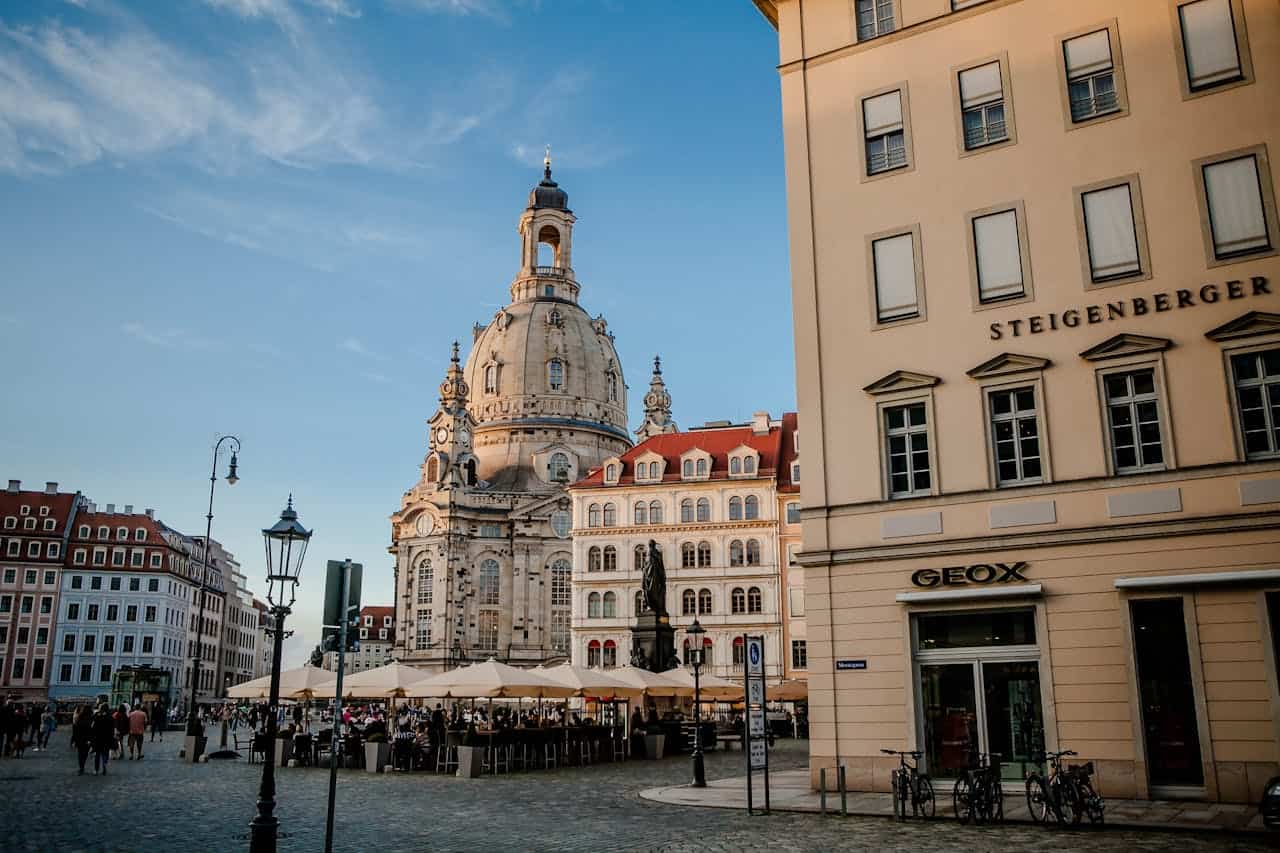
Germany’s communication style values clarity over cushioning. Studies show Germans interrupt 35% less than the European average, favoring direct exchanges. With 83 million residents, social norms prioritize rule adherence and personal responsibility. Visitors may feel awkward when corrected publicly for minor infractions, such as jaywalking or improper recycling. Small talk is limited, humor is dry, and friendliness develops slowly. For travelers accustomed to social cushioning, the lack of emotional signaling can feel cold, creating a constant uncertainty about whether interactions are neutral or quietly disapproving.
7. Norway
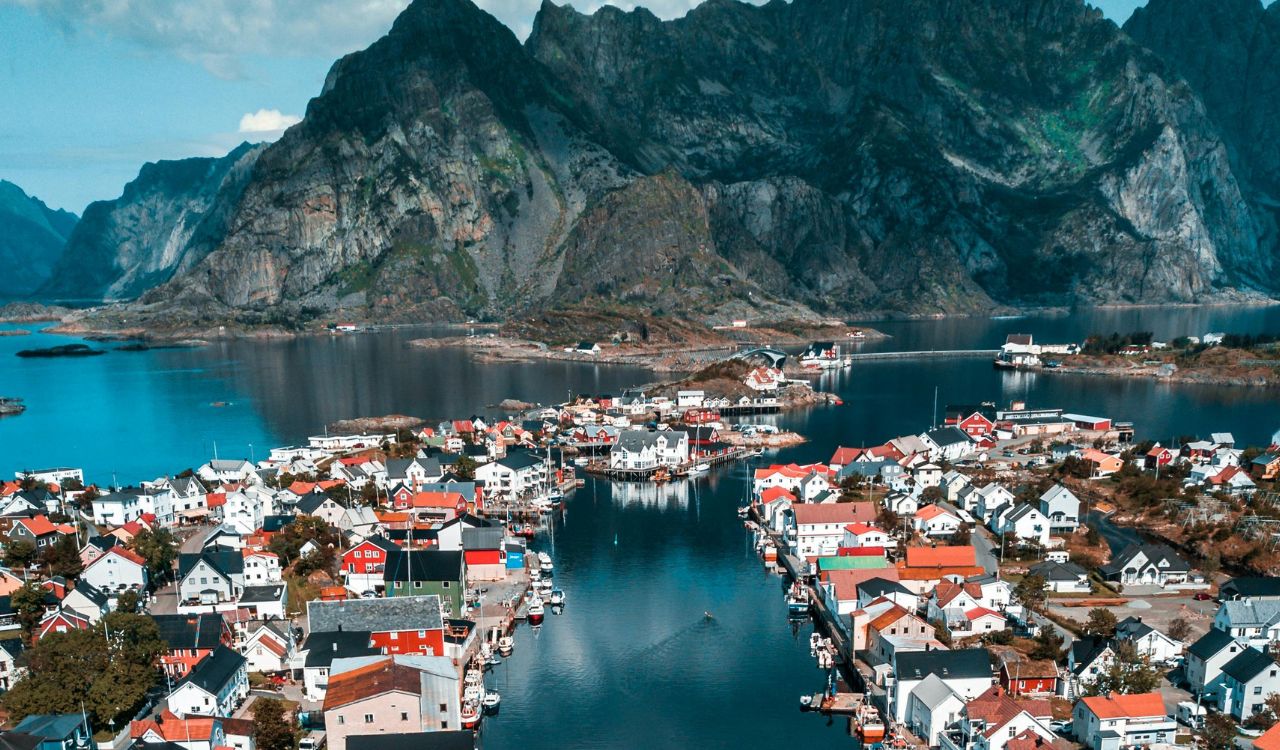
Norway combines vast space with social restraint. Population density sits at just 15 people per square kilometer, reinforcing emotional distance as normal. Casual conversation with strangers is uncommon, and social circles are tightly knit. Visitors often report feeling socially invisible, acknowledged politely but rarely engaged. Even in social settings, conversation tends to stay surface-level. This isn’t hostility; it’s cultural self-containment. Over time, travelers may feel awkward initiating interactions, unsure whether silence signals comfort or disinterest, especially when warmth isn’t verbally expressed
8. Silicon Valley, USA
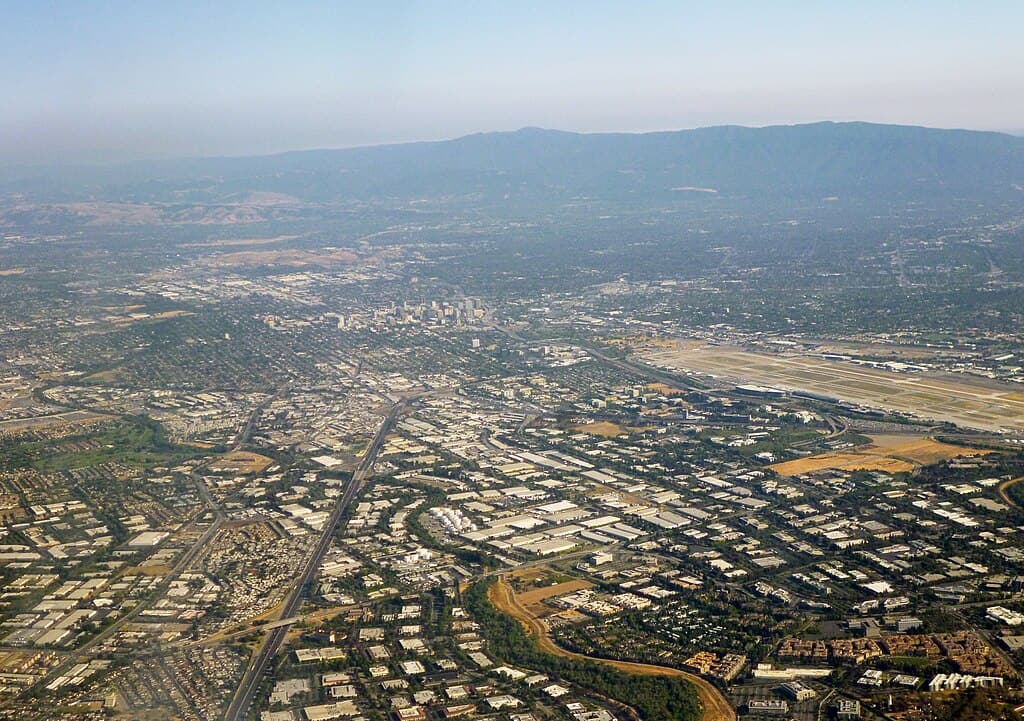
Silicon Valley hosts over 3 million residents, yet social interactions often feel transactional. Surveys show more than 60% of conversations reference work, startups, or professional identity within minutes. Visitors frequently feel awkward when small talk shifts into implicit evaluation of what you do, what you’re building, why you matter. Casual presence without ambition can feel socially dislocating. Even in relaxed settings, conversations often feel performance-based, leaving travelers sensing they’re being measured rather than simply met, which creates a uniquely modern form of social unease.