We may earn money or products from the companies mentioned in this post. This means if you click on the link and purchase the item, I will receive a small commission at no extra cost to you ... you're just helping re-supply our family's travel fund.
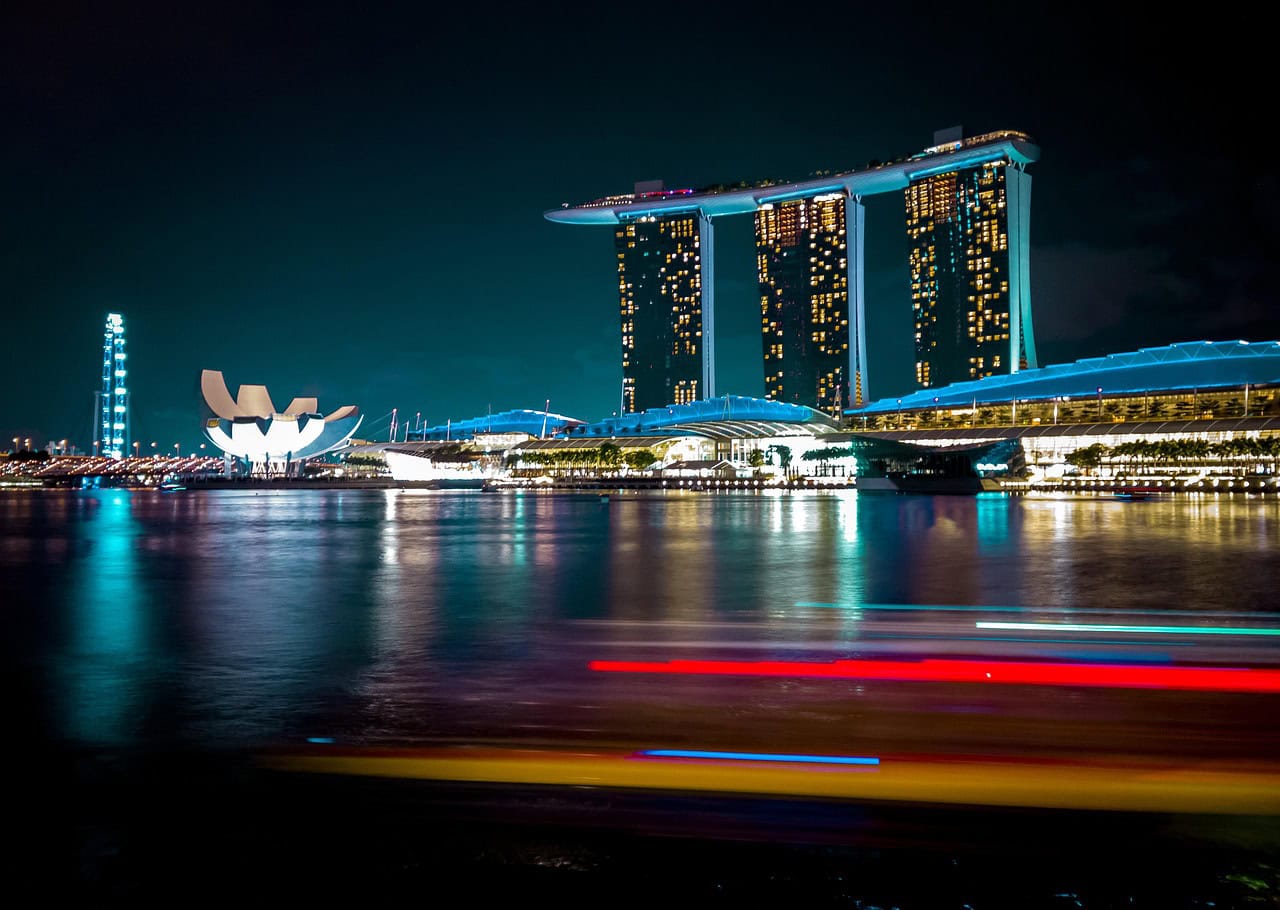
Shifts in global exchange rates often go unnoticed until travelers feel them directly in daily expenses. In 2026, the US dollar will weaken against several major currencies, reducing purchasing power in destinations once considered predictable or affordable. This decline shows up clearly in hotel pricing, dining costs, transportation, and attraction fees. Inflation, tourism recovery, and stronger local currencies have combined to reshape travel budgets. The following destinations highlight where American travelers now pay noticeably more in US dollar terms than in previous years.
1. France (Eurozone)

France has become significantly more expensive for American travelers as the US dollar weakened against the euro in 2026. Average mid-range hotel prices in Paris now hover around $215 per night, up from roughly $190 two years earlier. A casual restaurant meal averages $26, while a three-course dinner frequently exceeds $45. Public transportation passes cost about $10 per day, and museum admissions often range between $20 and $25. These increases reflect a purchasing-power loss of roughly 7%, making everyday travel costs feel heavier throughout the country.
2. United Kingdom
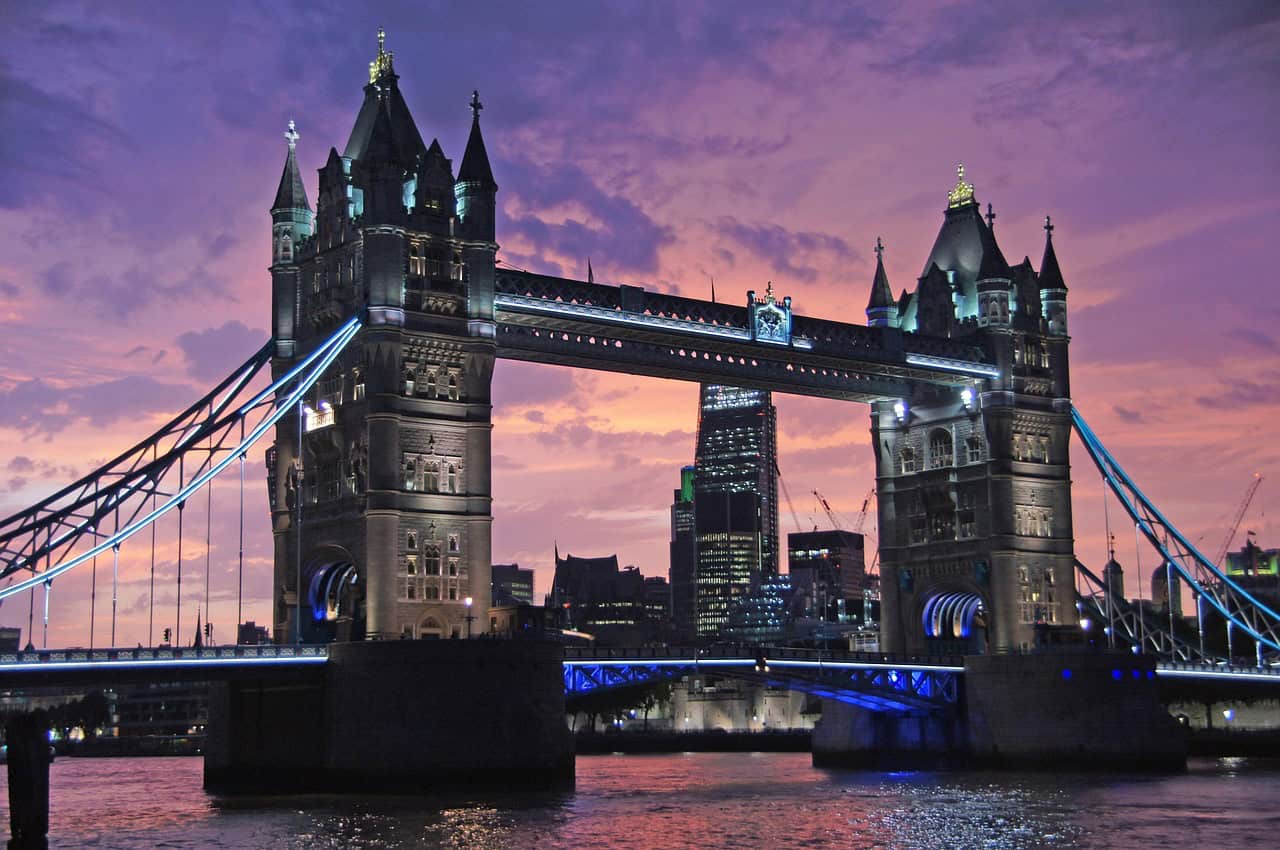
The United Kingdom continues to reflect one of the sharpest declines in US dollar value for travelers. In 2026, average London hotel rates sit near $235 per night, compared to about $210 previously. Restaurant main courses typically cost $24 to $32, while daily public transport averages $12. Popular attractions often exceed $45 per ticket, adding quickly to trip totals. Overall, American travelers experience close to a 10% reduction in buying power, making even short stays in the UK noticeably more expensive than earlier in the decade.
3. Switzerland

Switzerland remains a premium destination where the weaker US dollar is felt immediately. In 2026, mid-range hotels average between $245 and $275 per night, while simple restaurant meals often cost $32 to $38. A daily transportation pass can exceed $80, and coffee frequently costs more than $6. Grocery prices are similarly elevated. Compared to prior years, American travelers face a purchasing-power loss of about 6%, which compounds Switzerland’s already high baseline costs and makes budgeting particularly challenging.
4. Japan

Japan’s reputation as a bargain destination has softened in 2026 as the US dollar lost ground. Average Tokyo hotel prices now sit near $180 per night, up from approximately $150. A casual meal costs about $10 to $12, while rail passes and intercity travel have risen steadily, with popular routes costing $25 to $35. Attraction tickets average $15 to $25. The overall decline in dollar value is close to 10%, making Japan more expensive while still remaining relatively affordable compared to Europe.
5. Australia
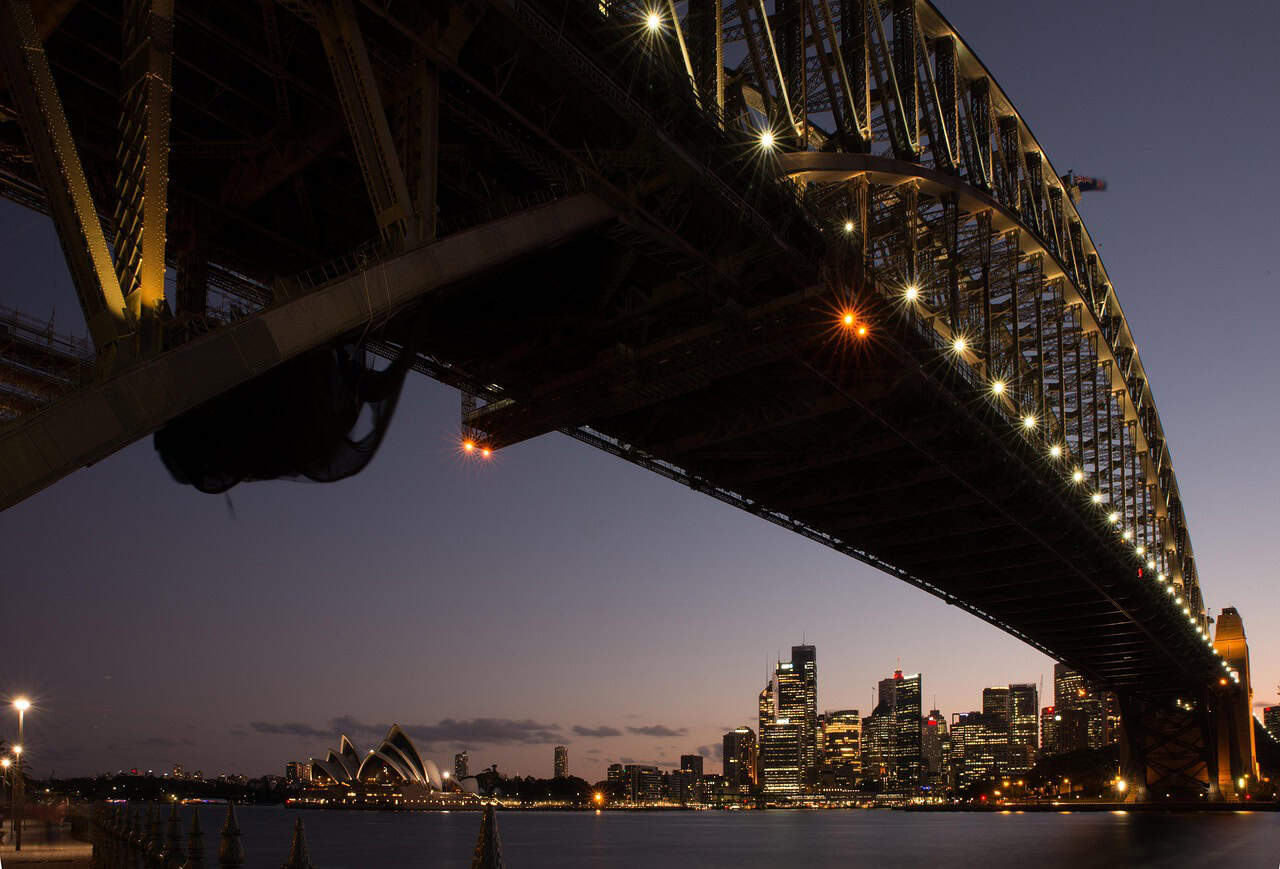
Australia has become noticeably pricier for American travelers due to a stronger local currency in 2026. Mid-range hotels in Sydney and Melbourne now average around $195 per night, compared to roughly $165 previously. Restaurant meals typically cost $22 to $28, and domestic transportation averages $8 to $12 per trip. Attractions and tours often exceed $60. Overall, US travelers experience a purchasing-power decline of approximately 12%, making Australia one of the clearest examples of dollar erosion this year.
6. Norway

Norway’s already high costs have been amplified by the weaker US dollar in 2026. Average hotel rates in Oslo now sit around $220 per night, while restaurant meals commonly exceed $30. Public transportation averages $11 per day, and guided excursions often cost more than $100. Even basic groceries are noticeably expensive. Compared to earlier years, American travelers face an estimated 11% loss in purchasing power, making Norway one of the most challenging destinations for budget-conscious visitors.
7. Canada
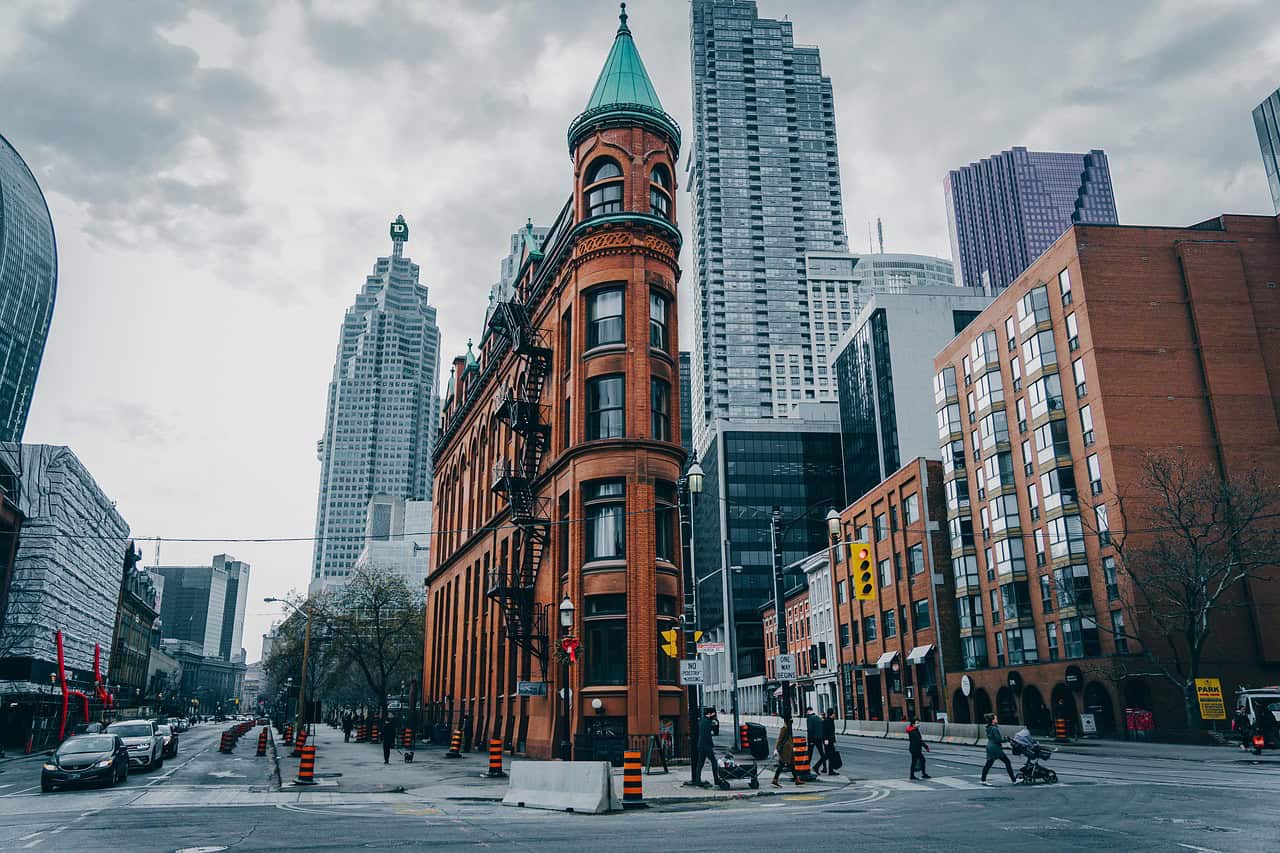
Canada no longer offers the subtle cost advantage it once did for US travelers. In 2026, mid-range hotels in Toronto and Vancouver average about $190 per night, up from roughly $170. Restaurant meals typically range from $20 to $24, and attraction tickets often cost $28 to $35. Public transit averages $9 per day. The US dollar’s value has declined by roughly 6%, making travel costs feel closer to those in major US cities than in past years.
8. Singapore
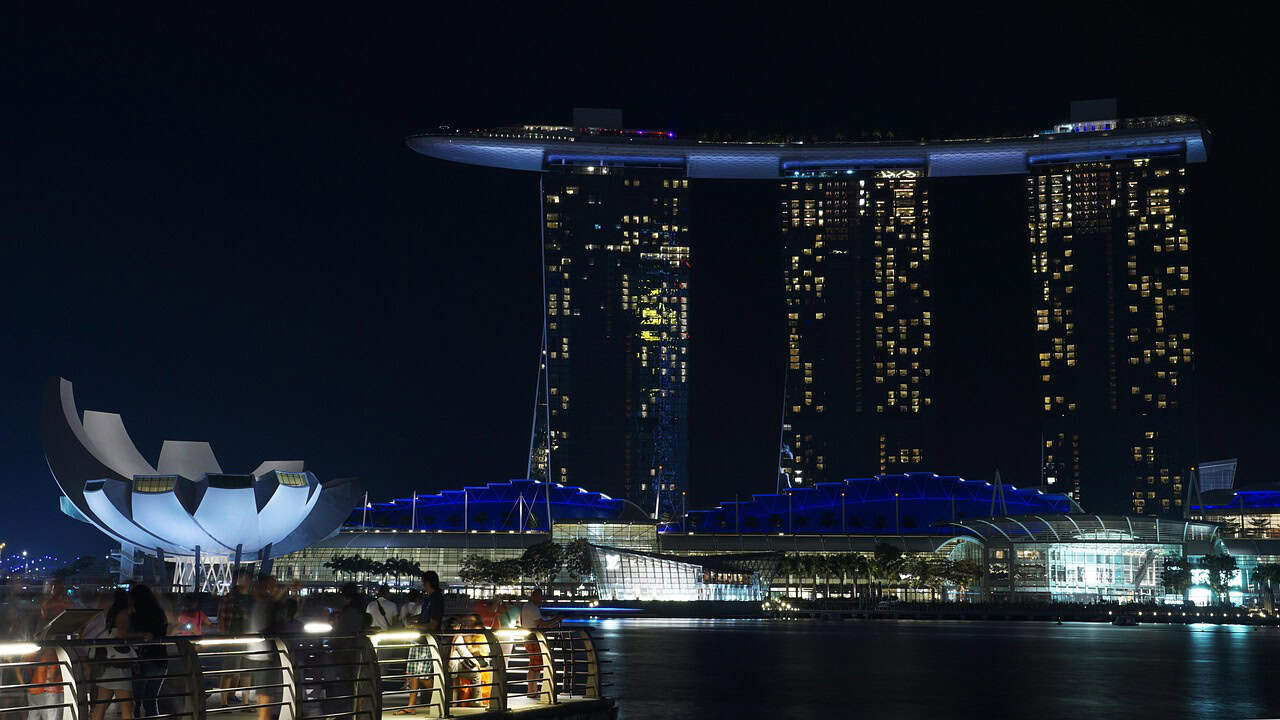
Singapore stands out in Asia for how clearly the weaker US dollar affects visitors. In 2026, hotel rates average around $235 per night, while mid-range restaurant meals often exceed $23. Public transport is efficient but costs about $7 per day, and attraction tickets frequently range between $35 and $50. Combined with inflation, American travelers experience a purchasing-power decline of roughly 5%, reinforcing Singapore’s reputation as one of the most expensive destinations in the region.