We may earn money or products from the companies mentioned in this post. This means if you click on the link and purchase the item, I will receive a small commission at no extra cost to you ... you're just helping re-supply our family's travel fund.

Travel style isn’t just personal expression, it’s social signaling. In many global cities, what you wear silently communicates respect, awareness, and effort long before you speak. Certain American fashion habits, shaped by comfort culture and branding, clash sharply with local expectations abroad. This list isn’t about ridicule; it’s about understanding how clothing choices trigger real reactions in different societies. Below are eight destinations where typical American outfits reliably provoke irritation, quiet disdain, or instant tourist labeling and exactly why that happens, backed by cultural context and measurable realities.
1. Paris, France
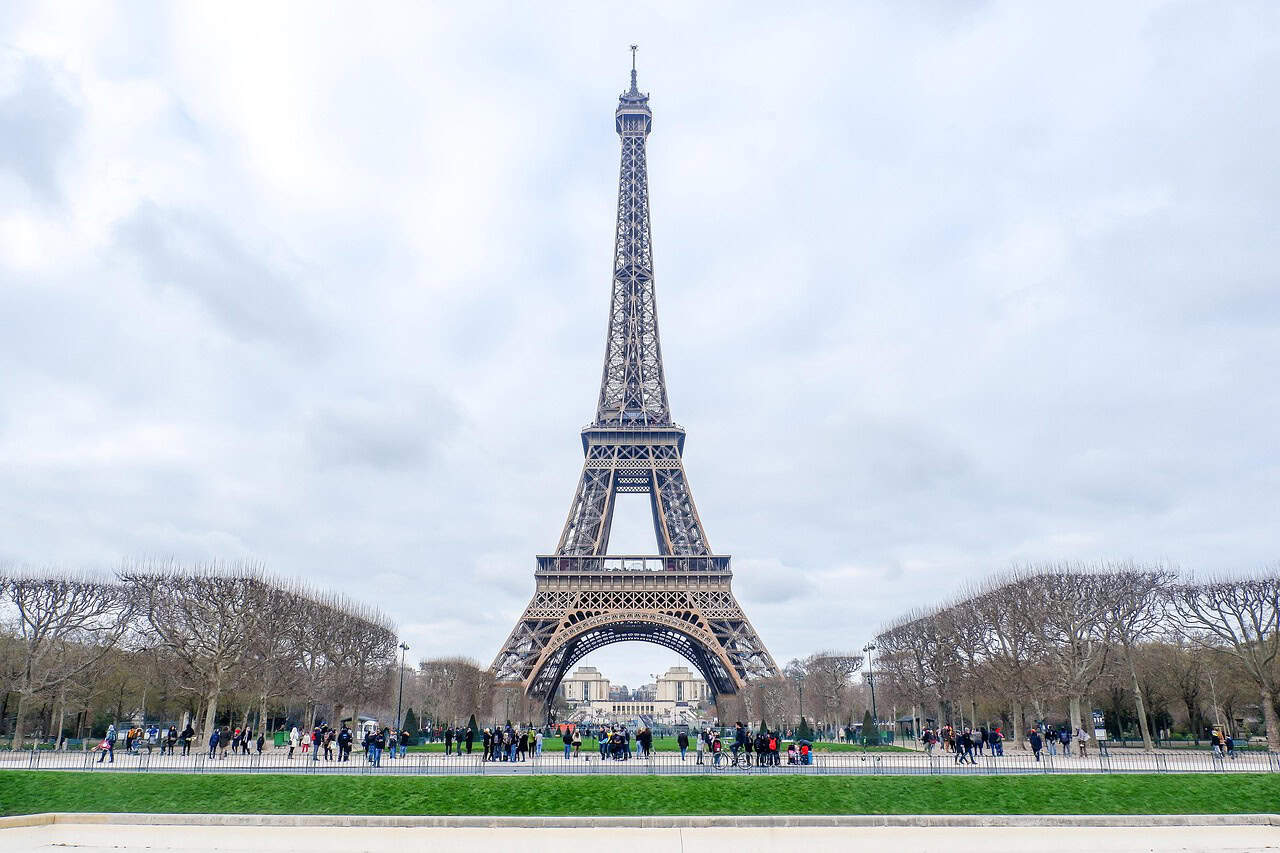
In Paris, clothing is treated as a social minimum, not a creative flex. Surveys from IFOP show over 72% of Parisians associate athletic wear outside sports contexts with carelessness. American staples like hoodies, logo tees, and running shoes break an unwritten rule: public appearance should signal effort. Parisians favor dark palettes, fitted cuts, and minimal branding, even for errands. A baseball cap indoors is particularly frowned upon, with café owners noting it as one of the top three visual markers of foreign tourists. The frustration isn’t arrogance, it’s mismatch. Paris expects visual discipline, not comfort-first dressing.
2. Milan, Italy
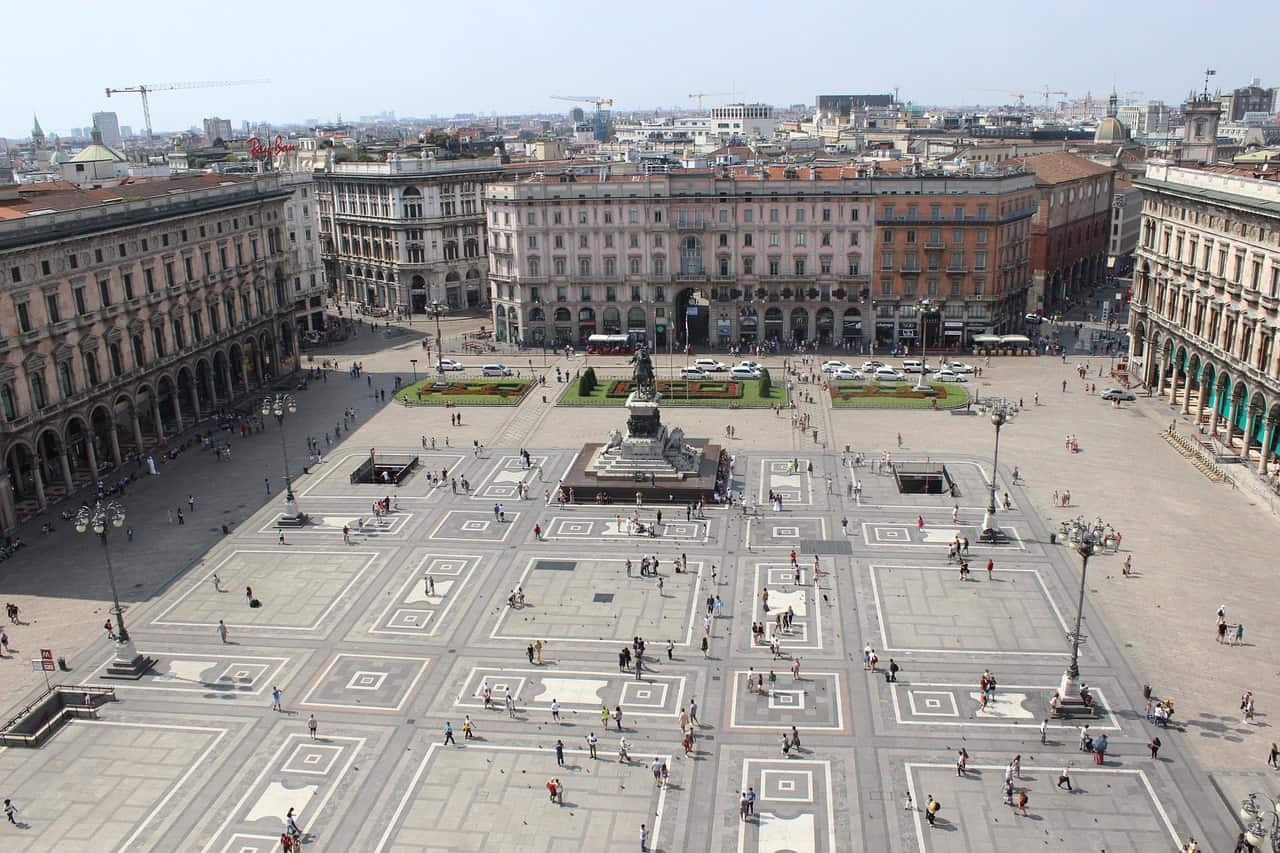
Milan operates under a fashion literacy standard that Americans often underestimate. According to Camera Nazionale della Moda Italiana, over 80% of locals dress “intentionally” even for short outings. Cargo shorts, graphic tees, and bulky sneakers, common American travel choices are read as socially inattentive. Milanese style prioritizes clean silhouettes, structured fabrics, and neutral tones. Locals see sloppy casualwear as a rejection of shared cultural values. Even tourists are expected to meet a baseline. Dressing poorly in Milan doesn’t offend emotionally, it offends aesthetically, which in this city may be worse.
3. Tokyo, Japan
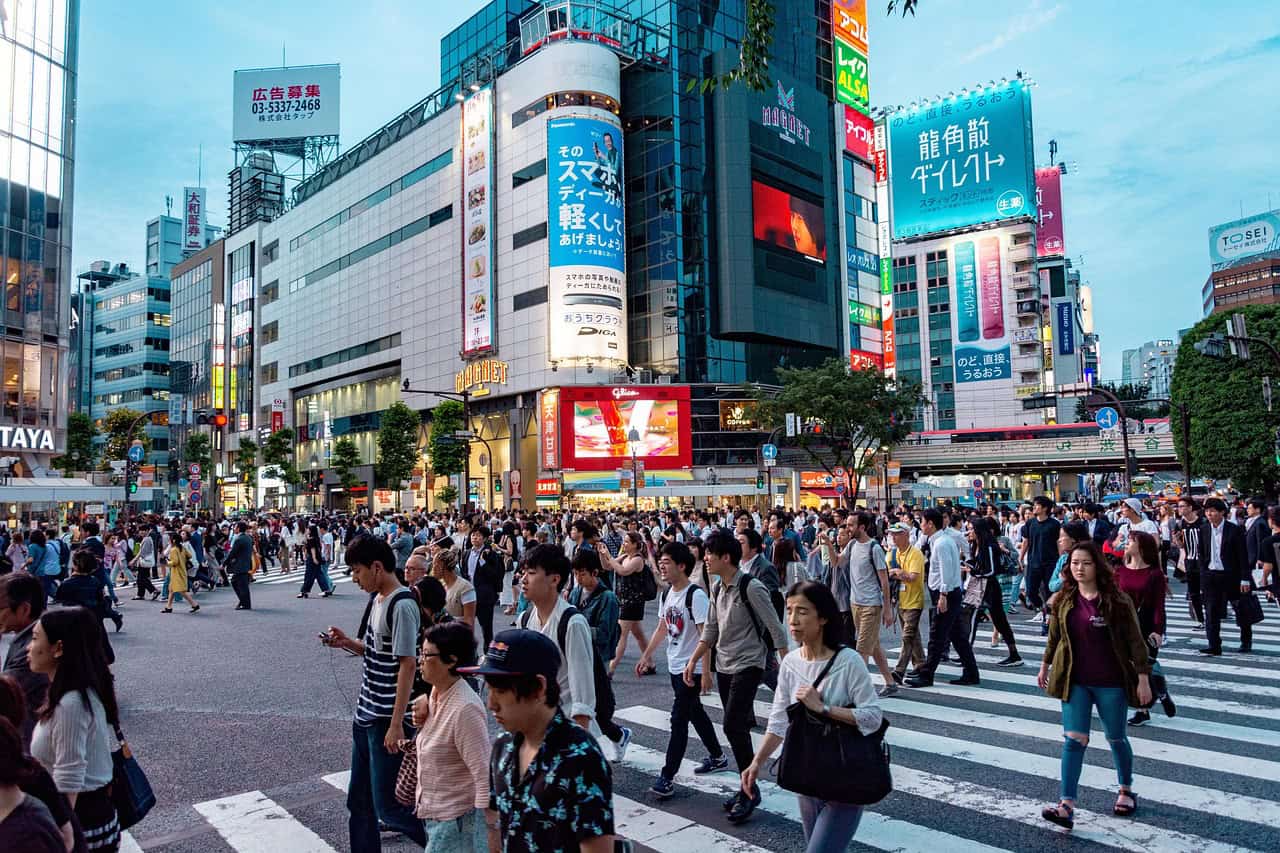
Tokyo fashion allows experimentation, but never negligence. A 2023 Tokyo Metro survey found 68% of residents associate wrinkled clothing with disrespect toward public space. American habits like flip-flops, gym shorts, and oversized tees suggest disorder rather than individuality. Japanese street style is deliberate, layered, and polished, even when playful. The issue isn’t standing out; it’s appearing unaware. In a city where over 14 million people share dense infrastructure daily, personal presentation is seen as civic behavior. Sloppy clothing reads as social noise, and locals notice immediately.
4. Dubai, United Arab Emirates
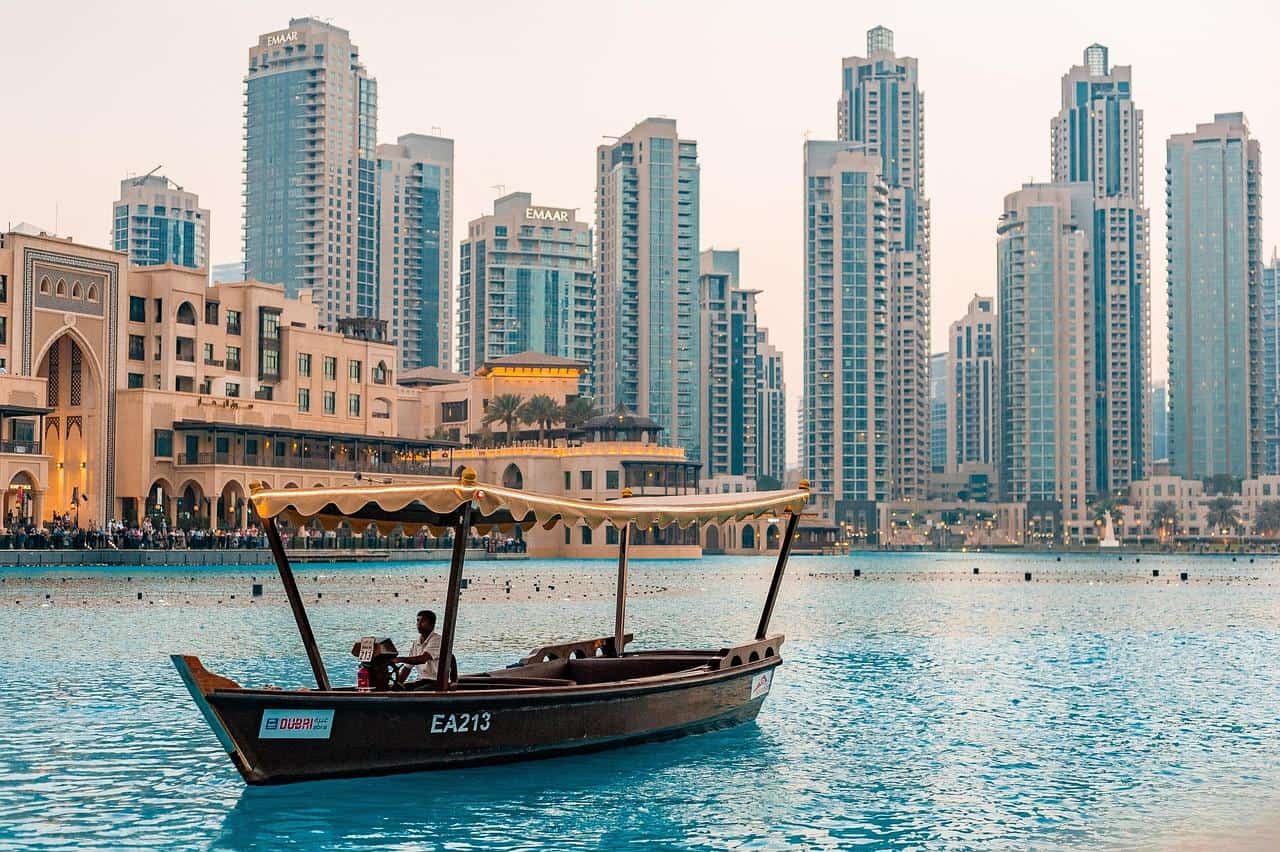
Dubai welcomes global fashion, but boundaries exist. Government advisories note that nearly 30% of tourist complaints relate to inappropriate dress in public venues. American vacation wear tank tops, short shorts, visible sports bras, often crosses from casual into offensive outside beach zones. Malls, metros, and family areas expect modest silhouettes. Locals interpret revealing outfits as cultural disregard, not confidence. Dressing respectfully doesn’t mean covering fully; it means proportion. Loose fabrics and balanced coverage align better with social norms and avoid uncomfortable scrutiny or direct warnings.
5. Barcelona, Spain
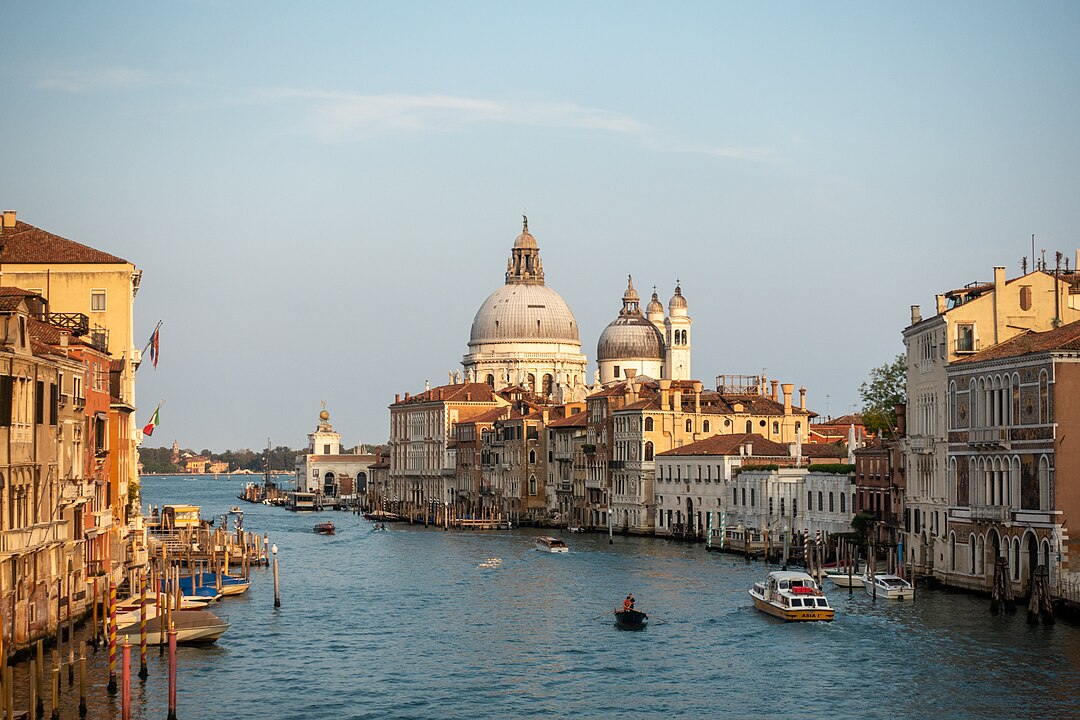
Barcelona’s tension with tourism heavily shapes clothing perception. City data shows over 32 million visitors annually, and locals increasingly associate American-style outfits with disruptive behavior. Basketball jerseys, backward caps, athletic shorts, and loud sneakers signal “party tourist” immediately. Catalans dress relaxed yet polished; fitted shirts, clean footwear, neutral colors. Wearing beachwear beyond coastal areas is especially disliked. Locals don’t despise Americans personally, but they strongly resent visual symbols of mass tourism. Clothing becomes shorthand for whether you’re contributing to or consuming the city.
6. Istanbul, Turkey
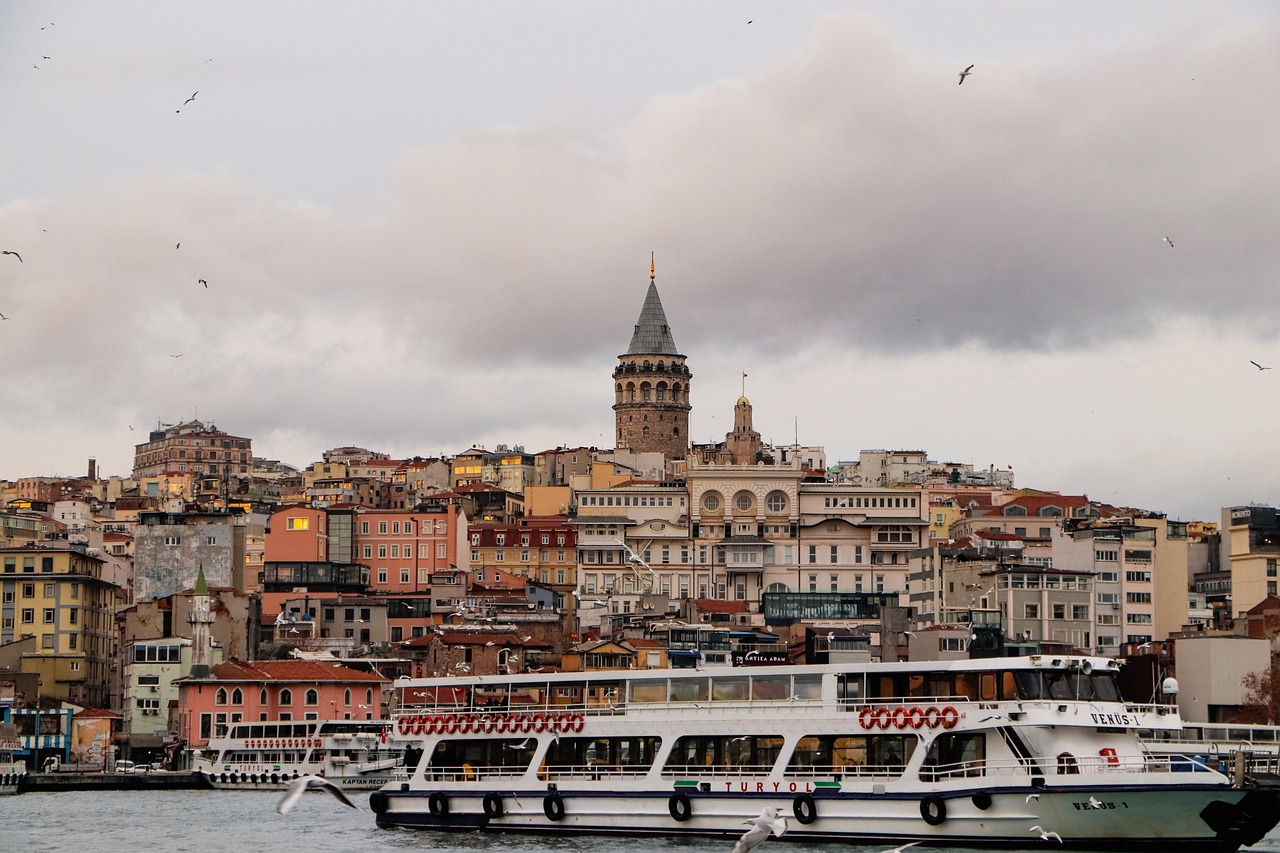
Istanbul blends modernity with tradition, and clothing must navigate both. Municipal surveys show over 60% of residents expect visitors to dress modestly in historic districts. American casualwear like short shorts, crop tops, gym outfits feels context-blind near mosques and older neighborhoods. Even secular locals adjust dress based on location. The issue isn’t conservatism; it’s situational awareness. Dressing without regard for setting reads as dismissive. Visitors who choose breathable, modest silhouettes consistently report warmer interactions and fewer confrontations or stares.
7. Seoul, South Korea
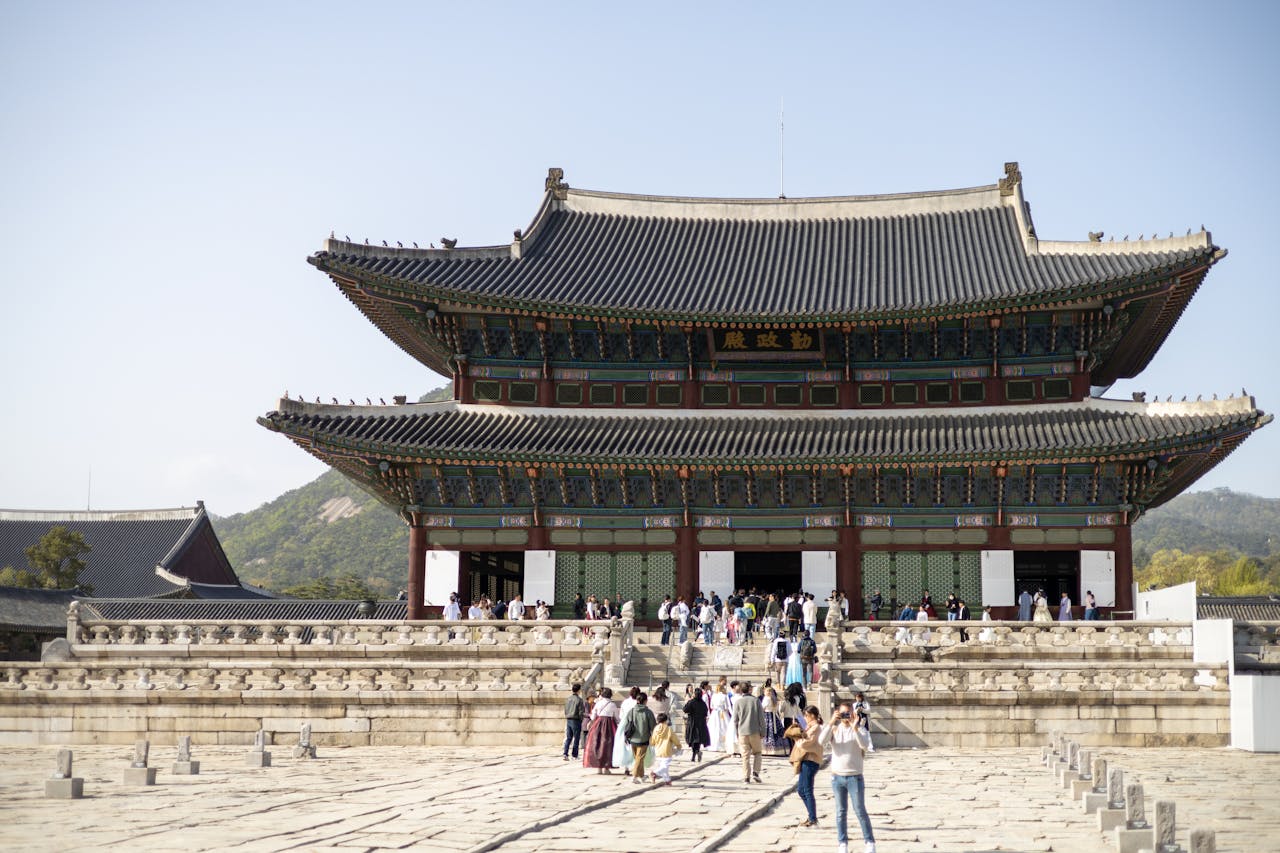
Seoul’s fashion culture is fast-moving and highly intentional. According to the Korean Fashion Association, nearly 70% of young adults plan outfits daily. American athleisure, sweatpants, logo hoodies, worn sneakers appear unfinished by local standards. Koreans favor layered looks, coordinated palettes, and clean lines, even in casual contexts. Looking underdressed suggests low self-respect rather than comfort. You don’t need trend mastery, but visible effort matters. In Seoul, style functions as social competence, and neglect is quietly judged.
8. Vienna, Austria
Vienna’s elegance is understated but strict. Cultural studies show over 75% of locals prefer classic attire in public spaces. American habits, baseball caps, hiking shoes, oversized backpacks stand out sharply in cafés and historic districts. Loud branding disrupts Vienna’s visual calm. Locals value structure, muted tones, and formality, even for daily routines. The disdain isn’t vocal; it’s observational. In a city built on refinement, dressing purely for convenience signals detachment from place, which Viennese society notices instantly.