We may earn money or products from the companies mentioned in this post. This means if you click on the link and purchase the item, I will receive a small commission at no extra cost to you ... you're just helping re-supply our family's travel fund.
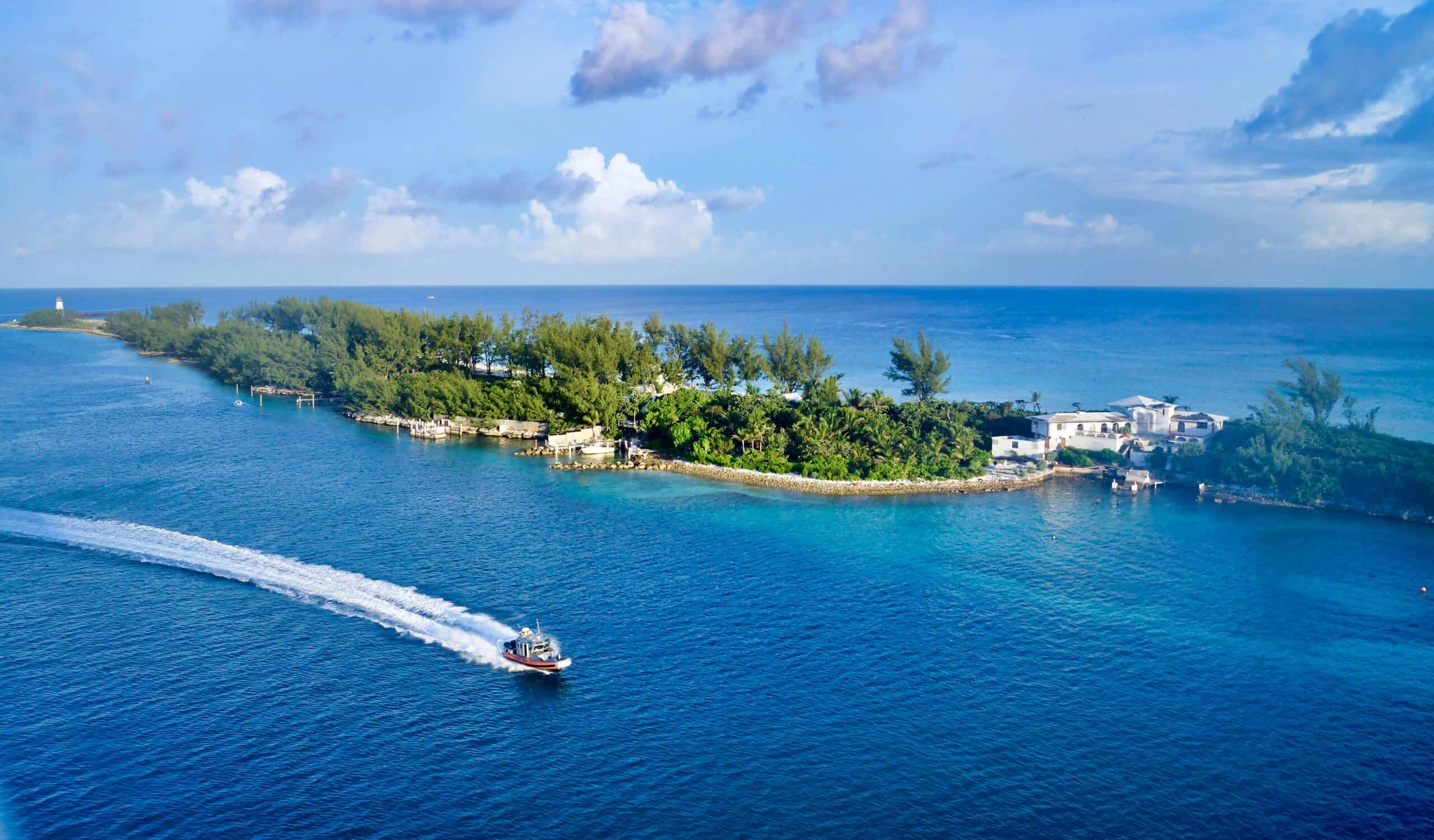
Some trips feel effortless in the first hour, then complicated by the end of the day. That shift often has less to do with dramatic danger and more to do with crowd pressure, transport bottlenecks, weather disruption, and overconfidence in familiar tourist zones. A polished terminal, a famous beach, or a packed promenade can signal convenience, not necessarily low risk. These eight destinations remain worth visiting, but they reward travelers who stay observant, plan transitions carefully, and treat comfort as a variable, not a guarantee.
Nassau, Bahamas
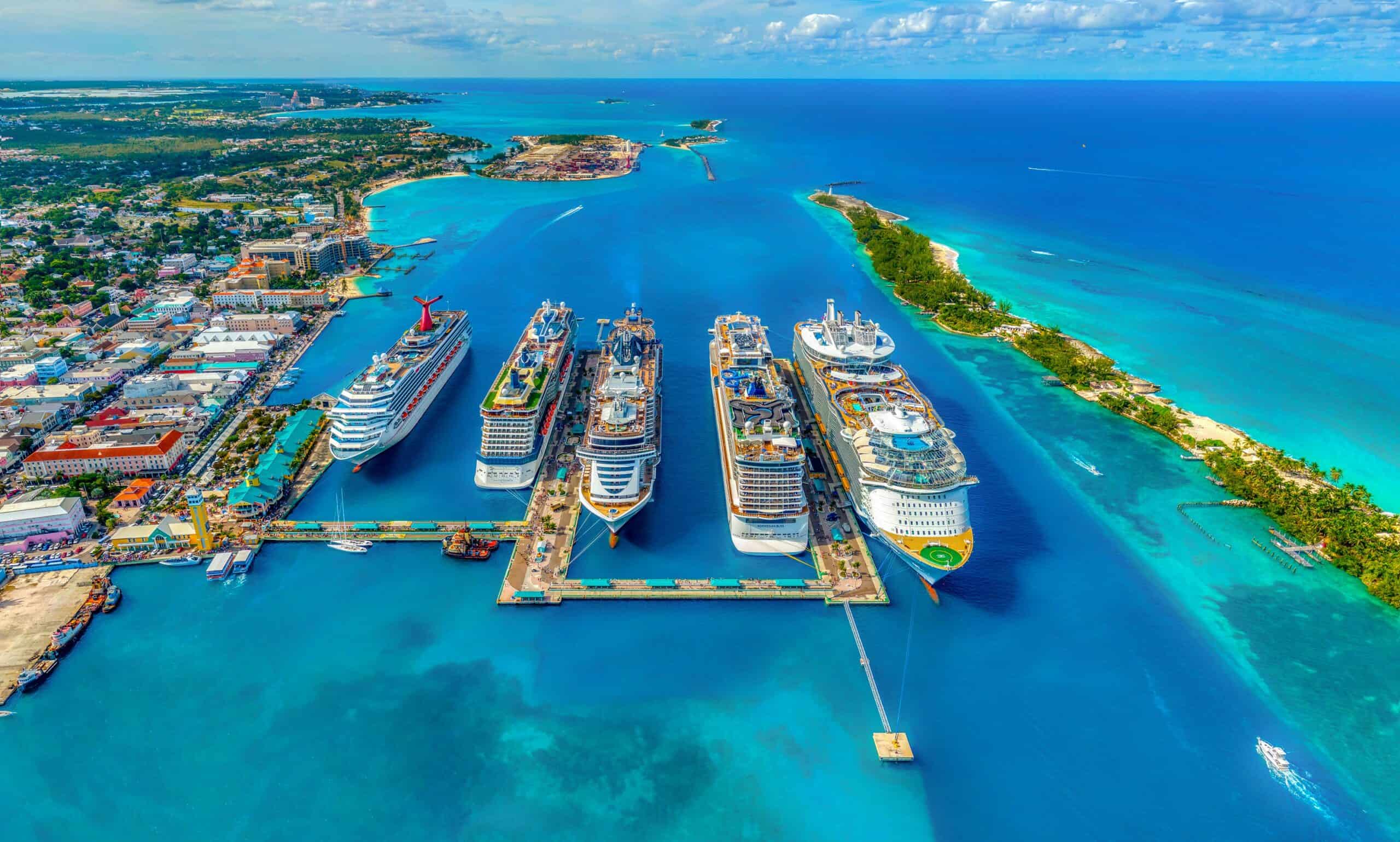
Nassau often feels simple at first because the cruise district is organized, walkable, and designed for fast turnover. The problem appears when multiple ships dock at once and the city’s flow compresses into the same few hours. Taxi queues lengthen, tour departures stack, and crowded retail corridors become ideal settings for distraction-based theft or rushed decisions. None of this makes Nassau a bad stop. It means timing matters. Travelers who move early, keep documents secured, and avoid last-minute scrambling usually have a far smoother day.
Cancun, Mexico
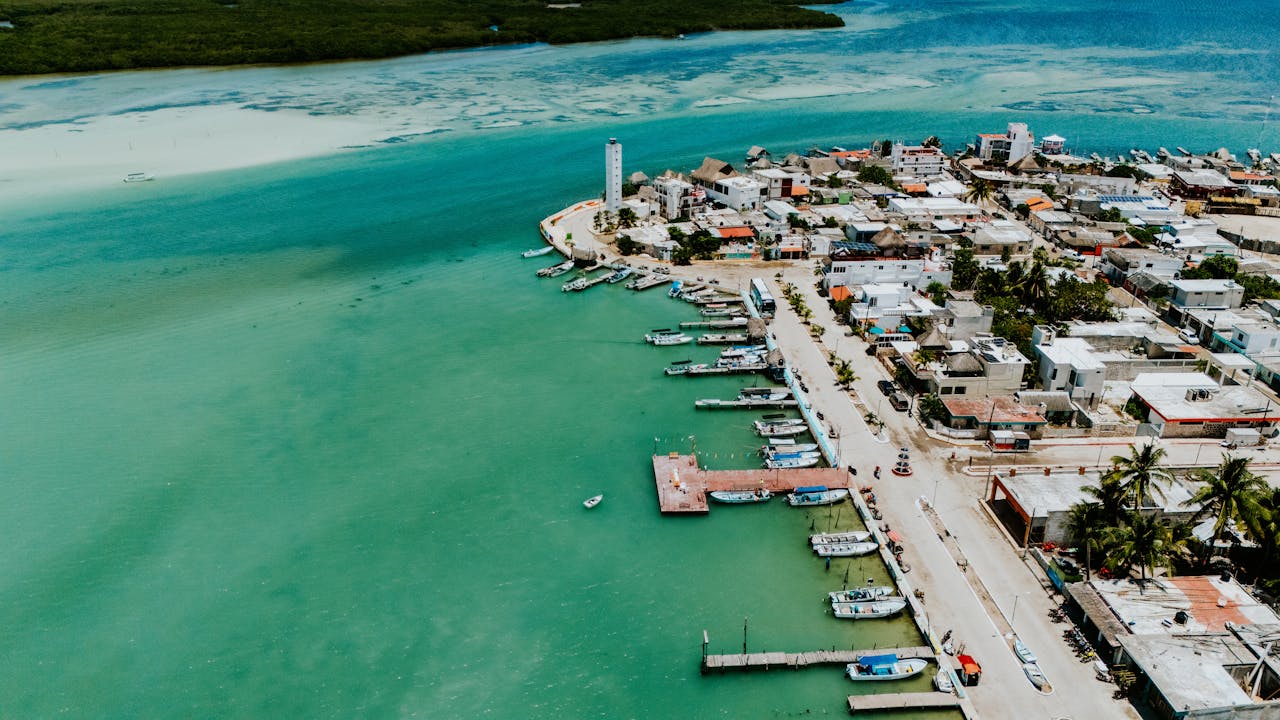
Cancun’s hotel zone projects control and comfort, which can create the illusion that the wider area operates under the same conditions. In practice, safety can vary by neighborhood, transport choice, time of day, and how far plans drift from vetted routes. Most visits go well, but trouble often starts with small shortcuts: unverified rides, cash-heavy nightlife, or unclear return plans after midnight. Cancun still delivers excellent trips when logistics stay disciplined. Reliable transfers, clear meet points, and realistic pacing reduce risk more than any resort brochure ever will.
Barcelona, Spain
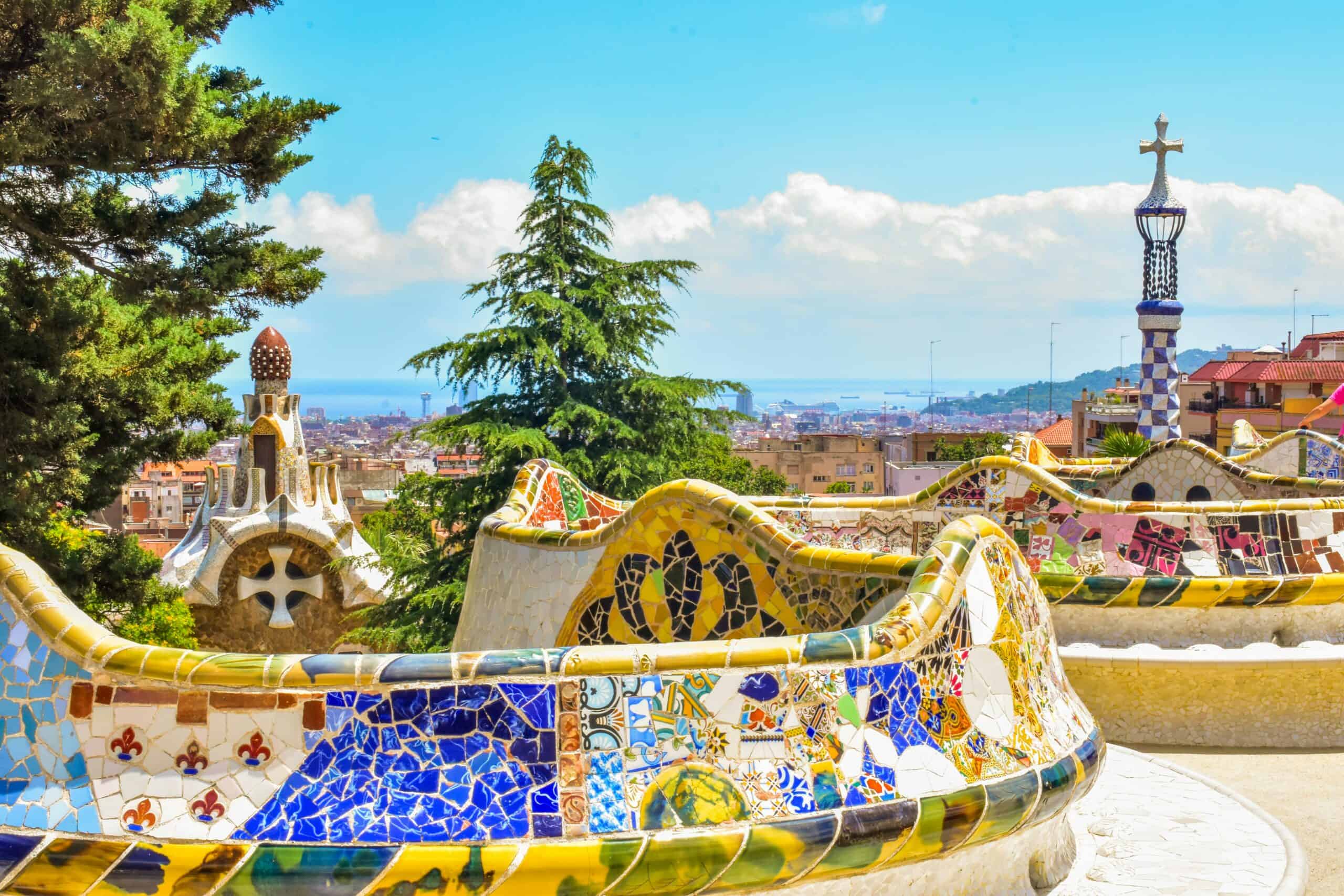
Barcelona is elegant, walkable, and easy to love, which is exactly why many visitors lower their guard too quickly. The city’s main risk for travelers is usually opportunistic theft in crowded spaces, especially around transit hubs, major promenades, and attraction entrances where attention is split. Incidents are often quick and nonviolent, but they can derail an entire itinerary when phones, IDs, or cards disappear. Barcelona remains one of Europe’s best urban experiences. It simply rewards secure carry habits, calm movement in crowds, and fewer distracted moments.
Paris, France
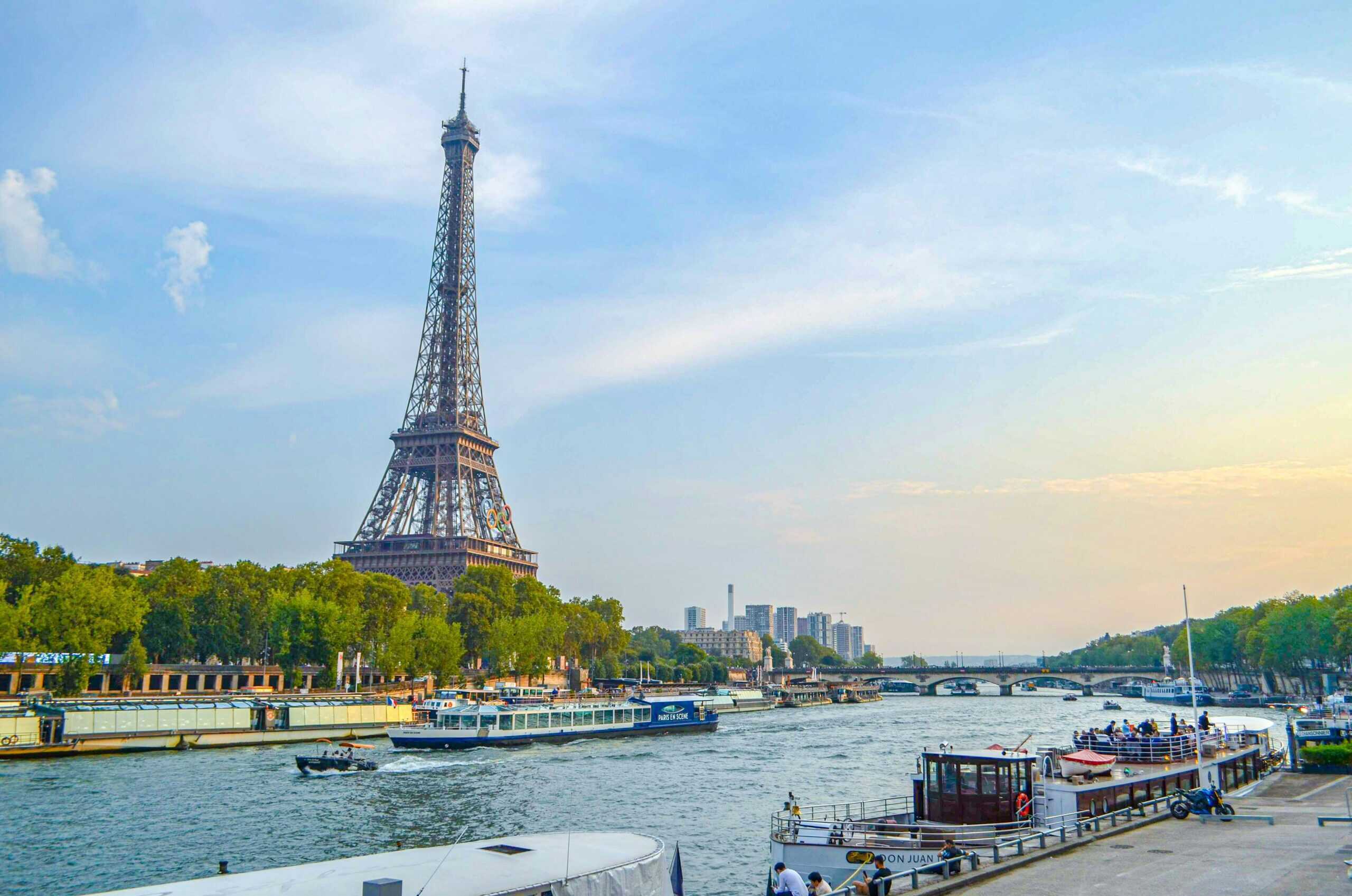
Paris feels familiar to many international travelers because landmarks, metro links, and central districts are straightforward to navigate. That comfort can hide a practical issue: dense visitor traffic creates repeated opportunities for pickpocket teams in stations, queues, and busy intersections. The city is not defined by threat, but by volume, and volume changes behavior on the street. A relaxed approach works best when paired with structure: zipped bags, separated payment methods, and planned evening routes. In Paris, small security habits protect the experience without reducing spontaneity.
George Town, Grand Cayman
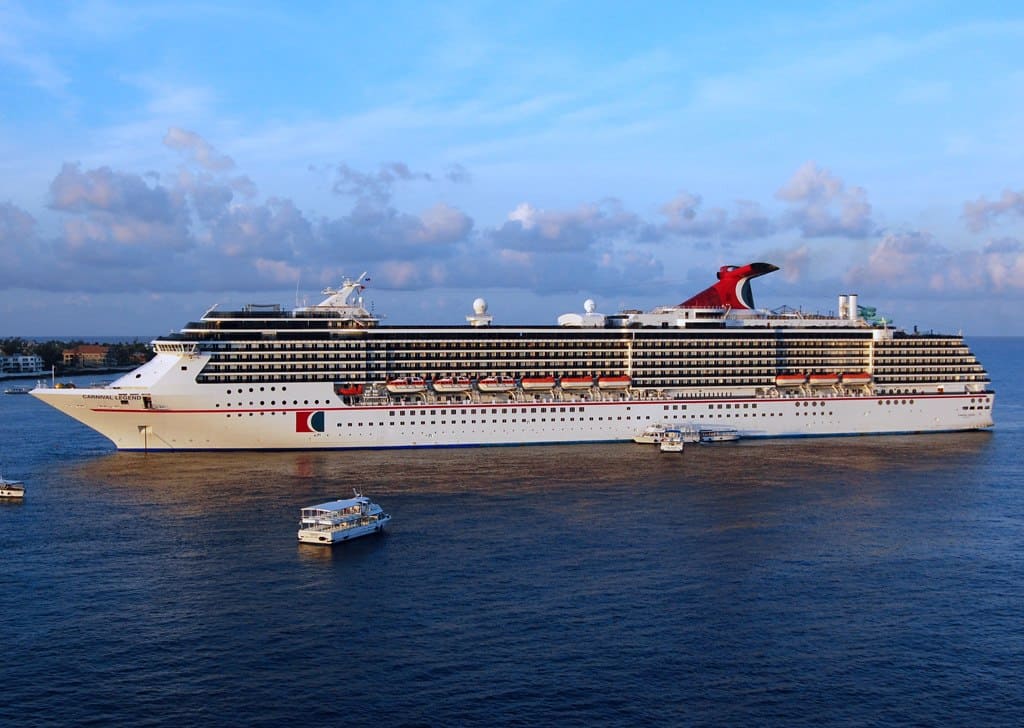
George Town is calm and scenic, yet cruise-day reliability depends heavily on sea conditions because many arrivals use tender boats instead of fixed piers. When swells rise, disembarkation can slow or stop with little notice, turning a high-expectation port day into a compressed window or a cancellation. The risk is operational rather than personal, but it still affects mood, money, and schedule control. Travelers who treat Cayman as weather-dependent, not schedule-guaranteed, usually handle changes better and protect the rest of the itinerary from avoidable stress.
Labadee, Haiti
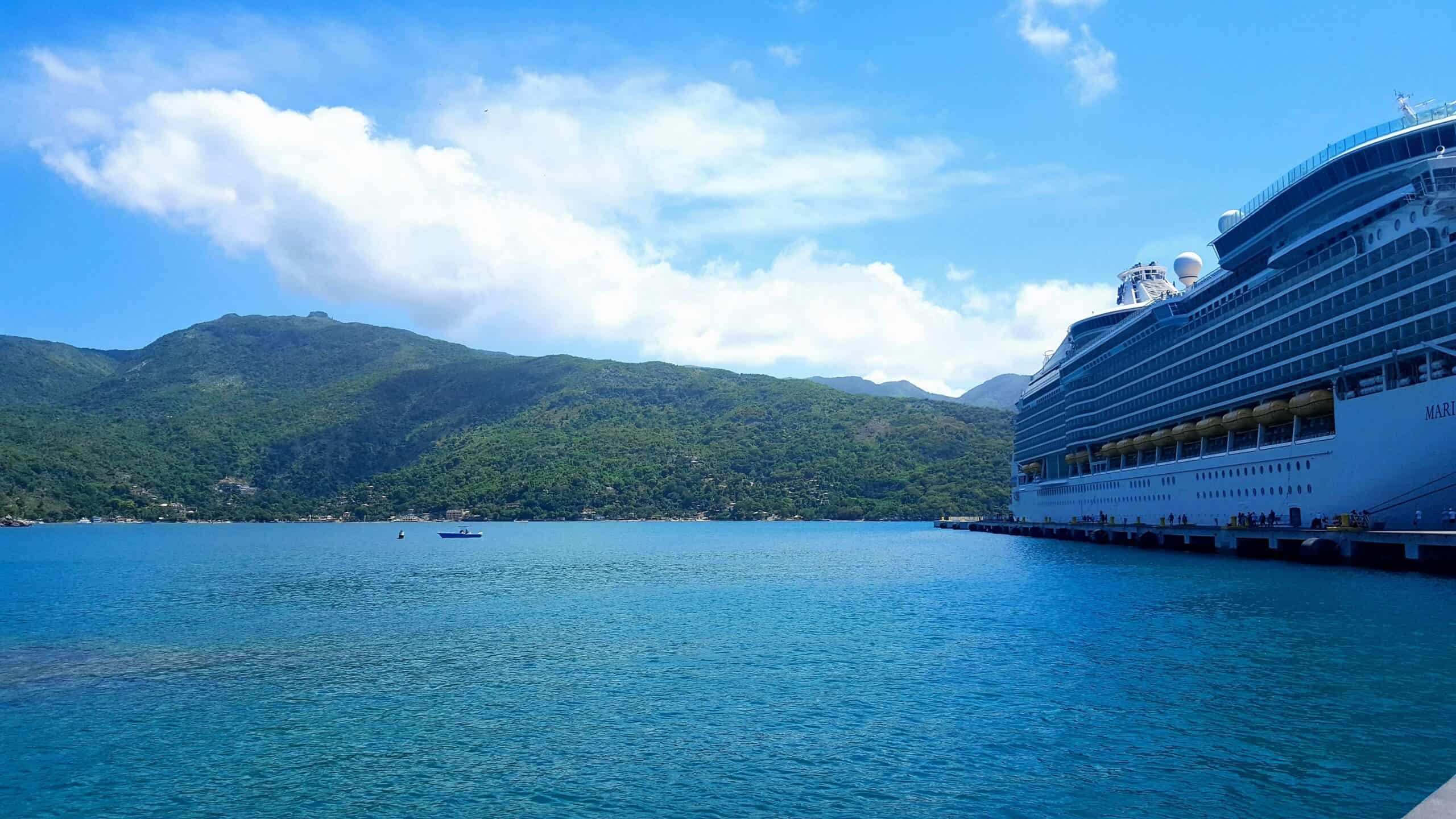
Labadee is marketed as a controlled private destination, and that framing can suggest certainty even when regional conditions are unstable. Cruise operators assess broader security realities, not just on-site amenities, which is why calls can be suspended despite local infrastructure designed for tourism. For passengers, the main issue is expectation risk: planning emotional high points around ports that may be swapped late. Labadee can still be appealing when operating normally, but travelers are better served by flexibility, backup plans, and a mindset that treats itinerary changes as possible.
Ocho Rios And Falmouth, Jamaica
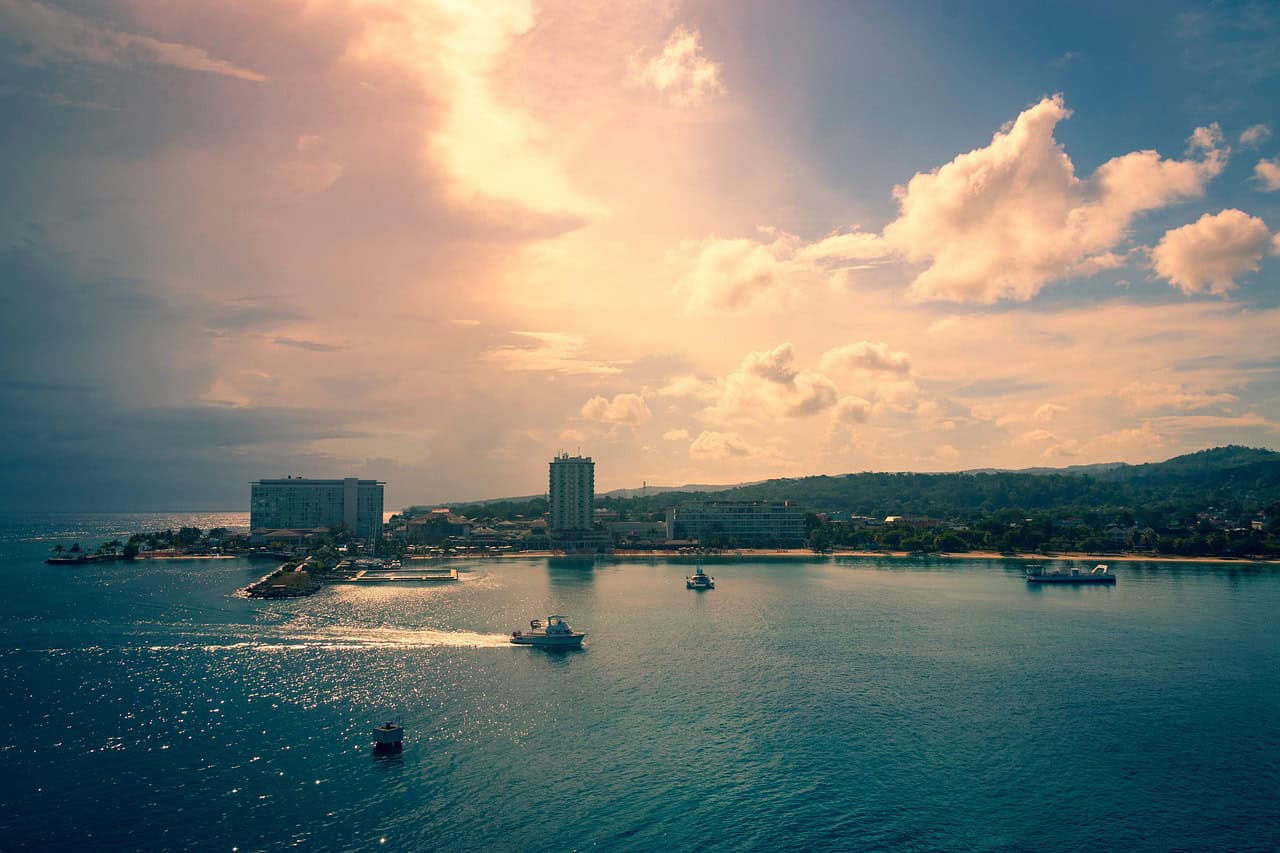
Jamaica’s cruise ports remain popular and often run smoothly, but perception gaps can create problems. Many travelers assume resort energy extends to every transfer corridor and independent outing, then realize too late that context shifts quickly outside controlled environments. Most issues are avoidable and linked to routine choices, unverified transport, poor timing, excess cash carry, or loosely planned nightlife returns. Jamaica is not a place to fear. It is a place to approach with structure, trusted operators, and clear boundaries that keep the day enjoyable.
Cozumel, Mexico
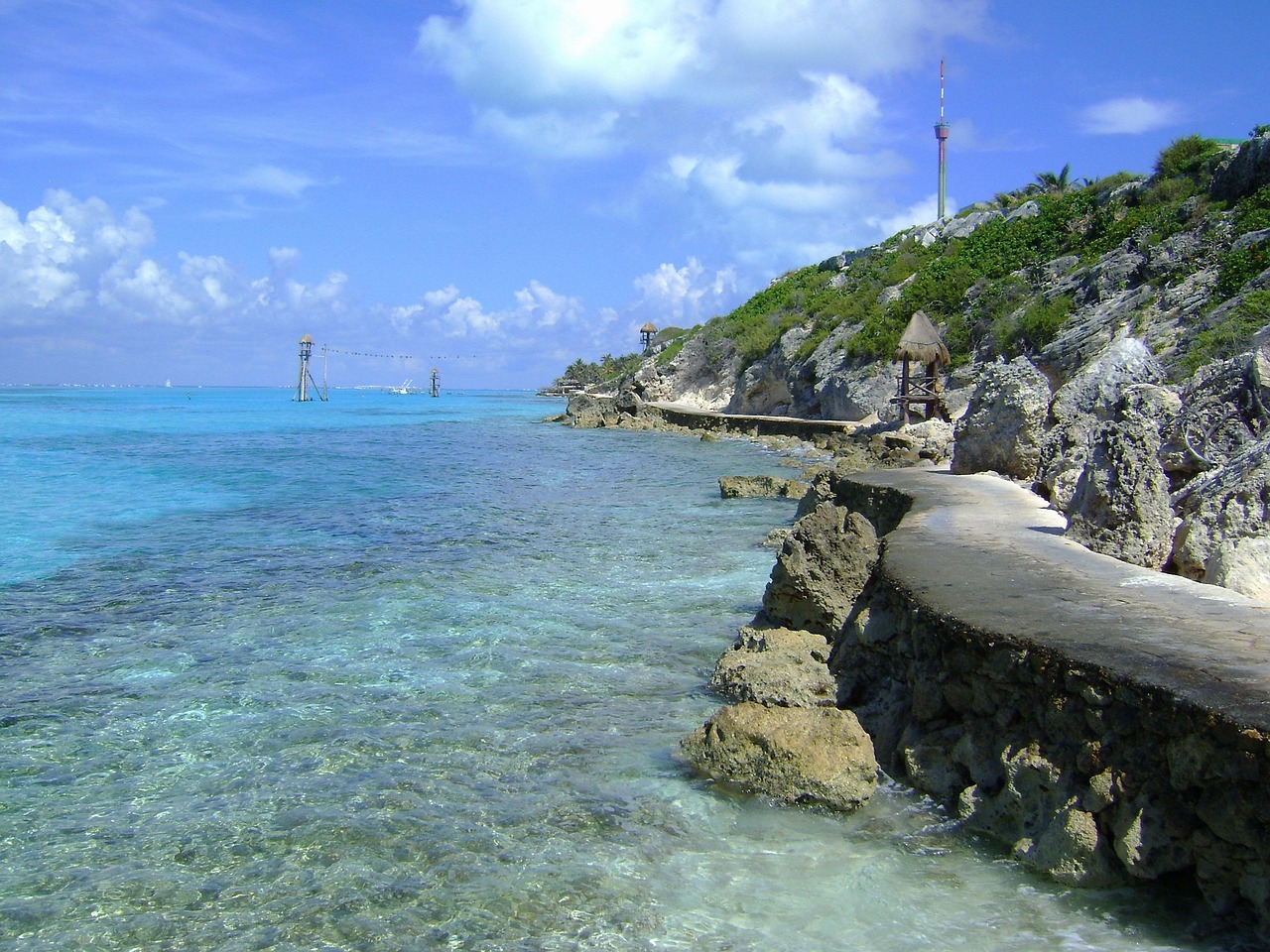
Cozumel is one of the Caribbean’s most established cruise stops, which gives it a reputation for effortless days ashore. That reputation is mostly earned, but it can still encourage complacency when port areas are crowded, schedules are tight, and excursion returns run close to departure deadlines. Minor delays then trigger rushed purchases, hurried transport choices, and unnecessary stress. Cozumel works best with disciplined pacing: early starts, confirmed return buffers, and simple plans that respect the ship clock. Convenience is real here, but it is never automatic.