We may earn money or products from the companies mentioned in this post. This means if you click on the link and purchase the item, I will receive a small commission at no extra cost to you ... you're just helping re-supply our family's travel fund.
In the 2000s, travel dreams came wrapped in glossy magazines, early blogs, and airport bookshops stacked with guidebooks. Low-cost flights widened horizons, reality TV sold glamorous weekends, and post cards turned into digital albums for the first time. Some places became shorthand for a certain mood: a skyline that looked futuristic, a beach with a DJ booth, a city break that felt cultured and affordable. These destinations captured that era’s appetite for spectacle, comfort, and stories worth retelling, long after the boarding passes faded.
Dubai, United Arab Emirates
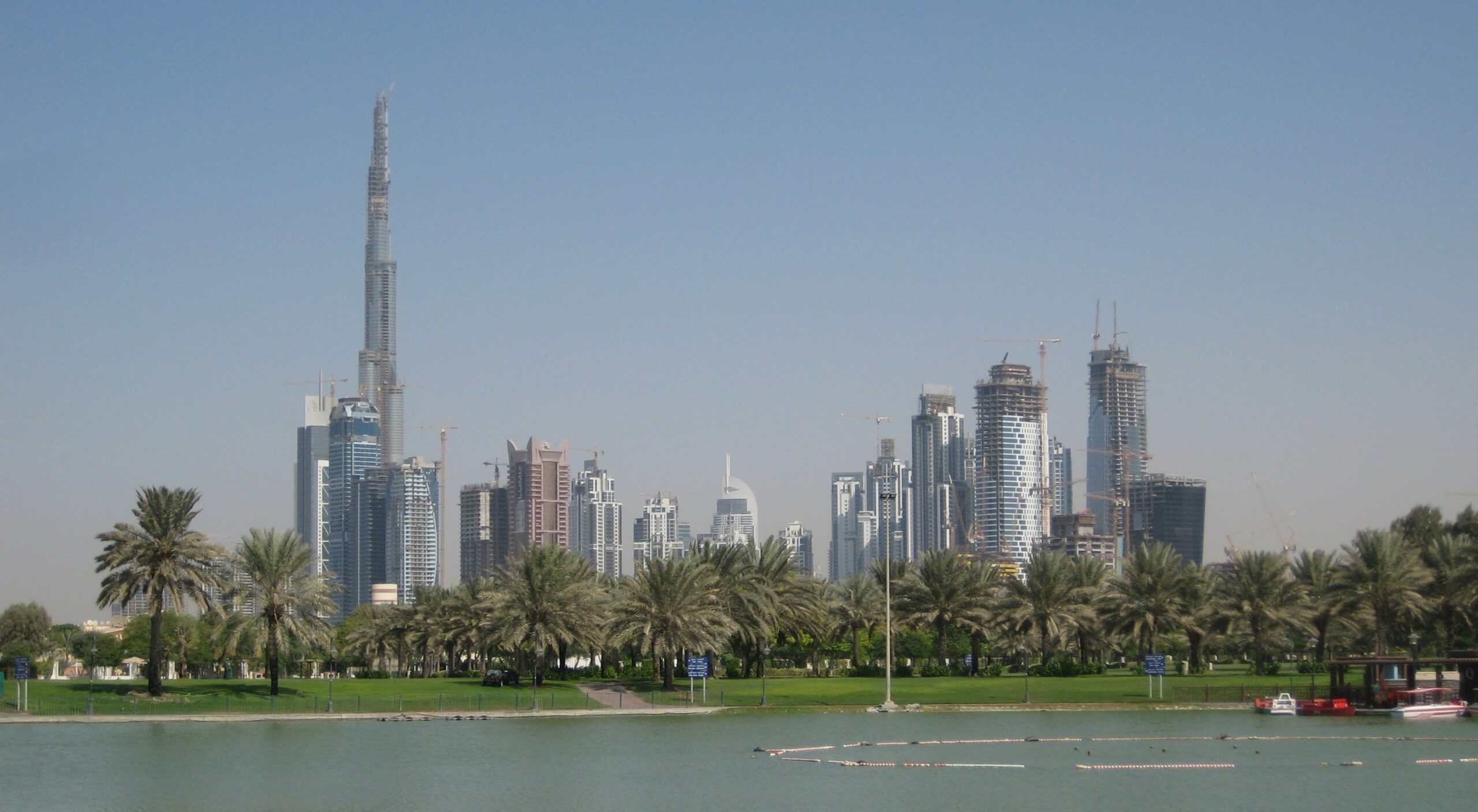
Dubai became the 2000s symbol of fast-forward modernity, where cranes, malls, and glass towers rose faster than travel writers could describe them. Landmarks like the Burj Al Arab, the early rise of Burj Khalifa, and the Palm shaped the skyline into a postcard that felt almost unreal, while desert safaris added sand, silence, and a sudden horizon at dusk. Shopping festivals, hotel brunch culture, and that indoor ski slope made the city feel like a controlled climate experiment, and as Emirates expanded routes, Dubai turned the stopover into a destination for families, couples, and business travelers chasing a taste of the future in one trip.
Las Vegas, Nevada
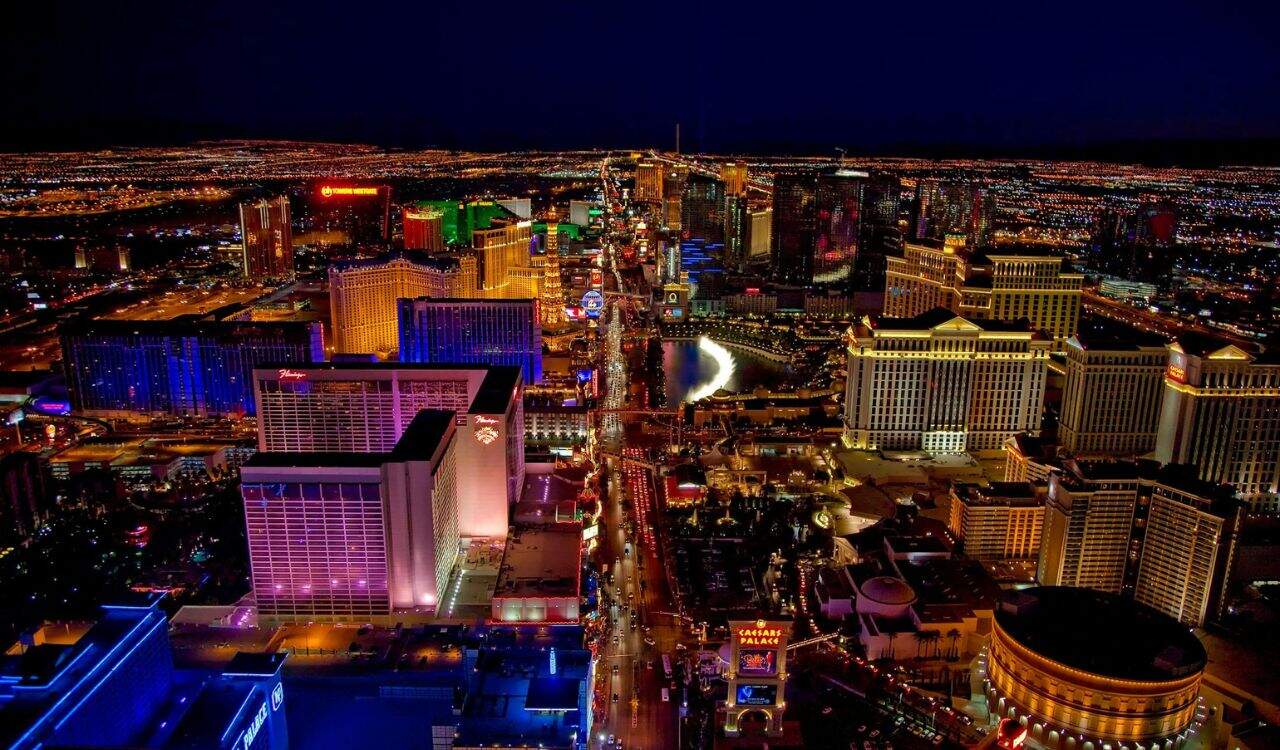
Las Vegas peaked as the 2000s capital of planned chaos, powered by cheap flights, bottle-service nightlife, and mega-resorts that kept reinventing themselves to stay one step ahead of the hype. The Strip’s themed hotels shifted toward glossy luxury, Cirque du Soleil shows became must-see tickets, celebrity chefs turned dinners into bragging rights, and dayclubs made the pool feel like an event with a dress code. By the time “The Hangover” hit in 2009, Vegas already had the reputation: a place where a long weekend could blur into legend, then snap back into neon, at 3 a.m., with sunrise arriving too soon and checkout stories lasting for years.
Cancún and the Riviera Maya, Mexico
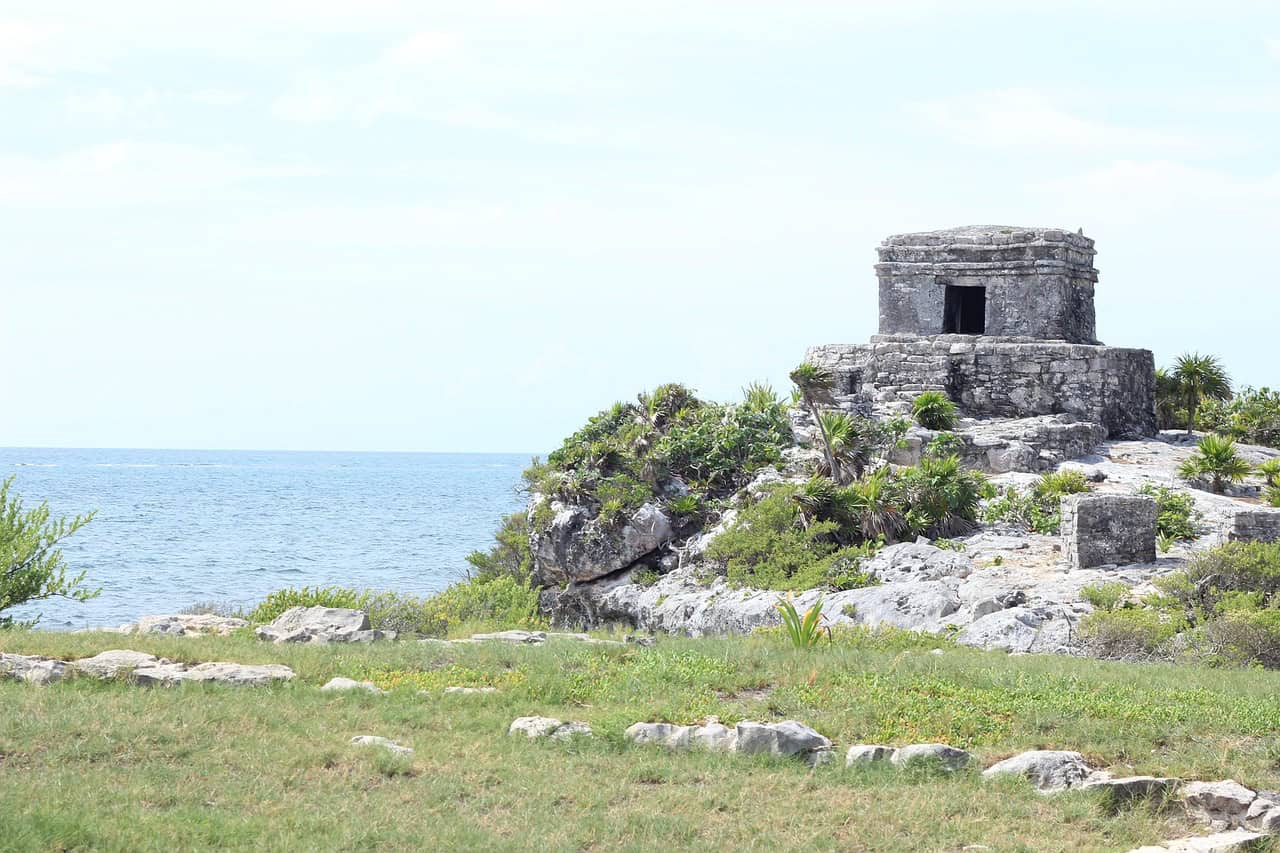
Cancún and the Riviera Maya became the default 2000s escape, sold through all-inclusive brochures, spring-break lore, and nonstop flights that made the Caribbean feel closer than the next state over. Resorts along Hotel Zone and Playa del Carmen promised turquoise water on schedule, wristbands for everything, and pools that stayed busy after dark, while day trips to Chichén Itzá, Tulum, Isla Mujeres, and cenotes added history and cave-cool contrast to the heat. Even travelers who avoided party crowds still chased the same feeling: salt on skin, easy meals, and a hammock view that made Monday mornings look far away long after the tan faded too.
Bali, Indonesia
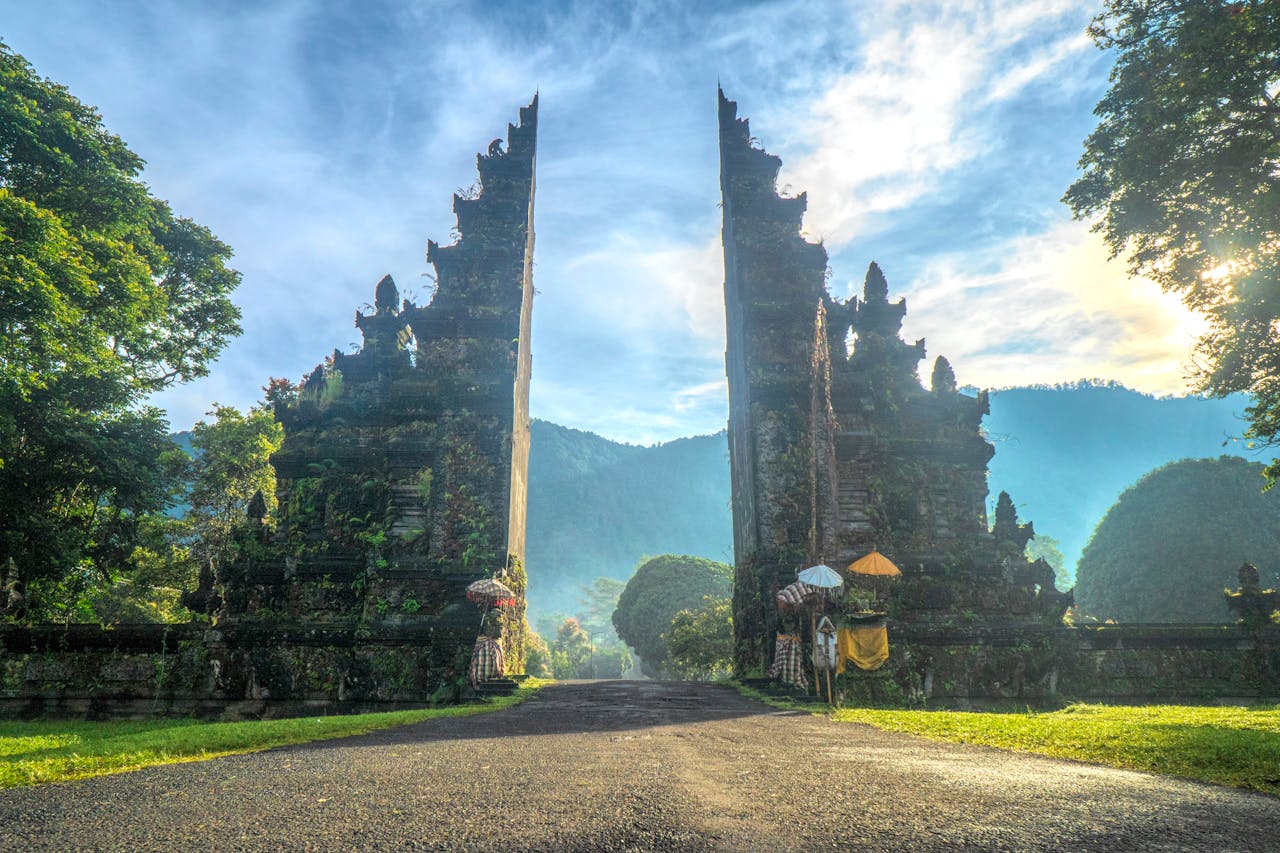
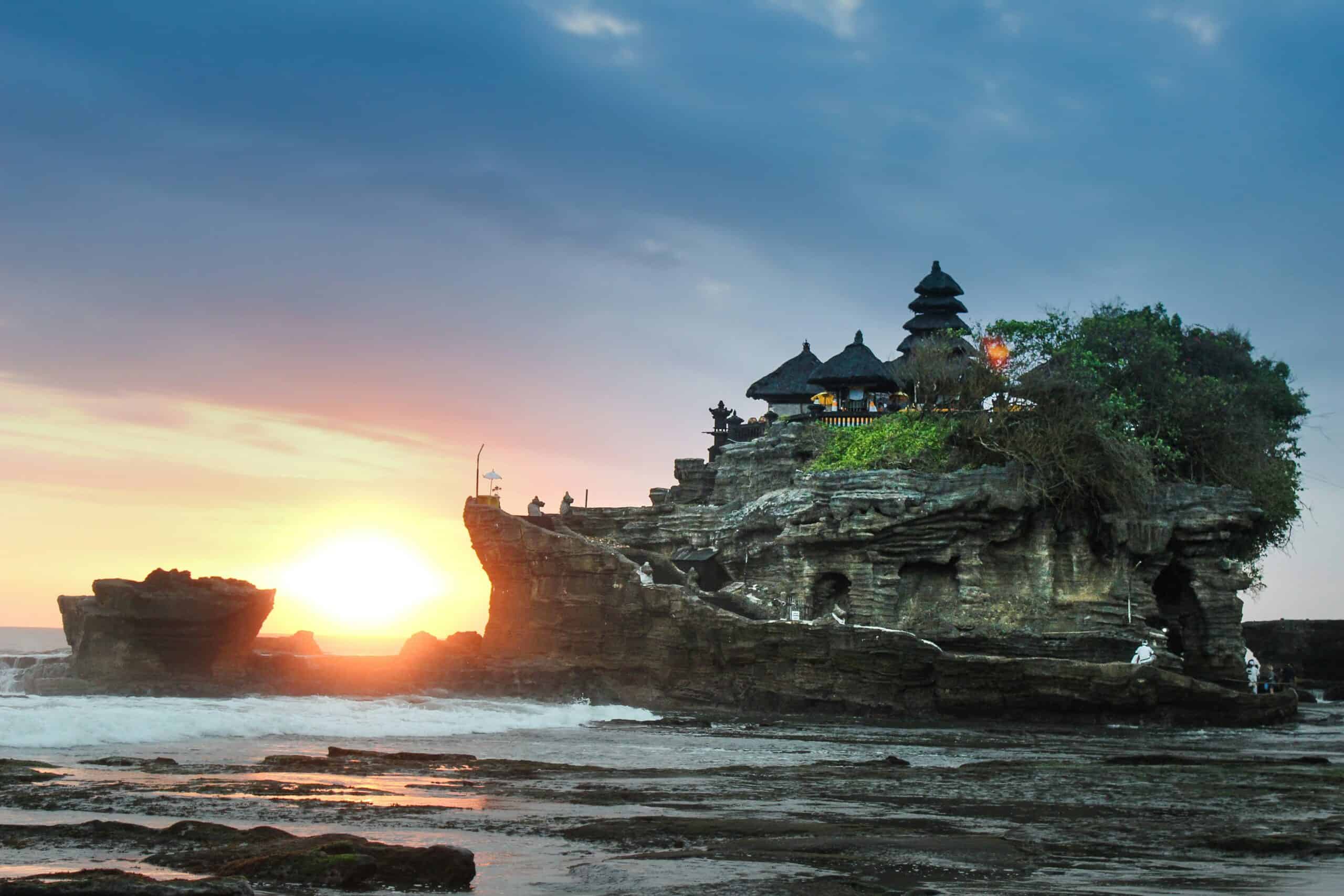
Bali surged through the 2000s as a place that could feel spiritual, stylish, and affordable in the same week, a mix that guidebooks and early travel forums loved. Ubud’s rice terraces, temples, and craft markets offered calm, while Kuta and Seminyak catered to surf lessons, scooters, and nightlife that spilled onto the sand, with villas and spa menus promising luxury without the usual price tag. When “Eat, Pray, Love” landed in 2006, the island’s reputation only grew: morning offerings on doorsteps, incense in the air, carved stone at every corner, and sunsets that made even a simple meal feel ceremonial and shared in grainier digital albums.
Prague, Czech Republic
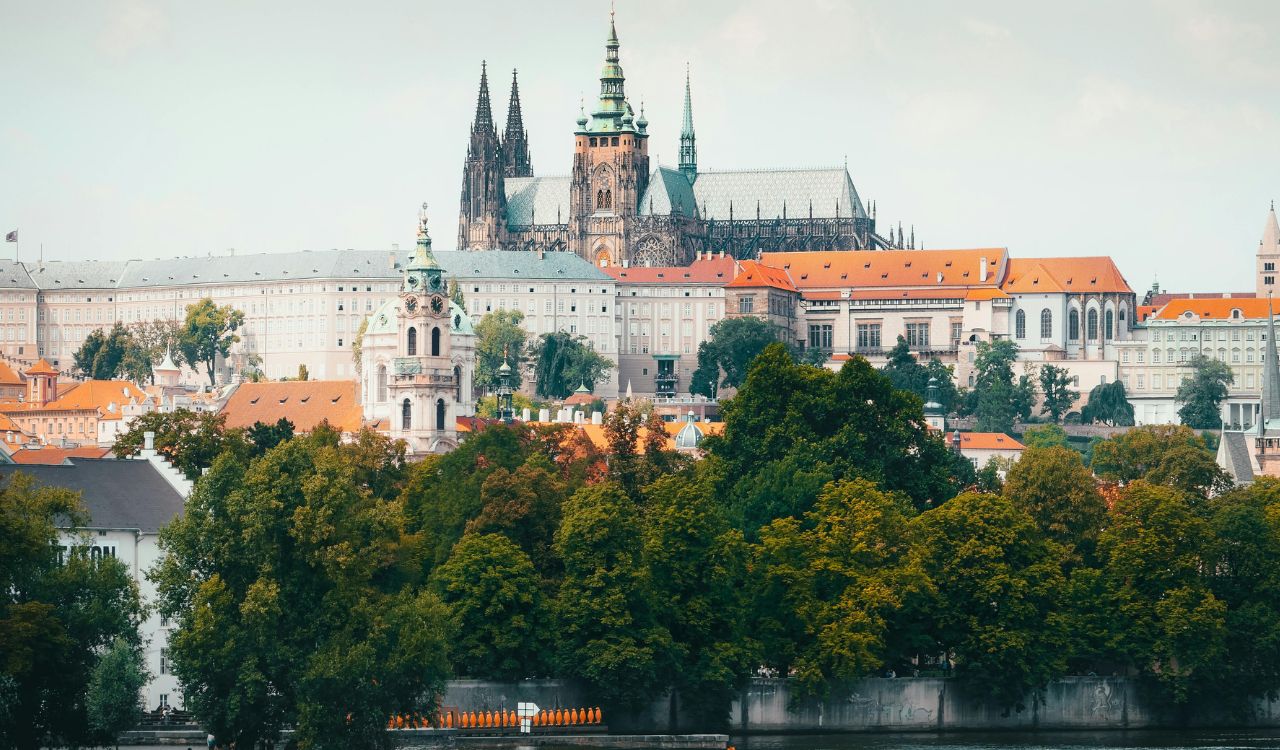
Prague became the 2000s European bargain that still felt like a fairy tale, with Gothic spires, baroque facades, and trams stitching neighborhoods together for pocket change. Travelers chased the Charles Bridge at dawn, the Astronomical Clock in Old Town, Prague Castle above the Vltava, and smoky jazz bars under stone arches, then warmed up with goulash, dumplings, and inexpensive pilsner. It matched the era’s city-break mood: a capital finding its shine, history without the sticker shock, and the sense that every lantern-lit alley could turn into a postcard before the crowds caught up and the prices did, too, even in fog at dusk, for awhile.
Costa Rica’s Rainforest Circuit
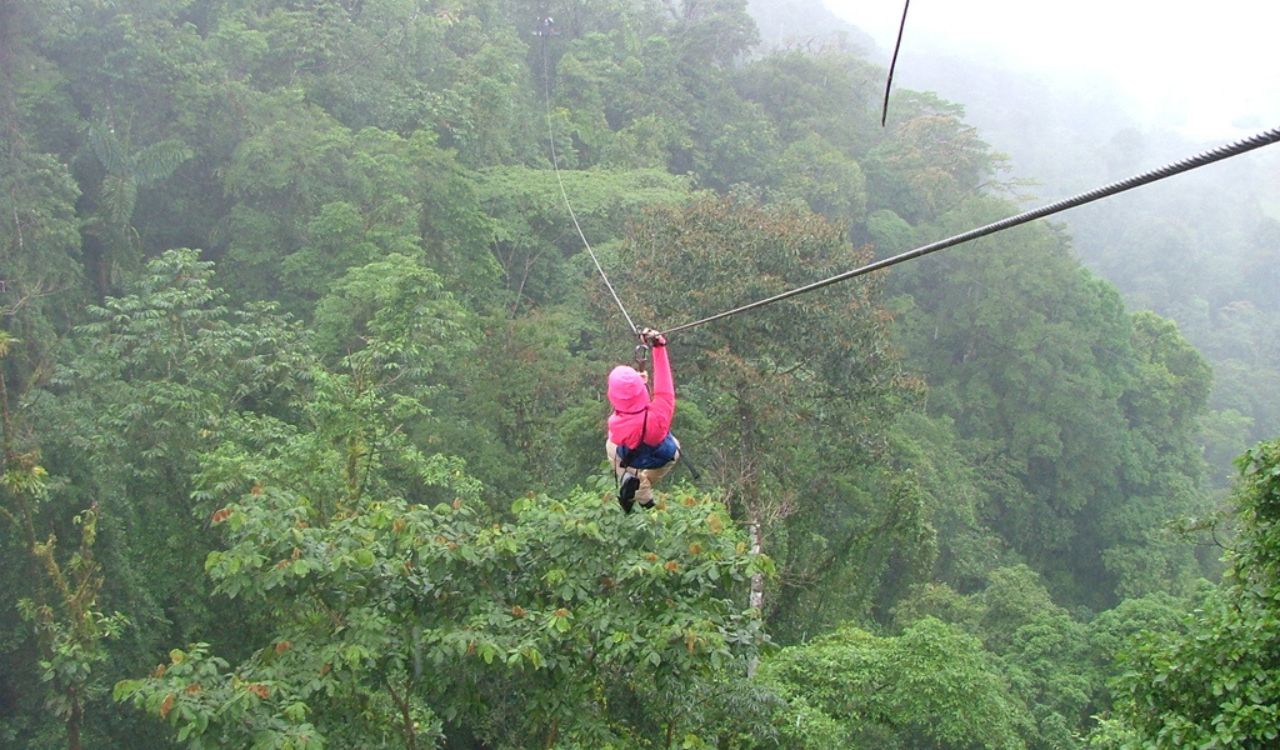
Costa Rica rose in the 2000s as the eco-adventure dream, a place where rainforest thrills came with a clean conscience, strong coffee, and a surprisingly easy travel circuit. Zip lines, canopy walks, and volcano hikes around Arenal paired with hot springs, and hanging bridges, while Manuel Antonio delivered beaches with monkeys overhead and Monteverde’s cloud forest offered mist, orchids, and the occasional resplendent quetzal. It became the decade’s answer to beach fatigue: warm, wild, and organized enough for families, with small lodges and guides talking conservation long before sustainability became a marketing default for many travelers.
Phuket and the Phi Phi Islands, Thailand
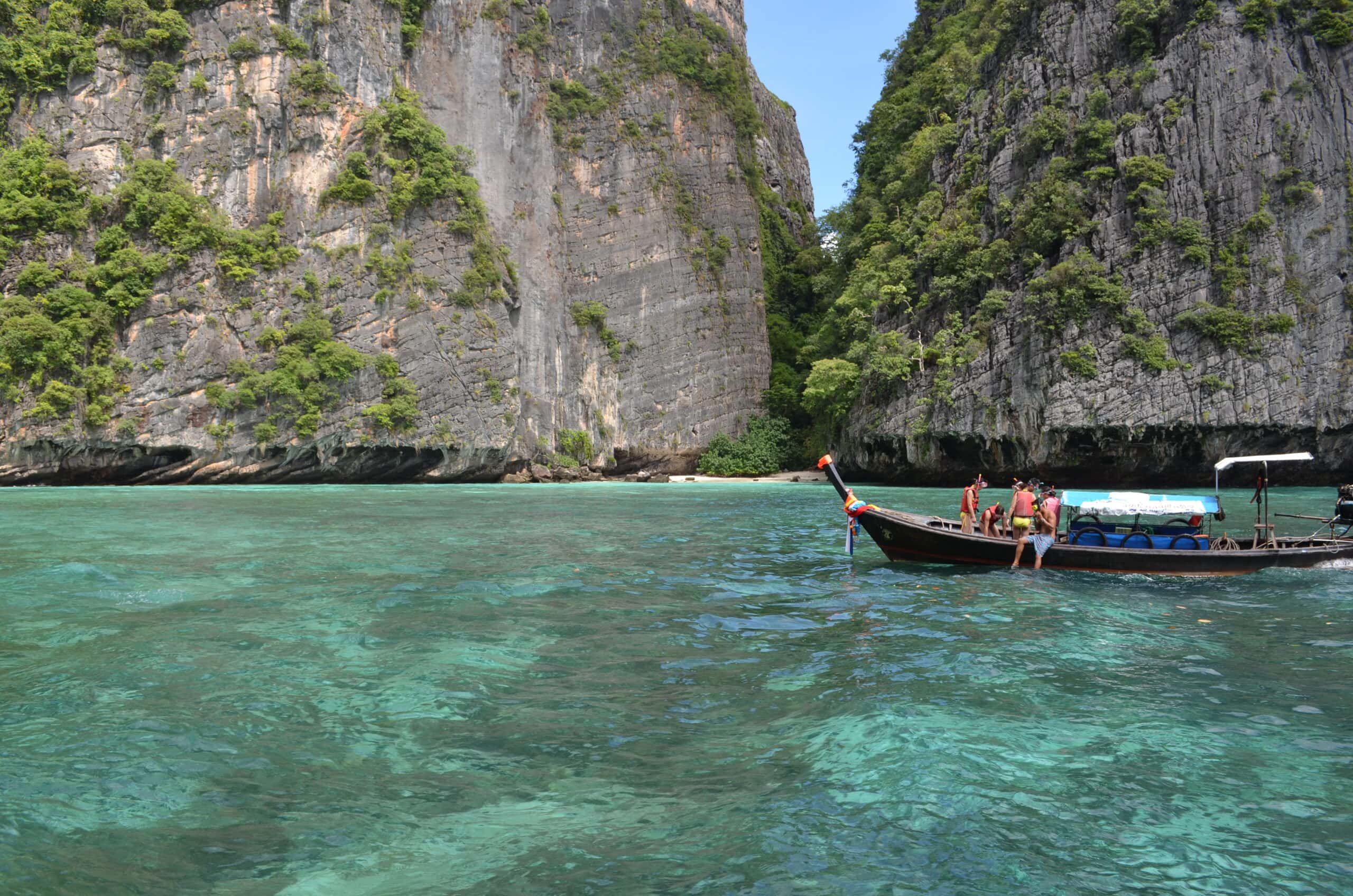
Thailand’s Phuket and the nearby Phi Phi islands became 2000s beach fantasy, with longtail boats, limestone cliffs, and water so clear it looked edited, especially around Maya Bay made famous by “The Beach.” Budget-friendly guesthouses sat near upscale resorts, and scuba trips, island-hopping tours, night markets, and spicy street food made the days feel full without feeling expensive. After the 2004 Indian Ocean tsunami reshaped parts of the region, communities rebuilt with grit and care, and the draw remained: tropical ease, dramatic karst scenery, and a nightlife pulse that carried late into the humid dark, under lantern light, moped hums.
New York City, New York
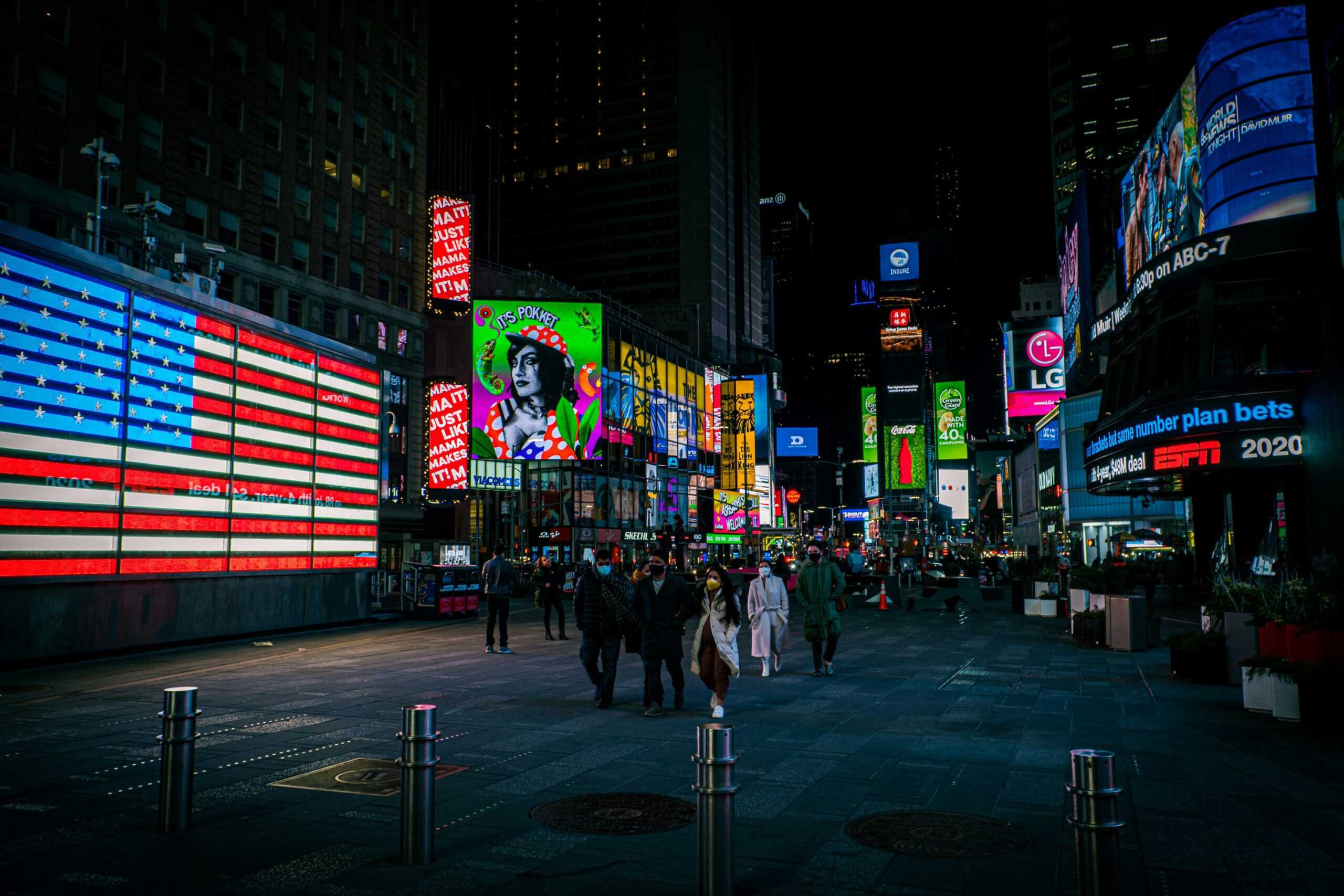
New York City carried a particular charge in the 2000s, equal parts grit, glamour, and comeback energy that spilled from screens into real streets and packed sidewalks. Rom-coms and “Sex and the City” turned neighborhoods into shorthand, from brunch tables in the West Village to shopping bags on Fifth Ave., while new museum shows, Broadway revivals, and late-night diners kept the city awake past reasonable hours. From Central Park in Oct. to the first warm days on the High Line in 2009, the appeal was momentum: subways, taxis, music leaking from clubs, and a sense that trends arrived here first, then echoed outward across the wider U.S., too.