We may earn money or products from the companies mentioned in this post. This means if you click on the link and purchase the item, I will receive a small commission at no extra cost to you ... you're just helping re-supply our family's travel fund.
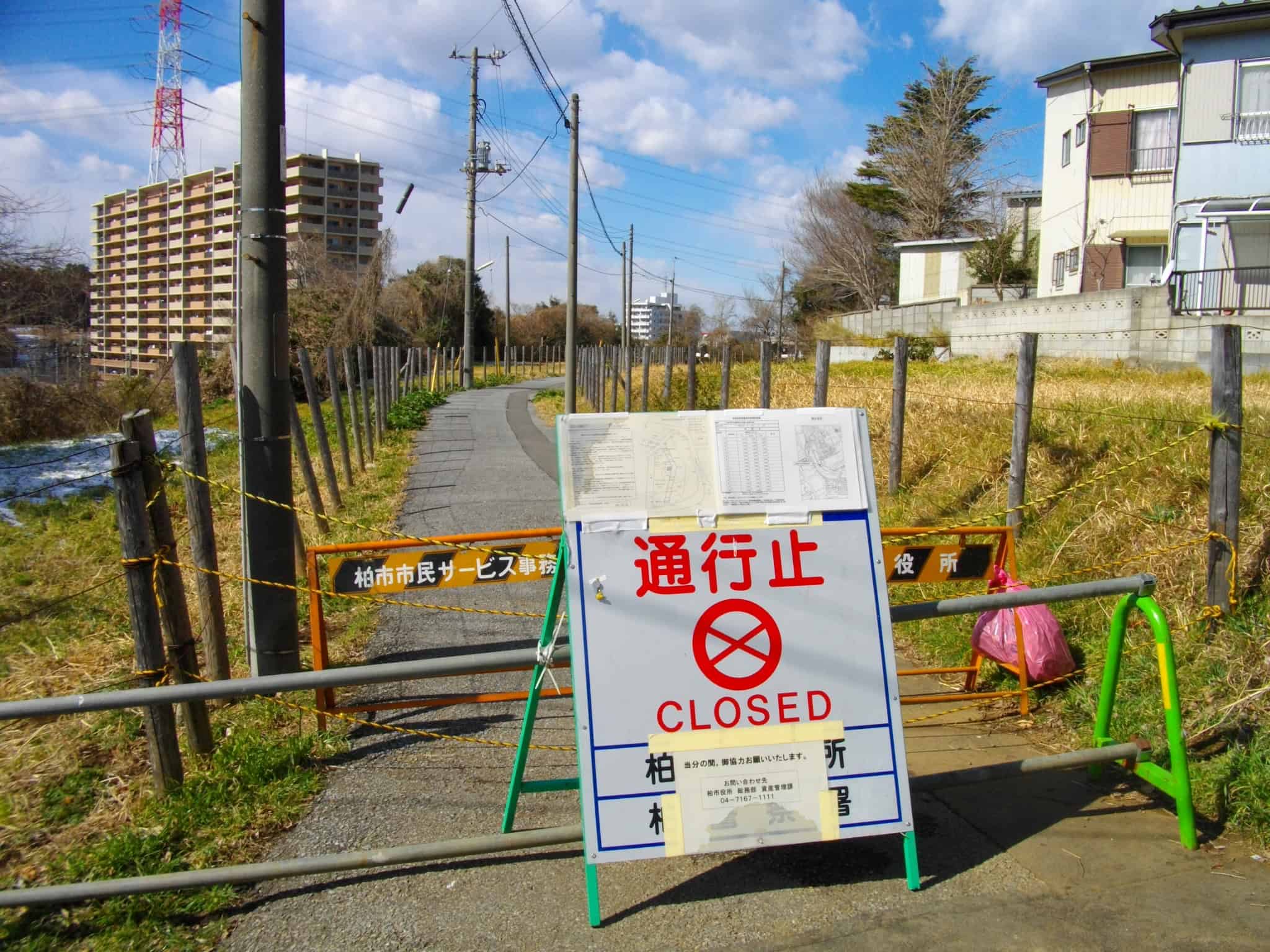
Some places earn their danger from storms, toxins, radiation, or volcanic pressure, but their real force comes from what happened there before. Across islands, exclusion zones, and fractured coastlines, governments now enforce boundaries not as spectacle, but as survival policy for ecosystems, local communities, and anyone tempted to cross the line. These sites sit in satellite images like ordinary land, yet each carries a hard lesson: geography can heal slowly, and in some corners of Earth, distance is still the safest form of respect.
North Sentinel Island, India
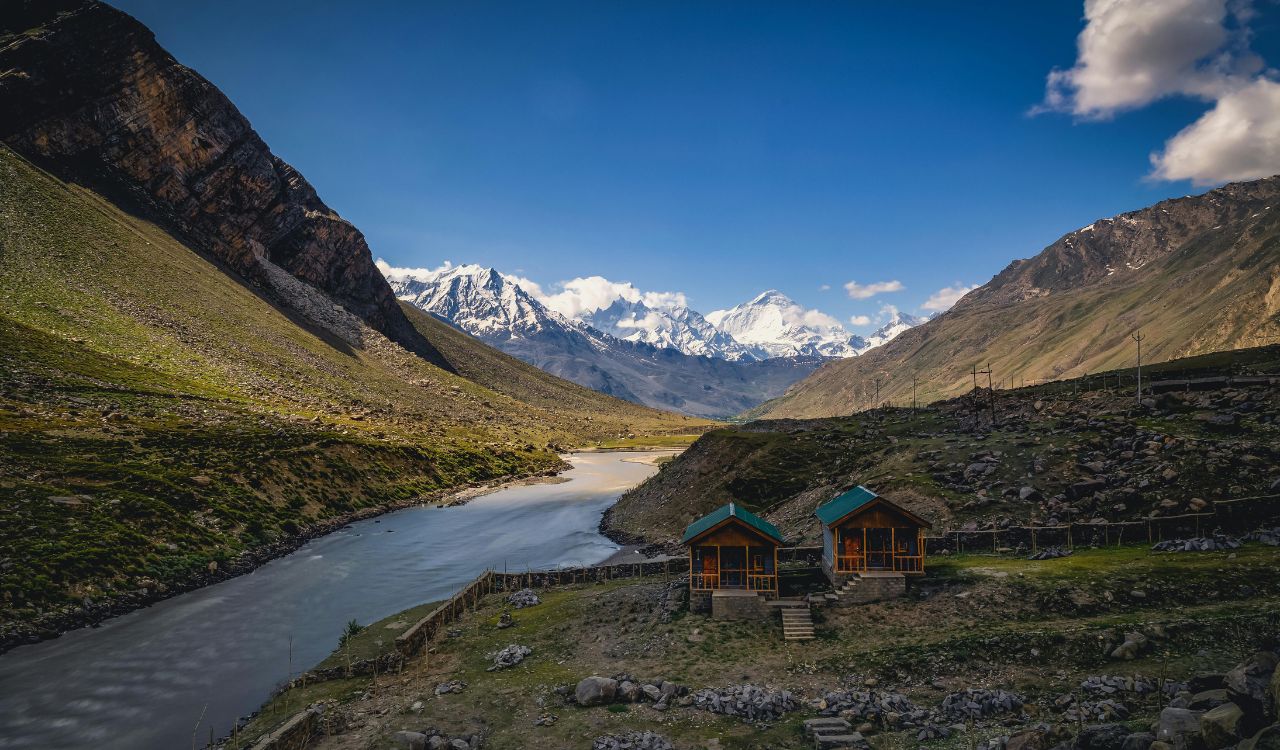
North Sentinel Island remains one of the rare places where isolation is protected by laws and geography at the same time. Indian restrictions bar close approach to shield the Sentinelese from disease and outside disruption, and the 2018 killing of an American missionary showed how fast contact can turn deadly for outsiders. Coral reefs, narrow landing points, and a community that has resisted every modern intrusion for generations keep this island firmly off-limits, while patrol enforcement and legal buffers leave almost no room for accidental trespass; patrols keep distance because forced contact can injure islanders and outsiders long-term.
Ilha da Queimada Grande, Brazil
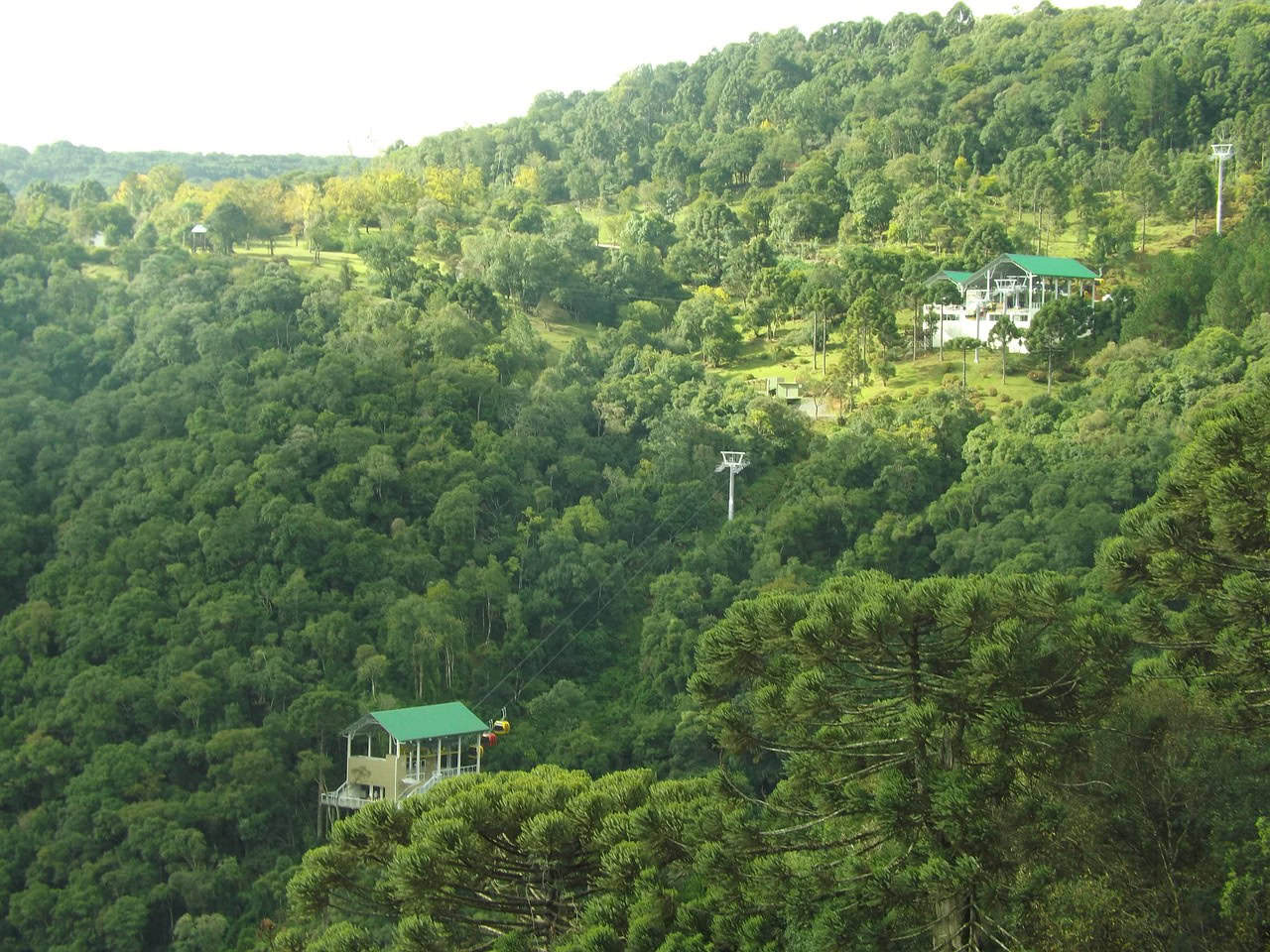
Off Brazil’s coast, Ilha da Queimada Grande is infamous for dense populations of venomous pit vipers found nowhere else on Earth in such concentration. Brazilian authorities restrict civilian landings and allow entry only for tightly controlled research or maintenance, because a single misstep on steep, brushy ground can place a person within striking distance in seconds. The island’s beauty is real, but so is the medical risk, which is exactly why access rules remain strict and why emergency response plans are treated as nonnegotiable; officials stress prevention since evacuation windows can close before help reaches shore from mainland now.
Chernobyl Exclusion Zone, Ukraine
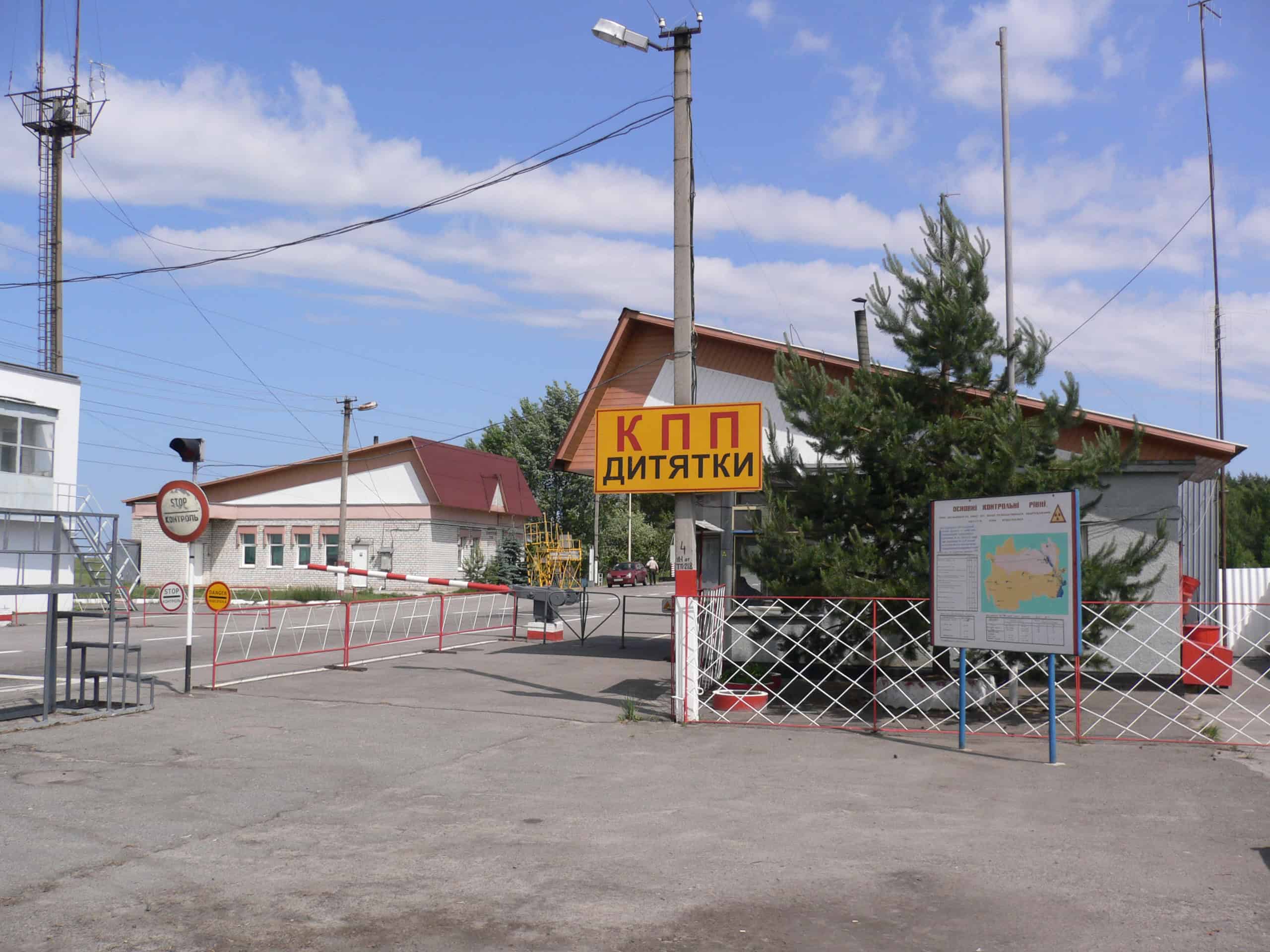
The Chernobyl Exclusion Zone carries the weight of a disaster that never became simple history. A 30-km zone around the plant remains essentially uninhabited, and access is tightly controlled because contamination patterns are uneven, equipment is aging, and risk depends on where boots touch ground. Even when radiation readings appear stable in monitored areas, the site remains a high-consequence environment shaped by long-lived isotopes, damaged infrastructure, and constant safety oversight; entry can be arranged through authorized channels and professionals still treat all routes as calculated exposure problems, not casual dark tourism yet.
Fukushima Difficult-to-Return Zones, Japan
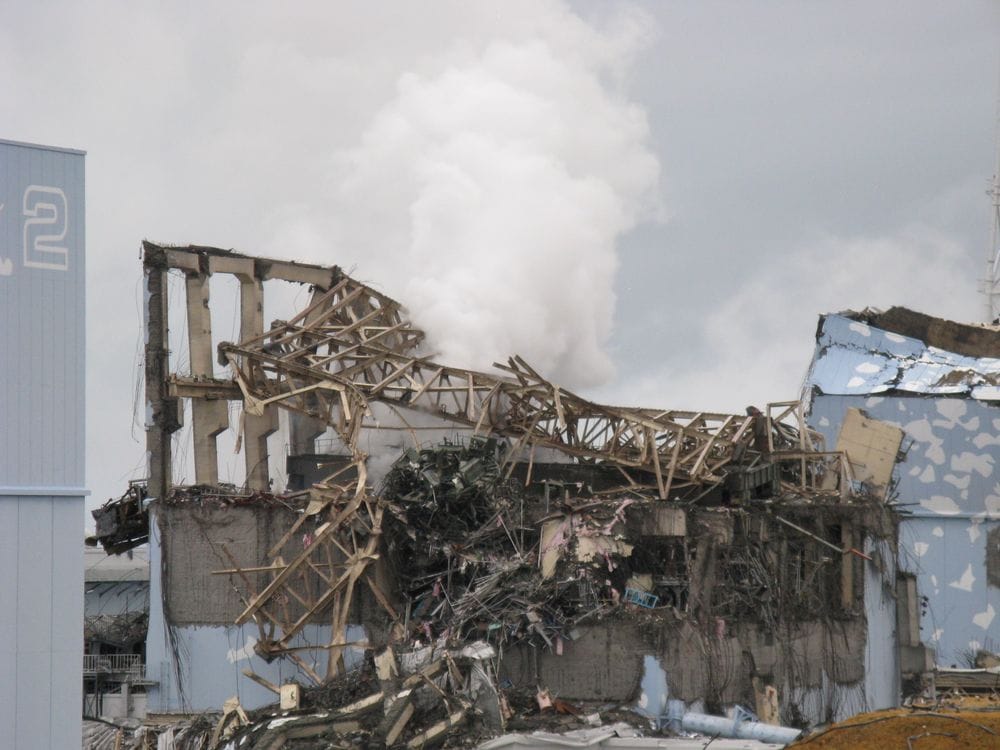
In Fukushima Prefecture, some districts are still classified as difficult-to-return zones years after the 2011 disaster, even as decontamination and phased reopening continue. Official maps show progress, yet remaining restricted pockets remind the world that recovery is not a single moment but a long technical process tied to dose rates, infrastructure, and community consent. These off-limits areas are quieter than headlines suggest, but their silence reflects careful risk management, not a full return to ordinary life; government updates note major shrinkage in restricted land, yet access controls still apply in zones pending safety review.
Taal Volcano Island PDZ, Philippines

Taal Volcano Island sits inside a permanent danger zone where entry is officially prohibited because explosive unrest can escalate with little warning. PHIVOLCS advisories repeatedly stress that the crater island remains unsafe during periods of activity, as toxic gases, ballistic fragments, and sudden ash events can turn routine boat traffic into emergency evacuation. It looks serene from the lakeshore, yet the rules are written for the moments when calm vanishes in minutes and distance becomes the only real protection; nearby communities treat official alerts as operational signals because lead time can collapse fast when activity rises up.
Soufriere Hills Exclusion Zone, Montserrat
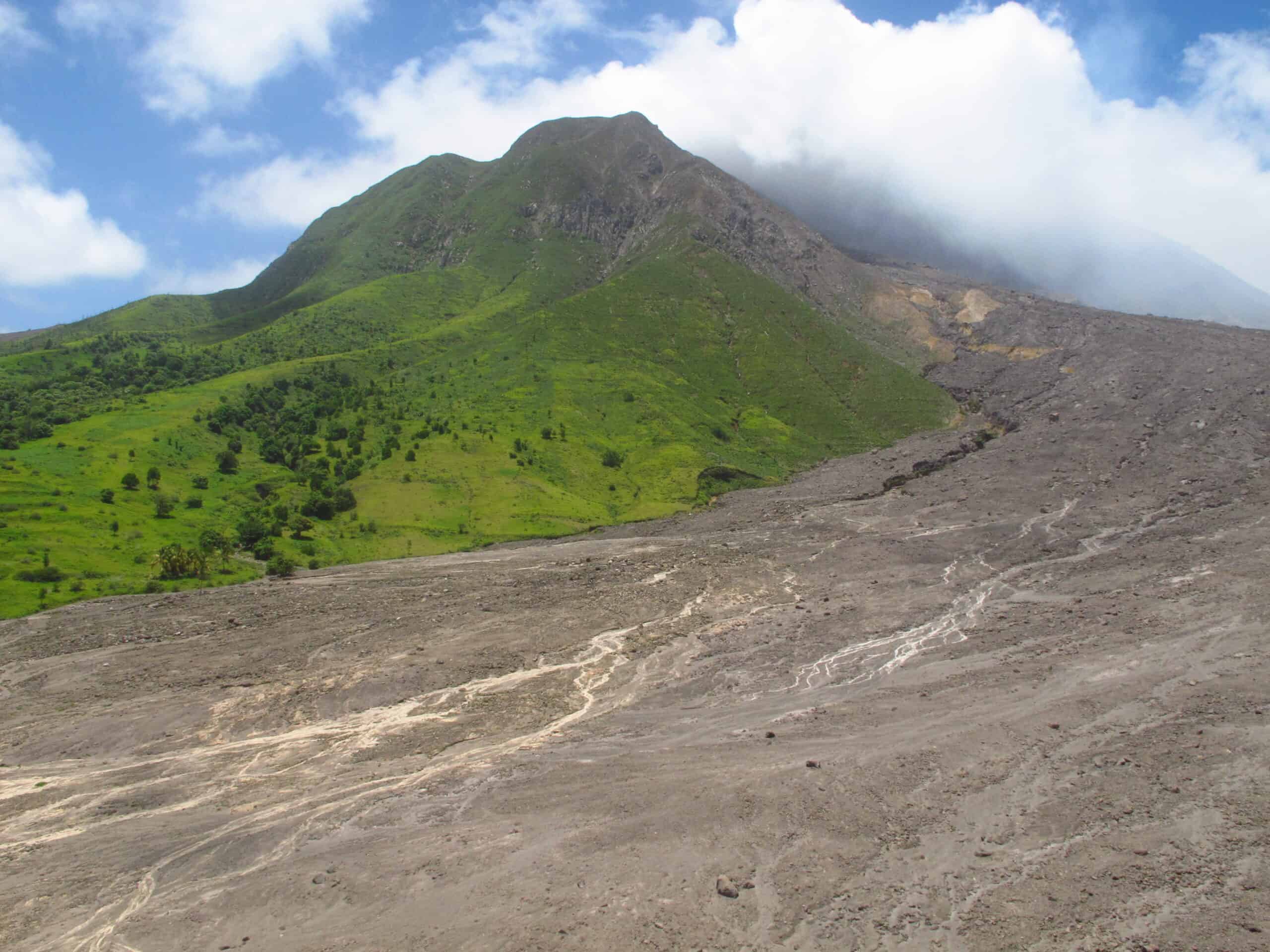
Montserrat’s southern exclusion zone is a living reminder that volcanic crises can redraw a nation’s map for decades. Soufriere Hills has forced repeated evacuations since the 1990s, and access rules still shift with hazard levels, rainfall, and lahar risk through damaged valleys and coastal corridors. Even when parts of the island reopen in limited windows, the most dangerous sections remain tightly controlled because unstable ground, ash remobilization, and sudden weather can quickly raise the threat level; officials coordinate permits carefully, and visits near Plymouth require strict timing, escorts, and constant hazard checks daily, now.
Zone Rouge, France
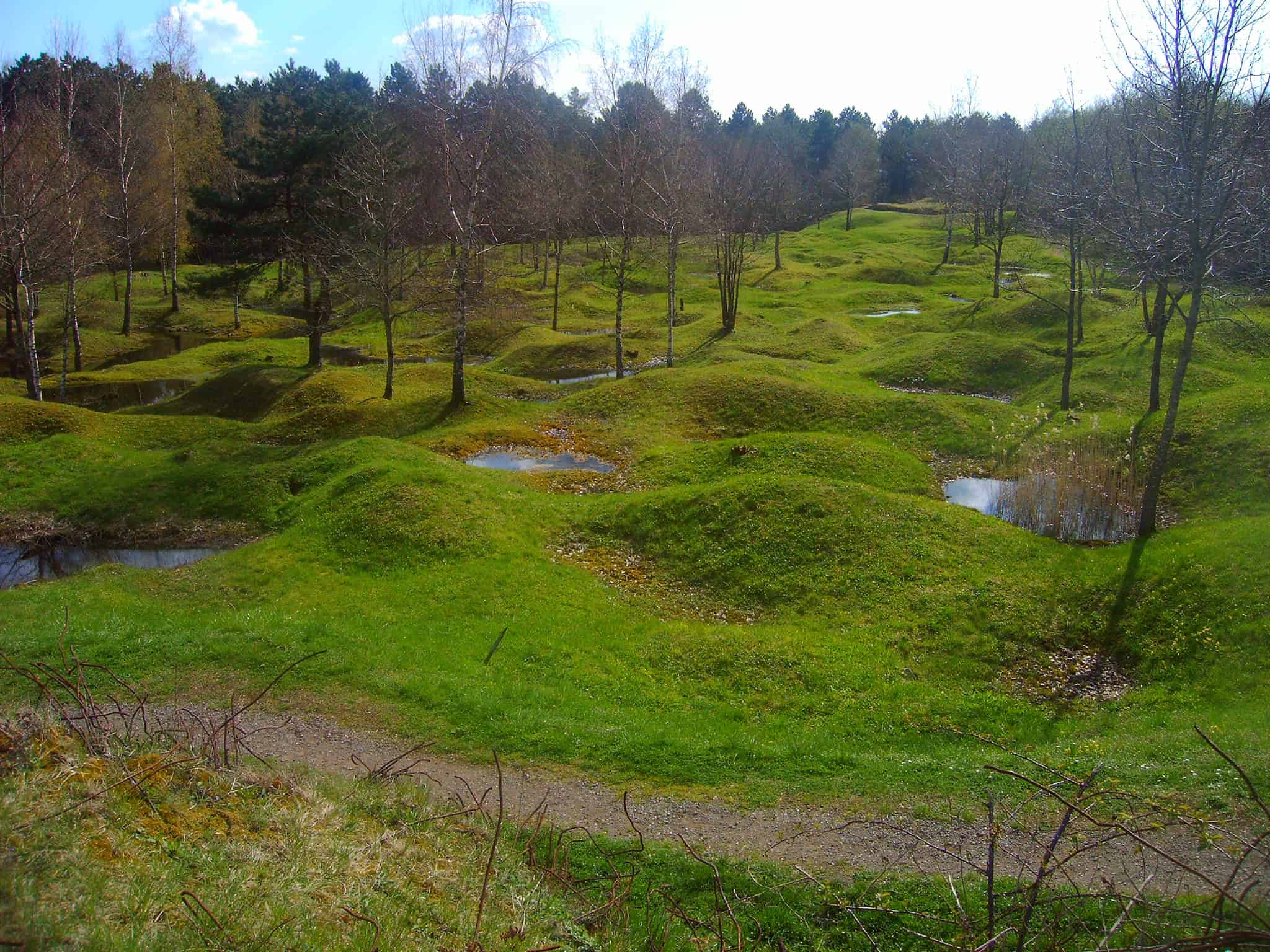
France’s Zone Rouge, created after World War I, still contains ground where agriculture, construction, and casual entry remain heavily restricted. Unexploded shells continue to surface during seasonal plowing in nearby areas, and legacy contamination from metals and wartime chemicals leaves some soil too risky for normal use. A century has passed, yet this landscape proves how violence can outlast memory: fields that look peaceful can still hide buried ordnance, toxic residues, and sudden danger beneath the surface; authorities still collect and neutralize munitions each year, reminding communities that the war never fully left that soil yet.
Heard and McDonald Islands, Australia
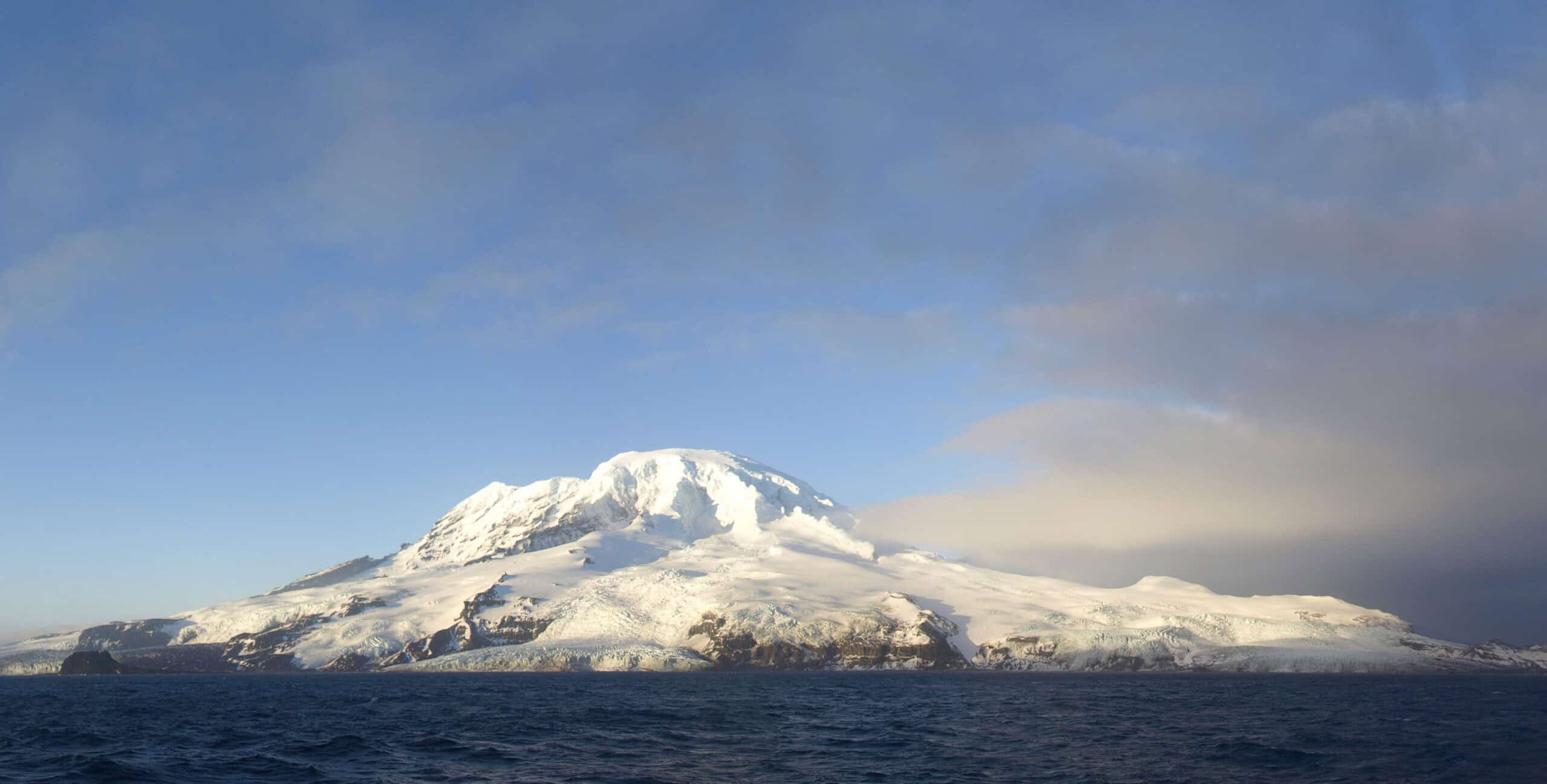
Heard and McDonald Islands sit deep in the Southern Ocean, isolated by brutal weather, rough seas, active volcanism, and almost no rescue margin. Australia requires permits for entry and activities, and even scientific expeditions treat landings as high-risk operations shaped by ice, swell, and rapidly changing conditions. These islands are biologically extraordinary and visually stark, but they remain functionally off-limits to casual travel because distance and hazard can turn minor errors into major emergencies; with no permanent population and little infrastructure, strict planning is mandatory before any vessel approaches from afar, now.