We may earn money or products from the companies mentioned in this post. This means if you click on the link and purchase the item, I will receive a small commission at no extra cost to you ... you're just helping re-supply our family's travel fund.
Around the world, festivals are more than entertainment; they are living expressions of belief, history, and collective identity. Some celebrations, however, stand out not for elegance but for how utterly strange they appear to outsiders. From food fights and extreme rituals to centuries-old symbolic acts, these festivals are widely celebrated, legally permitted, and deeply meaningful to locals. They draw thousands of participants every year and generate major tourism revenue, proving that what seems unusual often has serious cultural roots. Here are eight countries where some of the world’s strangest yet most commonly celebrated festivals take place, each blending tradition, numbers, and unforgettable spectacle.
1. Spain : La Tomatina
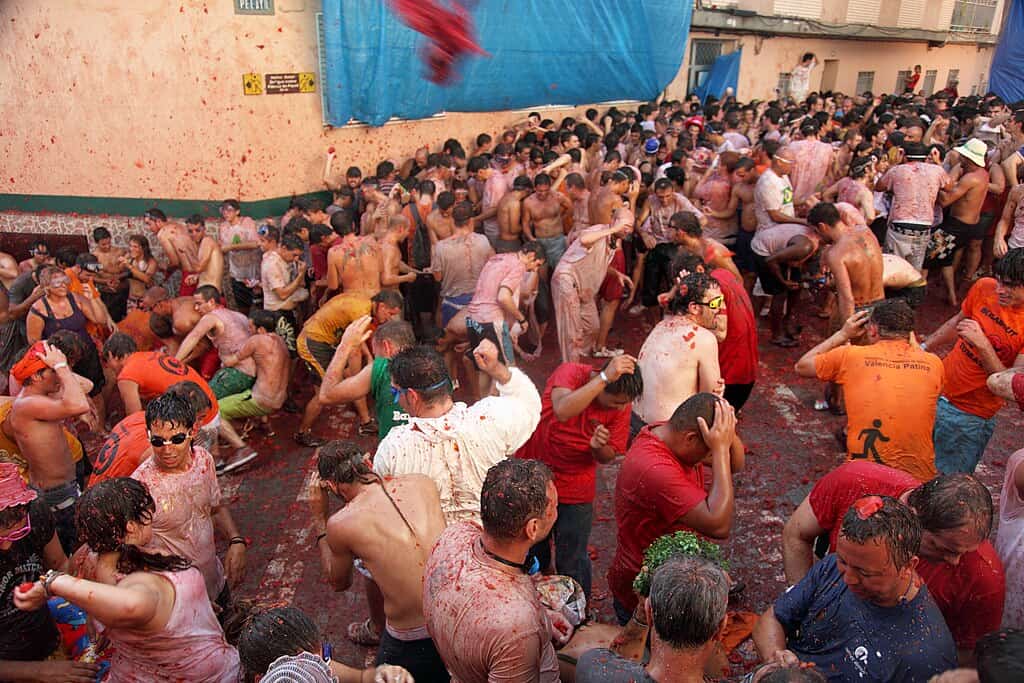
Held annually in Buñol, La Tomatina is the world’s largest food fight and one of Spain’s most recognized festivals. Every August, over 20,000 participants gather to throw more than 140,000 kilograms of overripe tomatoes during a one-hour frenzy. The event originated in the 1940s and is now tightly regulated, with ticket limits and safety rules in place. Despite its chaos, La Tomatina contributes an estimated €10 million annually to the local economy through tourism, accommodation, and food services. Streets are washed clean within hours, but the memory and smell lingers far longer.
2. Japan : Kanamara Matsuri
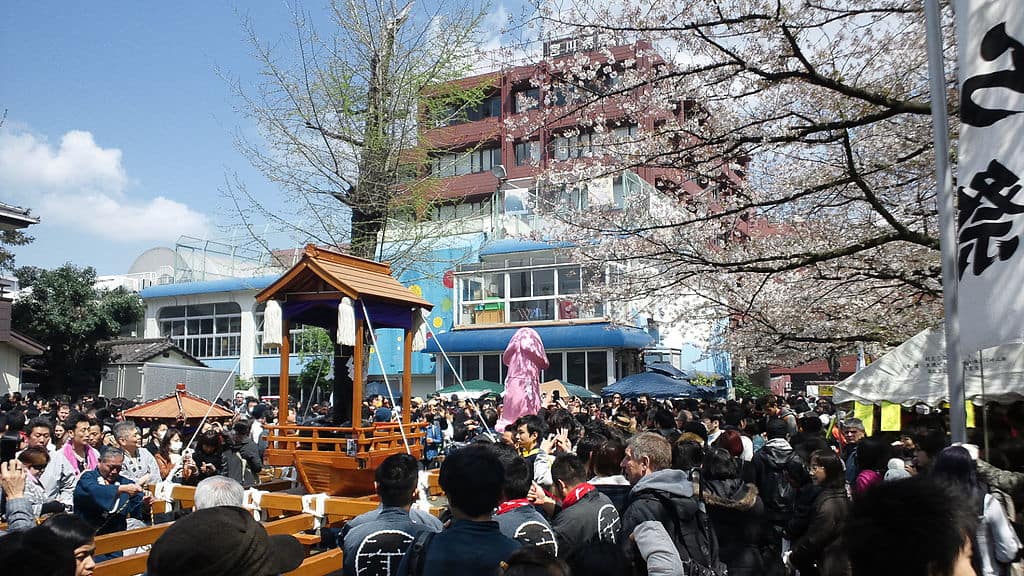
Kanamara Matsuri, held each April in Kawasaki, is one of Japan’s most openly unconventional festivals. Centered around fertility and protection from illness, the celebration features oversized phallic symbols paraded through the streets. More than 40,000 visitors attend annually, including international tourists. The festival dates back several centuries and originated among sex workers seeking protection from disease. Today, it also raises funds for HIV awareness, collecting over ¥5 million in donations in some years. While visually shocking, the event is family-friendly and rooted in Shinto beliefs about health, prosperity, and renewal.
3. Thailand : Monkey Buffet Festival
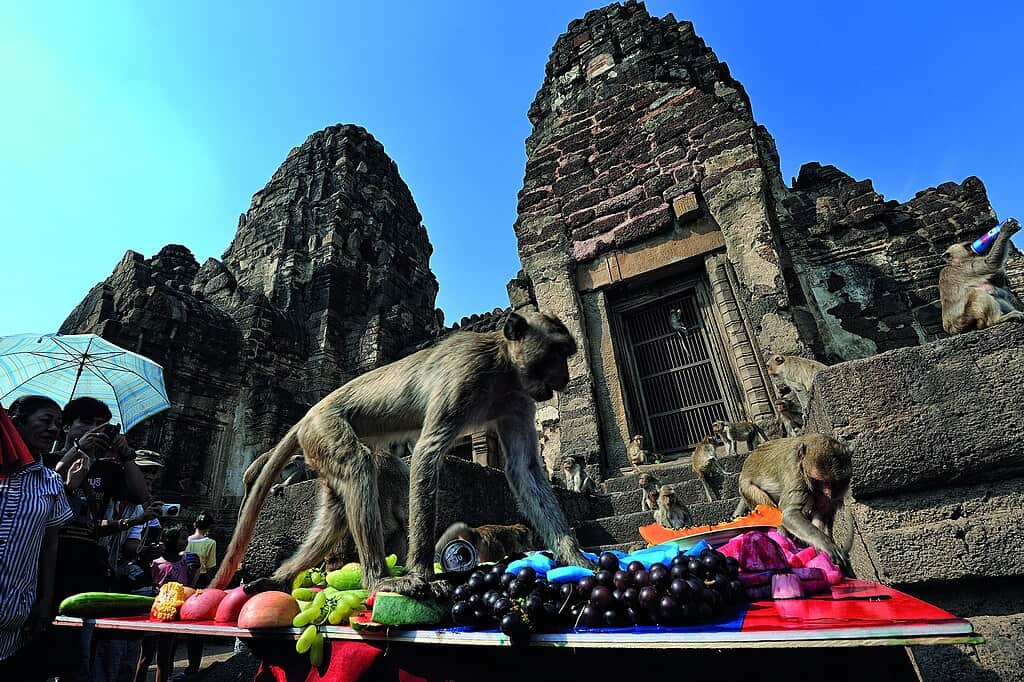
In Lopburi, Thailand, the Monkey Buffet Festival is held every November to honor the region’s long-tailed macaques. Organizers lay out over 3,000 kilograms of fruits, vegetables, and sweets across tables and monuments. Around 2,000 monkeys descend on the feast, attracting nearly 30,000 tourists each year. The festival began in 1989 as a tourism initiative and now significantly boosts local business revenue. While playful and chaotic, the event reflects Thailand’s belief in gratitude and coexistence, turning wildlife into an unlikely centerpiece of cultural celebration.
4. England : Cheese Rolling at Cooper’s Hill
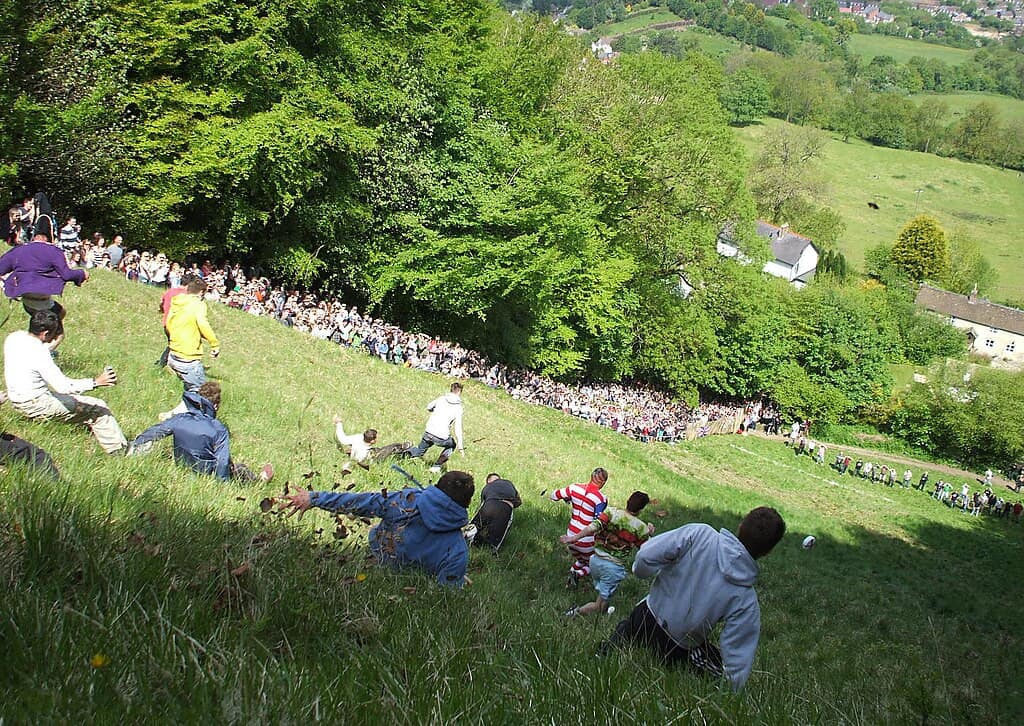
Every spring in Gloucestershire, competitors chase a nine-pound wheel of Double Gloucester cheese down a dangerously steep hill. The tradition is believed to be over 600 years old. Despite no official governing body, the event draws around 5,000 spectators annually. Injuries are common, with medical teams treating dozens of participants each year. The winner keeps the cheese, but the real prize is prestige. The festival highlights England’s eccentric rural traditions and continues despite repeated safety warnings and legal concerns.
5. India : Thaipusam Festival
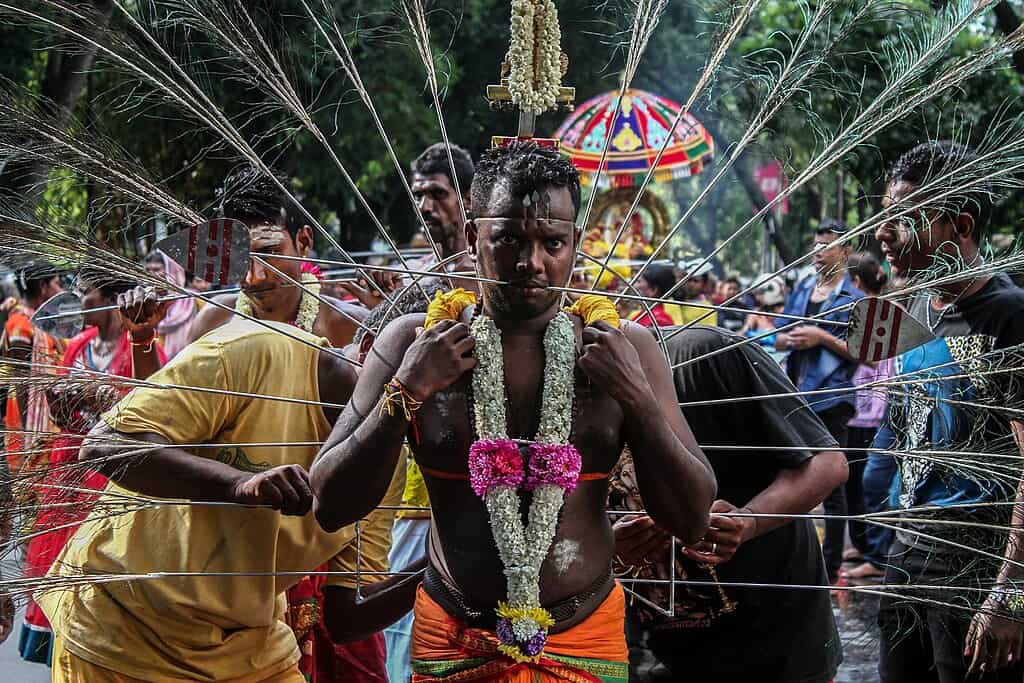
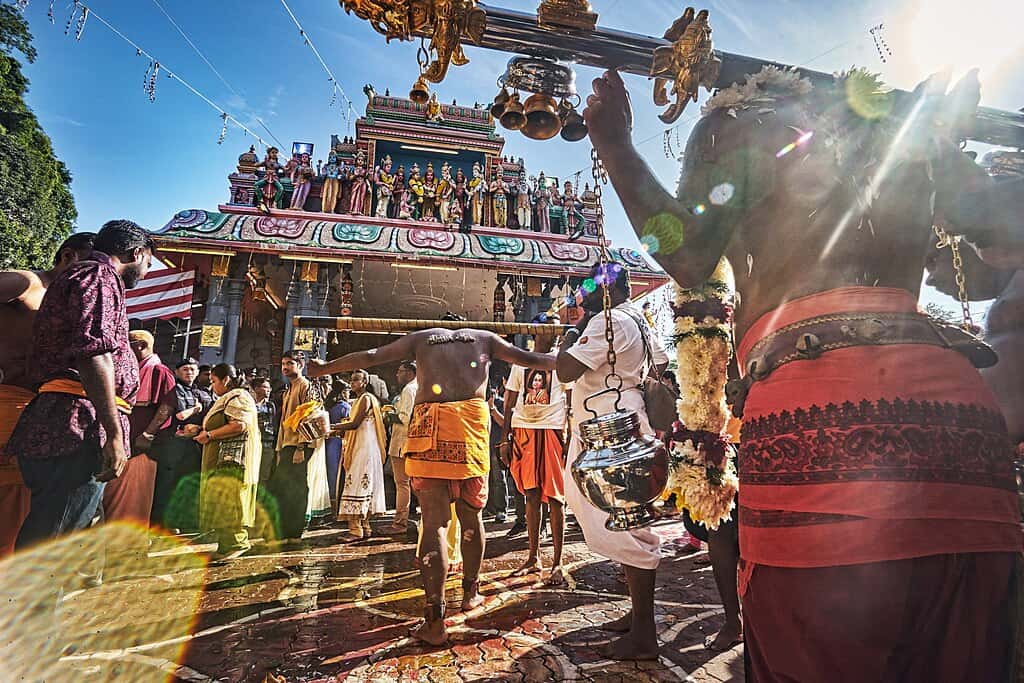
Thaipusam is a major Hindu festival celebrated across India, Malaysia, and Singapore, with millions of devotees participating annually. In Tamil Nadu alone, attendance often exceeds 500,000 people. Devotees perform acts of penance, including body piercing and carrying heavy ceremonial structures called kavadis. The rituals can last several hours and require months of preparation and fasting. While intense to witness, Thaipusam is a deeply spiritual event symbolizing discipline, gratitude, and devotion to Lord Murugan, supported by organized routes, medical teams, and crowd management systems.
6. South Korea : Boryeong Mud Festival
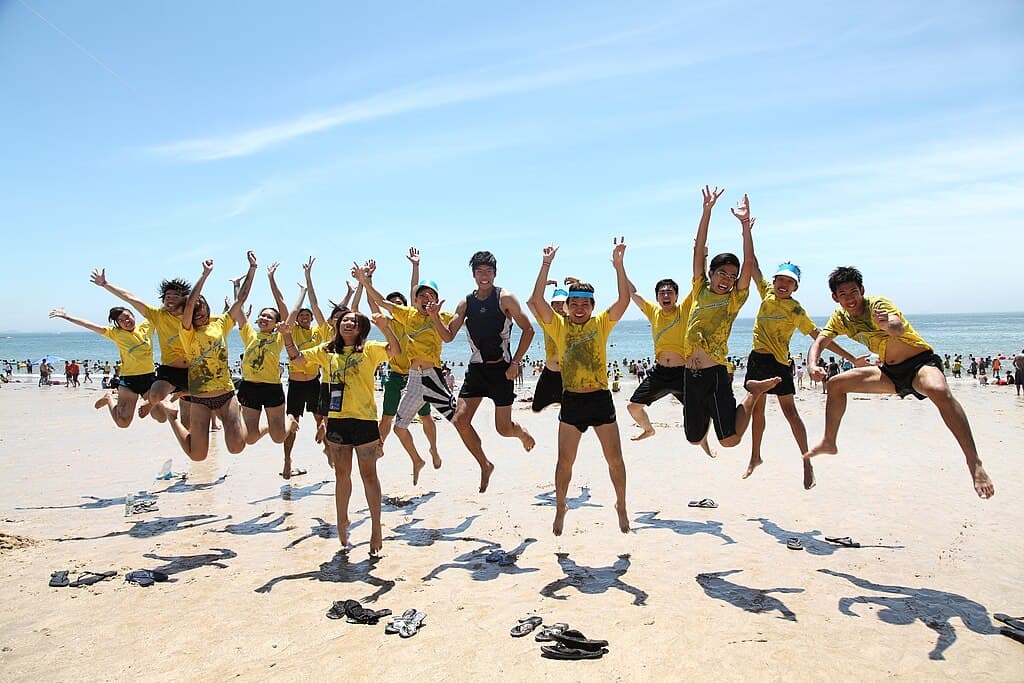
What began in 1998 as a marketing campaign for mineral-rich cosmetics has become one of South Korea’s largest summer festivals. Held in July, the Boryeong Mud Festival attracts over 2 million visitors annually, including nearly 20% international tourists. Participants enjoy mud wrestling, slides, and obstacle courses using mud rich in bentonite and minerals. The festival generates approximately $40 million in local revenue each year. Though playful on the surface, it showcases South Korea’s innovative approach to blending commerce, culture, and mass entertainment.
7. Bolivia : Festival of Skulls (Día de las Ñatitas)
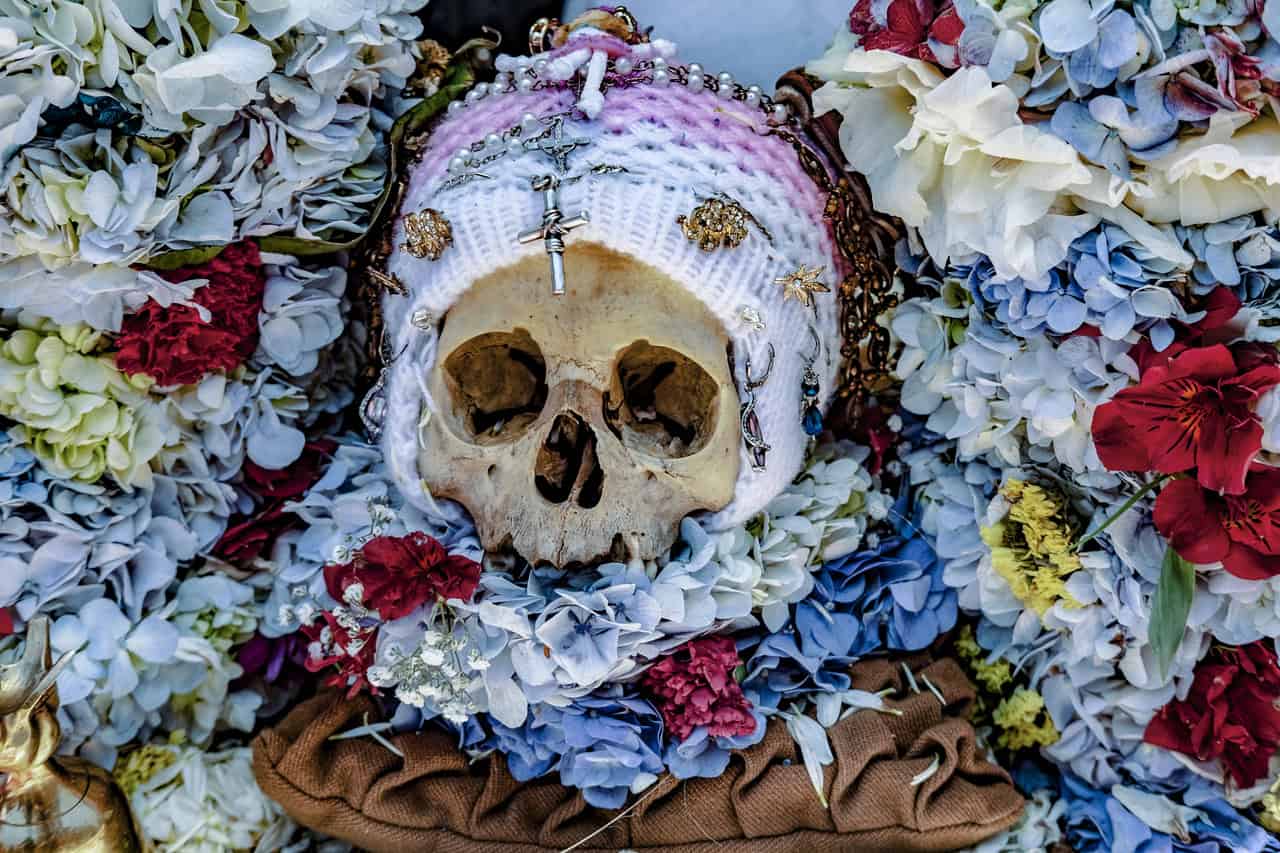
Celebrated each November, Bolivia’s Festival of Skulls involves honoring human skulls believed to bring protection and good fortune. Families decorate skulls with flowers, hats, and glasses, bringing them to cemeteries for blessings. Anthropologists estimate that over 1,500 skulls are displayed annually in La Paz alone. Rooted in pre-Columbian traditions, the festival blends indigenous beliefs with Catholic practices. Though unsettling to outsiders, it is a respectful, community-centered event that reflects Bolivia’s unique relationship with ancestry and spirituality.
8. Scotland : Up Helly Aa
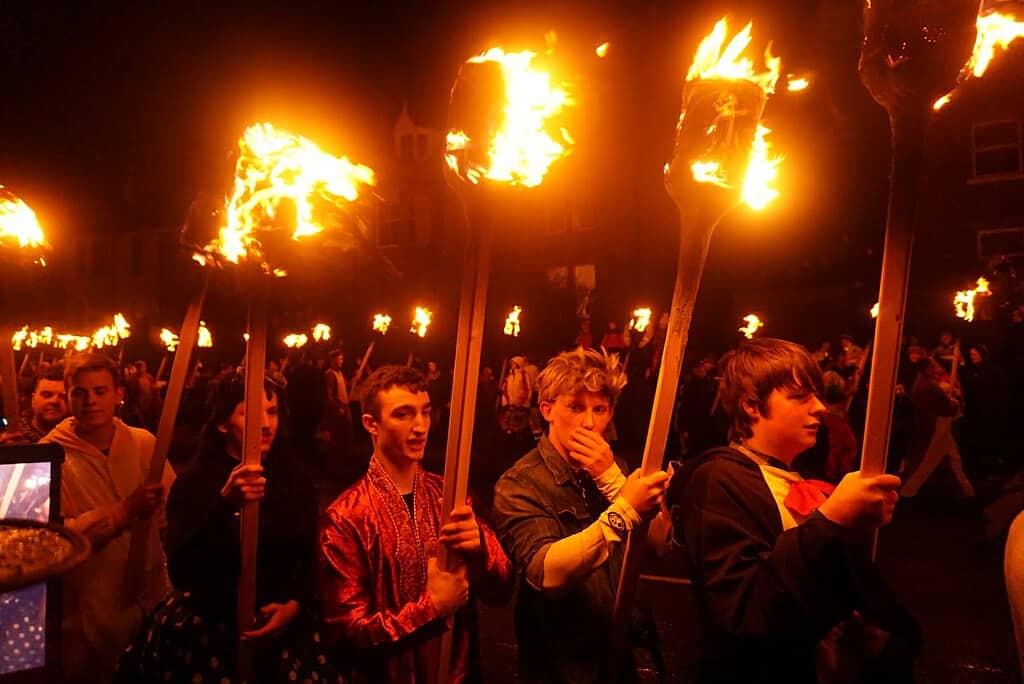
Up-Helly-Aa is Scotland’s dramatic winter fire festival held in the Shetland Islands every January. More than 1,000 costumed participants march through town carrying torches before burning a 30-foot Viking longship. The event attracts around 6,000 spectators annually and celebrates Norse heritage dating back over 1,200 years. Preparations take nearly a year, involving dozens of volunteer squads. Despite freezing temperatures, the festival remains one of Europe’s most visually striking traditions, combining history, craftsmanship, and controlled spectacle.