We may earn money or products from the companies mentioned in this post. This means if you click on the link and purchase the item, I will receive a small commission at no extra cost to you ... you're just helping re-supply our family's travel fund.
Some trips teach more than scenery. In the right landscapes, small decisions start to matter: how to stay warm when weather flips, how to read a map instead of a phone, and how to keep a minor setback from turning into an emergency. The countries below reward guided adventures and thoughtful self-led days, from Nordic forests to high mountains and open savanna. Each place offers a different classroom, shaped by climate, terrain, and local outdoor culture, leaving travelers more capable, calmer, and sharper.
Norway
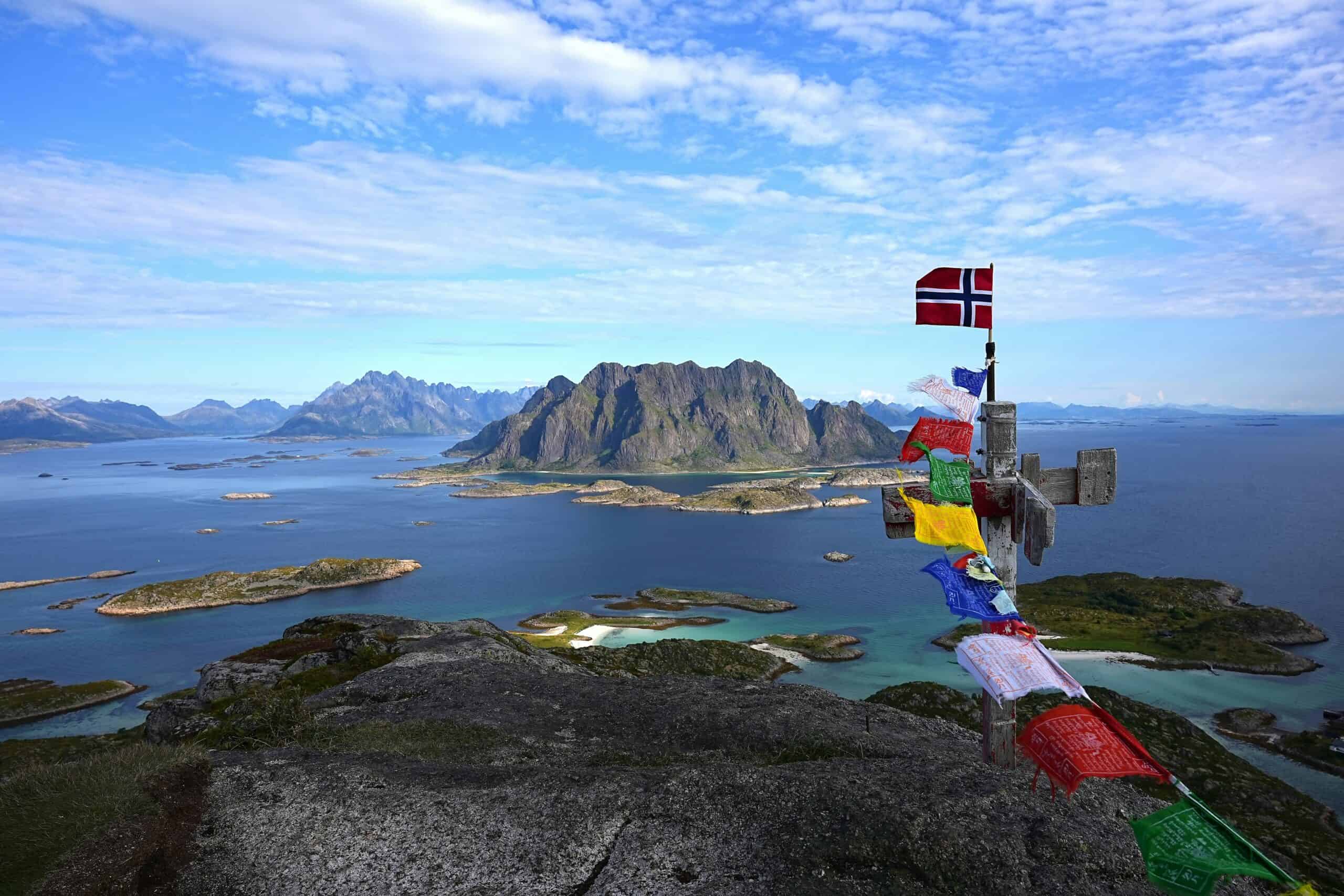
Norway’s outdoor culture, known as friluftsliv, treats time outside as a basic skill, not a special event, so travelers often absorb practical habits without noticing. Day trips in fjord country and high plateaus teach steady pacing, weather reading, and the quiet math of layers, food, and daylight, because a bright morning can turn to sleet by afternoon. With marked routes, simple cabins, and a strong ethic of leaving places undisturbed, navigation and camp routine become muscle memory, including map checks at every junction, warm-up breaks, spare dry socks, an emergency snack kept handy, and a habit of noting landmarks on the way in.
Finland
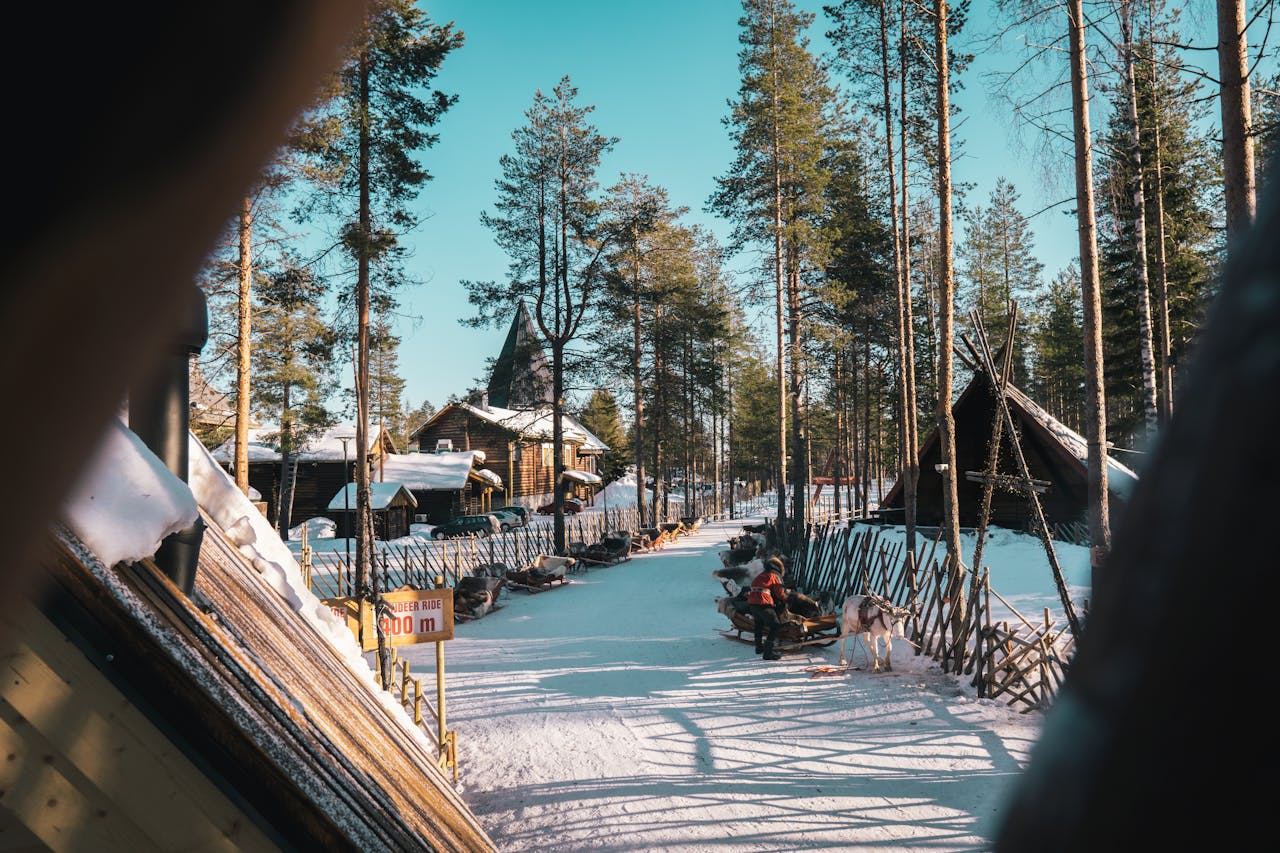
Finland’s Everyman’s Rights, jokaisenoikeudet, make outdoor competence feel normal: roaming respectfully, foraging berries and mushrooms for personal use, and knowing where the freedom stops around homes, crops, and protected areas. Guided foraging walks sharpen observation, teaching season, soil, and safe species, plus the habit of packing a headlamp, a dry layer, and a small first-aid kit even on short forest loops. Add lake-country paddling and cold-water awareness, and the trip becomes a calm lesson in self-reliance, from keeping hands warm to managing hunger, hydration, and timing before dusk settles early and temperatures drop, especially near water.
Sweden
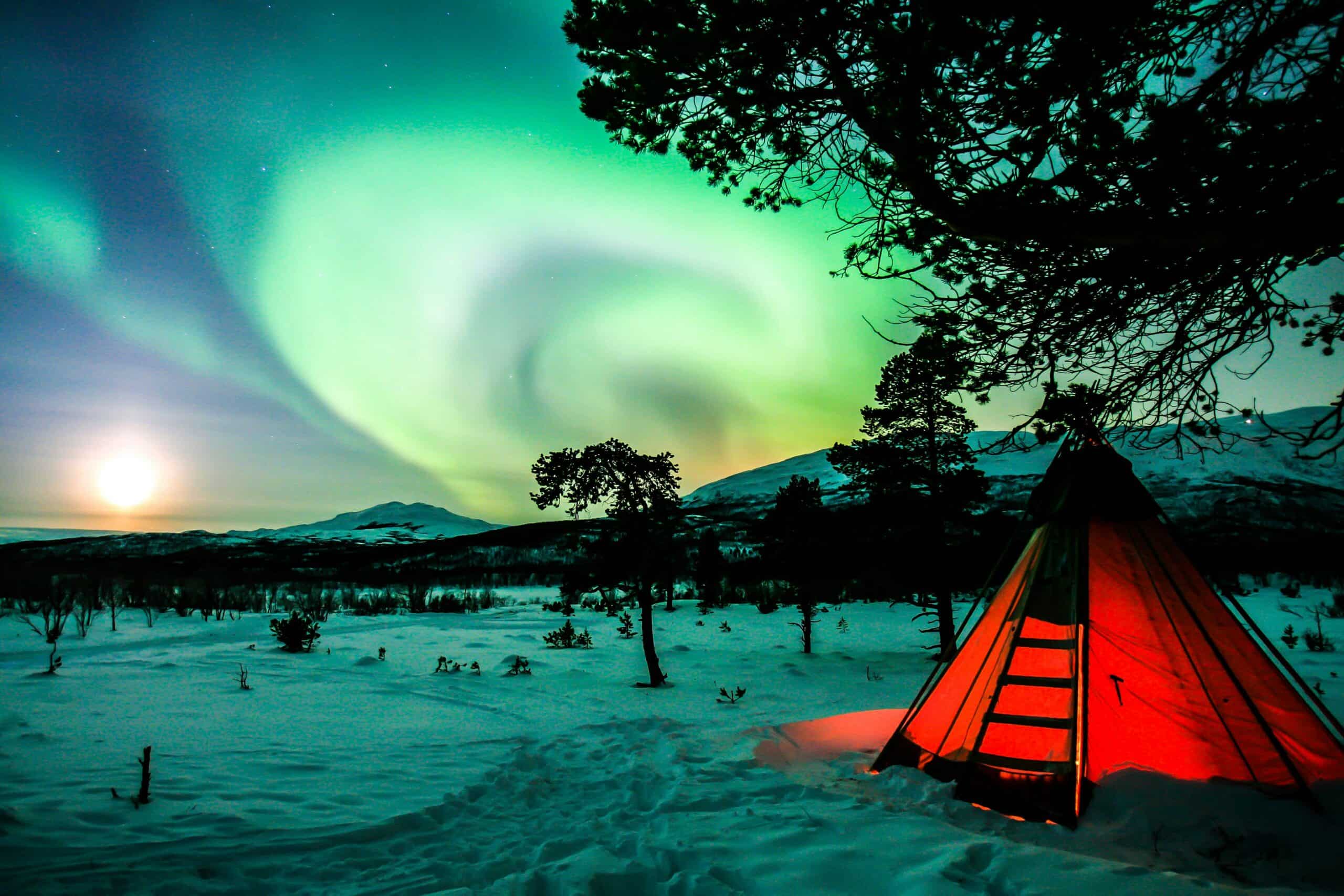
Sweden’s Allemansrätten, the Right of Public Access, encourages roaming on foot, ski, or bike and makes wild camping feel possible, while also demanding restraint and care for landowners and wildlife. That mix trains judgment: choosing a discreet campsite, managing waste, and checking local fire rules, because in dry periods a careless spark can become a real emergency. Long summer evenings reward slow travel, and the landscape teaches skills that stick later, like route-finding across open forest, drying wet gear, and following the golden rule of not disturbing and not destroying, even when a lakeside spot looks perfect and quiet in any season.
Canada
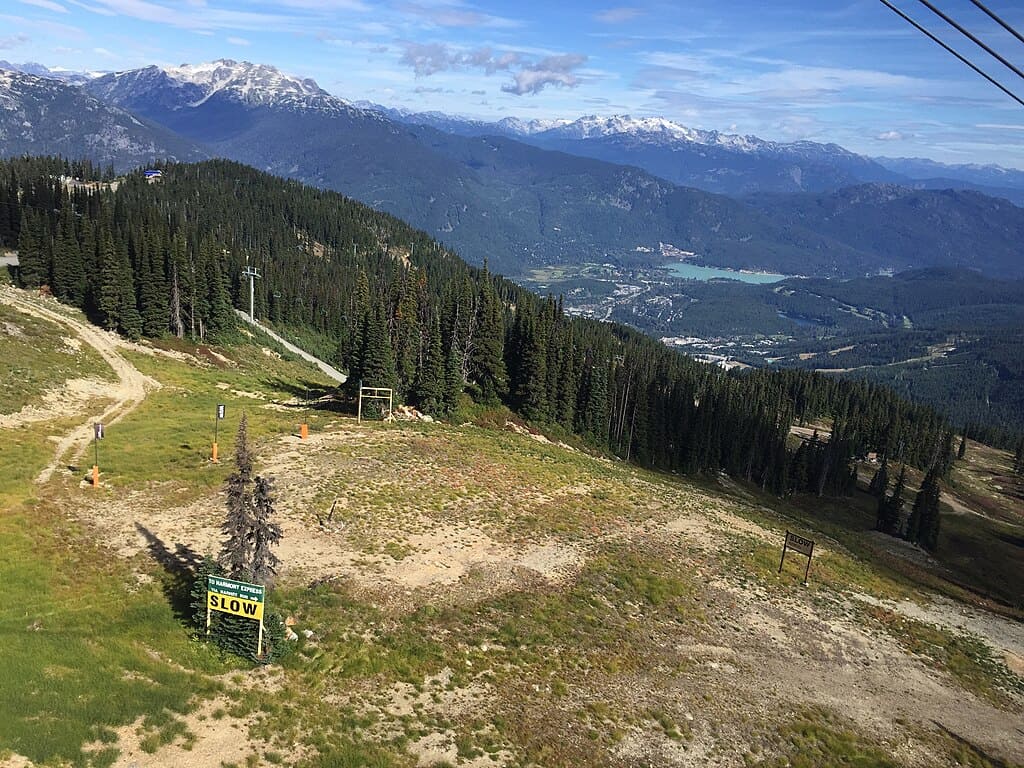
Canada’s backcountry culture, especially in canoe country, turns survival skills into routine logistics: keeping gear dry, reading wind on open water, and making camp that holds up through sudden cold snaps. Wilderness schools and outfitters drill navigation, shelter basics, and a steady first-aid mindset, then practice makes it real when a day ends late and the temperature drops fast. Food storage matters, too, because bear country demands clean camps and smart hangs or canisters, and the same trip teaches hypothermia prevention, stove discipline, and a calm pace that keeps blisters, bonks, and bad choices from stacking up, even on calm mornings.
New Zealand
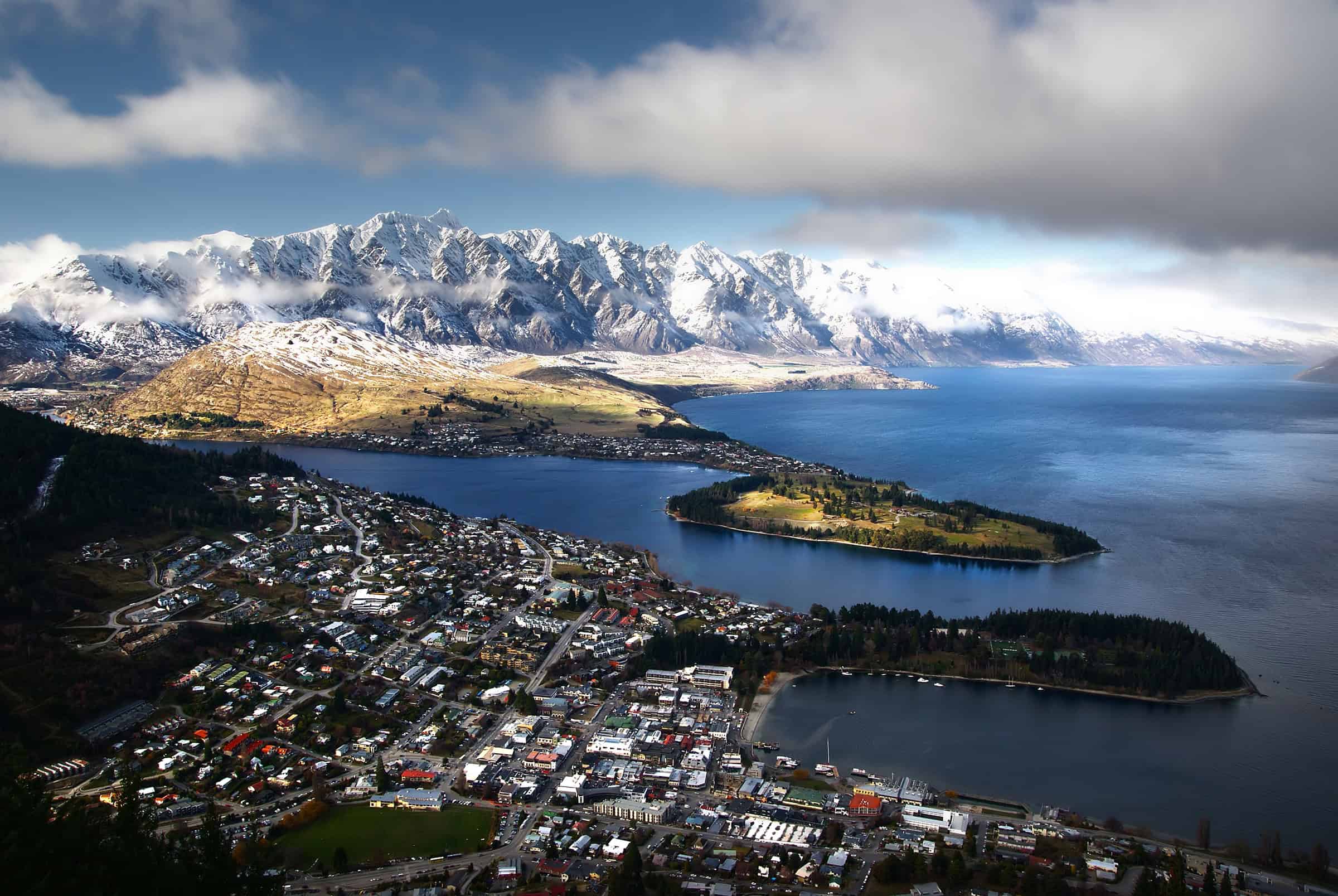
New Zealand’s landscapes reward ambition but demand competence, which is why local safety guidance leans hard on planning, navigation, and respect for changeable conditions. The Mountain Safety Council teaches map and compass skills and how to reduce the risk of getting lost, a practical fit for tramping routes where fog can erase the track in minutes. Add the Land Safety Code mindset, plus river crossings and remote huts, and trips often leave travelers sharper at risk reading, carrying insulation and extra food, and making conservative calls early, because a minor slip, swollen river, or wrong spur can become an overnight without warning.
Australia

Australia’s bush can look friendly until heat, distance, or sudden weather makes the margins thin, and bushwalking safety guidance stresses what to do if lost, how to signal, and why shelter and water come first. State advice pushes disciplined preparation: enough water, sun protection, reliable navigation, and emergency communications such as a personal locator beacon when areas are remote. Those habits stick, turning into real survival skills: stopping movement when disoriented, conserving energy, staying visible with bright gear, using simple signal patterns, and treating nightfall, heat, and bushfire weather as hard deadlines for decisions.
South Africa
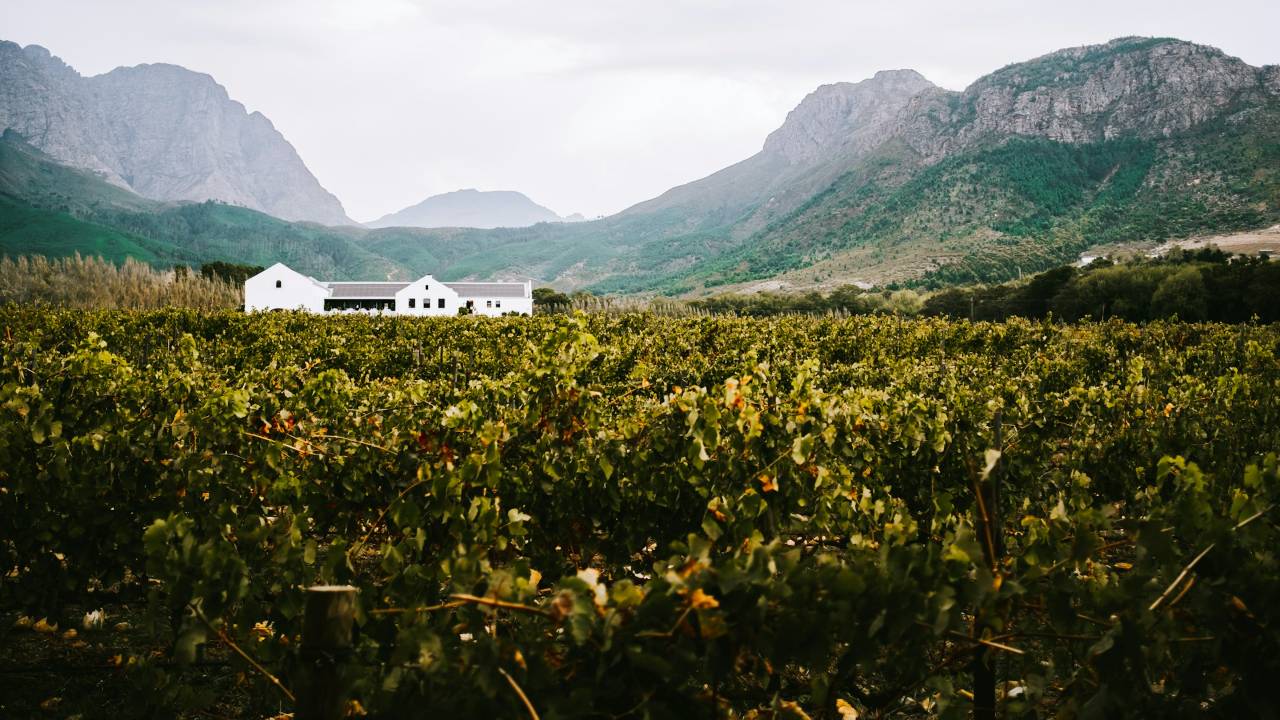
South Africa is where survival skills can feel like storytelling, because the bush teaches reading tracks, wind, and animal behavior in a way few places do. Tracking and field-guide programs train attention to small clues, from prints and scat to broken grass and bird alarm calls, building calm situational awareness across savanna, riverine thickets, and dusty tracks. That mindset carries beyond safaris, sharpening safety decisions: staying downwind, reading the day’s heat, finding shade and water signs, watching footing, and learning when to stop, listen, and reset before an unseen animal becomes a close encounter on the trail.
Nepal
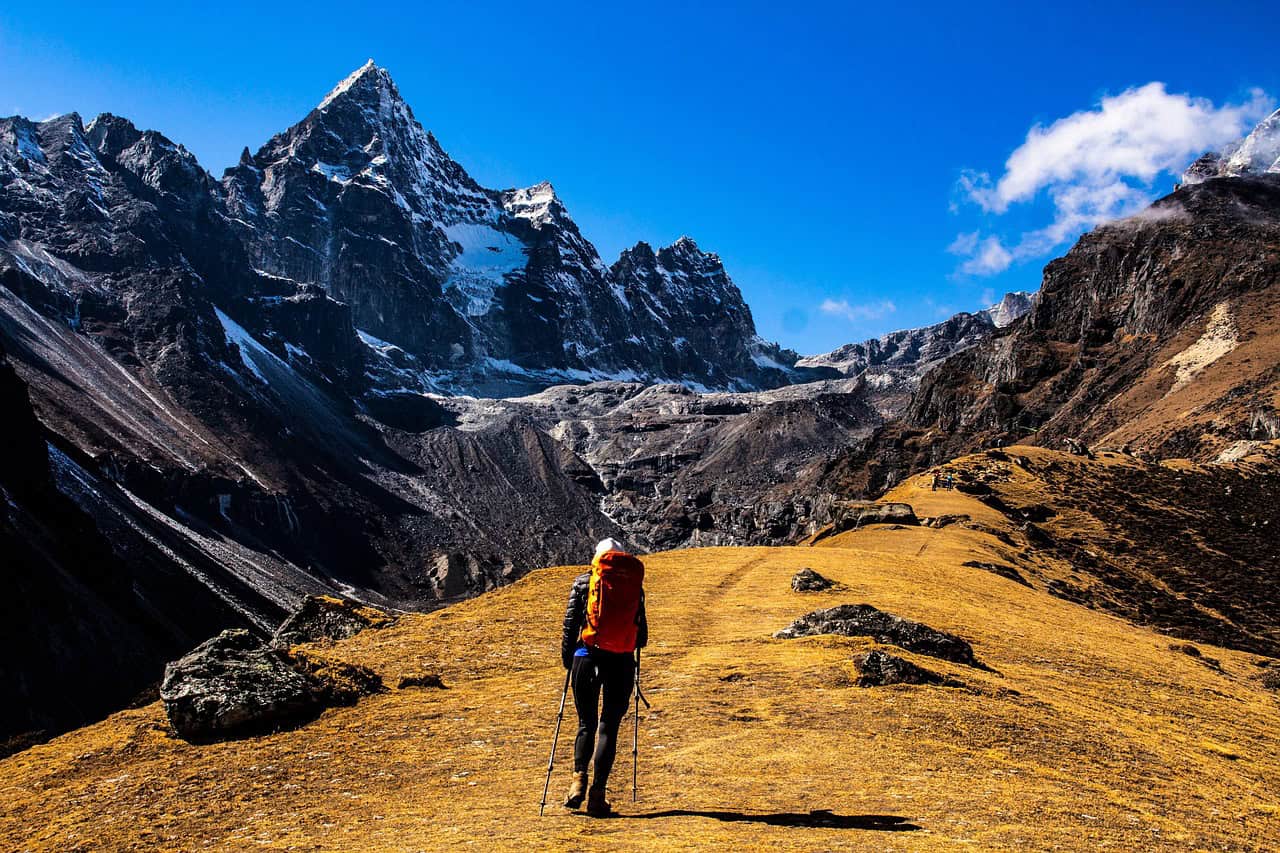
Nepal’s Himalayan treks teach a different kind of survival skill: managing the body, not just the gear, as altitude turns simple effort into a medical variable. Strong itineraries build acclimatization days, and guidance from the CDC and the Himalayan Rescue Association repeats the same truth: worsening symptoms call for descent, not bargaining or pushing higher. With sudden storms, thin air, and long distances from clinics, travelers return with better pacing, smarter layering, and respect for gradual ascent and rest days, using aid-post advice, hydration discipline, weather checks, and early turnarounds to keep risk from becoming tragedy.