We may earn money or products from the companies mentioned in this post. This means if you click on the link and purchase the item, I will receive a small commission at no extra cost to you ... you're just helping re-supply our family's travel fund.
Travel doesn’t just expose you to new cultures and landscapes; it quietly recalibrates how you see yourself. In certain countries, locals combine grooming habits, social confidence, fashion awareness, and cultural beauty standards so seamlessly that visitors often feel subtly outmatched. This isn’t about intimidation through arrogance, but about being surrounded by people who seem effortlessly put together. The following countries are known for strong aesthetic cultures, high personal-care investment, and social environments where appearance and presence matter more than most travelers expect.
1. Brazil

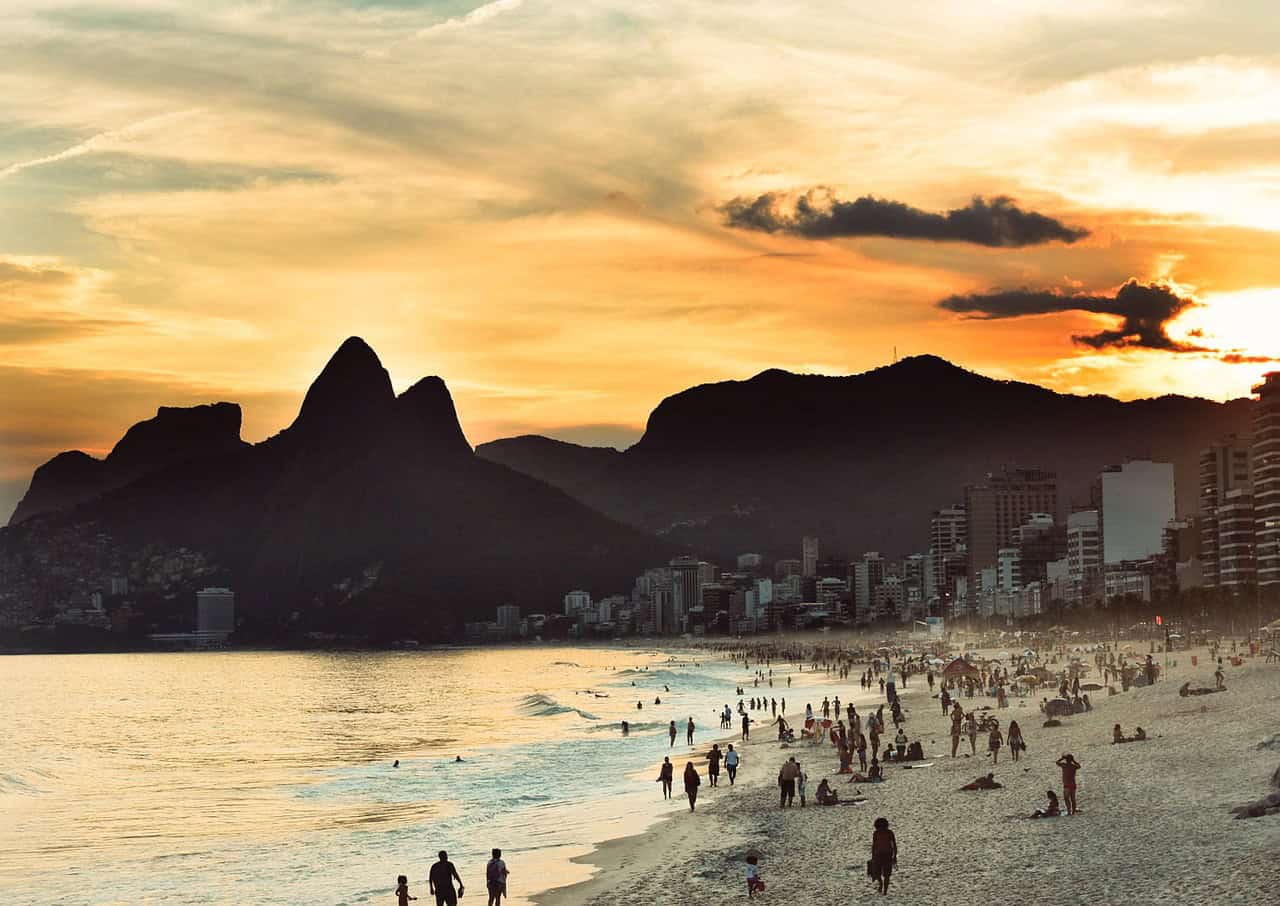
Brazil’s beauty culture is deeply tied to lifestyle rather than luxury. Around 62% of adults engage in regular physical activity, one of the highest rates globally, and beach exposure normalizes body confidence from an early age. Grooming is routine, not occasional, with Brazil ranking among the top three countries in cosmetic procedures per capita. Locals tend to dress casually yet deliberately, favoring fitted silhouettes and confident posture. Social ease adds to the effect, open body language and expressive communication amplify physical appeal. Visitors often realize that attractiveness here isn’t about perfection, but about comfort, energy, and visibility.
2. Sweden
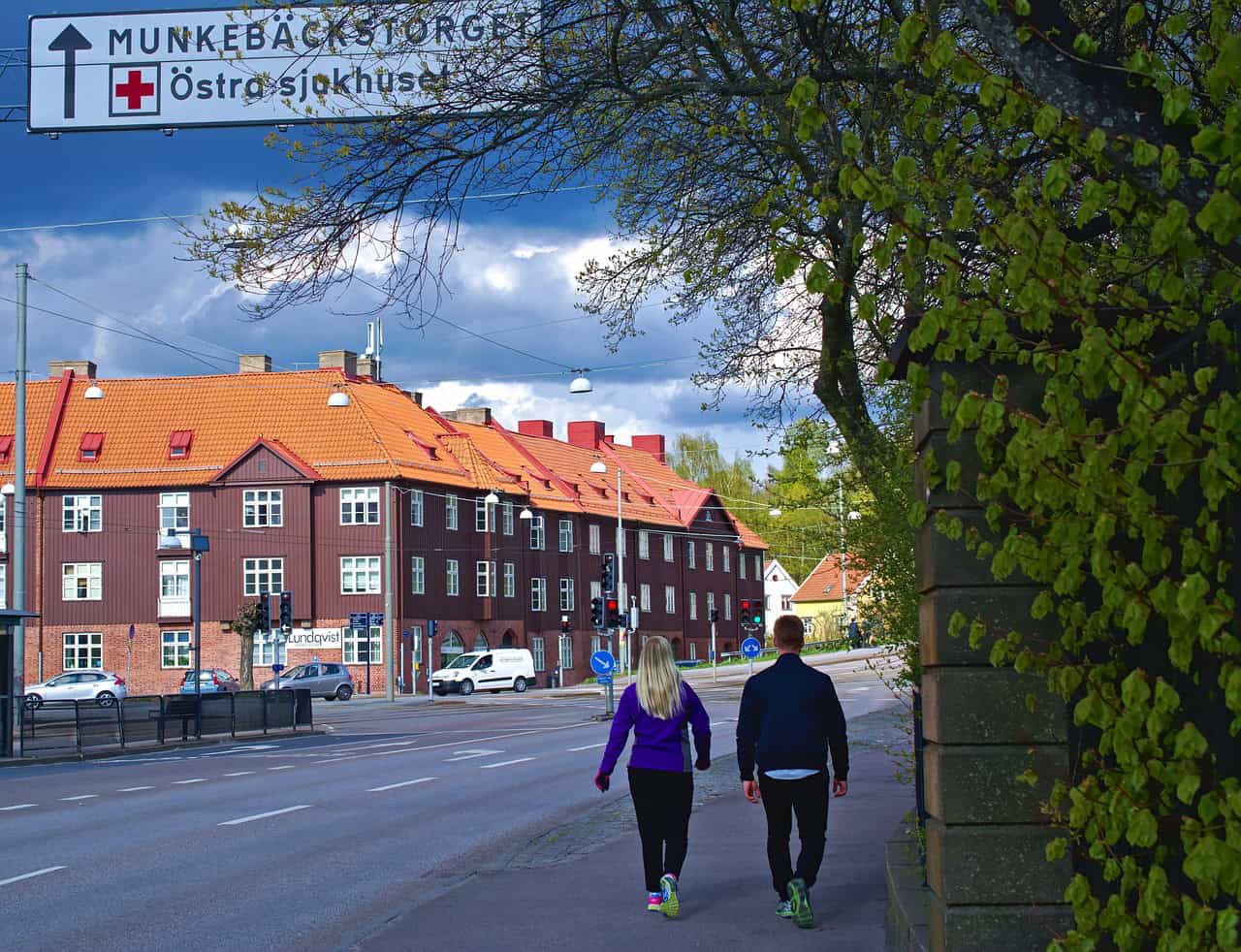
Sweden’s intimidation factor lies in restraint. With an average height of 180 cm for men and 167 cm for women, physical presence alone can feel imposing. Over 70% of Swedes report following minimalist fashion principles, favoring neutral palettes and tailored fits. Skincare and fitness are prioritized, yet rarely discussed, creating an impression of “effortless” beauty. Locals carry themselves with quiet confidence, strong eye contact, and personal boundaries that signal self-assurance. The lack of overt display makes visitors hyperaware of their own styling choices, especially in social or professional settings.
3. South Korea
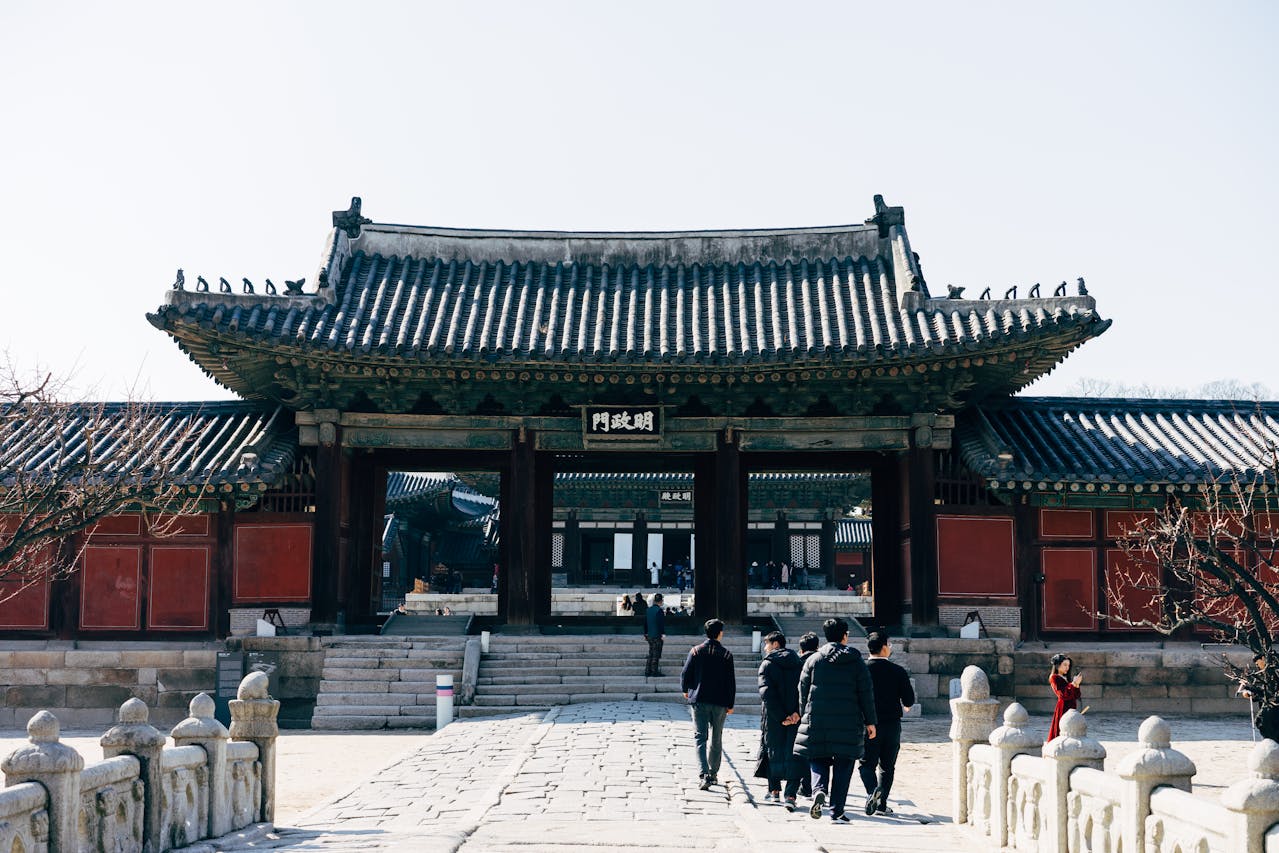
South Korea treats appearance as social literacy. The country spends an estimated USD 10 billion annually on skincare, with the average adult using 7–10 products daily. Grooming standards apply across genders, and well-fitted clothing is the norm rather than an exception. Urban centers amplify this effect, where trend cycles change every 6–8 months. Presentation extends beyond looks into posture, facial expression, and situational awareness. Travelers often feel underprepared, not because locals look unattainable, but because the baseline standard of polish is remarkably high.
4. Italy
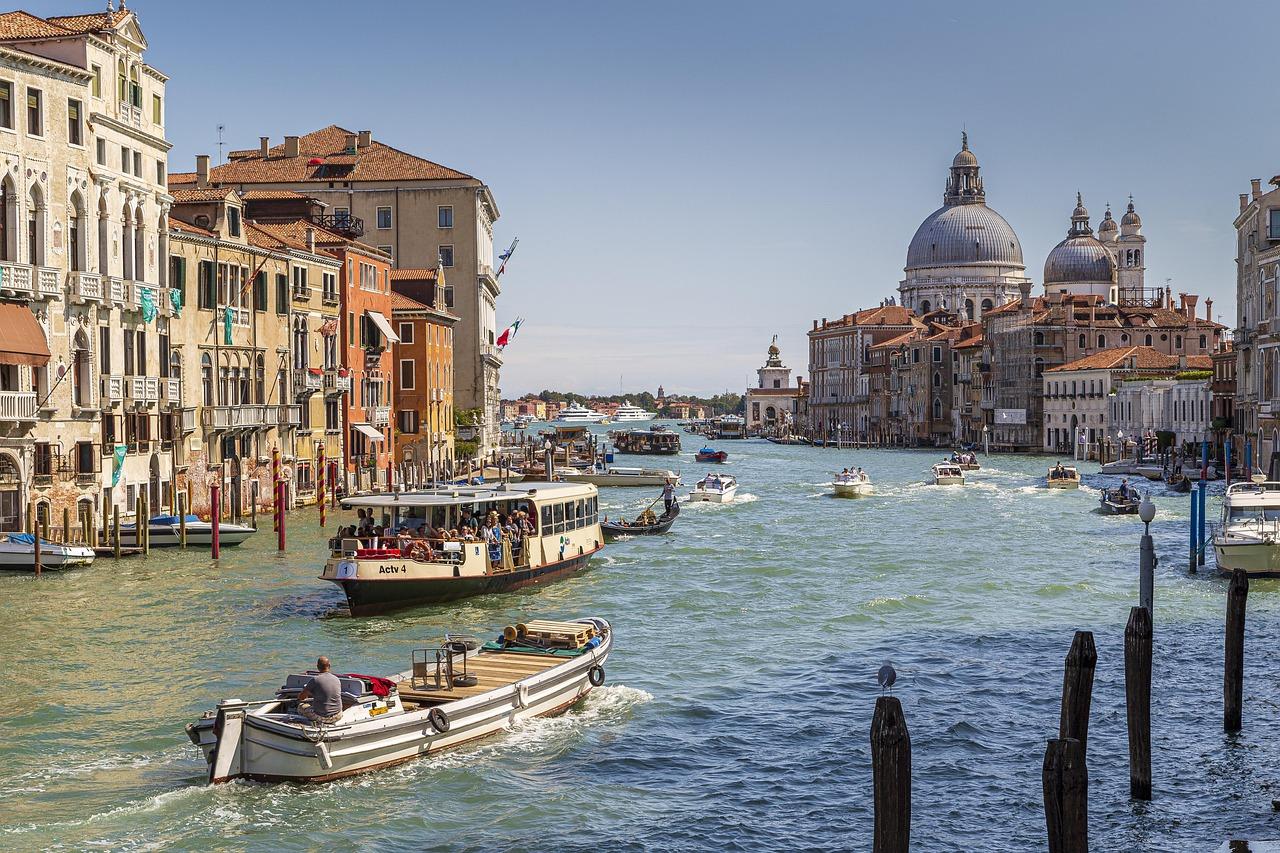
Italy blends aesthetics with attitude. Nearly 65% of Italians prioritize clothing quality over quantity, and tailoring remains common even for casual wear. Fashion is treated as personal expression rather than trend-following, which creates a strong sense of identity. Locals use movement, tone, and eye contact to project confidence, often making simple outfits appear intentional. The average Italian wardrobe contains 30–40% fewer items than many Western counterparts, yet looks more refined. Visitors may feel underconfident realizing that style here is cultural fluency, not just visual appeal.
5. Colombia
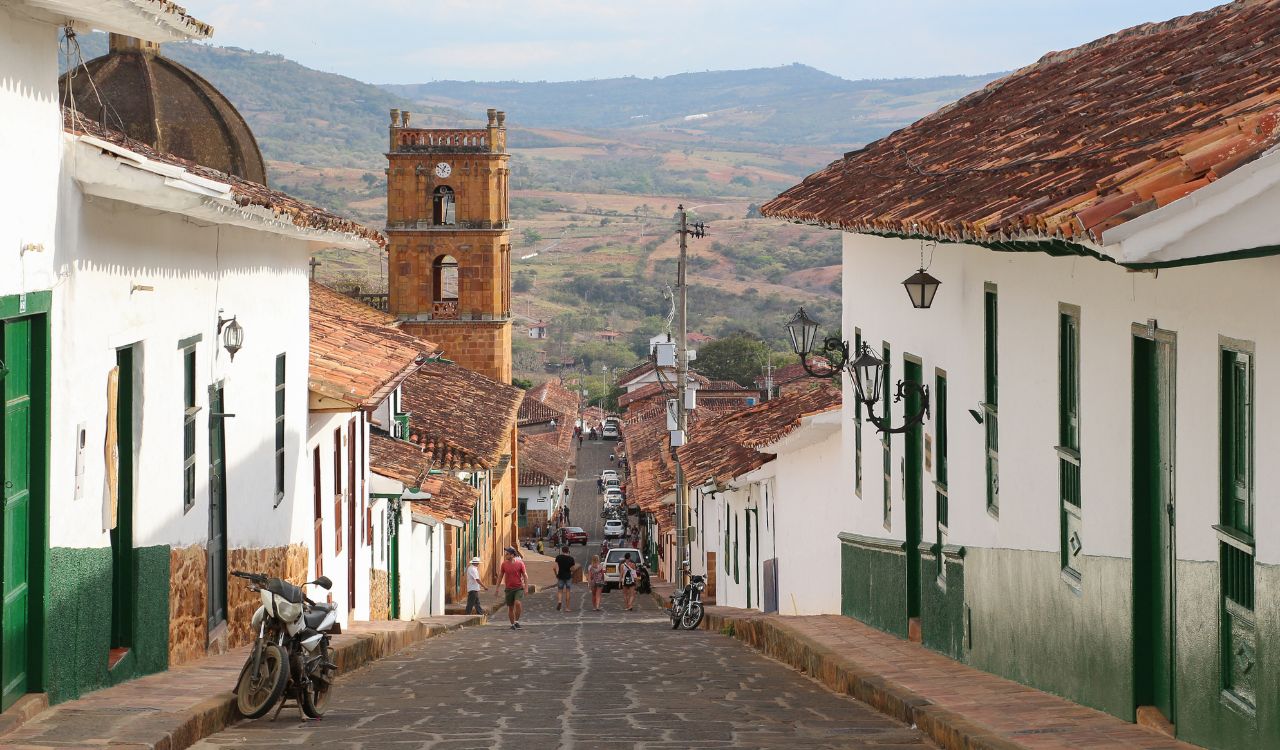
Colombia places social value on presentation. Surveys indicate over 70% of urban residents groom daily before leaving home, regardless of occasion. Haircare, fragrance, and coordinated outfits are common even for routine errands. Physical fitness and posture matter, but so does warmth, smiling and conversational ease significantly boost perceived attractiveness. Colombia also ranks high in cosmetic enhancement accessibility, contributing to polished appearances across age groups. Travelers often notice that locals look composed without appearing rigid, creating a social environment where underdressing or low energy feels immediately noticeable.
6. France
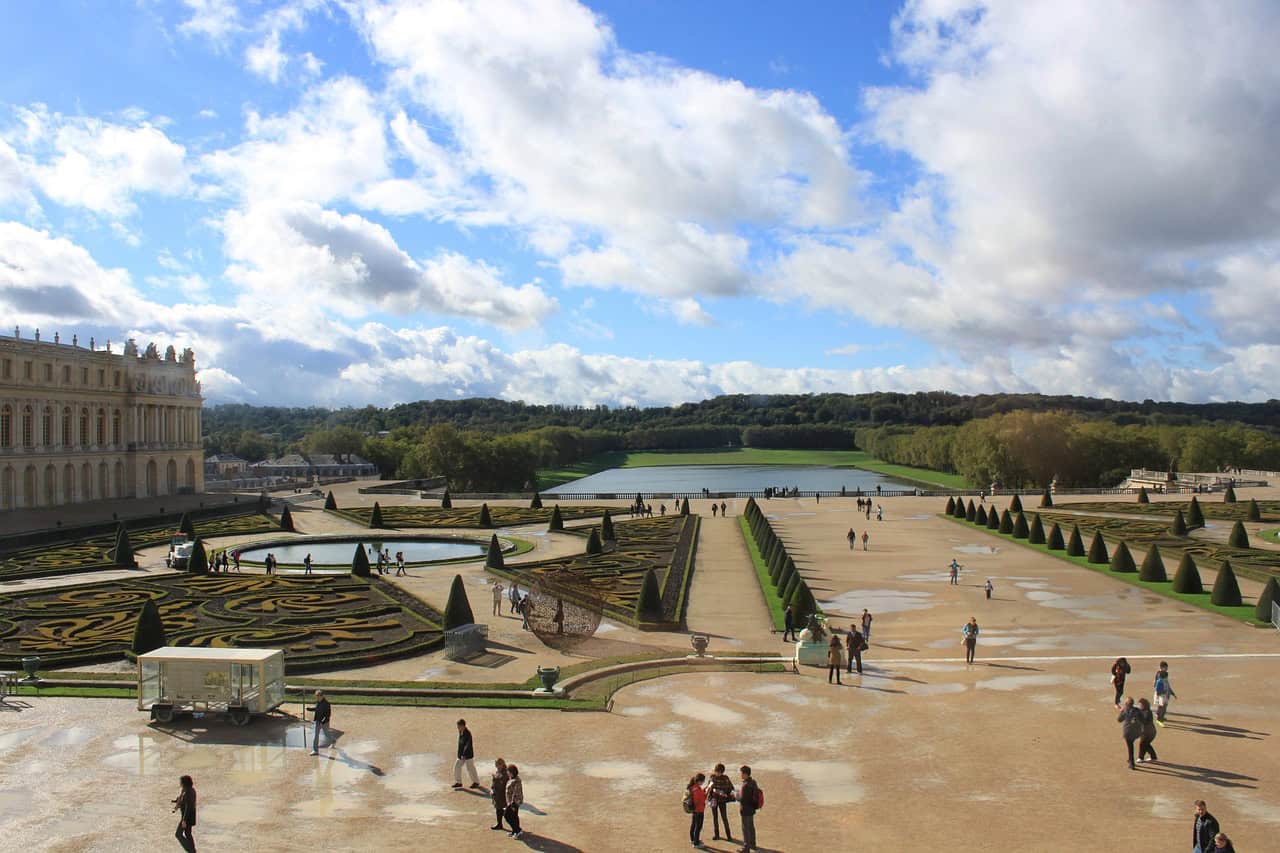
France intimidates through self-possession. Rather than chasing perfection, locals emphasize individuality, with over 60% preferring neutral, repeat outfits over trend-driven wardrobes. Grooming is minimal but consistent, and personal style remains stable across decades. The confidence comes from acceptance; wrinkles, asymmetry, and quirks are worn comfortably. This ease can unsettle visitors used to “fixing” perceived flaws. Even small behaviors, like relaxed posture or unhurried movement, add to the impression. You may feel less confident not because you look worse, but because others look unconcerned.
7. Ukraine
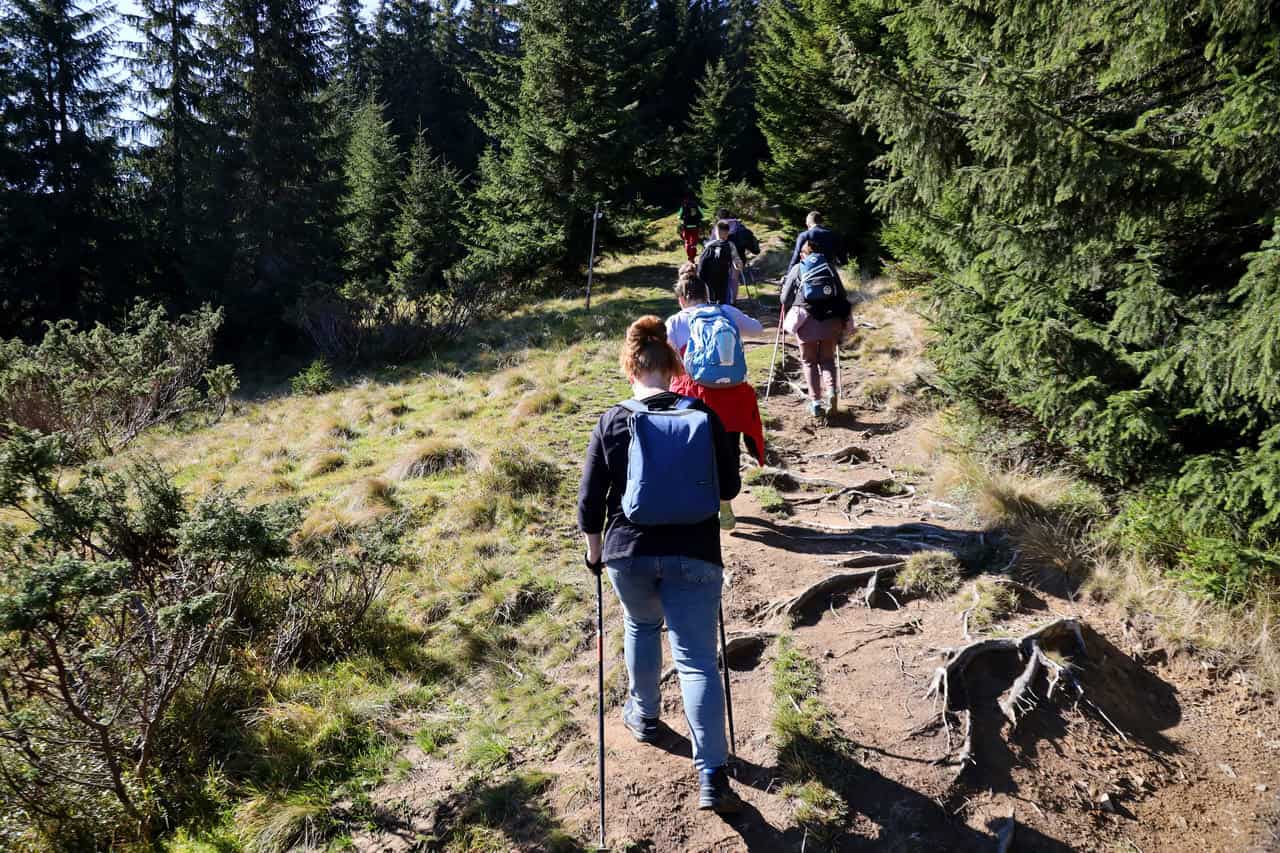
Ukraine is known for deliberate presentation, especially in cities. Studies show over 55% of adults spend more than 20 minutes daily on appearance, focusing on hair, clothing, and accessories. Fashion leans structured and elegant, even in everyday contexts. Physical features often stand out, but grooming and coordination amplify them further. There’s also a cultural expectation to look “assembled” in public, which can surprise travelers dressed purely for comfort. The result is an environment where visual standards feel high, and casual disarray becomes instantly self-conscious.
8. Japan
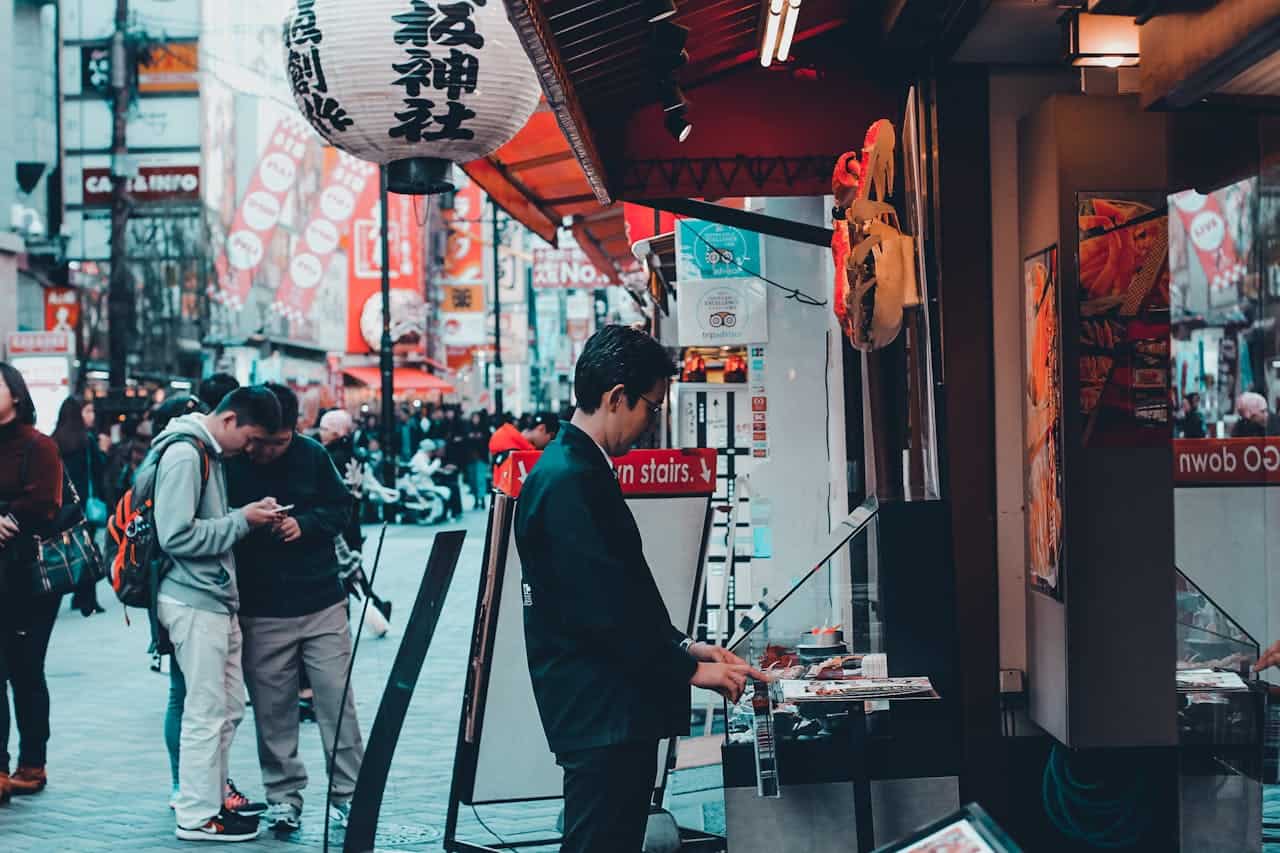
Japan’s aesthetic pressure comes from precision. Locals emphasize cleanliness, symmetry, and coordination, with over 80% reporting daily grooming rituals regardless of gender. Clothing is typically modest but meticulously styled, and posture plays a significant role in overall presence. Even small details; shoes, bag condition, hair neatness, are socially noticeable. The average Japanese adult owns fewer outfits than Western peers but rotates them with careful intention. Visitors often feel underconfident not due to glamour, but because consistency and discipline quietly outperform casual effort.