We may earn money or products from the companies mentioned in this post. This means if you click on the link and purchase the item, I will receive a small commission at no extra cost to you ... you're just helping re-supply our family's travel fund.
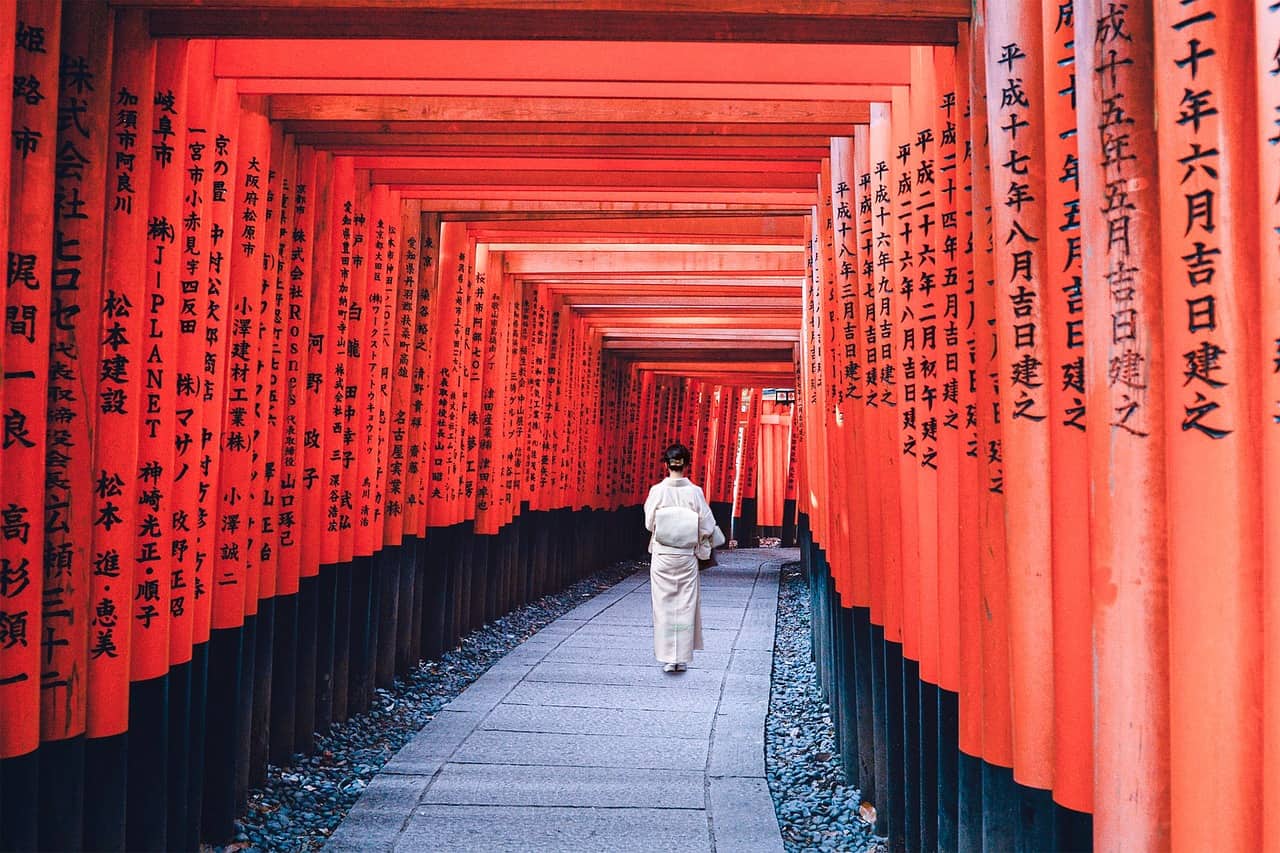
Culture shock isn’t just about language barriers, it’s about confronting everyday norms that quietly shape how people eat, speak, work, respect authority, and interact in public. In some countries, these differences surface gently. In others, they hit immediately and force rapid adjustment. The following countries consistently rank among the most challenging for travelers due to stark contrasts in social rules, daily rhythm, personal space, and behavioral expectations. Each destination is deeply rewarding, but only after navigating unfamiliar systems that can feel overwhelming without preparation
1. Japan
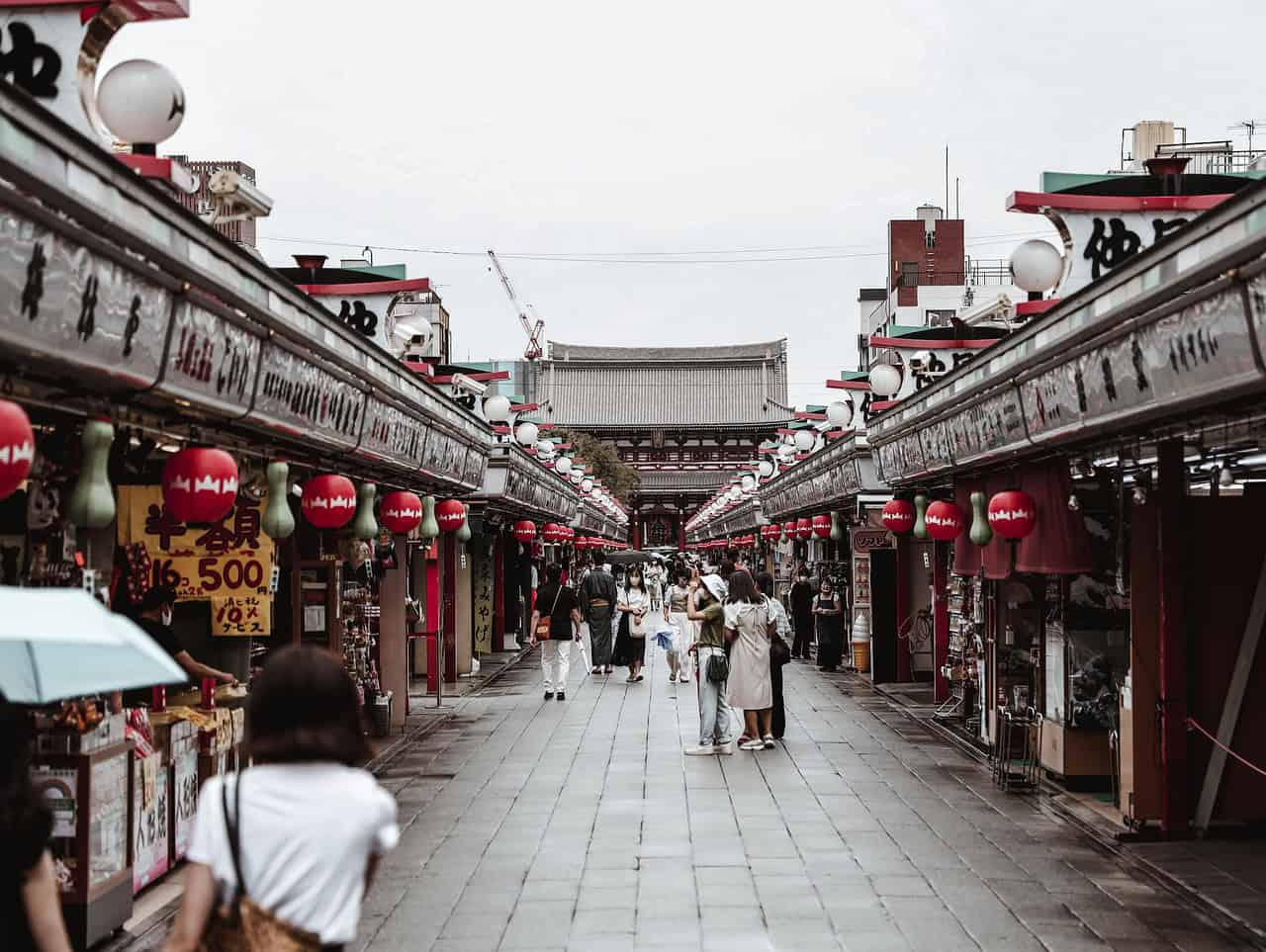
Japan delivers culture shock through precision, restraint, and unspoken rules. Public silence is expected, with over 70% of commuters avoiding phone conversations on trains. Punctuality is absolute, being five minutes late is considered disrespectful. Trash cans are scarce, yet streets remain spotless due to social discipline rather than enforcement. Emotional expression is muted, and indirect communication dominates daily life. Bowing replaces handshakes, and rule adherence is cultural, not optional. Visitors often struggle with the pressure to “read the room” constantly, making early interactions mentally exhausting despite Japan’s politeness-driven society.
2. India
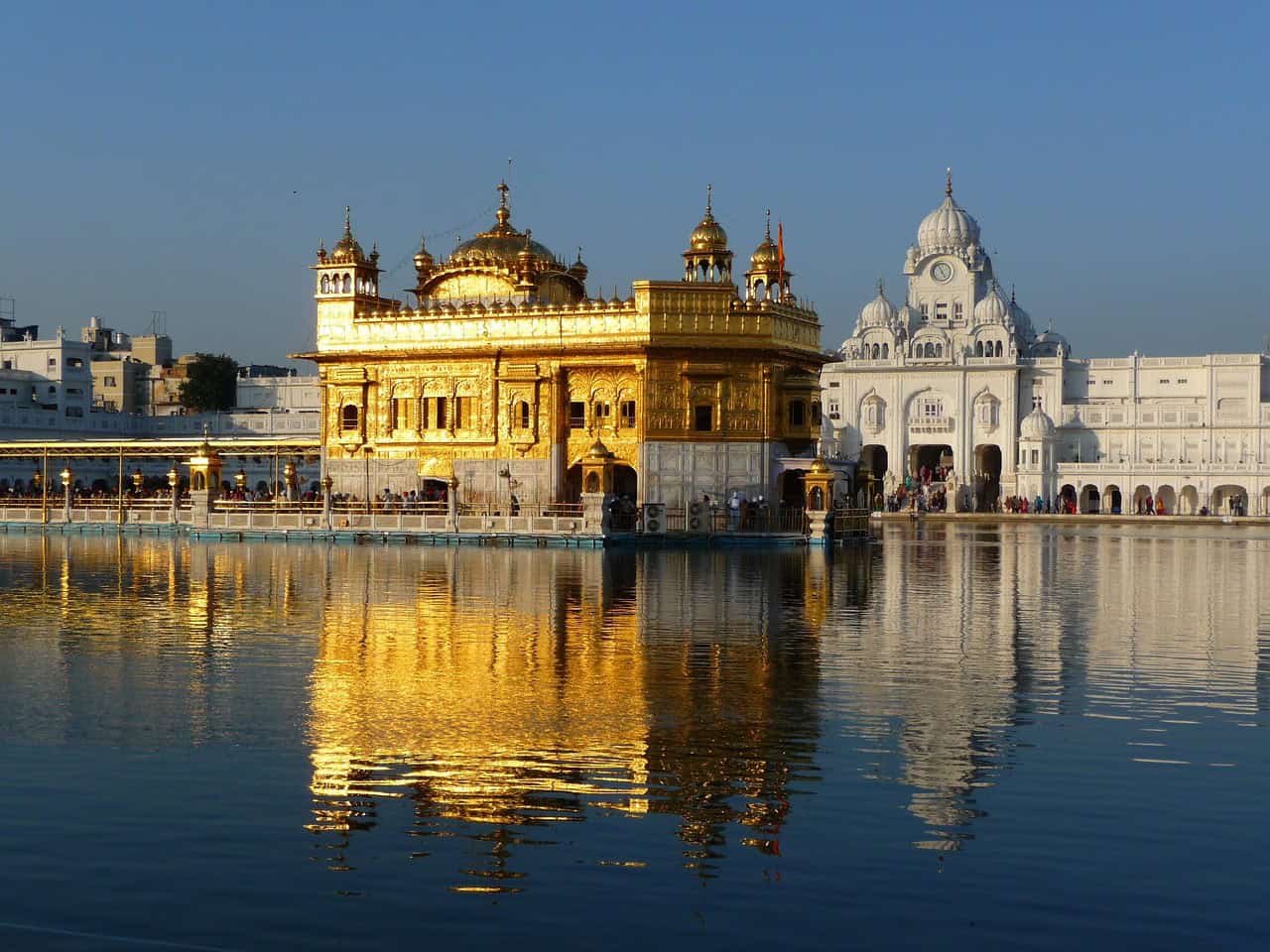
India’s culture shock stems from sensory overload and social complexity. Cities often exceed population densities of 30,000 people per square kilometer, creating constant noise and movement. Personal space is minimal, time is flexible, and schedules are approximate rather than fixed. Religious customs shape daily routines, with over 1.3 billion people practicing multiple belief systems simultaneously. Public staring is common, and social hierarchies influence interactions. For many visitors, the shock lies in adapting to unpredictability; rules exist, but context determines when they apply, demanding patience and cultural awareness.
3. Saudi Arabia
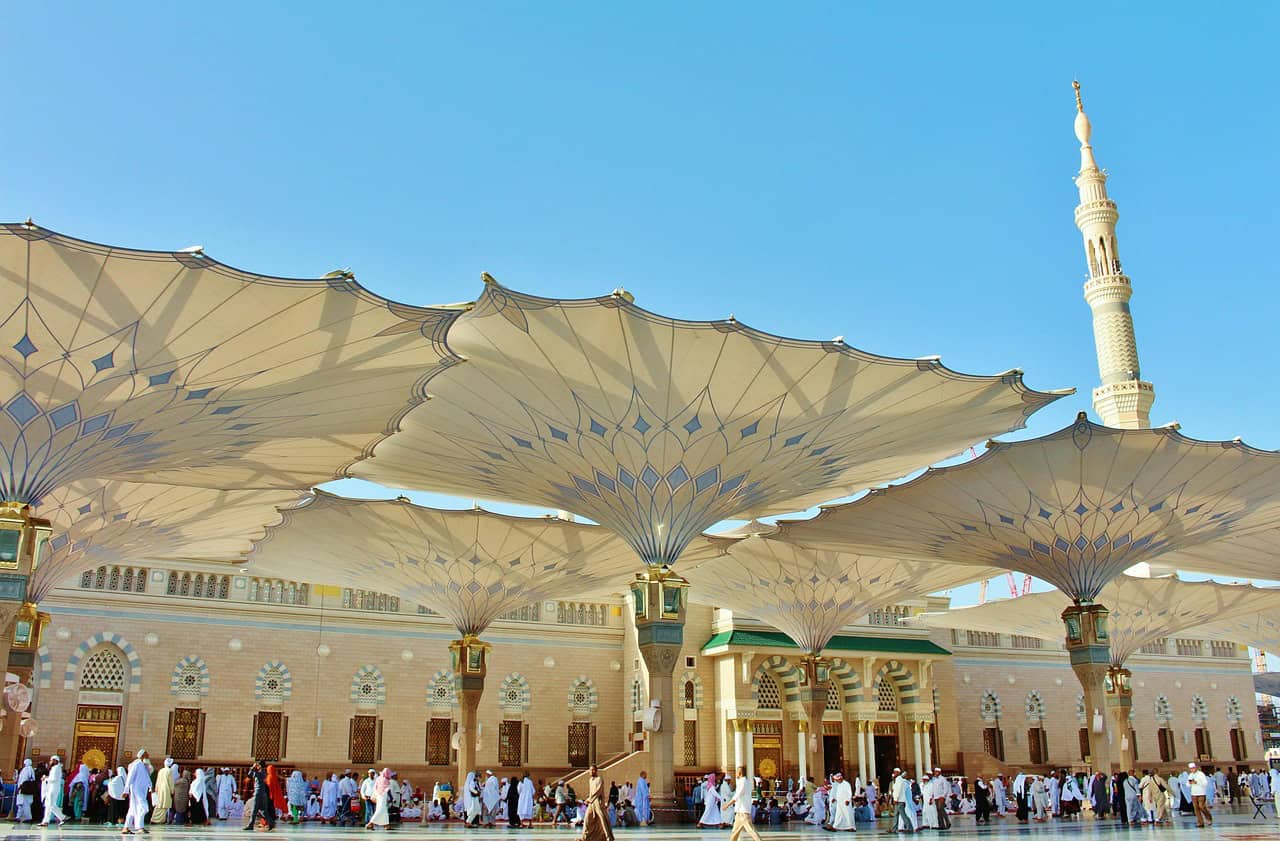
Saudi Arabia presents culture shock through strict social structure and religious integration. Five daily prayer times influence business hours nationwide, often closing shops for 20–30 minutes at a time. Alcohol is banned entirely, with zero legal tolerance. Dress codes are conservative, and public behavior is closely observed. Gender norms remain defined, despite recent reforms allowing women to drive and work more freely. Visitors often find the absence of casual public interaction striking. The shock comes from how deeply cultural expectations are embedded into law, routine, and public life.
4. China
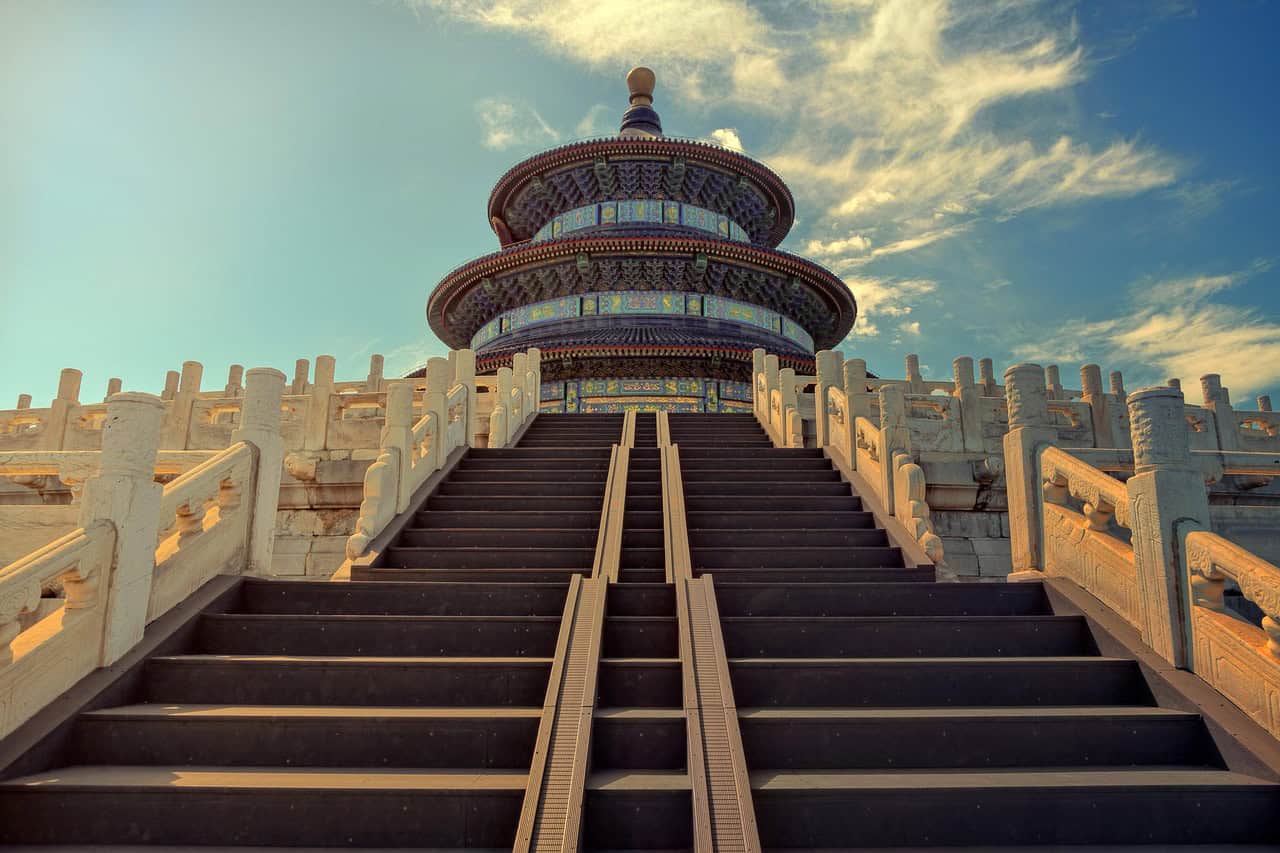
China’s culture shock is rooted in scale, efficiency, and collectivism. Megacities like Shanghai house over 24 million residents, creating crowded public spaces where pushing is normalized. Privacy is limited, and direct communication replaces Western-style politeness. Digital payments dominate, with over 90% of urban transactions cashless. Public behavior such as loud conversations or spitting can surprise visitors. Individual preferences often yield to group convenience. The adjustment challenge lies in navigating a system designed for speed and volume, where social norms prioritize function over comfort.
5. Nigeria
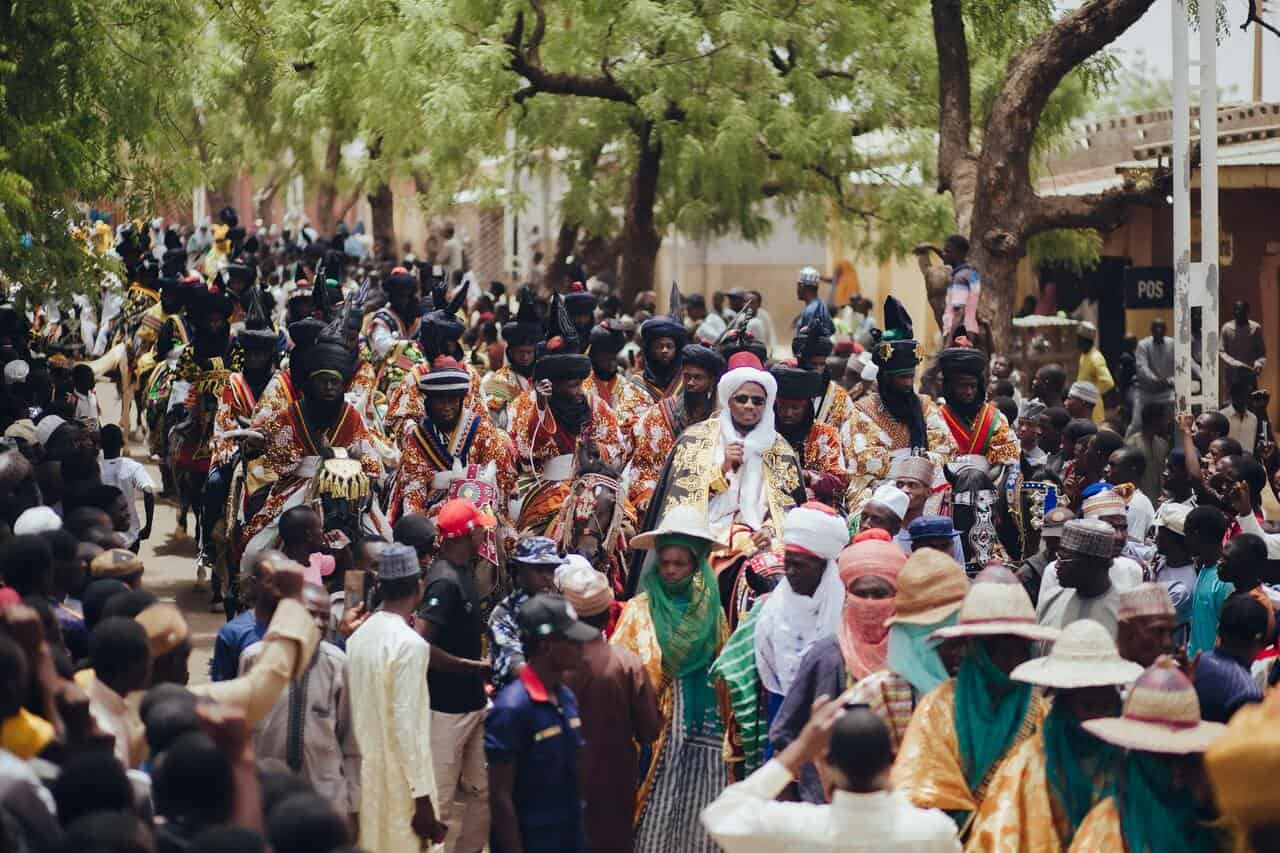
Nigeria delivers culture shock through intensity and adaptability. Lagos alone hosts more than 20 million people, with traffic delays regularly exceeding three hours. Social interactions are expressive, loud, and fast-paced. Time is fluid, infrastructure varies widely, and negotiation is part of daily life from prices to schedules. Respect for elders and status strongly shapes communication. Visitors often struggle with unpredictability, yet Nigeria’s social warmth is immediate. The shock comes from learning to operate in a system where flexibility matters more than structure and resilience drives everyday survival.
6. South Korea
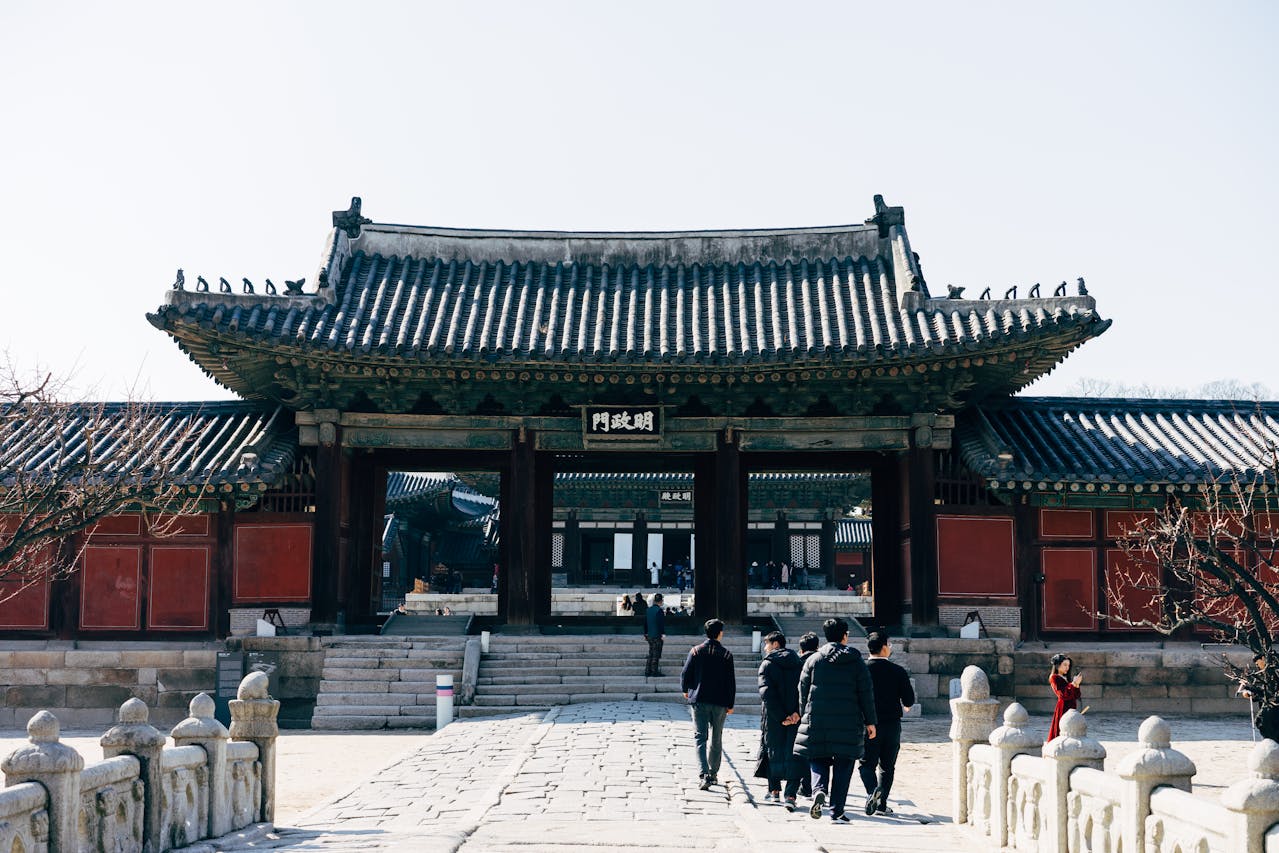
South Korea combines modern efficiency with rigid hierarchy. Age dictates speech levels, behavior, and social expectations, influencing nearly every interaction. Average workweeks often exceed 52 hours, reinforcing intense professional culture. Personal questions about age, income, or marriage are socially acceptable. Group harmony is prioritized over individuality, and conformity is subtly enforced. Despite advanced infrastructure and technology adoption rates above 95%, visitors are often surprised by social pressure and limited personal boundaries. Culture shock arises from balancing modern visuals with deeply traditional social rules.
7. Ethiopia
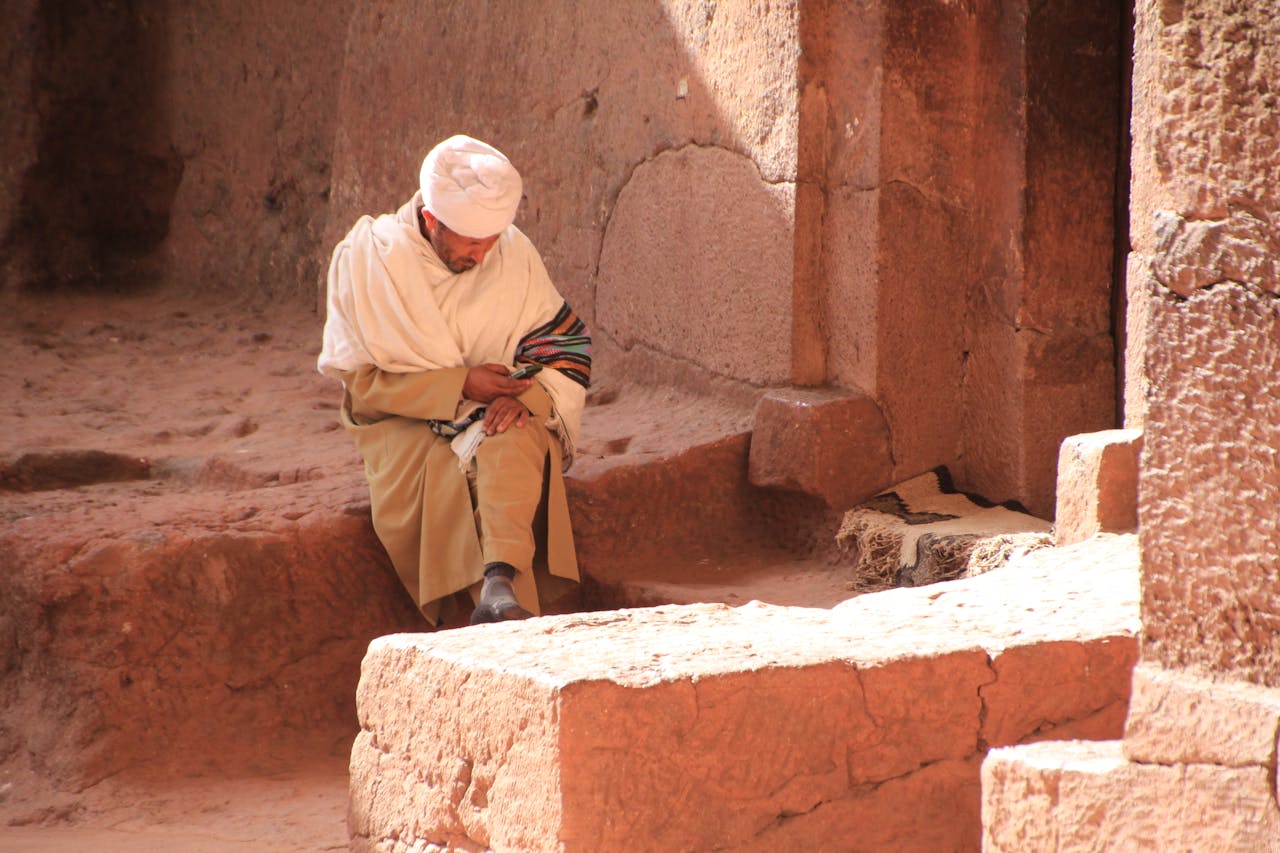
Ethiopia’s culture shock comes from operating on an entirely different temporal and social system. The country follows a unique calendar with 13 months and a clock that starts at sunrise, confusing most visitors. Coffee ceremonies can last over an hour and hold deep cultural significance. Meals are communal, eaten by hand, reinforcing social bonds. Religion influences daily life, with Orthodox Christianity and Islam shaping routines. The shock isn’t chaos but recalibration, travelers must adjust expectations of time, service speed, and social engagement.
8. Papua New Guinea
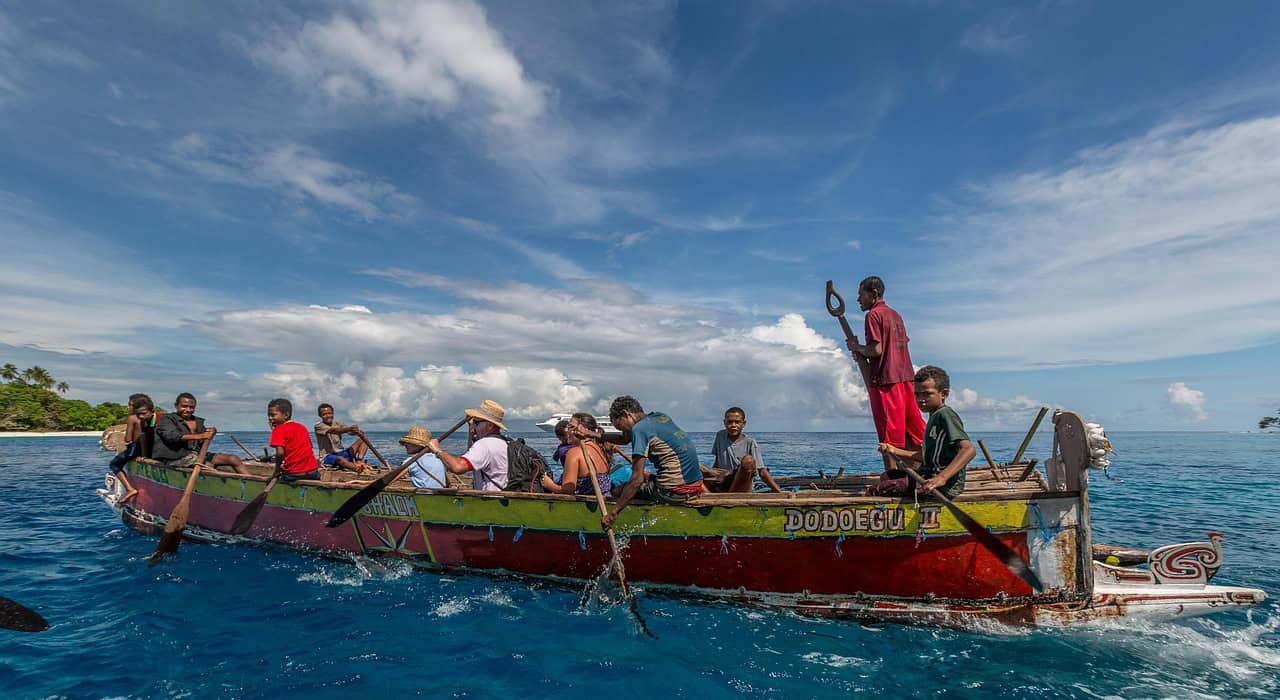
Papua New Guinea presents one of the most extreme culture shocks globally. Over 800 languages are spoken, making it the most linguistically diverse country on earth. Tribal identity strongly influences social behavior, conflict resolution, and community roles. Infrastructure is limited, with less than 20% of roads paved nationwide. Western concepts of time and formality often don’t apply. Visitors frequently feel disconnected from modern systems. The shock comes from encountering societies that operate independently of global norms, offering raw cultural immersion unlike anywhere else.