We may earn money or products from the companies mentioned in this post. This means if you click on the link and purchase the item, I will receive a small commission at no extra cost to you ... you're just helping re-supply our family's travel fund.

English is usually a travel advantage, but in tightly controlled states it can signal foreign intent, surveillance, or political interference. Problems rarely arise from casual greetings. Instead, trouble starts when English is spoken near sensitive locations, during filming, or around restricted topics. In these countries, language laws, security statutes, and political paranoia intersect, turning ordinary English conversations into legal risks many travelers never anticipate.
1. North Korea

In North Korea, English is treated as a security trigger rather than a communication tool. Foreigners may only speak English under constant supervision, typically during state-approved tours. Unauthorized English conversations with locals violate internal security rules, and locals risk prison sentences of 5–15 years for foreign contact. Tourists have been detained for reading English books or asking unscripted questions. Phones, notebooks, and cameras are routinely searched, with interrogations lasting 6–12 hours, even when no formal charges are filed. Even tone or curiosity in English can be misread as ideological defiance rather than innocent interest.
2. Iran

English in Iran becomes risky when linked to politics, media, or sensitive locations. Speaking English near protests, embassies, or government buildings can result in detention under Article 500 of the Penal Code. Foreigners translating or interviewing in English have been questioned for 24–72 hours, often without clear charges. Bail regularly exceeds $50,000 USD, and devices are confiscated for analysis. English is frequently interpreted as coordination with foreign entities rather than casual tourist speech. The presence of a camera or microphone significantly increases the likelihood of escalation.
3. China

China allows English socially, but its Public Security laws give police wide discretion. Speaking English while filming, interviewing locals, or translating can be labeled “illegal information gathering,” punishable by 15 days’ detention or fines up to 5,000 yuan. Since 2017, enforcement has tightened, especially in Xinjiang and Tibet, where English triggers ID checks and phone inspections. Authorities often associate English use with foreign journalism or activism, regardless of tourist intent. Questioning may include on-the-spot translation of private messages or notes.
4. Russia

Since 2022, Russia has sharply increased scrutiny of English speakers under expanded “foreign agent” laws. Speaking English near protests, government buildings, or transport hubs can lead to questioning or detention for 3–48 hours. Translating, recording, or explaining events in English may result in administrative charges and fines up to 50,000 rubles. English is often treated as evidence of foreign involvement rather than tourism, particularly during heightened security periods. Police discretion largely determines whether a situation ends quickly or escalates.
5. Turkey
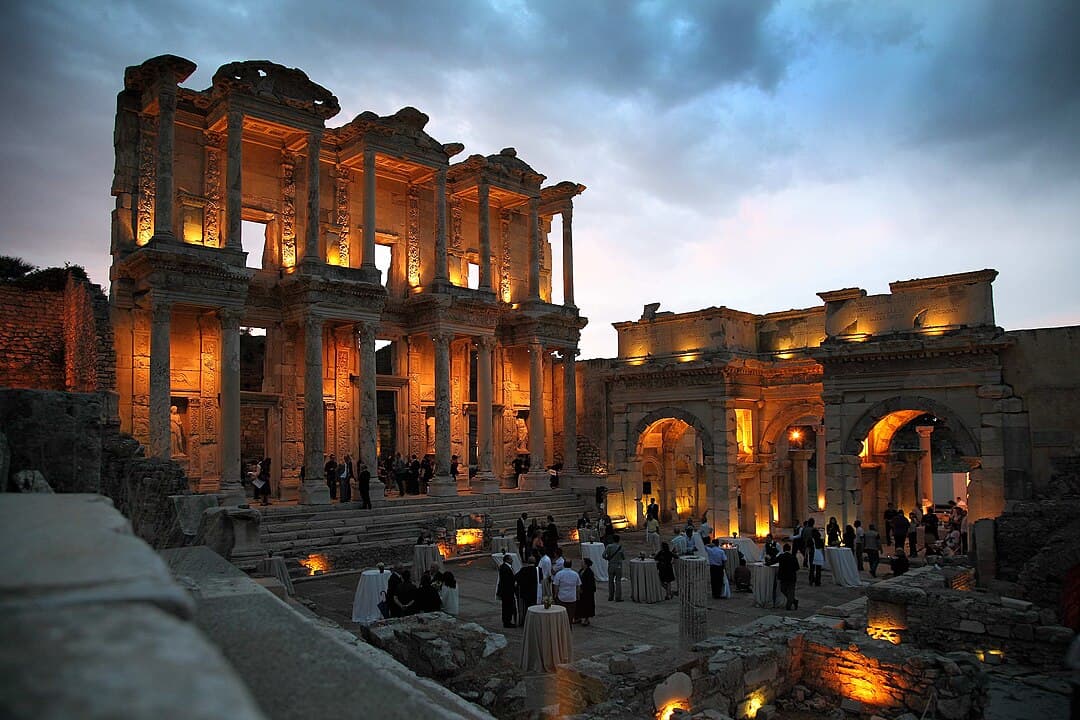
Turkey aggressively prosecutes speech under anti-terror and insult statutes. English discussions involving politics, Kurdish issues, or the presidency can trigger charges under Article 299, carrying penalties of up to 4 years in prison. Foreigners have been detained after English conversations were recorded or shared online. Questioning commonly lasts 12–24 hours, and phones are seized for translation review. Casual English remarks can quickly become formal evidence in legal proceedings. Context is often interpreted politically rather than conversationally.
6. United Arab Emirates

English is widely spoken in the UAE, yet legally unforgiving. Under cybercrime and defamation laws updated in 2021, English insults, criticism, or profanity can lead to fines over 250,000 AED or jail terms of 6 months. Tourists have faced charges over English WhatsApp messages and public disputes. Speaking English offers no protection; instead, it often produces clearer evidence for prosecution, especially when digital records exist. Online complaints in English are treated as formal statements, not casual venting.
7. Thailand

Thailand’s lèse-majesté law applies regardless of language. English comments perceived as insulting the monarchy can lead to arrest, even when casually spoken. Convictions carry penalties of 3–15 years per offense, and intent is rarely considered. Since 2020, enforcement has intensified, with police acting on overheard remarks or online English posts. Foreigners explaining themselves in English often worsen outcomes rather than clarify misunderstandings. Apologies or clarifications rarely prevent formal charges once a report is filed.
8. Cuba
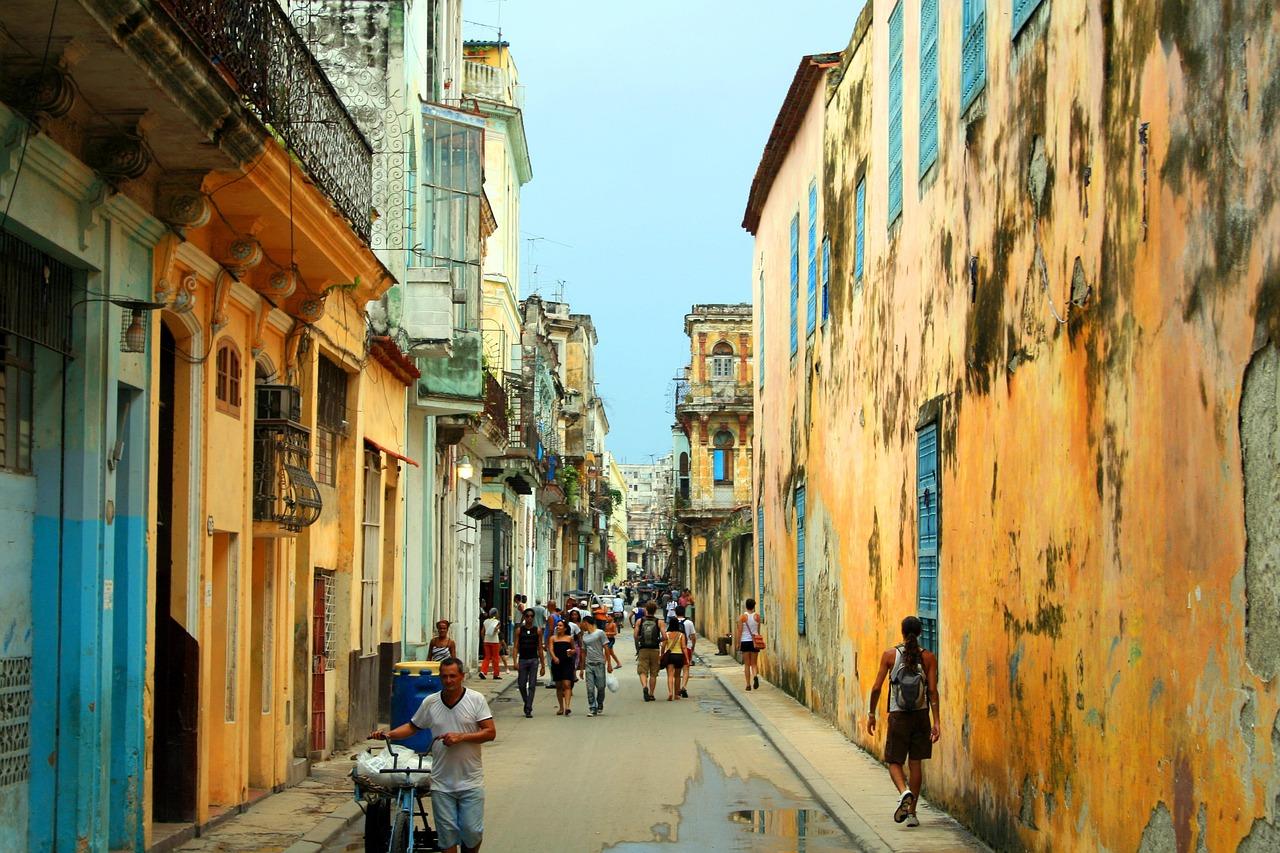
In Cuba, English attracts attention when paired with curiosity or documentation. Speaking English while questioning locals, photographing infrastructure, or discussing politics can result in detention for 6–48 hours. Fines average 2,000 CUP, and equipment confiscation is common. Authorities frequently associate English speakers with foreign journalism or intelligence activity. Risk increases outside tourist zones, where English conversations are more likely to be interpreted as investigative behavior. Repeated questioning is common even after release.