We may earn money or products from the companies mentioned in this post. This means if you click on the link and purchase the item, I will receive a small commission at no extra cost to you ... you're just helping re-supply our family's travel fund.
Travel often promises freedom, anonymity, and the thrill of blending into unfamiliar streets. Yet in some destinations, visitors describe the opposite sensation, a persistent awareness of being observed. This feeling doesn’t always stem from danger. It can come from dense surveillance networks, rigid social rules, extreme crowd control, or simply standing out in homogenous societies. Whether driven by technology, politics, or cultural dynamics, these countries frequently leave travelers feeling visible at all times.
1. North Korea
Few destinations create a stronger sense of constant observation than North Korea. Tourists are assigned official guides who accompany them 100% of the time, with itineraries fixed down to the minute. Hotels often restrict movement beyond specific floors, and unscheduled walks are forbidden. Cameras reportedly cover most public squares in Pyongyang, and photography is limited to approved subjects. Fewer than 5,000 Western tourists visit annually, making outsiders instantly noticeable. Even casual conversations feel staged, reinforcing the impression that every action is monitored, recorded, and evaluated.
2. China
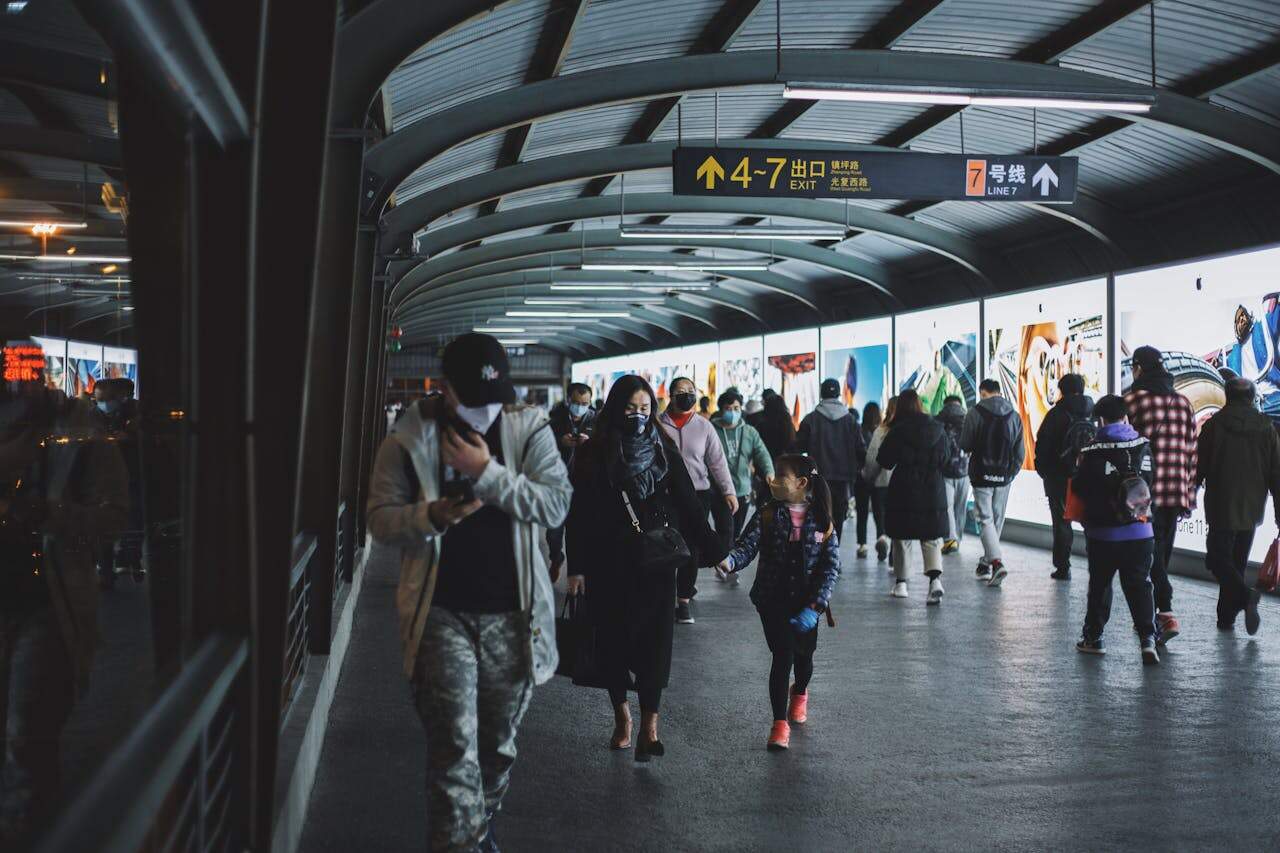
China’s scale amplifies its surveillance presence. Over 600 million CCTV cameras operate nationwide, averaging roughly one camera for every two citizens. In major cities like Beijing and Shanghai, visitors encounter facial recognition at airports, metro stations, and hotel entrances. Foreign passports are routinely scanned, and hotel check-ins are reported to local police within 24 hours by law. While most tourists face no issues, the sheer visibility of monitoring systems, combined with frequent police patrols, creates a persistent awareness of being observed rather than ignored.
3. Saudi Arabia
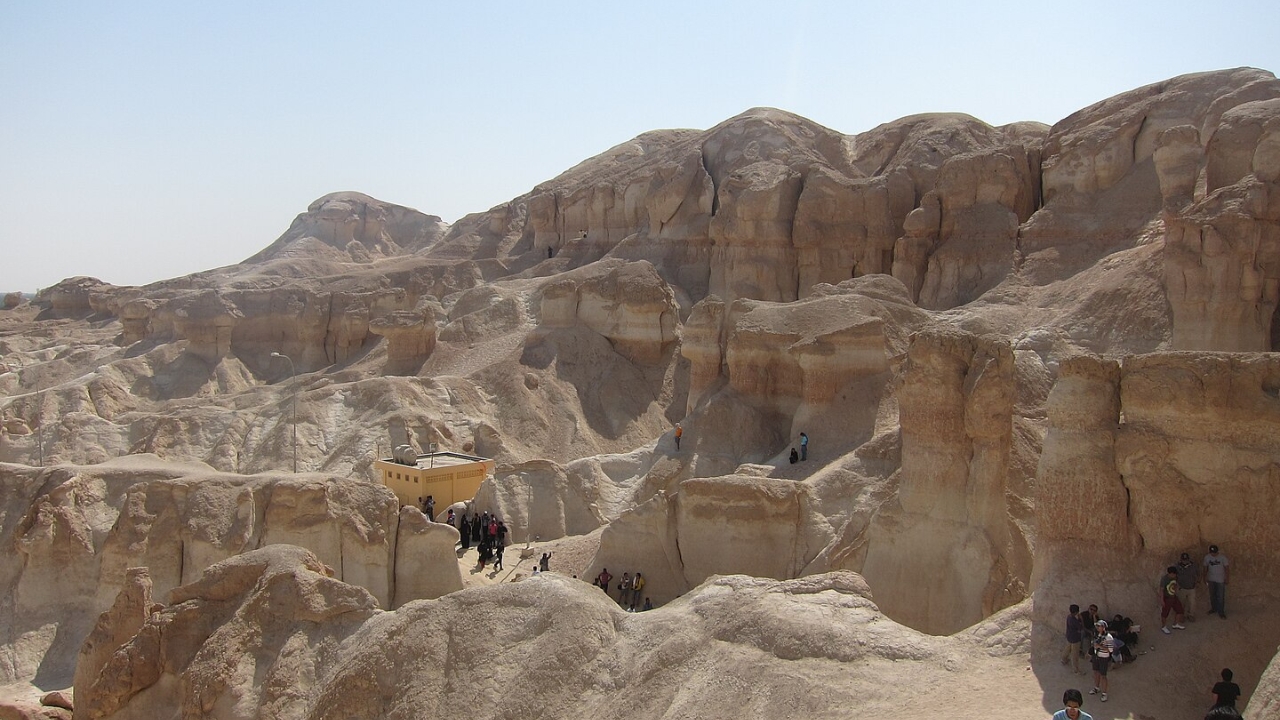
Saudi Arabia’s rapid tourism expansion hasn’t erased its deeply rooted social oversight. Public behavior is heavily scrutinized, especially in smaller cities where tourists remain rare. Dress codes, public interactions, and photography are closely watched by both authorities and residents. With more than 75% of the population under 40, social enforcement often happens informally through stares, comments, or phone recordings. Surveillance cameras are widespread in malls and streets, and violations can result in fines exceeding $250, reinforcing a sense of constant behavioral monitoring.
4. Singapore
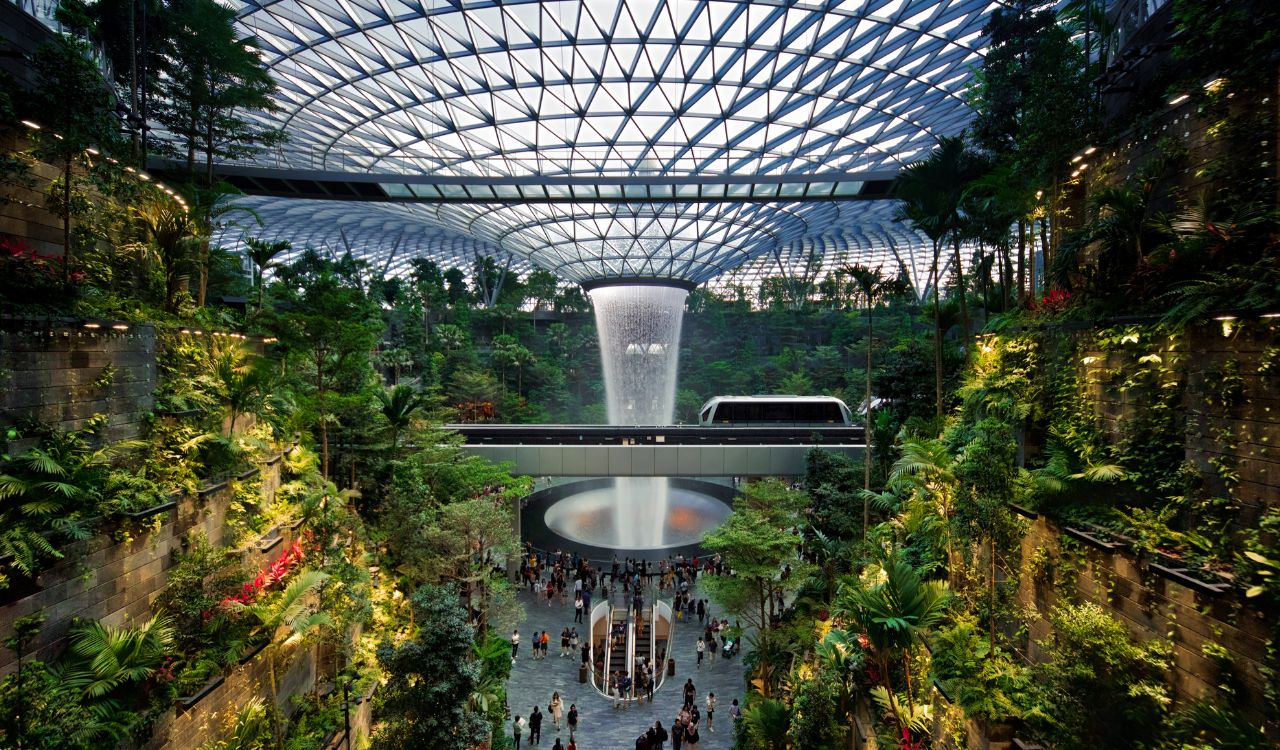
Singapore’s reputation for order is supported by one of the world’s most sophisticated urban surveillance systems. With an estimated 90,000 police-linked cameras and extensive facial recognition trials, public spaces are intensely monitored. Laws governing behavior are strictly enforced, with fines ranging from $150 for littering to $1,000 for vandalism. Visitors often report feeling watched not because of fear, but because rules are visibly enforced everywhere. The city’s immaculate appearance, paired with omnipresent cameras, creates an atmosphere of continuous accountability.
5. Japan
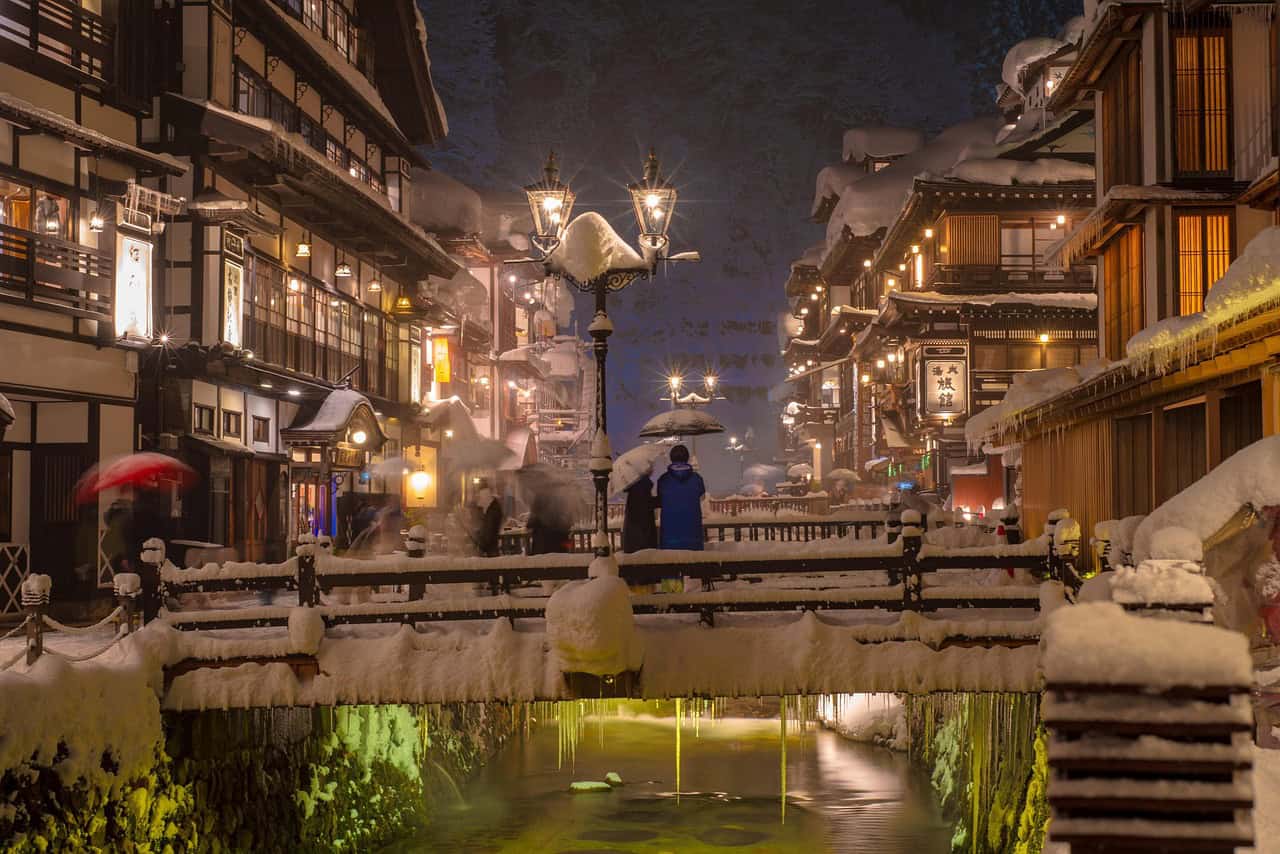
Japan feels safe, yet deeply observant. In cities like Tokyo and Kyoto, visitors stand out immediately due to Japan’s 98% ethnic homogeneity. Tourists report being silently watched on trains, in shops, and in residential neighborhoods. Security cameras are common near stations, while hotel staff often record passport details meticulously. Popular areas like Gion have introduced patrols and fines up to $70 for unauthorized photography. The scrutiny isn’t hostile; it’s quiet, constant, and socially enforced through etiquette rather than confrontation.
6. United Arab Emirates
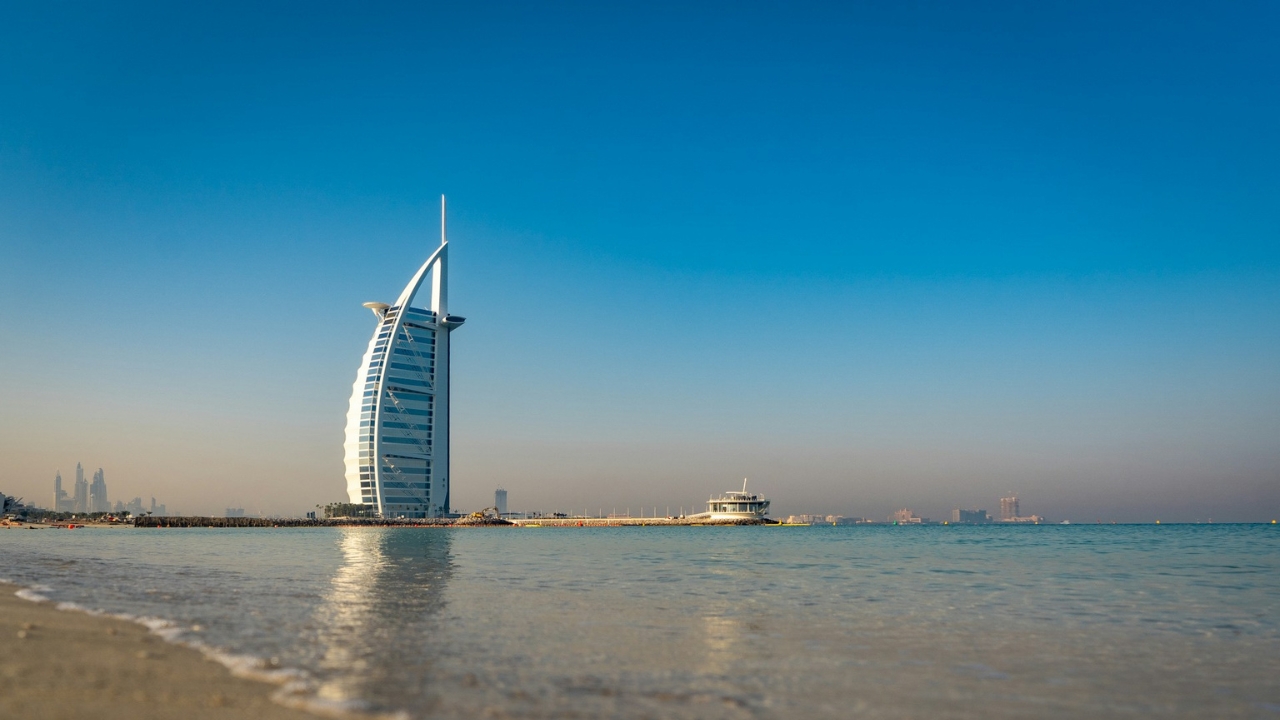
In cities such as Dubai and Abu Dhabi, luxury coexists with strict oversight. Over 300,000 surveillance cameras operate across the UAE, covering malls, roads, hotels, and beaches. Public behavior laws are clearly posted, and penalties for violations including gestures or online comments can exceed $1,300. Tourists are frequently reminded that private actions in public spaces are subject to monitoring. The contrast between glamorous tourism branding and rigid legal observation makes visitors acutely aware that privacy has firm limits.
7. South Korea
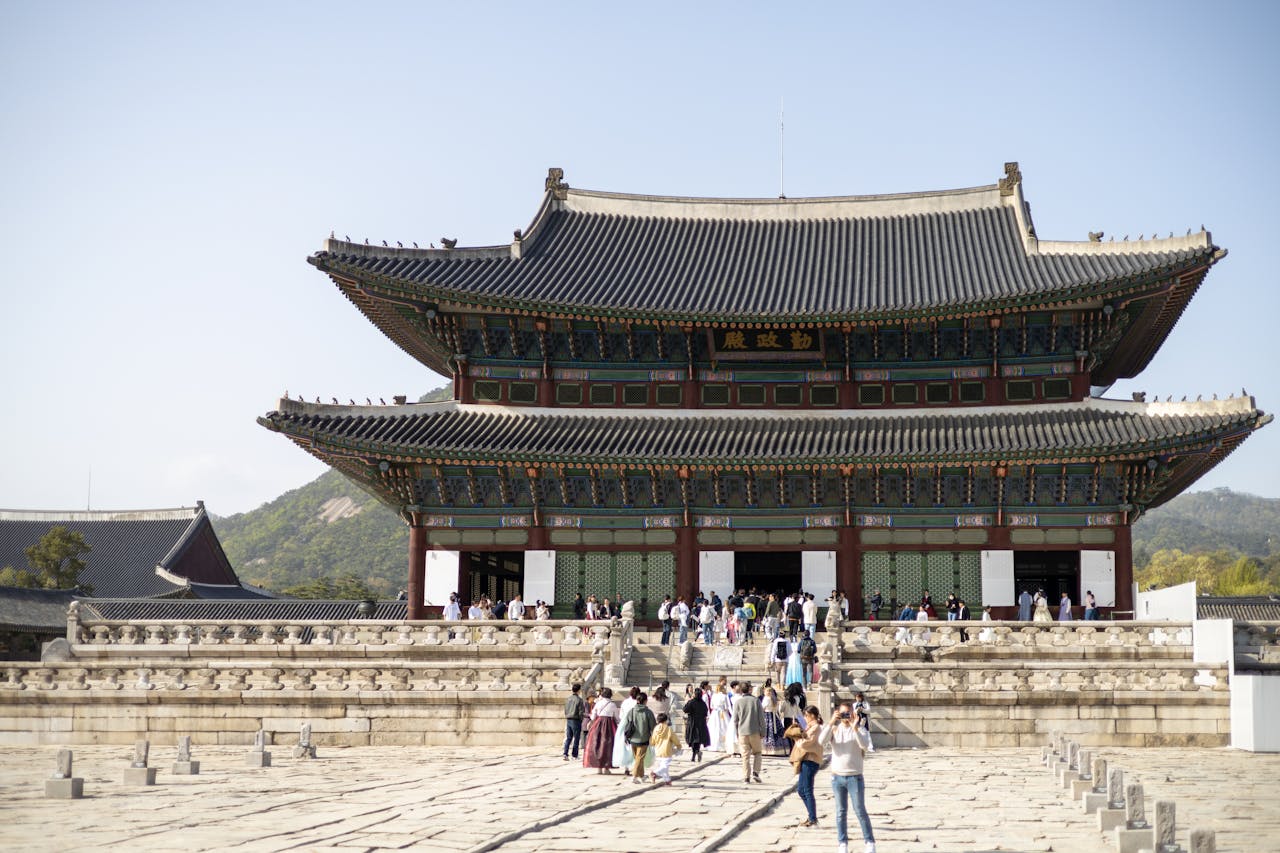
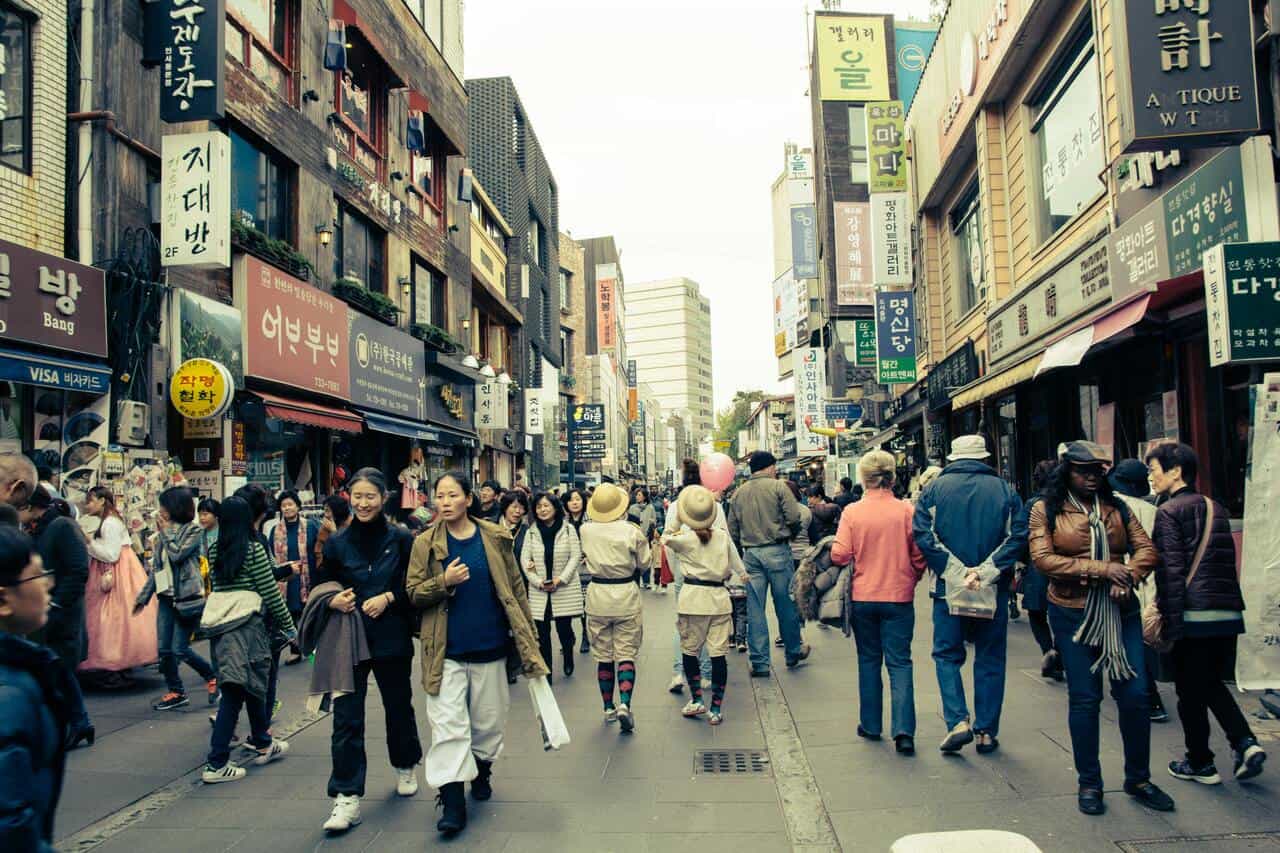
South Korea blends hyper-connectivity with intense social observation. With more than 80 cameras per 1,000 residents, surveillance density is among the highest globally. In busy districts like Seoul’s Hongdae or Myeongdong, visitors are constantly photographed, livestreamed, or recorded unintentionally. Police monitoring increases during peak tourism seasons, and hotels routinely scan IDs. While crime rates remain low, tourists often report feeling visible due to constant digital documentation and a culture where public behavior is quietly judged.
8. Vatican City
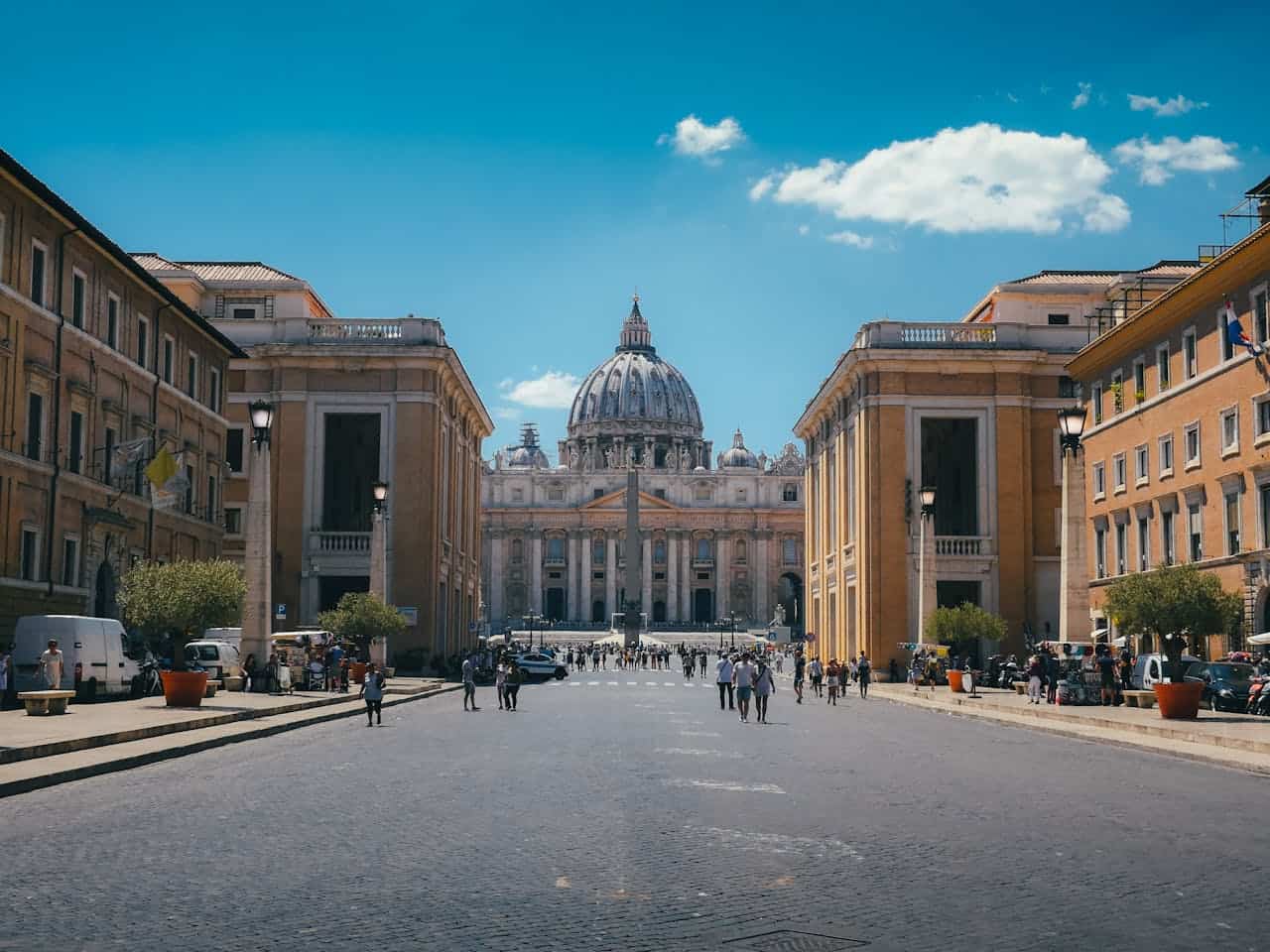
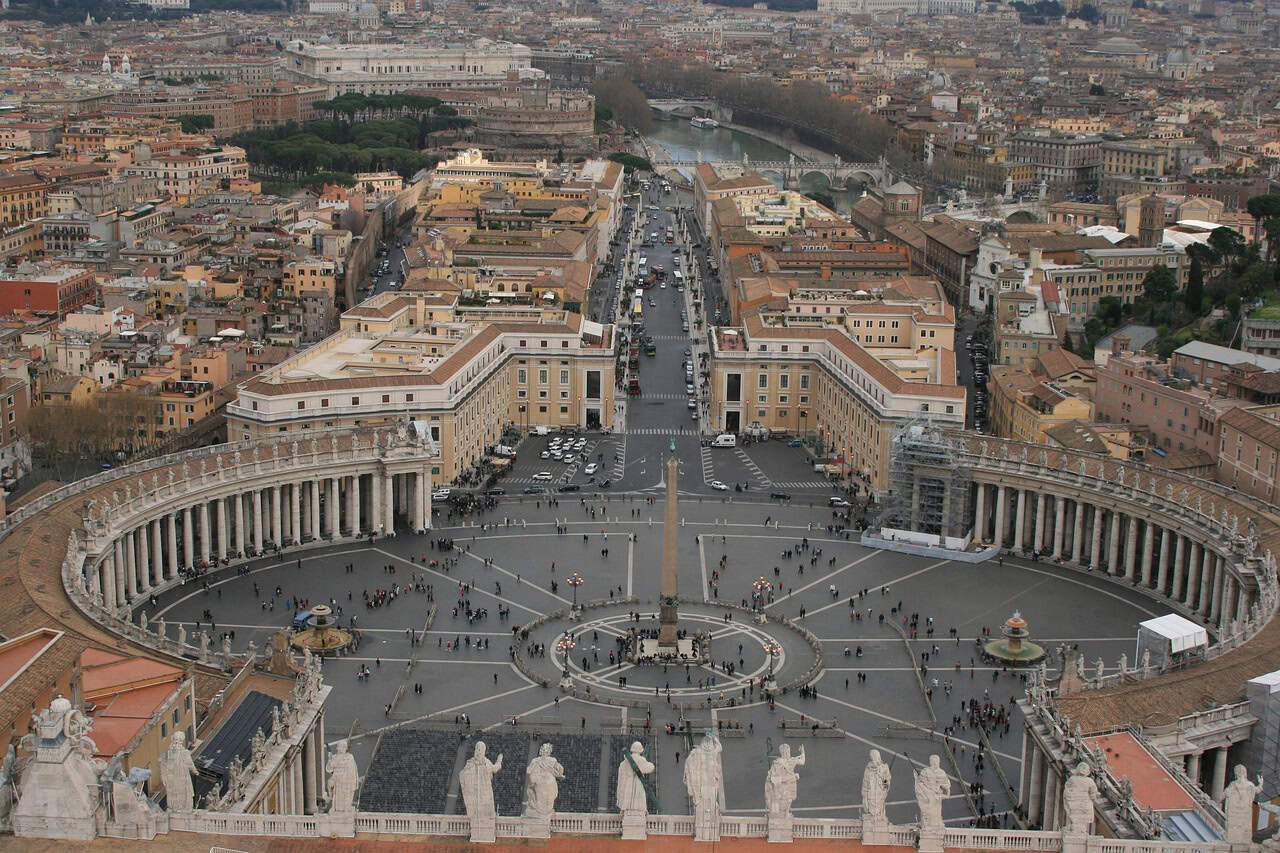
Despite its size of just 0.49 square kilometers, Vatican City maintains extraordinary oversight. Security cameras blanket nearly every corridor, square, and entrance, monitored by Swiss Guards and Italian police. Over 6 million visitors pass through annually, making crowd control intense and highly regulated. Dress codes are enforced strictly, with entry denied for minor violations. Tourists often feel watched not due to threat, but due to the combination of religious solemnity, layered security, and continuous visual monitoring in such a confined space.