We may earn money or products from the companies mentioned in this post. This means if you click on the link and purchase the item, I will receive a small commission at no extra cost to you ... you're just helping re-supply our family's travel fund.

Some nations are introduced through polished messaging, repeated slogans, and carefully managed images. That framing can shrink a place into a single idea, even when the land and culture refuse to cooperate. Beauty keeps leaking through: a canyon wall that changes color by the hour, a reef shelf lit like stained glass, or an ancient city built to outlast any talking point. In countries where the story is controlled, the most honest encounter is often the scenery itself, steady, textured, and impossible to fully stage.
North Korea
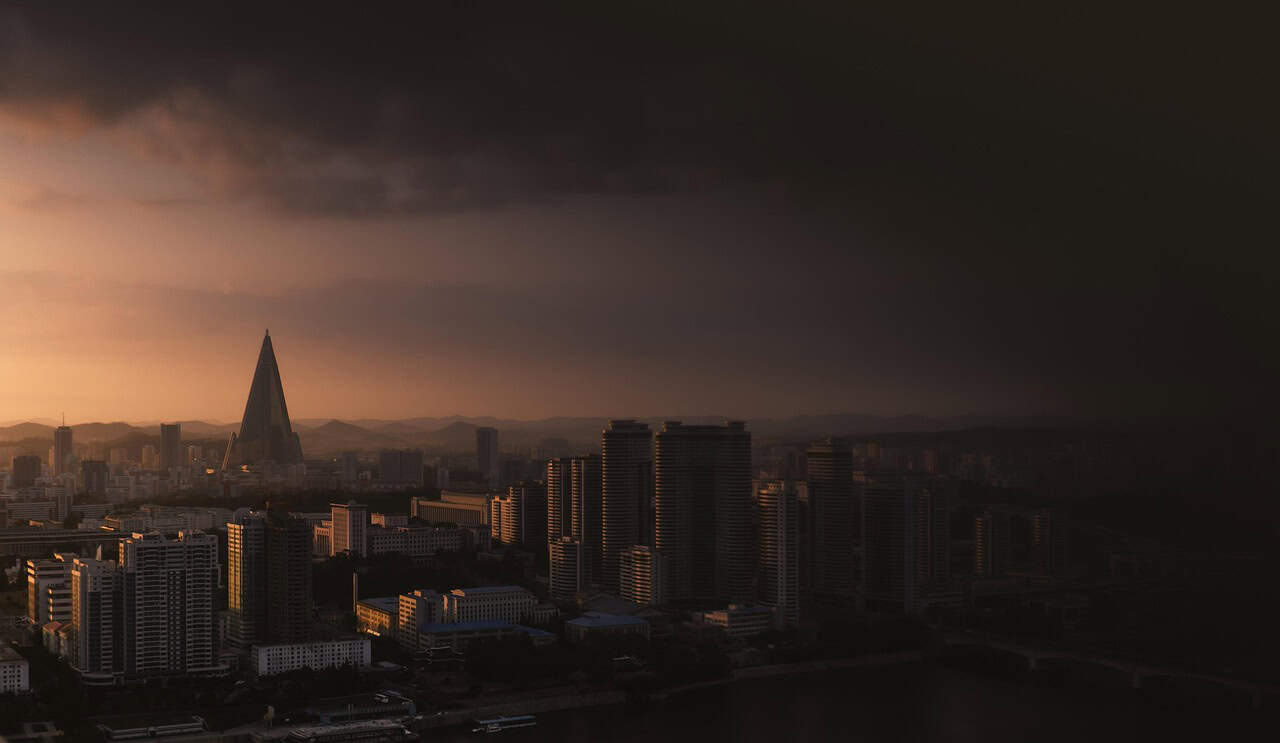
North Korea’s public image is tightly curated, yet Mount Kumgang’s granite ridges cut through any script, stacking pale peaks over waterfalls, pine valleys, and steep gullies. UNESCO highlights near-white rock, deep ravines, and shifting mists that can turn the same overlook from soft to dramatic in minutes, even in midsummer. Visits are typically structured and limited, so the scenery can feel like a glimpse through a narrow frame, but the cold stream sound, the resin scent in the air, and the traces of mountain Buddhism keep insisting on a wider world that is quiet, precise, and stubbornly real.
Turkmenistan
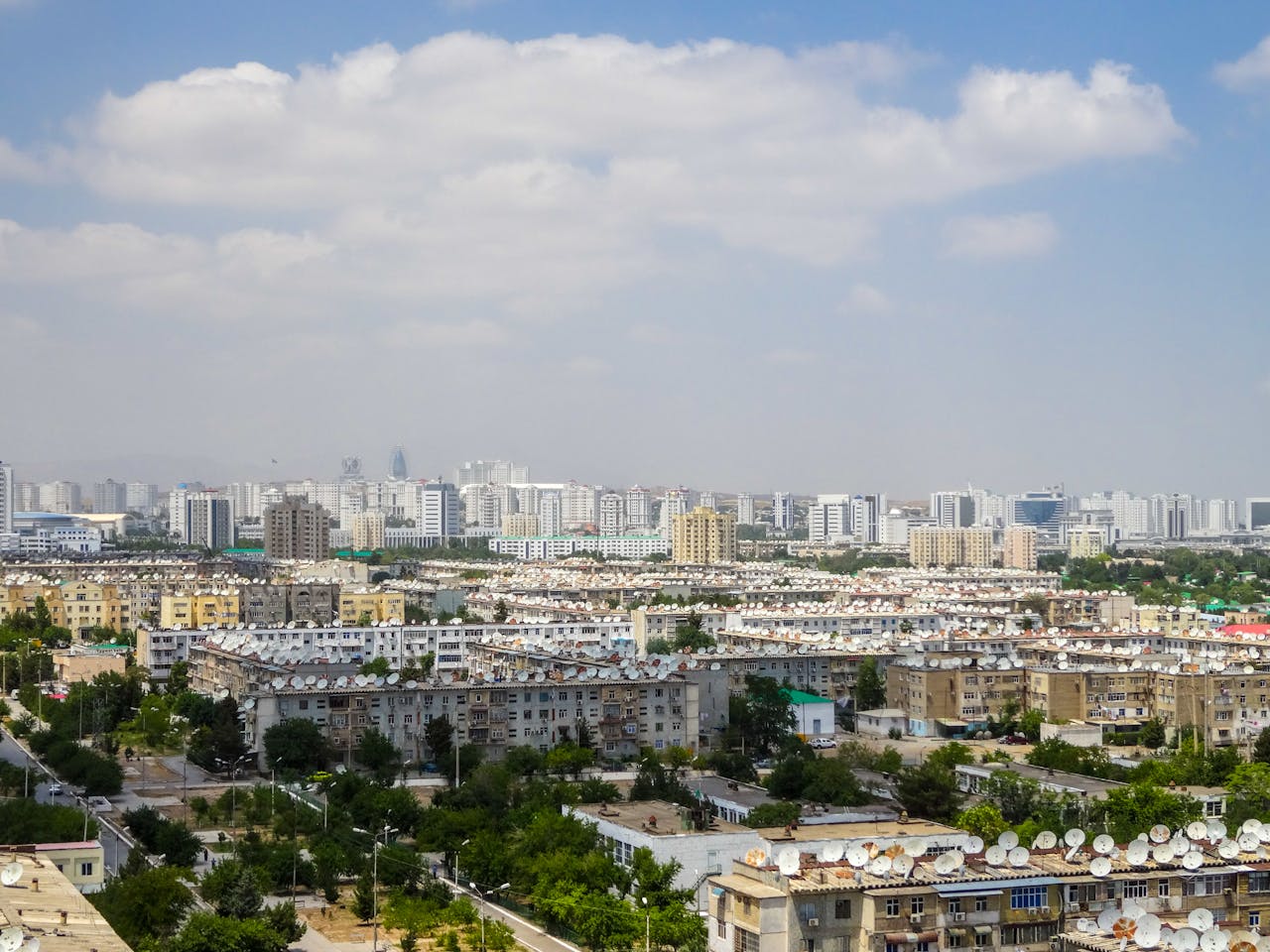
Turkmenistan is often framed through staged grandeur, but outside the capital the country opens into uncompromising terrain that refuses to be choreographed for visitors. Yangykala Canyon glows in layered reds and creams, and the Karakum Desert stretches flat and quiet until the sky feels larger than the ground, especially at sunset and under a full moon. Many routes include the Darvaza gas crater, a fiery circle in the sand at night, and even on tightly planned trips the true takeaway is the horizon, empty, wind-scoured, and impossible to edit, with sand, stone, and sky on their own terms.
Eritrea
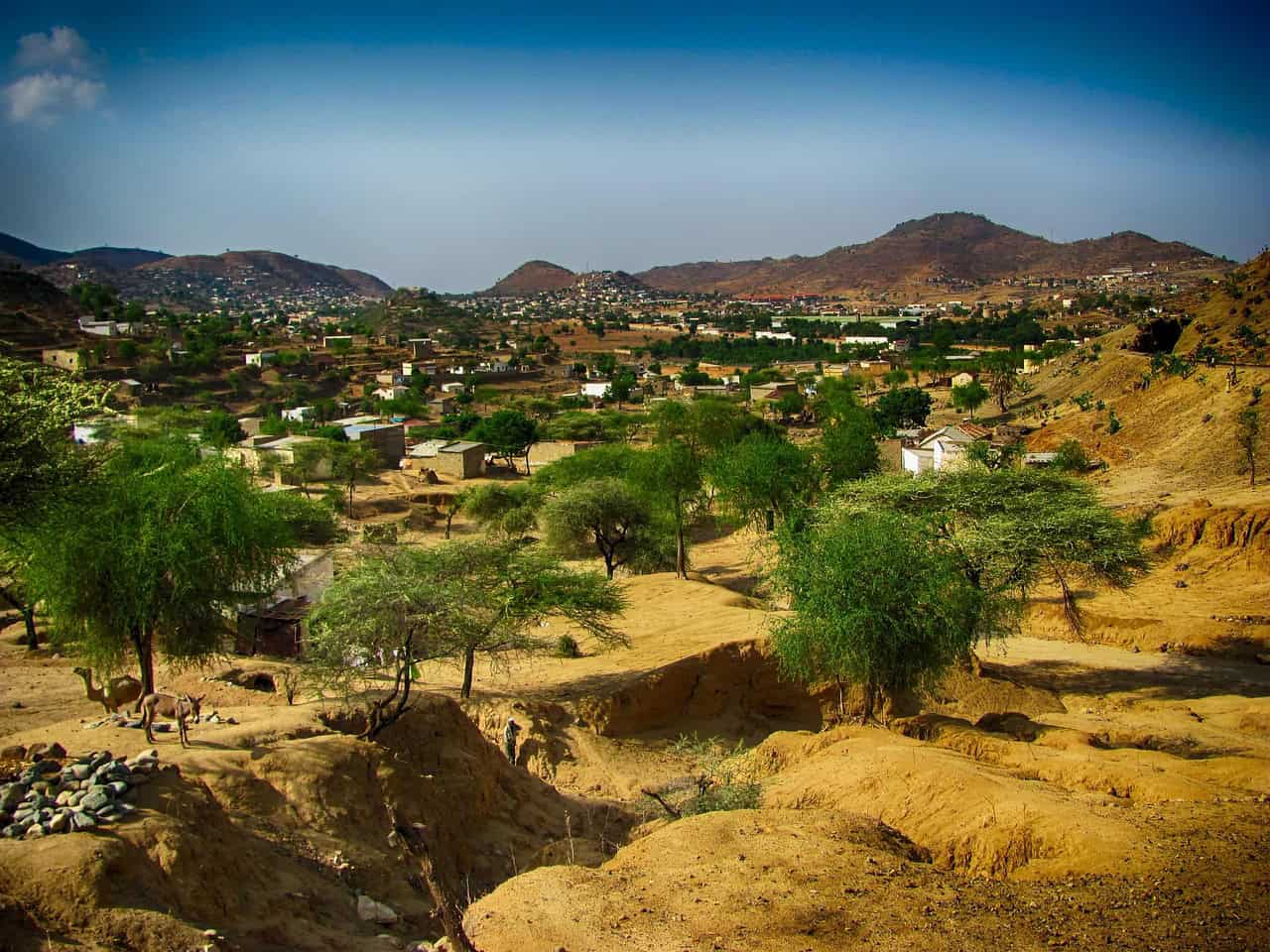
Eritrea is frequently understood through politics and limited reporting, which leaves its Red Sea coast underseen despite its striking calm and clarity. Massawa’s coral-stone buildings sit close to the water, and the Dahlak Archipelago offshore offers clear shallows, reef color, and beaches that feel more like pause buttons than resorts. Permits and logistics can shape movement, yet that friction keeps the shoreline from feeling overproduced, so morning light, salt wind, and quiet islands arrive with rare, unfiltered clarity, with long, empty horizons and a sea that stays glassy for hours.
Myanmar
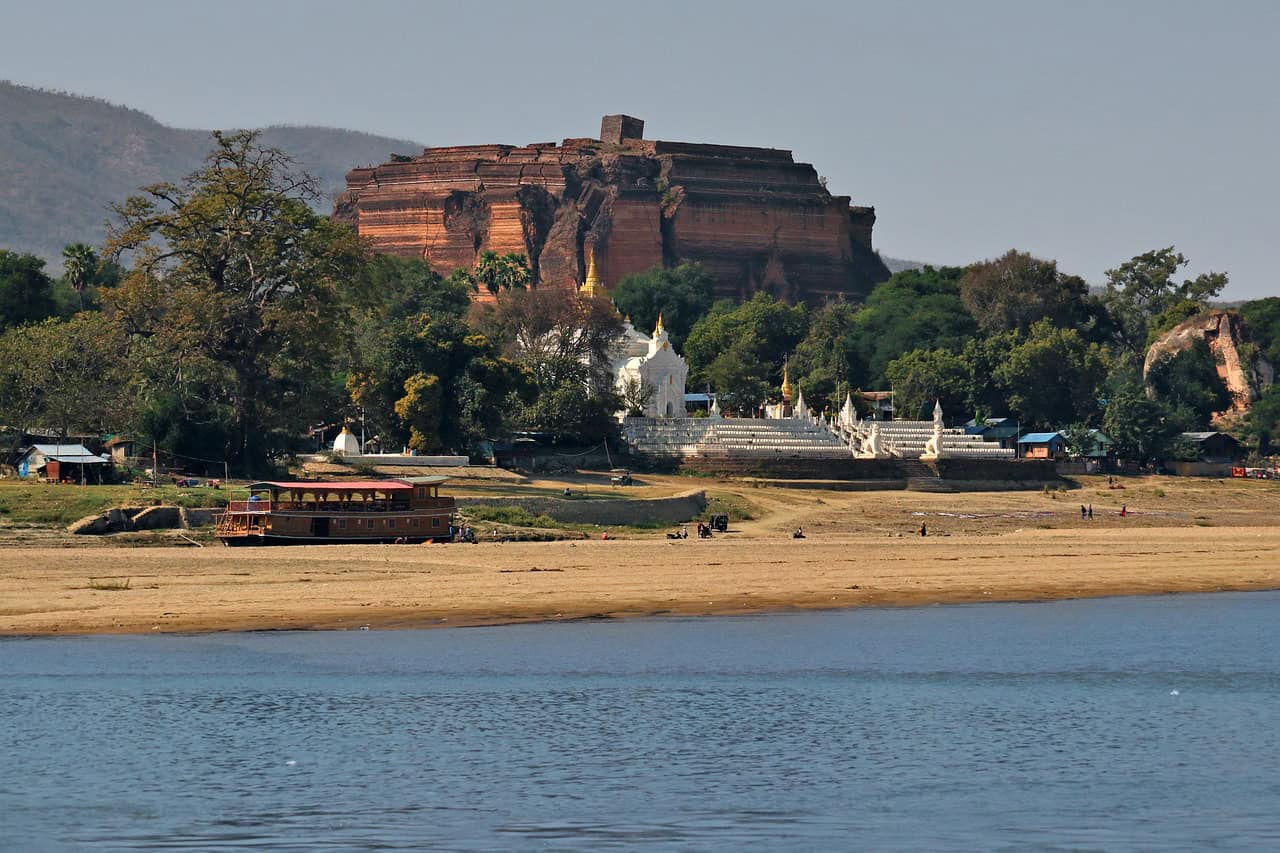
Myanmar’s recent history can dominate the conversation, but the country’s beauty still shows up where craftsmanship and landscape speak for themselves, without a narrator. Bagan’s temple plain stretches wide and dusty, with thousands of pagodas catching sunrise light that turns brick into gold and air into haze, then fades into soft afternoon heat. On Inle Lake, floating gardens and leg-rowing fishermen create a daily choreography that feels gentle rather than performative, and while travel can be complicated, the artistry in wood, lacquer, and ritual keeps shining through, a reminder that culture outlasts the news cycle.
Iran
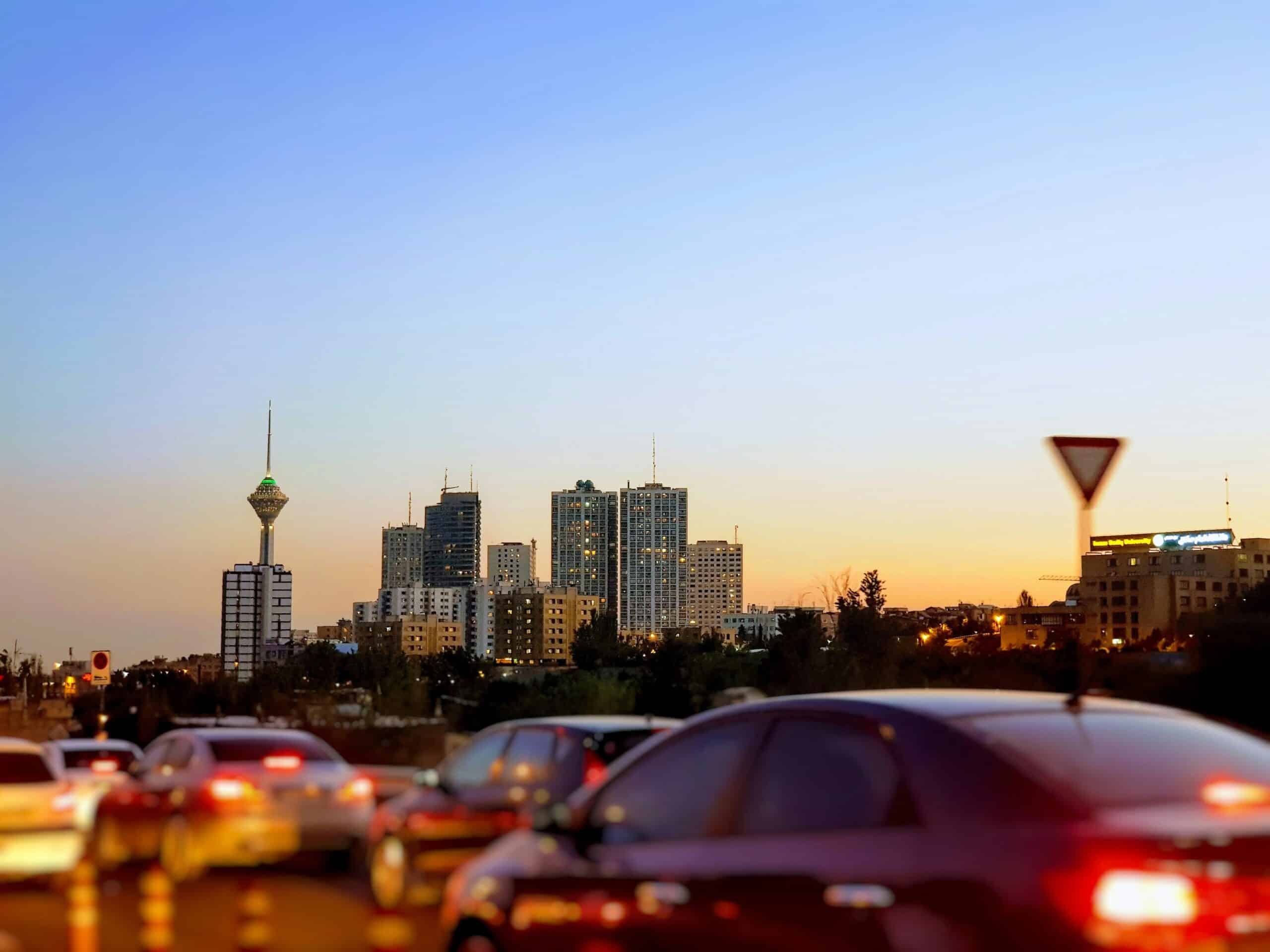
Iran is often reduced to distant slogans, yet its heritage is intensely visual, built to be walked, touched, and remembered in real time. UNESCO notes Persepolis began around 518 BCE under Darius the Great, its stairways and reliefs designed to impress visiting delegations with order, symmetry, and scale. Elsewhere, Yazd’s windcatchers and adobe lanes show beauty as climate intelligence, and cities like Isfahan and Shiraz add tilework, gardens, and poetry culture that expand the picture far beyond any single official frame, with details that reward slow looking and moments of quiet that soften the scale.
Cuba
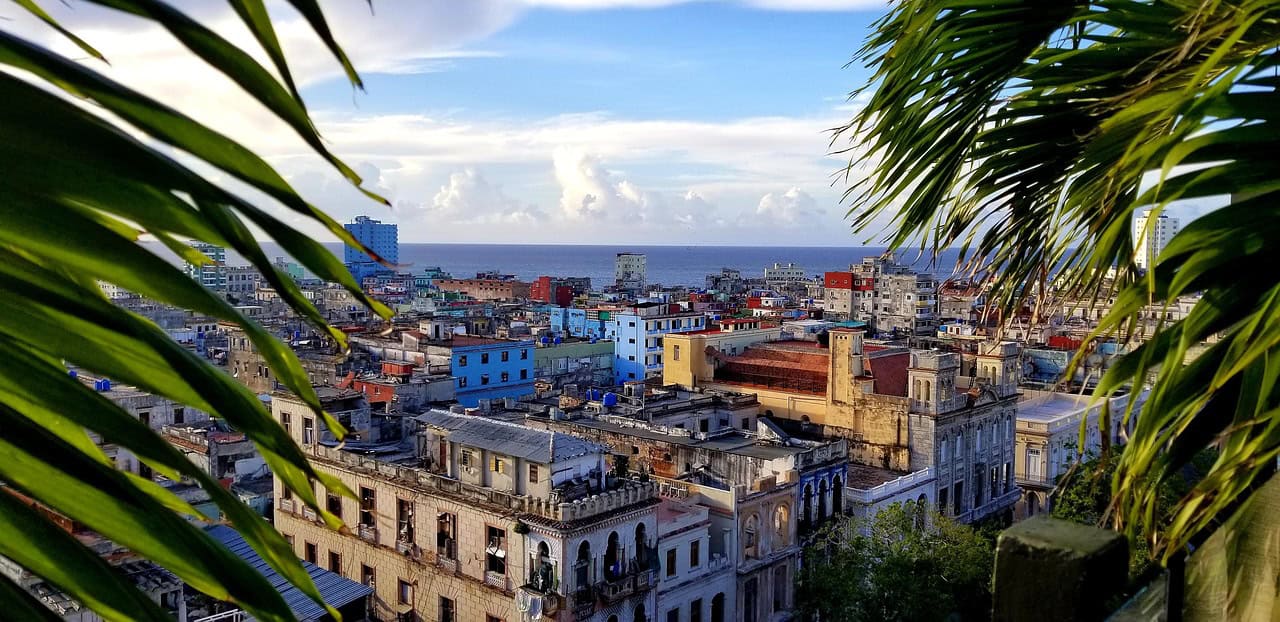
Cuba’s official messaging can be loud, but the island’s real charm lives in everyday scenes that never quite follow a script, even when the camera shows up. Havana’s Malecón gathers dusk breezes, sea spray, and conversations that drift past fading façades, while Viñales Valley lifts limestone mogotes over tobacco fields like slow-moving monuments. Even when headlines flatten the country into symbols, the color of the water, the music in open doorways, and the unhurried rural pace keep revealing a fuller place, warm, textured, and ordinary in the best way, right down to morning coffee lines.
Russia
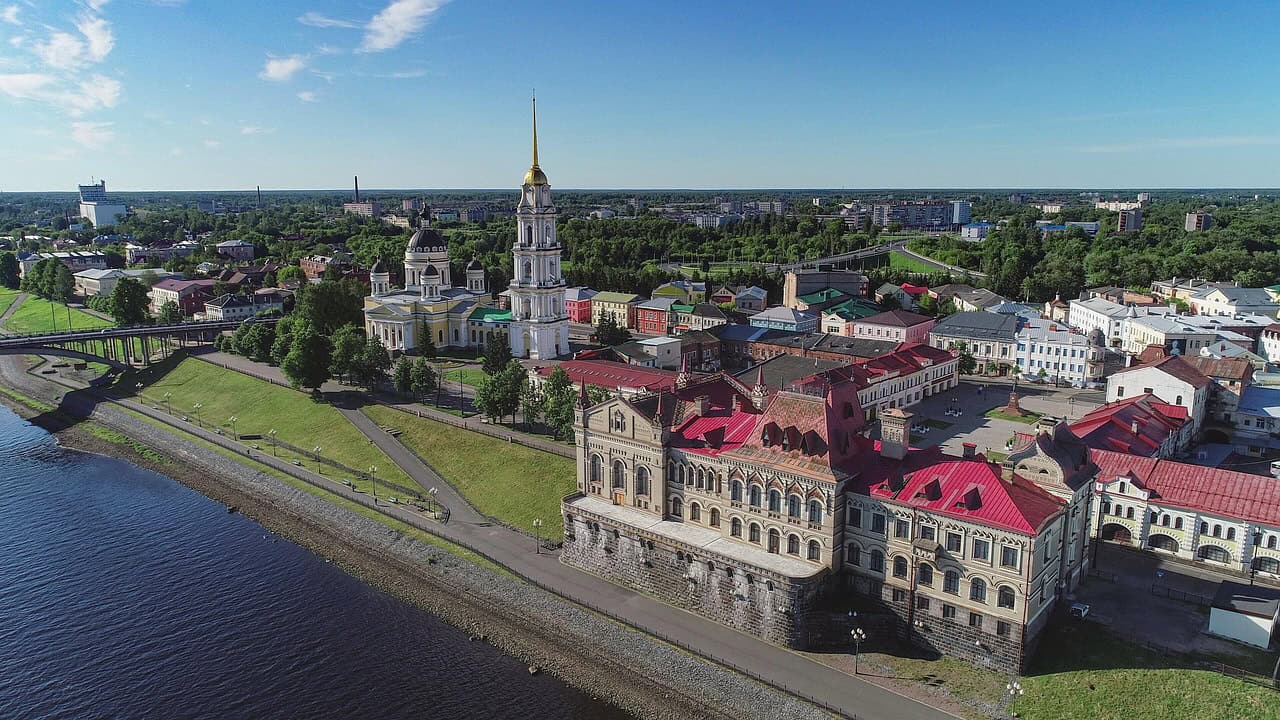
Russia’s scale makes narrative control difficult at the edges, where distance and weather set the terms and humans mostly adapt, often in long silences. Lake Baikal freezes into blue glass with cracks, bubbles, and ridges that look lit from within, and far east Kamchatka adds volcano silhouettes, steam vents, and black-sand coasts that feel freshly made. Travel in remote regions can be complex, but in the quiet stretches the land does the talking, and what remains is simple: wilderness is honest, it does not perform, and its beauty stays bluntly magnificent, especially when the sky clears.
China’s Tibet Region
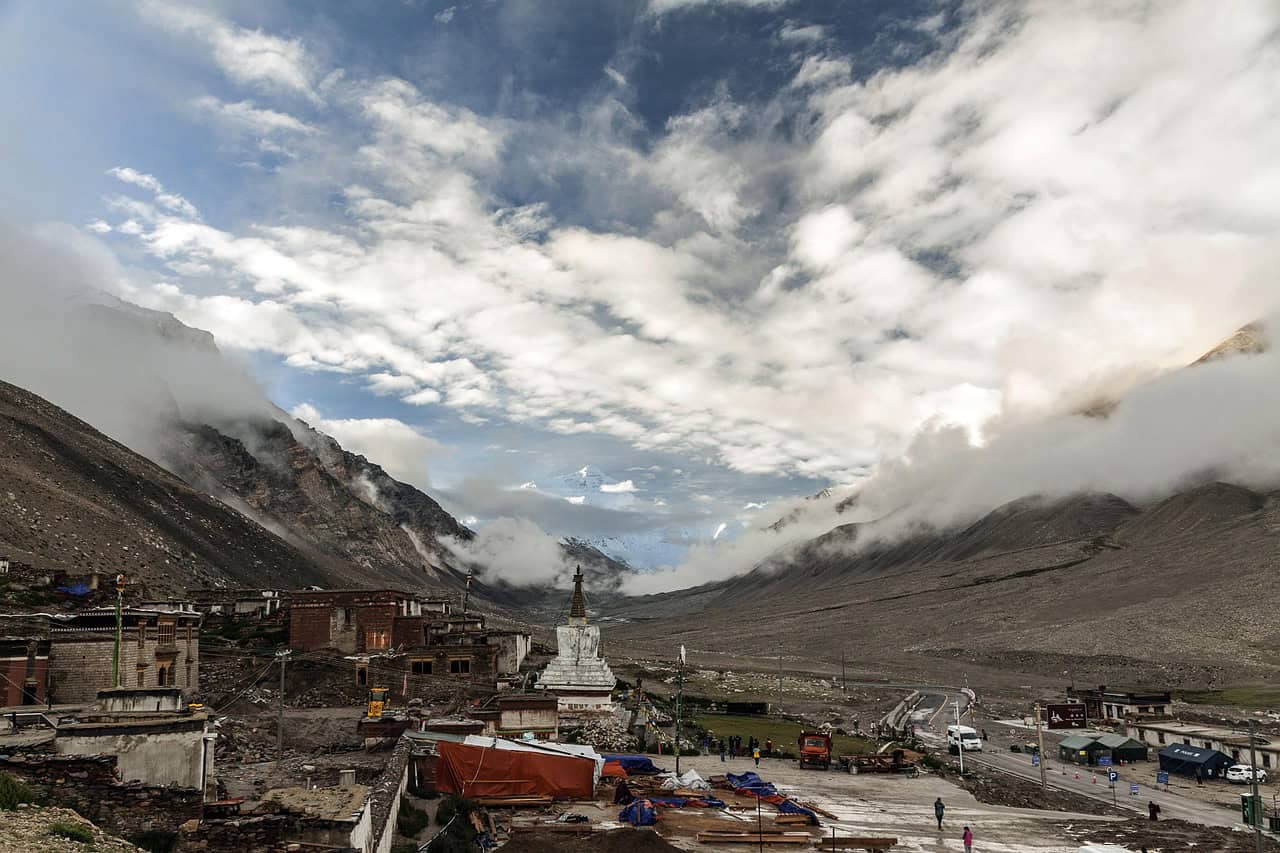
In China’s Tibet region, access is often managed through permits and set routes, yet the plateau still feels too vast to be contained by paperwork or schedules. High passes flash with thin air and prayer flags, lakes mirror peaks in hard morning light, and monasteries sit against skies so wide they reset the sense of scale, minute by minute. Even on structured journeys, the altitude, the silence, and the fast-shifting colors from crystal dawn to rose dusk deliver beauty that cannot be spun, only witnessed, and the aftertaste is pure height and light that follows travelers home for days.