We may earn money or products from the companies mentioned in this post. This means if you click on the link and purchase the item, I will receive a small commission at no extra cost to you ... you're just helping re-supply our family's travel fund.

Most travel mistakes are not dramatic. They are small, repeated signals that locals notice immediately: volume, timing, tone, and assumptions about what counts as normal. A habit that feels friendly in the United States can feel careless elsewhere, especially in places where public behavior is tightly connected to respect. The fix is not complicated. Watch first, match the local pace, and treat etiquette as part of the destination rather than a checklist. These eight countries show how fast perception can change, and how quickly better awareness improves every interaction.
Japan

In Japan, public calm is not optional background. It is a social agreement. Loud phone calls on trains, animated group chatter in quiet spaces, and casual blocking of walkways can feel inconsiderate even when no offense is intended. Another common friction point is etiquette around homes, traditional inns, and some restaurants where shoes come off. The strongest approach is simple and effective: lower volume, follow visual cues, queue with patience, and mirror the behavior of locals nearby. Respect is communicated through restraint, and restraint is noticed immediately.
France

In France, skipping greetings can sour an interaction before it begins. Entering a shop without a quick bonjour may be read as abrupt, not efficient, and service can feel distant afterward. Another frequent mismatch is meal tempo. Dining is often paced for conversation, so pushing for quick turnover can seem impatient or dismissive. Small changes go a long way: greet first, ask politely, keep tone measured, and accept that good service does not always look fast. Once that rhythm is understood, French hospitality usually feels warm, attentive, and genuinely personal.
United Arab Emirates
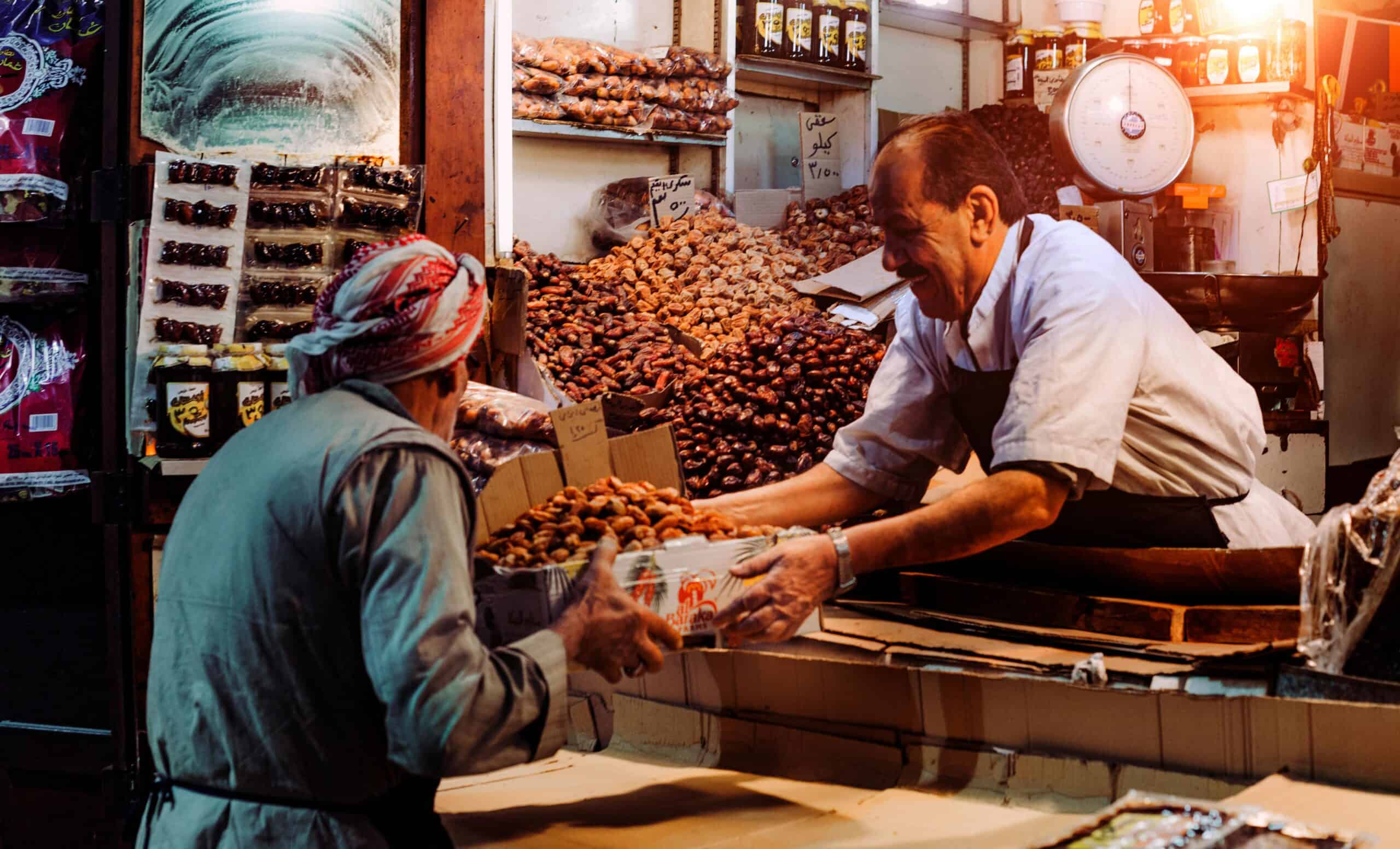
In the UAE, context matters more than travelers often expect. The same casual behavior that feels normal at a resort can feel inappropriate in family areas, malls, religious spaces, or government settings. Loud arguments, public intoxication, or clothing choices that ignore local norms may draw negative attention quickly. The best strategy is situational awareness: dress modestly when unsure, keep public behavior composed, and avoid confrontational tone. Visitors who show cultural respect usually find the UAE easy to navigate, with professionalism, courtesy, and clear expectations in most settings.
Singapore
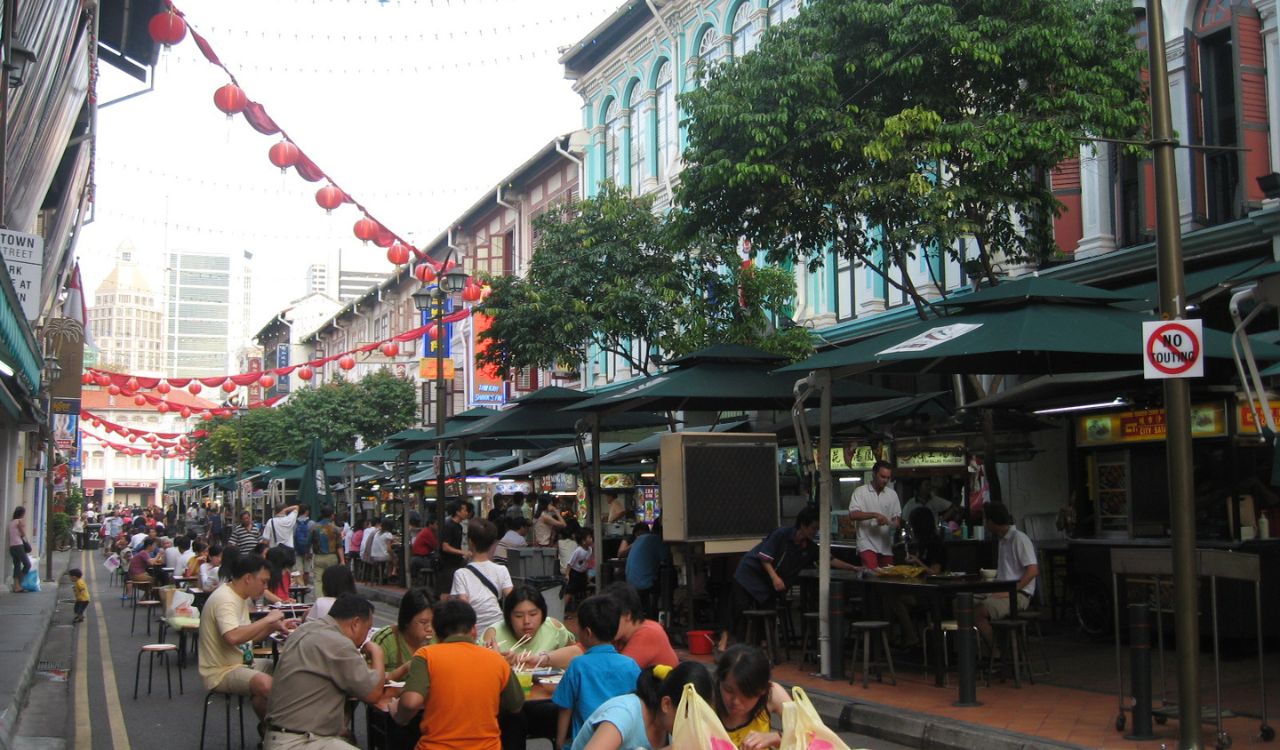
Singapore is relaxed in many ways, yet public order is taken seriously. Habits like ignoring queue lines, eating where signs prohibit it, or being careless with trash can be seen as disrespectful to the shared system that keeps the city clean and efficient. What can feel strict to visitors is often viewed locally as mutual responsibility. A traveler does well by reading signs, following rules exactly, and treating public spaces as collective property. Once that mindset clicks, the city feels smooth, welcoming, and remarkably easy to move through.
Italy
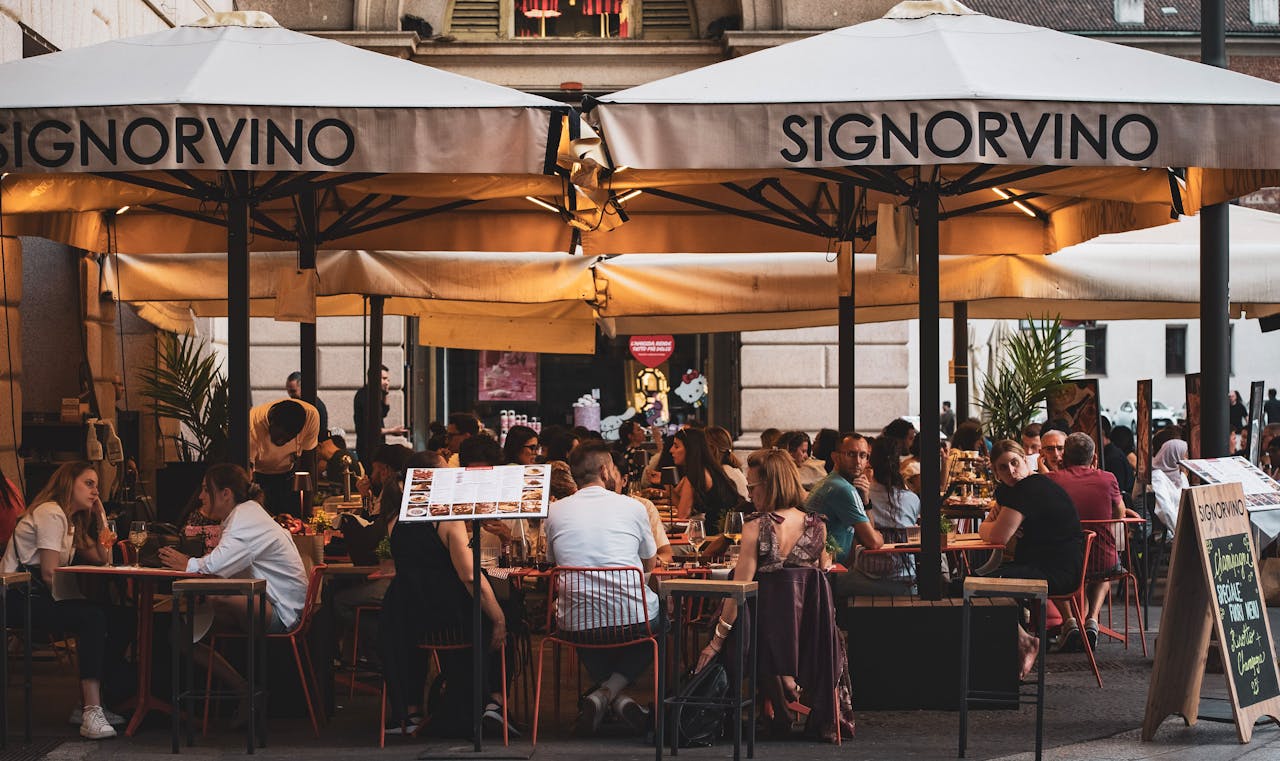
Italy is expressive, but that does not mean social rules are loose. A common American misstep is treating meals as quick transactions, then pressing for speed in places where dining is meant to unfold slowly. Dress can also matter more than expected, especially at churches and sacred sites where revealing clothing may be viewed as disrespectful. The strongest move is to lean into local rhythm: greet warmly, slow down at the table, and match the formality of the setting. That shift usually brings better service and better conversations right away.
Thailand
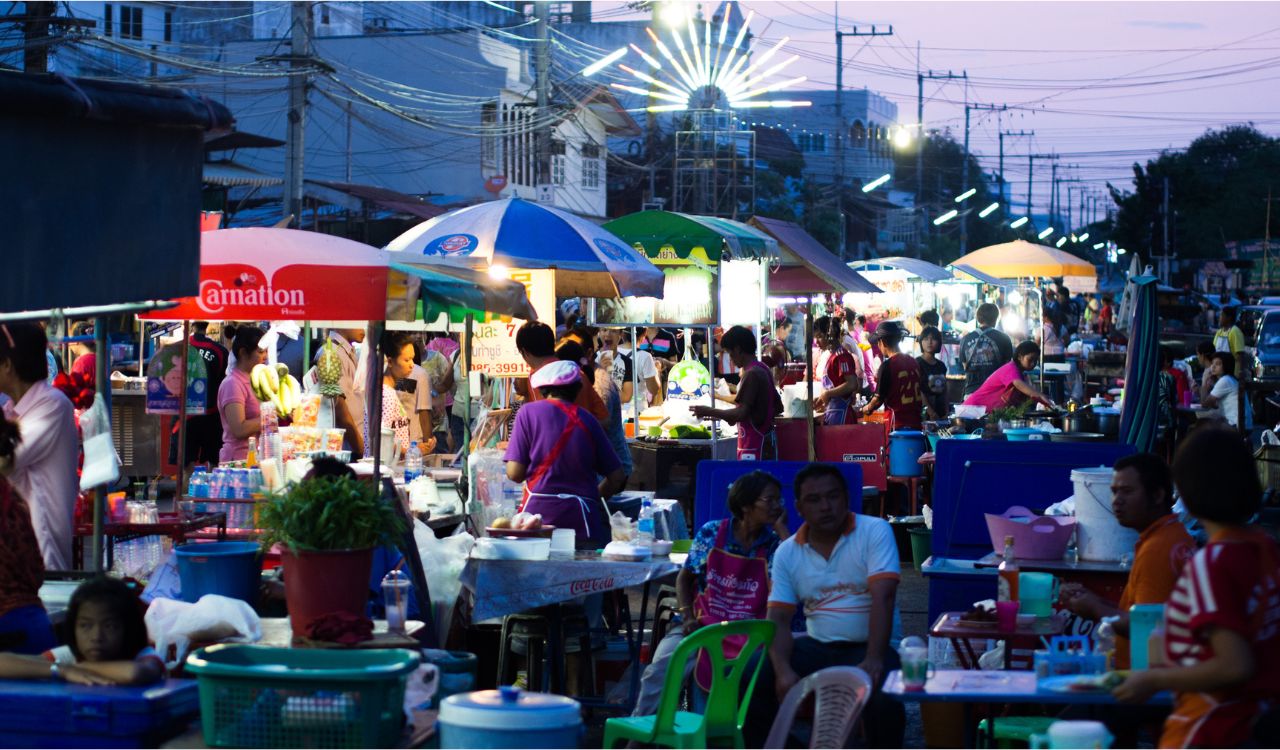
Thailand is welcoming, but social grace is tied to composure. Raised voices, public anger, or sarcastic confrontation can be perceived as disrespectful and emotionally immature, even when the issue itself is reasonable. Sacred spaces also require care: temple behavior, clothing choices, and body language all matter. The easiest way to avoid friction is to stay calm, speak gently, and observe before acting. Politeness in Thailand is not performative. It is relational. Travelers who show humility and steady tone are often met with generosity, patience, and real warmth.
Germany

Germany often feels direct and efficient, yet daily life runs on clear civic expectations. Crossing against signals in front of children, making loud late-night noise in residential areas, or ignoring recycling rules can offend locals who view these as basic public respect. American spontaneity is usually welcomed in conversation, but not when it overrides shared norms. A better approach is straightforward: follow posted rules, keep public volume moderate, and treat systems as meaningful rather than optional. That mindset earns trust quickly and makes interactions smoother across the board.
Mexico
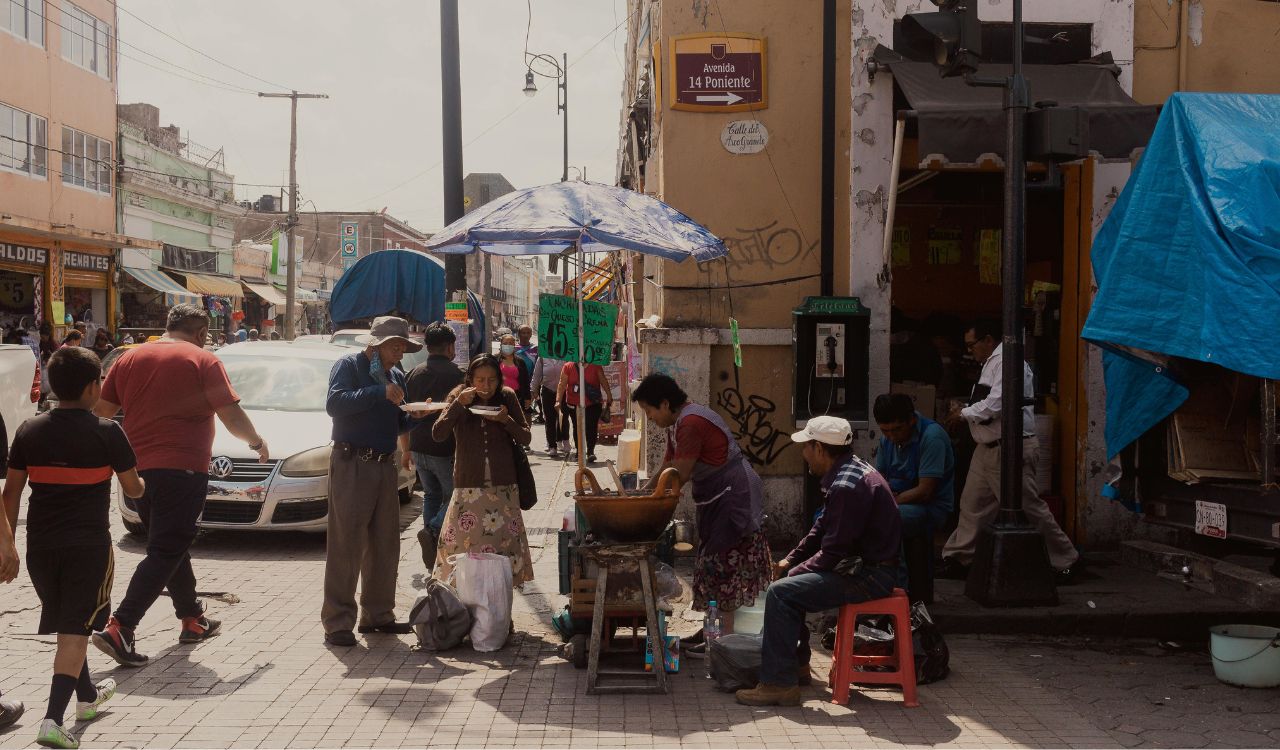
Mexico is deeply hospitable, yet visitors can offend by treating it as culturally uniform or expecting U.S.-style service behavior in every setting. Dismissing local pace, speaking only in demands, or comparing everything unfavorably to home can feel patronizing fast. In many regions, greetings and relational warmth come before transactions, and tone matters as much as words. Better outcomes usually come from basic effort: greet first, use simple Spanish when possible, ask before photographing people, and approach each place as distinct. Respect opens doors that money alone cannot.