We may earn money or products from the companies mentioned in this post. This means if you click on the link and purchase the item, I will receive a small commission at no extra cost to you ... you're just helping re-supply our family's travel fund.
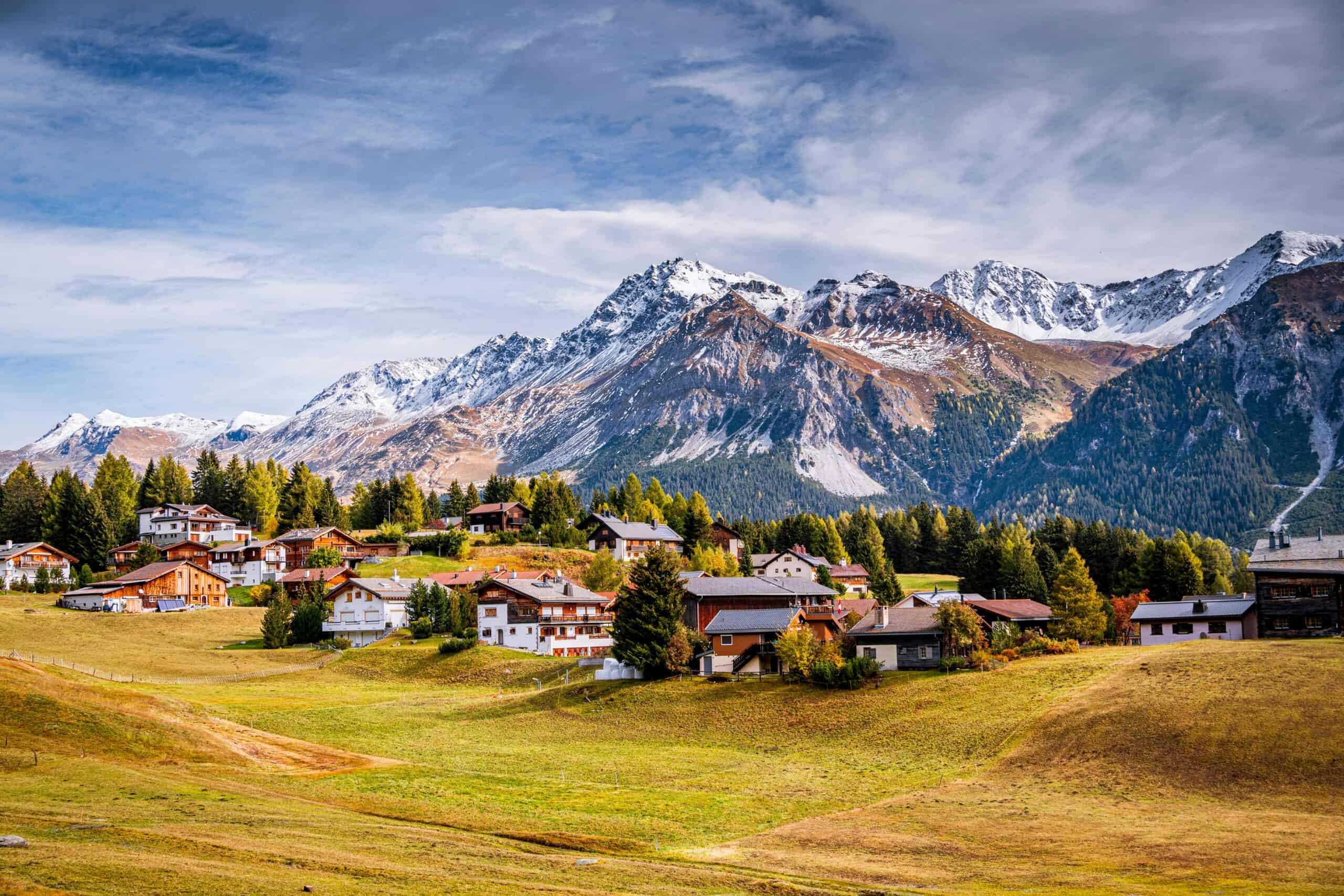
World-war scenarios get discussed like movie plots, but the real fear is ordinary life unraveling: supply chains, borders, and communication turning unreliable overnight. Safety, in that context, is less about bunkers and more about geography, diplomacy, and whether a place is likely to be a strategic target. Countries that sit far from major flashpoints, avoid hosting high-value military assets, and have a track record of neutrality or low-profile foreign policy tend to look calmer on paper. The places to avoid are the opposite: nuclear-armed hubs, alliance front lines, and chokepoints packed with bases.
New Zealand
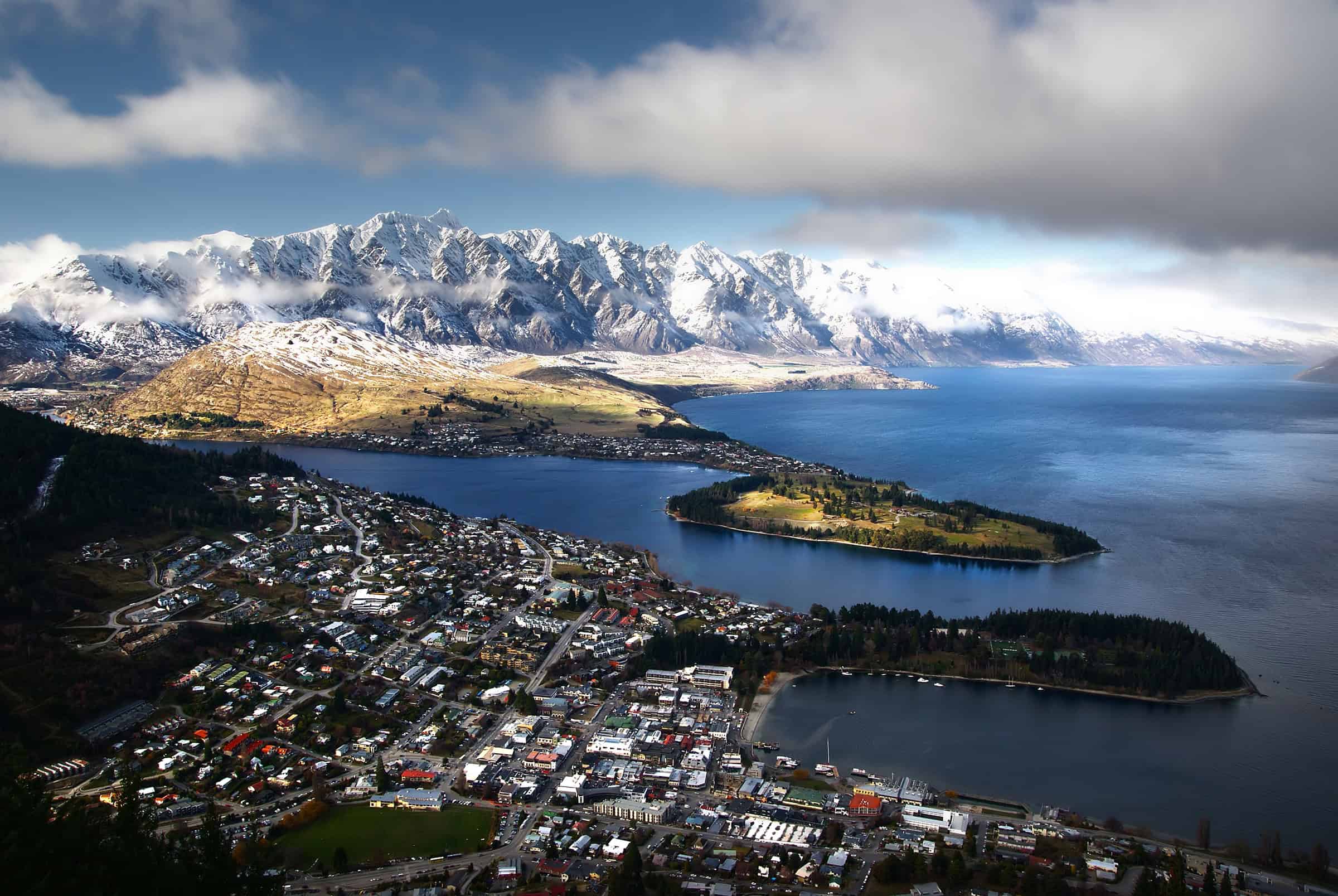
New Zealand’s remoteness is its advantage, sitting deep in the South Pacific and far from the land corridors where major powers tend to clash. It also writes nuclear restraint into domestic law through its nuclear-free framework, reinforcing a political identity that discourages nuclear posturing and basing drama. In a global breakdown the pressure would be supply lines, fuel, and spare parts, yet distance from likely theaters, strong farming capacity, reliable rainfall, and a grid anchored by renewables can make day-to-day stability more plausible than in crowded, strategic regions and fewer chokepoints that outside militaries would contest.
Switzerland
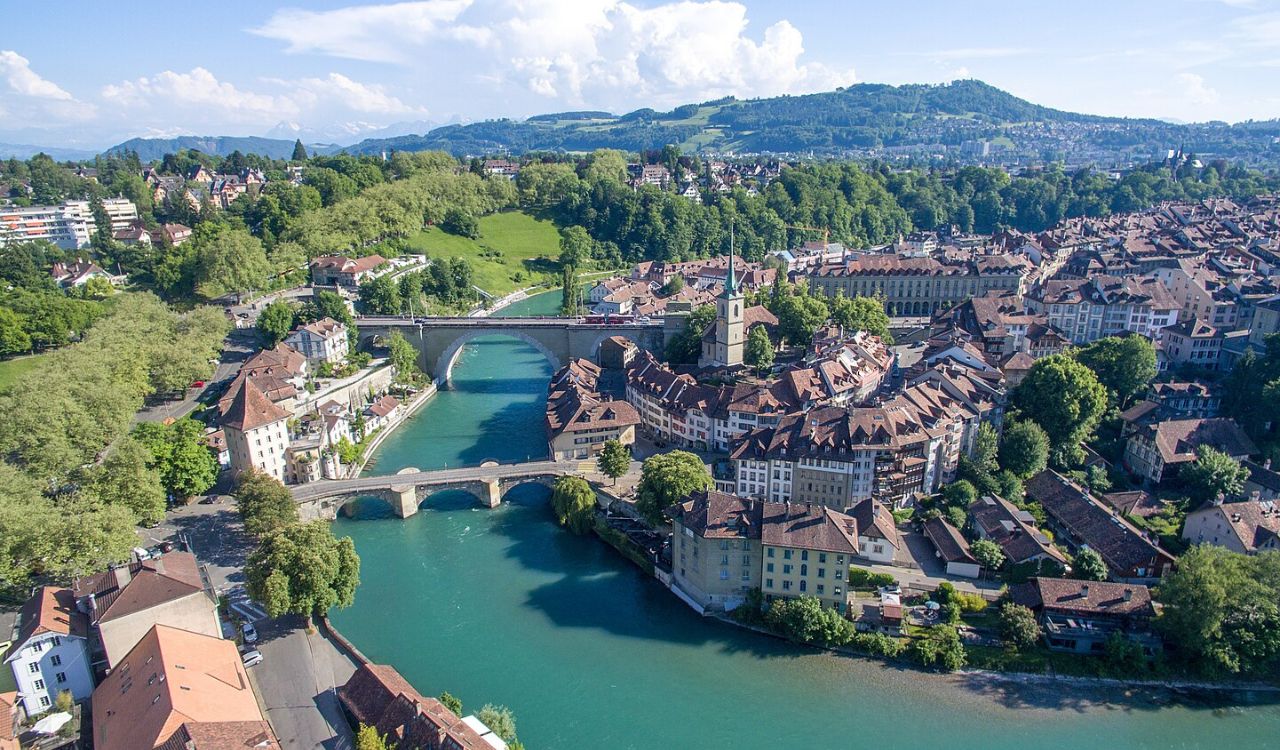
Switzerland pairs a long neutrality tradition with a crisis-minded state, and that combination has helped it avoid being pulled into others’ wars for generations. Neutrality is formally recognized internationally and still shapes how the country presents itself when Europe’s security order shifts, from diplomacy and sanctions debates to defense doctrine. It would not be immune to economic shock in the middle of the continent, but the lack of alliance obligations, deep civil infrastructure, and a culture built around continuity under stress can reduce first-wave target risk compared with states hosting major foreign bases even in tense Europe.
Ireland
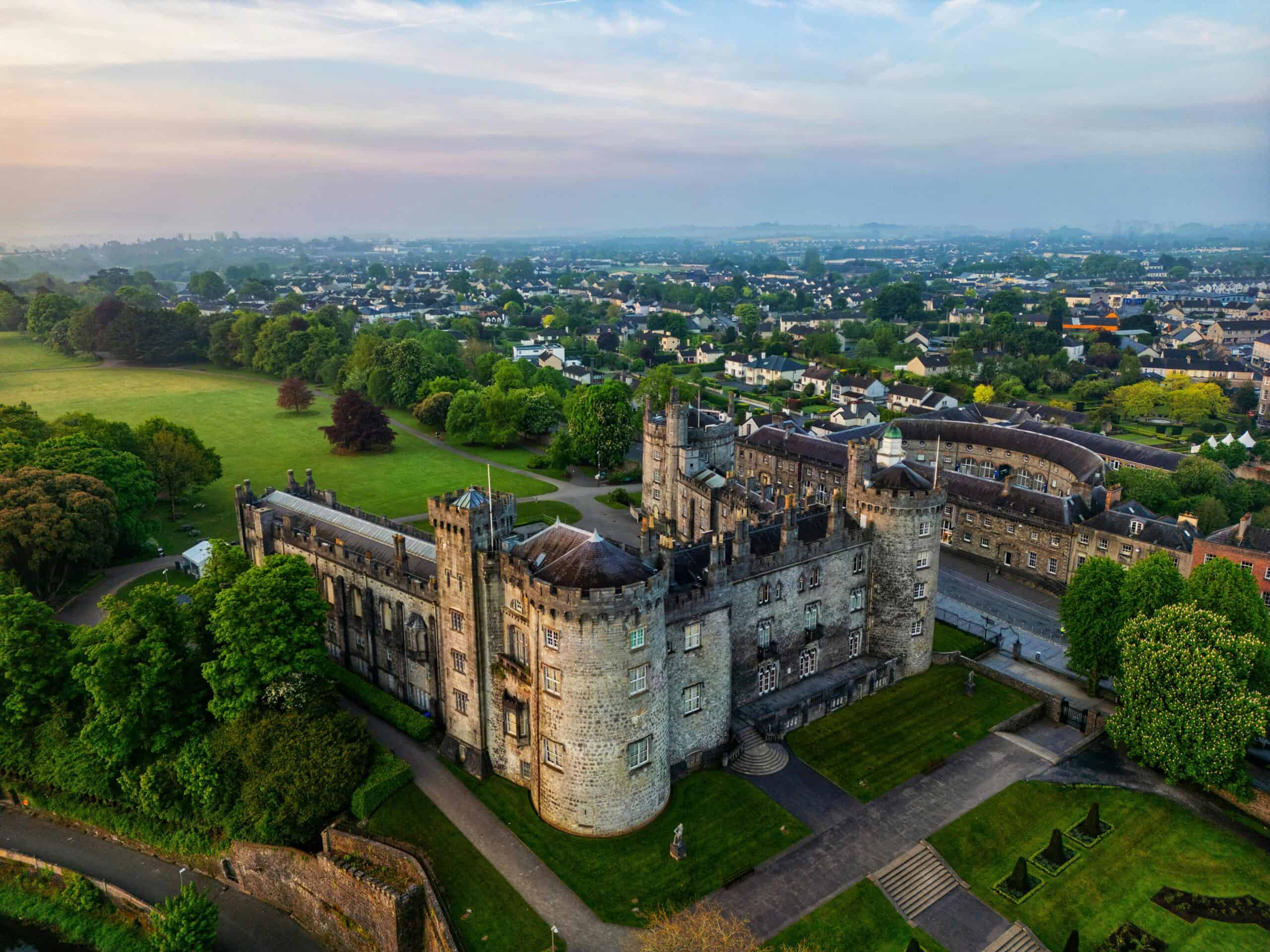
Ireland’s Atlantic position creates a natural buffer, and its long-standing policy of military neutrality has kept it outside formal alliance war plans and nuclear sharing. Even as it deepens cooperation with neighbors on maritime security and infrastructure protection, the posture is still framed around not joining a military bloc, which can lower symbolic value as a target. Undersea cables, ports, and airspace are modern vulnerabilities, yet the absence of large forward-deployed forces, geographic distance from land fronts, and a careful diplomatic profile can make Ireland feel less exposed than countries on the immediate fault lines early.
Costa Rica
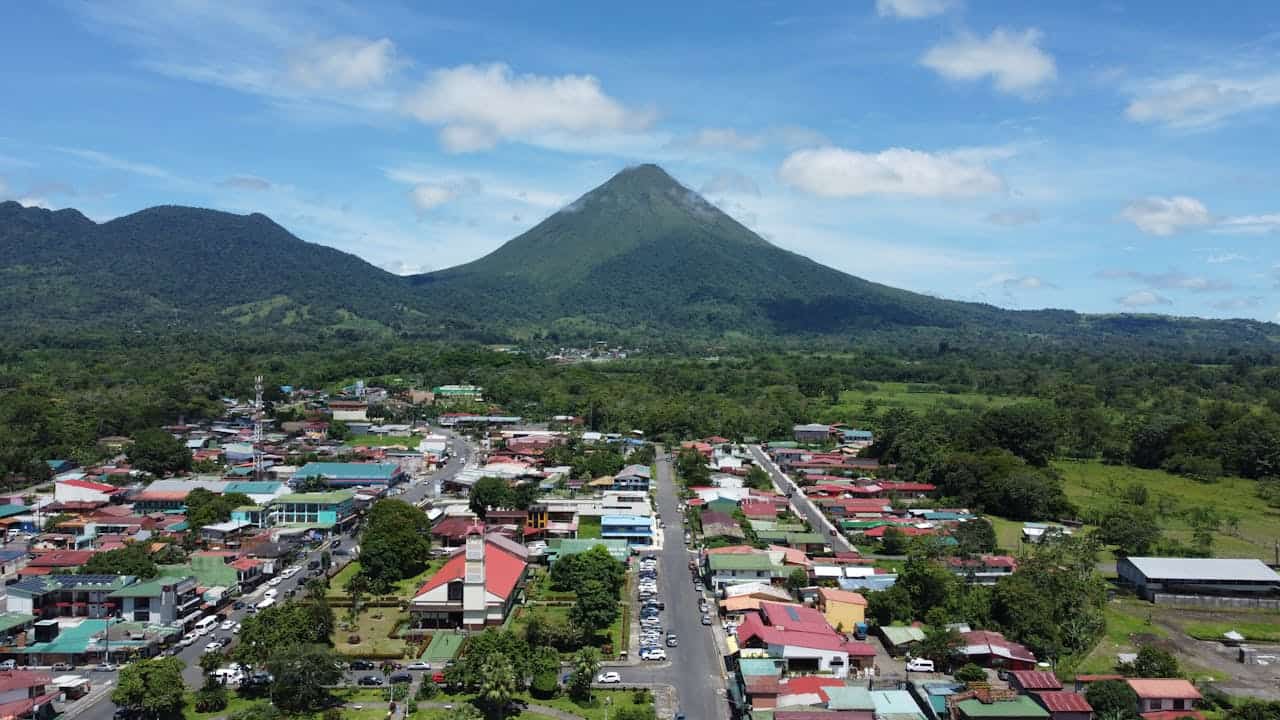
Costa Rica outlawed a permanent army in its constitution after 1949, leaning on diplomacy, policing, and international law rather than projecting force beyond its borders. That choice does not guarantee safety, but it can lower the incentives for anyone to treat the country as a military node worth striking, occupying, or coercing for basing rights. In a WW3-style shock, the bigger threats would be fuel prices, trade slowdowns, and instability in nearby corridors, while political stability, a strong rule-of-law reputation, and a low strategic profile help it stay off the first page of military planners if nearby corridors avoid wider war too.
Uruguay
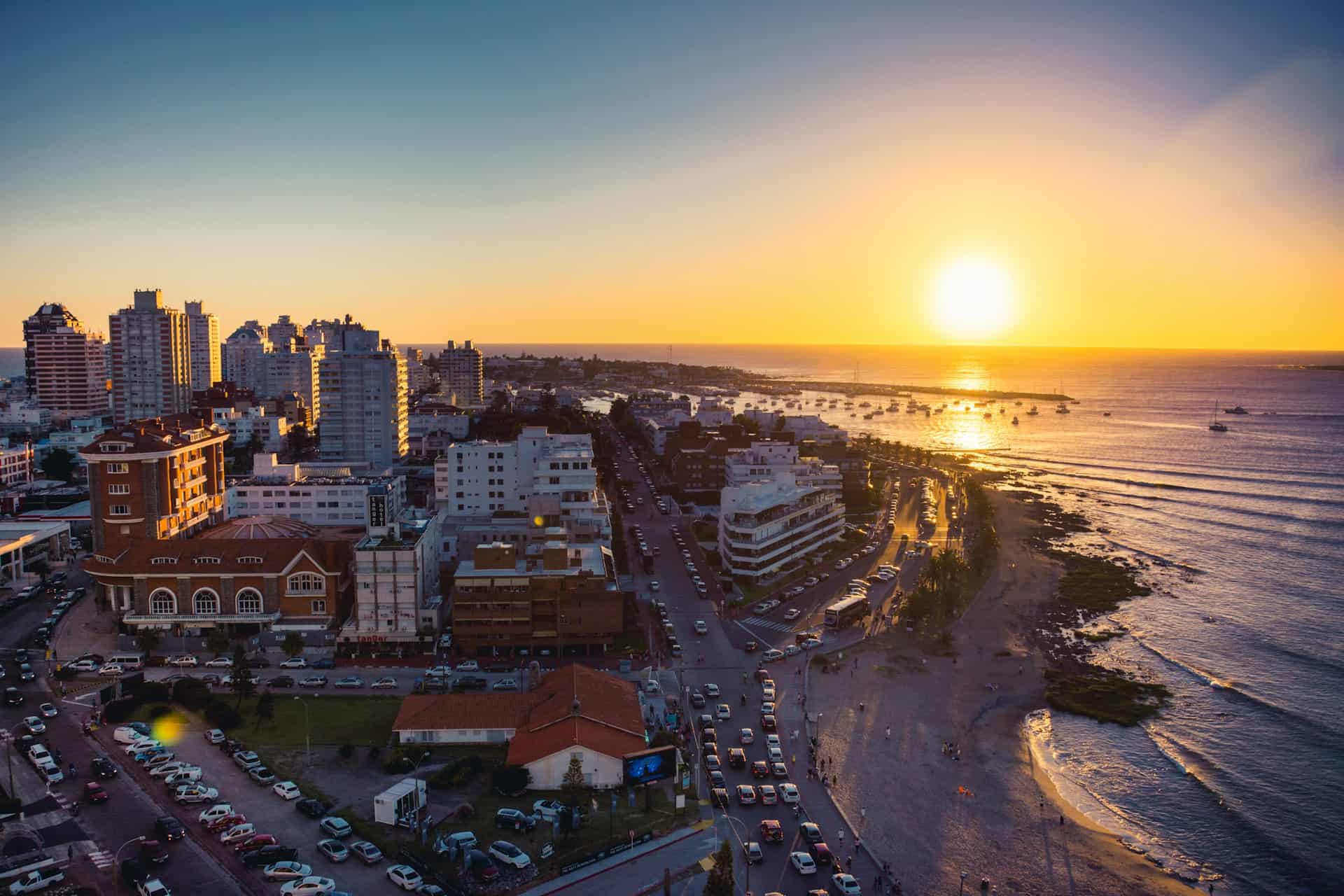
Uruguay sits on the South Atlantic edge of South America, distant from the world’s most militarized borders and from the main arcs of nuclear rivalry and missile defense. It also stands out for stable democratic governance, often scoring highly in the Economist Intelligence Unit’s Democracy Index, which helps keep emergencies from turning into spirals. Trade disruption would still sting, but low strategic salience, predictable institutions, manageable borders, and geographic distance from major theaters tend to place Uruguay on the safer side of the ledger when global nerves snap especially if wars cluster around NATO, Russia, and Asia first.
Chile
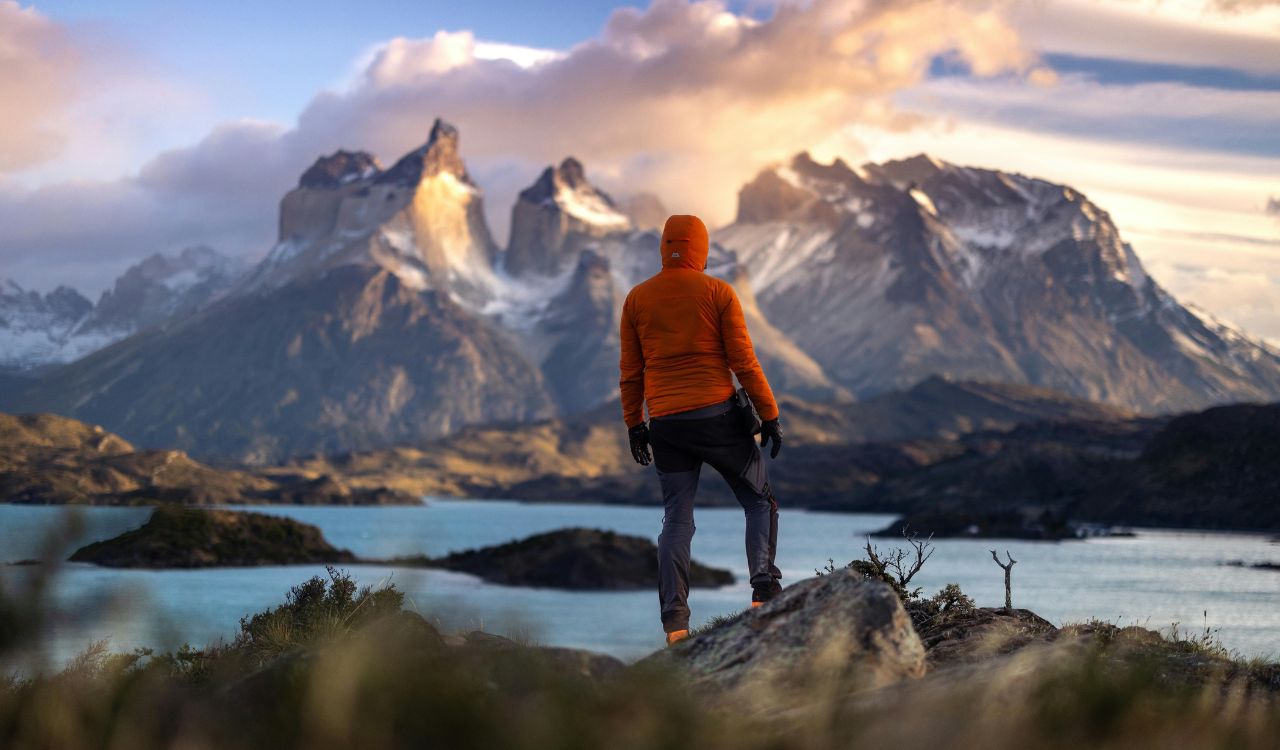
Chile’s landscape is a natural moat: the Andes to the east, the Atacama to the north, and a long Pacific coastline that keeps it apart from many cross-border land routes. The country spans climates that can support agriculture, fisheries, and renewables, a quiet advantage when imports tighten, fertilizers spike, and shipping schedules unravel. Earthquakes and concentrated infrastructure around Santiago and key ports are real risks, but Chile’s geographic barriers, relative insulation from continental war corridors, and position at the edge of the hemisphere can reduce direct conflict exposure particularly if conflict stays north offshore too.
Bhutan
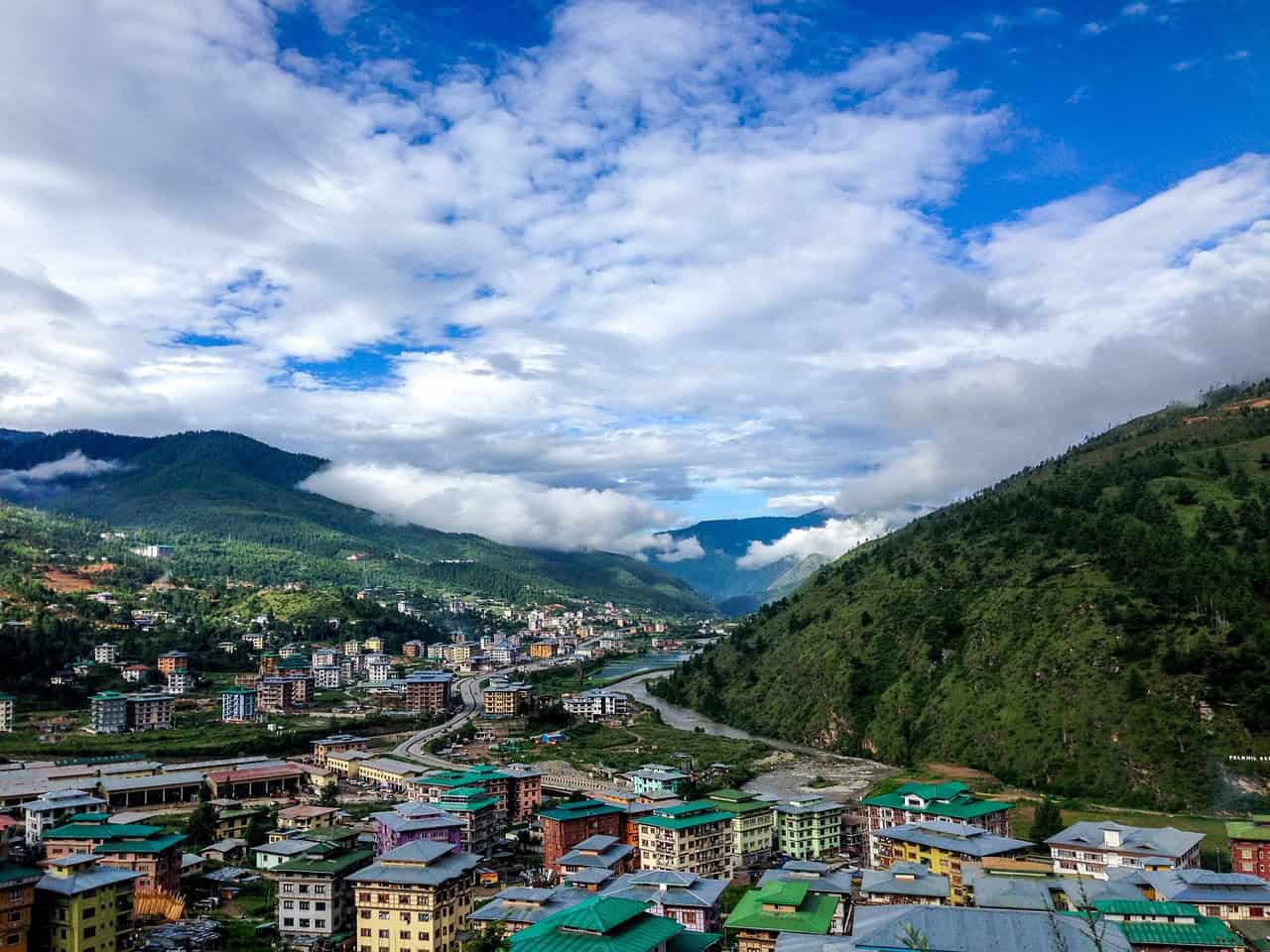
Bhutan’s small-population profile and Himalayan terrain make it easy to overlook, and being overlooked is a kind of protection when larger states are trading blows. It has historically kept a cautious, low-profile foreign policy, carefully managing external relationships and limiting the kinds of strategic facilities that attract attention. The concern is proximity to two major powers, yet physical isolation, limited high-value targets, and a tradition of restraint can still make Bhutan feel comparatively sheltered if wider conflict remains centered on oceans, alliances, and major industrial hubs provided the Himalayas are not a frontline so.
Fiji
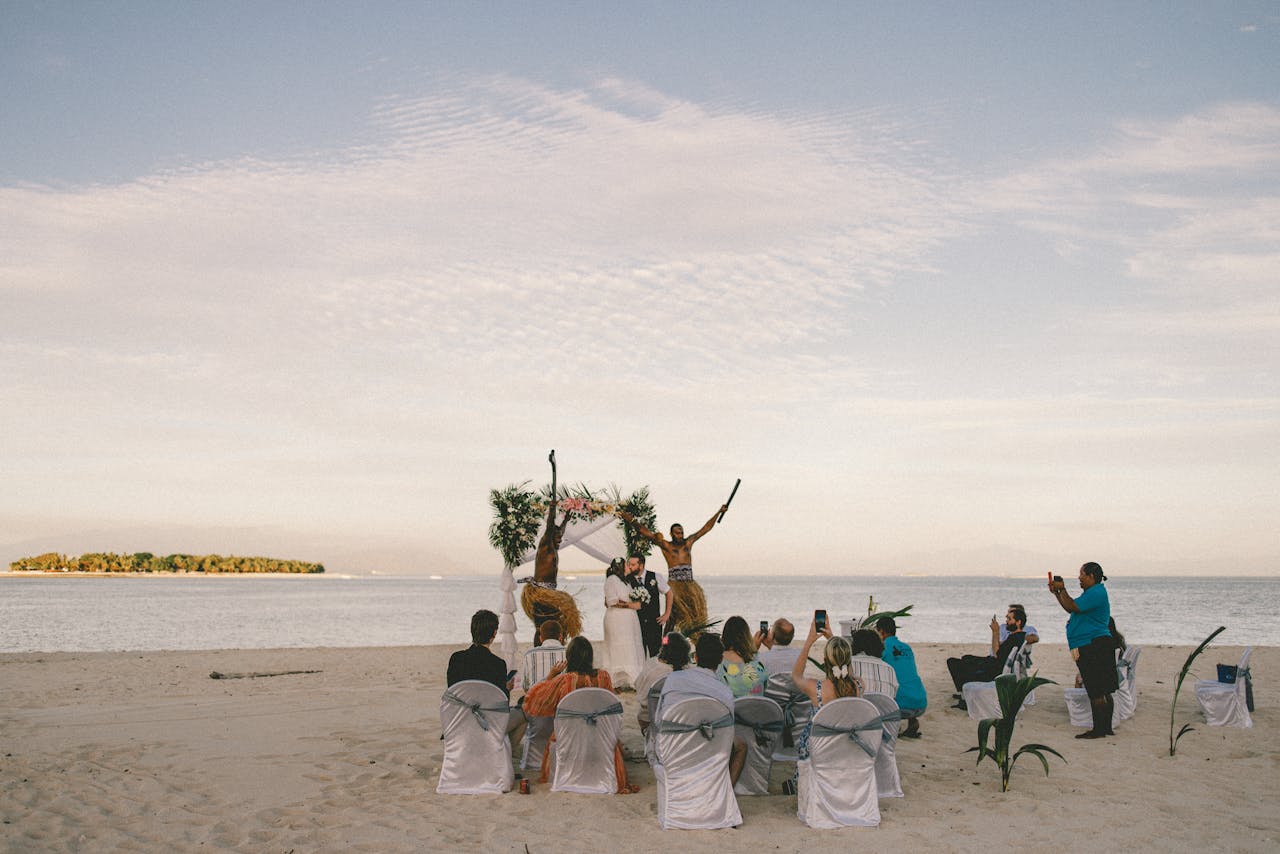
Fiji fits the small-and-distant logic that comes up in global-conflict scenarios, sitting in the South Pacific far from dense clusters of strategic targets and major fleets. It is part of a region shaped by nuclear-weapon-free commitments under the Treaty of Rarotonga, which helps keep nuclear assets from becoming central to local politics. The serious risk would be shortages from shipping disruption, medicines, and fuel price spikes, but for avoiding the first waves of direct conflict and mass mobilization, Fiji’s distance, smaller footprint, and lower strategic value can be a genuine advantage if ships and fuel still arrive on schedule too.