We may earn money or products from the companies mentioned in this post. This means if you click on the link and purchase the item, I will receive a small commission at no extra cost to you ... you're just helping re-supply our family's travel fund.

A war does not need to cross a border to upend a journey. In the first days of March, travelers in countries far from the fighting still found departure boards changing by the hour as airlines cut routes, paused returns, and avoided key air corridors. Airports that looked calm on the surface were suddenly tied to decisions made over distant airspace. The result was a strange kind of disruption: peaceful countries, ordinary itineraries, and cancellations triggered by a conflict unfolding somewhere else entirely.
India
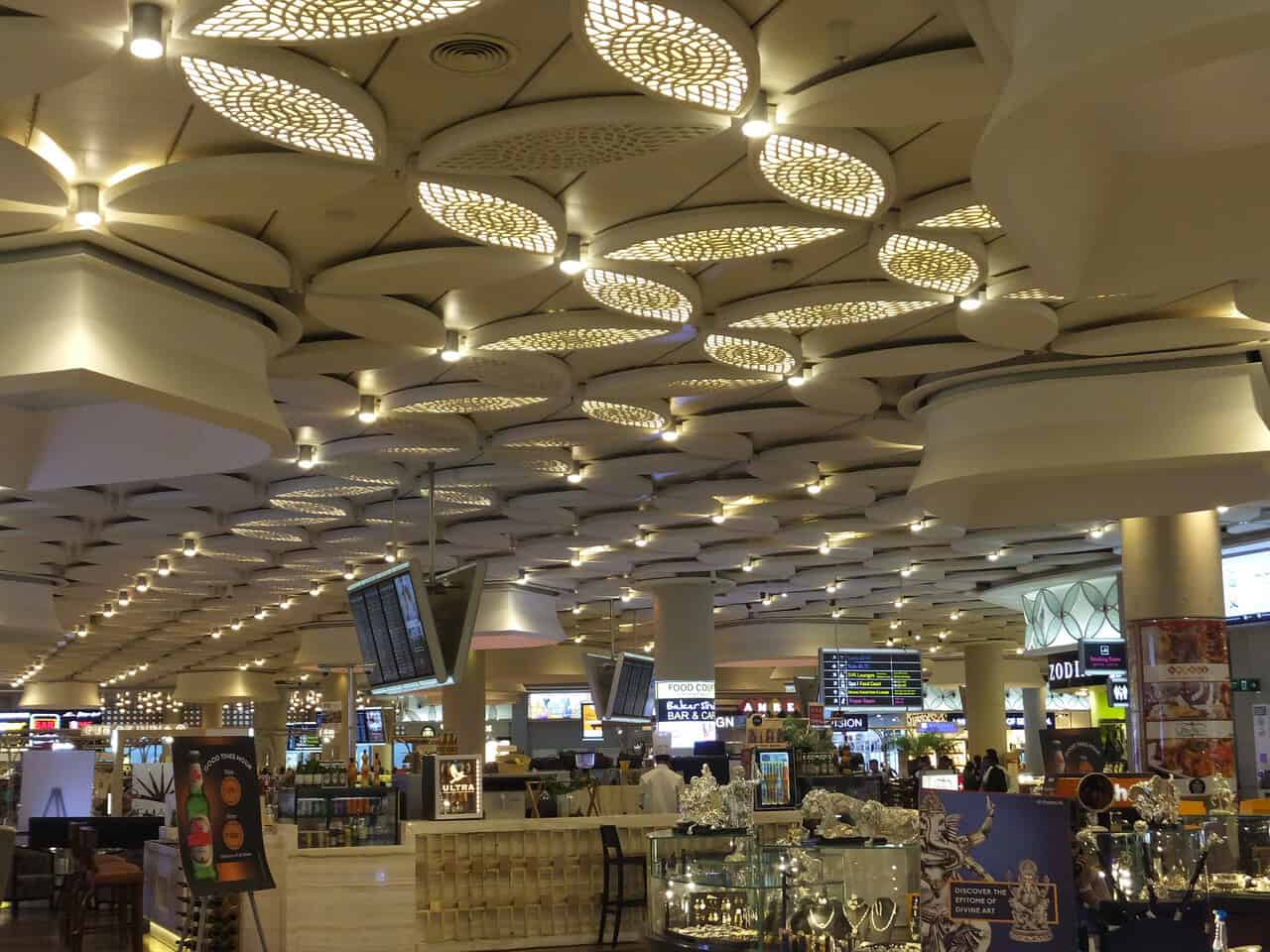
India was nowhere near the battlefield, yet the fallout landed hard at its busiest airport. At Delhi’s Indira Gandhi International Airport, more than 100 international flights were canceled as airlines reacted to closures and risk across key Middle Eastern corridors. For passengers headed to Europe, the Gulf, or onward long-haul connections, the issue was not local instability but global dependency. A route map that usually feels invisible suddenly became the whole story, turning routine departures into long waits, missed plans, and uncertain rebookings.
Finland
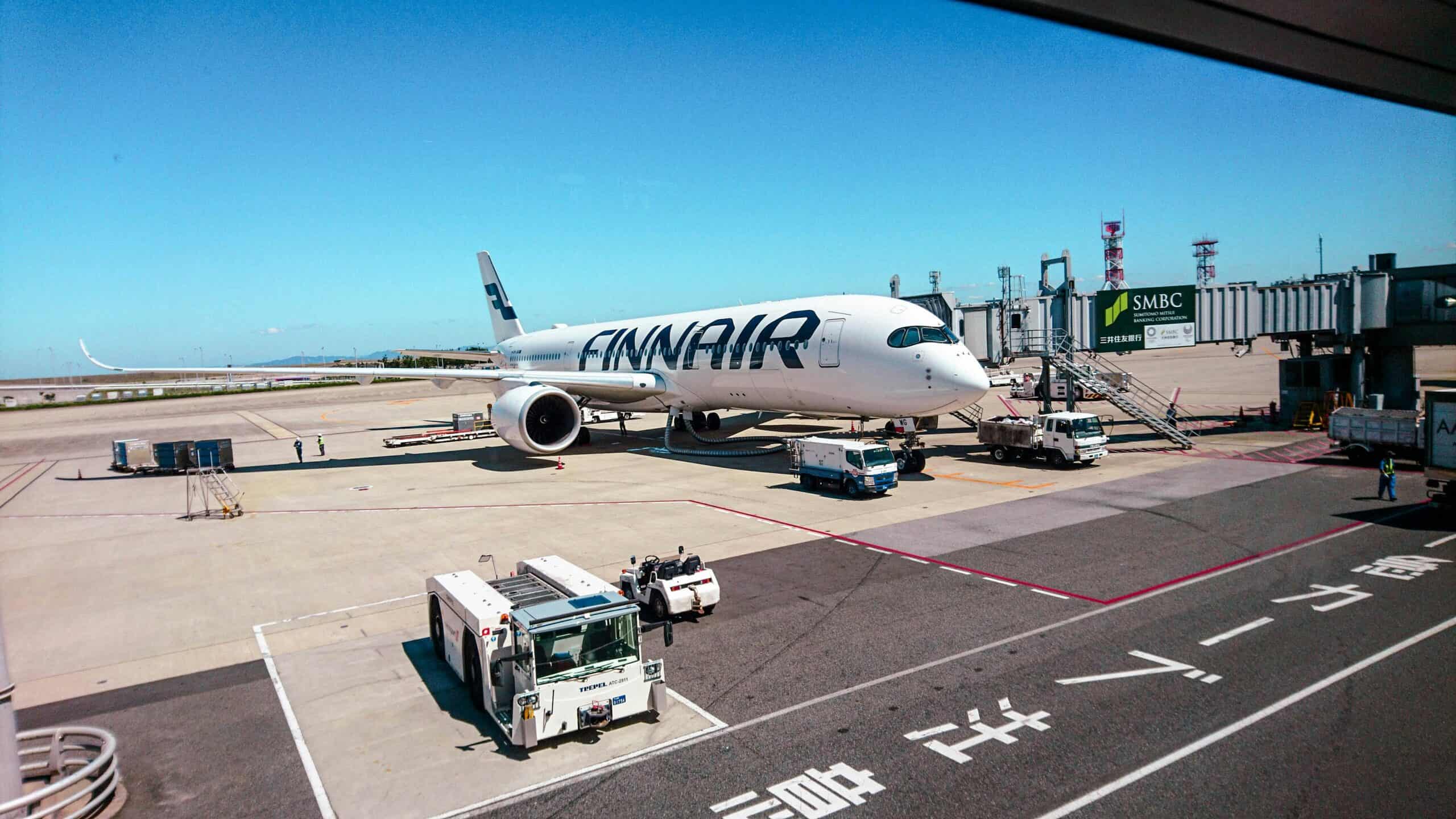
Finland’s role in the conflict was none, but its flag carrier still had to redraw its schedule. Finnair canceled all Doha and Dubai flights between Feb. 28 and March 29 and said it would avoid the airspace of Iraq, Iran, Syria, and Israel. That left Helsinki passengers dealing with a problem modern travel rarely explains well: even when both the origin and destination are stable, the journey can fail because the safest path between them suddenly no longer exists. The distance looked reassuring on a map. In practice, it meant very little.
Malaysia

Malaysia was far from the war zone, but Kuala Lumpur still felt the strain through one fragile connection point after another. Malaysia Airlines said its Doha service would remain suspended until March 13 while it reviewed the security situation, even as flights to Jeddah and Madinah resumed. That pause captured how quickly a single Gulf route can unravel wider travel plans across Asia and beyond. A ticket may show one destination, but the real journey often depends on a chain of airspace decisions made far outside the traveler’s field of view.
Poland
Poland offered one of the clearest examples of how far disruption can travel. In Krakow, departure boards showed cancellations as the aviation system absorbed the shock of closed or restricted airspace deeper south and east. Reuters reported that LOT canceled Dubai flights until March 28, alongside other regional suspensions. None of that made Poland part of the war. It simply made Polish travelers part of the fallout, stuck in that uncomfortable middle ground where the airport is open, the country is calm, and the trip still disappears anyway.
United Kingdom

The United Kingdom was not near the front, but British Airways still had to make hard cuts. The carrier suspended flights to destinations including Doha, Dubai, Bahrain, Amman, and Tel Aviv, while other pauses stretched further depending on route and risk. For travelers in London and beyond, the disruption was a reminder that aviation runs on confidence as much as fuel and timing. Once that confidence breaks over a major corridor, even airports far from the conflict begin to feel unsettled, with cancellations rippling through plans that seemed unrelated just days earlier.
Canada
Canada was separated from the conflict by oceans, but that offered no real protection from schedule changes. Reuters reported that Air Canada canceled all Dubai flights until March 28 as airlines across multiple regions reassessed risk, routing, and operational exposure. For Canadian passengers, the problem was not proximity but connectivity. Long-haul travel depends on a tightly timed web of hubs, and once part of that web is cut loose, travelers thousands of miles away feel it in canceled departures, extended layovers, and rebookings that stretch far longer than expected.
Hong Kong

Hong Kong, one of Asia’s great transit gateways, was pulled into the disruption through canceled Gulf links and the pressure that followed. Reuters reported that Cathay Pacific canceled flights to and from Dubai and Riyadh through March 31, and the broader conflict has also driven fare spikes and extra demand on alternative long-haul routes. For a city built on precision, timing, and connection, that kind of instability hits harder than a single canceled flight. It unsettles the rhythm of the entire network and exposes how quickly global mobility can tighten when one region’s skies become uncertain.
Latvia

Latvia may seem far removed from the crisis, yet Riga still found itself on the same map of interrupted travel. airBaltic said all Dubai flights were canceled until March 16, including the return Dubai to Riga service on March 17, while it worked on repatriation options for stranded passengers. That detail mattered because it showed the disruption was not limited to giant hubs or the biggest carriers. Even smaller European networks felt the strain. What looked like a distant war on the news became a very immediate problem at the gate, at check-in, and on family travel calendars.