We may earn money or products from the companies mentioned in this post. This means if you click on the link and purchase the item, I will receive a small commission at no extra cost to you ... you're just helping re-supply our family's travel fund.

Travel dreams often begin with images, not warnings: bright coastlines, famous skylines, mountain roads, old cities glowing after rain. Yet in 2026, many Americans are weighing a different kind of map, one shaped by kidnappings, armed conflict, wrongful detention, collapsing infrastructure, and shrinking consular help. The U.S. State Department’s Level 4 advisory is its highest warning, reserved for places where life-threatening risks are severe and assistance may be limited or unavailable. For some destinations, the romance has not disappeared, but it has been overtaken by danger.
Haiti
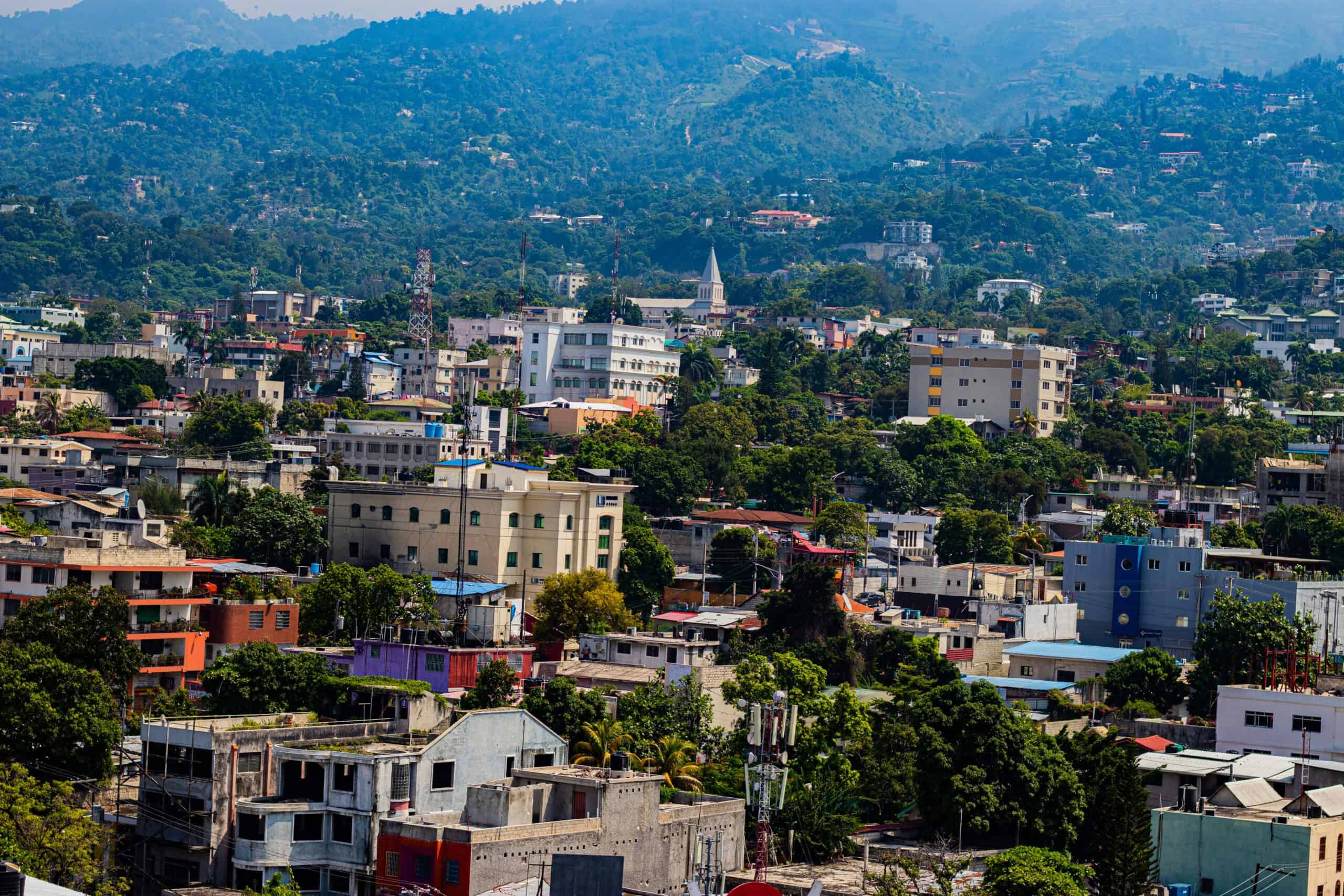
Haiti sits heartbreakingly close to the U.S., yet it now carries some of the gravest warnings in the hemisphere. The State Department advises Americans not to travel there because of kidnapping, crime, terrorist activity, civil unrest, and limited health care, a combination that turns ordinary tourism into something far more precarious. What makes the warning feel especially heavy is how quickly a routine disruption can spiral in a place where security conditions remain unstable and even basic medical support may be difficult to access when it matters most.
Venezuela

Venezuela remains one of the clearest examples of a destination where beauty and risk now exist in brutal tension. The U.S. government warns Americans not to travel to or remain there because of wrongful detention, torture in detention, terrorism, kidnapping, arbitrary enforcement of local laws, crime, civil unrest, and poor health infrastructure. Even more unsettling, the U.S. Embassy in Caracas suspended operations years ago, which means emergency help on the ground is severely limited and any trip can carry consequences that stretch far beyond a vacation gone wrong.
Russia

Russia is no longer treated as a difficult destination so much as a deeply hazardous one for Americans. The State Department says not to travel there for any reason, citing the danger associated with the war, the risk of harassment or wrongful detention by Russian security officials, arbitrary enforcement of local laws, and the possibility of terrorism. The warning lands with unusual force because it is not framed around one troubled region or one passing event. It speaks to a broader environment where even Americans with ordinary travel plans can suddenly face legal and personal jeopardy.
Belarus

Belarus can look, from afar, like a lesser-discussed stop on the edge of Europe, but the U.S. warning is stark. Americans are told not to travel there for any reason due to unrest and other risks, and the advisory notes that the U.S. government’s ability to assist citizens in Belarus is seriously constrained. That matters more than many travelers realize. In a tense political environment, even simple misjudgments become harder to recover from when diplomatic support is thin, mobility is restricted, and events on the ground can shift faster than a visitor can adapt.
Iran

Iran has long carried complexity, but in 2026 the warning for Americans is as direct as it gets: do not travel for any reason. The State Department says U.S. citizens face serious dangers including terrorism, civil unrest, kidnapping, arbitrary arrest, torture, and wrongful detention, and it advises Americans in Iran to leave immediately. What deepens the sense of risk is the lack of a U.S. Embassy there, leaving travelers with fewer direct channels for help in a crisis. In practical terms, even a carefully planned trip can become frighteningly hard to manage once circumstances turn.
Lebanon
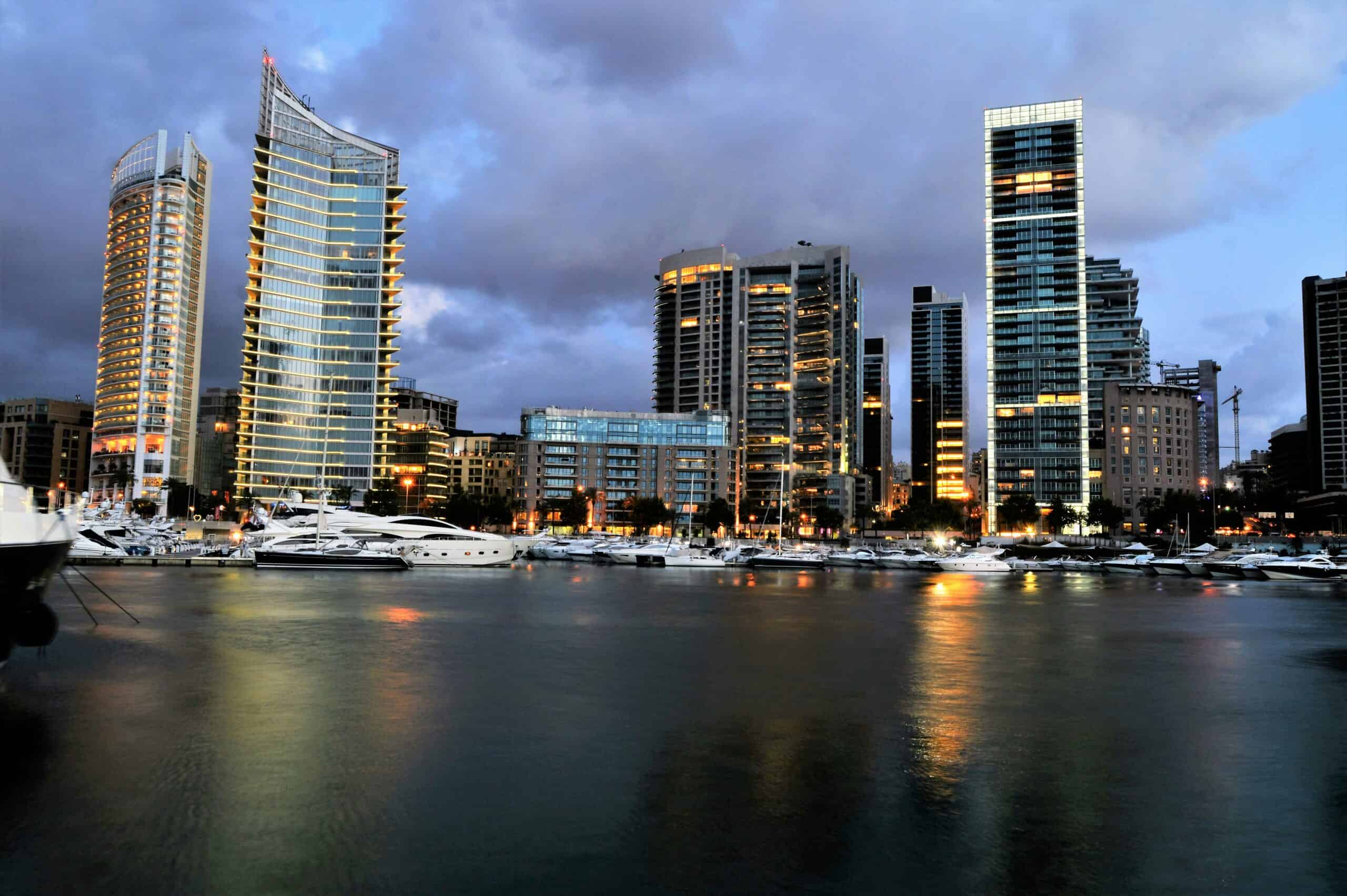
Lebanon still holds the pull of a place layered with memory, cuisine, coastline, and culture, but the present warning is severe. The State Department advises Americans not to travel there because of crime, terrorism, civil unrest, kidnapping, unexploded landmines, and the risk of armed conflict, with some border areas carrying even greater danger. For travelers, that means instability is not theoretical or confined to headlines. It can affect roads, neighborhoods, airport decisions, and the basic assumption that a trip can move from one day to the next without suddenly being overtaken by events no visitor can control.
Myanmar
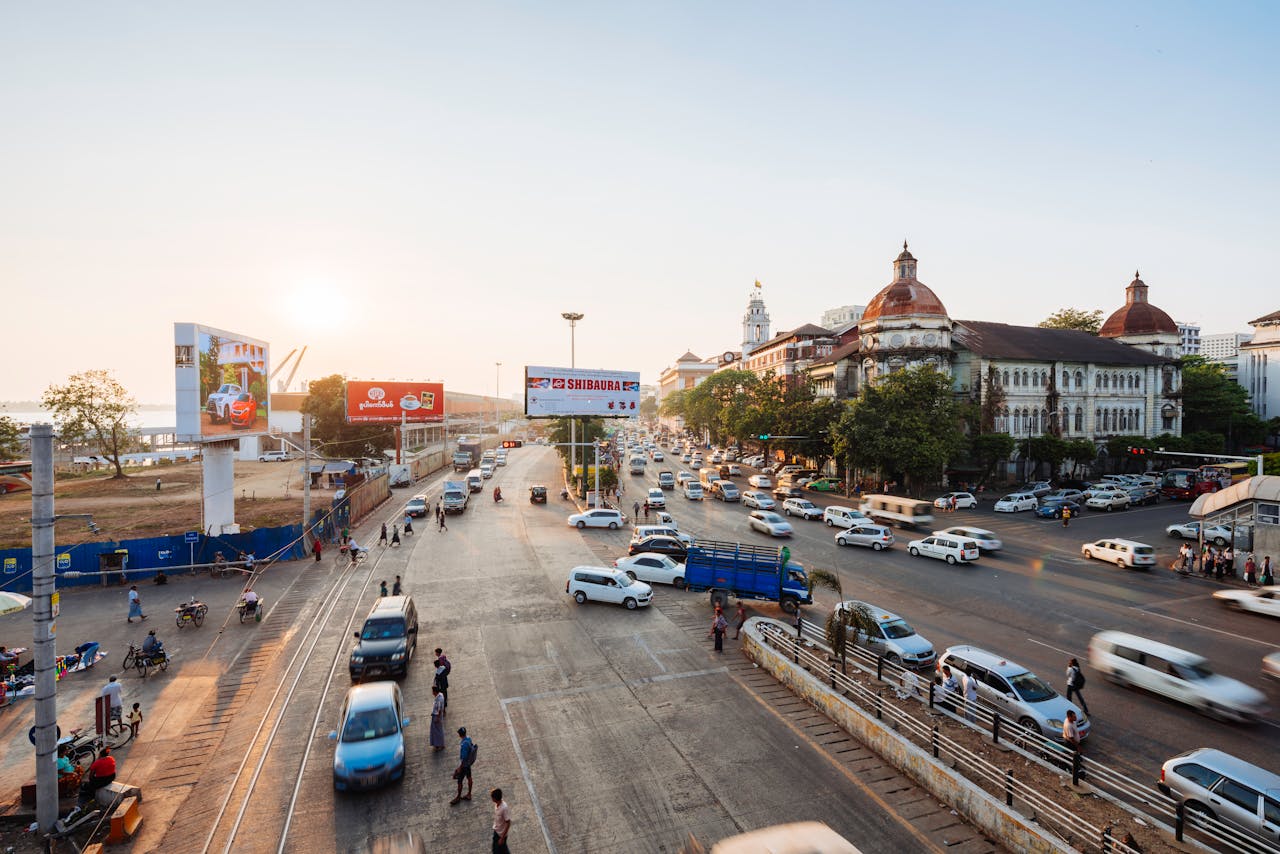
Myanmar, also listed by the State Department as Burma, remains a place where the warning reaches beyond unrest into the mechanics of daily survival. Americans are told not to travel because of armed conflict, the potential for civil unrest, arbitrary enforcement of local laws, poor health infrastructure, land mines and unexploded ordnance, crime, and wrongful detentions. That mix gives the country a particularly grim profile for tourism. It is not only the threat of violence that weighs on travel decisions, but the possibility that routine movement, emergency treatment, or even basic legal clarity may disappear at the worst possible moment.
Yemen
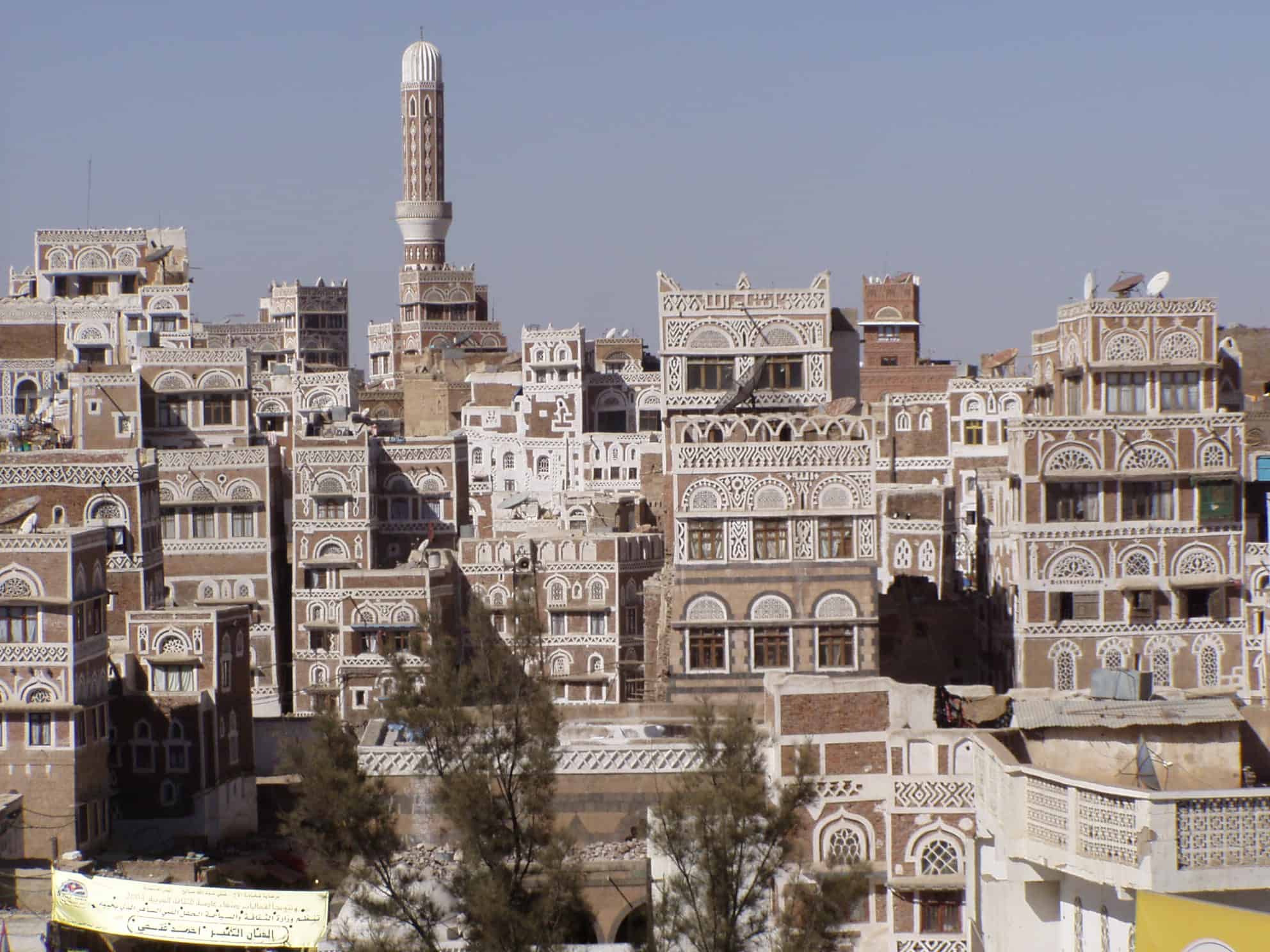
Yemen is one of those places where the warning does not leave much room for nuance. The State Department says Americans should not travel there because of terrorism, unrest, crime, health risks, kidnapping, and landmines, and it notes that there is no U.S. embassy or consulate in the country. That final point changes the emotional math of travel entirely. A delayed flight, a medical emergency, a road closure, or a security incident does not unfold against the backdrop of normal support. It unfolds in a place where help may be distant, improvised, or simply out of reach.