We may earn money or products from the companies mentioned in this post. This means if you click on the link and purchase the item, I will receive a small commission at no extra cost to you ... you're just helping re-supply our family's travel fund.
Travel laws rarely arrive with a drumroll. They slip into daily life as a sign on a bridge, a rule in a rental agreement, or a fine that appears only after a camera flash. What feels normal at home can be a violation abroad, especially in places trying to protect historic streets, fragile ruins, and public order. The most surprising rules are not dramatic crimes. They are small habits done on autopilot, then punished like a choice. These nine laws are easy to break without intent, and simple to avoid once they are known.
Venice’s No-Snack, No-Sit Zones
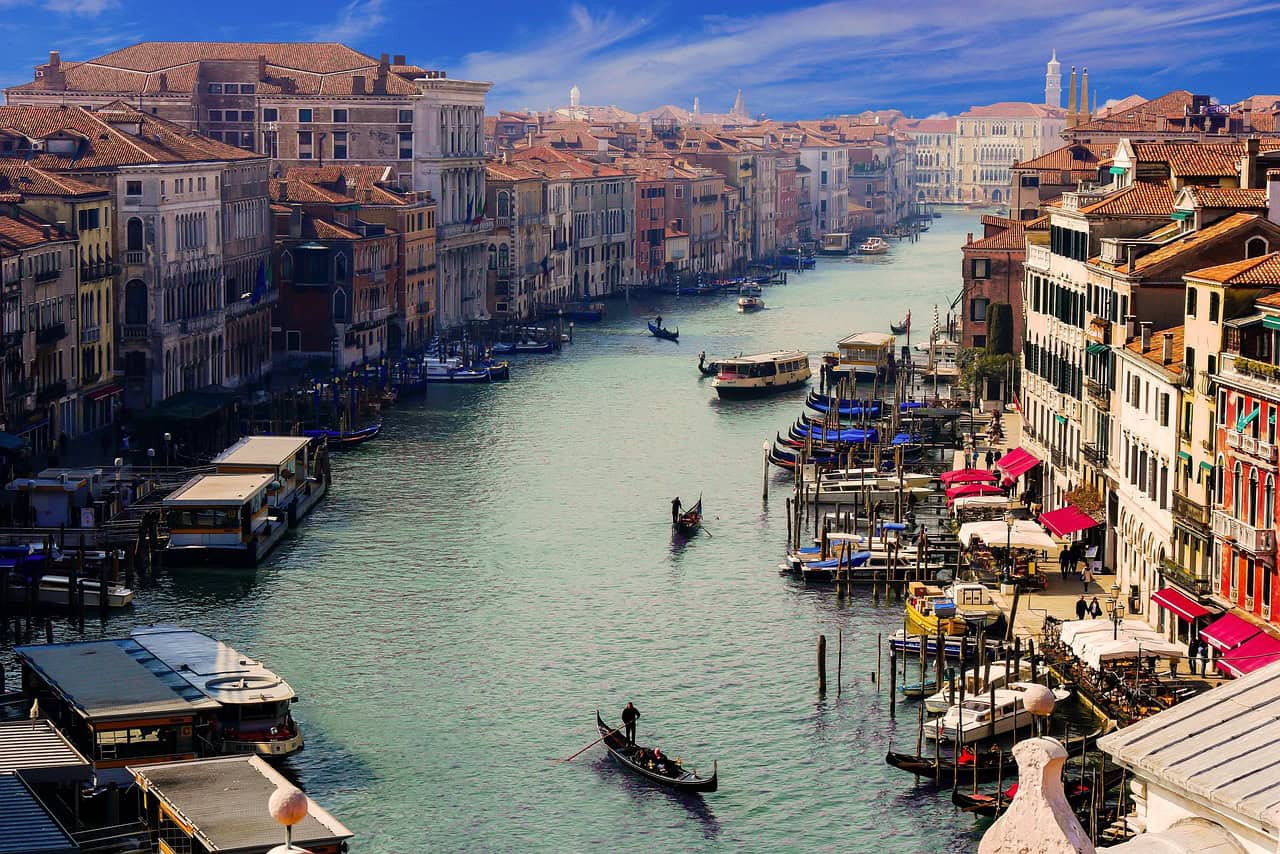
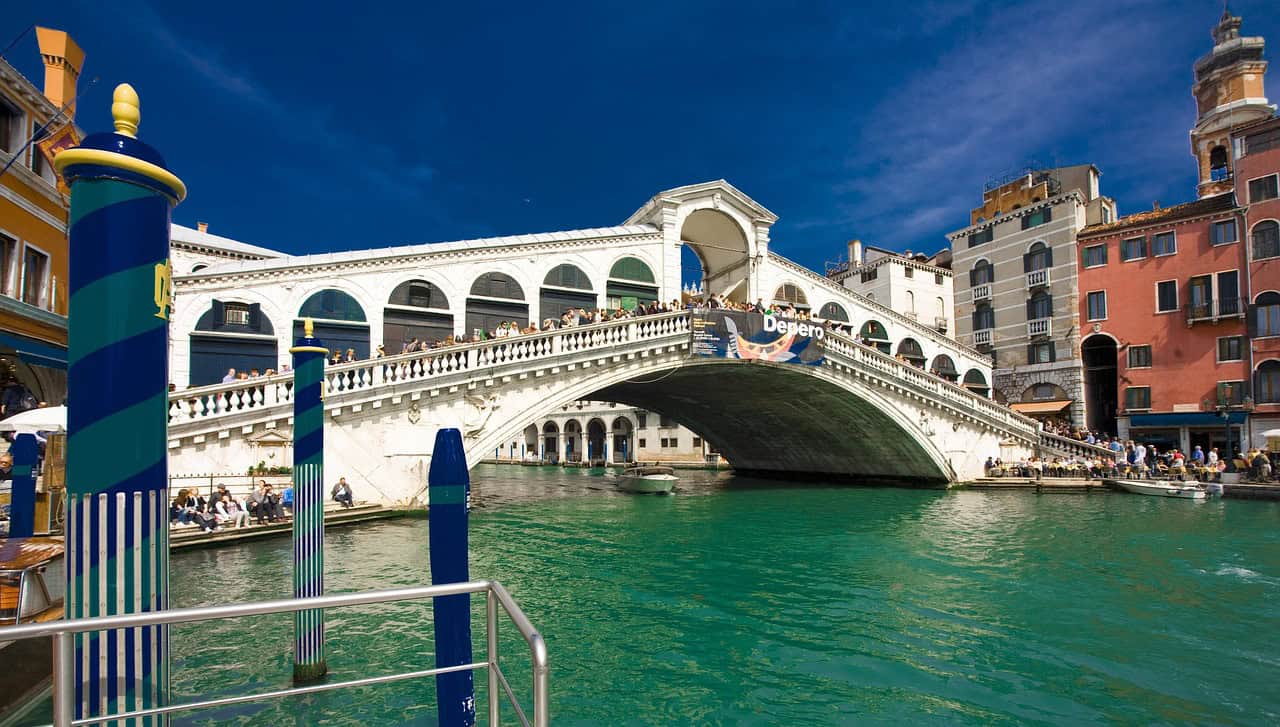
Venice treats certain tourist habits as slow-motion damage. City rules ban eating or drinking while sitting on bridges, steps, monuments, and even on the ground in key public areas, because crumbs, spills, and crowding grind down stone the way sandpaper does. The city lists fines of €100 to €200, and repeat behavior can trigger an urban banning order that removes offenders from the area. It sounds petty until a footbridge becomes a cafeteria and every ledge turns into a trash shelf. Police and local officers do not need a dramatic scene; a quick sit with a snack is enough. Venice protects its surfaces the way museums protect floors.
Rome’s Spanish Steps Resting Ban

/Pixabay
Rome’s Spanish Steps are irresistible at sunset, which is exactly why they are policed like a monument, not a lounge. Authorities enforce a ban on sitting, eating, or drinking on the marble, pushing visitors toward nearby benches and keeping the staircase from becoming a picnic zone that collects spills, trash, and scuffed stone. Reporting on the crackdown notes fines of €250 simply for sitting, and up to €400 for dirtying or damaging the landmark. The mistake is automatic: tired feet, gelato in hand, a perfect pause point framed by the church above, then a whistle, a warning, and a costly lesson that lands without much debate.
Cinque Terre’s Flip-Flop Trail Rule
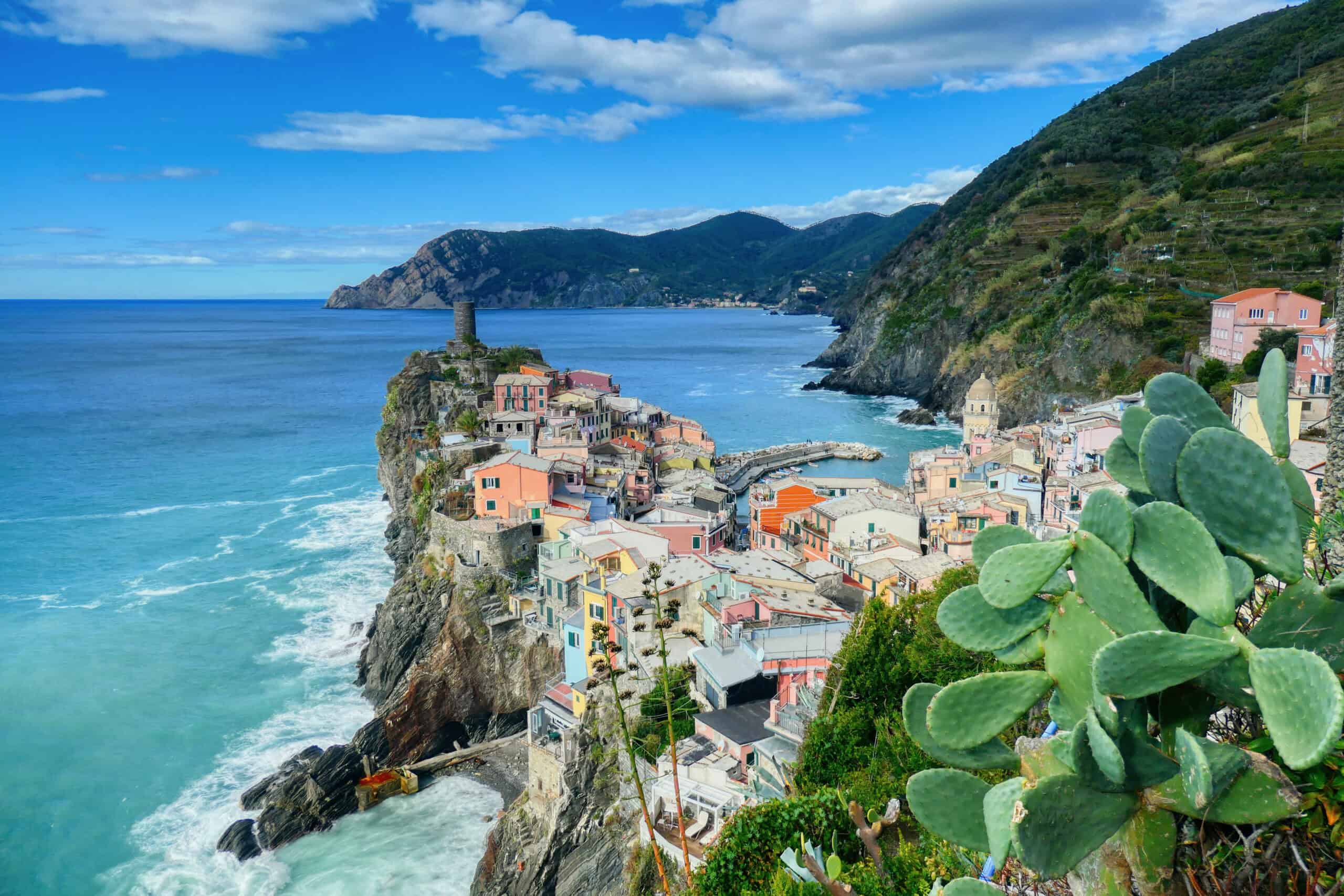
Cinque Terre looks like a seaside stroll in photos, yet its cliffside paths behave like real hiking routes with slick stone, uneven steps, tight turns, and sudden drop-offs where balance matters. Park rules ban open or smooth-soled shoes such as flip-flops on certain trails, and guidance has discussed footwear checks during busy periods when rescues spike and narrow paths clog. Coverage of the rule cites fines from €50 to €2,500 for inappropriate shoes, which feels extreme until a casual sandal choice becomes a fall risk on steep stairways, loose gravel, and exposed sections above the sea, where one slip can shut down a trail.
Greece’s High-Heel Rule at Ancient Sites
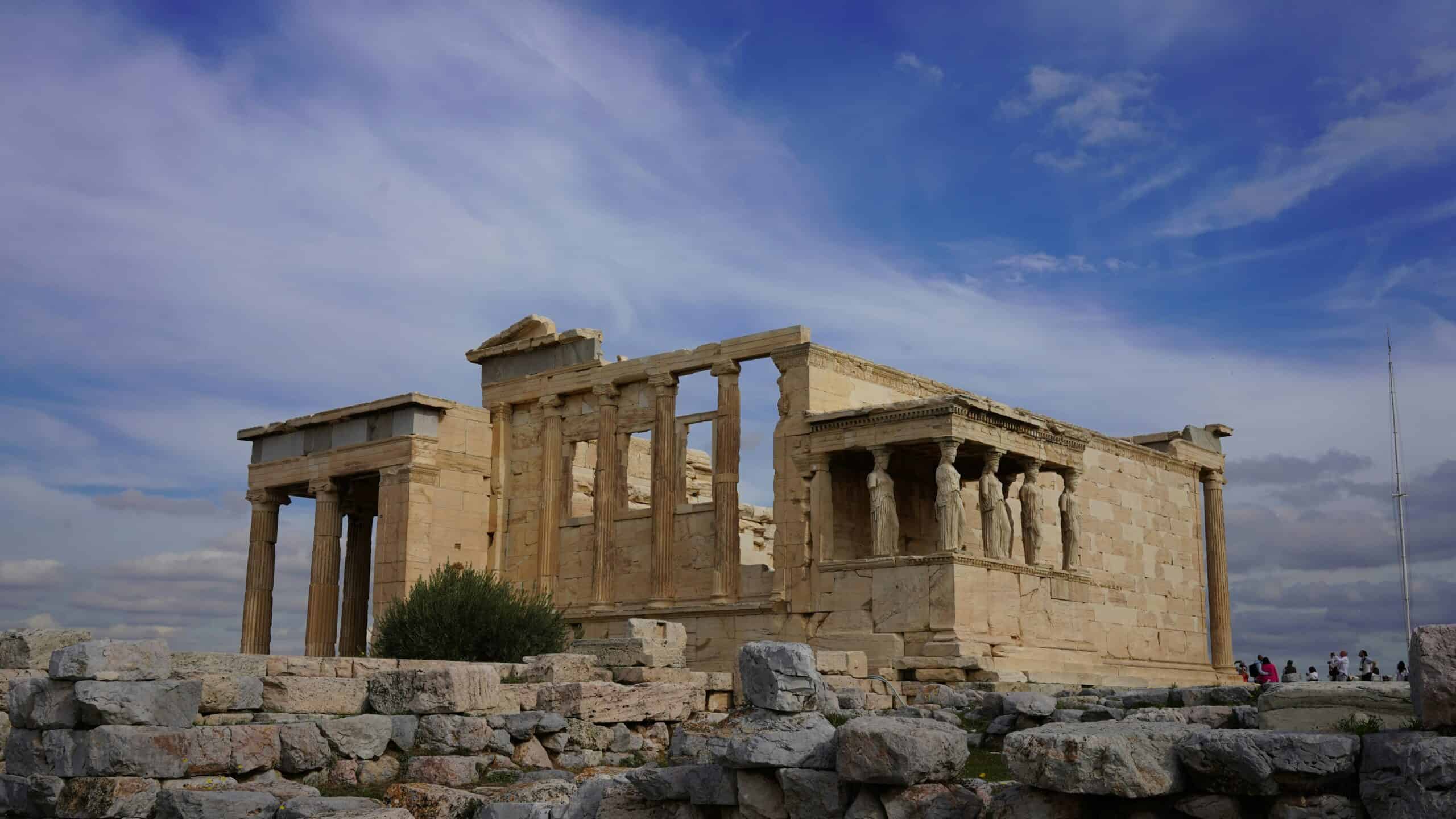
In Greece, the wrong shoes can be treated as a tool that damages history. High heels are prohibited at some archaeological sites because pointed heels can chip marble, widen cracks, and grind fragile stone worn down by centuries of feet and weather. Travel reporting notes penalties that can approach $1,000, a figure that surprises visitors who assume ruins are casual open-air spaces where fashion rules. The enforcement is practical: staff want intact surfaces and fewer injuries on slick, uneven steps, so flats and grippy soles reduce slips, protect ancient stone, and keep the visit focused on the view, not first aid.
Thailand’s E-Cigarette Ban
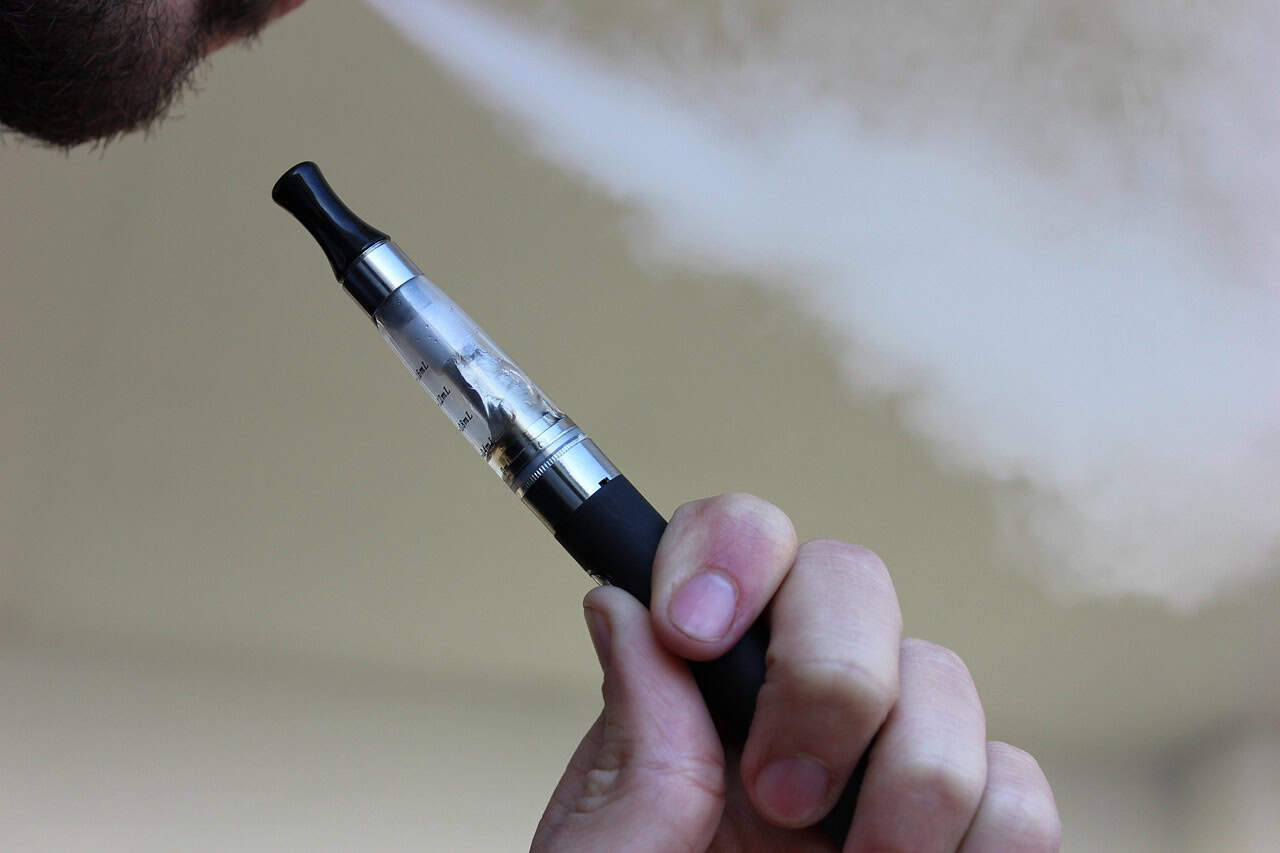
Thailand’s vaping rule catches travelers because it collides with what feels normal elsewhere, especially in airports where devices are sold and advertised openly. The ban on electronic cigarettes has been in place since 2014, and embassy guidance advises visitors not to bring devices or related items into the country, including liquids and accessories that can be spotted easily. Enforcement can involve fines, arrest, and other legal consequences, turning a casual habit into a trip problem fast, because a device found in a bag or used outside a bar can trigger a police interaction that does not end with a warning or a quiet confiscation.
UAE Privacy Rules for Photos and Videos
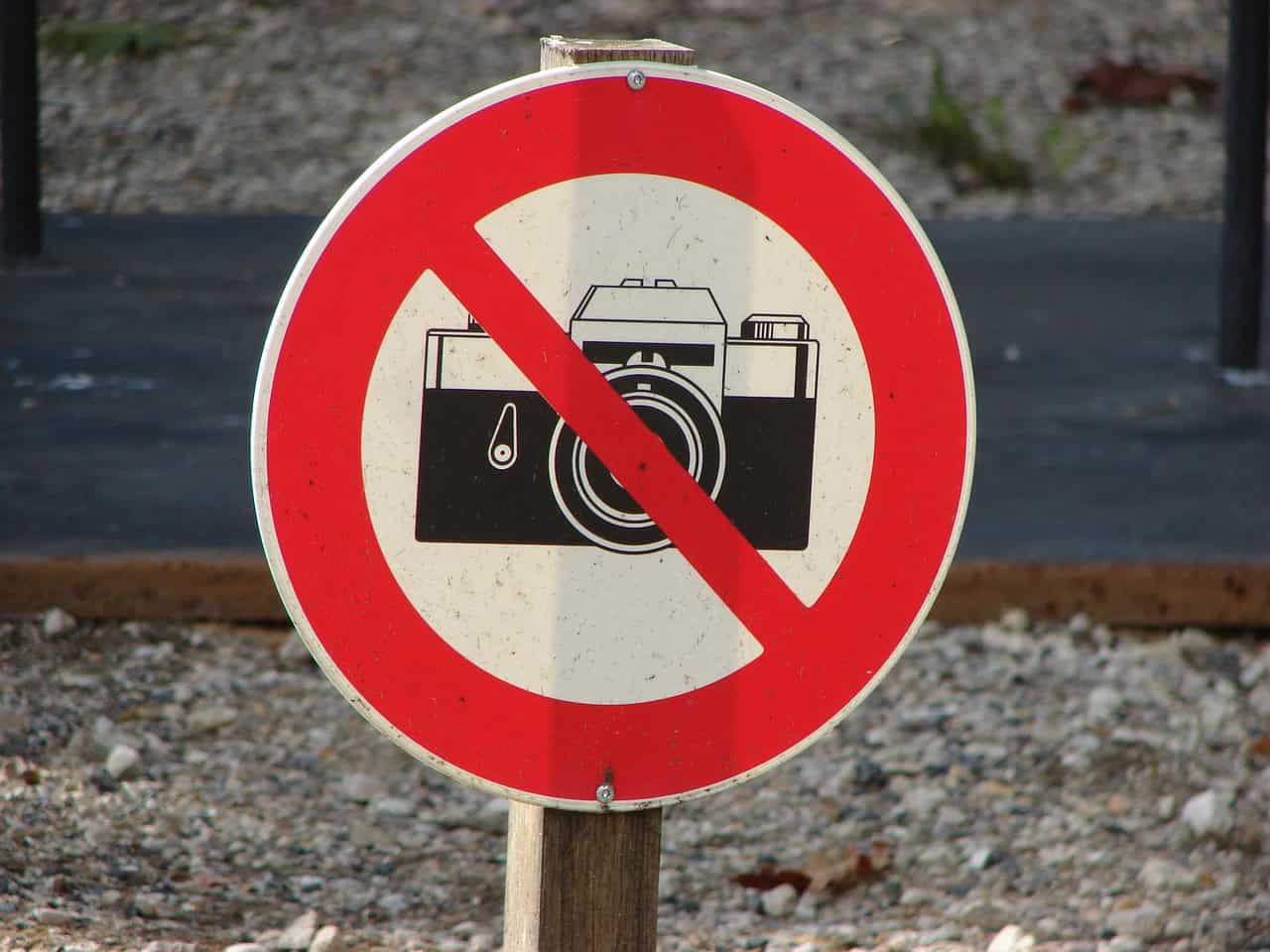
In the UAE, casual filming can cross into a privacy offense, especially once content is shared online and turns into commentary about a stranger. Reporting on the cybercrime framework notes that taking photos of people without consent and publishing them can bring penalties, including fines ranging from Dh150,000 to Dh500,000, depending on the case. The trap is modern habit: recording a street scene, capturing a dispute, or posting a clip because it feels public, then learning that identifiable faces, audio, and a mocking caption can be treated as a serious violation, with consequences that follow a traveler beyond the moment.
Singapore’s Chewing Gum Import Trap
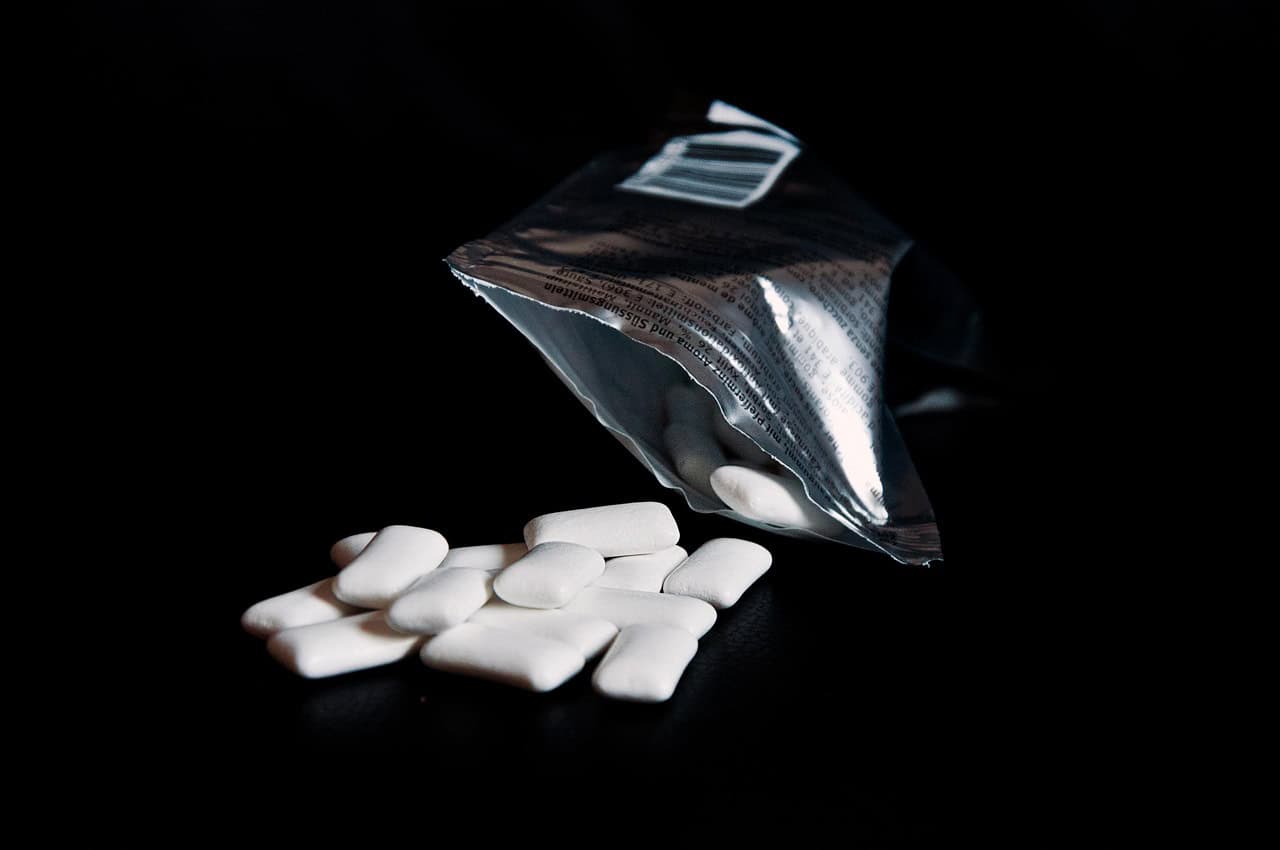
Singapore’s gum rule is famous, yet it still surprises visitors because the ban focuses on sale, import, and manufacture, not simply chewing at a bus stop. The National Library Board notes the restriction took effect on Jan. 3, 1992, with limited medical exceptions added later, which means border scrutiny can apply when quantities look like distribution rather than personal use. The logic is practical and tied to public infrastructure and cleanliness, so the safest play is skipping gum, or carrying only a small, clearly personal amount, keeping packaging intact, and disposing of it properly instead of spitting it out.
Barcelona’s Swimwear-Off-The-Beach Fines

In Barcelona, beachwear stops being acceptable once the shoreline gives way to regular city blocks, cafés, transit stops, and shopping streets where locals live their daily routines. Reporting and local summaries describe fines for walking around in swimwear or shirtless in non-beach areas, aimed at keeping busy commercial zones livable, with coverage commonly citing penalties up to about €300 and higher fines for nudity. The mistake is easy on a hot day after the sand, but a cover-up prevents a quick errand from turning into a ticket, an awkward lecture, and a photo that becomes the day’s unwanted souvenir in a crowded plaza.